
Medizintourismus-Blog
Lösungen bei stressbedingtem Haarausfall: Wirksame Verfahren zur Behandlung von Haarausfall in Korea
Table of contents
- Medizinische Behandlungen bei Telogenem Effluvium
- Beste Kliniken in Korea für stressbedingten Haarausfall
- Ihr Weg zur Haarwiederherstellung in Südkorea: Ein Leitfaden für Medizintouristinnen und -touristen
- Kosten verstehen: Südkorea im Vergleich zum globalen Medizintourismus
- Patientenberichte: Echte Geschichten von Erholung und Nachwachsen
- Fazit: Ihr Weg zu gesünderem Haar
- Quellen
Planen Sie eine Behandlung in Korea? Alles, was Sie wissen müssen, z. B. wie Sie Betrug vermeiden, Visa, Dolmetscher und Tipps für die Erholung, finden Sie in unserem Master Guide für Medizintourismus. Planen Sie mit Vertrauen in Minuten statt in Wochen!
Haarausfall ist mehr als nur eine körperliche Veränderung – er kann das Selbstwertgefühl und die allgemeine Lebensqualität beeinträchtigen. Bei vielen Menschen tritt Haarausfall als Reaktion auf inneren Stress auf und wird dann oft als „stressbedingter Haarausfall“ bezeichnet. Dieser Leitfaden erklärt eine der häufigsten Ursachen – das Telogene Effluvium – und erläutert, was dahintersteckt, welche Behandlungsmöglichkeiten es gibt und was wichtig ist, wenn Sie eine Haarwiederherstellung in Betracht ziehen, insbesondere im Rahmen des Medizintourismus in Südkorea.
Das Telogene Effluvium (TE) ist eine häufige, nicht vernarbende Form der Alopezie, die durch einen plötzlich einsetzenden, diffusen Haarausfall über die gesamte Kopfhaut gekennzeichnet ist. Die gute Nachricht: TE ist in der Regel reversibel, wenn die zugrunde liegende Ursache erkannt und behandelt wird.
Definition und Hauptmerkmale
Beim Telogenen Effluvium treten Haarfollikel vorzeitig in die „Telogen“-Phase (Ruhephase) ein, nachdem der Körper erheblichen körperlichen oder seelischen Stress erlebt hat, hormonelle Veränderungen durchmacht oder bestimmte Medikamente neu eingenommen bzw. abgesetzt werden. TE geht mit vermehrtem Ausfall von „Kolbenhaaren“ (Ruhehaaren) einher. Die Haarfollikel selbst werden jedoch nicht dauerhaft geschädigt, sodass ein Nachwachsen möglich ist.
Andere Bezeichnungen
Bei der Recherche können Ihnen für das Telogene Effluvium auch Begriffe wie „diffuser Haarausfall“ oder der Sammelbegriff „stressbedingter Haarausfall“ begegnen. Gemeint ist damit in der Regel dasselbe Krankheitsbild.
Wie der Haarwachstumszyklus aus dem Gleichgewicht gerät
Das normale Haarwachstum verläuft in mehreren Phasen:
- Anagen (Wachstumsphase): Dauert 2–7 Jahre; 85–90 % der Kopfhaare befinden sich in dieser Phase.
- Katagen (Übergangsphase): Eine kurze Übergangsphase.
- Telogen (Ruhe-/Ausfallphase): Etwa 10–15 % der Haare befinden sich in dieser Phase; Dauer ca. 4 Monate.
- Exogen (tatsächlicher Haarausfall): Das alte Haar wird abgestoßen, während bereits ein neues Haar nachwächst.
Beim Telogenen Effluvium können nach einem größeren körperlichen oder seelischen Belastungsereignis bis zu 70 % der aktiven Haare (Anagenhaare) plötzlich in die Telogenphase übergehen. Das bedeutet, dass zwei bis vier Monate nach dem auslösenden Ereignis vermehrter Haarausfall einsetzt. Diese Verzögerung kann verwirrend sein und Ängste auslösen, ist aber typisch für TE und hängt mit dem Haarzyklus zusammen.
Häufige Auslöser
TE wird typischerweise ausgelöst durch:
- Körperlichen Stress: Schwere Erkrankungen, Operationen, Fieber, Traumata, Blutverlust, Geburt oder Crash-Diäten.
- Emotionalen Stress: Akute oder chronische psychische Belastung.
- Hormonelle Veränderungen: Hormonumstellungen nach der Geburt, Schilddrüsenerkrankungen oder das abrupte Absetzen der Antibabypille.
- Nährstoffmängel: Mangel an Protein, Eisen, Zink oder Vitamin D.
- Medikamente: Ausdünnung der Haare kann als Nebenwirkung auftreten, bildet sich jedoch in der Regel zurück, wenn das Medikament abgesetzt wird.
Akutes vs. chronisches Telogenes Effluvium
- Akutes Telogenes Effluvium: Dauert weniger als sechs Monate; die meisten Fälle bessern sich, sobald der Auslöser beseitigt ist.
- Chronisches Telogenes Effluvium (CTE): Der Haarausfall hält länger als sechs Monate an und betrifft häufig Frauen in den 40ern und 50ern. Manchmal lässt sich kein eindeutiger Auslöser feststellen.
Da TE mitunter auch ein Hinweis auf tieferliegende Gesundheitsprobleme sein kann, etwa Schilddrüsenstörungen oder erblich bedingten Haarausfall, ist eine gründliche medizinische Abklärung wichtig.
Diagnose
Ärztinnen und Ärzte erheben in der Regel die Krankengeschichte einschließlich möglicher Stressfaktoren, untersuchen die Kopfhaut – manchmal einschließlich eines Haarzugtests – und veranlassen gegebenenfalls Blutuntersuchungen, um Nährstoffmängel, Schilddrüsenerkrankungen oder Stoffwechselprobleme abzuklären. In manchen Fällen ist zur Bestätigung auch eine Kopfhautbiopsie erforderlich.
Medizinische Behandlungen bei Telogenem Effluvium
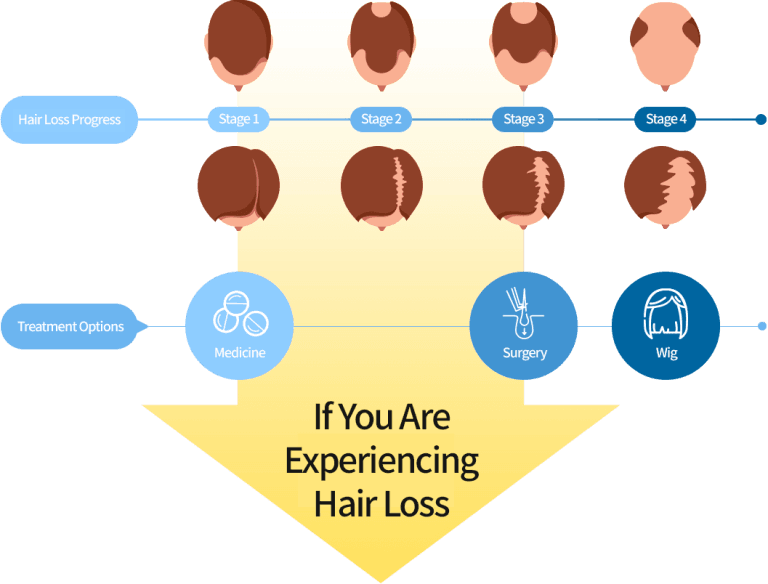
Die wirksamste Behandlung des Telogenen Effluviums besteht darin, die zugrunde liegende Ursache zu beheben. Darüber hinaus können verschiedene Therapien das Haarwachstum unterstützen und die Beschwerden lindern, insbesondere bei anhaltenden Verläufen.
Behandlung der zugrunde liegenden Ursache
- Stressmanagement: Reduzieren Sie Stress durch Meditation, ausreichend Schlaf, regelmäßige Bewegung und andere Maßnahmen der Selbstfürsorge.
- Ernährung und Nährstoffe: Achten Sie auf eine ausreichende Zufuhr von Protein und essenziellen Nährstoffen wie Eisen, Zink, Biotin und Vitamin D. Bei einem nachgewiesenen Mangel kann Ihre Ärztin oder Ihr Arzt Nahrungsergänzungsmittel empfehlen; allgemeine „Haarvitamine“ sind jedoch nur sinnvoll, wenn tatsächlich ein Mangel besteht.
- Schonende Haarpflege: Vermeiden Sie übermäßiges Styling, Hitze und straff sitzende Frisuren. Waschen Sie Ihr Haar sanft zwei- bis dreimal pro Woche, um zusätzliche Belastung zu minimieren.
Äußerliche und orale Medikamente
- Minoxidil: Als topische Anwendung (5%ige Lösung) oder in niedriger oraler Dosierung kann Minoxidil helfen, Haare aus der Ruhephase wieder in die Wachstumsphase zu überführen. Manche Menschen bemerken anfangs vermehrten Haarausfall – ein möglicher Hinweis darauf, dass die Behandlung anschlägt. Ergebnisse zeigen sich meist nach etwa acht Wochen und erreichen nach vier Monaten oft ihren Höhepunkt. Minoxidil kann auch rund um den Zeitpunkt einer Haartransplantation eingesetzt werden.
- Finasterid/Spironolacton: Wenn TE einen genetisch bedingten Haarausfall (androgenetische Alopezie) sichtbar macht, können diese Medikamente DHT blockieren, ein Hormon, das mit Haarausdünnung in Verbindung steht.
Fortgeschrittene Therapien in der Klinik
- Therapie mit Platelet-Rich Plasma (PRP) & Platelet-Rich Fibrin (PRF): Ihr Blut wird aufbereitet, um heilungsfördernde Wachstumsfaktoren zu konzentrieren, und anschließend in die Kopfhaut injiziert, um ruhende Follikel zu stimulieren. PRF wirkt in der Regel länger als PRP. Die Behandlung gilt als risikoarm, und Ergebnisse können innerhalb von drei bis vier Monaten sichtbar werden.
- Low-Level-Laser-Therapie (LLLT): Schmerzfreie, nicht invasive Lasergeräte – in der Klinik oder für zu Hause – stimulieren die Follikel, verringern Entzündungen und verbessern die Haarqualität. Ergebnisse sind oft nach fünf bis neun Monaten erkennbar.
- Mesotherapie: Eine Mischung aus Vitaminen und regenerativen Wirkstoffen wird in die Kopfhaut injiziert, um die Follikel direkt zu versorgen. Verbesserungen zeigen sich häufig innerhalb mehrerer Monate.
- Botulinumtoxin A (BoNT-A): Erste Forschungsergebnisse deuten darauf hin, dass die Entspannung der Kopfhautmuskulatur mit BoNT-A die Durchblutung der Follikel verbessern und die Wachstumsphase verlängern könnte. Es sind jedoch weitere Studien nötig.
Wann kommt eine Haartransplantation infrage?
Eine Haartransplantation ist in der Regel Formen des dauerhaften Haarausfalls vorbehalten, etwa der androgenetischen Alopezie, kann aber eine Option sein, wenn TE eine zugrunde liegende Glatzenbildung sichtbar macht oder sich bestimmte Bereiche nicht erholen. Bei reinem TE werden in der Regel nicht operative Lösungen bevorzugt.
Beste Kliniken in Korea für stressbedingten Haarausfall
Nachfolgend finden Sie einige der besten Kliniken in Korea für stressbedingten Haarausfall:
| Klinikname | Hauptmerkmale | Besondere Techniken |
|---|---|---|
| Maxwell Hair Clinic | Medizinisches Programm mit Fokus auf Follikelzellen und einem SCM Hair Serum für zu Hause; verbesserte Formulierung mit feinerem Spikulum für bessere Aufnahme und praktischem Spitzenapplikator; datenbasierte Personalisierung auf Grundlage von über 500.000 Behandlungsfällen und mehr als 60.000 Transplantationen seit 2007; Leitung durch den ausgezeichneten Chirurgen Dr. Noh Yoon Woo; anerkannt als erstklassiges Zentrum für Haarwiederherstellung in Korea. | Dreistufiges klinisches Protokoll, zugeschnitten auf stressbedingten Haarausfall: Schritt 1 normalisiert den Haarwachstumszyklus durch Regulierung wichtiger Signalmoleküle; Schritt 2 fördert die Follikelregeneration mithilfe einer hochwirksamen Wachstumsfaktor-Therapie mit Fokus auf Follikelzellen; Schritt 3 stärkt die Follikel durch physikalische Therapien wie Laser, Ultraschall, Magnetfelder und elektrische Stimulation. |
| Seojin Plastic Surgery Clinic | Renommierte Adresse, die preisgekrönte Expertise, fortschrittliche Technologie und personalisierte Betreuung vereint; geleitet von Dr. Lee Hyungmin; Nr. 1 im Bereich Haartransplantation bei den KBS N Korea Broadcasting Brand Awards 2025; bietet Inzisionsoptionen – Line Cut, No-Cut und Mixed; geeignet für groß angelegte Eingriffe mit 6.000 bis 10.000 Haaren; verfügt über einen Kühlraum zur Follikelseparation, PRP-unterstützte Transplantationen und präzise Grafting-Techniken zur Minimierung des Herauslösens von Grafts; Haarlinien-Gradationsdesigns individuell an die Gesichtssymmetrie angepasst; Bart- und Augenbrauentransplantationen mit semipermanentem Brow-Design; Ein-Arzt-Klinik mit 3D-Bildgebung und hochauflösender Endoskopie. | Inzisionsoptionen – Line Cut, No-Cut und Mixed; Kühlraum zur Follikelseparation zur Erhaltung der Vitalität der Grafts; PRP-unterstützte Transplantationen zur Verbesserung des Anwachsens und zur Reduktion von Entzündungen; präzise Techniken zur Minimierung des „Popping“-Phänomens bei dichter Implantation; Haarlinien-Gradation mit Anordnung von feinen bis dickeren Follikeln; Bart- und Augenbrauentransplantationen mit semipermanentem Tattoo-Brow-Design; durchgehende Betreuung durch einen Arzt, ergänzt durch 3D-Bildgebung und hochauflösende Endoskopie. |
| Cellinique Clinic | Verbindet hochklassige Stammzellmedizin mit 100 % personalisierter ärztlicher Betreuung und richtet sich sowohl an die Kopfhaut als auch an die systemischen Auswirkungen von Stress; geleitet von Dr. Chris Gunwoo Kim; NovaStem Kit (konzentriertes autologes Blut), Stammzell-Injektionen gegen Haarausfall, PRP und Exosomen; Option einer Haartransplantation ohne Schnitt; ergänzende Therapien wie NK-Zelltherapie und Blutreinigung (ABC BMT); Boutique-Modell mit umfassender Betreuung zur Wiederherstellung natürlicher Gesundheit und Schönheit. | NovaStem-Therapie (konzentriertes autologes Blut); Stammzell-Injektionen bei Haarausfall; PRP und Exosomen; Option einer Haartransplantation ohne Schnitt; NK-Zelltherapie und Blutreinigung (ABC BMT); integrierte zelluläre Therapien und ästhetische Zusatzbehandlungen zur Beruhigung des durch Stress entzündeten Mikromilieus der Kopfhaut und zur Verbesserung der Haarqualität. |
Maxwell Hair Clinic
Die Maxwell Hair Clinic gilt in Korea als eine der besten Adressen bei stressbedingtem Haarausfall, weil sie ein auf Follikelzellen fokussiertes medizinisches Programm mit einer leistungsstarken und einfach anzuwendenden Lösung für zu Hause kombiniert. Das weiterentwickelte SCM Hair Serum der Klinik verfügt über eine feinere Spikulum-Formulierung für eine bessere Aufnahme bei minimalen bis gar keinen Beschwerden sowie über einen praktischen Spitzenapplikator für die direkte und hygienische Anwendung auf der Kopfhaut. Viele Anwenderinnen und Anwender berichten von positiven Ergebnissen, und die optimierte Formel wurde entwickelt, um sowohl die Haardicke als auch die Haardichte zu verbessern und so schneller zu volleren Resultaten zu führen. Die klinische Behandlung folgt einem dreistufigen Protokoll, das auf stressbedingten Haarausfall abgestimmt ist: Schritt 1 normalisiert den Haarwachstumszyklus durch Regulierung wichtiger Signalmoleküle; Schritt 2 fördert die Follikelregeneration mithilfe einer hochwirksamen Wachstumsfaktor-Therapie mit Fokus auf Follikelzellen; Schritt 3 stärkt die Follikel durch physikalische Therapien wie Laser, Ultraschall, Magnetfelder und elektrische Stimulation. Mit mehr als 500.000 Behandlungsfällen als Grundlage für datenbasierte Personalisierung, über 60.000 erfolgreichen Transplantationen seit 2007 und unter der Leitung des ausgezeichneten Chirurgen Dr. Noh Yoon Woo bietet Maxwell eine Expertise, der Männer, Frauen und internationale Patientinnen und Patienten gleichermaßen vertrauen. Als erstklassiges Zentrum für Haarwiederherstellung in Korea verbindet Maxwell Wissenschaft, Erfahrung und patientenorientierte Betreuung, um stressbedingten Haarausfall zu lindern und ein belastbares, gesundes Nachwachsen zu fördern.
Hier können Sie die Website ansehen: Website der Maxwell Hair Clinic
Seojin Plastic Surgery Clinic
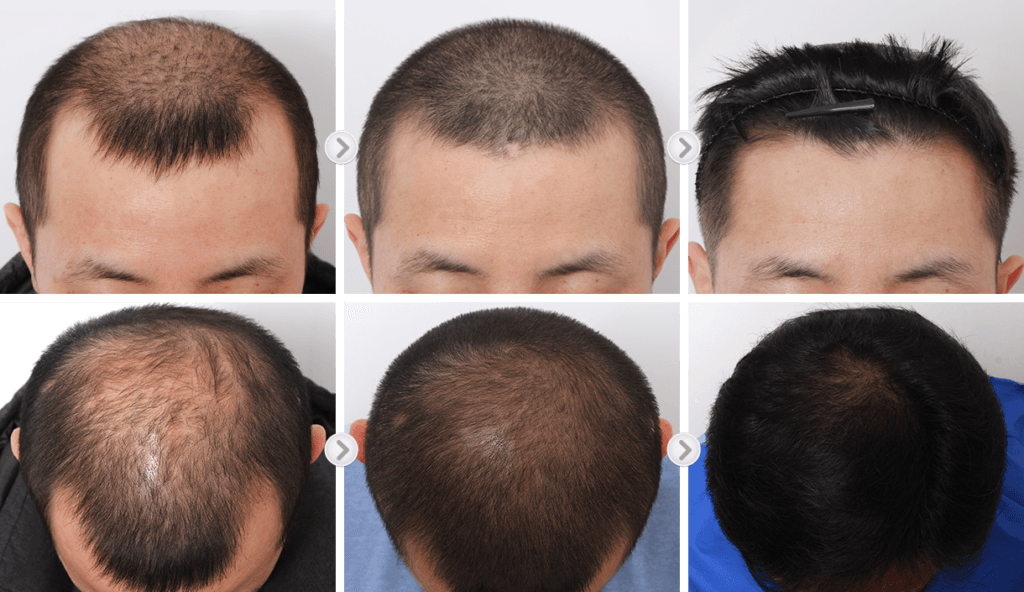
Für Patientinnen und Patienten mit stressbedingtem Haarausfall ist die Seojin Plastic Surgery Clinic in Gangnam eine der besten Adressen in Korea, weil sie preisgekrönte Expertise, fortschrittliche Technologie und eine wirklich personalisierte Betreuung vereint. Unter der Leitung von Dr. Lee Hyungmin – ausgezeichnet als einer von Koreas Top 100 Good Doctors im Jahr 2022 und mit mehr als 16 Jahren Erfahrung sowie über 2.100 Haartransplantationen – wurde die Klinik 2025 bei den KBS N Korea Broadcasting Brand Awards auf Platz 1 in der Kategorie Haartransplantation gewählt, was für kontinuierliche Exzellenz und starke Ergebnisse spricht. Anders als viele Kliniken, die nur einen Ansatz anbieten, bietet Seojin ein vollständiges Spektrum an Inzisionsoptionen – Line Cut, No-Cut und Mixed – und ermöglicht damit maßgeschneiderte Lösungen bei stressbedingter diffuser Ausdünnung und zurückweichenden Haarlinien; bei Bedarf können auch groß angelegte Eingriffe mit 6.000 bis 10.000 Haaren durchgeführt werden. Die Ergebnisse werden durch einen Kühlraum zur Follikelseparation verbessert, der die Vitalität der Grafts erhält, durch PRP-unterstützte Transplantationen, die das Anwachsen verbessern und Entzündungen reduzieren – besonders wertvoll am Wirbel und für internationale Patientinnen und Patienten mit begrenzten Möglichkeiten zur Nachsorge – sowie durch präzise Techniken zur Minimierung des „Popping“-Phänomens bei dichter Implantation. Ein Kennzeichen der ästhetischen Präzision von Seojin ist die Haarlinien-Gradationstransplantation, bei der feine bis dickere Follikel für einen weichen, natürlichen Übergang angeordnet werden. Dabei werden die Designs an die individuelle Gesichtssymmetrie im Bereich von Stirn, Schläfen und Mittelgesicht angepasst. Die Klinik bietet zudem Bart- und Augenbrauentransplantationen an – unterstützt durch eine Designerin für semipermanente Tattoos für ein individuelles Brow-Design – und sorgt so für Harmonie in allen sichtbaren haartragenden Bereichen. Als Ein-Arzt-Klinik bietet Dr. Lee eine durchgehende, aufmerksame Betreuung, ergänzt durch 3D-Bildgebung und hochauflösende Endoskopie. Mit ihrem umfassenden medizinischen und chirurgischen Behandlungsspektrum bei Haarausfall ist Seojin besonders gut darauf vorbereitet, stressbedingten Haarausfall zu diagnostizieren, die passende Behandlungsplanung zu erstellen und das Selbstvertrauen wiederherzustellen.
Hier können Sie die Website ansehen: Website der Seojin Plastic Surgery Clinic
Cellinique Clinic
Die Cellinique Clinic in Gangnam hebt sich als eine der besten Adressen in Korea für stressbedingten Haarausfall hervor, weil sie hochklassige Stammzellmedizin mit konsequent personalisierter ärztlicher Betreuung verbindet und dabei sowohl die Kopfhaut als auch die systemischen Auswirkungen von Stress berücksichtigt. Unter der Leitung von Dr. Chris Gunwoo Kim – einer Autorität auf dem Gebiet der regenerativen Medizin, der in ganz Asien über die High-Concentration Blood Cell Zone und SDF-1α-Injektionen referiert hat, auf einer nationalen dermatologischen und ästhetischen Fachkonferenz „Blood Stem Cells: The Simplest Approach to Anti-Aging and Tissue Regeneration“ präsentierte und auf der KOAT Spring Conference 2025 das hauseigene NovaStem Kit von Cellinique vorstellte – entwickelt die Klinik integrierte Programme, die die Erholung und Widerstandskraft der Follikel fördern. Für Patientinnen und Patienten mit stressbedingtem Haarausfall setzt Cellinique NovaStem (konzentriertes autologes Blut), Stammzell-Injektionen gegen Haarausfall, PRP und Exosomen ein, mit der Option einer Haartransplantation ohne Schnitt zur natürlichen Wiederherstellung der Haardichte. Ergänzende Therapien wie NK-Zelltherapie und Blutreinigung (ABC BMT) sollen zudem das Immungleichgewicht und das allgemeine Wohlbefinden unterstützen. Das breite regenerative und ästhetische Instrumentarium dieser Premium-Stammzellklinik – von zellulären Therapien bis hin zu präzisen Zusatzmaßnahmen – stellt sicher, dass jeder Behandlungsplan darauf ausgelegt ist, das durch Stress entzündete Mikromilieu der Kopfhaut zu beruhigen, die Haarqualität zu verbessern und langfristige Ergebnisse zu fördern – und das alles in einem Boutique-Modell mit umfassender Betreuung, das der Wiederherstellung natürlicher Gesundheit und Schönheit gewidmet ist.
Hier können Sie die Website ansehen: Website der Cellinique Clinic
Ihr Weg zur Haarwiederherstellung in Südkorea: Ein Leitfaden für Medizintouristinnen und -touristen
Südkorea hat sich zu einem der führenden internationalen Reiseziele für Haarwiederherstellung entwickelt – bekannt für modernste Technologie, erfahrene medizinische Teams und patientenorientierten Service, und das oft zu deutlich günstigeren Preisen als im Westen.
Warum Südkorea?
- Weltklasse-Versorgung & Technologie: Koreanische Kliniken bieten moderne Behandlungen, fortschrittliche Infrastruktur und gründliche Nachsorge.
- Expertise: Koreanische Chirurginnen, Chirurgen und Fachkräfte genießen weltweit einen hervorragenden Ruf, insbesondere im ästhetischen Bereich.
- Umfassende Unterstützung: Beratung vor der Behandlung, individuelle Pläne und mehrsprachiges Personal helfen internationalen Patientinnen und Patienten, sich gut aufgehoben zu fühlen.
- Erschwingliche Preise: Haarbehandlungen können 30–60 % günstiger sein als in westlichen Ländern.
- Vorteile für Medizintouristen: Zu den Services gehören häufig Flughafentransfers, Unterstützung bei der Unterkunft und „Eintages-Eingriffe“, sodass sich Medizintourismus gut mit Sightseeing verbinden lässt.
Der Ablauf Schritt für Schritt
- Erste Online-Beratung: Wählen Sie eine seriöse Klinik, teilen Sie Ihre medizinischen Angaben und Haarfotos und erhalten Sie anschließend einen individuellen Plan.
- Buchung: Reservieren Sie Ihren Eingriff mit einer Anzahlung. Beliebte Kliniken sollten frühzeitig gebucht werden.
- Reisevorbereitung: Organisieren Sie Visum, Flüge und Unterkunft – idealerweise in der Nähe Ihrer Klinik. Am besten reisen Sie einen Tag vor dem Eingriff in Seoul an.
- Persönliche Beratung und Behandlung: Treffen Sie Ihre Ärztin oder Ihren Arzt, finalisieren Sie Ihren Plan und lassen Sie den Eingriff mit Unterstützung einer persönlichen Übersetzungshilfe durchführen. Operationen können vier bis acht Stunden dauern.
- Nachsorge: Kehren Sie am nächsten Tag für eine Kontrolluntersuchung und die erste sanfte Haarwäsche in die Klinik zurück. Das spätere Entfernen der Nähte – falls bei FUT erforderlich – kann in Südkorea oder in Ihrem Heimatland erfolgen. Sie erhalten Hinweise zur Erholung, und viele Kliniken bieten nach Ihrer Rückkehr auch eine Fernbetreuung an.
- Ergebnisse und Erholung: Transplantierte Haare können im ersten Monat ausfallen – ein normaler Schritt im Verlauf. Neues Wachstum wird meist bis zum Ende des ersten Jahres sichtbar. Konsequente Nachsorge ist entscheidend.
Kosten verstehen: Südkorea im Vergleich zum globalen Medizintourismus
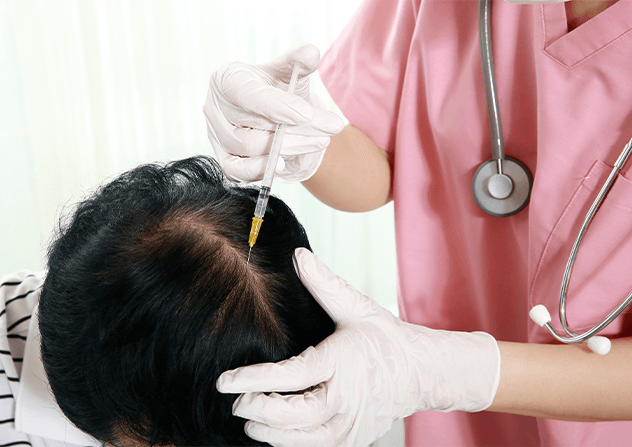
Die Kosten spielen eine große Rolle bei der Entscheidung, wo eine Behandlung durchgeführt werden soll. Südkorea bietet hochwertige Versorgung zu wettbewerbsfähigen Preisen und ist deshalb bei Medizintouristinnen und -touristen besonders beliebt.
Kosten in Südkorea
- Haartransplantation (FUE/FUT): Typischerweise 6.000–8.000 USD, bei komplexen Fällen bis zu 12.000 USD.
- Platelet-Rich Plasma (PRP): 150–380 USD pro Sitzung, bei bestimmten Angeboten teils schon ab 82 USD.
- Low-Level-Laser-Therapie (LLLT): 35–110 USD pro Sitzung; Geräte für zu Hause kosten zwischen 200 und 3.000 USD.
- Mesotherapie: 110–220 USD pro Sitzung; Preise können ab 100 USD beginnen.
- Beratungen/Medikamente: Beratungen 15–35 USD; monatliche Medikamente wie Minoxidil/Finasterid 22–58 USD.
Kostenvergleich weltweit
| Behandlungsart | Südkorea (USD) | USA (USD) | Türkei (USD) | Indien (USD) | Thailand (USD) |
|---|---|---|---|---|---|
| Haartransplantation | $6,000–$12,000 | $8,000–$30,000 | Günstiger | $800–$2,200 | Im Urlaubsstil |
| PRP-Behandlung bei Haarausfall | $82–$380 | Ab $1,500 | Ab $82 | Nicht angegeben | Ab $300 |
| Mesotherapie | $100–$220 | Ab $6,500 | Ab $100 | Nicht angegeben | Nicht angegeben |
| LLLT-Geräte (für zu Hause) | $200–$3,000 | Nicht angegeben | Nicht angegeben | Nicht angegeben | Nicht angegeben |
Schätzwerte variieren je nach Klinik und individuellem Bedarf.
Südkorea verbindet Fachkompetenz und Technologie auf westlichem Niveau mit deutlich günstigeren Preisen und einem unkomplizierten, unterstützenden Ablauf – und ist damit eine ausgezeichnete Wahl für wirksame Behandlung und ein gutes Preis-Leistungs-Verhältnis.
Weitere Kosten für Medizintouristinnen und -touristen
- Flüge: Die Preise variieren je nach Abflugort und Saison.
- Unterkunft: 50–200 USD/Nacht in Seoul; Paketangebote sind teilweise verfügbar.
- Mahlzeiten: 10–20 USD pro Mahlzeit.
- Transport: Flughafentransfers 15–80 USD; der öffentliche Nahverkehr ist zuverlässig.
- Beratungen und Medikamente: Können erlassen oder in Paketen enthalten sein.
- Sonstiges: Planen Sie zusätzlich 100–300 USD für unvorhergesehene Ausgaben ein.
Warum das Preis-Leistungs-Verhältnis überzeugt
Südkorea bietet eine strukturierte, englischfreundliche Erfahrung und Eingriffe zu bis zu 60 % niedrigeren Kosten als im Westen – ohne Kompromisse bei der Qualität. Dank der Kombination aus sehr guten Ergebnissen, Erschwinglichkeit und Komfort ist Korea zu einem führenden Ziel des Medizintourismus für Haarwiederherstellung geworden.
Patientenberichte: Echte Geschichten von Erholung und Nachwachsen
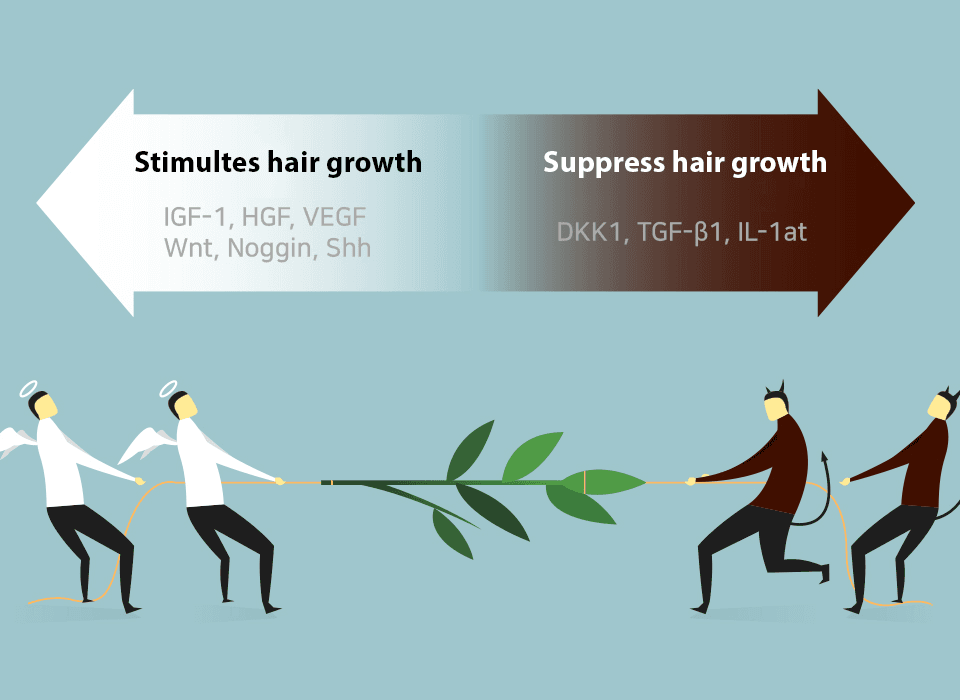
Die Erholung vom Telogenen Effluvium ist ein Prozess, der Geduld erfordert, doch die meisten Menschen sehen gute Ergebnisse – besonders mit der richtigen Unterstützung.
Wie lange dauert es, bis sich das Haar erholt?
Im Allgemeinen beginnt das Haar drei bis vier Monate nach Beseitigung des Auslösers wieder nachzuwachsen und setzt dieses Wachstum über sechs bis zwölf Monate fort. Patientinnen und Patienten bemerken häufig zuerst „Babyhaare“ in der Nähe des Haaransatzes. Geduld und eine konsequente Umsetzung des Behandlungsplans sind entscheidend.
Erfahrungen von Patientinnen und Patienten mit verschiedenen Behandlungen
- Minoxidil: Anwenderinnen und Anwender bemerken nach einigen Monaten oft weniger Haarausfall und neues Wachstum, obwohl zu Beginn häufig eine kurze Phase verstärkten Haarausfalls auftritt, die normal und vorübergehend ist.
- Platelet-Rich Plasma (PRP): Patientinnen und Patienten sehen häufig nach drei Monaten deutliche Verbesserungen und berichten über kräftigeres Haar sowie hohe Zufriedenheitsraten.
- Low-Level-Laser-Therapie (LLLT): Kann Haarausfall verringern, die Dichte erhöhen und das Erscheinungsbild der Haare verbessern. Die Schmerzfreiheit und Eignung für die Anwendung zu Hause machen sie besonders attraktiv.
- Ganzheitliche Behandlung: Viele Menschen erzielen die besten Ergebnisse, wenn sie gleichzeitig zugrunde liegende Gesundheitsprobleme wie Eisenmangel behandeln und Schlaf, Ernährung sowie Stressbewältigung verbessern.
Emotionale Verbesserungen
Haarausfall kann emotional sehr belastend sein. Eine erfolgreiche Behandlung bringt nicht nur kosmetische Vorteile, sondern stärkt oft auch Selbstvertrauen und Stimmung. Patientinnen und Patienten berichten, dass sie sich freier fühlen, ihr Haar wieder offen tragen möchten und durch die zurückgewonnene Fülle Erleichterung empfinden. Wer Stress und Gesundheit ganzheitlich angeht, erzielt meist die größten Verbesserungen – sowohl im Aussehen als auch im Wohlbefinden.
Fazit: Ihr Weg zu gesünderem Haar
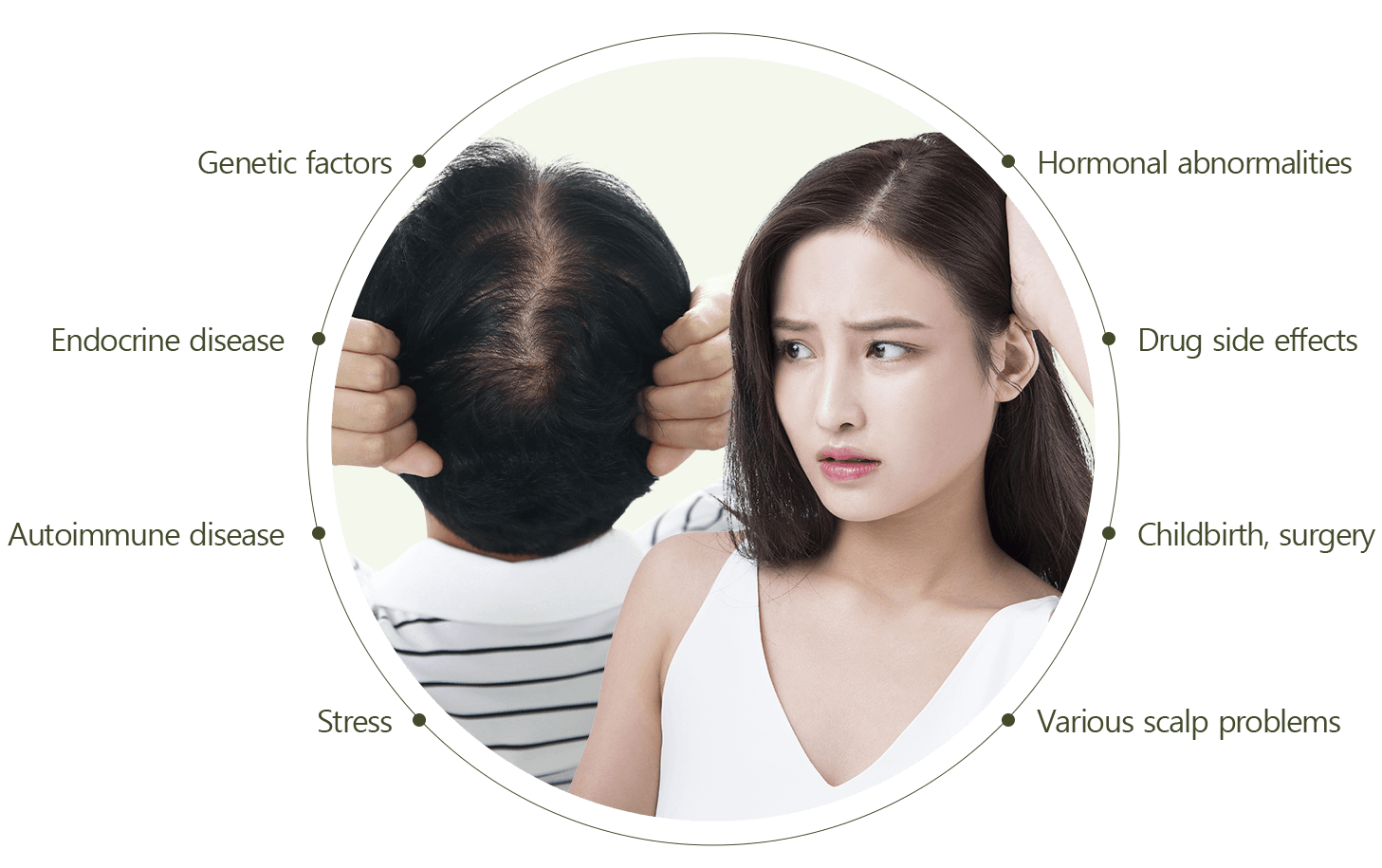
Stressbedingter Haarausfall (Telogenes Effluvium) ist häufig, aber meist vorübergehend. Die besten Ergebnisse werden erzielt, wenn die Ursachen – Stress, Ernährung oder gesundheitliche Veränderungen – zusammen mit gezielten Therapien wie Minoxidil, PRP und LLLT angegangen werden. Die fortschrittlichen und zugleich erschwinglichen Möglichkeiten in Südkorea machen das Land dank erfahrener Kliniken und unterstützender Patientenbetreuung zu einem attraktiven Ziel für Haarwiederherstellung. Vor allem aber sollten Sie sich mit einer medizinischen Fachperson beraten, um einen personalisierten Plan zu erstellen und nicht nur Ihr Haar, sondern auch Ihr Selbstvertrauen und Ihre Lebensqualität zurückzugewinnen.
Quellen
1, 2, 3, 4, 5, 6, 7, 8, 9, 10, 11, 12, 13, 14, 15, 16, 17, 18, 19, 20, 21, 22, 23, 24, 25, 26, 27, 28, 29, 30, 31, 32, 33, 34, 35, 36, 37, 38, 39, 40, 41, 42, 43, 44, 45, 46, 47, 48, 49, 50, 51, 52, 53, 54
Häufig gestellte Fragen
Verwandte Blogbeiträge
PRP Hair Treatment Abroad: The True Cost of Hair Restoration in Korea vs. Global Alternatives
Discover the affordability and effectiveness of PRP hair loss treatments in Korea, a popular destination for advanced medical procedures. Learn about the costs, benefits, and what to expect from your treatment journey.
Aktualisiert: Oct 21, 2026
Korea's Advantage in Scalp Tissue Expansion: A Comprehensive Cost Comparison with USA, UK, and More
Discover the latest insights on the cost of scalp tissue expansion procedures in Korea, exploring factors that influence pricing and the advantages of seeking treatment in this medical hub. Learn how Korea's advanced technology and skilled professionals are making this procedure more accessible than ever.
Aktualisiert: Oct 20, 2026

Hair Loss Treatment Costs: Korea vs. USA, Mexico, Turkey & Thailand—Where's the Best Value?
Discover the latest trends and costs of hair loss treatments in Korea, a global hub for cutting-edge medical advancements. Explore how competitive pricing and innovative procedures make Korea a preferred destination for those seeking effective solutions for hair restoration.
Aktualisiert: Oct 20, 2026
Warum Sie sich für eine Haarlinienkorrektur in Korea entscheiden sollten: ein Kostenvergleich mit den USA, Mexiko, der Türkei und anderen Ländern
Erfahren Sie alles Wissenswerte über Haaransatzkorrekturen in Korea, die für ihre erschwinglichen Preise und fortschrittlichen Techniken bekannt sind. Informieren Sie sich darüber, welche Faktoren die Kosten beeinflussen und was Sie von dieser beliebten ästhetischen Behandlung erwarten können.
Aktualisiert: Oct 20, 2026
Kliniken für Hair Loss Treatment
BongBong Plastic Surgery Dermatology Korea | Body, Breast & Aesthetic Treatments
Nonhyeon
Cellinique Clinic Korea: Advanced Stem Cell and Laser Treatments for Health, Beauty, and Rejuvenation in Gangnam
Apgujeong

Seojin Plastic Surgery Clinic Korea: Pioneering Advanced Cosmetic Procedures for Personalized Aesthetic Transformation
Apgujeong
Maxwell Hair Clinic: Korea's Premier Destination for Advanced Hair Restoration and Transplant Services
Gangnam Station