
Medical Tourism Blog
Stretch Mark Treatment in Korea: Methods, Recovery, Travel Planning, and Results
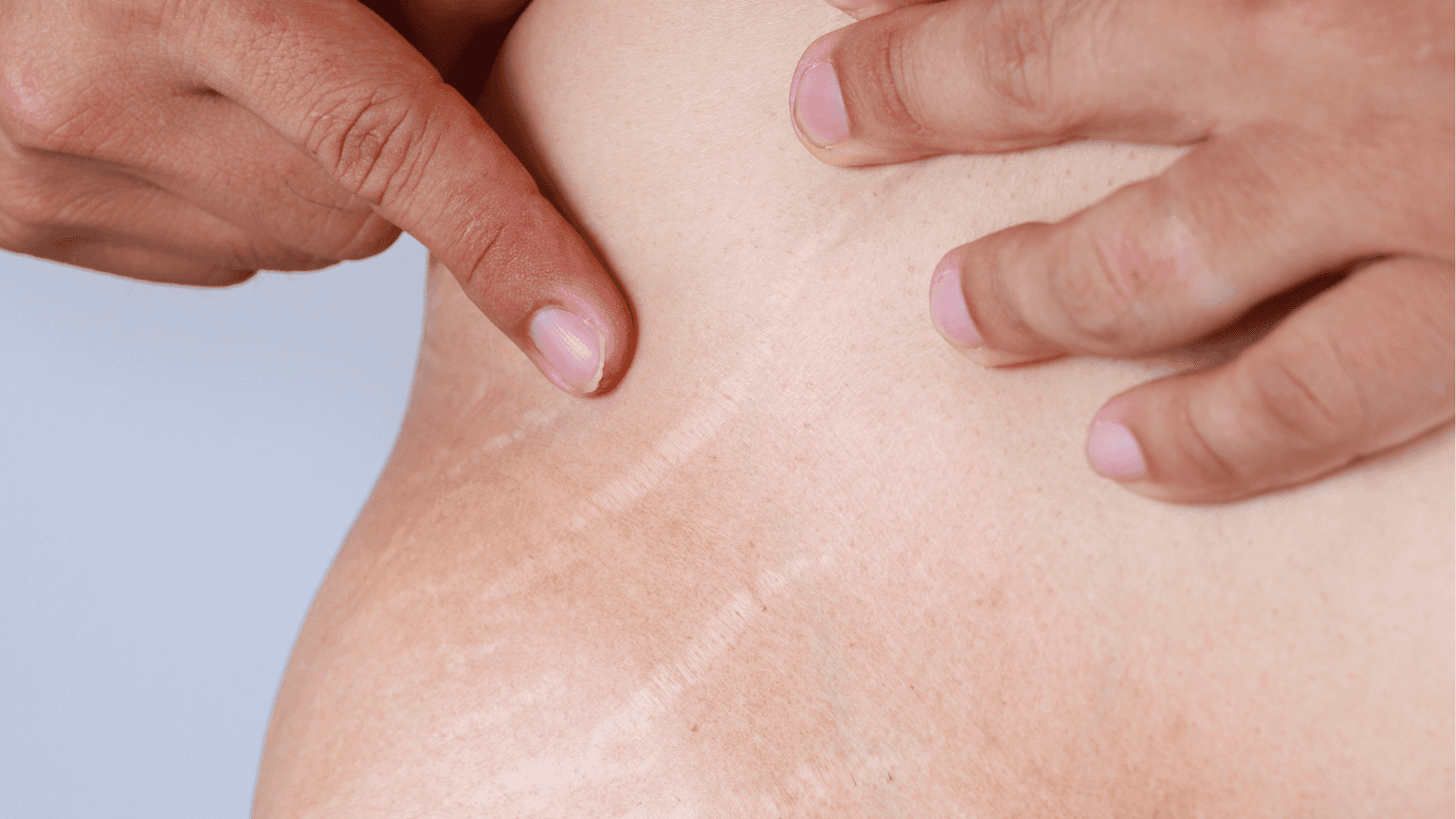
Table of contents
- Stretch Mark Treatment at a Glance
- What Is Stretch Mark Treatment?
- Who Is a Good Candidate for Stretch Mark Treatment?
- How Is Stretch Mark Treatment Performed?
- Why Visit Korea for Stretch Mark Treatment?
- Key Information for International Patients
- Which Are the Best Clinics in Korea for Stretch Mark Removal?
- Stretch Mark Treatment From Start to Finish
- Alternatives to Stretch Mark Treatment
- How Can I Prepare for Stretch Mark Treatment?
- Aftercare Advice
Considering treatment in Korea? Everything you need to know e.g. — how to avoid scams, visas, interpreters, recovery tips — in our Medical Tourism Master Guide. Plan with confidence in minutes, not weeks!
Last updated: September 2026
Stretch Mark Treatment at a Glance
- What it treats — Stretch mark treatment is a tailored group of nonsurgical therapies—such as microneedling, RF microneedling, non-ablative fractional laser, or fractional CO2 laser—that aim to improve color contrast and depressed texture, not reliably erase striae.
- Course length — Most evidence-based plans require 3–5 sessions spaced about 4–6 weeks apart, with visible improvement assessed gradually over months rather than immediately after one treatment.
- Method selection — Early red or purple striae and mature pale, atrophic striae respond differently: tretinoin may modestly help selected newer marks in nonpregnant patients, while mature marks are commonly treated with collagen-remodeling devices.
- Downtime — Microneedling and non-ablative fractional laser usually cause redness, warmth, peeling, pinpoint bleeding, or bruising for several days; ablative fractional CO2 laser has more crusting, wound care, and longer visible recovery.
- Travel planning — Plan 3–4 days in Korea for one microneedling or non-ablative laser session, or about 5–7 days for extensive ablative CO2 or combined treatment; a full multi-session course will usually require return trips or local follow-up.
- Key safety limit — Elective energy-based treatment is deferred during pregnancy and breastfeeding, and active infection, open wounds, sunburn, recent isotretinoin use, keloid history, pigment changes, or poor healing risk require dermatologist-led review before treatment.
- Korea-specific question — Korean clinics have relevant experience with fractional laser and RF microneedling in Asian skin populations, but patients should still request the exact device, local authorization, pigment-risk strategy, conservative settings or a test area when appropriate, and an overseas complication plan.
What Is Stretch Mark Treatment?
Stretch mark treatment is a tailored group of dermatologic therapies that target striae, which are linear scars caused by skin stretching or hormonal and weight changes. It aims to soften depressed texture and reduce contrast in red, purple, or pale marks, while complete removal is not expected. It is non-surgical, using options such as topical prescription treatment, microneedling, radiofrequency, or fractional laser therapy.
Who Is a Good Candidate for Stretch Mark Treatment?
- Adults with stable health — Good candidates are medically stable adults bothered by red or purple early marks (striae rubrae) or pale, depressed mature marks (striae albae), who accept improvement rather than complete removal.
- People able to complete a course — Most evidence-based protocols use three to five sessions, often spaced about four to six weeks apart, with changes judged over months rather than days.
- Patients with realistic skin-care capacity — Candidates can avoid tanning, protect the area from friction and heat during healing, and attend follow-up or send clear remote photographs.
- Patients seeking a modality matched to the mark — Early colored striae and mature atrophic striae respond differently. Treatment selection also depends on body area, skin phototype, pigment-change history, and tolerance for downtime.
Elective energy-based treatment is deferred during pregnancy and breastfeeding; tretinoin must not be used during pregnancy. Do not treat active bacterial, viral, or fungal infection, open wounds, active herpes, sunburn, or inflammatory rash in the planned field. Current isotretinoin use or use within the previous six months, a history of keloids or poor healing, pigment alteration, uncontrolled diabetes, immunosuppression, bleeding disorders, and anticoagulant or antiplatelet treatment require a dermatologist-led, technique-specific review. Do not stop prescribed blood-thinning medicine without the prescribing clinician’s direction. New wide purple striae with easy bruising, fragile skin, muscle weakness, hypertension, rapid unexplained weight change, or prolonged corticosteroid exposure need medical assessment for an underlying cause before cosmetic treatment.
How Is Stretch Mark Treatment Performed?
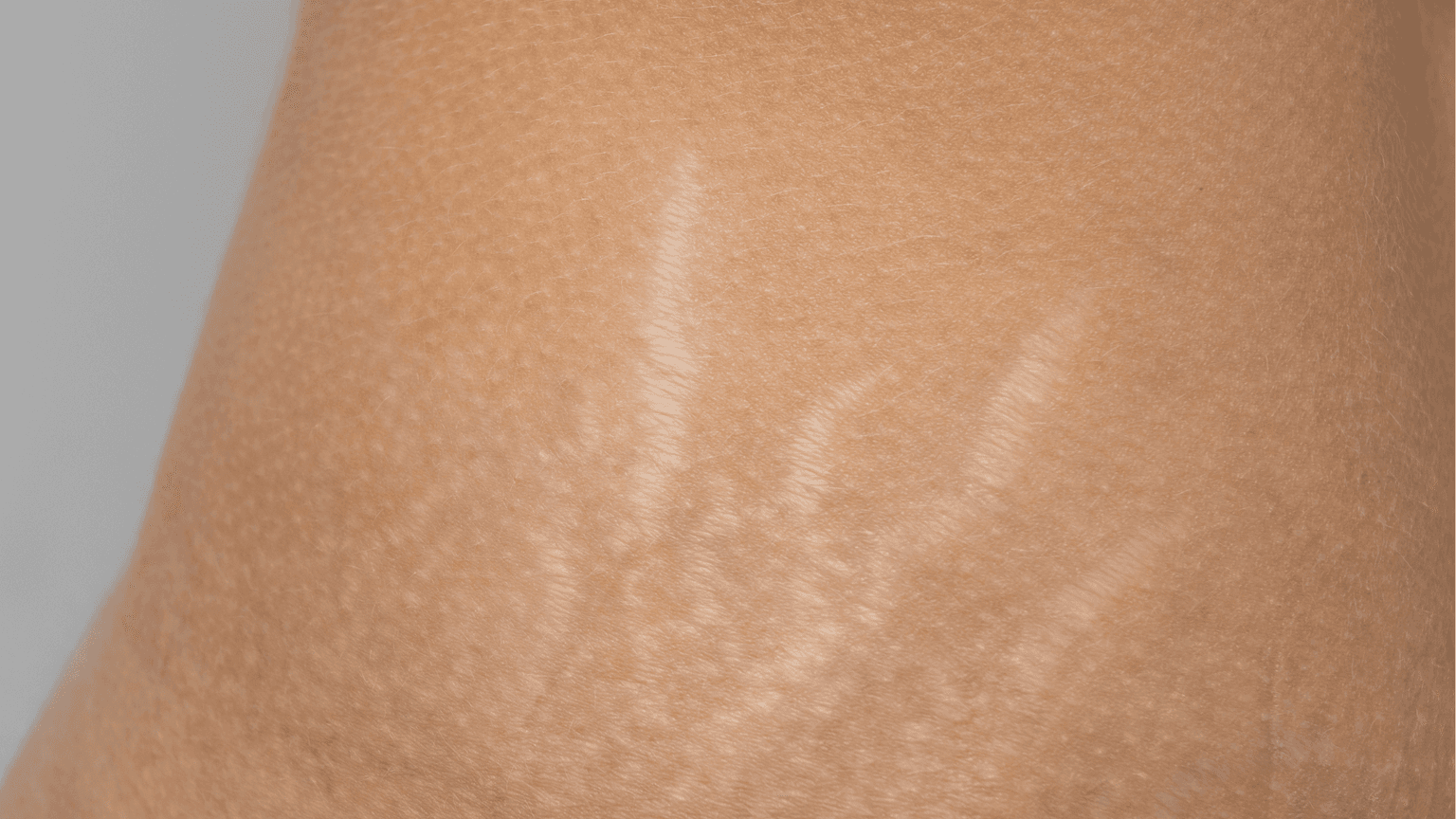
Stretch mark treatment is an umbrella term, not a single standardized procedure. Confirm the exact modality, device, treatment area, settings, anesthetic plan, number of sessions, and locally authorized indication before booking.
- Prescription tretinoin for selected early striae — Tretinoin can provide modest improvement in newer marks for nonpregnant patients. It is not a treatment for pregnancy-related striae during pregnancy, and oils, cocoa butter, olive oil, and vitamin E are not reliable treatment or prevention methods.
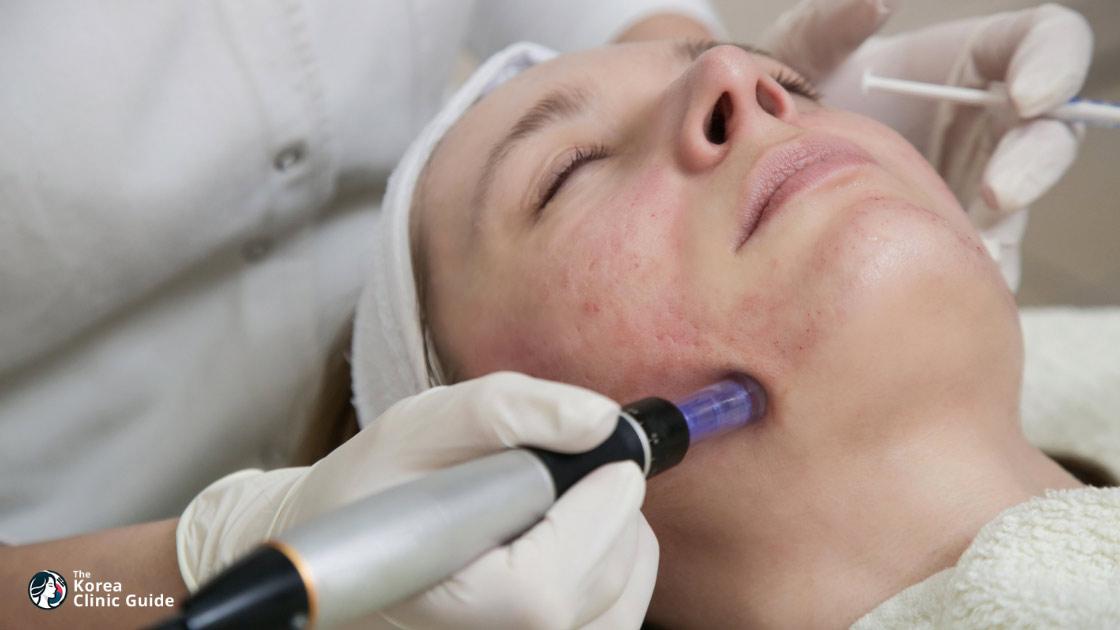
- Conventional microneedling — Sterile needles create controlled microinjury to encourage dermal remodeling. Topical anesthetic is common. In a randomized trial of striae alba, four monthly sessions improved marks similarly to fractional CO2 laser; a separate study in Fitzpatrick III–IV skin also found improvement comparable with 1340-nm non-ablative fractional laser, although microneedling caused more pain in that study. Comparative trials support improvement, not guaranteed removal.
- RF microneedling — Insulated or non-insulated needle electrodes deliver radiofrequency energy within the dermis. In a small split-abdomen trial, both microneedle radiofrequency and 1565-nm non-ablative fractional laser improved postpartum striae alba after three six-weekly sessions; investigator assessment favored RF microneedling, while patient satisfaction did not differ significantly. The study was small and does not establish a universal best device.
- Non-ablative fractional laser — Fractional laser creates columns of controlled thermal injury beneath or through relatively preserved surface skin. It generally has less surface injury and shorter downtime than ablative resurfacing, but often requires repeated sessions.
- Ablative fractional CO2 laser — Fractional CO2 laser resurfaces more intensively and is commonly used for mature atrophic striae. It brings greater redness, crusting, wound-care demands, and pigmentary risk. A 2024 meta-analysis found similar average improvement between RF microneedling and fractional CO2 laser, with less pooled post-inflammatory hyperpigmentation reported with RF microneedling in the included studies. Study differences limit direct one-to-one comparisons.
- Combination protocols and add-ons — Clinics sometimes combine RF microneedling and laser when color and texture both concern the patient. Do not assume combinations are superior. PRP, injected skin boosters, vitamins, exosomes, and similar add-ons do not have sufficiently established independent benefit or safety to be treated as standard stretch-mark therapy.
Why Visit Korea for Stretch Mark Treatment?
Korea has published clinical experience with fractional photothermolysis, RF microneedling, and CO2 laser approaches relevant to striae and Asian skin populations. This is a reason to ask detailed questions about pigment-risk management and exact technology, not proof that every clinic or protocol produces superior results. Device regulation and clinician expertise remain separate issues.
- Relevant comparative research — A Korean split-area study compared fractional CO2 laser with microneedling for striae alba, while another Korean study examined combination treatment. These studies are useful but limited by small sample sizes and narrow patient groups.
- Technology-specific consultation — Korea’s medical-device regulatory framework makes it practical to ask for the exact device name and confirmation of its local authorization. MFDS provides English-language medical-device regulatory information, but authorization does not substitute for correct settings, infection control, or an experienced operator.
- Pigment-risk planning — For patients prone to post-inflammatory hyperpigmentation, a Korean dermatologist should document skin history, recent tanning, prior pigment changes, whether a test area is appropriate, and why a conservative initial setting is selected.
- Evidence limits — No high-quality evidence identifies one country, device, needle depth, energy setting, or combination protocol as best for all striae stages, body sites, and skin tones. Controlled studies use substantially different regimens and outcome measures.
Key Information for International Patients
- Minimum stay — Plan at least three to four days for one microneedling or non-ablative fractional-laser session: in-person assessment, treatment, and confirmation that redness, pain, and any pinpoint bleeding are controlled. Plan about five to seven days for extensive fractional ablative CO2 laser or an RF-microneedling/CO2 combination, especially when a wound check is advised.
- Repeat visits — A complete course rarely fits into one short trip. Published protocols commonly use monthly or six-weekly sessions, so arrange later treatment locally or schedule return visits around the recommended interval.
- Flights — There is no evidence-based universal no-fly interval for outpatient stretch-mark treatment. Fly only after clinician clearance, based on treated surface area, drainage or crusting, infection risk, pain control, and ability to care for the area during travel.
- Itinerary impact — Mild redness, warmth, tightness, itching, peeling, pinpoint bleeding, or bruising commonly settle over several days after microneedling or non-ablative laser. Ablative CO2 treatment has more visible downtime and requires reliable access to wound care, clean accommodation, and shade.
- Remote follow-up — Before departure, obtain English procedure notes, device and setting details, standardized photographs, prescription details, written aftercare, an urgent contact, and a photo or video review plan. Ask who will manage infection, herpes reactivation, delayed healing, or pigment changes after return home.
- Companion and transport — A companion is usually unnecessary after topical anesthetic alone. Arrange an adult escort and avoid driving if oral sedatives, stronger analgesia, or sedation are used.
Travel note: Schedule treatment before low-key indoor days, not immediately before beach visits, spa activities, strenuous tours, or a long flight. Extensive ablative treatment is poorly suited to a compressed itinerary.
Which Are the Best Clinics in Korea for Stretch Mark Removal?
Listed below are some of the best clinics in Korea for stretch mark removal.
1. Myung Ok-hune Korean Medicine Clinic
For stretch-mark care, you can consider Myung Ok-hune Korean Medicine Clinic’s approach, which combines traditional Korean therapies with modern techniques to help reduce the appearance of stretch marks while supporting firmer, rejuvenated-looking skin.
- URL: Myung Ok-hune Korean Medicine Clinic Website
- Location: Gangnam-gu, Seoul
- Stretch-mark approach:
- Treatment is described as targeting the visible appearance of stretch marks along with skin rejuvenation and firmness.
- The clinic combines traditional Korean medicine-based therapies with modern techniques.
- Related skin care:
- Scar treatment uses herbal medicine and acupuncture with the aim of improving scar texture and color and supporting skin regeneration.
- Acne care and non-surgical acupuncture-based facial lifting are also listed among its skin and cosmetic services.
2. Episode Clinic
You may consider Episode Clinic if your stretch-mark consultation calls for texture-focused collagen remodeling: its listed fractional laser resurfacing creates controlled micro-injuries to remodel collagen and smooth scars and wrinkles, with treatment intensity and downtime customized to your goals.
- URL: Episode Clinic Website
- Location: 3f, 336 Olympic-ro, Songpa District, Seoul, South Korea
- Texture-focused options:
- Fractional laser resurfacing is described as improving texture and tone through collagen remodeling, with customizable treatment strength and downtime.
- Microneedling is listed as a collagen-stimulating option for scars, pores, and fine lines.
- PRP may be injected or combined with microneedling to support healing, collagen, texture, and skin vitality over several sessions.
- What to clarify: The supplied information does not specifically confirm a dedicated stretch-mark protocol, so you should ask whether the clinic treats stretch marks and which treatment plan is appropriate for the affected area and your skin type.
3. DATENA CLINIC
For stretch-mark concerns, you can expect DATENA CLINIC to emphasize a personalized skin-quality assessment and treatment plan; its listed services include texture-focused care, radiofrequency-based InMode FX + Forma treatment for the face and body, and professional skincare. The provided information does not confirm a specific stretch-mark treatment.
- URL: DATENA CLINIC Website
- Location: Songpa-gu, Seoul
- Potentially relevant skin-quality care:
- InMode FX + Forma is offered for the face and body and is described as supporting skin elasticity and fine lines through radiofrequency-based treatment.
- The clinic lists personalized care for pores, acne scars, and skin texture, with treatment selected after assessment of your current skin condition.
- Medical skincare can be incorporated into a clinic-directed aesthetic or dermatologic care plan.
- What to clarify: Ask whether DATENA CLINIC offers a dedicated stretch-mark protocol and whether its body-based radiofrequency or other texture treatments are suitable for your stretch marks.
Stretch Mark Treatment From Start to Finish
- Send a pre-travel inquiry — Provide unfiltered, well-lit photographs; mark location, duration, color change, and prior treatment. Disclose skin phototype, pigment or keloid history, pregnancy or breastfeeding status, medical conditions, allergies, herpes history, corticosteroid exposure, and every medicine and supplement. Request an English or virtual consultation where available.
- Receive a provisional plan — The clinic should identify the proposed modality—conventional microneedling, RF microneedling, non-ablative fractional laser, fractional CO2 laser, or staged combination—plus expected sessions, interval, estimated downtime, and whether it can safely fit your travel dates.
- Attend an in-person dermatology assessment — The clinician confirms that the lesions are striae, distinguishes rubrae from albae, checks for dermatitis, infection, sunburn, and recent tanning, and reviews medical red flags. A test area or lower initial settings can be appropriate for pigment-prone or poorly healing skin.
- Complete any needed clearance — Healthy patients having superficial outpatient treatment do not routinely need laboratory testing. Pregnancy possibility, suspected endocrine disease, bleeding risk, diabetes, immunosuppression, or planned sedation can require testing or medical clearance.
- Prepare the treatment area — Staff photograph, mark, cleanse, and commonly apply topical anesthetic. Confirm the device, treatment settings, expected sensation, and aftercare prescription. For microneedling, verify that a new single-use sterile needle cartridge is opened for that session.
- Receive treatment — The clinician treats the agreed body areas with the selected technique. Duration depends mainly on surface area and modality; limited areas are outpatient treatments, while large areas or combined protocols take longer and demand more aftercare planning.
- Recover and leave the clinic — Most patients leave the same day after topical-anesthetic treatment. The team checks pain, bleeding, swelling, and dressing needs, then provides written instructions and an urgent contact. Sedation requires recovery monitoring and an escort.
- Complete local and overseas review — Attend a 48- to 72-hour check when advised after extensive ablative treatment or for oozing, blistering, severe swelling, or uncontrolled pain. Continue planned remote photo or video follow-up after returning home; treatment response is assessed over months and across the planned series.
Alternatives to Stretch Mark Treatment
The best alternative depends on whether the priority is color, depressed texture, minimal downtime, or removal of a specific area of excess skin. Non-surgical approaches improve blending and texture but do not remove all striae; surgery can remove a limited section of affected skin but creates a surgical scar and requires substantially more recovery.
Alternative Resurfacing Modality
- Fractional CO2 laser — Consider this for more intensive resurfacing of mature atrophic striae when greater redness, crusting, wound care, and pigment risk are acceptable.
- Non-ablative fractional laser — Consider this when lower surface injury and shorter social downtime are more important than intensive one-session resurfacing.
- RF microneedling — A collagen-remodeling option that avoids ablative surface resurfacing. Pain, needle depth, energy, and pigment history still need individual review.
Topical Tretinoin
- Best fit — Selected recent striae in nonpregnant patients who prefer a gradual, lower-intensity approach.
- Tradeoff — Benefits are modest and do not reliably correct mature, pale, depressed striae. Retinoids are contraindicated during pregnancy; pregnancy skin-care guidance advises avoiding retinoids.
Surgical Skin Removal
- Best fit — Selected abdominal striae located within skin that would be removed during an abdominoplasty, rather than striae distributed across multiple body areas.
- Tradeoff — A tummy tuck is major surgery with anesthesia, a permanent surgical scar, activity restrictions, and a much longer recovery. It is not a general treatment for stretch marks.
No Procedure or Camouflage
- Best fit — Patients who do not want procedural risk, downtime, cost, or repeated treatment.
- Tradeoff — Camouflage changes appearance only and does not remodel scar texture; it remains a valid choice because no treatment reliably erases all stretch marks.
How Can I Prepare for Stretch Mark Treatment?
- Share a complete medical history — Disclose pregnancy or breastfeeding, recent weight change, corticosteroid exposure, diabetes, immune suppression, bleeding or clotting conditions, cancer treatment, allergies, prior herpes, eczema, psoriasis, vitiligo, keloids, difficult healing, and previous pigment changes.
- Report medicines early — Tell the clinic about isotretinoin, anticoagulants, antiplatelets, corticosteroids, immunosuppressants, diabetes medicines, and all supplements. Do not independently stop prescribed antithrombotic or steroid medicine; obtain coordinated advice from the treating and prescribing clinicians.
- Pause irritants only when instructed — Avoid waxing, aggressive exfoliation, and irritating acids or retinoids on the treatment area before treatment unless the clinician gives a specific schedule. Current or recent isotretinoin requires individualized dermatologist review; the dossier advises avoiding microneedling within six months unless a dermatologist documents a different decision.
- Avoid sun and tanning — Postpone treatment after tanning or sunburn until skin has recovered. Plan strict sun avoidance afterward; this is especially important for pigment-prone skin and laser treatment.
- Follow fasting instructions — Fasting is generally unnecessary with topical anesthetic alone. Follow the clinic’s exact fasting instructions if oral sedation or procedural sedation is planned.
- Prepare clothing and accommodation — Pack loose, soft clothing that will not rub the abdomen, breasts, hips, buttocks, thighs, or arms. For ablative treatment, choose clean accommodation with easy access to supplies, shade, and the clinic.
- Avoid alcohol and smoking — Avoid alcohol before treatment if the clinic instructs it, particularly when bruising, sedation, or prescribed pain medicine is relevant. Stop smoking or nicotine exposure according to the clinician’s plan because it can impair healing.
- Keep travel flexible — Do not book an immediate long-haul flight after extensive treatment. Build in time for a wound check and reschedule flexibility if crusting, drainage, pain, or unexpected inflammation occurs.
Travel note: Bring copies of prescribed medicines and leave space in hand luggage for dressings or clinician-recommended barrier products. Do not rely on finding identical products after returning home.
Confirm clinic-specific requirements and the treating doctor’s individualized instructions before changing medicines, fasting, or traveling.
Aftercare Advice
Protect the treated skin barrier and respond early to worsening symptoms; aggressive aftercare can increase irritation, infection risk, and pigment changes.
- Cleanse and protect gently — Use only clinician-recommended gentle cleansing, bland moisturizer or barrier care, dressings, and prescribed medicine. Do not pick peeling skin, crusts, or scabs.
- Avoid heat, sweat, and friction — Until the clinician confirms barrier recovery, avoid strenuous exercise, hot baths, saunas, hot tubs, swimming pools, rubbing from tight clothes, and activities that cause heavy sweating. The restriction is longer after ablative CO2 treatment than after superficial microneedling or non-ablative laser.
- Keep irritants off the area — Avoid retinoids, exfoliating acids, scrubs, fragranced products, and alcohol-containing products until cleared. Do not wax or shave an irritated treatment area.
- Use sun protection at the right time — Avoid direct sun and tanning. Use clothing-based protection first; begin broad-spectrum SPF 50 sunscreen only once the clinician confirms that the skin surface is ready.
- Know the warning signs — Contact the clinic urgently for spreading redness, increasing pain after initial improvement, pus or foul drainage, fever, extensive blistering, uncontrolled bleeding, herpes lesions, allergic-reaction symptoms, or progressive darkening or lightening of the skin.
- Plan results and follow-up realistically — Redness, warmth, tightness, itching, peeling, pinpoint bleeding, or bruising commonly settle over several days after microneedling or non-ablative laser. Fractional CO2 can cause crusting and longer-lasting redness. Results develop gradually across a staged course; published studies commonly assessed outcomes months after repeated sessions.
Follow the treating doctor’s instructions over general guidance and contact the clinic promptly when healing appears abnormal.
Frequently Asked Questions
Related Blogs
Dual Toning in Korea: Methods, Results, Recovery, Risks, and Travel Planning
Dual toning uses low-fluence Nd:YAG laser passes for medically assessed melasma, PIH, or uneven tone, typically as a gradual series with conservative settings and sun protection. The article covers candidate screening, travel timing, treatment steps, recovery, aftercare, warning signs, and the need for documented protocols and follow-up care.
Updated: Sep 12, 2026
CO2 Laser in Korea: Resurfacing Methods, Recovery, Risks and Travel Planning
CO₂ laser resurfacing uses fractional, full-field, or targeted 10,600-nm laser treatment for acne scars, texture, pores, wrinkles, and photodamage, with technique and settings tailored to skin and scar characteristics. The article covers candidacy, contraindications, 5–7 days of fractional peeling, Korea travel planning, preparation, aftercare, warning signs, and alternatives such as Er:YAG, RF mi
Updated: Sep 12, 2026

Scalp Care in Korea: Assessment, Treatment Options, Travel Planning and Aftercare
Scalp care in Korea ranges from cosmetic cleansing and scaling to dermatologist-led assessment with trichoscopy, patch testing, fungal testing, or biopsy when indicated. International patients should confirm whether care is cosmetic or medical, allow extra time for test results and follow-up, and seek prompt assessment for painful, infected, rapidly worsening, or patchy hair loss.
Updated: Sep 11, 2026
MTS Facial Treatment in Korea: Results, Recovery, Safety and Travel Planning
MTS facial treatment uses sterile microneedling passes to address selected acne scars, texture, and early photoaging, with settings adjusted by facial area and scar type. The article covers candidate screening, Korea travel planning, treatment steps, recovery, aftercare, risks, and follow-up for a treatment series.
Updated: Sep 11, 2026
Clinics offering Stretch Mark Treatment

Lydian Plastic Surgery Clinic in Korea: Superior Cosmetic Procedures by World-Renowned Expert Dr. An Kyung Chun
Apgujeong

Mi and Mi Clinic - Gangnam: Premier Beauty & Well-being Services in Korea
Gangnam Station

REPIC Clinic Korea: Personalized Aesthetic Treatments with 3D Facial Analysis Near Gangnam Station
Gangnam Station

DATENA CLINIC Korea | Personalized Dermatology, Lifting & Skin Rejuvenation in Seoul
Jamsil