
Medical Tourism Blog
Nose Osteotomy in Korea: Techniques, Recovery, Travel Planning, and Alternatives

Table of contents
- Nose Osteotomy at a Glance
- What Is Nose Osteotomy?
- Who Is a Good Candidate for Nose Osteotomy?
- How Is Nose Osteotomy Performed?
- Why Visit Korea for Nose Osteotomy?
- Key Information for International Patients
- Which Are the Best Clinics in Korea for Nose Osteotomy?
- How Much Does Nose Osteotomy Cost in Korea?
- Nose Osteotomy From Start to Finish
- Alternatives to Nose Osteotomy
- How Can I Prepare for Nose Osteotomy?
- Aftercare Advice
Considering treatment in Korea? Everything you need to know e.g. — how to avoid scams, visas, interpreters, recovery tips — in our Medical Tourism Master Guide. Plan with confidence in minutes, not weeks!
Last updated: September 2026
Nose Osteotomy at a Glance
- What it does — Nose osteotomy uses controlled surgical cuts to reposition the nasal bones during rhinoplasty or septorhinoplasty, typically to narrow a wide bridge, straighten bony deviation, or close an open roof after hump reduction.
- Typical cost — In Korea, nose osteotomy is listed at ₩1,600,000–₩2,000,000 (about US$1,200–$1,500), but the total rises when rhinoplasty, septoplasty, grafting, valve repair, or tip work is included.
- Best candidates — It is most suitable for people with a broad, asymmetric, crooked, or post-traumatic bony nasal vault; it cannot be replaced by filler when the goal is to narrow or realign nasal bones.
- Recovery and results — Splint removal commonly occurs on day 5–7, and many patients resume desk work after 1–2 weeks; substantial swelling improves over 1–3 months, while contour refinement can continue for 12 months or longer.
- Korea travel plan — International patients should plan at least 14 nights in Korea, allowing early reviews, possible packing removal in 1–2 days, splint removal around day 5–7, and individualized clearance before flying.
- Technique limitation — Piezoelectric osteotomy may reduce early bruising, swelling, pain, and mucosal injury versus conventional instruments, but current evidence does not establish a superior long-term nasal shape or breathing result.
- Korea-specific due diligence — Verify that the facility is registered to accept international patients through Medical Korea, but recognize that registration is a baseline safeguard and does not prove superior rhinoplasty outcomes or lower revision rates.
What Is Nose Osteotomy?
Nose osteotomy is a surgical step within rhinoplasty or septorhinoplasty that uses controlled cuts to reposition the nasal bones. It helps narrow a broad upper bridge, straighten bony deviation, or close a gap after hump reduction, while supporting an overall nasal-shape or breathing plan. It is a surgical procedure, usually performed under anesthesia as part of a broader nose operation.
Who Is a Good Candidate for Nose Osteotomy?
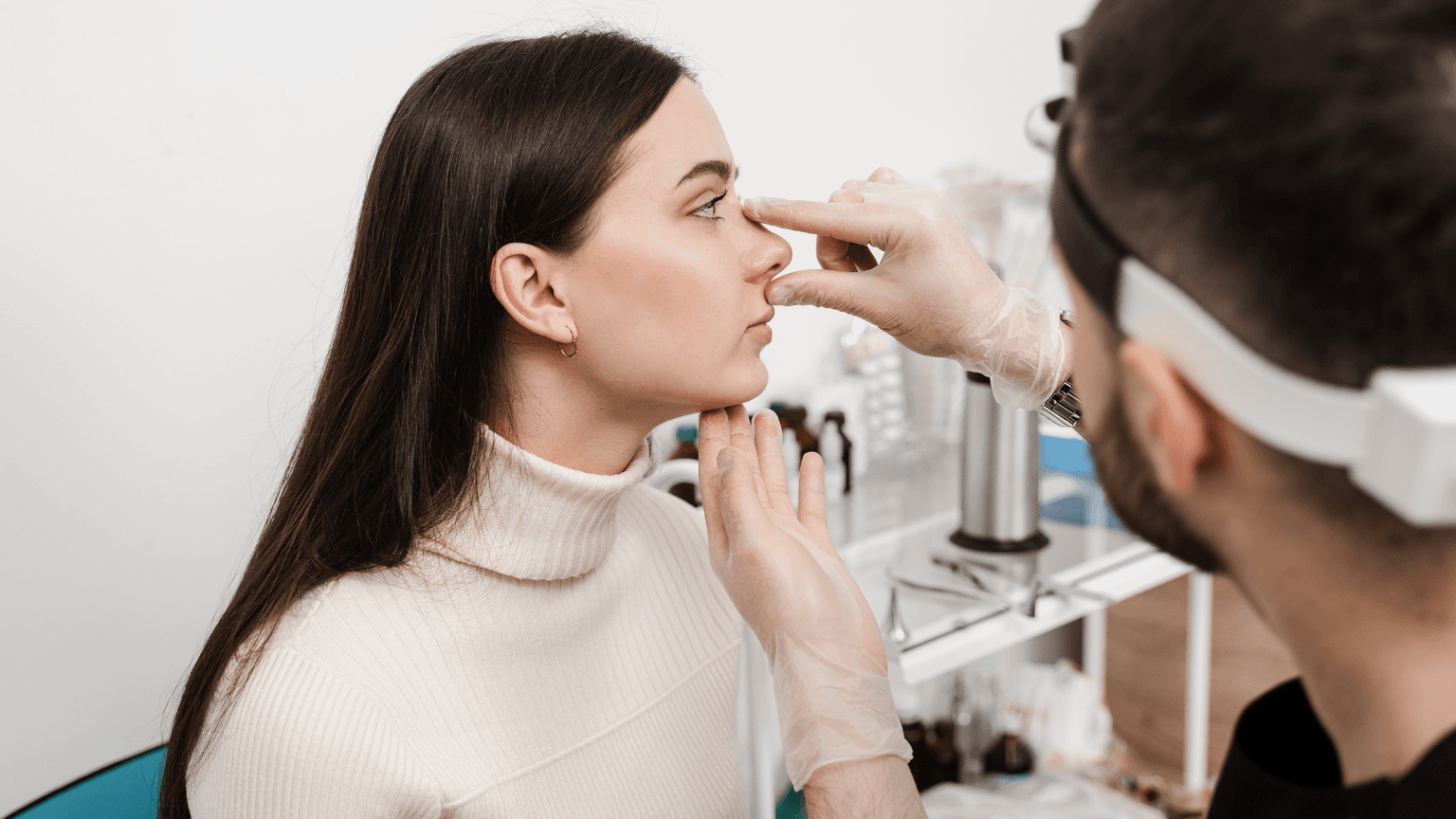
- Wide or asymmetric upper bridge — Good candidates have a bony nasal vault that is too wide, uneven, or visibly deviated.
- Crooked nose after trauma or developmental asymmetry — Osteotomies can mobilize and reposition nasal bones as part of structural rhinoplasty.
- Open roof after hump reduction — Controlled bone cuts can close the gap left after reducing a dorsal hump.
- Combined cosmetic and breathing concerns — Candidates needing septoplasty, turbinate work, valve repair, or cartilage grafting alongside bridge correction require a full septorhinoplasty assessment.
- Ready for surgical recovery — Candidates must be medically suitable for anesthesia, stop nicotine as required, protect the nose from injury, and remain in Korea for early follow-up.
Nose osteotomy is generally unsuitable during active nasal, sinus, dental, or facial-skin infection; defer surgery until treatment is complete and the infection has resolved. Uncontrolled bleeding disorders, poorly controlled systemic illness, and antiplatelet or anticoagulant treatment need individualized review by the prescribing clinician, anesthesia team, and surgeon; never stop prescribed medicine independently. Untreated sleep apnea, chronic topical decongestant use, or unexplained obstruction can change both anesthetic planning and the surgical plan. Elective rhinoplasty is usually delayed until facial growth is sufficiently mature, unless reconstruction or serious functional impairment justifies earlier treatment; realistic, self-directed goals and psychological screening are also essential.
How Is Nose Osteotomy Performed?
Technique is selected for nasal bone thickness, width, asymmetry, support, skin envelope, airway anatomy, and the complete rhinoplasty plan. It is not a consumer-level upgrade, and the device used does not replace sound structural planning.
- Osteotomy pattern — Medial osteotomies address the upper bridge; lateral osteotomies move the bony sidewalls; transverse or intermediate cuts can complete mobilization or help correct substantial deviation.
- Internal lateral osteotomy — The surgeon works through internal nasal incisions. It leaves no external puncture marks but is not proven to be universally less traumatic than external access.
- External perforating osteotomy — Very small skin punctures allow a percutaneous approach. A meta-analysis of 13 randomized trials involving 1,008 patients found broadly comparable bruising, eyelid swelling, and bony step-off outcomes between internal and external lateral osteotomy.
- Conventional osteotome — A fine chisel-like instrument creates controlled bone cuts. It remains an established method within rhinoplasty.
- Piezoelectric or ultrasonic osteotomy — Ultrasonic vibration cuts mineralized bone. A 2024 randomized-trial meta-analysis found lower early bruising, swelling, pain, overall complications, and mucosal injury than conventional osteotomy, with no significant difference in bleeding or operative time. The authors called for longer-term research, so this does not establish superior final shape or function.
- Open or closed rhinoplasty access — These terms describe the overall rhinoplasty approach, not the bone-cutting method. Open rhinoplasty uses a small columellar incision and can aid extensive reconstruction; closed rhinoplasty uses internal incisions. Either approach can include osteotomy.
Why Visit Korea for Nose Osteotomy?
Nose osteotomy in Korea is performed as part of rhinoplasty or septorhinoplasty, not as an isolated non-surgical service. International patients can access a structured medical-tourism system, but there is no robust evidence that Korean osteotomy outcomes or revision rates are superior to those of other countries. Choose the surgeon and facility based on the proposed operation, airway assessment, follow-up plan, and verifiable credentials.
- Registered international-patient providers — Use the government-linked Medical Korea registered-institution system to check whether a facility is registered to attract foreign patients. Registration is a baseline safeguard, not proof of superior rhinoplasty results.
- Technique discussion — Ask whether conventional or piezoelectric instrumentation is actually planned, why that approach fits the anatomy, and whether medial, lateral, transverse, or intermediate osteotomies are expected.
- Documented surgical scope — Confirm whether the quote and consent cover septoplasty, turbinate reduction, valve repair, cartilage grafting, tip reshaping, internal splints, packing, and anesthesia. These associated procedures often determine recovery more than the osteotomy itself.
- Evidence limitation — A Korean retrospective series of 50 corrective-rhinoplasty patients reported no visible scars or osteotomy-site depressions after a specific percutaneous root technique. It was a selected, single-center study, not a generalizable complication rate or a comparison with other countries.
Key Information for International Patients
- Minimum stay — Plan at least 14 nights in Korea after surgery. This conservative planning interval allows early postoperative care, splint or suture removal around day 5–7, and an in-person assessment before departure; it is not a universal evidence-based rule.
- Flight timing — Published septorhinoplasty aftercare commonly advises avoiding air travel for 2 weeks. The operating surgeon’s fitness-to-fly decision, postoperative findings, procedure extent, airline rules, and destination-specific care access control the actual date.
- Early recovery — Congestion, tenderness, bruising, swelling, and blood-tinged drainage are common for 7–14 days. Many people return to desk work or quiet social activity after 1–2 weeks, but the nasal bones remain vulnerable.
- Activity and itinerary — Do not schedule sightseeing that requires heavy luggage, long hikes, nightlife, sauna visits, swimming, or any risk of a facial bump. Avoid strenuous exercise for at least 2 weeks and contact or impact-risk activity for about 6 weeks or until cleared.
- Follow-up visits — Packing, if used, is often removed in the first 1–2 days. External splint and nonabsorbable external-suture removal commonly occur on day 5–7. Remain locally available for all scheduled reviews.
- Remote continuity of care — Before leaving Korea, obtain written discharge instructions, medication list, operative report, graft or implant information where relevant, and an after-hours contact method. Arrange remote follow-up and identify a local ENT, facial-plastic, or plastic-surgery clinician for urgent assessment.
Travel note: Book changeable flights and accommodation near the surgical facility. Arrange a responsible adult to escort you after anesthesia and remain available during the first postoperative night; do not drive.
Which Are the Best Clinics in Korea for Nose Osteotomy?
Listed below are some of the best clinics in Korea for nose osteotomy.
1. THEPLUS Plastic Surgery
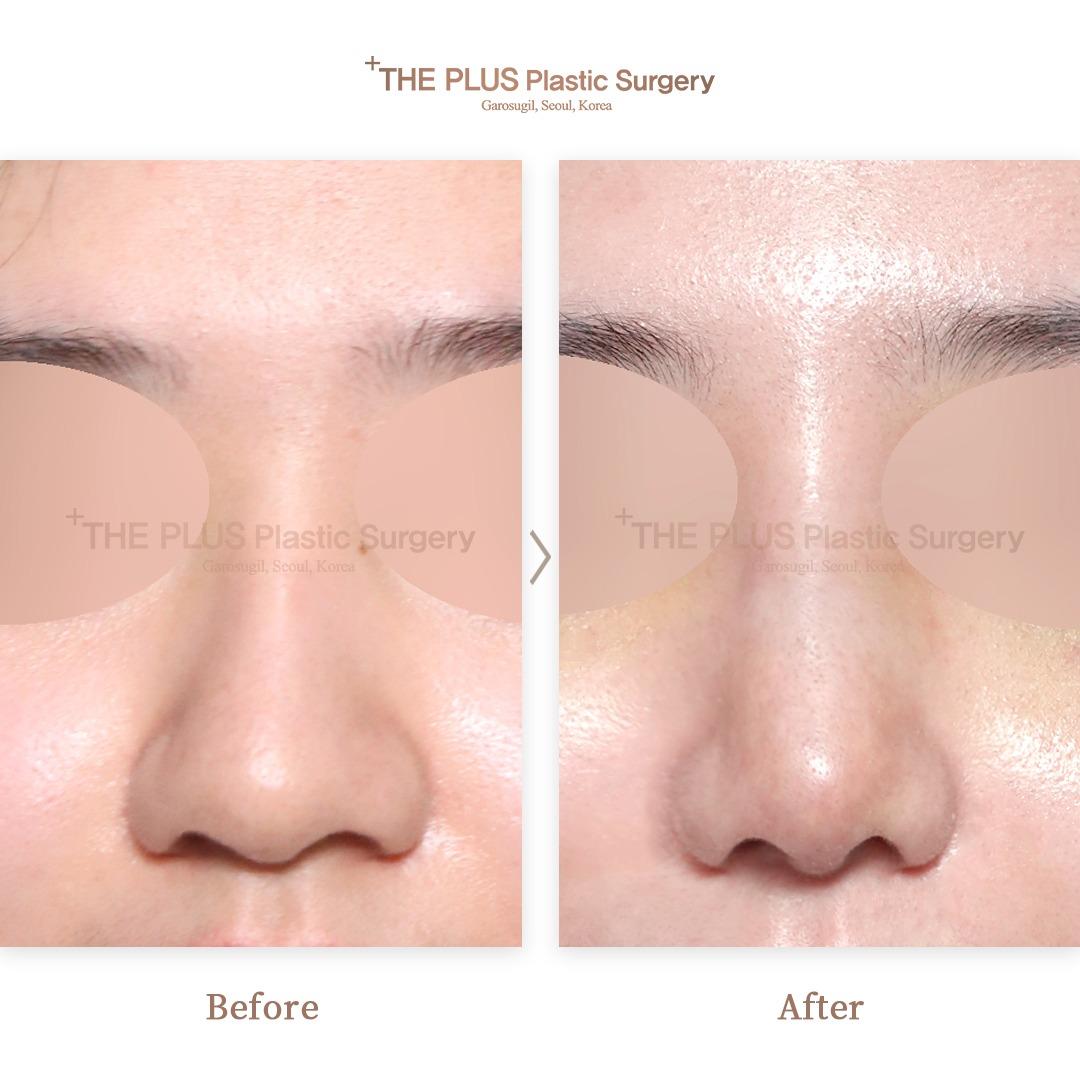
You may consider THEPLUS Plastic Surgery for nose osteotomy when your plan involves reshaping a prominent or uneven nasal bridge within a broader rhinoplasty approach that emphasizes facial harmony and nasal function. Its rhinoplasty-focused surgeons, Dr. Jeong Jae-yong and Dr. Kim Taek-kyun, bring extensive academic, educational, and revision-rhinoplasty experience to nasal surgical planning.
- URL: THEPLUS Plastic Surgery Website
- Location: Gangnam-gu, Seoul
- Rhinoplasty expertise:
- Dr. Jeong authored “Rebuilding Nose: Rhinoplasty for Asians,” which has Japanese and English editions used as educational resources.
- Dr. Kim contributed rhinoplasty and revision-rhinoplasty chapters to “The 18 Masters of Korean Aesthetic Surgery.”
- Both surgeons participate in professional education and present research and techniques at forums including the Seoul Rhinoplasty Forum, KSPRS, and IFAAS.
- Surgical considerations:
- The clinic describes rhinoplasty as balancing nasal appearance with structural harmony and function.
- Revision rhinoplasty is available for concerns following prior nasal surgery.
- Planning may be relevant if you want nasal bridge changes considered alongside overall facial proportions.
- Additional services:
- Facial contouring procedures include cheekbone, square-jaw, chin, and facial-implant surgery.
- The clinic also offers eye surgery, face-lifting procedures, breast surgery, liposuction, and stem-cell treatments.
2. Made Young Plastic Surgery
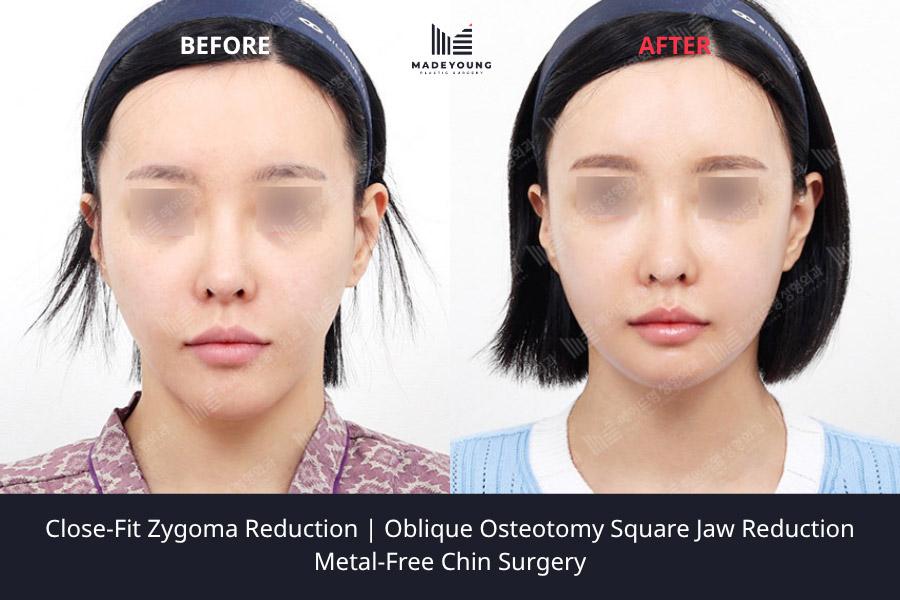
You can expect nose osteotomy planning at Made Young Plastic Surgery to be guided by 3D-CT assessment of your nasal bones, septum, and asymmetry, particularly when dorsal-hump correction or creating a straighter nasal line is part of your rhinoplasty goal. The clinic describes an individualized approach to the bridge, tip, columella, alar width, and overall facial proportions, with attention to stable internal nasal support.
- URL: Made Young Plastic Surgery Website
- Location: Seocho-gu, Seoul
- Procedure planning:
- 3D-CT analysis is used to assess nasal bones, the septum, and asymmetry for surgical planning.
- The clinic identifies advanced osteotomy as part of its approach to dorsal-hump correction and nasal-tip refinement.
- Autologous rib grafts may be used when structural support is needed.
- Its stated aim is to create a stable internal nasal structure to help maintain tip position and nasal shape over time.
- Rhinoplasty surgeon:
- Dr. Lee Byeong-hoe is described as having more than 20 years of exclusive rhinoplasty experience.
- His experience includes complex nasal reconstruction and revision cases, including repeat revisions.
- Care and monitoring:
- Direct consultation and diagnosis are provided by the medical team before treatment.
- Full-time board-certified anesthesiologists are on site.
- The clinic describes one-to-one anesthesiology monitoring, emergency cross-check procedures, and a dedicated aftercare center.
3. Okay Plastic Surgery Clinic
You may consider Okay Plastic Surgery Clinic for nose osteotomy as part of a tailored rhinoplasty plan when you need changes to the nasal bridge, nose tip, or nostril proportions. The clinic offers rhinoplasty and revision options, including care for difficult rhinoplasty cases, with treatment presented as individualized to your concerns.
- URL: Okay Plastic Surgery Clinic Website
- Location: Gangnam-gu, Seoul
- Nasal procedures:
- Rhinoplasty services include nose-tip surgery, nose-bridge surgery, and nostril reduction.
- Revision rhinoplasty is available, including for difficult cases.
- Related facial options:
- Eye procedures include double-eyelid surgery, eye correction, under-eye surgery, and revision surgery.
- Facial lifting options include facelift, mini lift, endoscopic forehead lift, thread lifting, and laser lifting.
- Skin-focused services include medical skincare, pigmentation treatment, acne and scar care, and Botox or fillers.
How Much Does Nose Osteotomy Cost in Korea?
Nose osteotomy is listed at ₩1,600,000–₩2,000,000 (approximately US$1,200–$1,500). Individual quotes vary because osteotomy is usually one component of a rhinoplasty or septorhinoplasty plan, and the anatomy and associated surgical work determine the resources required.
| Procedure Price | Korean Won (₩) | USD ($) |
|---|---|---|
| Low Price | ₩1,600,000 | $1,200 |
| High Price | ₩2,000,000 | $1,500 |
Exchange rate as of 2026-09-06: 1 KRW = 0.000741 USD.
What Affects the Price?
- Extent of bony-vault correction — Narrowing a wide bridge, closing an open roof after hump reduction, or straightening a markedly crooked bony vault can require different medial, lateral, transverse, or intermediate osteotomy patterns. More extensive bone mobilization and asymmetric correction add operative steps and operating time.
- Associated rhinoplasty or functional surgery — Osteotomy may be combined with hump reduction, tip reshaping, septoplasty, turbinate treatment, nasal-valve repair, or cartilage grafting. These additions expand the surgical field, reconstruction work, consumables, anesthesia time, and facility use beyond the bone cuts alone.
- Osteotomy instrumentation and access — The plan may use conventional osteotomes or piezoelectric instrumentation, with internal or percutaneous lateral access selected for the anatomy and intended correction. Piezoelectric bone cutting requires specialized equipment, while the chosen access and cut pattern determine the technical steps required.
- Primary versus revision reconstruction — A nose previously altered by surgery or trauma can have scar tissue, asymmetry, and reduced structural support. Revision reconstruction may require more detailed dissection and cartilage grafting, increasing operative complexity and resource use.
Cost tip: Request an itemized quote stating what is included, particularly the rhinoplasty components, anesthesia, surgical-facility use, osteotomy instrumentation, grafting or functional nasal work, postoperative splints or packing, and in-country and remote follow-up.
The US$1,200–$1,500 conversion is approximate, based on the 2026-09-06 exchange rate of 0.000741 KRW per US dollar. Check the exchange rate again when budgeting.
Nose Osteotomy From Start to Finish
- Remote consultation and records — Contact the clinic through its official channel and submit requested photographs securely. Disclose prior nasal injury or surgery, breathing problems, snoring or sleep apnea, allergies, medication and supplement use, nicotine exposure, and aesthetic and functional goals. English-language or virtual consultation options can clarify logistics, but the plan remains provisional until examination.
- In-person surgical assessment — The surgeon examines the external nose, septum, turbinates, nasal valves, skin thickness, bony width, baseline airflow, and facial balance. Standardized photographs, review of limitations, and discussion of osteotomy pattern and combined procedures follow.
- Anesthesia review and testing — The anesthesia team reviews medical conditions, bleeding history, medicines, recreational substances, and previous anesthesia issues. Complete only the tests the operating facility considers medically indicated.
- Final travel and consent planning — Confirm the surgical facility, anesthesia arrangement, operation date, in-country review schedule, emergency contact pathway, and expected departure window. Ask specifically whether packing, internal splints, external sutures, grafts, or implants are planned.
- Surgery day — Primary rhinoplasty commonly takes about 1–3 hours; revision, functional, grafting, or complex reconstruction can take longer. General anesthesia is common. The surgeon performs the planned cartilage and soft-tissue work, then creates controlled nasal-bone cuts and repositions the bony sidewalls; an external splint is frequently applied.
- Discharge and first night — Many primary cases are outpatient procedures. Leave with a responsible adult, use only approved medication and nasal products, and keep the head elevated. Internal splints or packing are used selectively rather than in every case.
- In-country recovery and review — Attend early review and packing removal if applicable, usually within 1–2 days. External splint and nonabsorbable external-suture removal commonly take place around day 5–7; the bridge is visible then but remains swollen and is not the final result.
- Travel clearance and overseas follow-up — Obtain individualized clearance before flying, written records, and a remote-review schedule. Substantial swelling often improves over 1–3 months, while contour refinement continues for 12 months or longer; revision assessment is generally deferred until healing has stabilized, often around 12 months.
Alternatives to Nose Osteotomy
The appropriate alternative depends on whether the concern is bony width or deviation, airflow, a low bridge, the tip, or nostril width. Non-surgical options can add or camouflage volume but cannot narrow, realign, or stabilize displaced nasal bones; surgery offers structural correction but requires anesthesia, recovery, and a longer commitment.
Rhinoplasty Without Osteotomy
- Best fit — A bridge that does not need narrowing, straightening, or open-roof closure.
- Tradeoff — Limited rhinoplasty can modify selected cartilage or soft-tissue features but cannot reliably correct a displaced or broad bony vault.
- Related procedure — Rhinoplasty.
Septoplasty
- Best fit — Nasal obstruction caused mainly by a deviated septum.
- Tradeoff — Septoplasty can improve internal airflow but generally does not reposition or narrow the external nasal bones.
- Related procedure — Septoplasty.
Functional Rhinoplasty
- Best fit — Valve collapse, weak structural support, turbinate enlargement, or obstruction requiring cartilage grafting and airway reconstruction.
- Tradeoff — Osteotomy can still be an adjunct when bony deviation coexists; it is not automatically the central treatment.
Hyaluronic-Acid Nose Filler
- Best fit — Selected contour depressions where added volume can camouflage an irregularity.
- Tradeoff — Filler cannot narrow a wide bridge, realign nasal bones, or fix structural obstruction. It is temporary and carries distinct vascular-occlusion risk.
- Related procedures — Nonsurgical rhinoplasty and nose filler.
Nasal Augmentation
- Best fit — Selected patients seeking added bridge height or projection.
- Tradeoff — An implant or cartilage augmentation adds structure but does not substitute for narrowing or repositioning a wide bony vault.
- Related procedure — Nose implant.
Tip or Alar Surgery
- Best fit — A concern isolated to tip definition, tip projection, or nostril-base width.
- Tradeoff — These procedures do not alter the upper bony bridge.
- Related procedures — Tip plasty and alar reduction.
Revision Rhinoplasty
- Best fit — Persistent deformity, airway obstruction, or a complication after prior nasal surgery.
- Tradeoff — Revision is often more complex because of scar tissue and limited cartilage supply. Meaningful assessment is usually delayed until swelling and scar maturation permit evaluation.
- Related procedure — Revision rhinoplasty.
How Can I Prepare for Nose Osteotomy?
- Medical disclosure — Give the surgeon and anesthesia team a complete list of medical conditions, previous operations, trauma, allergies, sleep-apnea history, bleeding problems, prescription medicines, supplements, and recreational substances.
- Blood-thinning medicines and supplements — Aspirin, NSAIDs, anticoagulants, antiplatelets, some herbal products, and supplements can affect bleeding. Do not stop prescribed anticoagulants, antiplatelets, diabetes medicines, psychiatric medicines, or blood-pressure medicines without written instructions from both the prescribing clinician and operating team.
- Nicotine cessation — Stop cigarettes, vaping, nicotine replacement, and all other nicotine exposure on the surgeon’s exact schedule. Elective surgery is often deferred when required abstinence is not achieved because nicotine impairs healing.
- Fasting — Follow the facility’s written anesthesia fasting instructions exactly. Do not rely on generic online fasting schedules.
- Nasal and skin preparation — Report active congestion, sinus symptoms, dental infection, cold sores, facial rash, or skin infection before surgery. Attend without makeup, jewelry, or contact lenses when the facility instructs.
- Alcohol and sun exposure — Avoid alcohol and sunburn in the period specified by the surgical team, particularly before anesthesia and while skin is healing.
- Transport and companion — Arrange transport from the facility and a responsible adult for the first night after anesthesia. Do not plan to drive.
- Accommodation and flights — Stay near the surgical facility, choose accommodation that allows head elevation, and reserve flexible flights. Build in at least 14 nights after surgery and budget for an extension if recovery or surgeon clearance delays departure.
Travel note: Before booking, request the surgeon’s full name and specialty, planned osteotomy pattern, whether piezoelectric instrumentation is planned, anesthesia details, after-hours contact, in-country visit schedule, and written remote-follow-up process.
Confirm all medication stop dates, fasting rules, arrival times, and clinic-specific requirements directly with the treating doctor and anesthesia team; their individualized instructions take precedence over general guidance.
Aftercare Advice
Protect the healing nasal bones and follow the operating team’s written instructions exactly; the early appearance is swollen and does not represent the final result.
- Splint and pressure protection — Keep the external splint clean, dry, and undisturbed until the clinic removes it, commonly on day 5–7. Do not press on the bridge, wear glasses on the nose, or allow pets, children, luggage, or bedding to strike the face unless the surgeon has provided a protective plan.
- Congestion and cleaning — Use only saline spray, ointment, or other nasal products approved by the operating team. Do not blow the nose until cleared; sneeze with the mouth open. Do not self-direct prolonged topical decongestant use because rebound congestion can occur.
- Swelling and bruising — Sleep with the head elevated. Apply cool compresses to the cheeks or under-eye area without pressing directly on the nose. Bruising, tenderness, congestion, and light blood-tinged drainage are common during the first 7–14 days.
- Activity and heat — Avoid bending, straining, heavy lifting, vigorous exercise, hot baths, sauna use, and alcohol for the period set by the surgeon. Strenuous exercise is commonly restricted for at least 2 weeks; avoid contact and impact-risk activity for about 6 weeks or until cleared.
- Sun protection — Prevent sunburn and use SPF 50 on exposed healing skin once the surgeon confirms it is appropriate. Sun exposure can worsen prolonged discoloration and swelling.
- Warning signs — Contact the surgeon urgently for substantial or persistent bleeding, fever, worsening rather than improving pain, spreading redness, pus-like discharge, rash, visual changes, breathing difficulty, or a sudden shape change after injury.
- Follow-up and final result — Attend all in-person reviews before departure and complete remote follow-up after returning home. Much swelling improves over 1–3 months, but contour refinement often continues for 12 months or longer.
Follow the treating doctor’s instructions over this general guidance, and contact the clinic promptly when anything appears wrong.
Frequently Asked Questions
Related Blogs
Korea vs. Global Standards: A Comprehensive Cost Analysis of Cleft Rhinoplasty in Medical Tourism Destinations
Explore the cost of cleft rhinoplasty in Korea, a popular destination for medical tourism due to its advanced surgical techniques and competitive pricing. Discover factors influencing the overall expense, from hospital fees to post-operative care, and what makes Korea a top choice for this specialized procedure.
Updated: Oct 21, 2026
Philtrum Reduction Costs: Choosing Korea Over the USA, Mexico, Turkey & More for Expert Care
Discover the affordability and benefits of Philtrum Reduction Surgery in Korea, a popular destination for high-quality cosmetic procedures. Explore cost factors, surgeon expertise, and why Korea is a top choice for those considering this transformative surgery.
Updated: Oct 21, 2026
Discovering the True Value: Sinus Surgery Costs in Korea Compared to Global Options
Discover the affordable options for sinus surgery in Korea, a leading destination for medical tourists seeking quality care. Learn about the factors influencing costs and what patients can expect from their experience in this highly advanced healthcare system.
Updated: Oct 21, 2026
Non-Implant Rhinoplasty in Korea: Cartilage Grafts, Recovery, Travel Planning, and Alternatives
Non-implant rhinoplasty reshapes the nose using septal, ear, or rib cartilage, with surgical or injectable and open or closed approaches and possible septal or nasal-valve correction. International patients can find guidance on candidate screening, material-specific consent, Korea stays of 10–21 days, travel timing, recovery, and follow-up.
Updated: Oct 16, 2026
Clinics offering Nose Osteotomy

THEPLUS Plastic Surgery Korea | Eye, Nose, Face & Body Surgery
Sinsa

Made Young Plastic Surgery: Rejuvenating Aesthetic Excellence in Korea for Face Lifts, Contouring and More
Gangnam Station

Okay Plastic Surgery Clinic in Korea: Comprehensive Aesthetic Procedures with Sincerity and Care
Cheongdam
ID Hospital - Main Branch in Korea: Specializing in Safe & Customized Facial Plastic Surgery and Post-Care Services
Sinsa