
Medical Tourism Blog
Discover Korea’s Top Eyebrow Lift Procedures for Low Eyebrows: Rejuvenate Your Look
Table of contents
- Eyebrow Lift Procedures: A Detailed Medical Overview
- Navigating Eyebrow Lift Procedures in South Korea
- Which Are the Best Clinics in Korea for Low Eyebrows?
- Patient Experiences: Addressing "Low Eyebrows" with Eyebrow Lift Procedures
- Conclusions
- References
Considering treatment in Korea? Everything you need to know e.g. — how to avoid scams, visas, interpreters, recovery tips — in our Medical Tourism Master Guide. Plan with confidence in minutes, not weeks!
Defining "Low Eyebrows" (Brow Ptosis)
When people talk about "low eyebrows," they’re usually referring to a condition called brow ptosis. This means the eyebrows have dropped from their natural, ideal position. When eyebrows sit too low, it can change how a person’s face looks, often making them appear tired, angry, or older than they really are. Brow ptosis isn’t just about looks—if the drooping is severe, the extra skin can press down on the upper eyelid and block part of the vision. So, for some, this isn’t just a cosmetic issue but a functional one that affects quality of life. In these cases, fixing low eyebrows can be medically necessary, not just elective.
Common Pseudonyms and Related Medical Terms
While "low eyebrows" is a casual term, doctors usually call it "brow ptosis." The surgeries to fix this are often called "forehead lift," "forehead rejuvenation," or "browplasty."
It’s important to know that brow ptosis (a drooping position) is different from eyebrow hair loss. The medical term for losing eyebrow or eyelash hair is "madarosis." This involves the hair follicles themselves, not the position of the brow. A specific type of hair loss called "Hertoghe's sign" or "Queen Anne's sign" refers to hair loss on the outer third of the eyebrows and often signals hypothyroidism.
Understanding the difference between drooping brows and hair loss is key. Confusing the two can lead to wrong self-diagnosis and inappropriate treatments. For example, someone with sagging brows might think they have madarosis and delay getting the right care. That’s why seeing a medical professional for an accurate diagnosis is essential before starting any treatment.
Here’s a quick overview of terms related to "low eyebrows":
Table 1: Common Terms and Conditions Associated with "Low Eyebrows"
| Term/Condition | Description | Nature | Common Causes |
|---|---|---|---|
| Low Eyebrows | Eyebrows positioned lower than desired. | Positional Sagging | Aging, gravity, sun exposure |
| Brow Ptosis | Medical term for eyebrow descent from normal position. | Positional Sagging | Aging, facial nerve damage, muscle disorders |
| Forehead Lift / Rejuvenation / Browplasty | Surgeries to raise brows and improve forehead appearance. | Surgical Correction | Cosmetic procedure for brow ptosis and wrinkles |
| Madarosis | Loss of eyebrow or eyelash hair. | Hair Loss | Skin conditions, autoimmune diseases, infections, medications |
| Superciliary Madarosis | Hair loss specifically in eyebrows. | Hair Loss | Same as Madarosis |
| Ciliary Madarosis | Hair loss specifically in eyelashes. | Hair Loss | Same as Madarosis |
| Hertoghe's Sign (Queen Anne's Sign/Lateral Madarosis) | Hair loss on outer third of eyebrows. | Hair Loss | Often linked to hypothyroidism |
Common Causes of Low Eyebrows
The most common reason for brow ptosis is aging. As skin loses elasticity over time, gravity and sun damage cause the brow tissues to sag, usually starting at the outer third of the eyebrow.
But brow ptosis can also result from many other causes, meaning it might signal an underlying medical problem rather than just aging. That’s why a full medical history and exam are crucial before any cosmetic treatment. Some causes include:
- Trauma: Injury to the facial nerve’s frontal branch, which controls the frontalis muscle that lifts the brow. This can happen from head trauma or injuries near the parotid gland.
- Myogenic Causes: Muscle disorders like myasthenia gravis or muscular dystrophies can weaken the muscles that lift the brow.
- Infections: Certain infections (e.g., Ramsay Hunt syndrome, Lyme disease, syphilis, COVID-19) can affect facial nerve function, causing brow droop.
- Spasm-Induced: Conditions like blepharospasm or hemifacial spasm cause involuntary muscle contractions that pull the brow down.
- Neoplastic: Tumors affecting the facial nerve or nearby tissues can cause brow ptosis.
- Iatrogenic: Previous surgeries or treatments like botulinum toxin injections may unintentionally weaken brow-lifting muscles.
Because of these varied causes, it’s vital to get a thorough medical evaluation first. Jumping straight to cosmetic surgery without ruling out serious health issues could be risky.
Eyebrow Lift Procedures: A Detailed Medical Overview
Purpose and Goals of an Eyebrow Lift
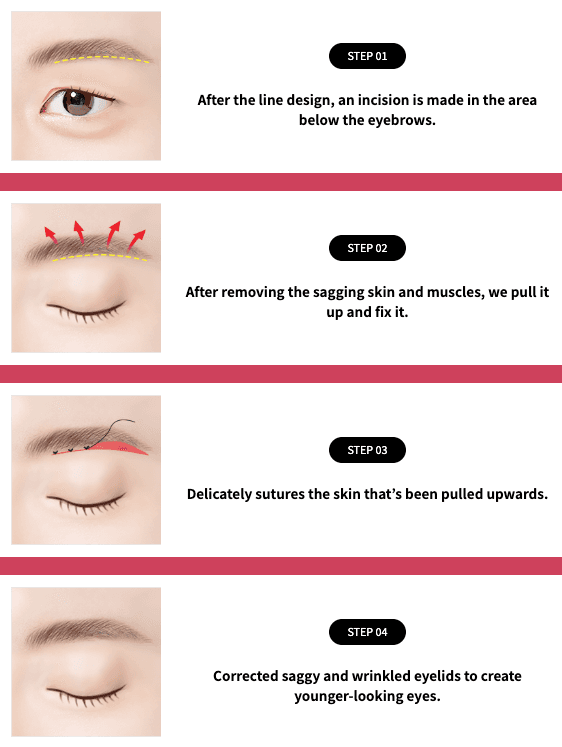
An eyebrow lift (also called a forehead lift or forehead rejuvenation) is a cosmetic surgery designed to raise the brows and improve the look of the forehead and eye area. The goal isn’t just to lift the brows but to refresh the entire upper face for a natural, youthful appearance.
Key goals include:
- Repositioning the Brow: Raising the brow for a more alert, youthful look.
- Reducing Forehead Wrinkles: Smoothing horizontal forehead lines and nose bridge wrinkles.
- Addressing Frown Lines: Softening the vertical "11s" between the eyebrows.
- Correcting Sagging Eyebrows: Fixing drooping brows that cause hooded eyes or tired expressions.
- Alleviating Heavy Upper Eyelids: Lifting brows to reduce eyelid heaviness.
- Restoring Youthful Contour: Improving upper face elasticity without changing eyelid shape.
This procedure enhances the overall harmony of the upper face, not just the brow’s position, helping patients set realistic expectations for a natural, refreshed look.
Types of Surgical Eyebrow Lift Procedures
There are several surgical techniques, chosen based on the patient’s anatomy, goals, and surgeon’s expertise. Most are done under local anesthesia with sedation or general anesthesia.
Here are the main types:
-
Endoscopic Brow Lift:
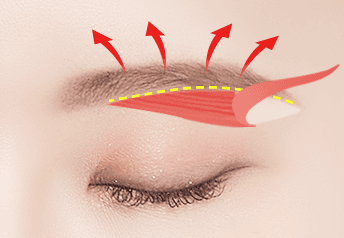
Small hidden incisions behind the hairline allow a camera and instruments to lift the entire brow and forehead. It’s minimally invasive with minimal scarring and quicker recovery but may cause temporary numbness or a "surprised look" if overdone. -
Temporal Brow Lift (Lateral Brow Lift):
Small incisions near the temples lift only the outer brow. It’s less invasive and avoids an unnatural look but doesn’t address central brow sagging. -
Direct Brow Lift:
Skin is removed just above the eyebrows, often within the eyebrow hair. It’s quick and good for prominent drooping or bushy brows but leaves visible scars. -
Coronal/Classic Brow Lift (Open Brow Lift):
A long incision from ear to ear behind the hairline lifts the entire forehead. It offers a comprehensive lift but is more invasive, with longer recovery and potential hairline changes. -
Hairline Brow Lift:
Incisions are made at the hairline to lift brows and correct a high or receding hairline. Scarring may be visible depending on placement. -
Limited Incision / Transblepharoplasty Brow Lift:
Smaller incisions target the outer brow and can be combined with upper eyelid surgery. It’s less invasive but limited in scope.
Non-Surgical Alternatives
For those preferring less invasive options or with mild concerns, non-surgical treatments offer temporary results:
-
Botox Injections:
Botox relaxes muscles to smooth wrinkles and subtly lift brows. Effects last 3-6 months. -
PDO Thread Lift:
Dissolvable threads lift and stimulate collagen under the skin, with results lasting 6 months to 2 years. Recovery is quick but results are subtle.
General Steps Involved in an Eyebrow Lift Procedure
Though details vary, the typical process includes:
- Initial Consultation: Surgeon evaluates facial features, discusses goals, reviews medical history, and plans the procedure.
- Pre-operative Instructions: Patients get guidance on medications, smoking, and alcohol.
- Anesthesia: Local with sedation or general anesthesia is administered.
- Incision Marking and Creation: Incisions are carefully planned and made to minimize visible scars.
- Tissue Adjustment and Repositioning: Underlying muscles and skin are lifted, repositioned, or trimmed.
- Closure: Incisions are closed with stitches or staples; sometimes drainage tubes are placed.
- Immediate Post-Operative Care: Patients recover from anesthesia and receive care instructions.
- Follow-up and Recovery: Bandages and stitches are removed within days to weeks; swelling and bruising fade over weeks; full results appear over months.
Table 2: Comparative Overview of Eyebrow Lift Surgical Techniques
| Technique | Incision Location | Target Area | Invasiveness | Scarring | Recovery Time (Initial/Full) | Longevity | Pros | Cons |
|---|---|---|---|---|---|---|---|---|
| Endoscopic Brow Lift | Small incisions behind hairline | Entire brow and forehead | Minimally invasive | Minimal, hidden | 10-14 days / Several months | 10-12 years | Less invasive, minimal scarring, precise | Temporary numbness, rare nerve risk, possible "surprised look" |
| Temporal Brow Lift | Small incisions near temples | Outer brow | Minimally invasive | Hidden | 7-10 days / 10-14 days | Several years | Fast recovery, avoids unnatural look | Doesn’t lift central brow |
| Direct Brow Lift | Above eyebrows within hair | Specific drooping, bushy brows | Moderate | Visible | Short surgery / Varies | Permanent | Quick, local anesthesia possible | Visible scars |
| Coronal/Classic Brow Lift | Ear to ear behind hairline | Entire forehead and brow | More invasive | Longer, hidden | Longer / Several months | Permanent | Comprehensive lift, deep wrinkle correction | Longer recovery, hairline changes |
| Hairline Brow Lift | Between forehead and hairline | High/receding hairline, brow | Moderate | Visible | Varies | Permanent | Corrects hairline and brow | Scar may be visible |
| Limited Incision / Transblepharoplasty | Small incisions / eyelid incisions | Outer brow, eyelid combo | Moderate | Hidden / eyelid scar | Varies | Permanent | Less invasive, combined procedures | Limited forehead lift |
| PDO Thread Lift (Non-Surgical) | Thread entry points | Mild/moderate sagging | Minimally invasive | Minimal | 1-3 days / 4-7 days | 6 months - 2 years | No surgery, quick recovery | Temporary, subtle lift |
| Botox Injections (Non-Surgical) | Injection sites in muscles | Wrinkles, subtle lift | Non-invasive | None | Immediate | 3-6 months | No downtime, quick | Temporary, repeat needed |
Navigating Eyebrow Lift Procedures in South Korea
The Process: A Step-by-Step Guide to Getting an Eyebrow Lift in South Korea
South Korea offers a well-organized, patient-friendly experience for international patients seeking eyebrow lifts. The process includes:
- Initial Consultation and Evaluation: Surgeons assess facial structure, skin, and goals, review medical history, and plan the surgery. Medical tourism agencies often assist international patients in choosing trusted clinics.
- Anesthesia Administration: Local with sedation or general anesthesia is given based on procedure and patient preference.
- Surgical Procedure and Tissue Adjustment: Incisions are carefully placed to minimize scars. Tissues are lifted and excess skin removed. Surgery lasts 1-3 hours.
- Immediate Post-Operative Care and Recovery: Patients recover in a dedicated area and receive detailed care instructions. Swelling and bruising are normal. Hospital stays are usually not required.
- Stitch Removal and Recommended Departure Timeline: Bandages come off in 1-3 days; stitches in 7-10 days. Patients can resume light activities after stitch removal. International patients typically leave South Korea 7-10 days post-surgery but should avoid strenuous activity for weeks. Full healing takes up to six months with regular follow-ups.
Advantages: Why Consider South Korea for Your Eyebrow Lift?
South Korea is a top destination for plastic surgery due to:
- Competitive Cost-Effectiveness: Procedures cost 40-75% less than in the US or Europe, without sacrificing quality. High procedure volume and efficient healthcare systems keep prices low. Many clinics offer all-inclusive packages covering consultations, surgery, post-op care, medications, and translators.
- Pioneering Surgical Innovations and Advanced Technology: South Korea leads in developing new techniques and adopting cutting-edge tools like 3D facial scanning and AI-assisted planning, often years ahead of other countries.
- Highly Specialized and Experienced Surgeons: Korean surgeons perform thousands of surgeries yearly, focusing on specific procedures to gain exceptional skill and precision.
- Emphasis on Natural, Harmonious Results: The goal is subtle, balanced enhancements that fit each patient’s natural features, avoiding an artificial look.
- Comprehensive Medical Tourism Support: Agencies assist with consultations, travel, language, cultural guidance, and post-op care, ensuring a smooth experience.
Considerations and Potential Disadvantages
Patients should also be aware of:
- Medical Ethics Concerns and "Ghost Surgeries": Some clinics have been linked to unqualified practitioners performing surgeries without patient consent, sometimes leading to serious harm.
- Lack of Emergency Equipment and Anesthesiologists: Some clinics may not have adequate emergency resources, raising safety concerns.
- Weak Legal Enforcement: Due to the secretive nature of malpractice, accountability can be limited.
- Societal Pressure and Unrealistic Expectations: Cultural beauty standards may push patients toward risky procedures or unrealistic goals.
- Higher Costs for Specialized Procedures: Some advanced surgeries may cost more despite overall competitive pricing.
Thorough research and choosing reputable clinics with certified surgeons and strong safety protocols are essential.
Which Are the Best Clinics in Korea for Low Eyebrows?
Listed below are some of the best clinics in Korea for low eyebrows.
1. THEPLUS Plastic Surgery
For low eyebrows, THEPLUS Plastic Surgery offers related surgical evaluation through its eye-surgery and facial-lifting services, including ptosis correction and blepharoplasty for upper-eyelid heaviness. Its approach emphasizes facial balance and preserving your natural expression, which can be relevant when deciding whether your concern is brow position, eyelid tissue, or both.
- URL: THEPLUS Plastic Surgery Website
- Location: Gangnam-gu, Seoul
- Relevant procedures:
- Ptosis correction addresses drooping upper eyelids by correcting the muscles that open the eyes.
- Blepharoplasty adjusts excess skin and tissue around the eyelids to refresh a heavy-looking eye area.
- Facelift, thread lift, and facial fat grafting are also listed facial rejuvenation options; the appropriate approach depends on the area and degree of laxity being addressed.
- Surgical expertise:
- Dr. Kim is a board-certified plastic surgeon whose stated areas of expertise include facial contouring, and he has received research awards related to 3D implants.
- Dr. Jeong is identified as President of the Korean Society of Plastic Surgeons and has an educational role at professional conferences.
2. Made Young Plastic Surgery
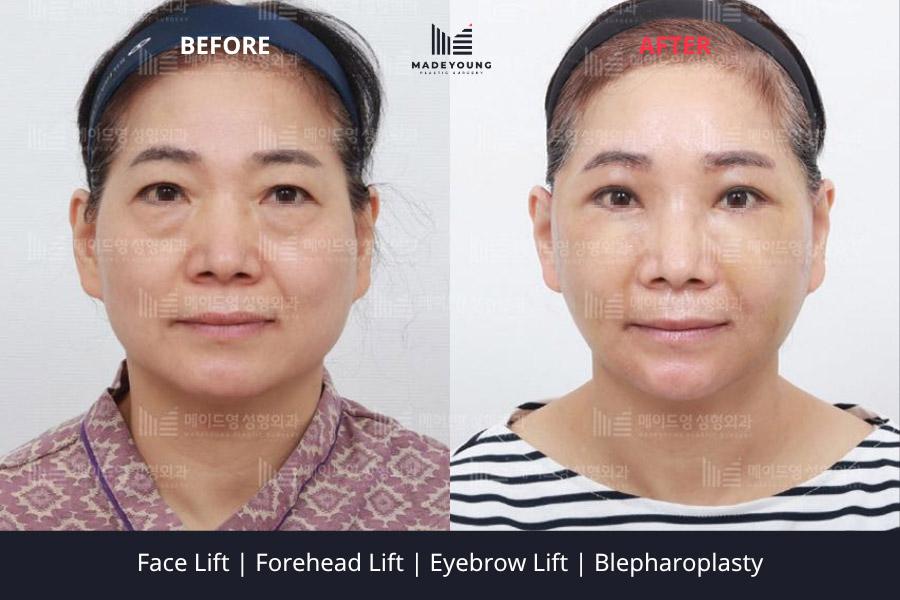
For low eyebrows, Made Young Plastic Surgery lists both forehead lift (brow lift) and sub-brow lift procedures, giving you surgical options aimed at elevating the brow or focusing on the area immediately above it. The clinic also offers non-surgical forehead lifting and thread-lift options, while direct medical-team consultation and diagnosis are described as part of its process.
- URL: Made Young Plastic Surgery Website
- Location: Seocho-gu, Seoul
- Brow and eye options:
- Forehead lift raises the brows and addresses forehead sagging skin and wrinkles.
- Sub-brow lift focuses on elevating and smoothing the area just above the eyebrow and upper eyelid.
- Non-surgical forehead lifting and thread lift are listed among less invasive lifting services.
- Upper blepharoplasty and ptosis correction are available if upper-eyelid skin or eyelid-opening function also contributes to a heavy appearance.
- Safety and aftercare:
- Full-time board-certified anesthesiologists are listed as being on site, with one-to-one anesthesiologist monitoring during procedures.
- The clinic describes a cross-check system involving multiple anesthesiologists for emergency assessment and response.
- A dedicated aftercare center is listed for systematic post-procedure care.
- Eye-surgery experience:
- Dr. Park Byung-Chan is described as having 15 years of experience exclusively in eye surgery.
- The clinic states that surgical planning can customize incision lines, double-eyelid height, eyelid thickness, and overall eye shape.
3. SH Clinic
For low eyebrows, SH Clinic’s listed services are most relevant when brow descent is accompanied by upper-eyelid heaviness or [facial skin laxity](/blog/facial-skin-laxity-korea): it offers upper blepharoplasty, facelift, laser lifting, and thread lift. A specific brow-lift procedure is not listed in the provided information, so you would need an assessment to determine whether its available eyelid or lifting treatments fit your concern.
- URL: SH Clinic Website
- Location: Seocho-gu, Seoul
- Relevant listed services:
- Upper blepharoplasty removes excess upper-eyelid skin and creates a defined crease, which the clinic describes as helping brighten the eyes and ease heaviness.
- Facelift lifts and tightens deeper facial and neck layers for longer-lasting facial rejuvenation.
- Laser lifting is listed as a collagen-tightening treatment for sagging skin, while biodegradable thread lift is listed as a minimally invasive lifting option.
- Broader care available:
- The clinic combines plastic surgery with aesthetic dermatology, stem-cell services, and gynecology under one roof.
- Its aesthetic dermatology menu includes skin boosters, Botox, dermal fillers, medical skin care, laser lifting, and thread lift.
Patient Experiences: Addressing "Low Eyebrows" with Eyebrow Lift Procedures
Patients report significant improvements after eyebrow lifts, including:
- Reducing Tired Appearance: One patient’s drooping brows made her look constantly tired. After surgery, her refreshed, alert look was restored.
- Softening Angry or Heavy Expressions: Another patient’s sagging brows gave her a heavy, angry look. The lift softened her expression and rejuvenated her face.
- Reversing Signs of Aging: A patient with droopy outer brows looked noticeably younger and more awake after a forehead lift.
- Correct Diagnosis and Treatment: One patient thought she needed an eyelid lift but actually required a brow lift. After surgery, her eyes appeared more open and youthful.
- Complementing Other Procedures: A patient who had eyelid surgery but still looked tired found that a brow lift completed her rejuvenation.
- Addressing Multiple Concerns: Another patient with heavy eyelids, frown lines, and wrinkles saw comprehensive improvement after an endoscopic brow lift.
These stories highlight how eyebrow lifts effectively tackle both aesthetic and functional issues related to low eyebrows.
Conclusions
Low eyebrows, or brow ptosis, involve a drooping of the brow that can affect appearance and sometimes vision. It’s important to distinguish this from eyebrow hair loss (madarosis), as treatments differ. While aging is the most common cause, other medical conditions must be ruled out through thorough evaluation.
Eyebrow lift procedures offer tailored solutions to rejuvenate the upper face, with various surgical techniques suited to individual needs. Non-surgical options provide temporary alternatives for milder cases. Recovery requires patience and realistic expectations.
South Korea stands out as a leading destination for eyebrow lifts due to its affordability, innovation, expert surgeons, natural results, and strong medical tourism support. However, patients should carefully research providers to avoid ethical and safety issues.
Overall, eyebrow lifts have proven effective in restoring a refreshed, youthful, and alert appearance, greatly enhancing patient satisfaction.
References
1, 2, 3, 4, 5, 6, 7, 8, 9, 10, 11, 12, 13, 14, 15, 16, 17, 18, 19, 20, 21, 22, 23, 24, 25, 26
Frequently Asked Questions
Related Blogs
Uneven Eyelids: Canthoplasty, Laser Canthoplasty, and Revision Eye Surgery Solutions in Korea
Discover how Korea leads in eyelid asymmetry correction with advanced procedures like canthoplasty, laser canthoplasty, and revision eye surgery. This comprehensive guide explores causes, emotional impacts, and how Korea's expert surgeons deliver natural-looking results. Learn about the surgical techniques, costs, and benefits of choosing Korea for your eyelid correction, emphasizing safety, affor
Updated: Oct 10, 2026
Sunken Eyes Solutions in Korea: Under Eye Fat Grafting and Eyelid Fat Grafting Procedures Explained
Discover how Korea leads in treating sunken eyes with advanced procedures like autologous fat grafting and eyelid fat transfer. This comprehensive guide highlights causes, symptoms, and the benefits of Korea’s top clinics, offering natural, long-lasting results. Perfect for medical tourists, learn why Korea is the ideal destination for under-eye rejuvenation, combining cutting-edge technology, exp
Updated: Oct 10, 2026
Injury to Eyelid: Ptosis Correction Procedures in Korea for Effective Eyelid Injury Treatment
Discover expert eyelid injury and ptosis correction procedures in Korea. This blog covers eyelid laceration treatments, approaches to traumatic and congenital ptosis, and advanced surgery options like external levator advancement and frontalis sling techniques. Learn why Korea is a top destination for affordable, high-quality eyelid surgeries, offering rapid recovery, aesthetic improvements, and f
Updated: Oct 9, 2026
Bulging Eyes Solutions: Canthoplasty, Laser Canthoplasty & Eyelid Fat Grafting in Korea
Discover how Korea leads in treating bulging eyes (exophthalmos) with advanced procedures like orbital decompression, Canthoplasty, and Eyelid Fat Grafting. Whether caused by Thyroid Eye Disease or trauma, these expert surgeries in Korea improve vision, reduce discomfort, and enhance appearance. Benefit from Korea’s renowned medical expertise, affordable pricing, and comprehensive care. If you’re
Updated: Oct 9, 2026
Clinics offering Eyebrow Lift

SH Clinic: Comprehensive Women's, Men's & Couples' Health Services in Korea
Sinsa

THEPLUS Plastic Surgery Korea | Eye, Nose, Face & Body Surgery
Sinsa

Made Young Plastic Surgery: Rejuvenating Aesthetic Excellence in Korea for Face Lifts, Contouring and More
Gangnam Station

LABOM Plastic Surgery: Expertise in Non-Surgical Nose, Facial Lifting & Anti-Aging Surgeries in Korea
Apgujeong