
Medical Tourism Blog
Hip Dip Fat Grafting in Korea: Safety, Recovery, Results and Travel Planning
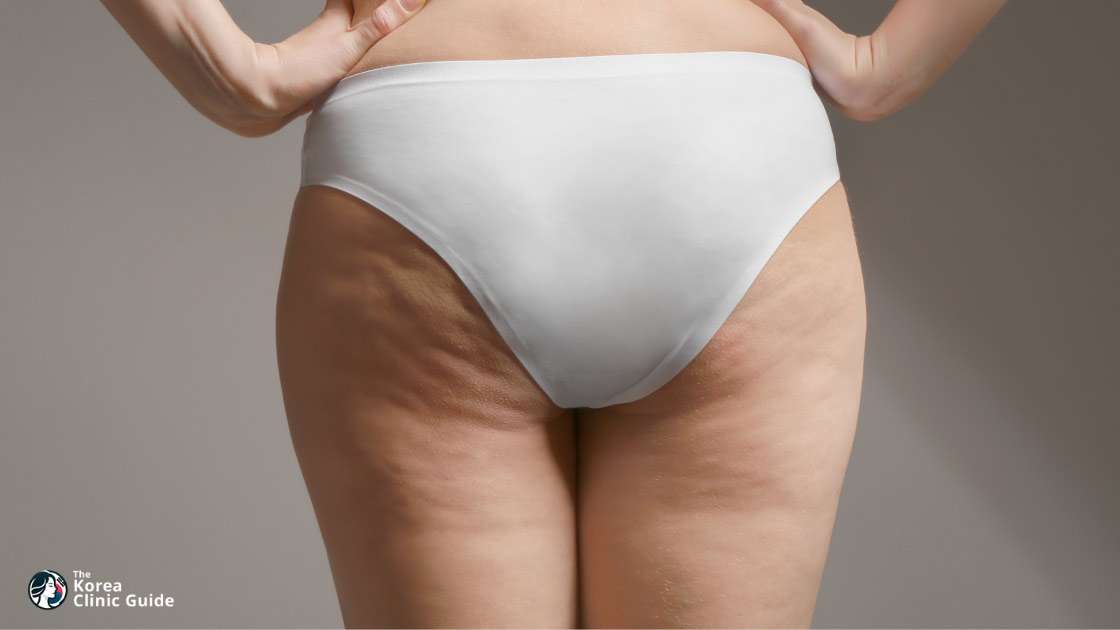
Table of contents
- Hip Dip Fat Grafting at a Glance
- What Is Hip Dip Fat Grafting?
- Who Is a Good Candidate for Hip Dip Fat Grafting?
- How Is Hip Dip Fat Grafting Performed?
- Why Visit Korea for Hip Dip Fat Grafting?
- Key Information for International Patients
- Which Are the Best Clinics in Korea for Hip Dip Fat Grafting?
- Hip Dip Fat Grafting From Start to Finish
- Alternatives to Hip Dip Fat Grafting
- How Can I Prepare for Hip Dip Fat Grafting?
- Aftercare Advice
Considering treatment in Korea? Everything you need to know e.g. — how to avoid scams, visas, interpreters, recovery tips — in our Medical Tourism Master Guide. Plan with confidence in minutes, not weeks!
Last updated: September 2026
Hip Dip Fat Grafting at a Glance
- What it does — The procedure removes fat by liposuction—commonly from the abdomen, flanks, back, or thighs—and transfers it to the lateral hips or outer buttocks to soften hip dips; it cannot reshape pelvic bone or reliably create a major buttock lift.
- Best candidates — Good candidates are healthy adults at a stable weight with adequate donor fat, realistic expectations, and the ability to avoid pressure on the treated area, walk early, and attend postoperative checks.
- Safety-critical technique — For any injection over the gluteal region, fat should be placed only in subcutaneous tissue above the muscle fascia, ideally with real-time ultrasound to visualize the cannula; deep injection can cause rare but potentially fatal fat embolism.
- Recovery and results — Direct pressure on the grafted hip or outer-buttock area is commonly restricted for 1–2 weeks, while strenuous exercise and heavy lifting are often limited for about 4 weeks; results are better assessed around 3 months and mature over 3–6 months as swelling resolves and some fat is reabsorbed.
- Korea travel plan — International patients should plan at least 14 days in Korea, with 14–21 days more practical for long-haul travelers, to allow early wound and fluid checks plus individualized flight clearance; the CDC advises delaying air travel 10–14 days after major surgery.
- Korea-specific due diligence — Medical Korea registration can help verify a facility that serves overseas patients, but it does not prove surgeon quality or superior outcomes; confirm directly with the operating surgeon that ultrasound-guided, subcutaneous-only injection, anesthesia coverage, emergency transfer, and English discharge records are provided.
- Important limitation — There are no validated hip-dip-specific correction, fat-retention, complication, or revision rates, and no credible evidence that surgery in Korea produces better safety or aesthetic outcomes than treatment elsewhere.
What Is Hip Dip Fat Grafting?
Hip dip fat grafting uses liposuction to collect a person’s own fat and place it along the outer hips to soften lateral indentations. It aims to create a smoother transition between the waist, hips, and upper thighs while preserving natural body proportions. It is a surgical procedure combining donor-site liposuction with autologous fat transfer.
Who Is a Good Candidate for Hip Dip Fat Grafting?
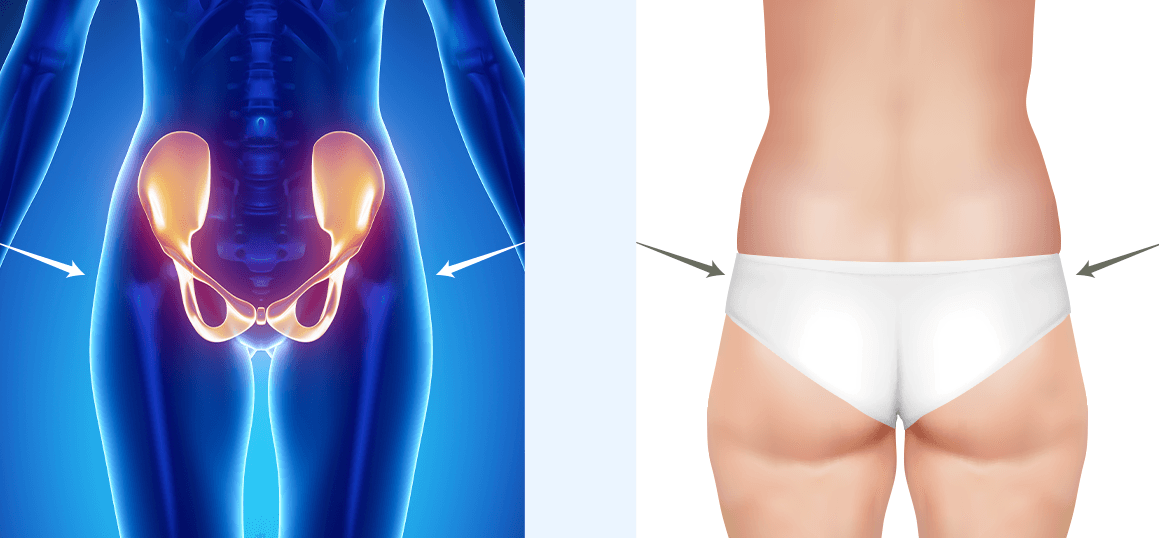
- Adults with localized lateral indentations — Good candidates want to soften the transition from the outer pelvis to the upper thigh or outer buttock, not reshape the pelvic bone or create a major buttock lift.
- Adequate donor fat — There must be enough safely harvestable fat, commonly from the abdomen, flanks, back, or thighs, to make a conservative and proportionate transfer feasible.
- Stable weight and health — Candidates should be in stable physical and mental health, at a sustainable weight, and able to walk early, avoid direct pressure on the grafted area, and attend local postoperative checks.
- Realistic expectations — Fat grafting can improve an asymmetrical or pronounced hip dip, but natural skeletal anatomy, skin quality, and pre-existing asymmetry limit correction. Some transferred fat is also resorbed during healing.
This elective procedure is unsuitable when donor fat is inadequate, infection or open wounds affect a donor or recipient area, or medical disease and anesthesia risk are uncontrolled. Pregnancy requires deferral until after pregnancy and postpartum recovery; breastfeeding and near-term pregnancy plans need individualized discussion because body-shape and weight changes can alter the result. Prior DVT or PE, thrombophilia, significant clot-risk factors, inability to mobilize, and current nicotine exposure require careful assessment and can rule out surgery. Anticoagulants and antiplatelets—including warfarin, apixaban, rivaroxaban, clopidogrel, and aspirin—require a plan from both the prescribing clinician and surgeon; never stop them independently. The surgeon should also assess anatomy while standing, scars, previous liposuction, skin laxity, and whether the requested volume is realistic.
How Is Hip Dip Fat Grafting Performed?
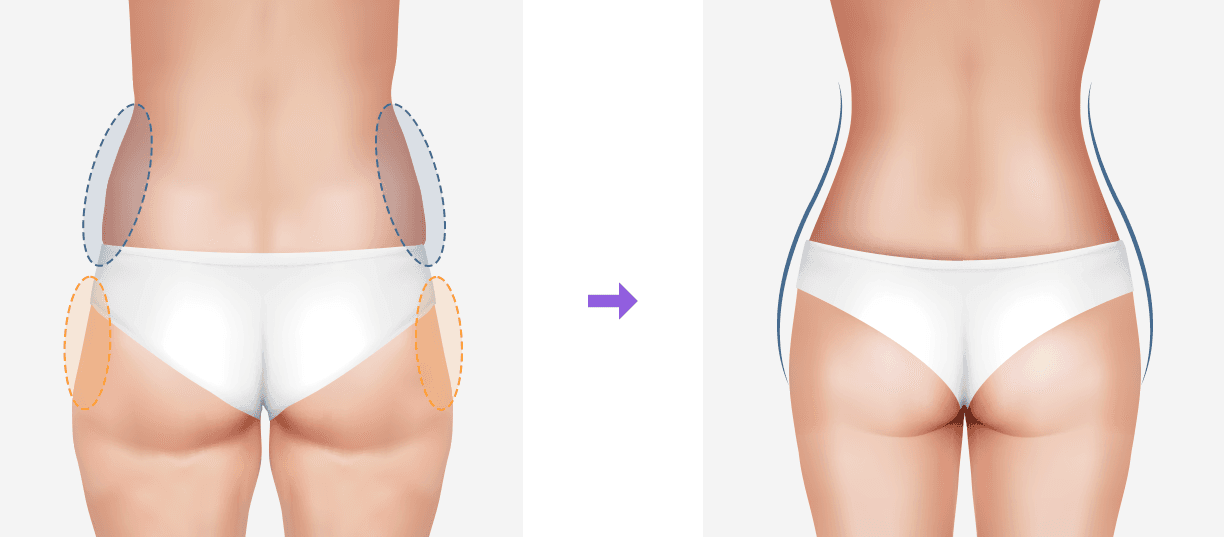
Hip dip fat grafting is a localized form of gluteal fat transfer. The essential distinction is not a branded fat-processing system, but how fat is harvested and, critically, where it is injected.
- Donor-site liposuction — Tumescent fluid is placed in planned donor areas before fat is removed through small incisions. Donor-site contouring affects the final silhouette as much as the added lateral-hip volume.
- Processed autologous fat transfer — The harvested fat is processed and reinjected in small, controlled parcels into selected lateral-hip and outer-buttock soft-tissue compartments. “Microfat,” “stem-cell fat,” PRP, SVF, device names, and “360 lipo” are marketing labels, not proof of improved safety or retention.
- Subcutaneous-only gluteal-region injection — Fat placed over the gluteal region should stay above the gluteal muscle fascia and must not enter muscle. Deep injection can injure large gluteal veins and cause pulmonary fat embolism, a rare but potentially fatal complication. Professional safety guidance emphasizes this injection-plane principle in gluteal fat-grafting safety recommendations.
- Real-time ultrasound guidance — Ultrasound lets the surgeon see the cannula tip and intended tissue plane during injection. A 2026 systematic review and meta-analysis found lower pooled major and minor complication rates in ultrasound-guided cases, with the lowest rates in subcutaneous-only injection. The evidence was heterogeneous and largely nonrandomized, so it does not quantify an individual patient’s risk or prove a hip-dip-specific benefit.
- Conservative, anatomy-led volume planning — A very lean body habitus, thin recipient tissue, substantial asymmetry, or loose skin limits what can be achieved in one operation. There is no validated universal graft-volume target for isolated hip dips.
Why Visit Korea for Hip Dip Fat Grafting?
South Korea has an established international-patient care system that can make pre-travel coordination and local postoperative review more practical. This administrative infrastructure does not establish a surgeon’s skill or prove better hip-dip fat-grafting outcomes than those in other countries. No credible head-to-head evidence shows superior Korean safety, fat retention, revision rates, or aesthetic results for this procedure.
- International-provider verification — Use the Medical Korea registered-provider system as one screening step for facilities serving overseas patients. Registration is useful logistical information, not evidence of individual surgical outcomes.
- Safety questions that matter — Confirm directly with the operating surgeon that the plan uses real-time ultrasound throughout gluteal-region injection and strictly subcutaneous placement above fascia. Also verify anesthesia coverage, the licensed surgical setting, postoperative observation, and emergency-transfer arrangements.
- Documentation for continuity of care — Ask for an English discharge summary, operative note, anesthesia record, medication list, and written instructions before leaving Korea. These records matter if a clinician at home needs to assess swelling, infection, seroma, wound problems, or suspected clotting.
- Evidence limitation — Published research does not isolate enough hip-dip cases to provide validated correction, retention, complication, or revision rates for lateral-hip grafting. A recent buttock-augmentation report that included hip dips did not separately analyze standardized hip-dip outcomes.
Key Information for International Patients
- Minimum stay — Plan at least 14 days in Korea. A 14–21-day stay is more prudent after long-haul travel because it allows in-person assessment, surgery, early wound and seroma checks, and individualized flight clearance.
- Return flight timing — The CDC advises postponing air travel for 10–14 days after major surgery in its medical-tourism guidance. Clearance must account for the extent of liposuction, mobility, flight duration, obesity, estrogen exposure, prior VTE, thrombophilia, and the surgeon’s assessment.
- Repeat visits before departure — Expect early postoperative reviews for incision, dressing, swelling, and possible fluid-collection checks. Suture review or removal is arranged according to incision closure and the surgeon’s protocol.
- Pressure and activity restrictions — Direct pressure on the grafted lateral-hip or outer-buttock area is commonly restricted for the first 1–2 weeks. Light walking starts early, while strenuous exercise and heavy lifting are commonly restricted for about 4 weeks unless the surgeon clears an earlier return.
- Remote follow-up — Arrange a video review before departure and again after returning home. Identify a local clinician who could examine an urgent concern; cosmetic-treatment complications abroad are not always covered by home insurance.
- Itinerary impact — Do not schedule prolonged sightseeing, long car journeys, or automatic early long-haul flights. Reserve nearby accommodation with an elevator, accessible bathroom, food-delivery access, and a workable side- or stomach-sleeping setup.
Travel note: A responsible adult companion is strongly advisable for the first 24 hours after outpatient anesthesia and remains useful during the early recovery period. Long-distance travel and reduced mobility both add to clot-risk planning.
Which Are the Best Clinics in Korea for Hip Dip Fat Grafting?
Listed below are some of the best clinics in Korea for hip dip fat grafting.
1. Lydian Plastic Surgery Clinic
For hip dip fat grafting, you can consider Lydian’s combination of body-contouring liposuction and buttock fat-transfer services, with anatomy-based planning intended to balance your waist, pelvis, and overall curves. The clinic describes a highly customized approach to fat harvesting and contour design, with structured aftercare for recovery-related concerns.
- URL: Lydian Plastic Surgery Clinic Website
- Location: Gangnam-gu, Seoul
- Fat harvesting and contour planning:
- Uses more than 30 custom-designed liposuction cannulas selected for differences in body shape and treatment area.
- Plans fat removal around your individual waist length, pelvic dimensions, chest circumference, and body proportions rather than using a standard contour template.
- States that full abdomen, back, thigh, and knee liposuction may be performed through 1–2 strategically placed incisions, depending on the treatment plan.
- Fat grafting and related services:
- Lists Brazilian butt lift and stem-cell fat grafting among its services; fat grafting may be used for volume enhancement in areas including the buttocks.
- Also offers 5D liposculpture, liposuction, tummy tuck, full-face fat grafting, and stem-cell therapy.
- Surgeon and technology:
- Dr. An Kyung Chun is described as having more than two decades of body-sculpting experience and as Director of the 5D Liposculpture Academy.
- The clinic uses Quantificare 3D imaging for pre-surgical design and before-and-after visualization.
- Dr. An is described as providing physician training in high-definition body sculpting and liposuction devices.
- Aftercare considerations:
- Its four-part aftercare program addresses swelling reduction, irregularity correction, skin-elasticity recovery, and residual-fat contouring.
- The clinic also reports having devices intended to address stretch marks and skin sagging alongside liposuction.
2. Seojin Plastic Surgery Clinic
For hip dip fat grafting, Seojin specifically lists fat grafting to the hip-dip area to create a smoother contour, supported by a liposuction process designed to harvest and refine body fat according to your body type and fat volume. Your care is described as being managed end to end by its one-doctor practice.
- URL: Seojin Plastic Surgery Clinic Website
- Location: Gangnam-gu, Seoul
- Procedure approach:
- Lists hip dip fat grafting as a treatment intended to smooth the contour at the hip-dip area.
- Describes a three-step micro-liposuction process: preparation to separate fat from surrounding vessels, nerves, and tissues; cannula selection based on your body type and fat volume; and manual syringe refinement of the subcutaneous layer.
- The manual refinement stage is intended to promote even fat distribution, more refined shaping, and a smooth skin surface.
- Skin-firmness option: Velody2 lifting laser may be added when slight sagging is a concern after liposuction; the clinic describes it as an option to support skin elasticity and firmness.
- Doctor-led care:
- Dr. Lee Hyungmin provides comprehensive care as part of the clinic’s one-doctor model.
- The clinic states that Dr. Lee has more than 16 years of experience and was recognized among Korea’s 100 Good Doctors.
- Other available services:
- Services listed include liposuction, breast procedures, hair transplantation, scalp micropigmentation, temporal lifting, Rejuran, fillers, Botox, and skin boosters.
- The clinic also describes using 3D imaging and high-definition endoscopy in its broader aesthetic practice.
3. 365mc Hospital
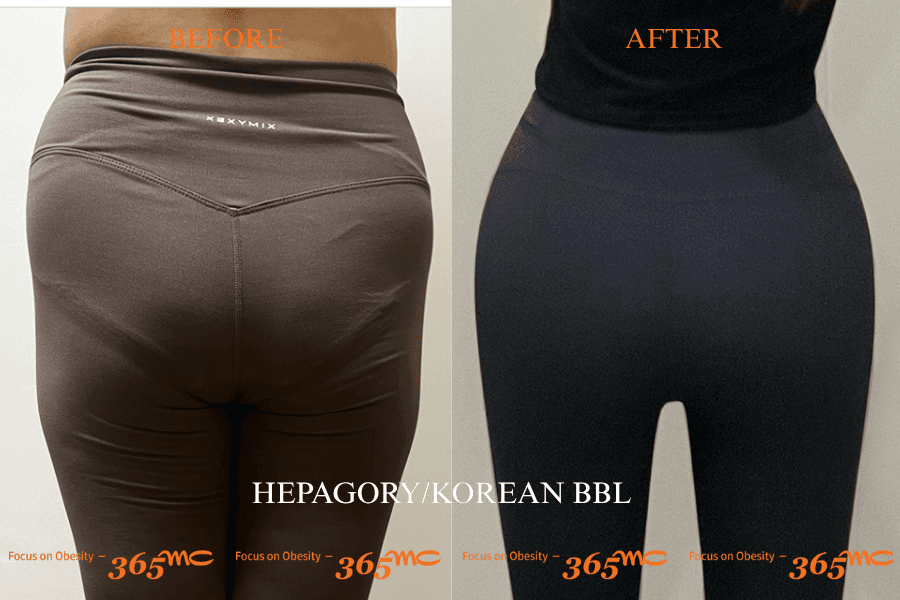
If you are exploring hip dip fat grafting at 365mc, the supplied information most clearly supports its role in donor-area liposuction and broader hip/body-contouring care: it offers liposuction for the hips and an Hourglass Hip program, with individualized recovery-center care and a structured post-operative program. The context does not specify a hip-dip fat-grafting technique or fat-transfer protocol.
- URL: 365mc Hospital Website
- Location: Gangnam-gu, Seoul
- Body contouring and donor-area liposuction:
- Specializes in body contouring and fat reduction, with liposuction offered for areas including the hips, abdomen, back, thighs, arms, chest, and neck.
- Offers an Hourglass Hip program for individualized hip-contour goals.
- Describes its surgical liposuction approach as preserving an essential amount of fat for contouring.
- Technology and treatment options:
- Uses the Motion-Capture and Artificial-Intelligence Assisted Liposuction System (M.A.I.L.), developed through a collaboration with Microsoft, for real-time surgical feedback.
- Also offers LAMS, a local-anesthetic minimally invasive fat-reduction approach combining fat extraction and fat-dissolving injections; this is presented as an alternative body-fat-reduction service rather than a fat-grafting method.
- Recovery and ongoing support:
- Provides 1:1 intensive care in a dedicated Recovery Center on the day of surgery.
- Its care team guides you through a structured post-operative program described as lasting about six to seven weeks, with services including hyperbaric oxygen chamber therapy and dietary consultation.
- Offers personalized nutrition counseling and a meal-diary app to support weight-management habits after treatment.
- Hospital focus:
- Describes itself as a specialized obesity-treatment hospital focused solely on body contouring and fat reduction.
- Reports a network of 18 clinics and 22 main doctors across Korea, along with more than 20 years in the field.
Hip Dip Fat Grafting From Start to Finish
- Remote consultation and screening — Send requested photographs, medical history, previous surgery records, allergy details, nicotine and substance use, medication and supplement list, and relevant recent tests. English-language or virtual consultation can clarify goals, but the surgical plan remains provisional until an in-person examination.
- Travel and recovery planning — Arrange accommodation near the clinic, a companion after anesthesia, flexible return flights, and enough time for early reviews. Discuss the long return flight and individual VTE prevention plan before booking departure.
- In-person examination and markings — The surgeon evaluates standing proportions, donor-fat availability, scars, skin quality, asymmetry, and the precise lateral depression to be softened. Standardized photographs, a discussion of achievable correction, and informed consent should occur before surgery.
- Medical and anesthesia assessment — The team reviews fitness for anesthesia and orders selected testing where indicated. This visit should address anticoagulants, diabetes medicines, GLP-1 medicines, estrogen-containing contraception or hormone therapy, obstructive sleep apnea, prior clots, pain control, nausea prevention, and VTE prophylaxis.
- Liposuction and fat processing — After anesthesia, tumescent fluid is used in donor areas and fat is removed through small incisions. The aspirated fat is processed for reinjection; combined liposuction and transfer are often performed under general anesthesia.
- Lateral-hip fat placement — The surgeon reinjects small parcels into planned superficial lateral-hip and outer-buttock compartments. For any gluteal-region injection, confirm real-time ultrasound guidance and subcutaneous-only placement above the fascia.
- Recovery and discharge — Same-day discharge is common when anesthesia recovery is uncomplicated, although overnight observation can be selected for procedure or patient factors. Leave with written instructions for walking, donor-site compression, sleeping and sitting modifications, medicines, wound care, and urgent warning signs.
- Local review and overseas follow-up — Attend scheduled Korean reviews before travel home. After departure, send requested photographs and complete video follow-up; seek in-person local assessment rather than relying only on messages for concerning symptoms.
Alternatives to Hip Dip Fat Grafting
Non-surgical options avoid liposuction and general anesthesia but are temporary or require repeat treatment. Surgical alternatives can address broader volume needs or limited donor fat, but introduce their own recovery demands and complication profiles.
Hip Dip Filler
- Best suited to — People seeking temporary or lower-commitment contour adjustment without donor-site liposuction.
- Tradeoff — Injectable contouring requires repeat treatment and has injection-related risks. Read about hip dip filler before assuming it is a simple substitute for fat transfer.
Broader Gluteal Fat Grafting
- Best suited to — Patients seeking fuller buttocks and more extensive circumferential contouring in addition to lateral-hip correction.
- Tradeoff — A Brazilian butt lift is a broader operation with the same safety-critical requirement for ultrasound-guided, subcutaneous-only gluteal-region injection.
Buttock Implants
- Best suited to — Patients with limited donor fat who still want a surgical volume increase.
- Tradeoff — Implants involve different risks, including infection, wound healing problems, displacement, and revision surgery. See buttock implants.
Liposuction Alone
- Best suited to — Patients whose concern is excess fat around the waist, flanks, or thighs rather than a true lateral depression.
- Tradeoff — Removing adjacent fat can refine the surrounding silhouette but can also accentuate a pre-existing hip dip. Conservative planning is essential; related options include waist liposuction and thigh liposuction.
How Can I Prepare for Hip Dip Fat Grafting?
- Disclose every medicine and supplement — Report aspirin, NSAIDs, warfarin, apixaban, rivaroxaban, clopidogrel, insulin, GLP-1 medicines, oral contraceptives or HRT, steroids, vitamin E, fish oil, ginkgo, garlic, ginseng, St John’s wort, and all injectable or herbal products. Do not stop anticoagulants, antiplatelets, hormones, diabetes medicines, or weight-loss medicines without instructions from the prescribing clinician and surgeon.
- Follow fasting instructions exactly — Fasting requirements depend on anesthesia type, medical conditions, and aspiration risk. Follow the facility’s individualized instructions rather than a generic online schedule.
- Stop nicotine according to the surgeon’s protocol — Tell the team about cigarettes, vaping, nicotine replacement products, and smoked THC. Nicotine and smoking impair wound healing and raise perioperative risk.
- Avoid alcohol and recreational drugs — Follow the surgeon’s restriction period, especially around anesthesia and while using opioid pain medicine.
- Arrive at a stable weight — Avoid crash dieting before surgery. Maintain hydration and adequate protein unless a clinician gives different medical advice; later weight change can alter both donor-site contour and transferred-fat volume.
- Plan safe accommodation and transport — Book a nearby hotel or apartment with an elevator, accessible bathroom, refrigerator, and practical side- or stomach-sleeping arrangement. Do not plan to travel alone after outpatient anesthesia.
- Pack for restricted movement — Bring loose front-opening clothing, slip-on shoes, relevant medical records, and only surgeon-approved pressure-relief support. Avoid buying specialized cushions or compression garments without approval because recipient-area pressure restrictions differ by graft location.
- Keep flights flexible — Build in at least 14 days in Korea and do not commit to a fixed early long-haul return before the surgeon assesses healing and clot risk.
Travel note: Discuss estrogen-containing contraception or hormone therapy, prior clots, family history of VTE, obesity, reduced mobility, and flight duration during the preoperative consultation. These factors affect the travel and VTE-prevention plan.
Confirm the treating clinic’s medication, fasting, nicotine-cessation, testing, and travel requirements; individualized surgical instructions take precedence over general guidance.
Aftercare Advice
Protect the grafted contour, mobilize as instructed, and treat sudden breathing or chest symptoms as an emergency rather than a routine postoperative concern.
- Walk frequently but gently — Begin short, regular walks as directed instead of remaining in bed for long periods. Avoid strenuous exercise and heavy lifting for about 4 weeks unless the surgeon clears an earlier return.
- Avoid direct recipient-area pressure — Side- or stomach-sleeping and surgeon-approved pressure-relief strategies are commonly used during the first 1–2 weeks. Do not sit or lie directly on grafted lateral-hip or outer-buttock areas until the surgeon confirms the restriction can end.
- Use compression only where prescribed — Compression is commonly directed to liposuction donor sites. Do not place unapproved tight garments or sustained pressure over grafted areas, as the correct plan depends on injection location and extent of grafting.
- Care for incisions as instructed — Expect soreness, bruising, swelling, temporary numbness, fatigue, and some drainage from liposuction incisions. Follow the clinic’s instructions on showering, dressing changes, garments, massage or lymphatic drainage, and sun protection of healing scars.
- Watch for urgent complications — Seek emergency care for sudden shortness of breath, chest pain, fainting, confusion, coughing blood, rapid heartbeat, or profound weakness. Contact the surgical team promptly for fever, worsening pain, spreading redness, pus-like or foul drainage, rapidly expanding swelling, darkening or blistering skin, wound separation, or one-sided calf pain or swelling.
- Expect evolving volume — Early fullness is not the final result. Swelling falls and some fat is resorbed; contour is more meaningfully assessed around 3 months and commonly matures over 3–6 months. Retention depends on harvest and processing technique, recipient tissue, graft volume, weight change, and how outcomes are measured. A prospective Asian ultrasound-guided study documented thickness changes at 3 and 6 months in broader gluteal augmentation, not isolated hip-dip correction.
- Complete follow-up before and after travel — Attend local checks before flying, then complete scheduled video follow-up after returning home. Do not plan revision assessment before the contour has matured, generally no earlier than 3–6 months.
Follow the treating doctor’s instructions over any general schedule, and contact the clinic promptly when healing appears abnormal.
Frequently Asked Questions
Related Blogs
Reduce Excess Back Fat in Korea with CoolSculpting & Back Liposuction Procedures
Discover effective solutions for back fat—commonly known as "back rolls"—with treatments like CoolSculpting and back liposuction in Korea. This comprehensive guide highlights how Korea’s advanced medical clinics offer top-quality, affordable procedures to reduce stubborn back fat. Learn about non-invasive cryolipolysis and surgical body contouring, benefits, recovery, costs, and patient outcomes.
Updated: Sep 30, 2026
Korea's Best Solutions for Loose Inner Thighs: Thigh Lift Procedures
Discover how Korea leads in thigh lift (thighplasty) procedures to correct loose inner thighs caused by aging, weight fluctuations, or genetics. Our comprehensive guide explains tailored techniques like medial, vertical, and circumferential thigh lifts, highlighting benefits, recovery, costs, and why Korea is the top destination for medical tourists seeking safe, advanced, and cost-effective thigh
Updated: Sep 30, 2026
Discover Effective Knee Fat Pad Treatments in Korea: CoolSculpting and Knee Liposuction
Discover the best options for reducing "knee fat pockets" in Korea. This article covers non-surgical CoolSculpting and surgical Knee Liposuction procedures, emphasizing Korea's advantages in medical tourism. Learn how these treatments target cosmetic fat buildup around the knees, improve leg contour, and offer lasting results. Whether you're seeking a minimally invasive solution or a more precise
Updated: Sep 30, 2026
Exploring PRP Fat Grafting Worldwide: Why Korea Is a Leading Choice for Excellence and Cost Efficiency
Discover the cost-effective benefits of PRP Fat Grafting in Korea, a popular choice for those seeking natural enhancement and rejuvenation. Explore how this innovative procedure combines Platelet-Rich Plasma with fat grafting to achieve long-lasting results without breaking the bank.
Updated: Sep 26, 2026
Clinics offering Hip Dip Fat Grafting

BongBong Plastic Surgery | Premium Breast and Body Shaping with Innovative Autologous Fat Grafting and Hybrid Techniques
Nonhyeon

365mc Hospital: Korea's Leading Liposuction and Body Contouring Clinic with Innovative AI Technologies and Comprehensive Patient Care
Gyodae

Lydian Plastic Surgery Clinic in Korea: Superior Cosmetic Procedures by World-Renowned Expert Dr. An Kyung Chun
Apgujeong

Seojin Plastic Surgery Clinic Korea: Pioneering Advanced Cosmetic Procedures for Personalized Aesthetic Transformation
Apgujeong