
Medical Tourism Blog
Exploring Global Skincare: The Cost of Skin Booster Treatments in Korea vs. USA, Turkey, and Beyond
Table of contents
- Cost of Skin Booster in Korea
- What Is Usually Included in Cost of Skin Booster in Korea
- Factors Influencing the Cost of Skin Booster in Korea
- Comparing the Cost of Skin Booster: Korea vs the Rest of the World
- Which Are the Best Clinics in Korea for Skin Booster?
- Cost of Coming To Korea for Skin Booster
Considering treatment in Korea? Everything you need to know e.g. — how to avoid scams, visas, interpreters, recovery tips — in our Medical Tourism Master Guide. Plan with confidence in minutes, not weeks!
Did you know South Korea is a global leader in advanced skincare, attracting countless individuals seeking top-notch cosmetic treatments like the Skin Booster? Whether it's the competitive pricing, ranging from 600,000 to 1,500,000 KRW (approximately $410 to $1,030 USD), or the integration of cutting-edge technology, Korea offers a wide array of options for enhancing your skin's vitality. From comprehensive care packages to experienced practitioners, understanding what’s included can help you make a savvy investment in your skincare journey. Planning a trip to Korea for this rejuvenating experience involves considering not just the treatment cost but also the many travel-related expenses to ensure a financially manageable beauty transformation.
| Procedure Price | Korean Won (₩) | USD ($) |
|---|---|---|
| Low Price | ₩600,000 | $400 |
| High Price | ₩1,500,000 | $1100 |
Exchange rate as of 2025-05-22: 1 KRW = 0.0007 USD
Please note that these prices are approximate guidelines and can vary significantly based on the clinic and your individual circumstances.
Cost of Skin Booster in Korea
When considering cosmetic treatments such as the Skin Booster procedure, South Korea is a popular destination due to its advanced skincare technology and high-quality services. The cost of a Skin Booster treatment in Korea generally ranges between 600,000 KRW and 1,500,000 KRW, providing several options to suit different budgets and treatment requirements.
In terms of US dollars, this price range converts to approximately $410 to $1,030 USD, based on the exchange rate of 1 KRW = 0.000688 USD. This variation in price can depend on several factors, including the clinic's location, the expertise of the practitioners, and the specific product or technique used for the treatment.
It's important to note that securing your procedure in Korea typically requires a 10% upfront deposit. This deposit ensures your booking is confirmed and is a common practice across medical and cosmetic services in the country. Therefore, when planning for this treatment, potential clients should consider this deposit in their budgeting to avoid any unexpected financial requirements.
What Is Usually Included in Cost of Skin Booster in Korea
When considering skin booster treatments in Korea, it's important to understand the typical costs involved and what they usually encompass. Here's an outline of what's generally included:
-
Consultation Fees
- Initial consultation fees for skin booster treatments can range from ₩50,000 to ₩100,000 (approximately $40 to $80 USD). This covers the initial assessment and planning with a medical professional.
- Further consultations might be necessary, depending on individual cases and preferences.
-
Treatment Packages
- Some clinics offer treatment packages that include multiple sessions, which may provide cost savings compared to paying for single sessions individually.
- Additional costs might arise if aftercare products or follow-up treatments are recommended as part of the package.
-
Anesthesia and Sedation
- Local anesthesia and sedation may also be included in the procedure cost, ensuring patient comfort during the treatment.
-
Medical and Post-Procedure Care
- It's common for clinics to include follow-up examinations to monitor the treatment's effectiveness and manage any potential side effects.
- Consultation with additional specialists, such as a plastic surgeon or nutritionist, may be integrated into the overall package to enhance the treatment's outcomes.
-
Facilities and Logistics
- Some clinics might include the use of individual patient rooms, which provides privacy and comfort during the procedure.
- Regular transfers within the clinic's care facilities may also be part of the package for convenience and efficiency.
-
Additional Costs for International Visitors
- For international clients, additional considerations like travel expenses and accommodation costs in Seoul should be accounted for. Accommodation prices may range from ₩70,000 to ₩200,000 (approximately $60 to $170 USD) per night.
- Daily expenses, including meals and local transportation, can also add up, typically ranging from ₩30,000 to ₩100,000 (around $25 to $85 USD) per day.
Considering these factors can help clarify what the comprehensive cost of a skin booster treatment in Korea might involve, ensuring patients can budget appropriately for their skincare journey.
Factors Influencing the Cost of Skin Booster in Korea
The cost of skin booster treatments in Korea is influenced by several key factors. For "Skin Booster Exosome," the specific formulation and the extent of the treatment area play a significant role in determining the price. In the case of "Skinbooster" treatments, factors such as the surgeon's experience, the clinic's location, and the techniques used are critical. For "Skin Booster" procedures, the clinic's reputation, the expertise of the practitioner, and the specific type of product used are primary cost drivers. These elements underscore the variability in pricing based on both the treatment specifics and provider attributes.
Comparing the Cost of Skin Booster: Korea vs the Rest of the World
Cost of Procedure in USA
In the United States, the cost for Skin Booster procedures can vary based on the type and provider. For example:
- Rejuran Skin Booster: Typically ranges from $500 to $700 USD.
- NCTF Skin Booster: Ranges from $400 to $600 USD.
- Exosome Skin Booster: Priced similarly at $400 to $600 USD.
The prices here often reflect the advanced technology and expertise offered in the American healthcare system.
Cost of Procedure in Mexico
In Mexico, the cost for skin booster procedures tends to be more affordable compared to the United States:
- Skinbooster: Can range from $434 to $620 USD.
Mexican clinics may also offer additional benefits, such as free consultations and cosmetic kits as part of the package. However, patients should be cautious regarding the clinic's accreditation and ensure the providers are certified professionals.
Cost of Procedure in Turkey
Turkey is known for its competitive pricing in aesthetic procedures:
- Skin Booster: The range is between $199 to $398 USD after converting from KRW.
While Turkey offers competitive pricing, patients should be aware of the potential language barriers, the need for post-procedure care, and ensure that facilities and practitioners meet international standards.
Cost of Procedure in Thailand
Thailand also offers affordable options for skin booster treatments:
- Skin Booster: The price range falls between $134 to $377 USD.
While Thailand is a popular destination for medical tourism, patients should carefully choose accredited clinics and verify practitioners' credentials to avoid potential hazards such as non-certified treatments or underqualified staff.
Cost of Procedure in Australia
In Australia, the price for skin booster treatments can vary:
- Skin Boosters: The cost usually ranges from $348 to $700 USD.
Australian clinics generally provide high-quality services, but the pricing reflects the country's healthcare costs. Many clinics offer personalized quotes based on specific needs and areas to be treated.
Which Are the Best Clinics in Korea for Skin Booster?
Listed below are some of the best clinics in Korea for skin booster.
1. PangPang Clinic
For a Cost Skin Booster inquiry, PangPang Clinic’s provided information does not identify a specific Cost Skin Booster product or protocol. You can expect a consultation-led approach at a clinic focused on thread lifting, with skin-rejuvenation options such as PIM Injection and laser treatments potentially considered according to your concerns.
- URL: PangPang Clinic Website
- Location: Gangnam-gu, Seoul
- Relevant rejuvenation options:
- PIM Injection combines Ultra Cell, thread-lifting components, and Botox; the clinic describes it as a treatment for delicate wrinkles, elasticity, complexion, and facial volume.
- PIM Injection is described as taking about 30 minutes with local anesthesia and no recovery period; the clinic recommends monthly treatment, typically for 3–5 sessions.
- Laser treatments and scar-removal services are also listed among the clinic’s skin-focused offerings.
- Planning approach:
- The clinic describes a personalized doctor consultation and treatment planning based on your needs.
- Its thread-lifting practice uses ultrasonic visual checks and pre-procedure design, alongside a range of specialized threads for customized lifting plans.
2. B.V Clinic
For a Cost Skin Booster inquiry, B.V Clinic’s provided information does not name a specific Cost Skin Booster treatment. You can expect individualized aesthetic planning centered on skin tightening, collagen-focused treatments, volume restoration, and post-treatment skin-regeneration care.
- URL: B.V Clinic Website
- Location: Seoul
- Skin-tightening options:
- Shurink Lifting uses high-intensity focused ultrasound for deep-layer tightening, elasticity support, and contour refinement.
- Potenza Lifting uses radiofrequency and is tailored to skin needs, including concerns involving scars and pore texture.
- Thor Lifting uses radiofrequency for skin tightening and body contouring.
- Aftercare and wellness:
- The aftercare program includes skin-regeneration management intended to address swelling and support elasticity, with skincare products and ultrasound treatments.
- An all-in-one wellness program includes detox injections, vitamin drips, and immune-support treatments aimed at supporting skin vitality and general wellbeing.
3. Hev Clinic
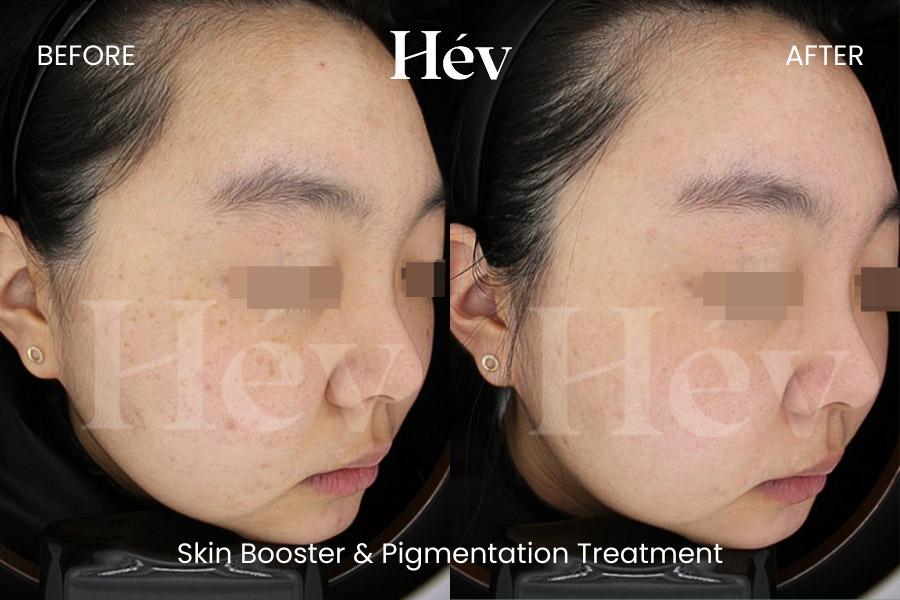
For a Cost Skin Booster inquiry, Hev Clinic’s provided information does not specifically name that product, but it offers several regenerative skin-booster options under the care of a board-certified dermatologist. You can expect skin analysis and a one-to-one plan that may use Re2O, Profhilo, PRP, or other treatments suited to hydration, texture, pores, firmness, and elasticity.
- URL: Hev Clinic Website
- Location: Gangnam-gu, Seoul
- Skin-booster options:
- Re2O uses human-derived collagen and elastin (hADM) to replenish the dermal structural scaffold; the clinic describes a course of three monthly sessions for firmness, texture, and pore concerns.
- Profhilo is a high-concentration hyaluronic acid treatment intended to improve hydration, elasticity, and crepiness; the clinic describes two sessions one month apart.
- PRP uses concentrated plasma by injection or microneedling to support healing, collagen stimulation, tone, and texture.
- Skin Botox uses superficial micro-droplets to help reduce sebum, refine pores, and smooth fine lines without freezing facial expression.
- Dermatologist-led planning:
- A board-certified dermatologist oversees your care from consultation through procedure and aftercare.
- AI diagnostic equipment is used to assess factors such as skin thickness, aging, and pigment depth before establishing an individualized plan.
- The clinic describes a non-sedation, pain-controlled anesthesia system that allows real-time communication during injectable treatments.
- Treatment combinations and aftercare:
- Device-based tightening with Thermage FLX or Ultherapy may be paired with Re2O as part of a skin-quality and lifting protocol.
- The clinic provides post-treatment care using its Repair Barrier Cream and plans maintenance around an approximately 3–4-week skin-cell regeneration cycle.
- Care is provided in a 100% appointment-based private setting.
Cost of Coming To Korea for Skin Booster
When considering the journey to Korea for a skin booster procedure, it's important to account for various travel-related expenses. Here's a breakdown of the main costs you might encounter:
Flights
The cost of airfare can vary significantly based on your country of departure, time of booking, and travel class. On average, round-trip economy flights to South Korea can range from $500 to $1,500. Booking in advance and being flexible with travel dates can help secure more affordable fares.
Accommodation
Korea offers a range of accommodations to suit different budgets, from budget hostels to luxury hotels. Budget accommodations like guesthouses and hostels might cost between $30 to $60 per night. Mid-range hotels typically range from $80 to $150 per night, while high-end hotels can cost upwards of $200 per night.
Local Transportation
Getting around in Korea is convenient, with an extensive and affordable public transportation system. A single subway or bus ride in Seoul costs around 1,350 to 1,550 KRW (approximately $1.00 to $1.20 USD). Taxis are also an option but are more expensive, especially for longer distances or late-night rides.
Meals
Food in Korea can be both delicious and affordable. Street food and meals at local restaurants can cost as little as 5,000 to 10,000 KRW per meal ($4 to $8 USD), while dining at higher-end restaurants can increase the price. A reasonable daily food budget might range from $20 to $50 USD.
Other Expenses
Depending on personal preferences and the length of stay, other expenses like sightseeing, shopping, and entertainment can add up. It's advisable to budget some additional funds for leisure activities and unexpected expenses.
Visa and Insurance
Citizens from many countries can enter Korea without a visa for short stays, especially for tourism. However, it's important to check the specific visa requirements based on your nationality. Additionally, purchasing travel insurance can provide peace of mind and coverage for unforeseen medical or travel-related issues.
When planning a trip to Korea for a skin booster procedure, it's crucial to consider all these travel costs to ensure a smooth and financially manageable experience.
Frequently Asked Questions
Related Blogs
Toenail Treatment in Korea: Diagnosis, Fungal Care, Ingrown Nail Procedures, Recovery and Travel Planning
Toenail treatment begins with diagnosis and may include fungal testing, debridement, topical or oral antifungals, or partial nail avulsion with matrix treatment for recurrent ingrown nails. The article covers outpatient care in Korea, suggested stay and wound-review timing, travel planning, aftercare, medication monitoring, and warning signs requiring urgent assessment.
Updated: Sep 21, 2026
Anal Bleaching in Korea: Methods, Safety, Recovery and Travel Planning
Anal bleaching targets intact external perianal skin after a clinician assesses the cause of pigmentation, with options including trigger control, cautious topical regimens, and less commonly superficial peels or energy-based treatment. The article covers candidate screening, Korea travel planning, stay and follow-up needs, preparation, aftercare, warning signs, and alternatives, while noting no v
Updated: Sep 21, 2026
Mirajet in Korea: Treatment Methods, Recovery, Results and Travel Planning
Mirajet uses a 2,940-nm laser-induced microjet to deliver selected liquids into the skin through single-use nozzles, with diffuse passes for skin quality or localized stacking for selected pores and scars. The article covers candidate screening, product and protocol questions, Korea travel timing, preparation, aftercare, warning signs, and alternatives for deeper scars or other treatment goals.
Updated: Sep 21, 2026
Arginine Fluid in Korea: Safety, Evidence Limits, Travel Planning, and Aftercare
Arginine Fluid is an elective, non-standardized IV treatment requiring clinician screening, a disclosed formula and controlled infusion with monitoring. The article covers eligibility, travel planning, preparation, aftercare, warning signs, and the lack of proven wellness, cosmetic, recovery, or weight-loss benefits.
Updated: Sep 21, 2026
Clinics offering Skin Booster
RINE Plastic Surgery Clinic | Facelift and Eye Rejuvenation Surgery
Nonhyeon
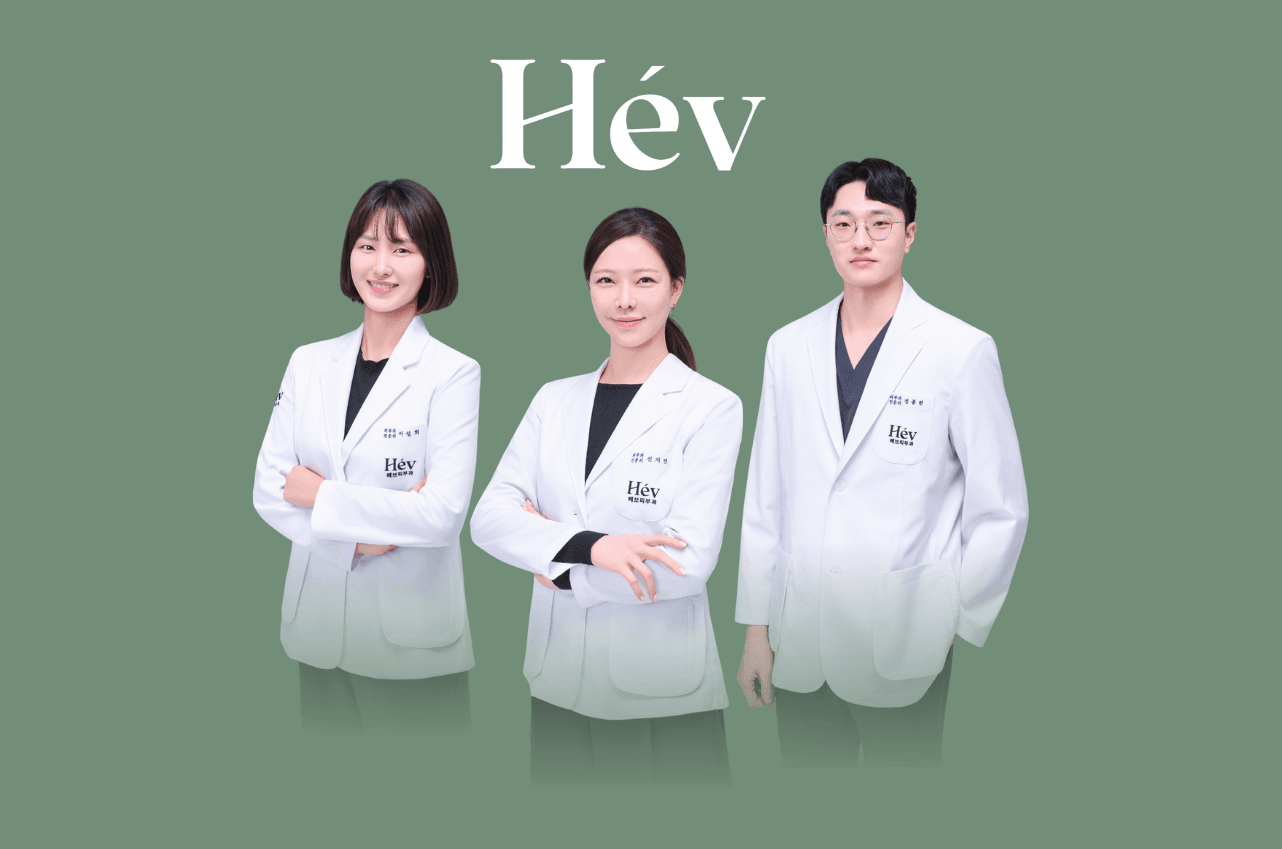
Hev Clinic Korea | Sinsa Skin, Laser & Injectables
Sinsa

Made Young Plastic Surgery: Rejuvenating Aesthetic Excellence in Korea for Face Lifts, Contouring and More
Gangnam Station

PangPang Clinic: Korea's Premier Thread Lifting and Skin Rejuvenation Specialist in Gangnam, Seoul
Sinsa