
Medical Tourism Blog
Facial Filler in Korea: Types, Safety, Recovery, and Travel Planning
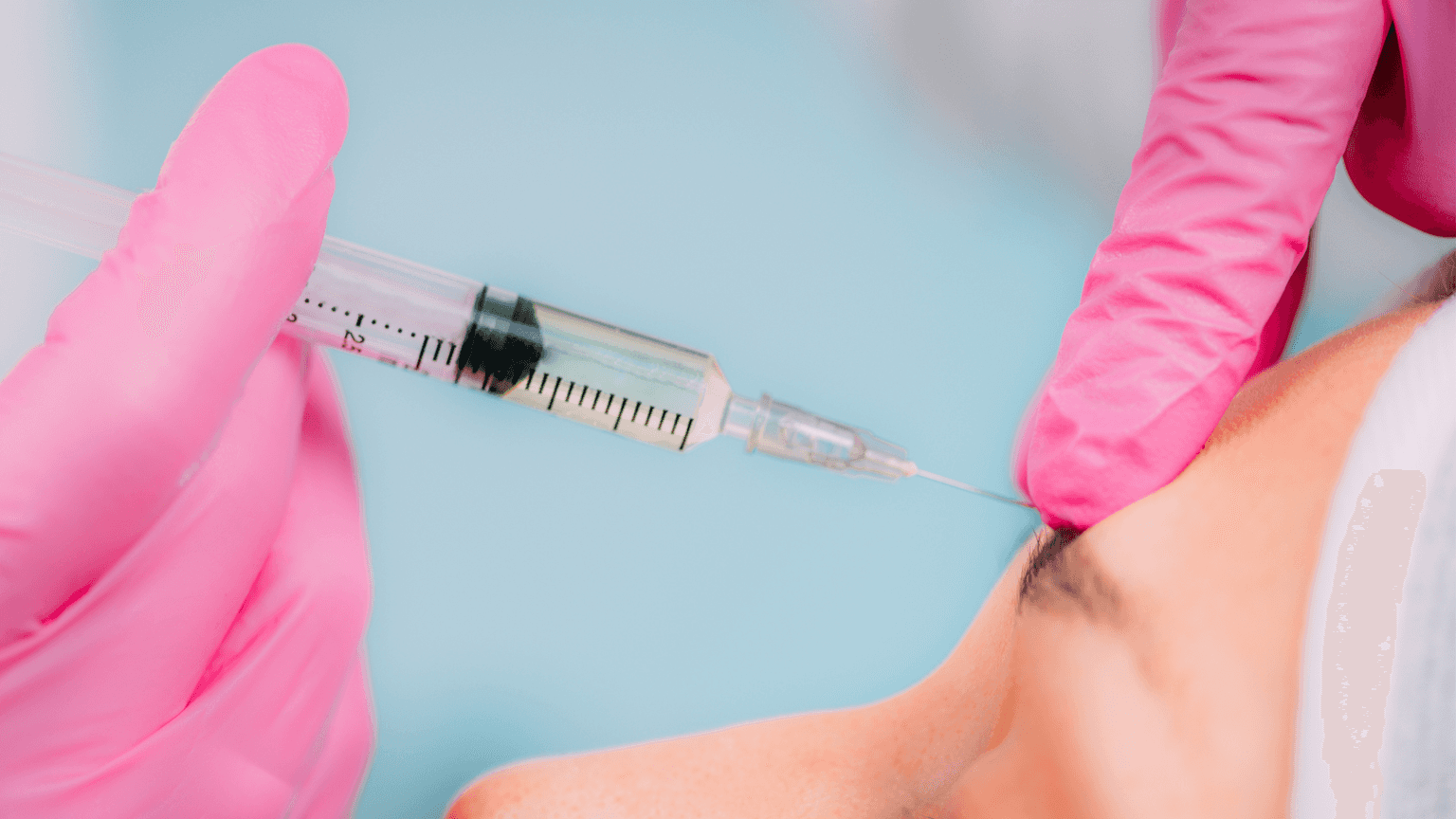
Table of contents
- Facial Filler at a Glance
- What Is Facial Filler?
- Who Is a Good Candidate for Facial Filler?
- What Are the Different Types of Facial Filler?
- Why Visit Korea for Facial Filler?
- Key Information for International Patients
- Which Are the Best Clinics in Korea for Forehead Fillers?
- Facial Filler From Start to Finish
- Alternatives to Facial Filler
- How Can I Prepare for Facial Filler?
- Aftercare Advice
Considering treatment in Korea? Everything you need to know e.g. — how to avoid scams, visas, interpreters, recovery tips — in our Medical Tourism Master Guide. Plan with confidence in minutes, not weeks!
Last updated: September 2026
Facial Filler at a Glance
- What it does — Facial filler is a minimally invasive injection that restores localized volume or refines contours in areas such as the cheeks, lips, chin, jawline, nasolabial folds, and marionette lines.
- Best candidates — It suits adults with a defined volume loss, crease, or contour concern and realistic expectations; it is not a reliable fix for major skin laxity, tissue descent, large fat deposits, or pigment-related under-eye darkness.
- HA is the travel-friendly option — When clinically appropriate, temporary hyaluronic acid filler is often the practical choice for international patients because it can be reduced with hyaluronidase, unlike many non-HA or permanent fillers.
- Recovery and result timing — There is usually no formal downtime, but swelling and bruising can last 1–2 weeks; HA volume is immediate, yet symmetry and the settled cosmetic result should be assessed at about 2 weeks.
- Korea stay — Plan 3–5 days in Korea for uncomplicated HA filler, or 5–7 days for first-time, extensive multi-area, or higher-risk-site treatment so prompt in-person review remains possible if symptoms develop.
- Serious safety risk — Rare inadvertent vascular injection can cause skin necrosis and, in severe cases, blindness or stroke; escalating pain, pale or mottled skin, or any visual or neurologic symptom requires immediate emergency care.
- Korea-specific safeguards — Before treatment, confirm a licensed injector, exact product and lot details, an English treatment record, immediate hyaluronidase availability for HA filler, and a written emergency referral pathway.
What Is Facial Filler?
Facial filler is an injectable treatment that adds or restores volume and refines facial contours using gel-like materials, commonly hyaluronic acid. It can enhance cheeks, lips, chin, or jawline and soften selected folds for a more balanced, refreshed appearance. It is a minimally invasive procedure, typically performed without surgery or general anesthesia.
Who Is a Good Candidate for Facial Filler?
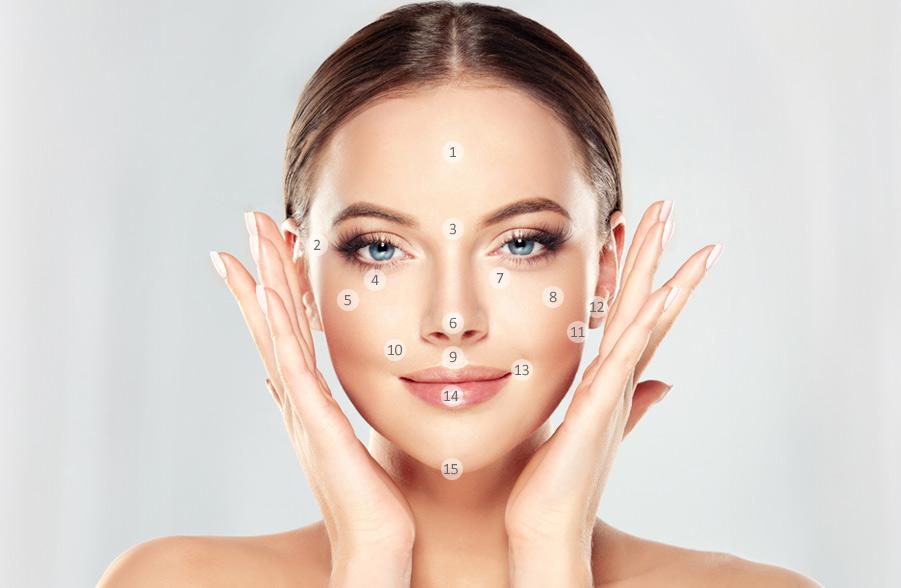
- Localized volume or contour concern — Good candidates want to restore cheek or midface volume, soften selected nasolabial folds or marionette lines, augment the lips, or improve chin and jawline projection.
- Realistic, stable goals — Filler works best for a defined contour deficit or crease, not substantial skin laxity, major tissue descent, large fat deposits, pigment-related under-eye darkness, or every form of asymmetry.
- Commitment to conservative treatment — Candidates accept that early swelling can distort the appearance and that staged correction is often safer than attempting a large change in one session.
- Reliable follow-up access — International patients need a reachable clinic contact and a plan for urgent in-person assessment after treatment.
Do not inject through active acne cysts, rash, hives, skin infection, cold sores, sunburn, or other facial inflammation; postpone until it has been treated. Elective filler should be deferred during pregnancy and breastfeeding because safety is unknown, and FDA-reviewed products have unknown safety in people younger than 22 years. Severe allergy or anaphylaxis, allergy to a proposed ingredient such as lidocaine, and bleeding disorders require clinician review; never stop warfarin, aspirin, clopidogrel, or another prescribed anticoagulant without the prescribing clinician’s instruction. Prior facial surgery, trauma, threads, implants, permanent filler, scar tissue, or previous filler complications alter anatomy and demand a particularly careful in-person assessment. FDA filler safety guidance also advises against treatment when expectations are unrealistic or informed consent and prompt follow-up are not feasible.
What Are the Different Types of Facial Filler?
Filler type determines how immediate, reversible, and durable a result is. The correct choice depends on the target area, injection depth, tissue movement, previous treatments, and whether reversibility matters for travel.
- Hyaluronic acid (HA) filler — A temporary gel category used across lips, folds, cheeks, chin, and jawline. Softer and firmer HA gels suit different tissue planes and mobility. When clinically appropriate, HA is often practical for international patients because hyaluronidase can reduce it, although this does not prevent vascular occlusion or guarantee complete correction.
- Calcium hydroxylapatite (CaHA) — A deeper volumizing and collagen-stimulating injectable, generally selected for structural support rather than delicate, highly mobile areas. It is not dissolved as straightforwardly as HA.
- Poly-L-lactic acid (PLLA) — A collagen stimulator for gradual volume restoration, commonly requiring more than one session. Effects become more apparent over weeks and can last up to two years depending on the product and use, rather than providing a precise immediate correction. FDA-approved filler information describes this delayed effect.
- Permanent or semi-permanent filler — Products including PMMA require exceptional caution. Delayed inflammation, nodules, migration, and difficult removal are important tradeoffs; permanent and many non-HA materials can be difficult or impossible to remove.
- Needle or blunt cannula placement — Injectors may use a sharp needle, a blunt-tip cannula, or both. Cannulas can reduce entry points in selected planes, but neither a cannula nor aspiration eliminates vascular risk. Slow, low-pressure injection, small aliquots, anatomy knowledge, and appropriate depth remain central safeguards.
Why Visit Korea for Facial Filler?
South Korea has an established international medical-care sector with substantial dermatology and plastic-surgery utilization. That activity does not establish facial-filler quality or complication rates at an individual clinic, so product verification and emergency preparedness remain essential. Choose a licensed clinician rather than treating filler as a retail service.
- International-patient infrastructure — Medical Korea reports 5,047,809 cumulative foreign patients from 228 countries between 2009 and 2024, including about 1.17 million in 2024. Its public summary lists dermatology at 23% and plastic surgery at 12% of department utilization. These are aggregate international-patient figures, not facial-filler outcome data.
- Product and treatment documentation — Ask for the exact product name, manufacturer, lot or batch number, expiry date, volume injected, sites, injection plane, and an English treatment record. This documentation is particularly important if a clinician outside Korea must assess a delayed problem.
- HA emergency readiness — For HA filler, confirm that hyaluronidase is immediately available and that the facility has a written escalation pathway for suspected vascular compromise, including emergency, ophthalmology, and surgical referral.
- Ultrasound as an adjunct — Some clinicians use ultrasound to map vessels, identify old filler, or assist complication management. Current evidence is promising but remains limited; ultrasound guidance is not proven to reduce complications in every setting or to be a universal standard.
Key Information for International Patients
- Minimum stay — Plan at least 3–5 days for uncomplicated HA facial filler: consultation and treatment on day 1, then time to identify meaningful bruising, swelling, asymmetry, or inflammation and return promptly if necessary. Plan 5–7 days for first-time filler, extensive multi-area treatment, unreliable overseas follow-up, or injections in the nose, glabella, forehead, temple, tear trough, medial cheek, or nasolabial fold.
- Flights — No high-quality evidence defines a universal no-fly interval or shows that routine commercial air travel damages filler. The practical issue is access to the treating clinic or emergency care soon after injection, not cabin pressure.
- Itinerary impact — There is usually no formal downtime, but bruising and swelling can last 1–2 weeks. Avoid scheduling important photographs, events, strenuous activities, sauna visits, or aggressive facial treatments immediately after the appointment.
- Result assessment — HA filler changes volume immediately, but judge symmetry and cosmetic outcome after early swelling settles, commonly around 2 weeks. Persistence differs by product technology, area, injection volume, tissue mobility, and individual factors; it cannot be promised as one fixed duration. A systematic review of 24 studies and 1,410 patients found material variation across products, sites, imaging methods, and follow-up periods.
- Remote follow-up — Arrange an English-language urgent contact route before treatment. Send standardized photographs only when requested, and seek local urgent care rather than waiting for remote advice when vascular or neurologic warning signs occur.
Travel note: A nose, forehead, glabella, temple, periorbital, medial-cheek, or nasolabial-fold injection deserves more conservative travel planning. These locations are consequential for inadvertent intravascular injection, which can cause skin necrosis and, rarely, blindness or stroke.
Which Are the Best Clinics in Korea for Forehead Fillers?
Listed below are some of the best clinics in Korea for forehead fillers.
1. Haru Clinic
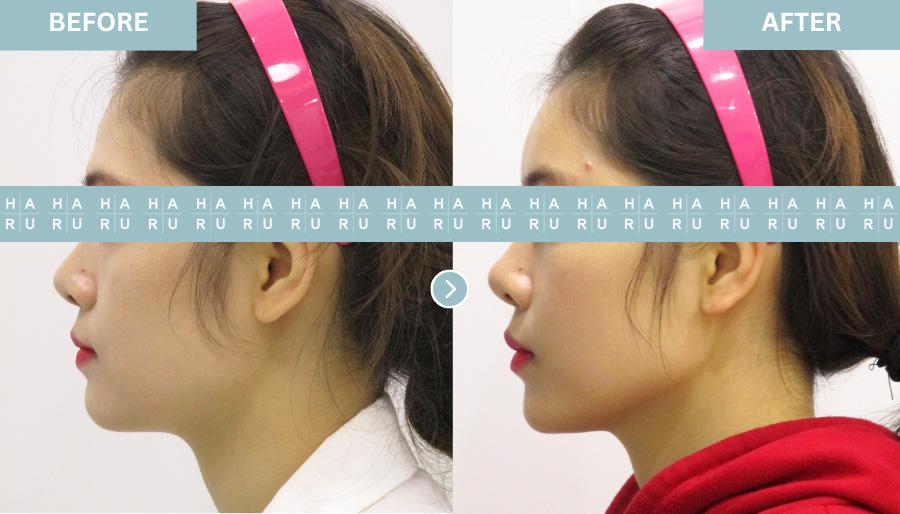
For forehead fillers, you can expect a non-invasive, facially balanced approach at Haru Clinic, where Dr. Jeong designs filler placement around your individual features rather than treating volume in isolation. As an official Merz research physician who teaches updated filler techniques to other doctors, he brings specific injectable-focused experience to a treatment intended to create a natural, refreshed forehead contour.
- URL: Haru Clinic Website
- Location: Gangnam-gu, Seoul
- Filler approach:
- Customized facial design focuses on harmony and balance with your existing features.
- The clinic describes its filler treatments as using hyaluronic acid or biostimulatory products for immediate, adjustable contouring results.
- Relevant expertise:
- Dr. Jeong is an official research physician at Merz, the company behind Belotero Filler.
- He teaches other doctors the latest filler techniques.
- Related injectable care:
- Botox is available for forehead lines and other dynamic wrinkles, which may be relevant when discussing an overall upper-face plan.
- The clinic also provides filler treatment for areas including the under-eyes, cheeks, chin, jawline, lips, and tear troughs.
2. PangPang Clinic
You may consider PangPang Clinic for forehead fillers if you want your injectable plan considered alongside facial lifting and structural concerns: the clinic offers customized filler and Botox treatments, with consultation centered on your individual needs. Its core clinical focus is thread lifting, supported by a dedicated Thread Lifting Research Institute, international conference participation, and experience using 31 specialized thread types; this may be useful if you are also considering complementary lifting or collagen-stimulating options.
- URL: PangPang Clinic Website
- Location: Gangnam-gu, Seoul
- Injectable planning:
- Customized filler and Botox treatments are available for wrinkle concerns and facial-structure enhancement.
- The clinic’s consultation center emphasizes listening to your needs for tailored treatment planning.
- Complementary options:
- PIM Injection combines Ultra Cell, thread lifting, and Botox; the clinic describes it as a non-invasive option for facial volume, delicate wrinkles, elasticity, and complexion.
- Thread lifting may be combined with fillers, Botox, or lasers through the clinic’s revision center when addressing prior thread-lifting concerns.
- Thread-lifting focus:
- The clinic reports using 31 specialized functional threads for personalized lifting plans.
- Its thread-lifting workflow includes ultrasonic visual checks, pre-operative design, personalized doctor consultation, and aftercare.
3. Three Wishes Clinic - Myeongdong
For forehead fillers, Three Wishes Clinic - Myeongdong offers dermal filler treatment designed to add volume, smooth fine lines, and tailor facial contouring to your facial shape and desired outcome. You can also discuss Botox for forehead lines if muscle movement is contributing to the appearance of wrinkles, allowing your upper-face treatment plan to address more than one concern.
- URL: Three Wishes Clinic - Myeongdong Website
- Location: Jung-gu, Seoul
- Filler details:
- Dermal fillers are used to add volume, smooth fine lines, and enhance facial contours.
- The clinic states that filler results are immediate and can be tailored to your facial shape and goals.
- Related forehead-line treatment: Botox is available to relax facial muscles and reduce dynamic wrinkles, including forehead lines, with minimal downtime.
- Other facial options:
- Thread lifting uses dissolvable threads for subtle lifting and collagen stimulation.
- Shurink ultrasound treatment targets deeper skin layers to support skin lifting and elasticity without needles or downtime.
- Rejuran Healer uses polynucleotide injections intended to support skin regeneration, texture, elasticity, and fine lines.
Facial Filler From Start to Finish
- Remote enquiry and consultation — Send clear, unfiltered photographs at rest and smiling if requested, plus goals, prior filler history, medical conditions, allergies, medicines, and travel dates. Confirm whether English consultation and after-hours urgent contact are available. A remote consultation cannot replace facial examination.
- Treatment planning before travel — Request the proposed filler category, target areas, approximate session plan, whether lidocaine is included, aftercare instructions, and the clinic’s protocol for vascular complications. Avoid committing to a product or volume before the in-person assessment.
- In-person assessment — The clinician examines facial proportions, skin quality, movement, laxity, scars, prior filler, edema, skeletal projection, and asymmetry. They should distinguish volume loss from pigment, shadow, muscle-driven lines, or tissue descent. The plan can change, be staged, or be declined after this assessment.
- Consent and documentation — Review expected benefits, common reactions, serious complications, alternatives, and the limits of reversibility. Confirm the product package, manufacturer, lot number, expiry date, planned volume, sites, and injector credentials before injection.
- Skin preparation and comfort measures — Makeup is removed where needed and skin is cleaned. Topical anesthetic, ice, or lidocaine contained in the filler can be used. Routine filler is generally performed without fasting or sedation; follow facility instructions if sedation is proposed.
- Injection — The patient remains awake and able to report unusual pain, visual disturbance, or neurologic symptoms. The clinician places filler with a needle, cannula, or both in the planned tissue plane, using the technique appropriate to the area and product.
- Immediate reassessment and discharge — The clinician checks skin color, pain, circulation, contour, and symmetry. Leave with written aftercare, an emergency contact method, and an English treatment record listing product, volume, injection sites, date, and lot number.
- Korea-based review and overseas follow-up — Contact the clinic promptly for unexpected pain, discoloration, increasing swelling, or asymmetry. Assess the settled cosmetic result around 2 weeks, then arrange remote follow-up or local review if a concern persists.
Alternatives to Facial Filler
The right alternative depends on whether the concern is volume loss, skeletal under-projection, muscle activity, laxity, or an unwanted prior filler result. Non-surgical options generally involve less recovery but may be temporary or less reversible; operative choices can offer broader or more durable change with longer recovery and different risks.
Neuromodulator injections
Facial Botox is better suited to dynamic lines caused by muscle movement than to a true volume deficit.
- Best for — Forehead lines, glabellar lines, crow’s feet, and selected muscle-driven facial imbalance.
- Tradeoff — It relaxes targeted muscles but does not replace cheek, chin, jawline, or lip volume.
Biostimulatory injectables
Collagen boosters, Sculptra, and Radiesse filler aim for gradual collagen stimulation or deeper structural support.
- Best for — Patients seeking diffuse, gradual improvement rather than a sharply defined immediate correction.
- Tradeoff — These products are less readily reversible than HA filler and often require staged treatment.
Facial fat grafting
Face fat grafting transfers the patient’s own fat after harvesting it from another area.
- Best for — Broader facial-volume restoration when an operative approach is acceptable.
- Tradeoff — Swelling, recovery time, and graft-survival variability are greater than with standard filler injections.
Facial implants
Facial implants or a chin implant address significant skeletal under-projection.
- Best for — Durable chin, jawline, or midface projection where the limitation is bone structure rather than soft-tissue volume.
- Tradeoff — Surgery involves incisions, anesthesia, a longer recovery, and implant-specific risks.
Lifting procedures
A thread lift, HIFU treatment, or face lift targets laxity or tissue descent rather than filling it.
- Best for — Jowling, lower-face descent, and laxity that would look heavy if treated by adding filler.
- Tradeoff — Energy and thread treatments have limited lifting capacity; facelift surgery is more definitive but requires substantial recovery.
HA filler dissolution
Filler dissolver treatment uses hyaluronidase for selected unwanted HA filler or suspected HA-related complications.
- Best for — Overcorrection, misplaced HA filler, or clinician-assessed HA complications.
- Tradeoff — It does not remove every filler type and needs experienced assessment, particularly around the eyes or after a prior vascular event.
How Can I Prepare for Facial Filler?
- Disclose every medicine and supplement — Provide prescription and non-prescription anticoagulants, antiplatelets, NSAIDs, fish oil, vitamin E, and herbal products before booking. Do not independently stop warfarin, aspirin, clopidogrel, or other prescribed medication; the injector and prescribing clinician must decide whether any change is appropriate.
- Report prior treatments and anatomy changes — List all previous fillers, dissolver treatments, threads, implants, facial surgery, trauma, scars, and prior complications. Bring prior records or product details when available.
- Postpone active inflammation — Reschedule for acne cysts, rash, skin infection, hives, herpes outbreak, sunburn, or significant facial irritation. FDA guidance identifies active local inflammation as a reason to defer treatment.
- Discuss cold sores — Report recurrent herpes labialis before lip or perioral injection. A prescriber can determine whether antiviral prophylaxis is appropriate.
- Coordinate other facial procedures — Tell the injector about recent or planned dental work, vaccination, laser treatment, chemical peel, radiofrequency, HIFU, microneedling, threads, surgery, or other injectables. Illness, infection, vaccination, and dental procedures have been associated with delayed inflammatory reactions, so timing needs individual planning.
- Eat and hydrate normally unless instructed otherwise — Routine filler with topical or local anesthetic does not generally require fasting. Follow the facility’s instructions if sedation is planned.
- Limit bruising and irritation triggers — Avoid alcohol if the clinic advises it, and avoid tanning, overheating, and sunburn before treatment. Arrive with clean skin and minimal or no makeup if requested.
- Keep travel flexible — Book accommodation within practical reach of the clinic and retain a 3–5-day buffer before departure; extend it to 5–7 days for high-risk sites or extensive first-time treatment. Keep travel insurance and local emergency information accessible.
Travel note: Do not schedule filler immediately before a long-haul departure, a wedding, or a photography-focused event. Bruising and swelling can remain visible for 1–2 weeks.
Confirm the treating doctor’s clinic-specific preparation requirements, which take precedence over general guidance.
Aftercare Advice
Protect the injected areas and act quickly on abnormal pain or color change; early recognition of a vascular complication is critical.
- Activity and heat — Avoid strenuous exercise for 24–48 hours. Avoid sauna, hot yoga, heavy heat exposure, and alcohol for the period specified by the injector, especially when swelling or bruising is present. FDA guidance notes that redness, tenderness, swelling, bruising, and firmness are common short-term effects.
- Pressure and skincare — Do not massage, press, manipulate, or use facial devices on treated areas unless the injector gives precise area- and product-specific instructions. Defer facials, aggressive exfoliation, laser, peel, microneedling, RF, HIFU, and other energy-based procedures until cleared.
- Swelling and sun protection — Use a cool compress wrapped in cloth if advised. Once skin is intact, use broad-spectrum SPF 50 and avoid sunburn, particularly if bruising or inflammation is present.
- Result timing — Expect an immediate volume change with HA filler, but do not judge the final appearance during early swelling. Reassess around 2 weeks; bruising and swelling can last 1–2 weeks.
- Contact the clinic promptly — Report worsening redness or warmth, drainage, fever, painful or enlarging nodules, persistent or increasing swelling, or asymmetry that does not improve as swelling settles. Delayed inflammatory reactions can occur weeks, months, or years after injection.
- Seek emergency care immediately — Treat severe or escalating pain; white, gray, blue, dusky, or mottled skin; cool skin; blistering; eye pain, double vision, vision change or loss; severe headache; facial droop; weakness, numbness, confusion, speech difficulty, or walking difficulty as emergencies. These symptoms can indicate vascular occlusion, stroke, or an eye emergency with potentially permanent consequences.
Follow the treating doctor’s individualized instructions and contact the clinic immediately when something appears wrong.
Frequently Asked Questions
Related Blogs

Radiesse Filler in Korea: Uses, Safety, Recovery and Travel Planning
Radiesse is a calcium hydroxylapatite filler used for selected facial contouring, folds, and hand-volume restoration, with diluted protocols sometimes used for broader skin-quality goals. The article covers candidacy, Korean product verification, travel planning, injection steps, recovery, aftercare, emergency warning signs, and follow-up.
Updated: Oct 4, 2026
Effective Brow Ptosis Support with Forehead Filler Procedures in Korea for Youthful Eyes
Discover how Korea leads in non-surgical solutions for brow ptosis, featuring forehead fillers like Hyaluronic Acid, Radiesse, and Sculptra. Learn about the forehead filler procedure in Korea, its benefits for brow support, costs, and patient experiences. Ideal for those seeking a minimally invasive way to lift drooping eyebrows and heavy lids, Korea’s expert clinics combine advanced techniques wi
Updated: Oct 4, 2026
Reduce Deep Smile Lines with Smile Line Filler in Korea: Effective Solutions for a Youthful Look
Discover how Korea leads in treating deep smile lines and nasolabial folds with advanced procedures like dermal fillers—especially hyaluronic acid-based options. This comprehensive guide highlights the benefits, costs, and patient experiences of getting smile line fillers in Korea, renowned for its expert clinics and cutting-edge technology. Learn how Korea is a top medical tourism destination for
Updated: Oct 2, 2026
Rejuvenate Your Skin: Lip Fillers for Smoker Lines — Top Medical Procedures in Korea
Discover how Korea leads in safe, effective treatments for smoker lines around the mouth. This blog explores causes like aging, sun damage, and repetitive lip movements, and details Korea’s advanced lip filler procedures using hyaluronic acid. Learn about the benefits of lip fillers in smoothing vertical lip lines, enhancing lip shape, and boosting confidence. With skilled Korean specialists, comp
Updated: Oct 1, 2026
Clinics offering Facial Filler

BongBong Plastic Surgery | Premium Breast and Body Shaping with Innovative Autologous Fat Grafting and Hybrid Techniques
Nonhyeon

THEPLUS Plastic Surgery Korea | Eye, Nose, Face & Body Surgery
Sinsa

Haru Clinic Korea | Fully-Customized Full-Face Non-Surgical Rejuvenation With Threads, Botox & Fillers
Sinsa

Hev Clinic Korea | Premium Sinsa Clinic for Skin, Laser & Injectables
Sinsa