
Medical Tourism Blog
Buccal Fat Hypertrophy Solutions: Buccal Fat Removal Procedure in Korea for Facial Contouring
Table of contents
- The Buccal Fat Removal Procedure: A Detailed Medical Overview
- Navigating Buccal Fat Removal in South Korea: A Medical Tourist's Guide
- Which Are the Best Clinics in Korea for Buccal Fat Hypertrophy?
- Cost Analysis: Buccal Fat Removal in South Korea vs. Global Destinations
- Patient Perspectives: Outcomes, Satisfaction, and Considerations
- Conclusion
- References
Considering treatment in Korea? Everything you need to know e.g. — how to avoid scams, visas, interpreters, recovery tips — in our Medical Tourism Master Guide. Plan with confidence in minutes, not weeks!
This guide explores buccal fat hypertrophy, the buccal fat removal procedure, and key considerations for patients—especially those considering medical tourism in South Korea. Our goal is to provide a clear understanding of the condition, the surgical solution, and practical aspects of seeking treatment.
The shape of the human face is influenced by bone, muscle, and fat. Buccal fat pads are distinct, biconvex fat masses deep within the cheeks, located along the front edge of the masseter muscles. These pads help facial muscles move smoothly during chewing and expressions, but they also play a major role in facial appearance.
Buccal fat hypertrophy means these fat pads are enlarged. When this happens, the cheeks look fuller or rounder—often described as "chubby cheeks," "baby face," or "hamster cheeks." This can make someone appear younger or heavier than they are.
If you’re researching this condition, you might see other names for the buccal fat pad or the procedure to reduce it. Common terms include "Bichat ball" and "Corpus Adiposum Buccae" for the fat pad, and "cheek reduction," "buccal lipectomy," or "buccal fat pad excision" for the surgery. Knowing these terms helps when navigating online information.
While usually harmless, buccal fat pads can sometimes be involved in rare conditions like lipomas—benign fat tumors. Large buccal fat pad lipomas (over 3 cm) can appear as visible cheek swellings.
Genetics is the main cause of enlarged buccal fat pads, making it a family trait that doesn’t necessarily relate to overall body weight. Unlike other fat deposits, buccal fat is resistant to diet and exercise. This resistance is why many people turn to surgery for facial contouring, as non-surgical methods are generally ineffective.
The persistent look of "chubby cheeks" can be emotionally taxing, leading to feelings of looking "less mature" or having "aggravating facial features." Many seek "sculpted, angular cheekbones" and a "chiseled, mature look" to better match their self-image and boost confidence.
Table 1: Common Pseudonyms for Buccal Fat Hypertrophy & Removal
| Category | Common Terms |
|---|---|
| Condition/Anatomical Structure | Buccal Fat Pad, Bichat Ball, Corpus Adiposum Buccae, Enlarged Buccal Fat Pad, Chubby Cheeks, Hamster Cheeks |
The Buccal Fat Removal Procedure: A Detailed Medical Overview
Buccal fat removal—also called buccal lipectomy or cheek reduction—is a cosmetic surgery that permanently reduces fullness in the lower cheeks. By removing part or all of the buccal fat pad, the face gains a more sculpted, angular look with better cheekbone and jawline definition. Unlike facial liposuction, which targets broader areas, buccal fat removal focuses on the specific, encapsulated fat pad, allowing for precise contouring.
Ideal Candidates for the Procedure
The best candidates are healthy adults at a stable weight who don’t smoke and have naturally full cheeks that haven’t responded to diet or exercise. They should have realistic expectations, understanding the goal is facial contouring—not dramatic weight loss.
People with narrow faces, significant mid-face skin laxity, or conditions like progressive hemifacial atrophy (Parry-Romberg syndrome) are generally not good candidates, as removing fat could cause a sunken look over time.
Pre-Procedure Preparation
Preparation starts with a detailed consultation with a plastic surgeon, discussing goals, medical history, medications, and lifestyle habits. The surgeon may request blood tests or temporary medication changes, and recommend limiting alcohol and tobacco before surgery.
Surgical Techniques and Anesthesia
Buccal fat removal is minimally invasive and usually outpatient. It can be done under local anesthesia, local anesthesia with sedation, or general anesthesia, depending on patient and surgeon preference.
The surgeon makes a small (1–2 cm) incision inside the mouth near the upper molars, leaving no visible scars. Gentle pressure exposes the fat pad, which is then carefully removed in a tailored amount. The incision is closed with dissolvable sutures. The procedure typically takes 30 minutes to two hours.
Recovery and Post-Operative Care
Patients usually go home the same day. Swelling, mild bruising, and discomfort are common but subside over time. Swelling peaks around day two and mostly resolves within 7–10 days, though full results can take three to six months as tissues settle.
Patients use antimicrobial mouthwash to keep the incision clean and start with a liquid diet, progressing to soft foods. Most return to non-strenuous activities in three to five days and social activities in about a week. Follow-up appointments are important for monitoring healing.
Potential Risks and Complications
While generally low-risk, buccal fat removal can cause temporary swelling, bruising, trismus (tightness when opening the mouth), and numbness. Rare complications include infection, bleeding, hematoma, anesthesia reactions, and facial nerve damage, which could cause temporary or, rarely, lasting weakness.
Asymmetry is a risk if uneven amounts of fat are removed or healing differs between sides, possibly requiring corrective surgery. Over-resection can cause a gaunt look, especially as the face ages. Poor wound healing is more likely in smokers.
The surgeon’s expertise is crucial for minimizing risks and achieving the best results. Patients should prioritize qualifications, experience, and artistic skill over cost, reviewing before-and-after photos and seeking multiple consultations.
While the removed fat pad does not regenerate, facial appearance will still change with age. Aggressive removal in youth can lead to a hollow look later. Discussing a conservative approach and future options like fillers is important for long-term satisfaction.
Table 2: Buccal Fat Removal Procedure Steps Overview
| Step | Description |
|---|---|
| Initial Consultation & Evaluation | Discussion of goals, medical history, exam, and photos |
| Pre-Procedure Preparation | Blood tests, medication adjustments, lifestyle changes |
| Anesthesia | Local, sedation, or general anesthesia |
| Incision | Small (1–2 cm) incision inside the mouth near upper molars |
| Fat Removal | Expose and remove tailored amount of buccal fat pad |
| Closure | Internal incision closed with dissolvable sutures |
| Typical Duration | 30 minutes to 2 hours |
Navigating Buccal Fat Removal in South Korea: A Medical Tourist's Guide
South Korea is a global leader in cosmetic surgery, known for advanced technology and competitive pricing, especially in cities like Seoul. This environment allows patients to access high-quality care at lower costs compared to many other countries.
Many clinics in South Korea meet international safety standards and partner with reputable medical tourism platforms. Here’s what the process typically looks like for international patients:
- Initial Consultation: Often starts remotely, with the surgeon reviewing photos, medical history, and goals. This fee is usually included in the overall cost.
- Pre-operative Preparations: On arrival, patients have in-person exams and possibly blood tests. Some clinics offer nutrition consultations and provide detailed pre-surgery instructions.
- Procedure Day: The surgery is outpatient, performed in a clinic or hospital. Anesthesia is administered, and the surgeon removes the buccal fat pad through an internal incision, closing it with dissolvable sutures. The procedure lasts 30 minutes to an hour.
- Immediate Recovery: Patients return to their accommodation the same day. They receive instructions for oral hygiene, a liquid/soft diet, and use of ice packs to reduce swelling.
- Follow-up and Recovery: Follow-up appointments are scheduled within the first week or two. Most swelling subsides in 1–2 weeks, but final results take 3–6 months. International patients should plan to stay in Korea for about seven days for follow-up.
South Korea’s medical tourism ecosystem offers services like 24/7 assistance and personal coordinators, making the process smoother and less stressful. Patients should look for clinics that provide comprehensive support and transparent, bundled pricing.
Key Considerations for International Patients
- Language: Confirm English-speaking staff or interpreter availability.
- Quality and Safety: Research clinic reputations and use vetted facilitators.
- Logistics: Plan for travel, recovery, and follow-up (about 7 days in Korea).
- Post-op Care at Home: Arrange for local follow-up or know how to seek help if needed after returning home.
Which Are the Best Clinics in Korea for Buccal Fat Hypertrophy?
Listed below are some of the best clinics in Korea for buccal fat hypertrophy.
1. 365mc Hospital
For concerns about fullness related to buccal fat hypertrophy, you can expect a clinic centered on fat reduction and contouring, with individualized planning and structured recovery support. The available information emphasizes liposuction and targeted fat-reduction care rather than a specific buccal-fat procedure, so your consultation should clarify whether its approach is appropriate for your facial goals.
- URL: 365mc Hospital Website
- Location: Gangnam-gu, Seoul
- Fat-reduction approach:
- Provides surgical liposuction for several body areas and a non-incisional LAMS approach that combines fat extraction with fat-dissolving injections for targeted reduction.
- Uses the M.A.I.L. motion-capture and AI-assisted liposuction system, described as providing real-time surgical feedback.
- Recovery and ongoing support:
- Offers one-to-one intensive care in a dedicated Recovery Center on the day of surgery.
- Provides a structured post-operative program of about six to seven weeks, including hyperbaric oxygen chamber therapy and personalized dietary consultation.
- Uses tailored nutrition advice and a meal-diary app to support longer-term weight-management habits.
2. THEPLUS Plastic Surgery
For buccal fat hypertrophy concerns, you can expect a facial-contouring consultation focused on how changes to cheek fullness may affect your overall facial balance. THEPLUS lists full-face contouring, cheekbone surgery, chin surgery, lifting, and facial fat grafting, though the supplied information does not specifically confirm buccal fat removal.
- URL: THEPLUS Plastic Surgery Website
- Location: Gangnam-gu, Seoul
- Facial contouring options:
- Offers full-face contouring for smoother, more balanced facial proportions.
- Lists cheekbone surgery, square-jaw surgery, chin surgery, and facial implants for structural contour concerns.
- Offers facial fat grafting to restore volume in areas that appear hollow or flattened.
- Surgical expertise:
- Dr. Kim is a board-certified plastic surgeon whose stated areas of expertise include facial contouring and rhinoplasty, with research recognition for 3D implants.
- Dr. Jeong is identified as President of the Korean Society of Plastic Surgeons and regularly participates in professional education and conferences.
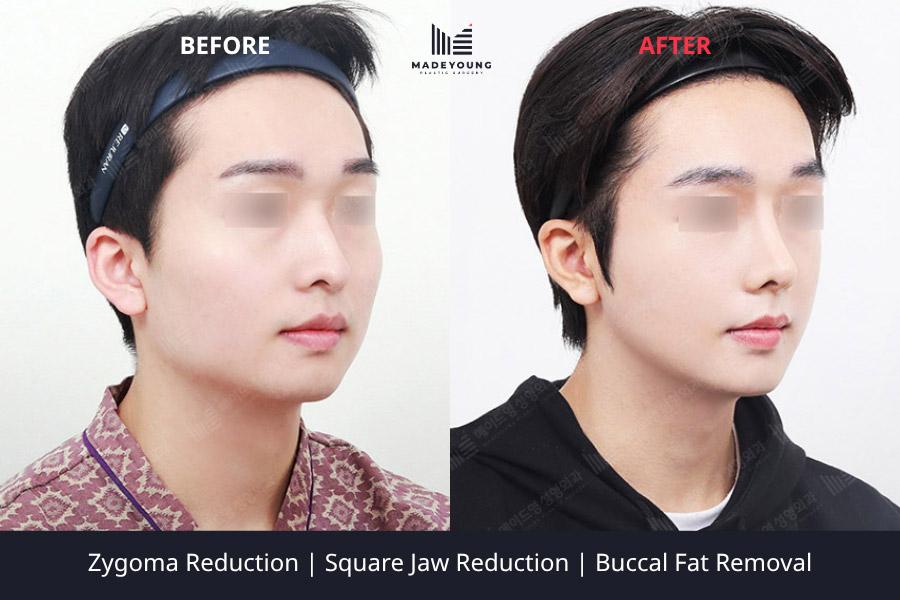
3. Made Young Plastic Surgery
You may consider Made Young Plastic Surgery if you want buccal fat hypertrophy assessed within a broader facial-contouring plan, particularly where cheekbone, jawline, or chin proportions also matter. The clinic lists cheekbone reduction, V-line and jaw-reduction surgery, and chin surgery, but the provided information does not specifically state that it performs buccal fat removal.
- URL: Made Young Plastic Surgery Website
- Location: Seocho-gu, Seoul
- Facial-contouring services:
- Offers cheekbone reduction, including a metal-free technique.
- Lists V-line surgery, metal-free V-line surgery, jaw reduction surgery, and genioplasty to refine facial proportions.
- Provides non-surgical contouring and lifting options including thread lifts, focused ultrasound treatments, and skin boosters.
- Safety and aftercare:
- States that full-time board-certified anesthesiologists are on site, with one-to-one anesthesiology monitoring during procedures.
- Describes cross-check emergency coverage by multiple anesthesiologists and CCTV coverage of procedures.
- Operates a dedicated aftercare center and provides direct consultation and diagnosis by its medical team before treatment.
Cost Analysis: Buccal Fat Removal in South Korea vs. Global Destinations
Cost is a major factor for many patients. In South Korea, buccal fat removal costs vary by clinic and surgeon expertise.
Average Costs in South Korea
- KRW: ₩1,000,000 to ₩5,400,000
- USD: $746 to $4,000 (with specific ranges like $1,200–$3,000 and $750–$1,880). The average in Seoul is about $1,165–$2,400.
Factors Affecting Cost
- Surgeon’s Experience: More experienced surgeons charge higher fees.
- Clinic Location: Clinics in upscale areas like Seoul may cost more.
- Facilities and Technology: Advanced clinics may charge more.
- Combination Procedures: Bundling with other surgeries can affect pricing.
Global Cost Comparison
| Country | Typical Price Range (USD) | Average Price (USD) | Key Considerations |
|---|---|---|---|
| South Korea | $746 - $4,000 | ~$1,165 - $2,400 | Competitive pricing, high standards, advanced tech, comprehensive packages |
| USA | $2,000 - $8,000 | ~$5,500 | Highest costs, strong regulations |
| Mexico | $500 - $3,000 | ~$770 | Low costs, may include accommodation, variable standards |
| Thailand | $425 - $2,656 | ~$1,200 | Competitive, comprehensive packages, check clinic reputation |
| Turkey | $700 - $4,160 | ~$1,800 | Affordable, variable standards, language barriers |
| Philippines | ~$720 | ~$720 | Affordable, check for international standards |
| Ukraine | $500 - $1,700 | ~$1,100 | Low costs |
| UK | $4,100 - $6,800 | ~$5,400 | High costs |
Note: Prices are estimates and may vary.
South Korea offers a strong balance of affordability and quality. While some countries are cheaper, they may have lower safety standards or less comprehensive care. South Korea’s bundled packages often include consultations, anesthesia, post-op care, dissolvable stitches, and follow-up appointments, making costs more predictable.
Additional Expenses for Medical Tourists
- Airfare: $700–$1,500 or more, depending on location and season.
- Accommodation: Hotel or lodging during recovery.
- Local Transportation: Getting around in Korea.
- Interpreting Services: Sometimes included, but may be extra.
- Food and Personal Expenses: Daily living costs during your stay.
Patient Perspectives: Outcomes, Satisfaction, and Considerations
Expected Results and Timeline
Buccal fat removal aims to create a more defined, sculpted face with prominent cheekbones and a leaner jawline, reducing "chubby cheeks." Initial results may be visible after a month, but final results take three to six months as swelling fully resolves. The results are permanent, but significant weight gain can soften the effect.
Patient Satisfaction
Satisfaction rates are high, with over 90% of patients reporting improved cheek appearance. The procedure is especially rewarding for those with realistic expectations and when performed by a qualified surgeon.
How the Procedure Helps
Buccal fat removal directly addresses persistent "chubby cheeks" that don’t respond to diet or exercise. Many patients experience a boost in self-esteem and confidence, feeling more aligned with their desired self-image.
Long-Term Considerations
Patients should have realistic expectations—this is a contouring procedure, not a weight-loss solution. While the removed fat doesn’t return, the face will continue to age, and over-removal can lead to a hollow look later. A conservative approach and a skilled surgeon are key. The procedure can also be combined with other facial surgeries for a balanced look.
Conclusion
Buccal fat hypertrophy can affect facial aesthetics and self-confidence, but buccal fat removal offers a permanent, effective solution for the right candidates. South Korea stands out as a destination for this procedure, offering advanced care and competitive pricing. However, careful research, realistic expectations, and choosing an experienced surgeon are essential for safe, satisfying results.
References
1, 2, 3, 4, 5, 6, 7, 8, 9, 10, 11, 12, 13, 14, 15, 16, 17, 18
Frequently Asked Questions
Related Blogs
Double Chin Liposuction in Korea: Candidacy, Recovery, Travel Timing, and Alternatives
Double chin liposuction removes superficial submental fat through tiny incisions using tumescent fluid and a narrow cannula, with neck lift or chin procedures considered for lax skin, muscle bands, or weak chin projection. International patients visiting Korea should plan a 7–10 day stay, compression and early follow-up, flexible flights, and remote aftercare arrangements.
Updated: Oct 12, 2026
Bra Line Fat: Back Liposuction in Korea
Considering Korea for bra line fat? This guide explains back liposuction—from tumescent, ultrasound-assisted liposuction (UAL) and power-assisted liposuction (PAL) to laser-assisted liposuction (SmartLipo)—plus radiofrequency-assisted lipolysis (BodyTite), Renuvion, and non-surgical options like CoolSculpting and deoxycholic acid. For excess skin, we outline the bra-line back lift and trunkplasty,
Updated: Oct 12, 2026
Upper Back Rolls Treatment in Korea: CoolSculpting and Back Liposuction
Struggling with “bra bulge” or upper back rolls? Our guide explains the medical side—dorsocervical fat pad (buffalo hump), lipedema, and lipoma—and compares treatment options in Korea. Learn who qualifies for CoolSculpting and back liposuction (including VASER and laser-assisted techniques), recovery timelines, costs, and all-inclusive medical tourism packages. Discover why Korea’s technology, sur
Updated: Oct 12, 2026
Full Face Fat Reduction with Face Liposuction in Korea: Ultimate Guide to a Slimmer Look
Discover how Korea leads in facial fat treatments like submental liposuction and buccal fat removal for full face fat and round face concerns. This comprehensive guide highlights medical causes such as Moon Facies and offers expert insights into cosmetic procedures available in South Korea. Learn about costs, recovery, and choosing the right procedure for a more sculpted, confident look—all within
Updated: Oct 12, 2026
Clinics offering Buccal Fat Removal

365mc Hospital: Korea's Leading Liposuction and Body Contouring Clinic with Innovative AI Technologies and Comprehensive Patient Care
Gyodae

THEPLUS Plastic Surgery Korea | Eye, Nose, Face & Body Surgery
Sinsa

Made Young Plastic Surgery: Rejuvenating Aesthetic Excellence in Korea for Face Lifts, Contouring and More
Gangnam Station

Seojin Plastic Surgery Clinic Korea: Pioneering Advanced Cosmetic Procedures for Personalized Aesthetic Transformation
Apgujeong