
Medical Tourism Blog
Breast Fillers in Korea: Safety Concerns, Prior-Injection Care, and Safer Alternatives
Table of contents
- Breast Fillers at a Glance
- What Are Breast Fillers?
- Who Is a Good Candidate for Breast Fillers?
- What Are the Different Types of Breast Fillers?
- Why Visit Korea for Breast Fillers?
- Key Information for International Patients
- Which Are the Best Clinics in Korea for Breast Fillers?
- Breast Fillers From Start to Finish
- Alternatives to Breast Fillers
- How Can I Prepare for Breast Fillers?
- Aftercare Advice
Considering treatment in Korea? Everything you need to know e.g. — how to avoid scams, visas, interpreters, recovery tips — in our Medical Tourism Master Guide. Plan with confidence in minutes, not weeks!
Last updated: September 2026
Breast Fillers at a Glance
- Not an elective option — Breast fillers are injected materials intended to add breast volume, but they are not an established alternative to implants or fat grafting and should not be pursued for cosmetic breast enlargement.
- Korea safety warning — South Korea’s MFDS advised in a June 17, 2016 safety communication that facial aesthetic fillers should not be used at unauthorized sites, expressly including the breast; do not travel to Korea for elective breast-filler injections.
- No reliable “temporary” result — Hyaluronic-acid breast filler does not predictably disappear quickly: in a 24-month study, every participant still had residual gel, while satisfaction had returned to baseline.
- Serious complication potential — Injected HA, PAAG, copolyamide gel, and especially liquid silicone can cause pain, infection, nodules, migration, firmness, deformity, and tissue injury; dispersed material may require surgery and cannot always be completely removed.
- Imaging can be affected — Prior breast injections can complicate mammography, ultrasound, and MRI interpretation and may make breast-cancer assessment more difficult, so every breast clinician and imaging service needs the full injection history.
- Travel and recovery are unpredictable — There is no valid short-stay recovery timeline: treatment of a prior injection complication may require imaging, antibiotics, drainage, surgery, drains, repeated reviews, and recovery ranging from days to many months.
- Better-established alternatives — For elective volume or contour goals, discuss contained breast implants, autologous fat grafting, implant-plus-fat grafting, or a breast lift when drooping is the main concern; symptomatic prior filler requires breast and plastic-surgery assessment.
What Are Breast Fillers?
Breast fillers are injections intended to increase breast volume or correct contour, but they are not an established breast-enhancement treatment. People seeking fuller breasts or improved asymmetry are better served by consultation about established options such as implants, fat grafting, or a breast lift; prior filler symptoms need clinical assessment. This is a minimally invasive injection procedure in form, but elective breast-filler injection is not recommended because of important safety and imaging concerns.
Who Is a Good Candidate for Breast Fillers?
- Elective breast enlargement — There are no suitable candidates for travel to Korea to receive breast-filler injections. Korea’s MFDS specifically advised that facial aesthetic fillers should not be used at unauthorized sites, expressly including the breast.
- Prior-injection assessment — People with a previous breast injection who have pain, firmness, nodules, asymmetry, swelling, suspected migration, or an abnormal scan need in-person breast and plastic-surgery assessment.
- Established augmentation consultation — Adults seeking volume, contour correction, or asymmetry treatment can discuss breast augmentation, breast fat grafting, or a breast lift when drooping is the main issue.
Do not proceed with elective injection of hyaluronic acid, PAAG, copolyamide gel, liquid silicone, collagen, or an unspecified “body filler” into the breast. Pregnancy and breastfeeding are reasons to defer elective breast procedures; prior injections with mastitis, pain, or breast changes require clinical evaluation. A breast lump, unexplained pain, nipple discharge, fever, skin ulceration, infection, or unresolved breast-cancer work-up requires diagnostic care, not cosmetic injection. Never add filler to hide complications from an earlier injection, and do not accept a product whose identity, authorization, lot number, injection plane, injector credentials, and complication plan cannot be independently verified.
What Are the Different Types of Breast Fillers?
Materials have been marketed as breast fillers, but they are not interchangeable with a contained breast implant and none should be treated as a routine injectable breast-augmentation option.
- Hyaluronic acid / Macrolane-type filler — HA is often described as temporary, but it does not reliably disappear quickly from breast tissue. In a 24-month noncomparative study, every participant still had some residual gel, while satisfaction had returned to baseline; this is not evidence of a predictable, reversible augmentation method.
- PAAG and copolyamide gels — These long-lasting or permanent synthetic gels can be associated with migration, chronic inflammation, induration, infection, pain, deformity, and difficult or incomplete removal. Treatment can require operative evacuation or excision.
- Liquid silicone — Injectable silicone is not a silicone-gel breast implant. An implant is contained within a shell; injected silicone can disperse through tissue and is associated with severe inflammatory reactions, tissue injury, migration, embolic complications, and complex corrective surgery.
- Unspecified body filler or volumizer — Terms such as “breast volumizer,” “body filler,” and “collagen booster” do not establish that a product is sterile, hyaluronic acid, temporary, reversible, or authorized for breast use. Treat an unlabeled or poorly documented injection offer as a major safety warning.
Why Visit Korea for Breast Fillers?
South Korea is not an appropriate destination for elective breast-filler injection. The relevant Korea-specific information is a safety warning, not a treatment advantage. Seek an evidence-based breast-surgery consultation or assessment of a prior injection instead.
- MFDS safety position — In its June 17, 2016 safety communication, the Ministry of Food and Drug Safety stated that facial aesthetic fillers were authorized for facial-wrinkle improvement and should not be used at unauthorized sites, including the breast.
- Authorization must be verifiable — This communication is not a current product-by-product authorization database. A provider claiming that a breast injectable now has MFDS authorization should provide the exact current authorization, Korean instructions for use, manufacturer, product name, and traceability records for independent checking.
- Imaging-aware assessment — Prior injected material can complicate breast examination and imaging. A radiology review describes potentially challenging appearances on mammography, ultrasound, and MRI and supports disclosing injection history to every breast clinician and imaging service.
Key Information for International Patients
- Minimum stay — Do not plan travel for elective breast fillers. For assessment of a previous injection, stay length depends on examination findings, ultrasound or MRI needs, infection status, surgery, drains, serial wound checks, and whether reconstruction must be staged.
- Repeat visits — Complication treatment can require repeated in-person reviews, drainage, operative removal, debridement, and delayed reconstruction. Do not assume a single overseas appointment resolves dispersed material.
- Flight timing — Do not take a long-haul flight after a new injection, drainage procedure, or surgery without explicit clearance from the treating clinician. Active infection, drains, new wounds, unplanned surgery, or limited follow-up access can make travel inappropriate.
- Activity and itinerary — Do not schedule tourism, strenuous activity, spa heat exposure, or fixed onward flights around urgent evaluation or surgery. Recovery from complication care ranges from days to many months because it depends on material, infection, migration, tissue involvement, and the need for surgery.
- Remote follow-up — Before leaving Korea after treatment for a prior injection, obtain imaging reports, procedure or operative notes, pathology results when relevant, medication lists, and a written emergency plan for clinicians at home.
Travel note: Fever, spreading redness or warmth, increasing pain, drainage, skin discoloration, blistering, ulceration, rapid enlargement, chest pain, shortness of breath, fainting, or new neurologic symptoms require same-day or emergency assessment rather than international travel.
Which Are the Best Clinics in Korea for Breast Fillers?
Listed below are some of the best clinics in Korea for breast fillers.
1. id Hospital Korea
You may consider id Hospital Korea if you want to discuss breast-related aesthetic options at a clinic that lists breast surgery among its services and emphasizes customized planning, patient-safety-oriented care, and systematic post-care. Its supplied information does not specify breast filler products or techniques, so you would need an individual assessment to determine whether this procedure is offered and appropriate for your goals.
- URL: id Hospital Korea Website
- Location: Gangnam-gu, Seoul
- Relevant services: Lists breast surgery alongside plastic-surgery, lifting, skin-clinic, and petite plastic-surgery services.
- Care approach: Describes customized plastic-surgery planning, a patient-safety-oriented approach, and systematic post-care.
2. EG Dongan Clinic
You may consider EG Dongan Clinic for a breast-filler consultation if you value individualized aesthetic planning at a clinic that offers breast surgery, lipofilling, and injectable treatments including HA and collagen-focused fillers. The provided information does not specifically confirm breast filler treatment, but its body-contouring and volume-focused services may help inform a discussion of suitable options for your anatomy and goals.
- URL: EG Dongan Clinic Website
- Location: Gangnam-gu, Seoul
- Relevant volume options:
- Lists breast surgery for enhancement, reduction, or reconstruction.
- Lists lipofilling, which transfers fat from one body area to another to improve volume and contour.
- Offers HA, PCL, and collagen-focused injectable treatments in its aesthetic services.
- Personalized planning:
- Describes custom treatment planning that considers the treatment area, skin elasticity, thickness, and amount of fat.
- States a focus on personalized care and hygiene.
- Body services: Offers TruSculpt ID for non-surgical fat reduction and Ulfit Lifting for body contouring and tightening.
3. Id Clinic Hongdae
Id Clinic Hongdae may be worth considering for a consultation if you are exploring injectable aesthetic treatments, as it lists several hyaluronic-acid filler brands and filler-dissolving treatment. However, the supplied information describes these fillers for facial areas and does not confirm breast filler services, so you should clarify whether breast treatment is available and whether it fits your goals.
- URL: Id Clinic Hongdae Website
- Location: Seoul
- Listed filler options:
- Related injectable care:
- Lists collagen-stimulating skin boosters including Laetigen, Ultracol, and Radiesse Skin Booster.
- Lists skin boosters containing hyaluronic acid, collagen particles, or PDRN.
Breast Fillers From Start to Finish
This is not a pathway for receiving breast filler. It describes a safer route for a person with prior injections or someone considering established alternatives.
- Remote first contact — Request an English-language or virtual consultation for prior-filler assessment or an established breast-augmentation alternative. Send records before travel, including product details, injection dates, estimated volumes, injection sites, prior photographs, imaging, infection records, and operative reports.
- Pre-travel triage — Report fever, drainage, rapidly increasing swelling, severe pain, skin color changes, breathing symptoms, or neurological symptoms immediately. The clinic should direct urgent local assessment when travel is unsafe rather than arrange a cosmetic appointment.
- In-person breast evaluation — A clinician assesses symptoms, breast tissue, asymmetry, skin quality, ptosis, soft-tissue coverage, previous procedures, and whether a diagnostic breast work-up is needed before any cosmetic discussion.
- Imaging and diagnostic planning — Ultrasound or MRI can be clinically indicated to map collections, cystic areas, tissue involvement, infection, or suspicious lesions. Prior Macrolane-type material can affect mammography, ultrasound, and MRI interpretation, so disclose the injection history in full.
- Written treatment decision — For a complication, the plan can include observation, antimicrobial treatment, drainage, surgical evacuation or excision, debridement, and staged reconstruction. For elective goals, discuss established surgery or fat grafting rather than filler injection.
- Procedure and discharge, if treatment is required — Anesthesia or sedation, operative duration, admission status, drains, medicines, and discharge timing depend on the extent of infection and surgery. Leave only after the treating team confirms that pain control, wound care, transport, and follow-up are in place.
- Overseas follow-up — Arrange scheduled remote reviews and identify a breast or surgical clinician near home before departure. Send wound photographs only through the clinic’s approved channel and seek urgent local care for warning symptoms.
Alternatives to Breast Fillers
Established alternatives involve different tradeoffs: surgery provides more controlled structural change but requires incisions, anesthesia, recovery, and possible future revision; fat grafting uses the patient’s own tissue but has variable retention. These options deserve individualized breast examination and imaging review, especially after any prior breast injection.
Breast implants
- Best suited to — Adults seeking a more predictable volume increase than fat grafting can usually provide.
- Tradeoff — Breast implants are contained devices rather than dispersed injected material, but they carry surgical risks, require long-term surveillance, and can require revision or replacement.
Autologous fat grafting
- Best suited to — Selected patients seeking modest volume gain or contour correction using fat harvested by liposuction.
- Tradeoff — Breast fat grafting avoids an implant but volume retention varies and repeat grafting sessions can be necessary.
Implant plus fat grafting
- Best suited to — Selected patients with goals involving implant-edge camouflage, cleavage contour, rippling, or additional soft-tissue coverage.
- Tradeoff — Combining procedures increases planning complexity and requires assessment of tissue coverage and prior breast procedures.
Breast lift
- Best suited to — Patients whose main concern is skin excess or breast ptosis rather than volume loss alone.
- Tradeoff — A breast lift reshapes and elevates the breast but leaves scars; it can be combined with augmentation when clinically appropriate.
Foreign-body removal and revision
- Best suited to — Patients with painful, infected, migrating, persistent, or deforming prior filler.
- Tradeoff — Foreign-body removal or revision breast surgery can be medically necessary, but complete removal of dispersed material is not always possible and reconstruction is sometimes delayed.
How Can I Prepare for Breast Fillers?
- Do not book elective filler injection — Do not travel to Korea for breast fillers or accept an offer described as a quick, temporary, or minimally invasive breast enlargement.
- Collect injection records — Bring the product and manufacturer name, lot number where available, injection date, estimated amount per breast, injection locations, prior photos, imaging, infection treatment, and operative records.
- Disclose breast history — Report lumps, pain, nipple discharge, breast biopsies, prior implants or surgery, personal and family cancer history, pregnancy or breastfeeding, allergies, and all current symptoms.
- List medicines and substances — Provide all prescription drugs, over-the-counter medicines, supplements, nicotine use, cannabis use, and allergies. Do not stop anticoagulants, antiplatelet medicines, or other prescribed drugs unless the prescribing clinician and operating team direct it.
- Plan only for indicated anesthesia — Follow fasting instructions only when sedation or anesthesia is planned for diagnostic or surgical care. Arrange a responsible adult companion after anesthesia, significant surgery, or treatment of a serious complication.
- Keep travel flexible — Avoid nonrefundable departure flights and arrange accommodation that can be extended if imaging, surgery, drains, or wound reviews become necessary.
Travel note: Do not massage, puncture, self-drain, or inject more product into a painful, firm, swollen, infected, or asymmetric breast.
Confirm all imaging, fasting, medication, transport, companion, and travel requirements directly with the treating doctor; individualized instructions take precedence over general guidance.
Aftercare Advice
After treatment for a prior breast injection or breast surgery, protect the area and treat new or worsening symptoms as a clinical issue, not a normal cosmetic recovery.
- Wounds and drains — Keep dressings and drain sites clean and dry as directed. Do not remove, flush, puncture, or manipulate a drain or collection unless the surgical team has taught and authorized the step.
- Activity and contact — Follow the surgeon’s restriction plan for lifting, upper-body exercise, driving, and breast pressure. Avoid massage, compression, heat exposure, and direct contact with treated tissue unless specifically prescribed.
- Medicines — Take antibiotics, pain medicines, and other prescribed treatment exactly as directed. Do not restart, stop, or add medicines or supplements without the treating team’s approval.
- Breast imaging history — Tell every radiology and breast-care service about the prior injection, including product, date, approximate volume, and locations. The UK MHRA warned that Macrolane breast augmentation can make breast-cancer diagnosis more difficult, particularly on mammography.
- Urgent warning signs — Seek same-day medical assessment for fever, spreading redness, warmth, worsening swelling or pain, drainage, skin discoloration, blistering, ulceration, rapid enlargement, chest pain, shortness of breath, fainting, or neurological symptoms.
- Follow-up and final outcome — Attend scheduled wound, imaging, and remote reviews. Contour, scars, and reconstruction can continue changing for months, and more than one operation can be required.
Follow the treating doctor’s instructions over general guidance and contact the clinic promptly when anything appears wrong.
Frequently Asked Questions
Related Blogs
Breast Fat Grafting in Korea vs. Global Costs: A Smart Investment for Natural Results
Explore the affordability and benefits of breast fat grafting in Korea, a popular cosmetic procedure known for its natural results. Discover why more individuals are choosing Korea for this innovative, cost-effective solution.
Updated: Sep 26, 2026
Nipple Surgery in Korea: Types, Recovery, Risks, and Travel Planning
Nipple surgery may reduce nipple size or projection, correct benign inversion, revise scars, or reconstruct the nipple–areola complex; technique, anesthesia, and recovery depend on the procedure and any combined breast or chest surgery. International patients should plan at least 7–10 days locally for uncomplicated isolated procedures, attend wound review before flying, arrange follow-up at home,
Updated: Sep 21, 2026
Breast Augmentation in Korea: Implants, Recovery, Travel Planning, and Long-Term Safety
Breast augmentation in Korea may use silicone or saline implants, or fat grafting, with planning based on anatomy, goals, incision, and pocket placement. The article covers candidacy, costs of ₩7,000,000–₩18,000,000, 10–14-day travel planning, recovery, follow-up, and implant records.
Updated: Sep 20, 2026
Capsular Contracture Treatment in Korea: Revision Options, Recovery, and Travel Planning
Capsular contracture treatment may include capsulotomy, partial or total capsulectomy, implant exchange or removal, pocket change, ADM support, breast lift, fat grafting, or autologous reconstruction based on symptoms and tissue condition. International patients should plan at least 10–14 days in Korea, complete local follow-ups, obtain surgeon clearance before flying, and arrange home-country car
Updated: Sep 19, 2026
Clinics offering Breast Fillers
BongBong Plastic Surgery | Premium Breast and Body Shaping with Innovative Autologous Fat Grafting and Hybrid Techniques
Nonhyeon
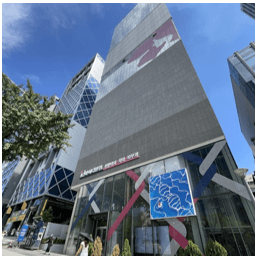
ID Hospital - Main Branch in Korea: Specializing in Safe & Customized Facial Plastic Surgery and Post-Care Services
Sinsa

Mi and Mi Clinic - Gangnam: Premier Beauty & Well-being Services in Korea
Gangnam Station

EG Dongan Clinic: Korea's Premier Destination for Personalized Cosmetic Procedures and Advanced Skincare Treatments
Sinnonhyeon Station