Medical Tourism Blog
Temple Hair Loss Solutions: Hair Transplant Procedures in Korea for Fuller Temples
Table of contents
- Hair Transplant Procedures: A Medical Deep Dive
- Best Clinics in Korea for Temple Hair Loss
- The Hair Transplant Journey in South Korea for Medical Tourists
- Cost Analysis: South Korea vs. Global Hair Transplant Destinations
- Patient Experiences and Outcomes for Temple Hair Loss
- Conclusion: Reclaim Your Confidence
- References
Considering treatment in Korea? Everything you need to know e.g. — how to avoid scams, visas, interpreters, recovery tips — in our Medical Tourism Master Guide. Plan with confidence in minutes, not weeks!
This article offers an accessible guide for anyone dealing with "temple hair loss," a condition marked by thinning or recession at the temporal points on either side of the forehead. We break down the primary causes, the various terms you might encounter, and spotlight effective solutions—especially medical hair transplants, focusing on Follicular Unit Extraction (FUE) and Follicular Unit Transplantation (FUT). The piece also guides you through the process of receiving a hair transplant in South Korea as a medical tourist and compares the associated costs globally. By highlighting patient experiences, we reveal how hair transplants for temple hair loss can dramatically improve both appearance and self-confidence.
Temple hair loss is a widespread issue that can significantly influence how someone looks and feels about themselves. Knowing why it happens is the first step toward finding a solution.
Definition and Appearance of Temple Hair Loss
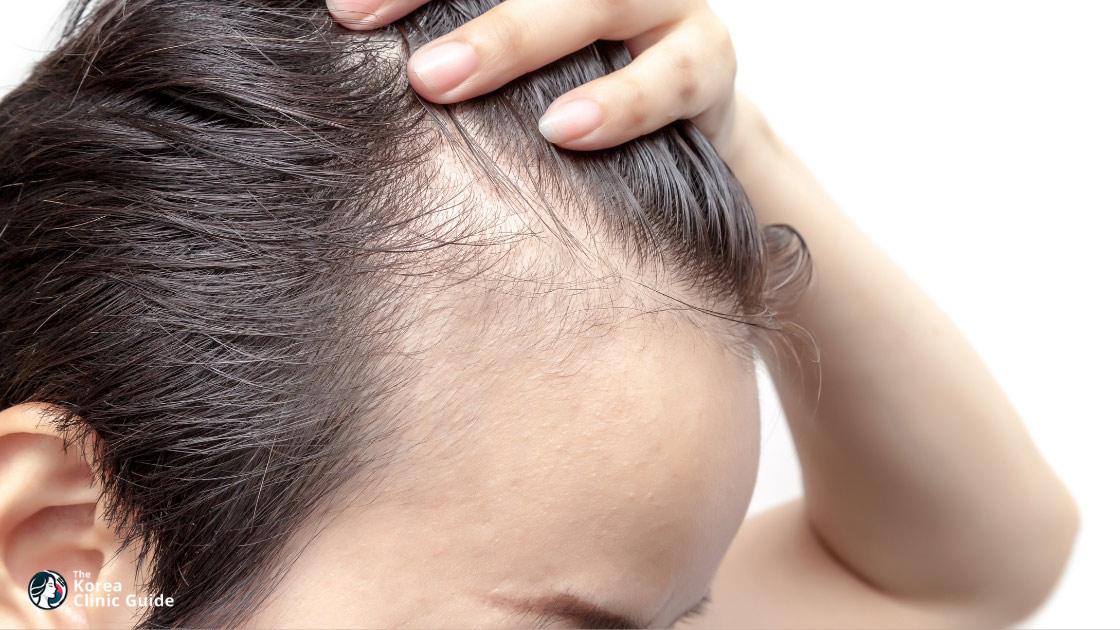
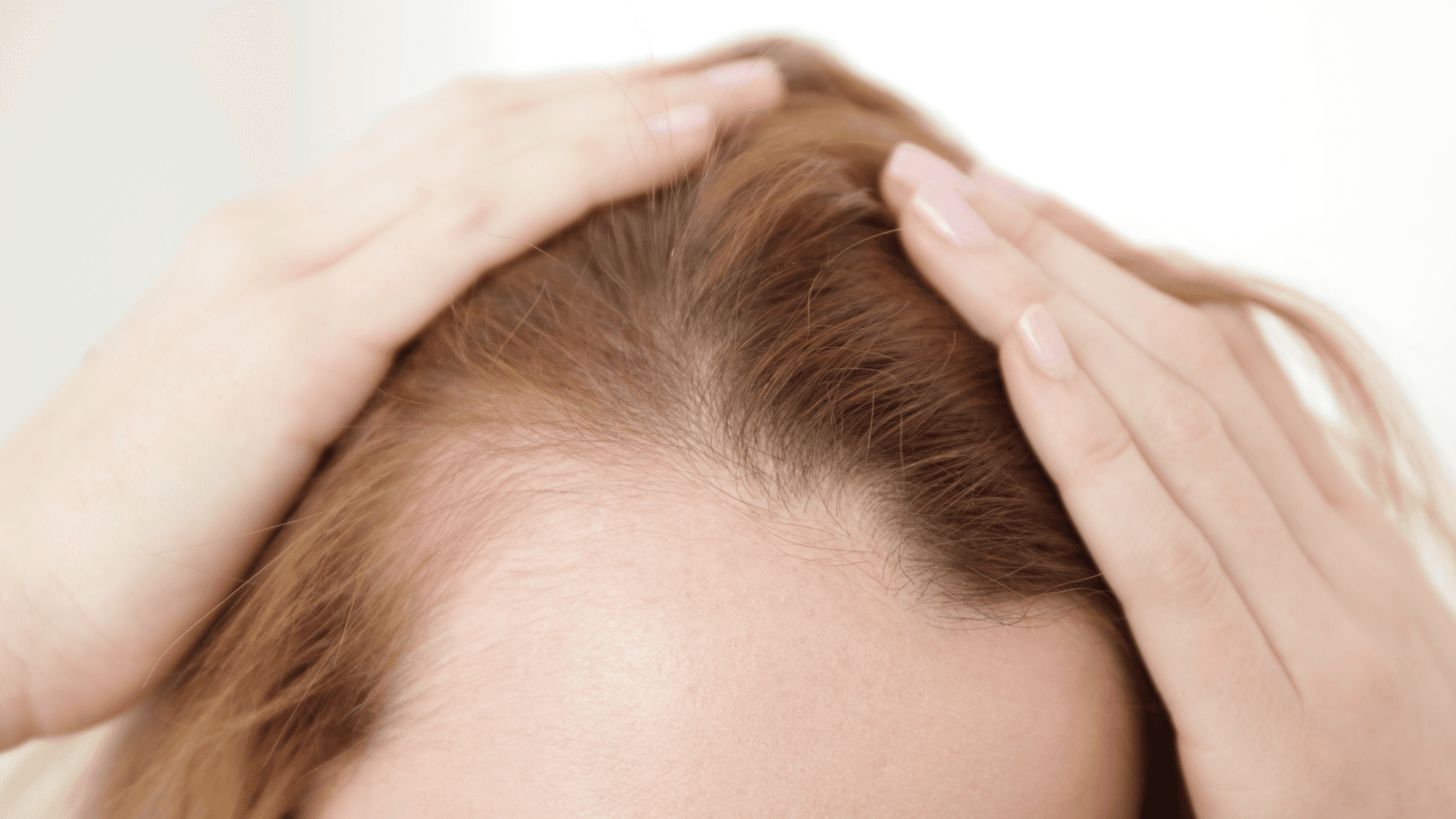
Temple hair loss refers to gradual thinning or recession of hair at the temples—the areas on either side of the forehead where the hairline meets the face. This often results in a more pronounced M-shaped hairline in men or a less defined hairline in women. People commonly notice increased shedding, a widening hairline, loss of hair volume, and slower regrowth in these regions compared to the rest of the scalp. Such changes can make someone look older and take a toll on self-confidence.
Common Pseudonyms
The following terms are often used when discussing temple hair loss:
- Receding Hairline: Usually the first sign as the hairline moves backward.
- Pattern Baldness: This broad term covers both male and female pattern baldness, which commonly impacts the temples.
- Androgenetic Alopecia: The medical name for hereditary hair thinning, often affecting the temples early in the process.
Detailed Exploration of Causes
A variety of factors can trigger temple hair loss:
- Androgenetic Alopecia (Male/Female Pattern Baldness): By far the most common cause, it happens when follicles become sensitive to DHT, leading to progressive thinning.
- Temporal Triangular Alopecia (TTA): A rare, non-scarring form starting in childhood, causing triangular or oval bald patches at the temples.
- Traction Alopecia: Constant tension from tight hairstyles weakens temple hair and even leads to permanent loss if not corrected.
- Telogen Effluvium: Significant stress or health changes push many follicles into the resting phase—often temporary but can accentuate temple thinning.
- Hormonal Changes: Shifts in hormones during pregnancy, menopause, or because of thyroid/PCOS issues can precipitate temple hair loss.
- Alopecia Areata (AA): An autoimmune disorder that leads to patchy hair loss, sometimes including the temples.
Other factors include ongoing stress, certain medications, vitamin or mineral deficiencies, and smoking.
The cause of temple hair loss points to whether it may resolve with simple changes or needs medical intervention like a hair transplant, which becomes essential if follicles are inactive or permanently shrunken. A thorough diagnosis, sometimes involving blood tests and lifestyle evaluation, is vital to identify if broader health issues play a role.
Brief Mention of Non-Surgical Treatment Options
If you're not ready for surgery, or want to support your results, you can explore:
- Topical Medications: Minoxidil (Rogaine) encourages regrowth, particularly at the temples.
- Oral Medications: Finasteride (Propecia) blocks DHT; low-dose oral Minoxidil is also effective.
- In-Office Treatments: PRP injections and Low-Level Laser Therapy (LLLT) both aim to boost follicle health and density.
- Cosmetic Solutions: Scalp Micropigmentation (SMP) creates the illusion of thicker hair but may lose effectiveness as hair loss progresses.
- Lifestyle Adjustments: Reducing stress, protecting hair from tension, and improving nutrition can help.
Hair Transplant Procedures: A Medical Deep Dive
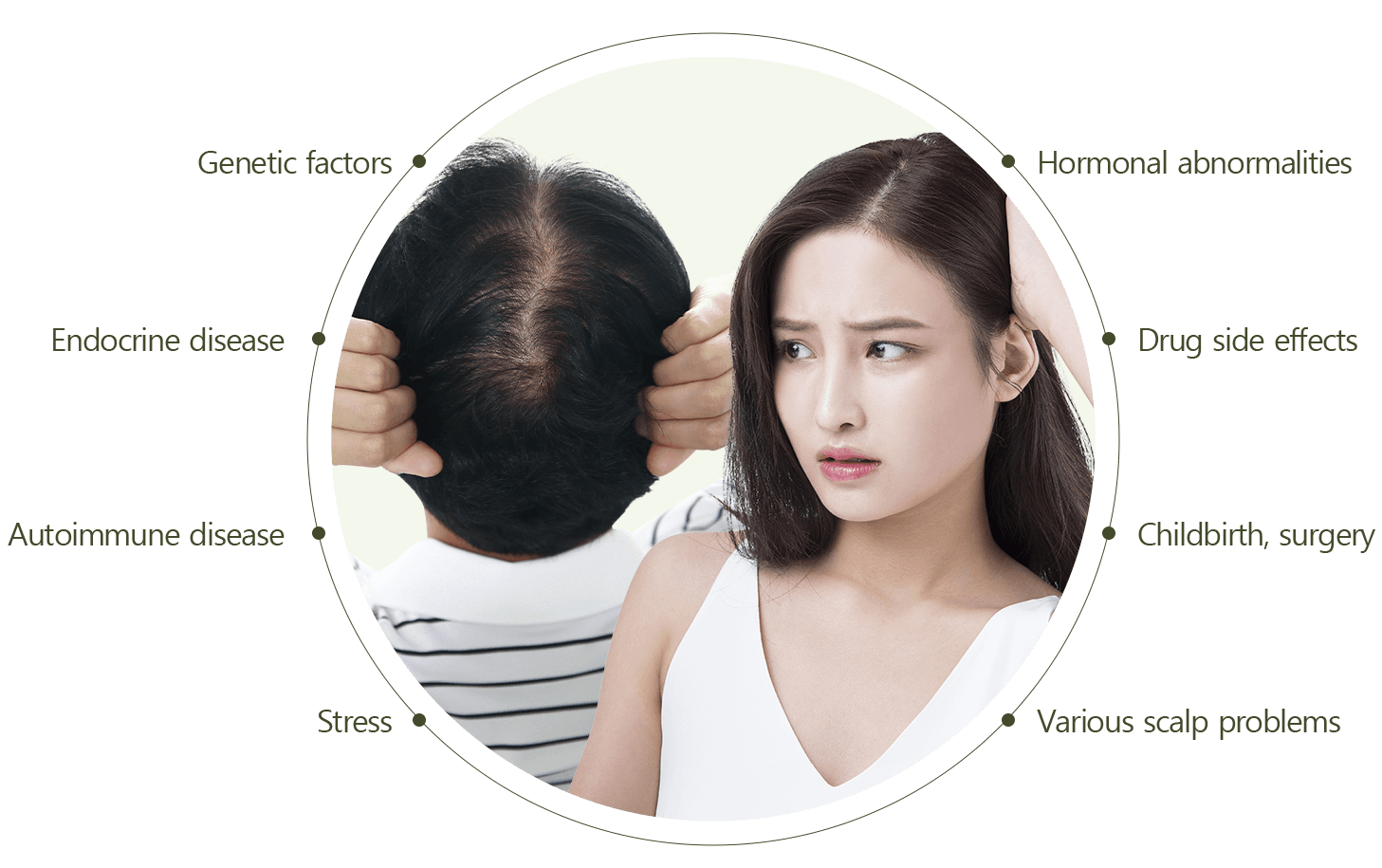
For many, hair transplantation is the most reliable answer, offering a lasting fix, especially for temple hair loss. Here’s how these methods work.
Introduction to Hair Transplantation
Hair transplantation (follicular-unit grafting) involves moving healthy, DHT-resistant follicles from the back of the head to the thinning temple regions. The goal is a natural-looking, denser hairline—one that endures since the transplanted follicles keep their original resistant properties.
Primary Hair Transplant Techniques
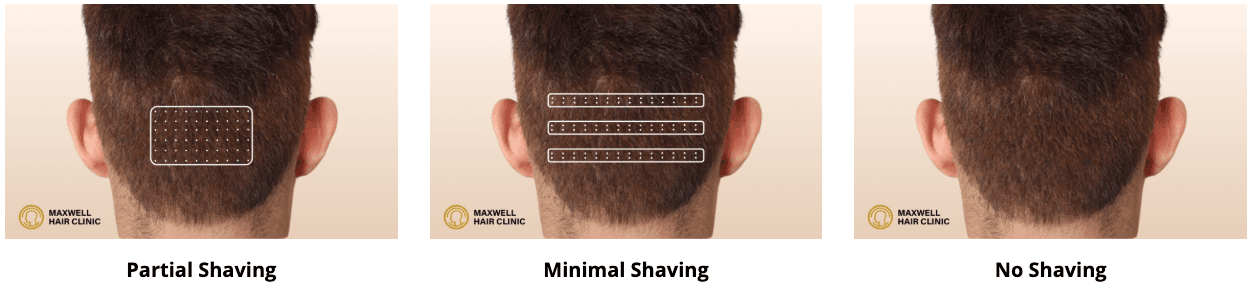
The two main methods for extracting donor hair are Follicular Unit Extraction (FUE) and Follicular Unit Transplantation (FUT)—with similar implantation steps but different extraction processes.
Follicular Unit Extraction (FUE)
- Extraction: Individual follicles are gently removed using a tiny punch tool, leaving no linear scar and healing quickly.
- Benefits: Minimally invasive, great for those who wear short hair, and ideal for small, precise areas like the temples.
- Considerations: Hair in the donor area must be trimmed very short; a small rate of damaged follicles is common.
Follicular Unit Transplantation (FUT)
- Extraction: A strip of scalp with healthy hairs is surgically removed, then dissected under a microscope into individual grafts.
- Benefits: Allows for larger graft yields in one session; may be preferable for those with significant hair loss.
- Considerations: Leaves a fine, linear scar that's typically hidden by longer hair; requires stitches.
The Common Implantation Process for Both FUE and FUT
Regardless of the extraction method, grafts are carefully prepared and inserted into tiny incisions at the temples, following the natural direction of hair growth. The precise angle and placement of each graft—especially important at the temples—ensure undetectable, realistic results, blending seamlessly with existing hair.
Technological Advancements
Modern FUE techniques use powered or robotic extractors for greater precision, while methods like Direct Hair Implantation (DHI) and Sapphire FUE refine how grafts are handled and placed. The choice between FUE and FUT depends not just on cost or scar preference but on a careful discussion with your physician about your hair, goals, and lifestyle.
Best Clinics in Korea for Temple Hair Loss
Listed below are the best clinics in Korea for temple hair loss:
| Clinic Name | Key Features | Special Techniques |
|---|---|---|
| Maxwell Hair Clinic Website | Maxwell Hair Clinic is a leading Korean hair restoration center (established in 2007) known for delivering natural-looking solutions for temple hair loss in both men and women, with streamlined support for international patients. Backed by extensive clinical experience—over 500,000 treatment cases and more than 60,000 hair transplant procedures—the clinic’s approach is rooted in data-driven personalization and a treatment philosophy that prioritizes follicle cells as the true “engine” of hair growth rather than superficial scalp care. Under the direction of founder Dr. Noh Yoon Woo, recognized for top-tier expertise in hair transplantation, Maxwell emphasizes a trusting doctor–patient relationship and long-term aftercare to support stable, satisfying results. | Natural Design Process (two-stage plan—precise laser-based design followed by personalized manual refinement); Gradation Transplantation places finer hairs at the front and thicker bundles behind to create a hyper-natural transition in the temple area. Each plan is tailored through comprehensive diagnosis (including scalp elasticity, density, and degree of hair loss) and can be performed using FUT, FUE, or a combined method as appropriate. The clinic also applies scar minimization techniques (0.9–1.2 mm ultra-small punches and double suturing), supports rapid recovery (often allowing next-day shampooing and return to daily life within two days), and enhances post-transplant growth with growth factors and specialized magnetic field therapy. |
| Seojin Plastic Surgery Clinic Website | For patients seeking correction of temple hair loss in Korea, Seojin Plastic Surgery Clinic stands out as one of the best choices because its results are backed by both proven experience and nationally recognized credibility, paired with highly specialized temple-focused design and technique. Led by Dr. Lee Hyungmin (over 16 years of experience), a one-doctor system ensures consistent, end-to-end care from consultation and hairline/temple design to extraction and implantation, which is especially important in the temple area where angles, direction, and density must be precisely controlled for a natural look. The clinic’s track record includes over 2,100 hair transplant surgeries performed, Dr. Lee’s selection among the Top 100 Good Doctors in Korea (2022), and a No. 1 ranking in the Hair Transplant Category at the KBS N Korea Broadcasting Brand Awards (2025). Seojin differentiates itself by offering a wider range of incision options than many clinics (line cut, no-cut, and mixed approaches) and the capability for large-scale transplantation (6,000 to 10,000 hairs) using combined methods when extensive coverage is needed. Outcomes are further supported by details that matter for graft survival and naturalness, including a cold follicle separation room for preservation, PRP hair transplant options to support graft take and reduce inflammation, hairline gradation transplantation that places follicles by thickness for a softer, more realistic transition, and refined technique to minimize the popping phenomenon when placing grafts close together—key advantages when restoring the delicate, highly visible temple region in a balanced way with the overall face. | Line-cut, no-cut, and mixed incision options; large-scale transplantation (6,000–10,000 hairs) using combined methods; cold follicle separation room; PRP hair transplant options; hairline gradation transplantation by thickness for a softer, more realistic transition; refined technique to minimize popping when placing grafts close together; temple-focused design and technique; one-doctor system for end-to-end care. |
| SH Clinic Website | SH Clinic in Sinsa, Seoul is a multi-specialty medical center that brings stem-cell science, women’s healthcare, aesthetic dermatology, and modern plastic surgery together under one roof. For temple hair loss patients seeking a medical approach beyond basic topical care, SH Clinic offers expertise rooted in regenerative medicine through its specialized SH Stem Cell Center, where treatment plans are personalized and comprehensive, spanning anti-aging programs to advanced stem cell-based therapies. | Stem Cell Hair Loss Treatment: autologous stem cells are injected into the scalp to awaken dormant follicles and stimulate new growth, helping thicken existing strands without surgical grafting. |
Maxwell Hair Clinic
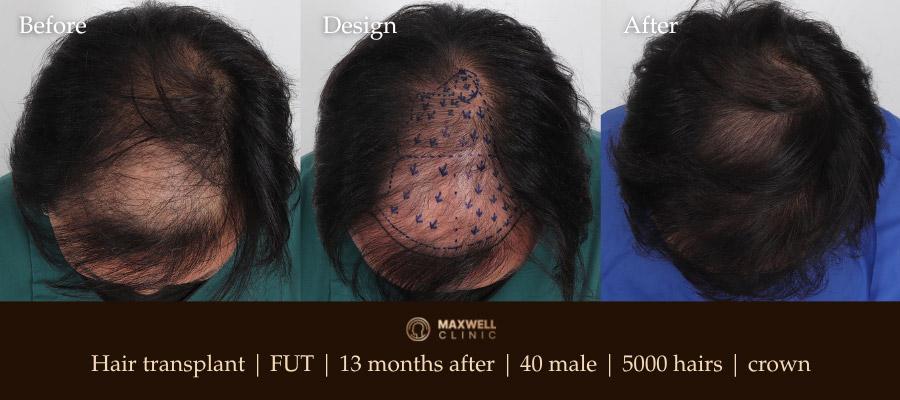
Maxwell Hair Clinic is a leading Korean hair restoration center (established in 2007) known for delivering natural-looking solutions for temple hair loss in both men and women, with streamlined support for international patients. Backed by extensive clinical experience—over 500,000 treatment cases and more than 60,000 hair transplant procedures—the clinic’s approach is rooted in data-driven personalization and a treatment philosophy that prioritizes follicle cells as the true “engine” of hair growth rather than superficial scalp care. Under the direction of founder Dr. Noh Yoon Woo, recognized for top-tier expertise in hair transplantation, Maxwell emphasizes a trusting doctor–patient relationship and long-term aftercare to support stable, satisfying results.
For temple hair loss in particular, Maxwell is known for design-focused transplantation that aims to blend seamlessly with the existing hairline. Its Natural Design Process uses a two-stage plan—precise laser-based design followed by personalized manual refinement—while Gradation Transplantation places finer hairs at the front and thicker bundles behind to create a hyper-natural transition in the temple area. Each plan is tailored through comprehensive diagnosis (including scalp elasticity, density, and degree of hair loss) and can be performed using FUT, FUE, or a combined method as appropriate. The clinic also applies scar minimization techniques (0.9–1.2 mm ultra-small punches and double suturing), supports rapid recovery (often allowing next-day shampooing and return to daily life within two days), and enhances post-transplant growth with growth factors and specialized magnetic field therapy.
You can check out their website here: Maxwell Hair Clinic Website
Seojin Plastic Surgery Clinic
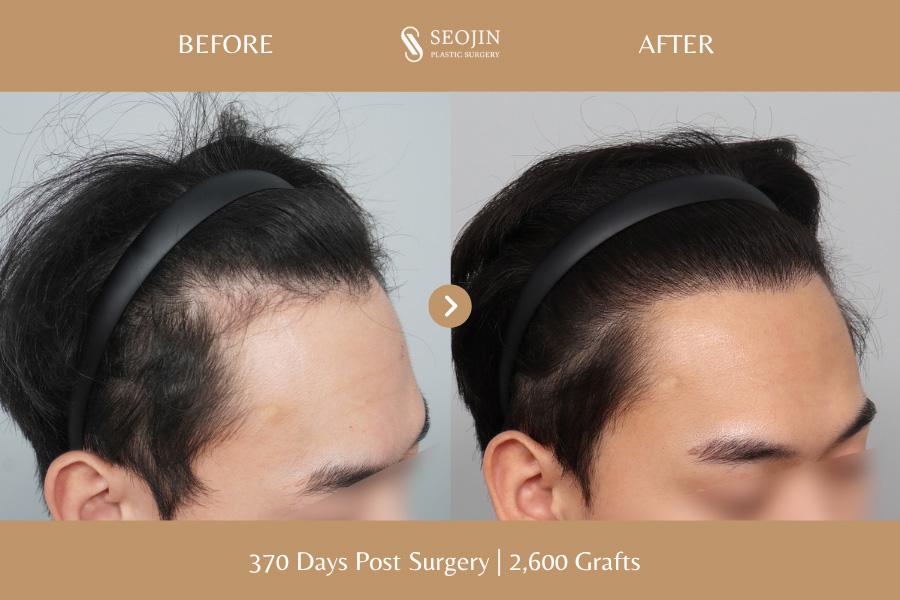
For patients seeking correction of temple hair loss in Korea, Seojin Plastic Surgery Clinic stands out as one of the best choices because its results are backed by both proven experience and nationally recognized credibility, paired with highly specialized temple-focused design and technique. Led by Dr. Lee Hyungmin (over 16 years of experience), a one-doctor system ensures consistent, end-to-end care from consultation and hairline/temple design to extraction and implantation, which is especially important in the temple area where angles, direction, and density must be precisely controlled for a natural look. The clinic’s track record includes over 2,100 hair transplant surgeries performed, Dr. Lee’s selection among the Top 100 Good Doctors in Korea (2022), and a No. 1 ranking in the Hair Transplant Category at the KBS N Korea Broadcasting Brand Awards (2025). Seojin also differentiates itself by offering a wider range of incision options than many clinics (line cut, no-cut, and mixed approaches) and the capability for large-scale transplantation (6,000 to 10,000 hairs) using combined methods when extensive coverage is needed. Outcomes are further supported by details that matter for graft survival and naturalness, including a cold follicle separation room for preservation, PRP hair transplant options to support graft take and reduce inflammation, hairline gradation transplantation that places follicles by thickness for a softer, more realistic transition, and refined technique to minimize the popping phenomenon when placing grafts close together—key advantages when restoring the delicate, highly visible temple region in a balanced way with the overall face.
You can check out their website here: Seojin Plastic Surgery Clinic Website
SH Clinic
SH Clinic in Sinsa, Seoul is a multi-specialty medical center that brings stem-cell science, women’s healthcare, aesthetic dermatology, and modern plastic surgery together under one roof. For temple hair loss patients seeking a medical approach beyond basic topical care, SH Clinic offers expertise rooted in regenerative medicine through its specialized SH Stem Cell Center, where treatment plans are personalized and comprehensive, spanning anti-aging programs to advanced stem cell-based therapies.
A key option for temple hair thinning at SH Clinic is Stem Cell Hair Loss Treatment, in which autologous stem cells are injected into the scalp to awaken dormant follicles and stimulate new growth, helping thicken existing strands without surgical grafting. This regenerative focus is complemented by the clinic’s broader medical infrastructure, including the SH Gynecology Clinic’s full range of women’s health services and rejuvenation procedures, supporting patients who prefer coordinated care in a single, physician-led setting.
You can check out their website here: SH Clinic Website
The Hair Transplant Journey in South Korea for Medical Tourists
South Korea has become a top spot for medical tourism, offering streamlined and patient-centered experiences for hair transplant procedures.
A Step-by-Step Guide to Getting a Hair Transplant in South Korea
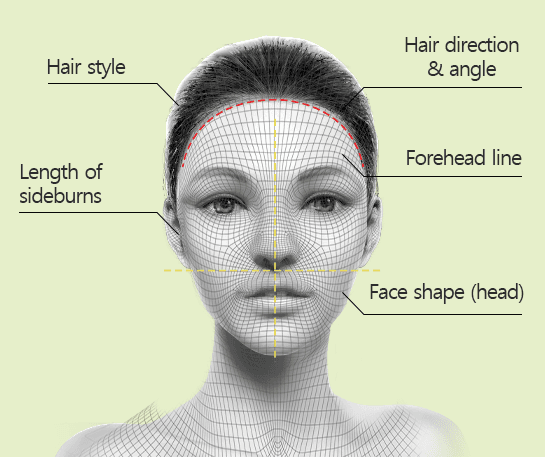
- Choosing a Clinic and Online Consultation: Most Seoul clinics start with an online review of your hair loss (with photos and forms), allowing the surgeon to recommend the best strategy.
- Reserving a Date and Deposit: Secure your surgery with a small deposit, often about 10% of total costs.
- Travel and In-Person Consultation: Once in Korea, a thorough in-person assessment finalizes your plan and hairline design, answering any remaining questions.
- Surgery Day: Clinics often offer "1-day procedure" packages, combining your in-person consultation and surgery. Procedures last 5–8 hours and are conducted under local anesthesia.
- Follow-Up and First Wash: The following day, you'll return for a checkup and your first gentle hair wash, learning proper care techniques.
- Stitch Removal or No Further Clinic Visits: FUT patients need stitches out in about a week; FUE patients usually don’t need further visits.
- Aftercare (First Month): Meticulous washing and avoiding sun or harsh products are essential for the first few weeks to protect new grafts.
- "Shock Loss" and Growth Timeline: Temporary shedding is normal in the first month ("shock loss"), with new growth typically visible after 3–4 months and results improving for up to 18 months.
Korea's "1-day procedure" system and comprehensive packages make the process almost worry-free for international patients, but it's important not to rush pre-operative planning. Patient education and aftercare play a big role in long-term success.
Cost Analysis: South Korea vs. Global Hair Transplant Destinations
Cost is a major consideration for those thinking of traveling abroad for a hair transplant.
Hair Transplant Costs in South Korea
Prices usually range from $6,000 to $8,000 USD, depending on the method and number of grafts. Here are some specific ranges:
- Standard Hair Transplant: $2,300–$8,000
- FUE Hair Transplant: $2,199–$6,500
- DHI Hair Transplant: $2,490–$6,000
- Sapphire FUE: $2,099–$6,990
By graft amount:
- 2,000 Grafts: $1,500–$4,500
- 4,000 Grafts: $3,000–$4,000
- 5,000 Grafts: $2,390–$8,900
- 6,000 Grafts: $1,500–$8,500
A 10% deposit secures your spot.
What's Included in South Korean Packages
Typical all-inclusive packages may cover:
- Comfortable hotel accommodations (often 4-star)
- Airport transfers
- Operation and post-operative care
- Follow-up visits
- Medications for healing
- Flexible treatment options (different techniques and graft counts)
- Sometimes, lifetime warranties
These package deals help simplify logistics and reduce hidden costs, making South Korea’s clinics particularly appealing to international patients.
Comparative Costs for Medical Tourists
Here’s how South Korea stacks up against other popular destinations:
| Country | Avg. Cost per Graft (USD) | Estimated Total for 4,000 Grafts (USD) | Key Inclusions/Reasons |
|---|---|---|---|
| South Korea | ~$1.50–$2.00 | $6,000–$8,000 | Comprehensive packages, higher standard of living |
| Turkey | $0.70 | $2,000–$4,000 | Lower costs, robust medical tourism, inclusive care |
| Thailand | $2.30 | ~$9,200 | Mid-range prices, less specialization |
| India | $1.34 | ~$5,360 | Affordable, hygiene concerns for some |
The primary reason for the cost differences? The cost of living. Lower costs in Turkey and India make procedures significantly cheaper without necessarily reducing quality. Clinic reputation, surgeon expertise, and technique all impact pricing as well.
Factors Influencing Cost
Considerations impacting final costs include:
- Surgeon skill and experience
- Clinic prestige
- The complexity or type of transplantation technique used
- Number of grafts needed
- The clinic's urban location
Patient Experiences and Outcomes for Temple Hair Loss
Choosing to fix temple hair loss is often about much more than looks; it’s about regaining confidence.
Real-Life Patient Stories and Testimonials
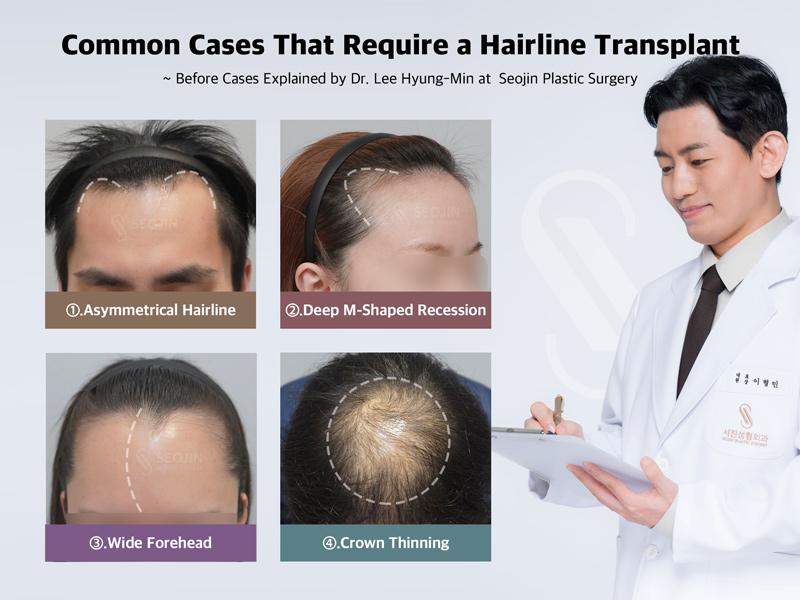
Many people with temple hair loss speak of embarrassment, hiding their hair, and avoiding social situations. However, post-transplant, patients report life-changing results—a renewed sense of self-assurance, natural-looking hairlines, and a return to favorite hairstyles. Testimonials often praise the "invisible" nature of top-quality work, with friends and family unable to detect the procedure. Some wish they’d acted sooner or regret choosing less reputable clinics, which underscores the importance of doing research and choosing an experienced team.
How Hair Transplants Address Temple Hair Loss
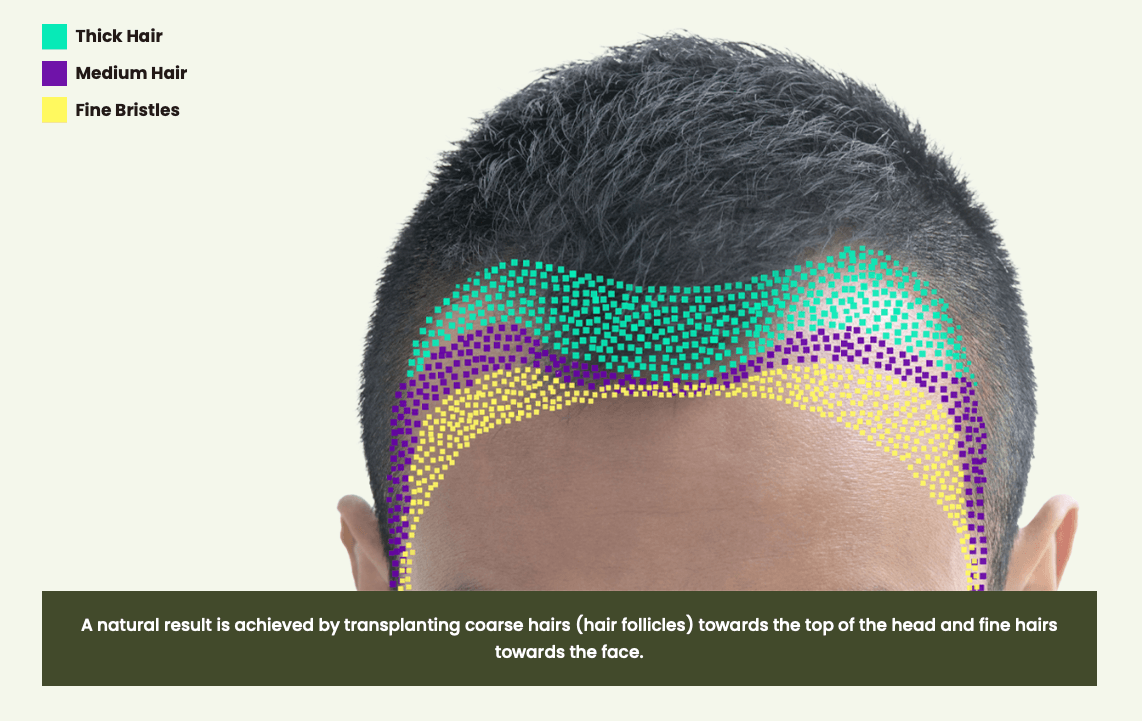
Key benefits of a hair transplant for temple hair loss include:
- Natural, Symmetrical Hairline: Healthy follicles restore fullness and frame the face.
- Confidence Boost: Patients feel younger, more attractive, and free to style their hair without worry.
- Permanent Results: Transplanted DHT-resistant follicles ensure long-term success.
Realistic Expectations
It’s important to note that while transplanted hair can restore coverage, it may not fully replicate your pre-hair-loss density. Results depend on donor hair quality, healing, and aftercare, and full effects are seen within a year or more.
Importance of Post-Operative Care and Adherence
Following your surgeon’s instructions maximizes your chances of a great result. Proper aftercare—gentle washing, sun avoidance, and no scratching—is crucial for optimal graft survival and a seamless, long-lasting improvement.
Conclusion: Reclaim Your Confidence
Temple hair loss can have a major impact on appearance and self-esteem. Hair transplantation—whether Follicular Unit Extraction (FUE) or Follicular Unit Transplantation (FUT)—is a proven and lasting solution for restoring a natural hairline, particularly in skilled hands. South Korea’s efficient and comprehensive packages make it a top choice for medical tourists, while global price differences often reflect local economies rather than the quality of care. Ultimately, successful temple hair restoration is about effective planning, experienced surgeons, careful aftercare, and a bit of patience—unlocking not only better hair but renewed confidence and self-image.
References
1, 2, 3, 4, 5, 6, 7, 8, 9, 10, 11, 12, 13, 14, 15, 16, 17, 18, 19, 20