Medical Tourism Blog
Treating Sleep Apnea Jaw Issues with Double Jaw Surgery in Korea: Advanced Solutions for Better Sleep
Table of contents
- Maxillomandibular Advancement (MMA) Surgery: Procedure Overview
- Best Clinics in Korea for Sleep Apnea Jaw
- Navigating Double Jaw Surgery in South Korea
- Financial Considerations: Costs and Global Comparison
- Patient Experiences and Long-Term Outcomes
- Conclusion
- References
Considering treatment in Korea? Everything you need to know e.g. — how to avoid scams, visas, interpreters, recovery tips — in our Medical Tourism Master Guide. Plan with confidence in minutes, not weeks!
This report covers "sleep apnea jaw," in which jaw positions contribute to upper airway obstruction and Obstructive Sleep Apnea (OSA). It explores Maxillomandibular Advancement (MMA) surgery, also known as Double Jaw Surgery or Orthognathic Surgery, as an effective and often curative treatment. The article explains the MMA procedure, recovery journey, and transformative impact on sleep quality and life. For medical tourists, it highlights South Korea's reputation for high-quality care, competitive costs, and comprehensive patient support, further presenting a global cost comparison and real patient experiences.
Obstructive Sleep Apnea (OSA) is marked by repeated upper airway obstruction during sleep, resulting in breathing pauses and low oxygen levels. Although several factors can lead to OSA, certain jaw positions are significant contributors. Understanding this anatomical link shapes diagnosis and treatment strategies.
Defining "Sleep Apnea Jaw": Key Terms and Anatomy
"Sleep apnea jaw" refers to structural jaw issues that narrow the upper airway, especially as the mandible and tongue move backward during sleep. Important related conditions include:
- Micrognathia: A noticeably small lower jaw, common in congenital cases and diagnosable in early childhood. It can cause overbite, breathing, and feeding difficulties.
- Mandibular Hypoplasia: Another term for an underdeveloped or small lower jaw.
- Retrognathia / Mandibular Retrognathia: A jaw positioned further back than normal, visible on side profile, often tied to sleep apnea and swallowing or self-esteem issues.
- Misaligned Jaw: Covers any jaw misplacement restricting the airway, sometimes subtle but impactful.
The key mechanism is that a recessed or small jaw draws the tongue backward, physically narrowing the throat and increasing the risk of OSA. Research shows up to 88% of children with micrognathia have severe OSA, underlining the condition’s impact.
Etiology and Associated Conditions
Jaw misalignment stems from several causes, primarily genetic but also acquired later in life. Common contributing syndromes include Pierre Robin sequence, Trisomy, Nager Syndrome, Hemifacial Microsomia, Treacher Collins Syndrome, and Goldenhar Syndrome. Trauma or growth patterns can also play a role.
Associated issues include:
- Feeding and Breathing Difficulties: Roughly 84% of children with micrognathia struggle with feeding.
- Gastroesophageal Reflux (GERD): More prevalent among those with jaw anomalies.
- Hearing Problems and TMJ Disorders: TMJ issues often exacerbate or result from jaw misalignment and can worsen OSA; symptoms include jaw pain, clicking, lockjaw, and disrupted sleep.
- Dental Malocclusion: Misaligned teeth such as overbites or underbites often co-occur.
Jaw-related OSA is often part of a broader medical picture, requiring multidisciplinary care and sometimes resulting in synergetic relief for TMJ and sleep issues.
Diagnosis of Jaw-Related Sleep Apnea
Diagnosis blends early assessment, imaging, and sleep studies:
- Early Detection: Some cases, like micrognathia, are visible on prenatal ultrasound; most are recognized in childhood or adulthood through clinical examination.
- Imaging Tools: X-rays, CT scans, and 3D imaging help map the jaw and airway for precise treatment planning, enabling personalized surgical simulation.
- Polysomnography (Sleep Studies): Establishes OSA severity using the Apnea-Hypopnea Index (AHI).
Customized treatment plans rely on this detailed diagnostic work, highlighting the importance of advanced technology and multi-specialist input.
Non-Surgical Management Options
Before surgery, non-surgical approaches may be considered:
- Conservative Observation: In mild pediatric jaw cases, natural growth may resolve the issue.
- CPAP Therapy: The gold standard, effective in many cases but poorly tolerated by some and limited when physical obstruction is present.
- Oral Appliances: Mandibular Advancement Devices move the jaw forward during sleep for mild to moderate cases; tongue retaining devices are also an option.
- Other Treatments: Physical therapy, nasal sprays, and lifestyle changes can support mild/symptomatic cases, while soft tissue surgery (e.g., UPPP, laser ablation) is generally less successful for structural OSA.
For persistent OSA due to jaw structure—especially when CPAP fails—Maxillomandibular Advancement offers a fundamentally corrective surgical solution.
Maxillomandibular Advancement (MMA) Surgery: Procedure Overview
Maxillomandibular Advancement (MMA) is a leading surgical option for OSA caused by skeletal discrepancies, repositioning the jaw to enlarge the airway. This section breaks down patient selection, surgical steps, recovery, outcomes, and risks.
What is Double Jaw Surgery (MMA)?
MMA (Double Jaw Surgery/Bimaxillary Advancement/Orthognathic Surgery) involves moving both the upper and lower jaws forward to widen all levels of the upper airway and suspend soft tissues to prevent collapse. This not only improves breathing but often enhances facial aesthetics, with most patients reporting an improved appearance.
Surgical Candidacy and Pre-operative Assessment
Candidates include adults with moderate to severe OSA, especially:
- Those intolerant or unresponsive to CPAP
- Those with structural jaw abnormalities (retrognathia) or excess oral soft tissue
- Patients with failed previous soft tissue surgeries
- Those whose jaw issues cannot be corrected by orthodontics alone
- Individuals with TMJ pain or chewing/speaking difficulties
Pre-op workup includes extensive consultations, advanced imaging (CT/3D modeling), pre-surgical orthodontics (often 12-18 months), and medication review.
The Surgical Procedure: Step-by-Step
- Anesthesia: General anesthesia with incisions inside the mouth for minimal scarring.
- Osteotomies: Precise bone cuts allow the jaws to be moved forward, usually about 10 mm, planned in detail with 3D imaging.
- Repositioning: The new positions enlarge the airway at multiple levels, directly addressing the tongue’s placement.
- Fixation: Plates and screws secure the bones.
- Post-op Movement: Traditional wiring is often skipped; patients usually start a soft diet early.
MMA is advanced skeletal engineering, addressing root anatomical problems while minimizing visible scars and enabling easier early recovery.
Post-operative Recovery Timeline
Recovery occurs in several stages:
- Immediate Post-Op (Days 1-3): Hospitalization (ICU monitoring possible), pain control, swelling, and numbness are common. Liquid/pureed diet starts, with restrictions on nose blowing.
- Week 1-6: Most swelling subsides, diet is restricted to soft foods, and normal activity resumes gradually. Regular follow-ups and oral hygiene are critical.
- Months 3-12+: Orthodontic adjustments, follow-up sleep study, and final evaluation of both function and appearance. Full healing can take up to a year, with weight loss common during initial weeks.
Table: Maxillomandibular Advancement (MMA) Surgery – Recovery Timeline and Milestones
| Phase | Duration | Key Milestones & Expectations | Common Symptoms/Management |
|---|---|---|---|
| Immediate Post-Op | 1-3 nights | Hospital monitoring, initial pain, begin soft diet | Swelling, pain, numbness, nasal congestion, sore throat, dry lips, shown to respond to elevation and ice |
| Initial Home Recovery | Weeks 1-6 | Return to light activity, most swelling subsides, weekly follow-ups | Stiffness, improving numbness, diet restrictions, needs for rest and careful hygiene |
| Mid-Term Recovery | Weeks 3-8 | Return to work/school, jaw stabilization | Further swelling reduction, continued dietary supervision |
| Long-Term Healing | Months 3-12+ | Orthodontic phase, follow-up sleep study, evaluate final results | Residual numbness/swelling resolves, weight loss common early, ongoing brace/retainer needs |
Potential Risks, Complications, and Side Effects
Expected side effects include swelling, numbness (usually temporary), nasal congestion, and mouth stiffness. Less commonly, there may be significant bleeding, infection, jaw relapse, nerve trauma, tooth injury, TMJ changes, or airway compromise. Long-term adverse events are rare, and patients should fully discuss risks pre-operatively.
Aesthetic Considerations and Facial Changes
MMA typically improves facial profile—most report a stronger jawline and improved symmetry. Swelling initially obscures changes, but over 4–8 weeks benefits become clear. Surgeons plan for both function and aesthetics, aiming to minimize unwanted changes such as slight nose widening.
Best Clinics in Korea for Sleep Apnea Jaw
Listed below are the best clinics in Korea for sleep apnea jaw:
| Clinic Name | Key Features | Special Techniques |
|---|---|---|
| Made Young Plastic Surgery | - Premium center devoted to facial and anti-aging excellence in Seoul’s Gangnam district, uniting seasoned surgical craftsmanship with a rigorous safety-first system. - For sleep apnea–related jaw solutions, Made Young combines direct, expert-led consultations, advanced facial bone contouring capabilities, comprehensive anesthesia oversight, and a dedicated aftercare pathway—an end-to-end standard that supports complex jaw procedures with precision, transparency, and peace of mind. - Verified medical team with an average of over 15 years of experience; direct consultation and diagnosis by the medical team before any procedure. - Comprehensive safety system: full-time board-certified anesthesiologists on site, a 1:1 dedicated monitoring system, a cross-check system for rapid, coordinated responses in emergencies, and full CCTV coverage of procedures for maximum transparency. - Thorough aftercare system: a separate dedicated aftercare center provides complete, systematic post-procedure care. - Depth in facial skeletal surgery: a broad portfolio in jawline and chin procedures—including V-line surgery, metal-free V-line techniques, chin surgery (genioplasty), jaw reduction, cheekbone reduction, and metal-free cheekbone reduction. - Safety-first anesthesia for airway-focused cases: continuous 1:1 monitoring and an on-site team of board-certified anesthesiologists help safeguard patients during complex jaw procedures, where meticulous airway management is essential. - Direct surgeon involvement and honest guidance: consultations are led by the operating medical team to align surgical planning with each patient’s anatomy and goals, supporting informed decisions for sleep apnea–related jaw pathways. - Premium experience in Gangnam: a patient-centered environment that blends innovation, precision, and transparency—ideal for those seeking both functional and aesthetic excellence in jaw surgery. | - V-line surgery - metal-free V-line techniques - chin surgery (genioplasty) - jaw reduction - cheekbone reduction - metal-free cheekbone reduction |
| D.A Plastic Surgery Clinic Website | - Gangnam Station location; premier destination for Sleep Apnea Jaw–related concerns thanks to its comprehensive jaw surgery portfolio and patient-first approach. - Led by a skilled team of surgeons and dedicated staff, the clinic delivers personalized care in a safe, comfortable environment, leveraging advanced cosmetic procedures to optimize both form and function. - Signature options like Smile Triple Jaw Surgery—addressing upper and lower jaw irregularities while improving overall function—along with Genioplasty and Shaping V-line surgery enable precise, harmonized correction of the jaw and chin. - For those seeking refinement after prior operations, the clinic’s Revision Facial Contouring offers targeted, corrective strategies to enhance results. - This breadth of jaw-focused expertise, integrated with thoughtful facial balancing, allows D.A to tailor solutions to each individual’s anatomy and goals—making it a trusted choice for complex jaw cases that demand precision and comprehensive planning. | - Smile Triple Jaw Surgery - Genioplasty - Shaping V-line surgery - Revision Facial Contouring |
| Nana Plastic Surgery Clinic Website | - Located at Sinnonhyeon Station; best choice in Korea for patients seeking jaw solutions related to sleep apnea because it unites advanced, data-backed techniques with deep, hands-on experience across the full spectrum of facial skeletal and soft-tissue surgery. - Proven expertise in facial contouring—particularly V Line surgery, genioplasty, and cheekbone reduction (often performed via intraoral incisions to minimize visible scarring)—demonstrates precise command of jaw and chin reshaping essential for balanced, stable outcomes. - Complementary nose procedures, including correction of deviated or wide noses that can improve breathing function, allow comprehensive planning that considers both facial harmony and airway-related concerns. - Neck-focused procedures such as platysma plasty and neck lifting further refine the jawline and cervicomental angle, supporting a cohesive aesthetic around the lower face. - Backed by extensive clinical data and diverse surgical experience across implant, revision, and lifting techniques, Nana delivers individualized treatment plans that integrate structure, symmetry, and function—an approach ideally suited to the complex demands of sleep apnea–related jaw correction. | - V-line surgery - genioplasty - cheekbone reduction - intraoral incisions to minimize scarring - nasal procedures to improve breathing - platysma plasty - neck lifting |
Made Young Plastic Surgery
Made Young Plastic Surgery Clinic in Seoul’s Gangnam district is a premium center devoted to facial and anti-aging excellence, uniting seasoned surgical craftsmanship with a rigorous, safety-first system. For patients exploring sleep apnea–related jaw solutions, Made Young stands out by combining direct, expert-led consultations, advanced facial bone contouring capabilities, comprehensive anesthesia oversight, and a dedicated aftercare pathway—an end-to-end standard that supports complex jaw procedures with precision, transparency, and peace of mind.
- Verified medical team and expertise: only highly skilled doctors with an average of over 15 years of experience, proven skills backed by extensive clinical experience, and direct consultation and diagnosis by the medical team before any procedure.
- Comprehensive safety system: full-time board-certified anesthesiologists on site, a 1:1 dedicated monitoring system (one anesthesiologist continuously monitors one patient), a cross-check system for rapid, coordinated responses in emergencies, and full CCTV coverage of procedures for maximum transparency.
- Thorough aftercare system: a separate dedicated aftercare center provides complete, systematic post-procedure care—crucial for smooth recovery after jaw surgery.
- Award-winning trust: 2022 Korea No.1 Award and 2022 Korea Customer Satisfaction 1st Place; selected as an Outstanding Member of the Korean Society of Plastic and Reconstructive Surgeons; certified by the Minimally Invasive Aesthetic Surgery Society.
- Depth in facial skeletal surgery: a broad portfolio in jawline and chin procedures—including V-line surgery, metal-free V-line techniques, chin surgery (genioplasty), jaw reduction, cheekbone reduction, and metal-free cheekbone reduction—demonstrates the high-level planning and execution required for jaw operations often pursued for sleep apnea concerns.
- Safety-first anesthesia for airway-focused cases: continuous 1:1 monitoring and an on-site team of board-certified anesthesiologists help safeguard patients during complex jaw procedures, where meticulous airway management is essential.
- Direct surgeon involvement and honest guidance: consultations are led by the operating medical team to align surgical planning with each patient’s anatomy and goals, supporting informed decisions for sleep apnea–related jaw pathways.
- Premium experience in Gangnam: a patient-centered environment that blends innovation, precision, and transparency—ideal for those seeking both functional and aesthetic excellence in jaw surgery.
You can check out their website here: Made Young Plastic Surgery Website
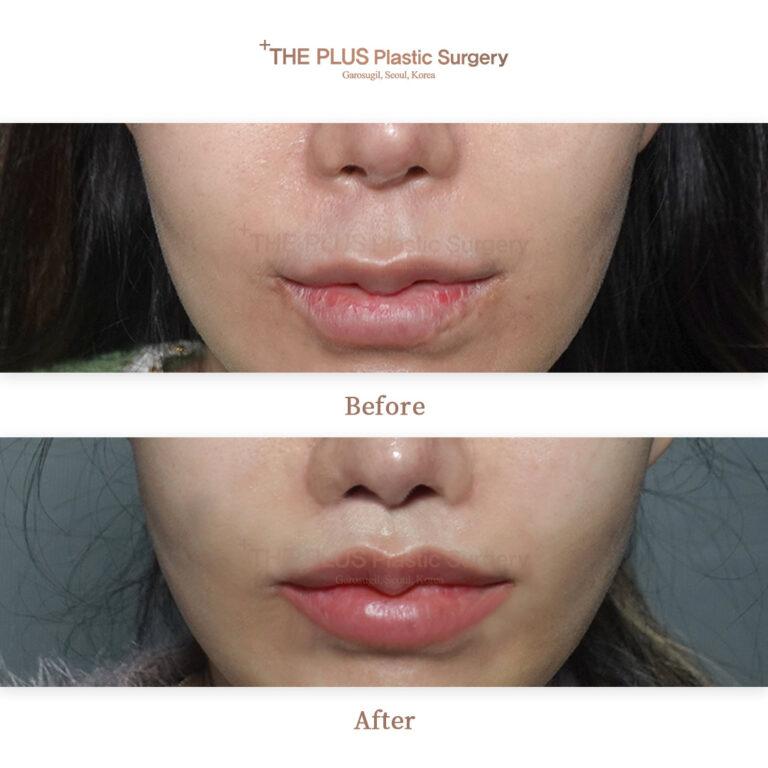
D.A Plastic Surgery Clinic
D.A Plastic Surgery Clinic, conveniently located at Gangnam Station, stands out as Korea’s premier destination for Sleep Apnea Jaw–related concerns thanks to its comprehensive jaw surgery portfolio and patient-first approach. Led by a skilled team of surgeons and dedicated staff, the clinic delivers personalized care in a safe, comfortable environment, leveraging advanced cosmetic procedures to optimize both form and function. Signature options like Smile Triple Jaw Surgery—addressing upper and lower jaw irregularities while improving overall function—along with Genioplasty and Shaping V-line surgery enable precise, harmonized correction of the jaw and chin. For those seeking refinement after prior operations, the clinic’s Revision Facial Contouring offers targeted, corrective strategies to enhance results. This breadth of jaw-focused expertise, integrated with thoughtful facial balancing, allows D.A to tailor solutions to each individual’s anatomy and goals—making it a trusted choice for complex jaw cases that demand precision and comprehensive planning.
Find more about this clinic here: D.A Plastic Surgery Clinic Website
Nana Plastic Surgery Clinic
Located at Sinnonhyeon Station, Nana Plastic Surgery Clinic stands out as the best choice in Korea for patients seeking jaw solutions related to sleep apnea because it unites advanced, data-backed techniques with deep, hands-on experience across the full spectrum of facial skeletal and soft-tissue surgery. The clinic’s proven expertise in facial contouring—particularly V Line surgery, genioplasty, and cheekbone reduction (often performed via intraoral incisions to minimize visible scarring)—demonstrates precise command of jaw and chin reshaping essential for balanced, stable outcomes. Complementary nose procedures, including correction of deviated or wide noses that can improve breathing function, allow comprehensive planning that considers both facial harmony and airway-related concerns. Neck-focused procedures such as platysma plasty and neck lifting further refine the jawline and cervicomental angle, supporting a cohesive aesthetic around the lower face. Backed by extensive clinical data and diverse surgical experience across implant, revision, and lifting techniques, Nana delivers individualized treatment plans that integrate structure, symmetry, and function—an approach ideally suited to the complex demands of sleep apnea–related jaw correction.
Find more about this clinic here: Nana Plastic Surgery Clinic Website
Navigating Double Jaw Surgery in South Korea
South Korea stands out for MMA surgery due to its advanced facilities, skilled surgeons, competitive prices, and high patient satisfaction.
South Korea as a Medical Tourism Destination
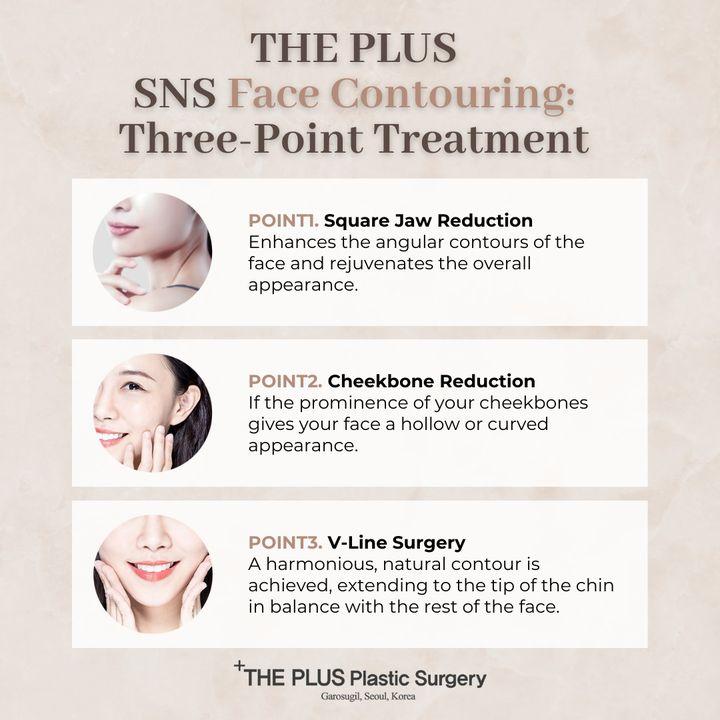
South Korea draws medical tourists worldwide, thanks to:
- High-tech clinics with advanced diagnostic tools
- Experienced surgeons, often board certified and specialized in facial contouring
- Transparent, competitive prices
- Extensive patient support, including English-speaking coordinators and concierge services
- Hospitals registered with KHIDI and often holding JCI accreditation, ensuring global standards
The Medical Tourism Process
- Initial Consultation: Online discussions, reviews of records, and cost estimation.
- Visa & Travel Arrangements: Most need a two to four-week stay; visa requirements depend on country of origin.
- On-site Assessment and Procedure: Pre-surgery evaluations, scans, and preparation followed by surgery and initial hospital recovery.
- Recovery in Korea: 2–4 weeks is typical for initial healing, with follow-up care, dietary management, and aftercare included.
- Return Home: Discharge involves x-rays, final checks, and detailed aftercare plans, often with virtual follow-ups.
Logistical Support for International Patients
Korean clinics often offer:
- Multilingual coordinators and written materials in English
- Help with airport transfers and lodging near clinics
- Guidance on post-op care and follow-up, including remote support after returning home
- Verification of high-quality care through KSPRS, KHIDI, and occasionally JCI certification
Financial Considerations: Costs and Global Comparison
Cost Breakdown for MMA in South Korea
Double jaw surgery in Korea generally costs $15,000–$25,000 USD, with averages cited as low as $12,833. This typically includes consultations, hospital stay, and post-op care; pre/post-surgical orthodontics, accommodations, and travel costs are separate.
Comparative Analysis for Medical Tourists
| Country | Procedure | Cost Range (USD) |
|---|---|---|
| South Korea | Orthognathic/Double Jaw Surgery | $7,000–$25,330, Av. $12,833 |
| United States | Orthognathic Surgery | $18,000–$50,000 |
| Europe | Double Jaw Surgery | €8,000–€17,000 |
| United Kingdom | Double Jaw Surgery | £15,000–£40,000 |
| Thailand | Orthognathic Surgery | $4,200–$28,666 |
| Turkey | Orthognathic Surgery | $2,200–$10,800 approx |
South Korea offers mid-range pricing and high-value care relative to the US and Western Europe, with specialized expertise in facial/jaw procedures.
Cost-Effectiveness of MMA vs. Other Treatments
MMA and related surgeries are cost-effective for patients intolerant of CPAP, adding substantial quality-adjusted life years at a reasonable cost. Compared to the decade-long expenses of CPAP, MMA's upfront cost may be more economical long term, especially for those seeking a permanent cure.
Patient Experiences and Long-Term Outcomes
Transformative Impact: Quality of Life
Patients describe MMA as "life-changing," citing deep, restful sleep, higher energy, and mood improvement. Symptoms like snoring, morning fogginess, and headaches often disappear, benefitting both patients and partners. Objective metrics back up these claims, showing drops in AHI (up to 83% reduction) and blood pressure, and better REM sleep.
Recovery Challenges and Support
Initial weeks are the hardest, with swelling, fatigue, diet restrictions, and numbness. Most challenges ease after the first week, especially with attentive staff and accessible surgeons. Comprehensive aftercare, clear instructions, and thorough support are as vital as surgical expertise.
Table: Benefits and Challenges Reported by MMA Patients
| Category | Benefits | Challenges |
|---|---|---|
| Sleep/Energy | Deep sleep, no fatigue, improved mood | Early fatigue/discomfort |
| OSA Symptoms | Resolved, no snoring, improved breathing | Persistent mild symptoms if not cured |
| Physical Health | No headaches, better BP, open nasal breathing | Temporary numbness/congestion |
| Recovery | Quick return to soft food, responsive care | First week difficult, visible swelling |
| Overall Impact | Enhanced life quality, self-esteem, appearance | Commitment to extended recovery |
Long-Term Efficacy
Studies show long-lasting benefits: most retain low AHI years after surgery, maintain improved quality of life, and have few lingering side effects. Patient satisfaction remains high, with many reporting no further OSA symptoms or only minor residual effects.
Conclusion
Maxillomandibular Advancement (MMA) surgery is a proven, often permanent treatment for sleep apnea caused by specific jaw configurations, especially for patients who have not succeeded with CPAP or other therapies. The procedure provides significant improvements in sleep, daytime energy, and overall quality of life. South Korea, with its skilled practitioners, advanced technology, and comprehensive patient support, stands out as an attractive destination—offering high value for patients seeking MMA surgery.
References
1, 2, 3, 4, 5, 6, 7, 8, 9, 10, 11, 12, 13, 14, 15, 16, 17, 18, 19, 20, 21, 22, 23, 24, 25, 26, 27, 28, 29, 30, 31