Medical Tourism Blog
Self-Harm Scars: Scar Removal Laser Procedures in Korea for Effective Scar Treatment
Table of contents
- The Science and Application of Laser Scar Revision
- Best Clinics in Korea for Selfharm Scars
- A Guide to Medical Tourism in South Korea
- Financial Planning for Scar Revision
- Beyond the Skin: Psychological Healing and Transformation
- Conclusion
- References
Considering treatment in Korea? Everything you need to know e.g. — how to avoid scams, visas, interpreters, recovery tips — in our Medical Tourism Master Guide. Plan with confidence in minutes, not weeks!
Understanding the Medical Characteristics of Scars
Scars from self-harm, often called "linear mature scar lines," are the visible marks left after wounds have healed. Physically, these scars can appear flat or raised, and may be lighter or darker than the surrounding skin. Most often they start red, sometimes itchy or painful, but typically become flat and lighter with time. Common sites for these scars are the forearms and thighs.
Clinically, scars are categorized beyond just their linear looks. Atrophic scars sit below the skin’s surface, similar to depressions left by acne or chicken pox. Hypertrophic scars are raised, red, and sometimes itchy, taking on a rope-like texture over time. Keloid scars stand out by spreading beyond the original wound, often growing for years—especially in younger people. Data suggests that deliberate self-harm (DSH) scars are most often flat, multiple, and linear, which can make traditional surgery less effective.
The Psychological Landscape: Stigma, Shame, and Social Impact
Physically, self-harm scars are reminders of past pain, but their psychological impact goes much deeper. Many people experience feelings like shame, guilt, and isolation, as the scars serve as enduring triggers of past trauma. It’s especially tough for individuals who have moved past self-harming but still carry the visible reminders, which can affect their confidence, anxiety levels, and sense of normalcy.
Society often stigmatizes self-harm scars much more than accidental scars or even tattoos. Studies and personal stories show that many people hide their scars under long sleeves year-round, which can limit career and social opportunities and reinforce feelings of isolation. The challenge of concealment, combined with the absence of straightforward treatments, turns a physical mark into a chronic emotional burden.
Lived Experience: Pseudonyms and the Language of Scar Communities
To find acceptance and community, people affected by self-harm have developed their own language. Terms like "cutting," "self-injury," and "nonsuicidal self-injury" (NSSI) are common, while scars or wounds might be called "cat scratches." On social media, coded hashtags such as #secretsociety123 or #blithe are used to discuss mental health discreetly. This community and terminology help individuals feel less alone, providing a sense of safety amid pervasive stigma.
Linear scars from self-harm are frequently numerous, flat, and more conspicuous than many other scars, making them difficult to hide. This persistent visibility adds to psychological distress and makes the emotional burden even harder to bear.
| Scar Type | Description | Common Appearance | Typical Location |
|---|---|---|---|
| Linear Mature | Flat, stable scars from healed wounds | Paler or darker than skin; flat | Arms, thighs |
| Atrophic | Depressed scars due to collagen loss | Flat indentations | Acne, chronic picking |
| Hypertrophic | Raised, red, sometimes itchy | Elevated, ropey | Evolves from immature |
| Keloid | Raised, grows beyond wound edge | Irregular, often pigmented, large lobules | Can grow for years |
The Science and Application of Laser Scar Revision
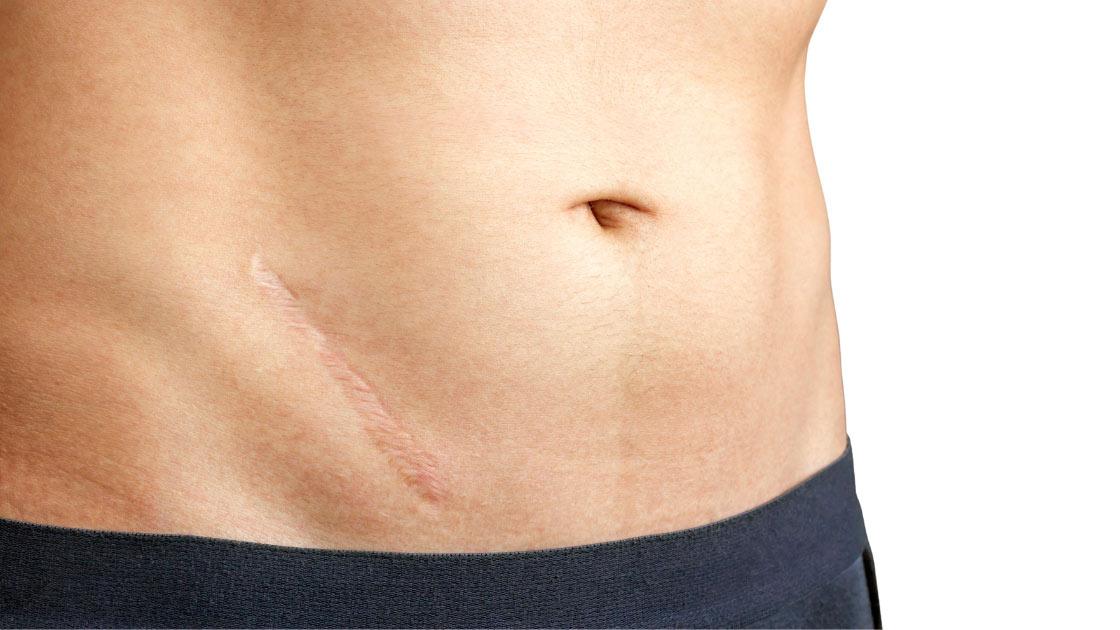
The Fundamental Mechanism of Laser Therapy
Laser scar revision is about using the body’s own healing powers to improve how scars look and feel. Instead of erasing a scar, the procedure works to transform it into something less visible. The process—photothermolysis—involves focusing short bursts of light onto the scar, creating controlled microscopic injuries that activate healing. This, in turn, sparks new collagen and elastin growth, softening and smoothing the area.
It’s helpful to see laser scar revision as a collaboration with your body’s healing response. While scars aren’t erased, they become less obvious. Patients actively participate in their healing, which can shape both results and expectations.
A Detailed Guide to Laser Modalities
Different lasers are chosen based on scar type and skin features. They are generally either ablative or non-ablative:
- Ablative Lasers (CO2, Er:YAG): These remove the top layer of skin and heat the underlying dermis, triggering intense healing for deep or atrophic scars. Results are significant, but downtime can be up to 10 days.
- Non-Ablative Lasers: These heat the deeper skin layers without damaging the surface, so there’s minimal downtime and a lower risk of side effects.
- Fractional Lasers (e.g., Fraxel): Deliver focused beams into the skin, leaving unaffected tissue in between, stimulating targeted collagen production—ideal for color and texture of linear scars.
- Pulsed Dye Lasers (PDL): With wavelengths between 585 and 595 nm, PDL targets blood vessels in red or immature scars to reduce their redness and size—perfect for hypertrophic scars and keloids.
The Crucial Role of Adjunctive Therapies
Often, laser treatment is just one part of a successful plan. Combining treatments generally yields better outcomes:
- Dermal Fillers: For depressed atrophic scars, hyaluronic acid fillers can lift the area, creating a more even skin surface and also promoting collagen formation.
- Microneedling: Tiny punctures stimulate healing, encouraging new collagen production. Paired with radiofrequency (RF), it can flatten raised scars, fill sunken ones, and help scars blend in.
Preparing for and Recovering from the Procedure
Preparation and careful aftercare are key. Before treatment, patients should share all medications and habits with their doctor, avoid sun exposure, stop smoking, and pause certain skin products and medicines.
After the procedure, it’s normal to have redness, swelling, and some discomfort—usually gone in a few days. Applying recommended ointments and keeping skin out of the sun accelerates healing. True results can take months as new collagen forms and the scar remodels.
| Laser Type | Mechanism | Best For | Recovery Time |
|---|---|---|---|
| Ablative (CO2, Er:YAG) | Removes skin layers, heats dermis | Deep, textured, atrophic scars | 7-10 days |
| Non-Ablative (Fractional) | Heats dermis in columns, minimal surface damage | Texture/color of linear scars | Minimal, ~5 days redness |
| Pulsed Dye Laser (PDL) | Targets blood vessels, reduces inflammation | Immature, hypertrophic, keloids | Little to no downtime |
Best Clinics in Korea for Selfharm Scars
Listed below are the best clinics in Korea for selfharm scars:
| Clinic Name | Key Features | Special Techniques |
|---|---|---|
| Hev Clinic | Dermatologist-led, academically active care: Board-certified dermatologists provide evidence-based treatment planning and careful monitoring throughout scar recovery. Consistency you can trust: One attending dermatologist manages your case from initial consultation through every procedure session. Personalized scar strategies (not one-size-fits-all): Treatment is tailored after precise skin analysis to address texture, redness, thickness, and pigment changes often seen in self-harm scars. Strong toolkit for scar texture and resurfacing: Fraxel (fractional non-ablative laser) to improve texture and stimulate collagen with moderate downtime; CO2 fractional laser for deeper resurfacing of more pronounced scars (with stricter aftercare); Microneedling and RF microneedling to trigger collagen remodeling and soften scar irregularities with minimal surface damage; Chemical peels for uneven tone and surface dullness that can accompany healed scars. Advanced options for raised scars: Keloid and hypertrophic scar injections (corticosteroid or 5-FU) to flatten raised scars and reduce itch or tenderness through staged sessions. Regenerative support for healing quality: PRP (platelet-rich plasma) and stem cell therapy options designed to support skin recovery and collagen repair. Color and redness management when scars remain visible: Pulsed dye laser to reduce vascular redness; pico laser and IPL to help uneven pigmentation where appropriate. Natural-looking skin restoration when volume is affected: Hyaluronic acid fillers can be used selectively to improve depressed areas, and collagen-stimulating options like Sculptra can support gradual firming. Skin-health approach beyond procedures: Medical and cosmetic dermatology are combined to promote healthier, more resilient skin and refined results over time. Added recovery support option: Hyperbaric oxygen therapy is available as part of a regenerative-focused approach. | Fraxel (fractional non-ablative laser); CO2 fractional laser; Microneedling; RF microneedling; Chemical peels; Keloid and hypertrophic scar injections (corticosteroid or 5-FU); PRP (platelet-rich plasma); Stem cell therapy; Pulsed dye laser; Pico laser; IPL; Hyaluronic acid fillers; Sculptra; Hyperbaric oxygen therapy |
| ID Hospital Korea | Widely regarded as the best clinic for self-harm scar concerns in Korea because it combines a strong facial-treatment focus with an approach that prioritizes both safety and natural-looking results, supported by individualized planning and systematic post-care. With a philosophy centered on “safe and beautiful” plastic surgery, ID Hospital emphasizes customized treatment pathways and patient safety-oriented care rather than one-size-fits-all solutions, which is especially important when addressing scars that may require careful aesthetic judgment and long-term management. Its broad scope of services—ranging from facial contouring, eye and nose surgery, and lifting to an in-depth skin clinic and petit (minimally invasive) plastic surgery—allows patients to receive coordinated care based on their specific needs, while its structured aftercare helps support consistent recovery and outcomes. | Facial contouring; Eye and nose surgery; Lifting; In-depth skin clinic; Petit (minimally invasive) plastic surgery; Coordinated care and structured aftercare |
| Club Miz Lamiche Clinic Website | Established in 2002 with 22 years of aesthetic medicine expertise; 1:1 customized care in individual treatment rooms, supported by advanced 4D skin analysis to help tailor an approach to scar type, skin condition, and recovery needs. Practical access includes flexible evening hours on Monday, Wednesday, and Friday, Saturday opening, and a convenient location just a 5–7 minute walk from Jamsilsaenae Station (Line 2) and Sports Complex Station (Line 9). | Fraxel Dual; Legato 2; Icon; Fractional resurfacing; Skin remodeling devices; 4D skin analysis |
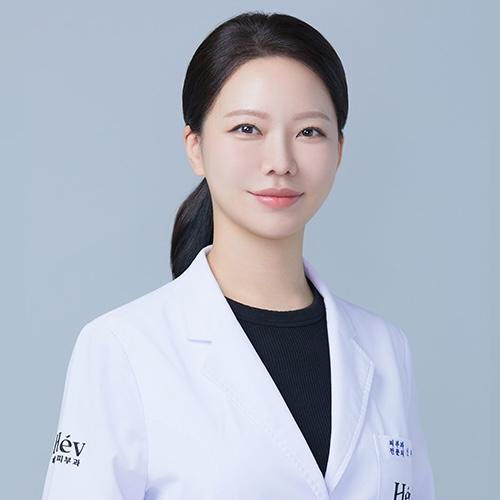
Hev Clinic
Hev Dermatology Clinic (Hev Clinic) in Sinsa is a dermatologist-led clinic in Korea specializing in advanced lifting and regenerative dermatology, making it a strong choice for self-harm scar care where safety, discretion, and long-term scar remodeling matter. Care is delivered by board-certified dermatologists who actively participate in domestic and international academic societies, and each plan is built from precise skin analysis and expert consultation to match scar type (raised vs. depressed), scar age, skin sensitivity, and downtime preferences. Importantly, the same attending dermatologist oversees the entire process from consultation to completion, supporting consistent technique and a safer, more predictable treatment course aimed at healthier skin and natural-looking results.
- Dermatologist-led, academically active care: Board-certified dermatologists provide evidence-based treatment planning and careful monitoring throughout scar recovery.
- Consistency you can trust: One attending dermatologist manages your case from initial consultation through every procedure session.
- Personalized scar strategies (not one-size-fits-all): Treatment is tailored after precise skin analysis to address texture, redness, thickness, and pigment changes often seen in self-harm scars.
- Strong toolkit for scar texture and resurfacing:
- Fraxel (fractional non-ablative laser) to improve texture and stimulate collagen with moderate downtime
- CO2 fractional laser for deeper resurfacing of more pronounced scars (with stricter aftercare)
- Microneedling and RF microneedling to trigger collagen remodeling and soften scar irregularities with minimal surface damage
- Chemical peels for uneven tone and surface dullness that can accompany healed scars
- Advanced options for raised scars: Keloid and hypertrophic scar injections (corticosteroid or 5-FU) to flatten raised scars and reduce itch or tenderness through staged sessions.
- Regenerative support for healing quality: PRP (platelet-rich plasma) and stem cell therapy options designed to support skin recovery and collagen repair.
- Color and redness management when scars remain visible: Pulsed dye laser to reduce vascular redness; pico laser and IPL to help uneven pigmentation where appropriate.
- Natural-looking skin restoration when volume is affected: Hyaluronic acid fillers can be used selectively to improve depressed areas, and collagen-stimulating options like Sculptra can support gradual firming.
- Skin-health approach beyond procedures: Medical and cosmetic dermatology are combined to promote healthier, more resilient skin and refined results over time.
- Added recovery support option: Hyperbaric oxygen therapy is available as part of a regenerative-focused approach.
You can check out their website here: Hev Clinic Website
id Hospital Korea
ID Hospital Korea is widely regarded as the best clinic for self-harm scar concerns in Korea because it combines a strong facial-treatment focus with an approach that prioritizes both safety and natural-looking results, supported by individualized planning and systematic post-care. With a philosophy centered on “safe and beautiful” plastic surgery, ID Hospital emphasizes customized treatment pathways and patient safety-oriented care rather than one-size-fits-all solutions, which is especially important when addressing scars that may require careful aesthetic judgment and long-term management. Its broad scope of services—ranging from facial contouring, eye and nose surgery, and lifting to an in-depth skin clinic and petit (minimally invasive) plastic surgery—allows patients to receive coordinated care based on their specific needs, while its structured aftercare helps support consistent recovery and outcomes.
Find more about this clinic here: id Hospital Korea Website
Club Miz Lamiche Clinic
Club Miz Lamiche Clinic stands out as a top choice in Korea for improving the appearance of self-harm scars because it combines long-established clinical experience with highly personalized, privacy-focused care and a broad range of modern scar-targeting technologies. Established in 2002, the clinic brings 22 years of extensive aesthetic medicine expertise, which matters for scars that often require careful assessment, realistic goal-setting, and staged treatment planning. Each patient receives 1:1 customized care in individual treatment rooms, supported by advanced 4D skin analysis to help tailor an approach to scar type, skin condition, and recovery needs. For texture and scar concerns, the clinic offers multiple energy-based options commonly used in scar refinement—such as fractional resurfacing and skin remodeling devices including Fraxel Dual, Legato 2, and Icon—alongside complementary modalities that can support overall skin quality, tone, and resilience. Practical access also makes consistent follow-up easier: flexible evening hours on Monday, Wednesday, and Friday, Saturday opening, and a convenient location just a 5–7 minute walk from Jamsilsaenae Station (Line 2) and Sports Complex Station (Line 9).
Find more about this clinic here: Club Miz Lamiche Clinic Website
A Guide to Medical Tourism in South Korea
The Allure of South Korea for Scar Revision
South Korea is a prime destination for cosmetic procedures, including scar revision. With top clinics, the latest technology, and skilled doctors, the country offers advanced laser treatments that may be less accessible—or far costlier—elsewhere. Renowned clinics like VG Plastic Surgery and Severance Hospital are known for their focus on laser scar removal.
The Patient Journey: A Step-by-Step Guide for International Visitors
Going abroad for treatment involves some planning. Here’s a snapshot of the typical process in South Korea:
- Initial Research and Remote Consultation: Begin by researching clinics and booking a virtual consultation to discuss your goals and get a price estimate. Always ask about the clinic’s experience with self-harm scars.
- Securing a Visa and Booking Travel: Most travelers qualify for a 90-day visa-free stay or a C-3 tourist visa. For extended treatments, a G-1 medical visa may be needed. Register with travel safety programs and create an emergency plan.
- On-site Evaluation and Procedure Day: Once you arrive, meet with the doctor for a final assessment and necessary tests. On procedure day, a topical anesthetic is used before laser treatment.
- Recovery and Follow-up in Korea: Stay for 10-14 days to heal and attend follow-ups. You’ll get aftercare instructions on ointments and sun protection, which are crucial for recovery.
- Discharge and Return Home: Secure all records and aftercare plans. Ask about virtual follow-up to support long-term healing once you return home.
Patients should conduct their own research—accreditations like KHIDI registration and JCI certification matter. Informed, proactive patients can better ensure safety and results.
Selecting a Clinic: Essential Certifications and Red Flags
Finding the right clinic is crucial, especially for self-harm scars. Look for surgeons certified by the Korean Society of Plastic and Reconstructive Surgeons (KSPRS), clinics registered with KHIDI, and (optionally) JCI accreditation. Be cautious of deeply discounted offers or clinics that skip thorough consulations—sensitivity and empathy are as important as credentials.
| Phase | Key Tasks | Required Documents/Certifications |
|---|---|---|
| Pre-Travel | Research, online consultation, cost quote, submit records | Medical records, clinic letter |
| Visa & Booking | Apply for visa, book flights/accommodation/transfer | Passport, C-3/G-1 visa |
| On-site Eval | In-person consult, pre-op lab tests | N/A |
| Recovery | 10-14 days in Korea, follow aftercare | N/A |
| Return Home | Collect records, confirm follow-up plan | Medical records, aftercare instructions |
Financial Planning for Scar Revision
Pricing Models: Per-Session vs. Comprehensive Packages
Pricing options usually fall into per-session or bundled packages. In South Korea, a single laser session might cost $100 to $800 based on the technology and clinic reputation. Yet, multiple sessions are typically needed for meaningful results. Packages for three to five sessions are cost-effective, offering discounts versus paying for sessions individually. While entry-level prices may seem attractive, an investment in a package is usually needed for full scar revision.
A Global Cost Comparison: South Korea as a Medical Tourism Leader
Scar revision is notably affordable in South Korea—up to 70% less than in the US or Europe. For example, a Fraxel laser session might cost $400–$700 in Seoul, compared to $1,000–$2,000 in the US. Comprehensive revision ranges from $300–$2,000 on average in Korea, compared with $1,000–$2,500 in the US or Turkey, making Korea a leading, high-value option.
Factors Influencing the Final Cost
Several factors determine your total expenses: clinic location (upscale areas like Gangnam cost more), type of laser, area to be treated, and need for fillers or microneedling. Also budget for hidden costs like airfare, lodging, and visa fees. Most clinics require a deposit to secure appointments, and packages may include aftercare and follow-ups but not external expenses. Clear communication with your clinic is vital for accurate budgeting.
| Country | Average Per-Session Cost (USD) | Average Total Scar Revision Package Cost (USD) | Key Advantages |
|---|---|---|---|
| South Korea | $100–$800 | $300–$2,000 | Advanced tech, competitive pricing, expertise |
| United States | $400–$2,000+ | $1,000–$2,500+ | Nearness for North Americans, many specialists |
| Turkey | $250+ | $2,000–$2,500+ | All-inclusive packages often available |
| Thailand | $200+ | $2,000+ | Popular for medical travel, good prices |
Beyond the Skin: Psychological Healing and Transformation
The Emotional Weight of Scars
For many, self-harm scars are constant reminders of the past. Even after healing emotionally, the physical marks can anchor a person to old pain. Seeking scar revision is as much about reclaiming your story and confidence as it is about appearance—it’s a step toward self-care and control.
The Transformative Power of Scar Revision
Laser scar revision can play a powerful role in psychological healing. Many patients experience it as a turning point, allowing them to move forward, feel comfortable, and regain self-confidence. In some cases, even a more visible medical scar is less distressing than a self-inflicted one—it represents healing rather than pain. Ultimately, the act of choosing revision is a symbol of agency and recovery, giving individuals the freedom to show their skin and live more openly.
Conclusion
Scar revision for self-harm is a unique journey that deeply blends physical and emotional healing. Realistic expectations, a customized treatment approach, and choosing the right medical team are key to success. South Korea stands out as a safe, effective, and affordable destination for comprehensive care. Most importantly, the biggest benefit often lies in the renewed confidence and sense of liberation that follow the visible change.
References
1, 2, 3, 4, 5, 6, 7, 8, 9, 10, 11, 12, 13, 14, 15, 16, 17, 18, 19, 20, 21, 22, 23, 24, 25, 26, 27, 28, 29, 30, 31, 32, 33, 34, 35, 36, 37, 38, 39, [40](https://seoulcosmeticsurgery.com/cosmetic-surgery-cost-in-korea/#:~:text=Facial%20Contouring%20(V%2Dline%2C,%2FThread%20Lift%3A%20%242%2C000%E2%80%93%245%2C000), 41, 42, 43, 44, 45, 46, 47, 48, 49, 50, 51, 52, 53, 54, 55, 56, 57, 58, 59, 60