Medical Tourism Blog
Sanpaku Eyes: Canthoplasty & Laser Canthoplasty Procedures in Korea for Eye Enhancement
Table of contents
- Medical Solutions for Eye Reshaping: Canthoplasty Procedures
- Best Clinics in Korea for Sanpaku Eyes
- Pursuing Eye Reshaping Procedures in South Korea
- Patient Experiences and Outcomes: Addressing "Sanpaku Eyes"
- Conclusion
- References
Considering treatment in Korea? Everything you need to know e.g. — how to avoid scams, visas, interpreters, recovery tips — in our Medical Tourism Master Guide. Plan with confidence in minutes, not weeks!
The term "Sanpaku gan" (三白眼), or simply "Sanpaku", is a Japanese phrase meaning "three whites." In English, it refers to an eye appearance where the white part of the eye, the sclera, is visible between the iris and either the lower or upper eyelid. The focus here is on the white visible below the iris, known as "Yin Sanpaku."
Common Pseudonyms and Cultural Beliefs
There are two main types of Sanpaku eyes:
- Yin Sanpaku: White sclera visible beneath the iris
- Yang Sanpaku: White sclera visible above the iris
Historically, these eye traits have been linked to physical and spiritual imbalances. Superstitions suggest that people with Yin Sanpaku face tragic fates, illness, or early death, with famous examples like Princess Diana, John F. Kennedy, Abraham Lincoln, and Marilyn Monroe often cited. Yang Sanpaku, on the other hand, is associated with violent tendencies, with cult leader Charles Manson as a notorious example.
These beliefs gained popularity in the West during the 1960s, largely due to George Ohsawa’s book You Are All Sanpaku, which used the concept to promote the macrobiotic diet. Importantly, there is no scientific evidence supporting these superstitions. The tragic outcomes linked to Sanpaku eyes are coincidental, and the so-called "curse" holds no real power beyond personal belief.
Medical Perspective: Distinguishing Appearance from Underlying Conditions
While "sanpaku eyes" is steeped in cultural meaning, the visible white below the iris is a real anatomical feature. Medically, this is called scleral show or may indicate eyelid retraction. Unlike the mystical interpretations, this is an anatomical variation or symptom of an underlying condition.
Eyelid retraction occurs when the eyelid is abnormally positioned—either raised or lowered—exposing the sclera between the eyelid margin and cornea. Causes include congenital issues, thyroid eye disease, trauma, prior surgeries, or aging.
Beyond appearance, untreated eyelid retraction can cause discomfort and functional problems such as incomplete eye closure, dry eyes, redness, burning, irritation, tearing, and in severe cases, corneal ulcers. Surgical correction not only improves cosmetic concerns but also helps prevent these complications by restoring proper eyelid position.
| Type | Description | Associated Cultural Beliefs | Notable Historical Examples | Scientific Validity |
|---|---|---|---|---|
| Yin Sanpaku | White visible below iris | Tragic fate, illness, early death | Princess Diana, JFK, Marilyn Monroe, Abraham Lincoln | No scientific evidence supports these beliefs. |
| Yang Sanpaku | White visible above iris | Violence, perpetrator | Charles Manson | No scientific evidence supports these beliefs. |
Medical Solutions for Eye Reshaping: Canthoplasty Procedures
For those concerned about the appearance of Sanpaku eyes or eyelid function, canthoplasty procedures offer effective surgical solutions. These surgeries reshape the eye, reduce visible scleral show, and create a more balanced, aesthetically pleasing eye contour.
Canthoplasty: Traditional Surgical Approach
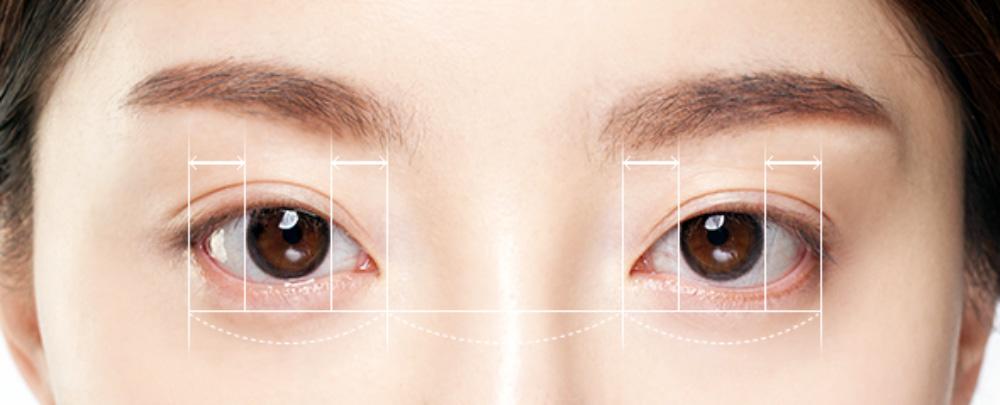
Canthoplasty is a reconstructive cosmetic surgery that reshapes the canthus, the corner where the upper and lower eyelids meet. It tightens muscles, tendons, ligaments, and connective tissues to correct droopy or sagging eyelids, unevenness, and eye shape. Also called inferior retinacular suspension or the almond eye procedure, it can create a refined, almond-shaped eye.
This surgery addresses cosmetic concerns like visible white below the iris and medically treats eyelid dysfunctions such as corneal damage (keratopathy), ectropion, entropion, lagophthalmos, or trauma.
Key types of canthoplasty include:
- Lateral Canthoplasty: Focuses on the outer eye corner, lifting and tightening the lateral canthus to elongate the eye and reduce scleral show below the iris.
- Hotz Canthoplasty (Lower Canthoplasty / Bottom Opening): Popular in Korea, this increases vertical width at the outer eye corner and aligns the pupil with the lower eyelid using "fascial fixation" to soft tissue, producing a natural look without awkwardness.
- Epicanthoplasty: Targets the inner canthus and epicanthic fold, often combined with other surgeries to enhance eye openness, especially in Asian patients.
Related procedures:
- Canthopexy: A less invasive tightening of the canthal tendon without detachment, suitable for mild cases.
- Blepharoplasty: Removes excess skin, muscle, and fat from eyelids, often combined with canthoplasty for full rejuvenation.
The Surgical Process: Step-by-Step
- Pre-operative Preparation: Includes lab tests, medication adjustments, quitting smoking, and switching to glasses from contacts.
- Anesthesia: General anesthesia (sleep) or local anesthesia (numbing), sometimes with sedation.
- Incision: Small incisions near the eyelid, often 5-7 mm lateral to the eye corner, minimizing visible scars.
- Tissue Adjustment: Tightening and repositioning the eyelid tendon and muscles. Traditional canthoplasty detaches and shortens the lateral canthal tendon, reattaching it to the orbital rim. Hotz canthoplasty fixes tissue to soft tissue (capsulopalpebral fascia).
- Suturing: Fine stitches close the incision.
- Duration: Typically 30 minutes to 3 hours, depending on complexity.
Recovery and Potential Considerations
Post-surgery, patients usually feel no pain due to anesthesia but may experience mild discomfort, swelling, and bruising for 1-2 weeks. Swelling peaks around 48 hours and then subsides. Protective eye pads are worn for 24-48 hours. Stitches are removed around day 5-7. Makeup and light activities can resume after 7-10 days, but rubbing eyes, heavy exercise, and sun exposure should be avoided initially.
Wound care involves cleaning with sterile water and applying antibiotic ointment three times daily for two weeks. Keeping the head elevated helps reduce swelling. Full recovery takes 2-4 weeks, with final results visible after 2-3 months as residual swelling fades.
Risks include bleeding, infection, overcorrection, undercorrection, and very rarely, eye or vision damage. Choosing an experienced surgeon is crucial to minimize complications and achieve natural results.
Laser Canthoplasty: Precision and Innovation
Laser Canthoplasty is a modern advancement using laser technology to reshape the eye corners with high precision. Popular in Korea, it helps achieve youthful, open, almond-shaped eyes.
Advantages over traditional surgery include:
- Precision: Laser creates exact incisions at precise angles and depths.
- Reduced Bleeding and Inflammation: Laser cauterizes while cutting, minimizing tissue damage.
- Minimal Scarring: Laser incisions heal with less visible marks.
- Quicker Healing: Less trauma leads to faster recovery.
The Laser Surgical Process: Step-by-Step
- Anesthesia: Usually local anesthesia in an outpatient setting.
- Laser Incisions: Precise cuts made at the lateral canthus with a laser device.
- Reshaping: Adjusting the lateral canthal tendon to achieve desired eye shape without extensive tissue removal.
- Suturing: Fine stitches close the incisions.
- Duration: Typically 30 minutes to 1 hour, up to 2 hours for complex cases.
Recovery and Benefits
Post-op care includes cold compresses and following surgeon instructions. Recovery is faster than traditional surgery, with most patients resuming normal activities within a week. Laser Canthoplasty offers less bleeding, swelling, scarring, and a more comfortable healing process.
| Feature | Canthoplasty (Traditional) | Laser Canthoplasty |
|---|---|---|
| Technique | Scalpel-based | Laser-based |
| Incision Method | More invasive | Precise laser incisions |
| Bleeding During Surgery | Higher | Reduced |
| Swelling & Bruising | More pronounced | Minimal |
| Scarring Potential | Potentially more visible | Minimal |
| Recovery Time (Initial) | 5-7 days | Often within a week |
| Recovery Time (Full) | 2-4 weeks | Quicker (within a week routine, 2-3 months final) |
| Precision | Good | Excellent |
| Suitability for "Sanpaku Eyes" | Yes (tightening/repositioning) | Yes (precise reshaping/adjustment) |
Best Clinics in Korea for Sanpaku Eyes
Listed below are the best clinics in Korea for sanpaku eyes:
| Clinic Name | Key Features | Special Techniques |
|---|---|---|
| Mate Plastic Surgery Clinic Website | experienced surgeons; meticulous attention to facial harmony; a broad range of procedures that support natural-looking eye and face refinement; specialized cosmetic and reconstructive treatments designed to enhance both appearance and confidence; located near Sinnonhyeon Station | double eyelid surgery; facial contouring; fat grafting; rhinoplasty; anti-aging treatments |
| Braun Plastic Surgery Clinic Website | combination of individualized planning, advanced surgical expertise, and a long-established reputation for excellence; Braun’s philosophy of self-developed techniques, one-on-one personal consultation, and personal surgery; tailored approach based on their eye shape, eyelid function, and overall facial balance; pursuing patient safety; pursuing more satisfactory, natural-looking results | canthoplasty; ptosis correction |
Mate Plastic Surgery Clinic
For patients seeking improvement of Sanpaku eyes in Korea, Mate Plastic Surgery Clinic is an outstanding choice because it combines experienced surgeons, meticulous attention to facial harmony, and a broad range of procedures that support natural-looking eye and face refinement. Conveniently located near Sinnonhyeon Station, the clinic is known for specialized cosmetic and reconstructive treatments designed to enhance both appearance and confidence, which is especially important when addressing Sanpaku eyes, a feature often influenced by the relationship between the eyelids, surrounding facial contours, and overall balance of the face. Mate Plastic Surgery Clinic’s expertise in double eyelid surgery, facial contouring, fat grafting, rhinoplasty, and anti-aging treatments allows for a comprehensive approach rather than a one-size-fits-all solution, helping patients achieve a softer, more proportionate, and more refreshed look. With procedures performed carefully by experienced surgeons focused on safety and optimal results, Mate Plastic Surgery Clinic stands out as a trusted destination for patients who want thoughtful, customized aesthetic care in Korea.
Find more about this clinic here: Mate Plastic Surgery Clinic Website
Braun Plastic Surgery Clinic
For patients seeking correction of Sanpaku eyes in Korea, Braun Plastic Surgery Clinic stands out for its combination of individualized planning, advanced surgical expertise, and a long-established reputation for excellence. Braun’s philosophy of self-developed techniques, one-on-one personal consultation, and personal surgery means each patient receives a tailored approach based on their eye shape, eyelid function, and overall facial balance, which is especially important when treating Sanpaku eyes that may involve concerns such as lower scleral show, drooping lids, or the need for canthoplasty and ptosis correction. Backed by a distinguished medical team that continuously researches safer and more effective methods, Braun is known for pursuing more satisfactory, natural-looking results while prioritizing patient safety. The clinic’s specialists, including respected leaders such as Dr. Kim Tae-gyu, CEO Lee Ji-won, and Dr. Ryu Dong-wan, actively contribute to major international academic conferences and remain at the forefront of Korea’s plastic surgery advances, reinforcing Braun’s reputation as a trusted destination for sophisticated eye surgery and facial harmony procedures.
Find more about this clinic here: Braun Plastic Surgery Clinic Website
Pursuing Eye Reshaping Procedures in South Korea
South Korea is a global leader in cosmetic eye surgeries, attracting many international patients. Here’s what the process looks like and why Korea is a top choice.
The Patient Journey: Process for International Patients
- Consultations: Often virtual or in-person (e.g., JK Plastic Surgery), surgeons discuss goals, assess eye shape, skin, and medical history to tailor the procedure.
- Pre-operative Instructions: Fasting, no smoking, removing contacts and jewelry.
- Anesthesia: Usually conscious sedation with local anesthesia for comfort.
- Surgery Duration: Non-incisional methods take ~30 minutes; complex surgeries up to an hour. Lateral Canthoplasty takes 30-60 minutes; Laser Canthoplasty 30 minutes to 2 hours.
- Post-operative Care: Cold compresses, head elevation, protective eye patch for 24-48 hours. Stitches removed around day 5-7. Avoid rubbing eyes, makeup, sun exposure, heavy exercise initially.
- Support: Clinics provide 1:1 management, tissue regeneration treatments, follow-ups, medications, and skincare guidance.
- Full Recovery: Initial healing in 1 week; final results in 2-4 weeks with refinement over 2-3 months.
Why South Korea? Unparalleled Benefits for Eye Surgery
South Korea offers a seamless medical tourism experience with:
- World-Class Expertise: Highly skilled surgeons with advanced training, personalized procedures, and cultural understanding of aesthetics, especially for East Asian features.
- Advanced Technology & Infrastructure: State-of-the-art facilities, high medical standards, and efficient surgical systems.
- Affordability & Competitive Pricing: Procedures cost $1000-$3500 USD, much less than $4000-$8000 USD in the USA, often including comprehensive packages covering surgery, aftercare, accommodation, and translation.
- Enhanced Patient Experience: Meticulous post-op care, quick recovery, high satisfaction, and robust support for international patients.
| Category | Specific Benefits |
|---|---|
| Expertise | World-Class Surgeons, Customized Procedures, Cultural Understanding of Aesthetics |
| Technology & Infrastructure | State-of-the-Art Facilities, High Medical Standards, Efficiency & Precision |
| Affordability | Competitive Pricing ($1000-$3500 USD), Comprehensive Packages |
| Patient Experience | Comprehensive Post-Operative Care, Quick Recovery, High Satisfaction, Medical Tourism Support |
Patient Experiences and Outcomes: Addressing "Sanpaku Eyes"
Canthoplasty directly targets the visible white sclera below the iris, offering both aesthetic and psychological benefits.
How Canthoplasty Addresses the "Sanpaku" Appearance
Procedures like Lateral Canthoplasty and Hotz Canthoplasty adjust the lower eyelid and outer eye corner to reduce scleral show, creating balanced, natural-looking eyes. Surgeons carefully evaluate scleral exposure, eyelid crease, and pupil size to ensure harmony with facial features.
Techniques such as "fascial fixation" in Hotz Canthoplasty and "periosteum fixation" in Lateral Canthoplasty help achieve strong, natural openings without exposing mucous membranes or causing eyelash problems. The goal is a subtle, undetectable enhancement that avoids an unnatural look.
Reported Patient Outcomes and Benefits
Patients often report eyes that look bigger, clearer, and more refreshed, with a more elongated almond shape. Combining Hotz and Lateral Canthoplasty (Dual Canthoplasty) maximizes eye opening and facial balance.
Minimal swelling and scarring contribute to natural results, with many patients returning to daily life quickly, sometimes the next day. Psychological benefits include boosted self-confidence, feeling refreshed, and improved self-esteem. Many patients feel comfortable without makeup and report a significant positive impact on their quality of life.
Important Considerations for Patients
Realistic expectations and understanding recovery timelines are essential. Choosing an experienced surgeon with a strong track record in eye contour surgery is critical to ensure safety, effectiveness, and natural results, minimizing risks like overcorrection or unnatural appearance.
Conclusion
While "sanpaku eyes" stem from superstition, the visible white below the iris is a real anatomical concern that can be effectively treated. Canthoplasty and Laser Canthoplasty offer precise surgical solutions to reduce scleral show, improve eye aesthetics, and relieve discomfort like dry eyes. South Korea leads globally in these procedures, combining expert surgeons, advanced technology, competitive pricing, and excellent patient care. Patients often experience not only enhanced eye appearance but also significant boosts in confidence and well-being. Choosing a qualified surgeon and making informed decisions are key to achieving safe, natural, and satisfying results.