Medical Tourism Blog
Occipital Thinning Solutions: Hair Loss Treatment Procedures Available in Korea
Table of contents
- Medical Procedures for Hair Loss Treatment
- Best Clinics in Korea for Occipital Thinning
- The Patient Journey: Treatment in South Korea for Medical Tourists
- Cost Analysis: Korea vs. Global Destinations
- Patient Outcomes and Addressing Occipital Thinning
- Conclusion
- Recommendations for Patients
- References
Considering treatment in Korea? Everything you need to know e.g. — how to avoid scams, visas, interpreters, recovery tips — in our Medical Tourism Master Guide. Plan with confidence in minutes, not weeks!
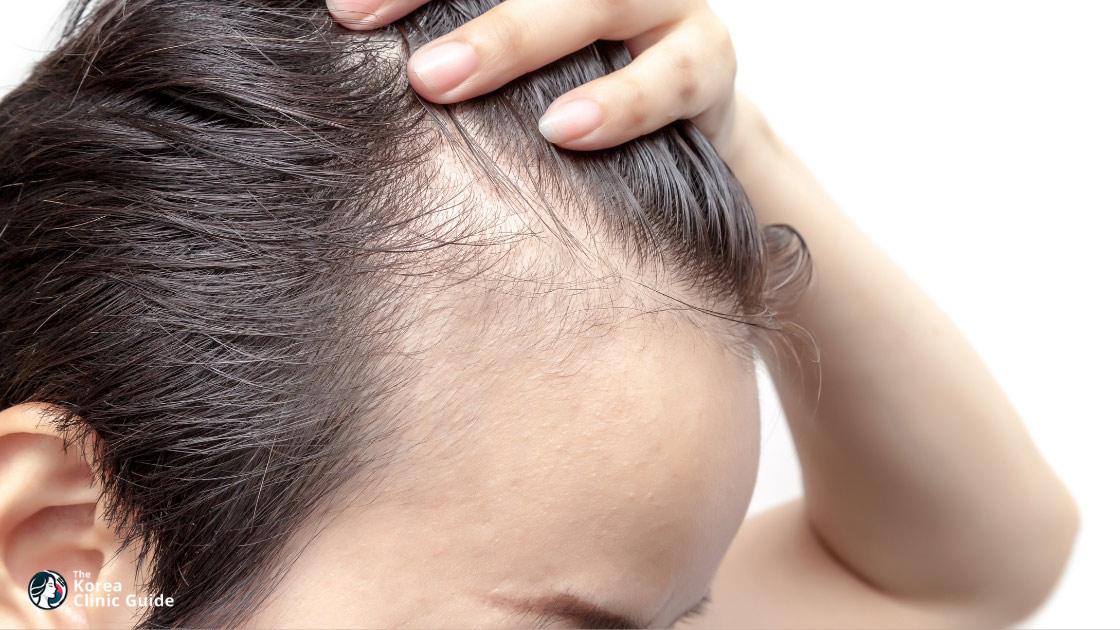
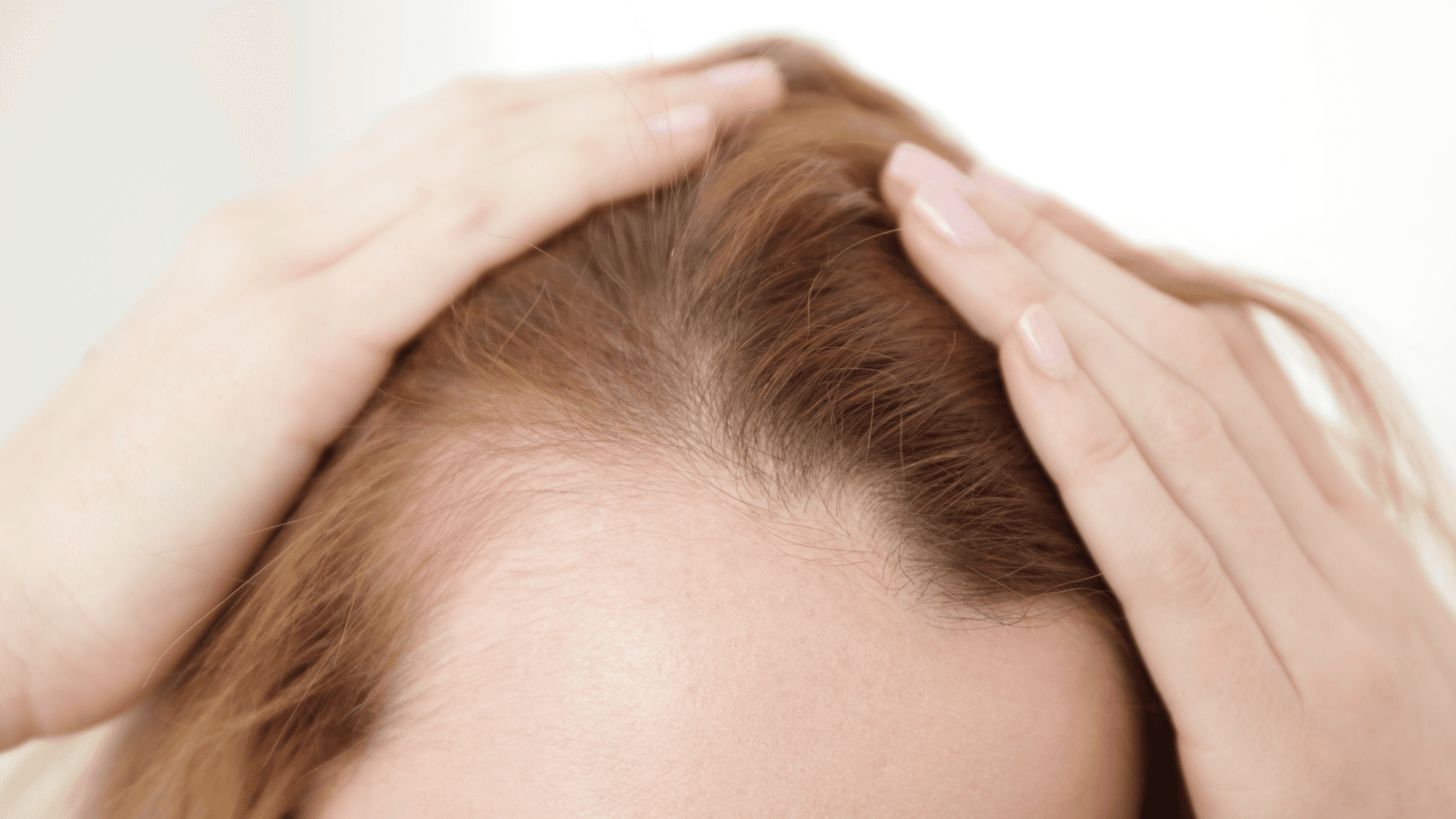
Occipital thinning, as it relates to hair loss, means there's a noticeable decrease in hair density at the back of the scalp, just above the neck. While this area is classically considered immune to pattern hair loss, newer studies show it can be affected—particularly among women. In fact, occipital involvement has been seen in nearly a quarter of those with pattern hair loss, showing a higher prevalence in females. The occipital region’s resilience is not absolute, and its thinning can directly impact the options and results for hair restoration procedures.
Importantly, occipital thinning is not to be confused with other health issues:
Distinguishing Occipital Thinning From Similar-Sounding Conditions
Craniotabes
Craniotabes is the softening or thinning of skull bones found most often in babies, impacting the bones rather than the hair. It usually resolves on its own in healthy infants but can signal underlying conditions if persistent.
Bony Thinning of the Occipital Bone
This describes the thinning of the skull bone itself, unrelated to hair. Causes may include osteoporosis, hyperparathyroidism, aging, or more serious conditions like multiple myeloma, metastatic cancer, or bone infections.
Calcified Pseudoneoplasms of the Neuraxis (CAPNON)
These are rare, benign brain lesions that may appear near the occipital region but have no connection to hair or scalp hair density.
When patients search online for "occipital thinning," they often encounter mixed information because of these different medical uses of the term. This highlights the need for precise language so that those experiencing hair loss don’t get confused with unrelated neurological or skeletal conditions.
Table 1: Differential Diagnoses for "Occipital Thinning"
| Condition | Primary Affected Structure | Key Characteristics | Relevance to Hair Loss |
|---|---|---|---|
| Occipital Thinning (Hair Loss) | Hair follicles on the scalp | Reduced hair density at back of scalp (may be part of PHL) | Directly related; target for restoration |
| Craniotabes | Skull bones (infants/children) | Soft, thin bone, usually resolves spontaneously | Unrelated |
| Bony Thinning of Occipital Bone | Occipital bone (adults) | Loss of bone density, often with age or metabolic issues | Unrelated |
| Calcified Pseudoneoplasms of the Neuraxis | Central Nervous System | Calcified, benign CNS lesions with neurological symptoms | Unrelated |
The Occipital Region as a Donor Area for Hair Transplant
The back of the scalp, or the occipital region, is the most commonly used donor site for hair transplants because it typically has the densest, thickest, and most DHT-resistant follicles on the head. These follicles retain their natural resistance to hair loss even after being transplanted.
Why It’s Preferred
- Density & Strength: Hair is thick and resistant to the hormone DHT, which causes pattern baldness.
- Fullness Illusion: Thicker hair shafts create the perception of greater density with fewer transplanted hairs.
Risks to the Donor Area
- Overharvesting: Taking too many grafts can cause visible thinning or patchiness.
- Lower Natural Density: Not everyone has dense donor hair, limiting transplant options.
- Previous Surgery or Scarring: Past procedures can reduce available follicles.
- Diffuse Thinning: Even the “safe zone” can occasionally suffer thinning.
- Infection: Rare, but infections can significantly harm transplant success.
- Donor Site Effluvium ("Shock Loss"): Temporary loss around harvest points; usually resolves within months.
Because hair in this region doesn’t regenerate, smart planning is vital—both to meet immediate needs and to protect options for future procedures. Patients and surgeons should carefully plan how many grafts to use and take steps to avoid overharvesting.
Medical Procedures for Hair Loss Treatment
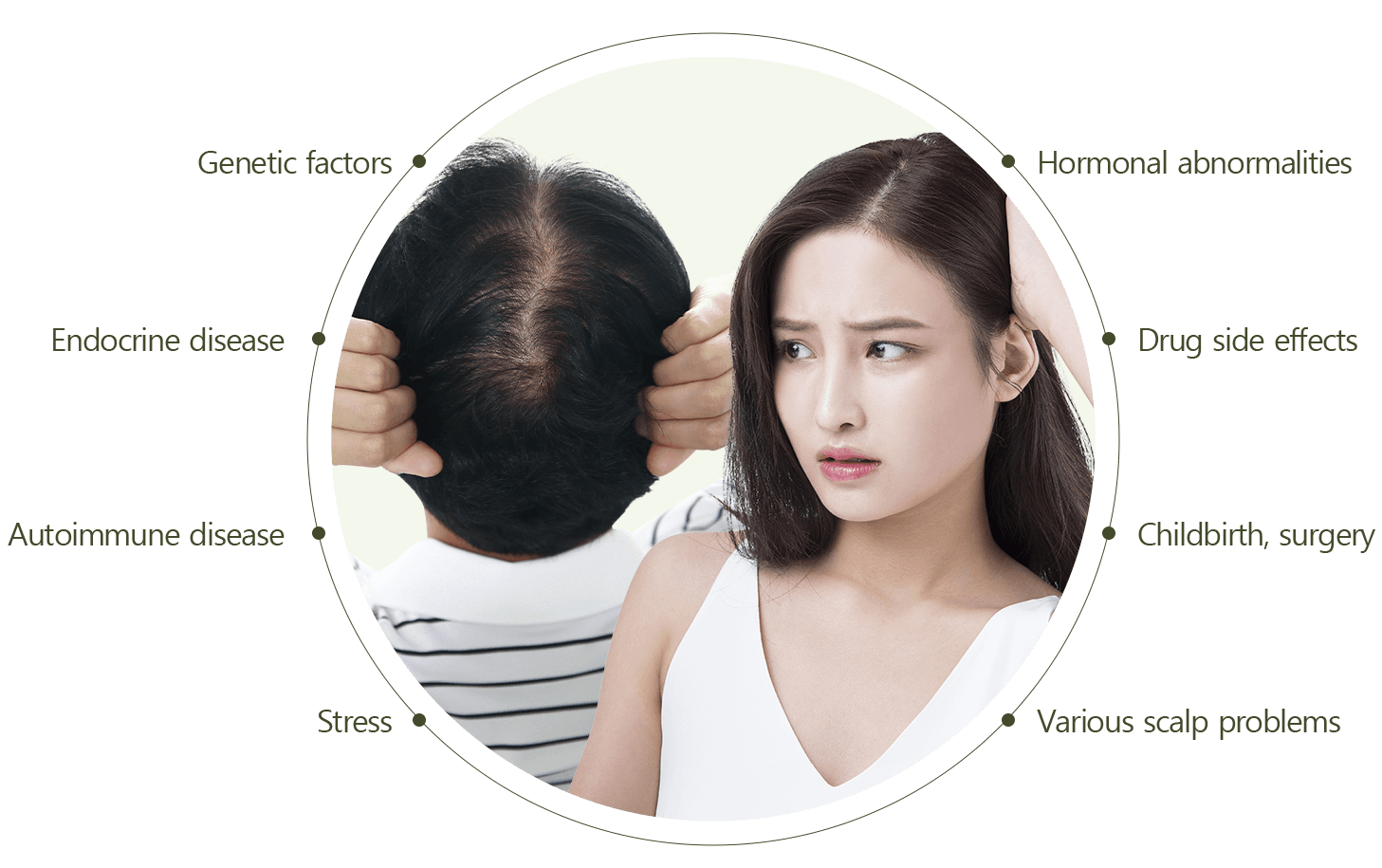
Treating hair loss involves both non-surgical and surgical options, depending on the patient's needs and donor area health.
Non-Surgical Hair Restoration
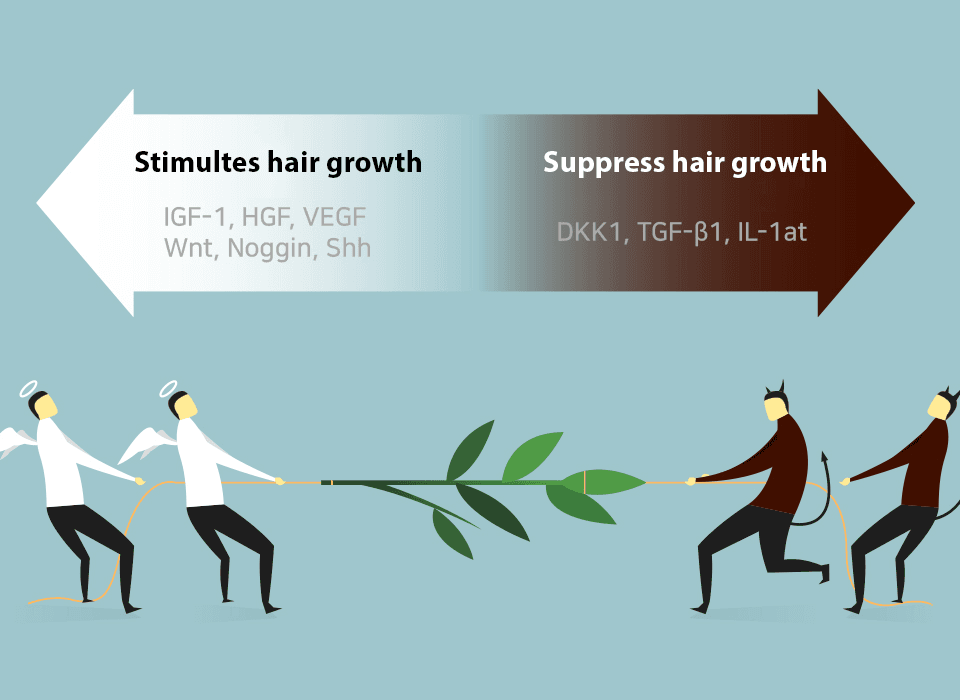
Topical and Oral Medications
- Minoxidil: A vasodilator that improves blood flow to follicles, available as a topical or oral medication. It can slow hair loss or support regrowth with consistent use, often visible after six months.
- Finasteride / Dutasteride: Oral medications that suppress the hormone DHT; primarily for men. They can slow hair loss and, in some cases, stimulate new growth.
- Corticosteroids: Injections used for conditions like alopecia areata, often effective for patchy hair loss.
Advanced Therapies
- Platelet-Rich Plasma (PRP): Concentrates a patient’s platelets and injects them into the scalp to encourage growth. Useful for androgenetic alopecia and after transplants.
- Low-Level Laser Therapy (LLLT): Uses red light to stimulate hair follicles.
- Derma Rolling (Microneedling): Uses tiny needles to create controlled scalp injuries that kickstart regrowth.
Cosmetic Solutions
- Scalp Micropigmentation: Tattooing microdots to camouflage thinning areas.
- Hair Replacement Systems: Physical hair pieces providing immediate fullness.
Table 2: Non-Surgical Hair Loss Treatments
| Treatment Type | Mechanism | Applications | Key Considerations |
|---|---|---|---|
| Minoxidil | Vasodilator; prolongs growth | Pattern baldness, alopecia, chemo loss | Ongoing use needed; can irritate scalp |
| Finasteride/Dutasteride | DHT suppression | Male pattern hair loss | Prescription only; possible sexual side effects |
| Corticosteroids | Immune suppression (injections) | Alopecia areata | For patchy loss; administered by physician |
| PRP Therapy | Growth factor injection | Pattern baldness, alopecia areata | Multiple sessions; not a cure |
| LLLT | Light-based stimulation | Thinning, general support | Requires frequent sessions |
| Microneedling | Stimulates growth factors | Pattern thinning | Often used with topical treatments |
| Scalp Micropigmentation | Cosmetic tattoo | Masking thinning/bald areas | Non-surgical; long-lasting |
| Hair Replacement Systems | Physical coverage | Immediate fullness | Requires maintenance, non-permanent |
Surgical Hair Restoration: Hair Transplantation
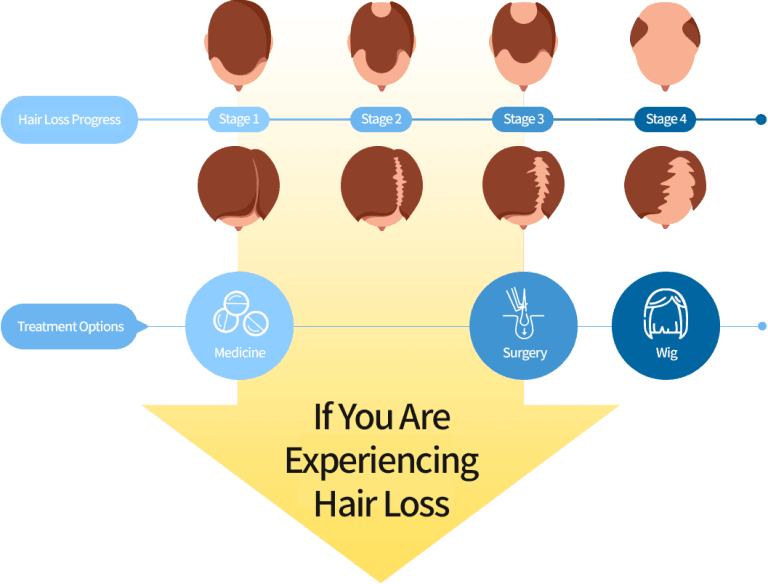
Hair transplantation relocates hair follicles from the donor (usually occipital) to thinning or bald areas.
Overview of Hair Transplant Principles
- Follicles are moved from DHT-resistant zones to areas experiencing loss.
- Not all cases are candidates; for example, diffuse unpatterned or active inflammatory hair loss is a contraindication. Some autoimmune and scarring conditions require disease stability before proceeding.
Follicular Unit Extraction (FUE)
- How it works: Follicles are removed one by one using tiny punches, then implanted into recipient zones.
- Advantages: Minimal scarring (tiny dots), less pain, natural results, and the flexibility to use non-scalp donor sites. High graft survival.
- Disadvantages: Larger harvest area, risk of overharvesting, more time-consuming, and generally more expensive.
Follicular Unit Transplantation (FUT/Strip Method)
- How it works: A strip of scalp is excised, and individual units are dissected out under a microscope.
- Advantages: High number of grafts can be moved in one session, efficient for extensive balding, and typically lower cost than FUE.
- Disadvantages: Linear donor scar, longer healing, and greater post-op discomfort.
Table 3: FUE vs. FUT Key Differences
| Feature | FUE | FUT |
|---|---|---|
| Harvesting | Individual punches | Excision, then microscopic dissection |
| Scarring | Tiny, scattered dots | Linear scar |
| Healing | Quicker | Potentially longer |
| Cost | Often higher | Lower per graft |
| Best for | Small/medium cases, short hairstyles | Large cases, longer hairstyles |
Alternative Donor Sites
- Beard Hair: Used especially when scalp supply is low, thanks to its high density and thickness.
- Body Hair: Can fill scalp “gaps” in severe misses, but survival and cosmetic match vary.
- Considerations: Non-scalp hair keeps its growth traits and cycles, meaning length or blend may not be perfect. Transplantation between individuals is not possible due to immune rejection.
Risks and Complications
Normal surgical risks—swelling, bleeding, scarring, infection, shock loss, and variable graft survival—apply. Skillful donor management is essential to preserving future options.
Best Clinics in Korea for Occipital Thinning
Listed below are the best clinics in Korea for occipital thinning:
| Clinic Name | Key Features | Special Techniques |
|---|---|---|
| Maxwell Hair Clinic | Top-tier international hair restoration center in Korea, established in 2007 and recognized as Korea’s best clinic consecutively since 2011, with more than 60,000 successful hair transplants and over 500,000 treatment cases guiding its data-driven care. Led by Dr. Noh Yoon Woo—voted Korea’s top hair transplant doctor and honored with the “best of the best Doctor” award—Maxwell combines surgical excellence (FUE, FUT, or hybrid plans) with a follicle-cell–focused treatment philosophy. Maxwell also now offers an upgraded SCM Hair Serum for easy at-home support, featuring finer spicules for better absorption with minimal to no discomfort and a tip applicator for clean, direct-to-scalp delivery. With a focus on normalizing the hair cycle, regenerating follicle cells with growth factor therapy, and strengthening follicles through advanced physical modalities, Maxwell addresses the unique challenges of the occipital donor zone while prioritizing natural, durable outcomes. International patient readiness: online consultations, travel assistance, and coordinated timelines for efficient treatment courses in Korea under expert supervision. | FUE, FUT, or hybrid surgical plans; three-step, multimodal donor-preservation protocol: Step 1 Normalization of the hair cycle via signaling regulation; Step 2 Follicle Regeneration with high-efficacy growth factor therapy; Step 3 Follicle Strengthening using laser, ultrasound, magnetic fields, and electrical stimulation; at-home SCM Hair Serum with finer spicule formulation and a tip applicator for direct-to-scalp delivery; advanced diagnostics and planning; partial, minimal, or no-shave options; high graft survival and natural direction/caliber. |
| Seojin Plastic Surgery Clinic | Seojin Plastic Surgery Clinic in Gangnam, Seoul, is a one-doctor, award-winning hair restoration center led by Dr. Lee Hyung‑Min, recognized among Korea’s Top 100 Good Doctors. With more than 16 years of experience and over 2,100 hair transplant surgeries, the clinic stands out as the best choice for occipital thinning by uniting a rare breadth of surgical techniques with meticulous graft preservation and personalized, end‑to‑end care—critical for safely reinforcing the back-of-head donor area and blending seamlessly with the crown. | Incision methods: line cut (FUT), no‑cut (FUE), and mixed approaches; Hybrid planning to protect the donor‑safe zone, reduce linear visibility in thinner occipital areas, and optimize yield; Large-scale reinforcement capability: 6,000–10,000 hairs using combined methods for diffuse occipital/crown thinning requiring wide coverage; Cold Follicle Separation Room to preserve follicle viability; PRP hair transplant co‑grafting to improve survival and reduce inflammation; Natural blending with back and crown edges; Surgical finesse to minimize the “popping” phenomenon for secure dense packing; One‑doctor model; Adjunct options like scalp micropigmentation and eyebrow/beard transplants; Advanced clinic infrastructure in Gangnam with personalized consultations and state‑of‑the‑art technology. |
| Cellinique Clinic | Located in the heart of Gangnam, Seoul, Cellinique Clinic is a premium, one-doctor stem cell center led by Dr. Chris Gunwoo Kim, delivering 100% personalized care that blends advanced stem cell science with complementary therapies to restore natural health, beauty, and hair. The clinic specializes in immunity and regeneration, offering a comprehensive range of treatments—from NovaStem and stem cell therapy to PRP, exosomes, and blood purification—alongside targeted hair restoration options that make it an exceptional destination for challenging cases like occipital thinning. Dr. Kim is a recognized leader in the field, with international and domestic lectures on high-concentration blood cell zones and SDF-1alpha injection, a keynote on blood stem cells for anti-aging and tissue regeneration, and a 2025 presentation of Cellinique’s minimally manipulated NovaStem Kit at KOAT, underscoring the clinic’s innovation and authority. | Stem cell–driven hair restoration: Stem Cell Hair Loss Injections are designed to stimulate hair follicle regeneration, a pivotal approach for strengthening thinning occipital areas; NovaStem expertise: Uses concentrated autologous blood to activate aged cells and support tissue regeneration, bringing a regenerative edge to scalp care in occipital thinning; Minimally invasive techniques: Non-incision hair transplant achieves natural appearance with less tissue trauma—valuable when preserving the integrity of the occipital scalp; Integrated, multi-modal care: PRP, exosomes, and other complementary options (including NK cell therapy and blood purification) can be combined with stem cell protocols for a comprehensive, tailored plan; One-doctor continuity: Dr. Kim personally oversees consultation, procedure, and follow-up, ensuring meticulous, 100% personalized management for complex hair-loss patterns; Proven leadership and innovation: 2024 Asia lecture tour on SDF-1alpha injection; lectures at the Korean Society of Dermatology, Obesity, and Aesthetic Medicine; 2025 KOAT presentation of the NovaStem Kit; Premier setting and full-spectrum services: A top-tier Gangnam clinic offering advanced stem cell and laser technologies alongside aesthetic procedures to support overall skin and scalp quality; Patient-centered philosophy: Personalized consultations and customized treatment combinations prioritize natural-looking results and long-term scalp health. |
Maxwell Hair Clinic
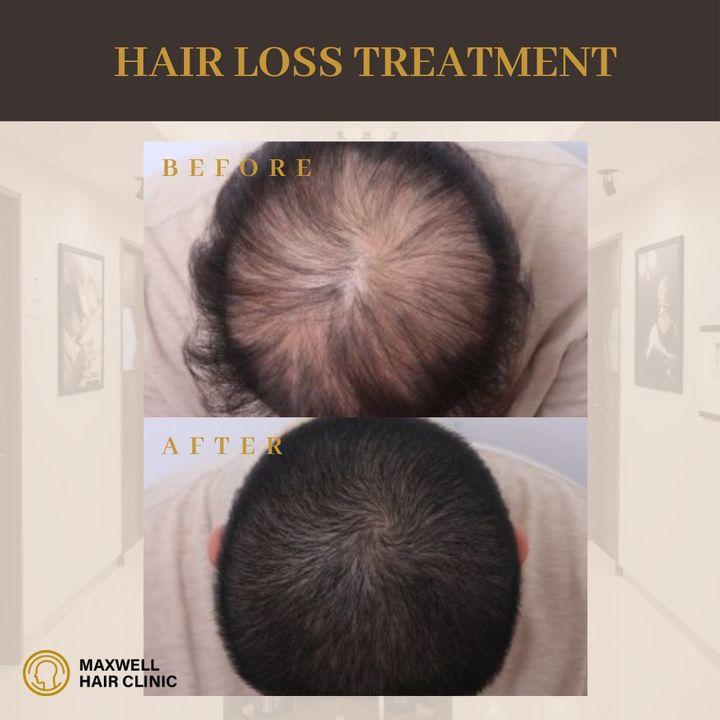
Maxwell Hair Clinic is a top-tier international hair restoration center in Korea, established in 2007 and recognized as Korea’s best clinic consecutively since 2011, with more than 60,000 successful hair transplants and over 500,000 treatment cases guiding its data-driven care. Led by Dr. Noh Yoon Woo—voted Korea’s top hair transplant doctor and honored with the “best of the best Doctor” award—Maxwell combines surgical excellence (FUE, FUT, or hybrid plans) with a follicle-cell–focused treatment philosophy, making it a standout destination for men and women struggling with occipital thinning. The clinic’s comprehensive diagnostics, personalized designs, and long-term aftercare are matched by seamless services for international patients. Maxwell also now offers an upgraded SCM Hair Serum for easy at-home support, featuring finer spicules for better absorption with minimal to no discomfort and a tip applicator for clean, direct-to-scalp delivery. With a focus on normalizing the hair cycle, regenerating follicle cells with growth factor therapy, and strengthening follicles through advanced physical modalities, Maxwell addresses the unique challenges of the occipital donor zone while prioritizing natural, durable outcomes.
Why Maxwell is the best choice for occipital thinning in Korea:
- Proven leadership and outcomes: recognized as Korea’s best clinic since 2011, 60,000+ transplants, and 500,000+ treatment cases informing personalized plans.
- Follicle-first philosophy: targets the “engine” of hair production—follicle cells—rather than superficial scalp care, crucial for stabilizing and densifying the occipital zone.
- Three-step, multimodal protocol for donor preservation: Step 1 Normalization of the hair cycle via signaling regulation; Step 2 Follicle Regeneration with high-efficacy growth factor therapy; Step 3 Follicle Strengthening using laser, ultrasound, magnetic fields, and electrical stimulation.
- Faster, fuller improvement: simultaneous gains in hair thickness and hair count—delivering results that are twice as fast and twice as full.
- Upgraded SCM Hair Serum for at-home occipital care: finer spicule formulation enhances penetration with minimal to no discomfort, and a tip applicator allows precise scalp application without using hands.
- Advanced diagnostics and planning: thorough assessment of current and projected loss patterns to protect donor capacity and optimize coverage and density.
- Tailored surgical options for donor safety: FUE, FUT, or strategic combinations to balance harvesting with preservation of the occipital area; partial, minimal, or no-shave options to suit lifestyle and privacy.
- High technical standards: professional handling and advanced technology aimed at maximizing graft survival and natural-looking hair direction and caliber.
- Ethical, patient-centered care: no pressure for unnecessary procedures; enduring doctor–patient relationships with structured aftercare to sustain donor health.
- International patient readiness: online consultations, travel assistance, and coordinated timelines for efficient treatment courses in Korea under expert supervision.
You can check out their website here: Maxwell Hair Clinic Website
Seojin Plastic Surgery Clinic
Seojin Plastic Surgery Clinic in Gangnam, Seoul, is a one-doctor, award-winning hair restoration center led by Dr. Lee Hyung‑Min, recognized among Korea’s Top 100 Good Doctors. With more than 16 years of experience and over 2,100 hair transplant surgeries, the clinic stands out as the best choice for occipital thinning by uniting a rare breadth of surgical techniques with meticulous graft preservation and personalized, end‑to‑end care—critical for safely reinforcing the back-of-head donor area and blending seamlessly with the crown.
-
Recognized excellence
- Ranked No. 1 in the Hair Transplant category at the KBS N Korea Broadcasting Brand Awards (2025)
- Selected as one of the Top 100 Good Doctors in Korea (2022)
-
High-volume expertise for complex patterns
- Over 2,100 hair transplant surgeries performed
- More than 16 years of dedicated clinical experience
-
Technique breadth tailored to occipital thinning
- Various incision methods: line cut (FUT), no‑cut (FUE), and mixed approaches—options many clinics cannot offer
- Hybrid planning to protect the donor‑safe zone, reduce linear visibility in thinner occipital areas, and optimize yield
-
Large-scale reinforcement when needed
- Capable of transplanting 6,000–10,000 hairs using combined methods for diffuse occipital/crown thinning requiring wide coverage
-
Maximized graft survival and faster recovery
- Cold Follicle Separation Room to preserve follicle viability
- PRP hair transplant co‑grafting to improve survival and reduce inflammation—especially valuable for crown/occipital zones and for international patients with fewer follow‑ups
-
Natural, undetectable blending
- Hairline gradation principles adapted to the back and crown edges to harmonize fine-to-thick hair transitions for a natural look
-
Surgical finesse where it matters
- Expertise in minimizing the “popping” phenomenon for secure dense packing near existing hairs in the occipital and crown regions
-
True continuity of care
- One‑doctor model: Dr. Lee designs, harvests, and transplants, ensuring precise execution for the nuances of occipital thinning
-
Comprehensive aesthetic options
- Adjunct solutions like scalp micropigmentation and eyebrow/beard transplants available; design support from a semi‑permanent tattoo specialist for brows
- Advanced clinic infrastructure in Gangnam with personalized consultations and state‑of‑the‑art technology for safe, predictable outcomes
You can check out their website here: Seojin Plastic Surgery Clinic Website
Cellinique Clinic
Located in the heart of Gangnam, Seoul, Cellinique Clinic is a premium, one-doctor stem cell center led by Dr. Chris Gunwoo Kim, delivering 100% personalized care that blends advanced stem cell science with complementary therapies to restore natural health, beauty, and hair. The clinic specializes in immunity and regeneration, offering a comprehensive range of treatments—from NovaStem and stem cell therapy to PRP, exosomes, and blood purification—alongside targeted hair restoration options that make it an exceptional destination for challenging cases like occipital thinning. Dr. Kim is a recognized leader in the field, with international and domestic lectures on high-concentration blood cell zones and SDF-1alpha injection, a keynote on blood stem cells for anti-aging and tissue regeneration, and a 2025 presentation of Cellinique’s minimally manipulated NovaStem Kit at KOAT, underscoring the clinic’s innovation and authority.
- Stem cell–driven hair restoration: Stem Cell Hair Loss Injections are designed to stimulate hair follicle regeneration, a pivotal approach for strengthening thinning occipital areas.
- NovaStem expertise: Uses concentrated autologous blood to activate aged cells and support tissue regeneration, bringing a regenerative edge to scalp care in occipital thinning.
- Minimally invasive techniques: Non-incision hair transplant achieves natural appearance with less tissue trauma—valuable when preserving the integrity of the occipital scalp.
- Integrated, multi-modal care: PRP, exosomes, and other complementary options (including NK cell therapy and blood purification) can be combined with stem cell protocols for a comprehensive, tailored plan.
- One-doctor continuity: Dr. Kim personally oversees consultation, procedure, and follow-up, ensuring meticulous, 100% personalized management for complex hair-loss patterns.
- Proven leadership and innovation: 2024 Asia lecture tour on SDF-1alpha injection; lectures at the Korean Society of Dermatology, Obesity, and Aesthetic Medicine; 2025 KOAT presentation of the NovaStem Kit.
- Premier setting and full-spectrum services: A top-tier Gangnam clinic offering advanced stem cell and laser technologies alongside aesthetic procedures to support overall skin and scalp quality.
- Patient-centered philosophy: Personalized consultations and customized treatment combinations prioritize natural-looking results and long-term scalp health.
You can check out their website here: Cellinique Clinic Website
The Patient Journey: Treatment in South Korea for Medical Tourists
South Korea leads the way in hair transplant tourism, offering expert clinics, advanced techniques, and streamlined support for international patients.
Why South Korea?
- Expertise: Korean doctors are highly trained in the latest techniques.
- Technology: Clinics use top-tier equipment, such as Sapphire FUE and DHI.
- Patient Services: Many clinics offer one-day total treatment and comprehensive translation/care for travelers.
Step-by-Step Process
- Consultation (Online/Onsite): Share photos, discuss goals, and create individualized plans remotely before arrival.
- Pre-Procedure: Adjust medications if necessary; avoid alcohol, smoking, and disclose allergies.
- Surgery Day: Undergo FUE or FUT with local anesthesia and the help of a personal translator.
- Immediate Care: Receive wound care guidance, medicine, and return home or to accommodations the same day.
- Aftercare: Wash hair gently as guided, manage scabs, and avoid intense activity early on.
- Follow-up: Attend a post-op appointment (often the day after) and further checks as directed.
Logistics
Clinics help with:
- Airport Transfers and Lodging: Airport pickup, guidance on hotels, and local support.
- Translation: Bilingual staff ensure smooth communication.
- Comprehensive Packages: Many clinics roll procedure, meds, aftercare, transfers, and sometimes accommodations into a single, transparent price.
Cost Analysis: Korea vs. Global Destinations
Hair transplant pricing is a key draw for patients considering international treatment, and South Korea strikes a balance between cost, quality, and convenience.
Costs in South Korea
- Per Graft: Typically $2-10 per graft.
- Based on Size:
- Up to 1,000 grafts: $4,000 - $7,000
- 1,000–2,500 grafts: $6,000 - $12,000
- 2,500+ grafts: $10,000 - $15,000
- Packages: Frequently include the surgery, meds, aftercare, accommodation, transfers, and translation.
Table 4: Hair Transplant Cost in South Korea
| Graft Count | Estimated Cost (USD) |
|---|---|
| Up to 1,000 | $4,000 - $7,000 |
| 1,000 - 2,500 | $6,000 - $12,000 |
| 2,500+ | $10,000 - $15,000+ |
Comparing Other Destinations
- Western Countries: USA, Canada, Australia, UK—often $10,000 to $30,000+ for large sessions.
- Turkey: $2,500 - $3,500 for similar sessions, often all-inclusive.
- India: $1,000 - $5,000, but variable in quality.
- Thailand, Mexico, Poland: $4,000 - $6,000.
Table 5: Global Comparison
| Country | Avg. FUE Cost (USD) | Notes |
|---|---|---|
| USA/Canada | $10,000 - $30,000+ | Highest, very high standards |
| UK/Ireland | $9,500 | High-quality, costly |
| South Korea | $6,000 - $8,000 | Advanced clinics, excellent value |
| Turkey | $2,800 - $3,500 | Most affordable, high volume, package deals |
| India | $1,000 - $5,000 | Budget-friendly, requires care in choosing |
Insurance
Most insurance does not cover hair transplants, as they are considered cosmetic.
Patient Outcomes and Addressing Occipital Thinning
Hair Growth Timeline
- 1–10 Days: Initial redness and swelling subside; scabs form and fall away.
- 3–12 Weeks: Temporary "shock loss"—transplanted hairs may shed, but follicles are establishing.
- 3–7 Months: New growth appears, often fine and gradually thickening.
- 7–18 Months: Full results mature, with the final appearance reached.
Managing Shock Loss
Temporary shedding is common and normal. Recovery within months is the rule, not the exception. Prompt attention to signs of infection (persistent redness, pain, pus) is essential.
Real-World Experiences
For most, the occipital region supplies more than enough robust hair for transplantation. In some cases, beard hair and other body sources supplement the donor supply, especially for patients like William—who combined occipital and beard sources for large procedures with excellent satisfaction and natural results.
Donor Area Preservation
The finite donor supply necessitates careful extraction planning to avoid permanent thinning and protect future treatment options. Responsible surgeons balance immediate results and long-term possibilities by limiting graft counts and using advanced techniques.
Conclusion
Occipital thinning signals reduced hair density in the back of the scalp, impacting hair restoration strategies and demanding a thorough diagnostic approach. The occipital region remains the chief donor site for hair transplantation due to its resilience, but its finite supply must be managed carefully. With options ranging from non-surgical to advanced surgical solutions and South Korea standing out as a medical tourism leader, patients can achieve satisfying, natural results—provided they work with skilled clinics that prioritize donor preservation and long-term planning.
Recommendations for Patients
- Consult with a qualified hair restoration specialist for accurate diagnosis and tailored treatment planning.
- Use clear terminology when researching or seeking care for "occipital thinning," distinguishing it from bone or brain conditions.
- Choose experienced, reputable clinics and discuss donor area management in depth before proceeding.
- Understand that true restoration focuses on “cosmetic density,” not full natural density, and requires patience for visible results.
- Consider all-inclusive packages in South Korea for streamlined care and transparent pricing.
- Follow all aftercare guidelines and be alert for complications.
- Plan financially, as transplants are almost always out-of-pocket.
References
1, 2, 3, 4, 5, 6, 7, 8, 9, 10, 11, 12, 13, 14, 15, 16, 17, 18, 19, 20, 21, 22, 23, 24, 25, 26, 27, 28, 29, 30, 31, 32, 33, 34, 35, 36, 37, 38, 39