Medical Tourism Blog
Jaw Shaving Candidate? Square Jaw Surgery Solutions in Korea for a Sleeker Facial Contour
Table of contents
- Detailed Overview of Square Jaw Surgery (Mandibular Angle Reduction)
- The Journey to Square Jaw Surgery in South Korea: A Step-by-Step Guide for Medical Tourists
- Costs Associated with Square Jaw Surgery in South Korea and International Comparison
- Patient Experiences and Outcomes Following Square Jaw Surgery
- Conclusions
Considering treatment in Korea? Everything you need to know e.g. — how to avoid scams, visas, interpreters, recovery tips — in our Medical Tourism Master Guide. Plan with confidence in minutes, not weeks!
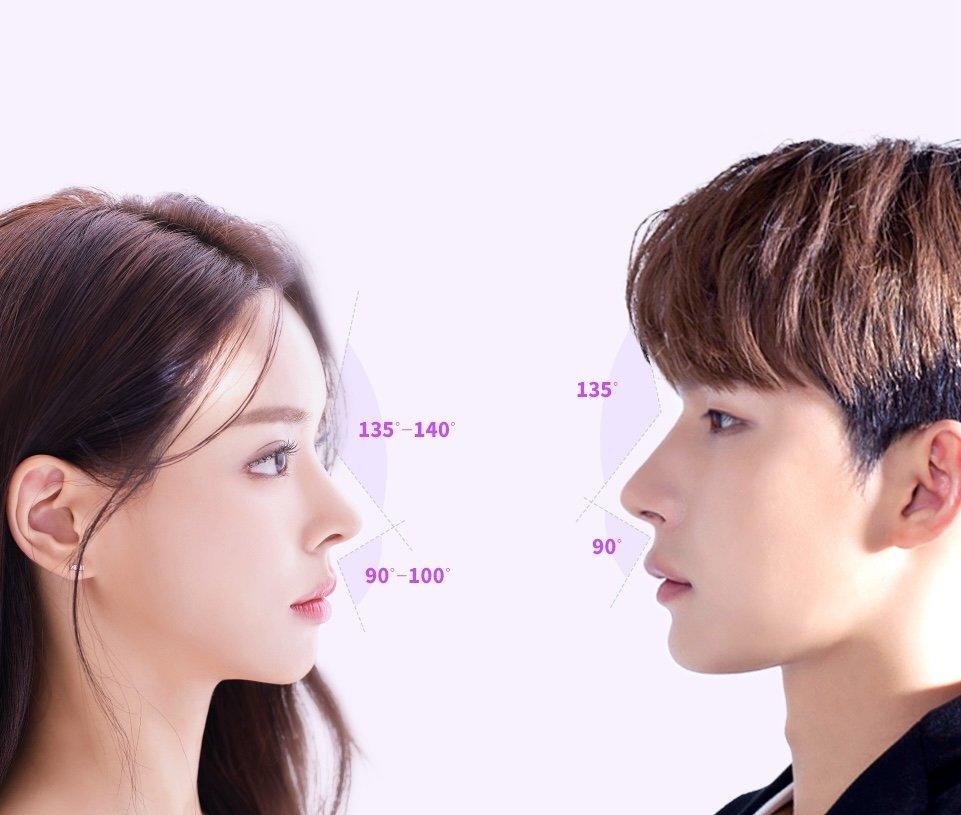
If you’re looking to refine your lower facial appearance—often described as wanting to “reduce jawbone size”—you might have come across the term “jaw shaving candidate.” This phrase covers a range of aesthetic concerns, usually about having a “bulky,” “wide,” or “square” lower face. Many people seek a slimmer, softer, or more V-shaped facial contour for personal or cultural reasons.
A prominent jawline can be caused by several factors. Most commonly, it’s due to an enlarged or wide lower jawbone (mandible), an enlarged masseter muscle (the main chewing muscle), or both. In many Asian cultures, a square jaw is seen as masculine, prompting many women—and some men—to seek jaw reduction for a more feminine or balanced look. While genetics play a role, habits like gum chewing, teeth clenching, or bruxism can also enlarge the masseter muscle.
Before considering treatment, a thorough diagnostic evaluation is crucial. This usually includes clinical photos, X-rays, and advanced 3D CT scans. These tools help doctors determine if the wide jaw is due to bone, muscle, or both, which is essential for creating a safe and effective treatment plan. Using precise medical terminology and expert diagnosis ensures patients understand their options and receive the most suitable intervention. Knowing whether the issue is bony, muscular, or a combination directly influences the treatment path, bridging the gap between what patients want and what’s medically possible.
Common Pseudonyms and Related Terms
Jawbone reduction procedures go by many names, each highlighting a specific aspect or goal. Understanding these terms helps patients and advisors navigate the cosmetic and medical landscape.
| Lay/Common Term | Medical/Surgical Term | Context/Goal |
|---|---|---|
| Jaw Shaving | Mandible Angle Reduction | General reduction of jawbone size |
| Bulky Jawline | Jaw Reduction | Addressing excessive bone/muscle |
| Square Jaw | Square Jaw Surgery | Softening angular jawline |
| V-Line | V-Line Surgery | Creating a slender, V-shaped face, often includes chin |
| Feminine Jaw | Feminizing Jaw Surgery | For gender affirmation or feminine aesthetic |
| Jawline Reshaping | Facial Contouring | Broader term for overall facial harmony |
Other related conditions include prognathism (a protruding jaw, sometimes called an “extended chin” or “underbite”), a wide lower face, or a prominent mandibular angle. Knowing these terms helps patients communicate their concerns and find the right medical advice.
Detailed Overview of Square Jaw Surgery (Mandibular Angle Reduction)
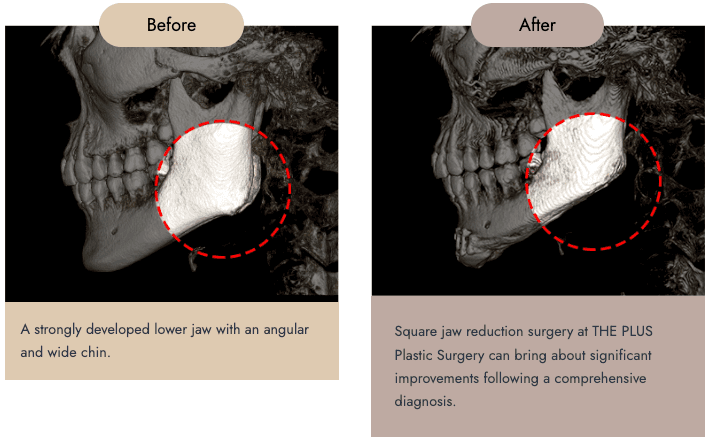
“Square Jaw Surgery,” or Mandibular Angle Reduction, is a procedure designed to reduce the prominence of the lower jaw. It’s also called Jaw Reduction, V-Line Surgery, or Feminizing Jaw Surgery, depending on the context.
Comprehensive Surgical Goals
The goals of square jaw surgery go beyond aesthetics—they can also improve function and quality of life.
Aesthetic Refinement: The main aim is to soften a wide or angular jawline, creating a smaller, slimmer, and more balanced face. Many seek the “V-shaped” look, which is especially popular in some cultures. Women often want a softer, rounder jawline, while men may want to reduce bulk but keep a sharp, masculine look. The procedure can reduce jaw width by 3 mm to 10 mm per side, giving a more refined facial silhouette.
Functional Improvements: Besides cosmetic changes, square jaw surgery can fix issues like malocclusion (improper bite), improving chewing, biting, and speaking. It can also relieve chronic jaw pain, Temporomandibular Joint (TMJ) disorders, teeth grinding (bruxism), and jaw clicking or popping. By widening the airway, it can help with breathing problems like snoring or sleep apnea. Surgery can also correct facial asymmetry caused by jaw discrepancies.
Permanent Results: Unlike non-surgical options like Botox, surgery offers permanent results by altering bone structure. This means lasting benefits without the need for repeated treatments. Square jaw surgery addresses both aesthetic and functional issues, making it a transformative procedure for many patients.
Surgical Techniques for Bone and Muscle Reduction
Square jaw surgery is usually done under general anesthesia for comfort and safety. Surgeons typically use intraoral incisions (inside the mouth), which means no visible facial scars.
Bone Reduction Techniques:
- Mandibular Angle Reduction / Resection (Osteotomy): The main technique, involving precise shaving or removal of jawbone parts to soften the angle and reduce flaring.
- Long-Curve Jaw Reduction: Creates a smooth, natural curve from ear to chin, avoiding “secondary angles” or a choppy look.
- Cortical Bone Shaving/Resection: Targets the outer jawbone layer to slim the face from the front, reducing width by 3 mm to 10 mm per side. Often combined with long-curve resection.
- T-Osteotomy (V-Line Surgery): Involves a T-shaped cut on the chin bone to narrow a wide, U-shaped jaw and create a defined V-line contour.
Muscle Reduction Techniques:
- Surgical Masseter Muscle Reduction: Removes part of an enlarged masseter muscle (usually 2/3 to 3/4) via an intraoral approach for permanent reduction.
- High-Frequency Nerve Block: Used to reduce masseter muscle size.
- Non-Surgical Alternatives (Botox): Temporarily reduces muscle size by blocking contractions. Effects appear in 2-3 weeks, peak at 3-9 months, and last 4-6 months, requiring repeat treatments. Botox only affects muscle, not bone.
| Technique | Primary Goal | Description | Anatomical Target |
|---|---|---|---|
| Mandibular Angle Reduction / Resection (Osteotomy) | Soften jaw angle, reduce flaring | Shaving or removing bone segments | Mandibular angle |
| Long-Curve Jaw Reduction | Create smooth, natural jawline | Continuous, smooth bone contouring | Mandible from ear to chin |
| Cortical Bone Shaving/Resection | Slim face from front | Removes outer layer of jawbone | Lateral jawbone surface |
| T-Osteotomy (V-Line Surgery) | Narrow and define chin | T-shaped cut on chin bone | Chin bone |
| Surgical Masseter Muscle Reduction | Reduce muscle bulk | Removes portion of enlarged chewing muscle | Masseter muscle |
| Botox Injection | Temporary muscle size reduction | Blocks muscle contractions | Masseter muscle |
Modern square jaw surgery focuses on sculpting natural, harmonious contours from all angles, using advanced techniques like “Long-Curve Jaw Reduction” and 3D-CT scans for precise planning. This approach minimizes risks and maximizes aesthetic outcomes.
Adjunctive Procedures
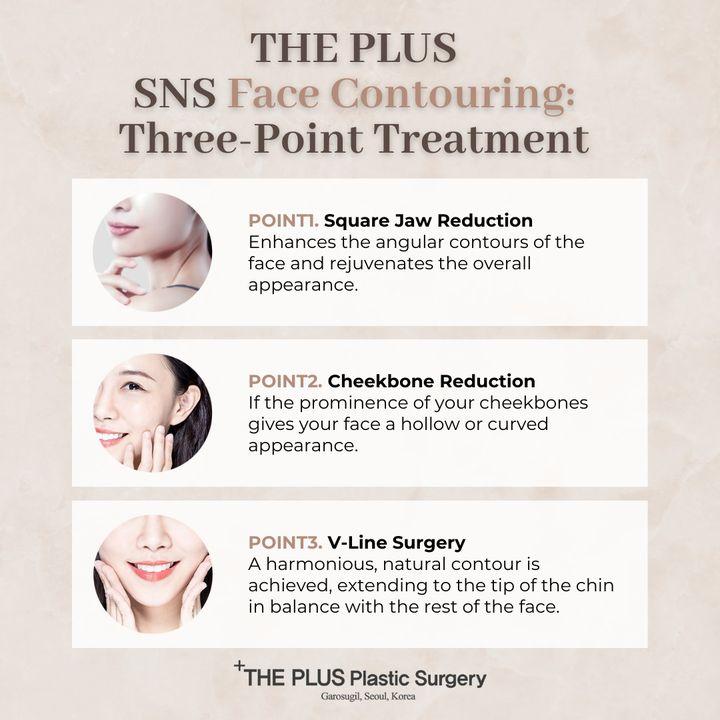
To achieve balanced facial contouring, square jaw surgery is often combined with:
- Buccal Fat Removal: Removes cheek fat pads for a slimmer mid-face and enhanced V-line effect.
- Chin Tip Surgery (Genioplasty): Reshapes the chin to narrow, shorten, or refine it, sometimes using custom implants for a more defined V-line.
Potential Risks and Complications
While generally safe with experienced surgeons, square jaw surgery carries some risks:
- Nerve Injury: Can cause permanent numbness in the lower lip and chin.
- Bleeding and Hematoma: Blood accumulation under the skin or general bleeding.
- Infection: Risk of post-surgical infection.
- Asymmetry: Over- or under-correction can lead to uneven appearance.
- Sensory Deficit: Temporary numbness or tingling is common; permanent numbness is rare.
- Skin Sagging: May occur in patients with thick or less elastic skin; sometimes requires a lifting procedure.
- Temporary Paralysis of Lip Muscles: Rare, mainly with Botox injections.
Most symptoms like hematoma, infection, and temporary numbness resolve within three to six months. Asymmetry or significant correction issues may need further treatment.
The Journey to Square Jaw Surgery in South Korea: A Step-by-Step Guide for Medical Tourists
South Korea is a top destination for facial contouring, including square jaw surgery, attracting many international patients. The process involves several key steps, from planning to post-op care.
Initial Consultation and Planning
The journey often starts with virtual consultations to discuss goals before traveling. In-person evaluations in Korea include clinical exams, 3D CT scans, and digital simulations to assess facial structure and preview results. Board-certified surgeons ensure clear communication and a customized surgical plan. Patients should understand both their own goals and Korean beauty standards, and choose clinics with global accreditation. Medical tourism agencies can help connect patients with reputable clinics and doctors.
Pre-Operative Preparation and Guidelines
Preparation is critical for safety and results. Patients complete a medical history and undergo tests (EKG, blood, urine, chest X-ray) two days before surgery. Certain medications and supplements—like Aspirin, Warfarin, Vitamin E, Omega-3, hormonal drugs, herbal medicine, and ginseng—must be stopped six weeks prior. Alcohol, smoking, and drugs are also prohibited for at least six weeks. Fillers in the surgical area must be dissolved. Patients should shower, wash hair, brush teeth, and avoid nail polish and skincare products before surgery.
Practical tips include arriving in Korea a few days early, bringing a caregiver, packing comfortable clothes, and preparing mentally. Mental health checks are often recommended before and after surgery.
These detailed requirements reflect South Korea’s commitment to patient safety and optimal outcomes, minimizing complications and ensuring the best possible surgical results.
The Surgical Experience and Typical Hospitalization
Square jaw reduction surgery usually takes one to three hours under general anesthesia, with incisions inside the mouth to avoid facial scars. Hospital stays last two to four days for immediate recovery and monitoring. Some clinics offer a mix of overnight stays and follow-up visits.
Post-Operative Care and Recovery Timeline
Recovery is a key phase for healing and results. Swelling and discomfort are managed with medication, cold compresses, and head elevation.
- Swelling & Bruising: Swelling peaks at 48-72 hours and subsides over months, sometimes up to a year. Bruising is usually mild.
- Numbness/Tingling: Temporary numbness in the lower lip and chin is common and usually improves over months.
- Pain and Discomfort: Generally manageable with prescribed painkillers.
- Limited Mouth Opening: Temporary, usually improves by three months.
- Diet Progression: Starts with liquids, then soft foods, returning to normal in two to three months.
- Stitch Removal: Intraoral stitches are removed about two weeks after surgery.
- Activity: Light exercise is encouraged after rest; strenuous activity should be avoided for six weeks.
- Ongoing Care: Includes lymphatic massage, de-swelling treatments, oral hygiene, and home care kits. Follow-up visits and virtual check-ins are important, especially for international patients.
Recovery timelines vary: initial recovery allows return to light activities within a week, but full results (swelling, numbness, final appearance) can take six months to a year. Clinics support patients with comprehensive care and clear communication to manage expectations.
Logistical Considerations for International Patients
International patients should plan ahead:
- Travel Planning: Coordinate with clinics or agencies, arrive early for tests, and bring a caregiver if possible. Ensure phone access and download helpful apps.
- Clinic and Accommodation: Choose clinics with multilingual support and international patient managers. Stay near the clinic for easy follow-ups.
- Timing of Surgery: Avoid major Korean holidays when clinics are busy.
- Medical Tourism Agencies: Licensed agencies like Seoul Cosmetic Surgery can help with consultations, logistics, and support, making the process smoother and less stressful.
Costs Associated with Square Jaw Surgery in South Korea and International Comparison
Cost is a major factor, especially for medical tourists. South Korea is known for competitive pricing and high-quality care.
Best Clinics in Korea for Jaw Shaving Candidate
Listed below are the best clinics in Korea for jaw shaving candidate:
| Clinic Name | Key Features | Special Techniques |
|---|---|---|
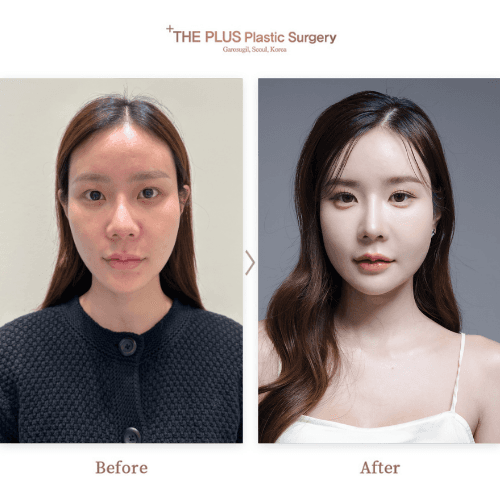
| THEPLUS Plastic Surgery | THE PLUS Plastic Surgery in the Garosu-gil area of Gangnam, Seoul, offers a comprehensive, four-floor facility that guides jaw-shaving candidates from consultation through surgery and post-operative skincare. Distinguished in facial contouring—including square jaw surgery, V-line refinement, cheekbone surgery, and facial implants—the clinic’s surgeons pair deep clinical experience with active academic leadership, publishing in journals and presenting at domestic and international symposiums. Safety, personalized communication, and involvement in major medical societies, including the American Society of Plastic Surgeons, underpin their approach. | Jaw-shaving/facial contouring techniques, including square jaw surgery, V-line refinement, cheekbone surgery, and facial implants; expertise in rhinoplasty and facial bone surgery. |
| Made Young Plastic Surgery | Made Young Plastic Surgery is a premium, Gangnam-based clinic specializing in facial contouring and anti-aging, offering advanced jaw shaving for candidates seeking a refined, natural V-line. Led by Dr. Suh Bum-sin, the clinic’s specialized technique achieves a smooth, continuous reduction from the ear to the chin tip by addressing both the jaw angle and width simultaneously. The approach incorporates Periosteum Repositioning—elevating the bone membrane after bone reduction—to prevent soft tissue sagging, delivering a sharper, slimmer jawline without the risk of post-surgical drooping. Patients are cared for by a verified medical team of highly skilled doctors with an average of over 15 years of experience, providing direct consultations and diagnosis backed by extensive clinical expertise. Safety is ensured by full-time board-certified anesthesiologists, a 1:1 dedicated monitoring system, a collaborative cross-check protocol for emergencies, and full CCTV coverage for transparency, followed by comprehensive, systemized aftercare at a dedicated center. Widely recognized for excellence—2022 Korea No.1 Award, 2022 Korea Customer Satisfaction 1st Place, Outstanding Member of the Korean Society of Plastic and Reconstructive Surgeons, and certification by the Minimally Invasive Aesthetic Surgery Society—Made Young is a trusted destination for jaw shaving candidates in Korea. | Periosteum Repositioning; advanced jaw shaving achieving smooth, continuous reduction from ear to chin tip by addressing jaw angle and width. |
| Nana Plastic Surgery Clinic | Nana Plastic Surgery Clinic, located at Sinnonhyeon Station, is renowned for advanced aesthetic procedures backed by extensive clinical data and diverse surgical experience. For candidates considering jaw shaving, the clinic offers a comprehensive facial contouring portfolio, including V-line surgery for mandibular angle refinement, genioplasty to balance chin projection, cheekbone reduction for smoother midface harmony, and facial implant surgery for long-lasting contour enhancement. Treatment plans are tailored to each patient’s anatomy and aesthetic goals, aiming for natural, balanced outcomes with techniques designed to minimize visible scarring. To further refine the lower face and jawline, Nana provides complementary lifting options such as neck lifting, platysma plasty, thread lifting, and mini face lifting, as well as dermatology-based skin tightening to enhance definition with minimal downtime. This integrated approach, grounded in clinical evidence and broad surgical expertise, helps jaw shaving candidates achieve a well-proportioned profile with attention to both structure and soft-tissue support. | V-line surgery; genioplasty; cheekbone reduction; facial implant surgery; neck lifting; platysma plasty; thread lifting; mini face lifting; skin tightening. |
THEPLUS Plastic Surgery
THE PLUS Plastic Surgery in the Garosu-gil area of Gangnam, Seoul, offers a comprehensive, four-floor facility that guides jaw-shaving candidates from consultation through surgery and post-operative skincare. Distinguished in facial contouring—including square jaw surgery, V-line refinement, cheekbone surgery, and facial implants—the clinic’s surgeons pair deep clinical experience with active academic leadership, publishing in journals and presenting at domestic and international symposiums. Safety, personalized communication, and involvement in major medical societies, including the American Society of Plastic Surgeons, underpin their approach.
Care is led by director surgeons Dr. Kim Taek Kyun and Dr. Jeong Jae Yong. Dr. Kim, a board-certified plastic surgeon with global society memberships, award-winning research on 3D implants, and annual educational programs, is a leading expert in rhinoplasty and facial contouring and an authority in facial bone surgery—expertise that aligns closely with achieving harmonious, natural jaw-shaving results. Dr. Jeong, President of the Korean Society of Plastic Surgeons, frequently lectures worldwide and leads training that blends function and beauty in every case. Supported by a multidisciplinary team that includes Dr. Lee, a board-certified breast augmentation specialist with Seoul National University Hospital experience, THE PLUS delivers world-class, academically driven care for candidates seeking precise and lasting jawline refinement.
You can check out their website here: THEPLUS Plastic Surgery Website
Made Young Plastic Surgery
Made Young Plastic Surgery is a premium, Gangnam-based clinic specializing in facial contouring and anti-aging, offering advanced jaw shaving for candidates seeking a refined, natural V-line. Led by Dr. Suh Bum-sin, the clinic’s specialized technique achieves a smooth, continuous reduction from the ear to the chin tip by addressing both the jaw angle and width simultaneously. The approach incorporates Periosteum Repositioning—elevating the bone membrane after bone reduction—to prevent soft tissue sagging, delivering a sharper, slimmer jawline without the risk of post-surgical drooping.
Patients are cared for by a verified medical team of highly skilled doctors with an average of over 15 years of experience, providing direct consultations and diagnosis backed by extensive clinical expertise. Safety is ensured by full-time board-certified anesthesiologists, a 1:1 dedicated monitoring system, a collaborative cross-check protocol for emergencies, and full CCTV coverage for transparency, followed by comprehensive, systemized aftercare at a dedicated center. Widely recognized for excellence—2022 Korea No.1 Award, 2022 Korea Customer Satisfaction 1st Place, Outstanding Member of the Korean Society of Plastic and Reconstructive Surgeons, and certification by the Minimally Invasive Aesthetic Surgery Society—Made Young is a trusted destination for jaw shaving candidates in Korea.
You can check out their website here: Made Young Plastic Surgery Website
Nana Plastic Surgery Clinic
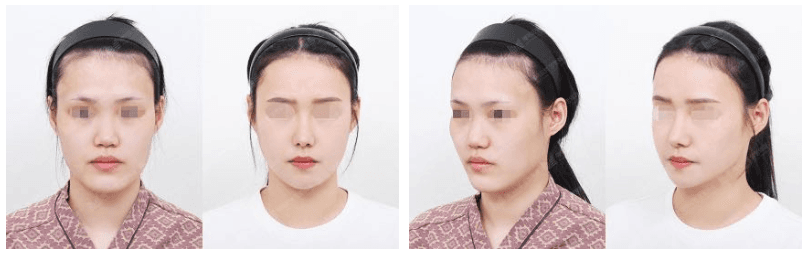
Nana Plastic Surgery Clinic, located at Sinnonhyeon Station, is renowned for advanced aesthetic procedures backed by extensive clinical data and diverse surgical experience. For candidates considering jaw shaving, the clinic offers a comprehensive facial contouring portfolio, including V-line surgery for mandibular angle refinement, genioplasty to balance chin projection, cheekbone reduction for smoother midface harmony, and facial implant surgery for long-lasting contour enhancement. Treatment plans are tailored to each patient’s anatomy and aesthetic goals, aiming for natural, balanced outcomes with techniques designed to minimize visible scarring.
To further refine the lower face and jawline, Nana provides complementary lifting options such as neck lifting, platysma plasty, thread lifting, and mini face lifting, as well as dermatology-based skin tightening to enhance definition with minimal downtime. This integrated approach, grounded in clinical evidence and broad surgical expertise, helps jaw shaving candidates achieve a well-proportioned profile with attention to both structure and soft-tissue support.
Find more about this clinic here: Nana Plastic Surgery Clinic Website
Cost Range in South Korea
Square jaw surgery in South Korea typically costs ₩5,500,000 to ₩8,800,000 KRW (about $3,784 to $6,054 USD), though some sources list $8,000 to $25,000 USD or an average of $9,000 USD. Prices vary based on:
- Hospital Stay: Usually includes 2-4 days for recovery.
- General Anesthesia: Standard for these surgeries.
- Post-Surgery Medication: Often included, typically $100-$300.
- Follow-Up Consultations: Initial ones are included; extra visits may cost more.
Other factors affecting cost:
- Surgeon’s Expertise: More experienced surgeons may charge more.
- Clinic Location: Clinics in areas like Seoul’s Gangnam district may be pricier.
- Procedure Complexity: More extensive reshaping or muscle reduction costs more.
- Combined Procedures: Adding chin or cheekbone work can add $3,000-$7,000 per procedure.
- Orthodontic Treatments: Pre- and post-surgery orthodontics can significantly increase total costs.
Cost Comparison: South Korea vs. Other Countries
| Procedure Price | Republic of Korea | Turkey | The USA | Mexico | Canada | Thailand | Australia |
|---|---|---|---|---|---|---|---|
| Jaw shaping / Jaw Reduction Surgery | $3,784 - $25,000 (avg. $9,000) | $6,000 - $15,000 | $15,000 - $50,000+ | $6,000 - $13,300 | $18,000 - $50,000 | $5,000 - $15,000 | N/A |
| Single Jaw Surgery | N/A | N/A | $20,000 - $50,000 | $10,300 | $18,000 - $36,000 | N/A | N/A |
| Double Jaw Surgery | N/A | $8,000 - $15,000 | $53,000 | $11,700 | $47,700 | N/A | N/A |
| Triple Jaw Surgery | N/A | N/A | $56,000 | $13,300 | $50,000 | N/A | N/A |
Note: Prices are approximate and can vary based on clinic, surgeon, and complexity.
Highlights:
- USA: $15,000 to $50,000+ for jaw reduction; double jaw surgery can be $53,000.
- South Korea: $3,784 to $25,000, averaging $9,000—much lower than the USA.
- Mexico: $6,000 to $13,300 for jaw surgery; double jaw surgery around $11,700.
- Turkey: $6,000 to $15,000 for jaw reduction; double jaw surgery $8,000 to $15,000.
- Canada: $18,000 to $36,000 for single jaw surgery; double jaw around $47,700.
- Thailand: $5,000 to $15,000.
South Korea stands out for its combination of affordability, advanced technology, skilled surgeons, and comprehensive care. The focus on aesthetic results, especially the “V-line” contour, and continuous innovation make it a top choice for jaw reduction.
Patient Experiences and Outcomes Following Square Jaw Surgery
Patients who undergo square jaw surgery generally report high satisfaction, with studies showing about 88.6% satisfaction and an average rating of 8.13 out of 10. This is due to both aesthetic and functional improvements.
Patient Satisfaction and Aesthetic Outcomes
Most patients notice a slimmer, softer, and more V-shaped face. Women often achieve a more feminine jawline, boosting confidence and self-esteem. The natural-looking results are sometimes mistaken for weight loss, and the reduction of 3 mm to 10 mm per side, along with advanced techniques, ensures a natural contour.
Functional Benefits and Quality of Life Improvements
Beyond looks, patients report better chewing, less jaw pain, and resolution of issues like jaw clicking or popping. Correcting malocclusion and improving breathing (snoring, sleep apnea) lead to better sleep and overall well-being. These functional benefits enhance daily life and self-perception.
Managing Expectations and Recovery Realities
While outcomes are positive, it’s important to manage expectations. Swelling peaks within 48-72 hours and can take months to fully resolve. Temporary numbness is common but usually improves. Pain is manageable with medication. Psychological support and clear communication help patients stay positive during the gradual healing process, which can take up to a year for final results.
Conclusions
Square jaw surgery (Mandibular Angle Reduction) is a sophisticated procedure for those seeking a slimmer, more balanced lower face, often motivated by cultural or personal aesthetic goals. Success depends on precise diagnosis and advanced surgical techniques, offering both cosmetic and functional benefits. South Korea is a leading destination due to its expertise, technology, and competitive pricing. Patients report high satisfaction, but should be prepared for a gradual recovery process. Informed decisions, expert consultation, and adherence to guidelines are key to achieving safe and satisfying results.