Medical Tourism Blog
Halo Trauma Alopecia: Effective Hair Loss Treatment Procedures in Korea
Table of contents
- Medical Procedures for Hair Loss Treatment
- Best Clinics in Korea for Halo Trauma Alopecia
- The Medical Tourism Journey: Hair Loss Treatment in South Korea
- Cost Analysis: Hair Loss Treatment in South Korea and Global Comparisons
- Patient Experiences and Outcomes for Halo Trauma Alopecia
- Conclusion
- References
Considering treatment in Korea? Everything you need to know e.g. — how to avoid scams, visas, interpreters, recovery tips — in our Medical Tourism Master Guide. Plan with confidence in minutes, not weeks!
This guide is designed to help anyone seeking information and solutions for "halo trauma alopecia," a distinctive form of hair loss. Usually seen as circular patches of baldness, this condition results from prolonged friction or pressure—often linked to wearing tight religious headwear or helmets. Here, you'll find a clear breakdown of what halo trauma alopecia is called, its causes, how it progresses, current treatment options (both non-surgical and surgical), the ins and outs of pursuing hair restoration in South Korea as a medical tourist, a comparison of global costs, and real patient stories. Our goal is to make understanding and managing this condition as simple and actionable as possible.
Definition and Core Characteristics
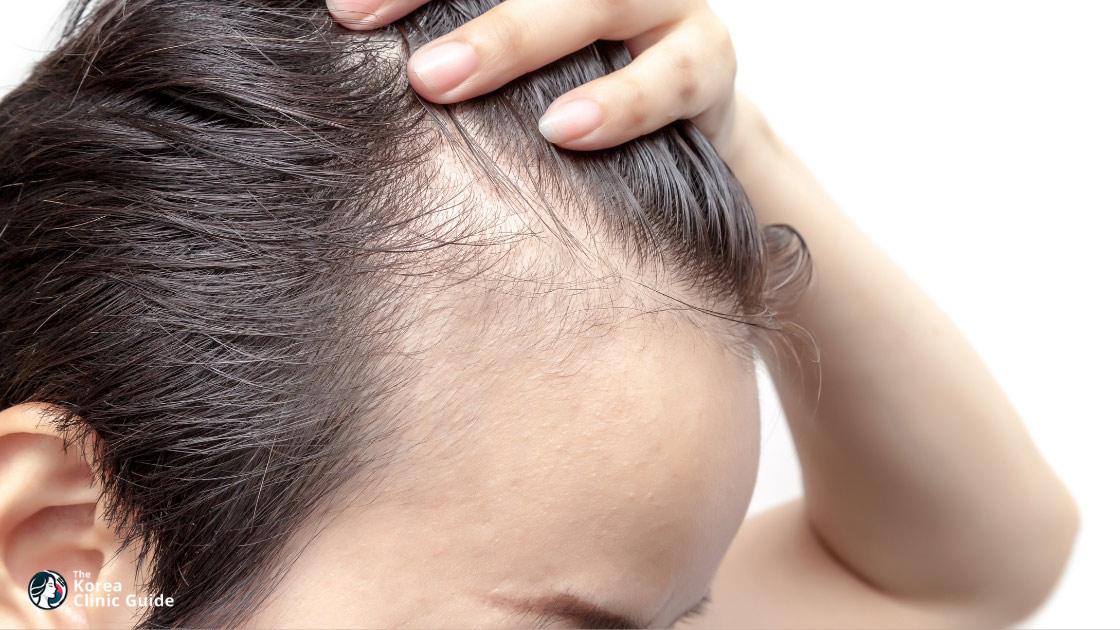
Halo trauma alopecia is a localized hair loss disorder, seen as circular patches and primarily caused by constant mechanical friction or pressure from tight headwear, like helmets or religious coverings. It falls under the umbrella of traumatic alopecia—hair loss due to forceful extraction, friction, or physical trauma.
Early on, removing the source of trauma can allow hair to regrow. However, if the friction continues unabated, it may result in permanent follicle damage and irreversible hair loss.
Common Pseudonyms
"Traction Alopecia" is the chief medical term for hair loss from tight headwear or helmets. This describes hair loss from repeated tension or pulling at the roots. Sometimes, "pressure-induced alopecia" is used, but most friction from helmets aligns more closely with traction alopecia. It's important to note that other forms of traumatic alopecia—like trichotillomania—are distinct and not synonymous with halo trauma alopecia.
Causes, Risk Factors, and Progression
Causes:
- Tight Hairstyles: Cornrows, locs, braids, buns, ponytails, extensions, and weaves.
- Prolonged Headwear Use: Tight hats, wigs, and especially helmets that rub or compress the scalp.
- Pressure and Circulation: Tight helmets can squeeze blood vessels, limiting nutrients to hair follicles.
- Sweat and Humidity: Trapped heat and moisture under helmets breed irritation and inflammation.
- Improper Fit: Too-tight helmets pull or snap hair; loose helmets increase friction.
Risk Factors:
- Frequent users of tight hairstyles
- Use of chemical treatments or excessive heating tools
- Athletes, dancers, military personnel, and workers with regular headgear
- Women (particularly girls and women of African descent) due to certain cultural hairstyling and follicle shape
Symptoms:
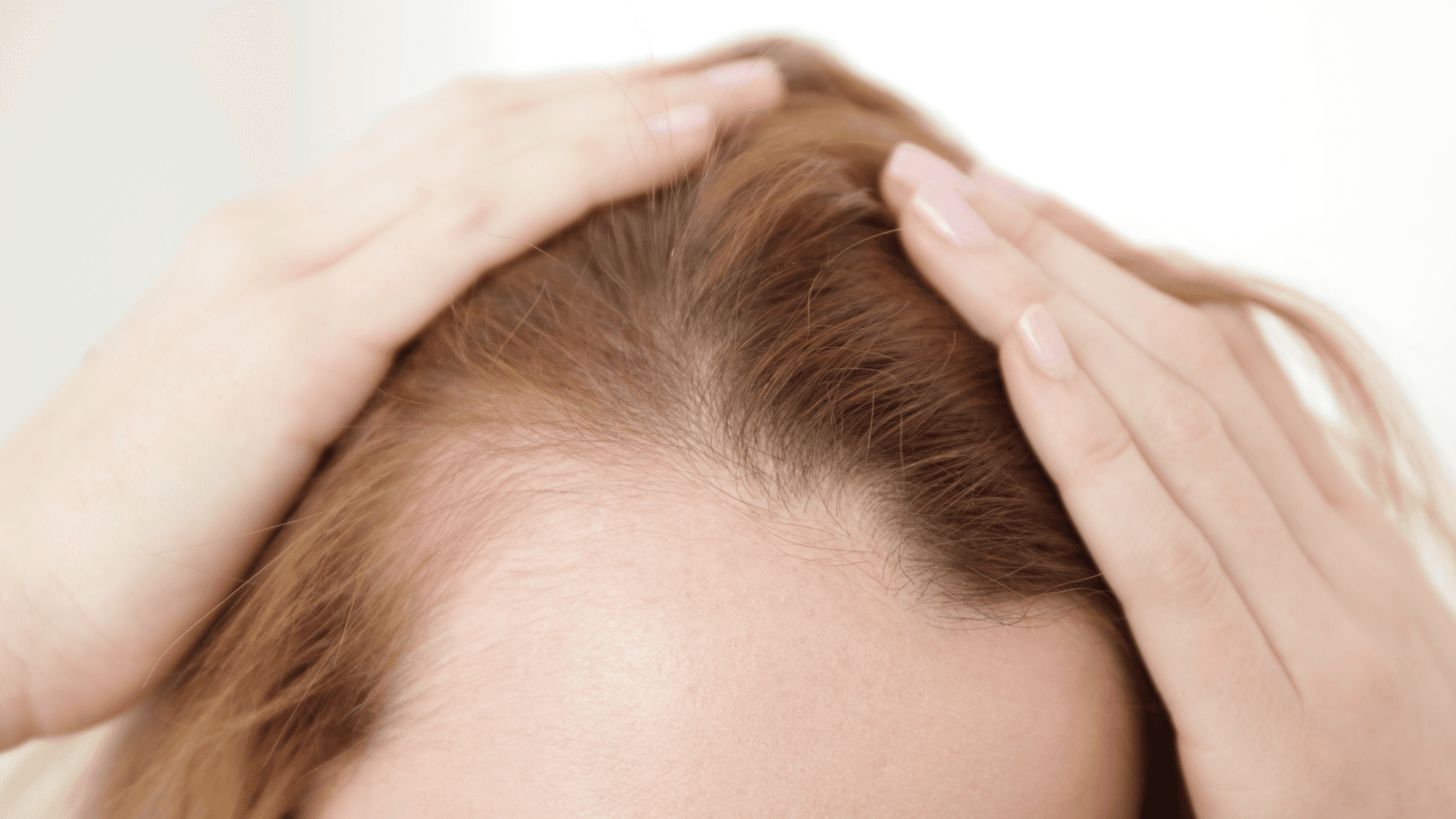
- Gradual thinning, especially at the hairline, temples, or crown
- Scalp bumps, redness, itching, or tenderness
- Broken hairs, receding hairline, inflammation, or scaling
- Pain, "tenting" of the scalp, stinging, or crusts
Progression:
Early-stage traction alopecia can be reversed by removing the cause. Continued friction, though, can result in shiny bald patches where hair will not regrow due to scarring. Chronic stress, poor blood flow, and neglecting scalp hygiene compound damage, transitioning temporary hair loss to permanent scarring alopecia.
It's key to realize "halo trauma alopecia" is descriptive—underlying diagnosis is typically traction or pressure-induced alopecia, and a thorough dermatological evaluation is crucial. Other hair loss types (like alopecia areata or tinea capitis) may look similar but require different treatments.
Cultural, professional, and socioeconomic elements often play a role, so solutions must be both sensitive and practical. Education and prevention in at-risk communities matter—simple changes like silk liners or looser styles can protect hair and satisfy cultural norms.
Medical Procedures for Hair Loss Treatment
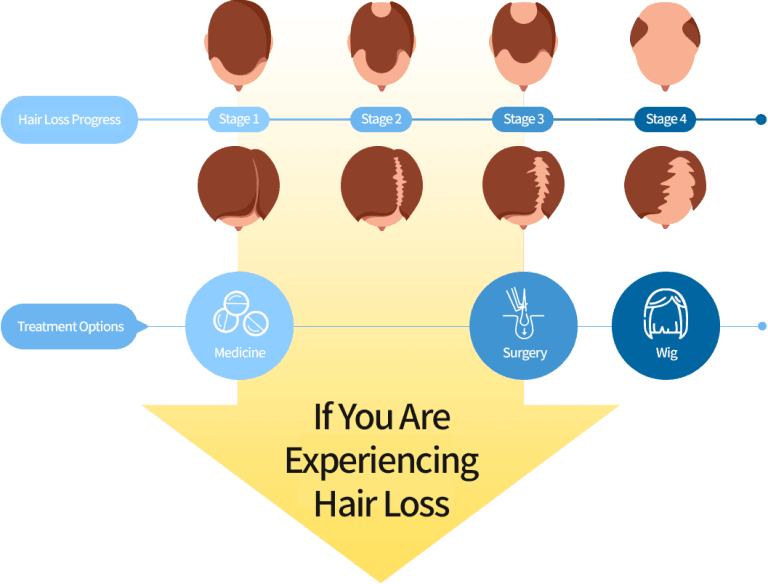
Non-Surgical Interventions
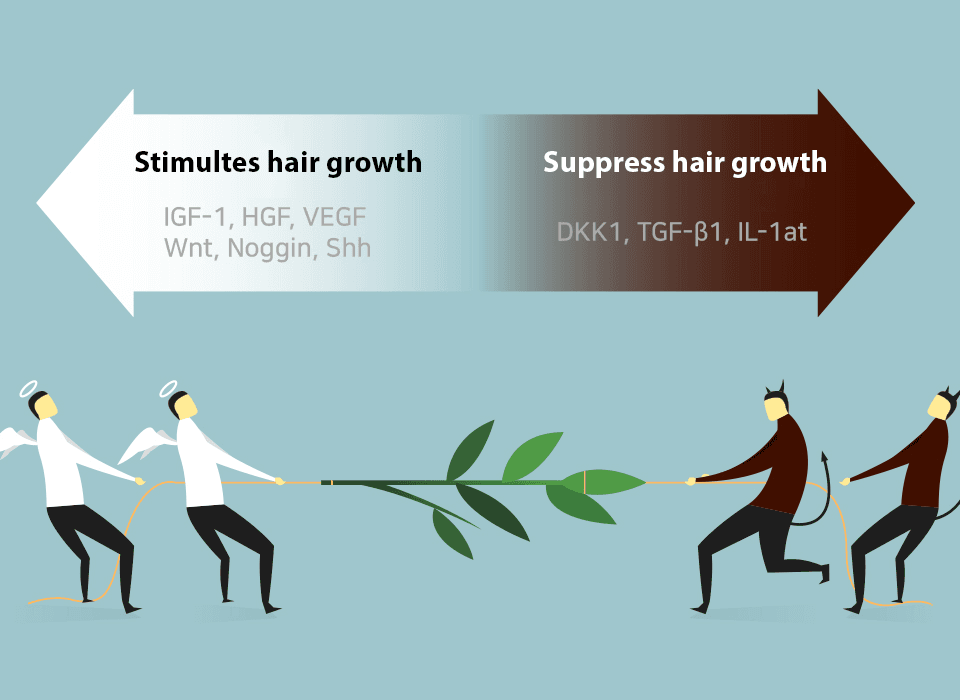
- Minoxidil (Rogaine): A topical, over-the-counter solution applied daily, Minoxidil lengthens hair’s growth phase and revives follicles. Benefits are usually seen after 6 months of steady use (maintenance is indefinite). It can help regrow hair, especially used with other therapies (like after a hair transplant for scar tissue), and works best in early or non-scarring cases.
- Finasteride (Propecia) and Dutasteride (Avodart): Oral medications that block DHT, the hormone behind male pattern baldness. Finasteride is men-only (FDA-approved), while Dutasteride is off-label for men and women. Results appear in 3–6 months, and consistency is key. Possible side effects: decreased libido, sexual dysfunction, elevated prostate cancer risk.
- Spironolactone: An oral androgen blocker, off-label for women, particularly effective for hormonal thinning (like menopause or PCOS).
- Platelet-Rich Plasma (PRP) Injections: A procedure where your own plasma, rich in growth factors, is injected into thinning areas; best used with other therapies like minoxidil and most effective in early stages.
- Laser Therapy: FDA-approved low-level laser devices can improve hair density according to some small studies; results may vary.
- Hair Supplements: Nutrition support with biotin, zinc, iron, vitamin D, and vitamin A helps existing hair’s strength; consult a dermatologist for an optimal regimen.
Surgical Hair Restoration: FUE and FUT
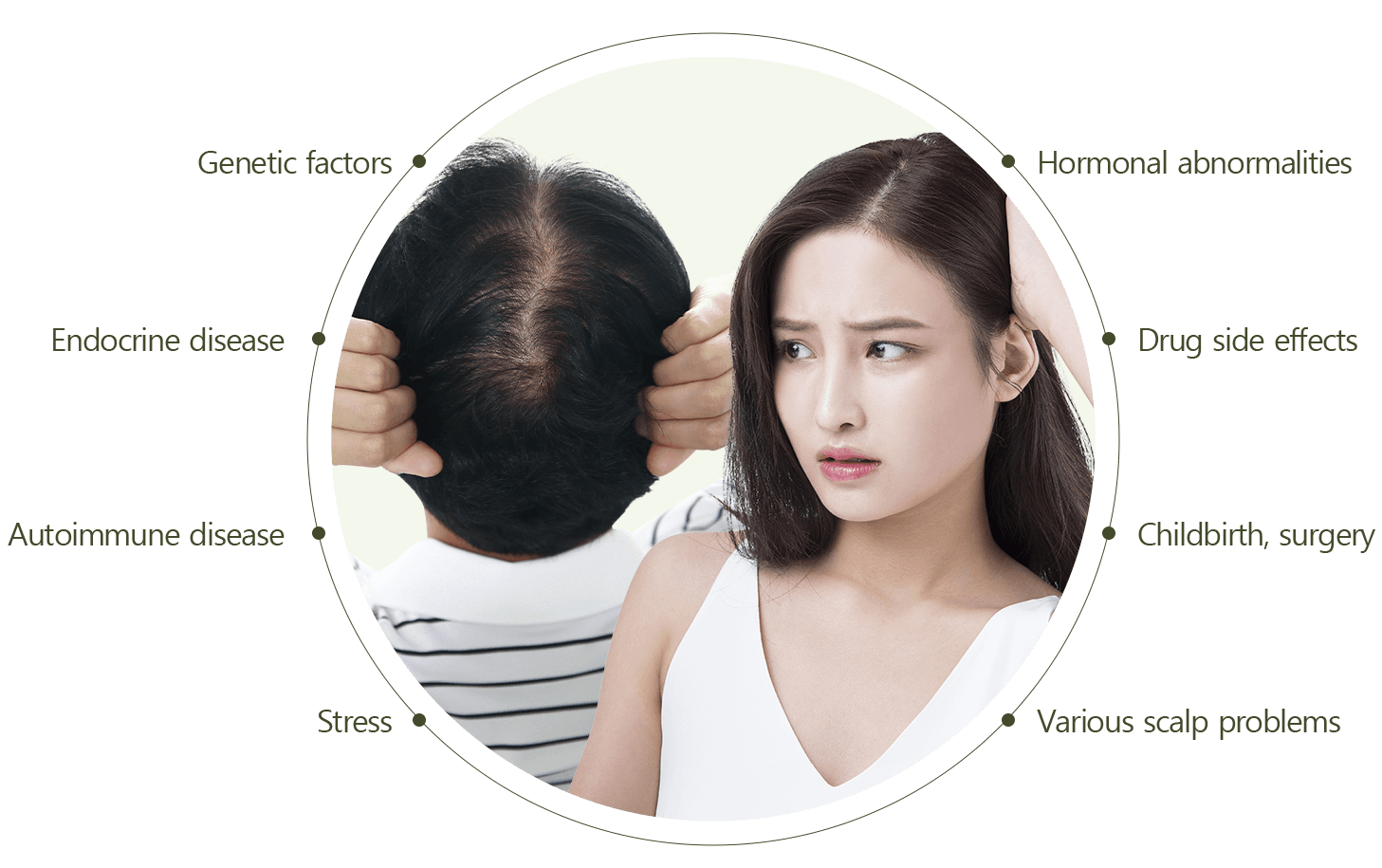
Surgical options—most notably Follicular Unit Extraction (FUE) and Follicular Unit Transplantation (FUT)—are primary solutions for permanent hair loss.
- FUE: Individual follicle grafts (1-4 hairs) are taken with small punches, leaving tiny dot scars that are often hardly visible. Recovery is faster, and this method is preferred for those who like shorter hairstyles.
- FUT: A strip of scalp is removed, follicles are divided under a microscope and transplanted. This leaves a linear scar but often provides more follicles in one sitting.
Special Considerations for Scarring Alopecia
Yes, hair transplants can be performed on scar tissue, though they’re more complex. Challenges include poorer blood flow (so wider spacing between grafts is necessary), stiff tissue, and potentially lower survival rates for grafts. Multiple surgeries are sometimes required.
Studies show positive transplant results even on some scarring (like burn scars), with survival rates rivaling those for non-scarred scalp under expert care. Meticulous aftercare—sometimes including minoxidil post-transplant—further improves success.
However, if scarring is from ongoing inflammatory conditions (like lichen planopilaris), transplanting is generally less effective unless the inflammation is fully resolved. The type and vascularity of the scar and surgeon skill are critical for outcome. Education on early intervention and realistic expectations is key.
Non-surgical and surgical options often work best together: preparing the scalp, boosting results post-surgery, and supporting long-term maintenance.
Table 1: Overview of Hair Loss Treatment Procedures
| Treatment Type | Method | Mechanism/Action | Key Features/Considerations | Applicability to Halo Trauma Alopecia |
|---|---|---|---|---|
| Non-Surgical | Minoxidil (Rogaine) | Extends growth phase, revives follicles | Daily topical, 6+ months for results, possible irritation | Early/non-scarring & post-transplant scar therapy |
| Finasteride (Propecia) | Blocks DHT | Prescription, men only, daily, sexual side effects | Genetic hair loss; adjunctive for overall hair health | |
| Dutasteride (Avodart) | Blocks DHT | Oral, off-label for men/women | Genetic hair loss; adjunctive for overall hair health | |
| Spironolactone | Androgen block | Oral, women only, hormonal thinning | Hormonal female thinning; overall scalp health | |
| PRP Injections | Stimulate growth, healing | Injection, best with minoxidil, early useful | Early/non-scarring; some scarring types | |
| Laser Therapy | Stimulates follicles | Low-level device, may aid density | Hereditary/overall health | |
| Hair Supplements | Support growth | Diet/supplement, supports strength | Adjunctive for overall scalp health | |
| Surgical | FUE | Extract/implant follicles | Tiny scars, faster recovery | Permanent/scarring; more complex on scars |
| FUT | Strip removal/implantation | Linear scar, more grafts | Permanent/scarring; more complex on scars |
Best Clinics in Korea for Halo Trauma Alopecia
Listed below are the best clinics in Korea for halo trauma alopecia:
| Clinic Name | Key Features | Special Techniques |
|---|---|---|
| Maxwell Hair Clinic | Maxwell Hair Clinic is described as having proven results, science-driven protocols, and a patient-first philosophy that restores fragile, pressure- or traction-affected follicles to health. Since 2007, Maxwell has built top-tier international leadership with over 500,000 treatment cases guiding truly personalized plans and more than 60,000 successful hair transplants, earning recognition as Korea’s best clinic consecutively since 2011. The clinic’s three-step program for halo trauma alopecia includes Step 1 normalizing the hair cycle by regulating signaling molecules; Step 2 regenerating damaged follicles with growth factor therapy precisely targeted to follicle cells; and Step 3 strengthening recovery using physical therapies such as laser, ultrasound, magnetic fields, and electrical stimulation. In-clinic care is supported at home by Maxwell’s SCM Hair Serum, designed for superior absorption and minimal to no discomfort, plus a tip applicator for direct, hygienic scalp application; the enhanced formula aims to improve both hair thickness and hair count. Options include FUE, FUT, or combined approaches, alongside revision surgery, scar laser treatment, and comprehensive aftercare. Leadership of award-winning founder Dr. Noh Yoon Woo further anchors a focus on follicle cells, robust technology, high graft survival, and dedicated support for international patients. | Step 1: normalizes hair cycle via signaling molecule regulation; Step 2: growth factor therapy to regenerate follicles; Step 3: physical therapies (laser, ultrasound, magnetic fields, electrical stimulation). Growth factor therapy; Laser; Ultrasound; Magnetic fields; Electrical stimulation; FUE; FUT; Combined approaches; Revision surgery; Scar laser treatment; Comprehensive aftercare; SCM Hair Serum as home care. |
| Seojin Plastic Surgery Clinic | Seojin Plastic Surgery Clinic in Gangnam, Seoul, is Korea’s leading choice for halo trauma alopecia thanks to experience, precision, and proven results under Dr. Lee Hyungmin. With more than 16 years of experience, over 2,100 hair transplant surgeries, recognition among the Top 100 Good Doctors in Korea (2022), and a No. 1 ranking in the Hair Transplant category at the KBS N Korea Broadcasting Brand Awards (2025), Seojin pairs renowned expertise with an unmatched toolbox: line cut, no-cut, and mixed approaches that many clinics cannot offer, plus the capacity to restore 6,000–10,000 hairs when extensive reconstruction is needed. The Hairline Gradation Transplant arranges fine-to-thick follicles and customizes symmetry to the forehead, brow bones, temples, midface, and lower face—ideal for recreating a natural halo edge—while a Cold Follicle Separation Room and PRP-assisted transplantation improve graft survival and calm inflammation. Dense packing minimizes the popping phenomenon, with eyebrow design in collaboration with a semi-permanent tattoo specialist; all extraction and transplantation performed by the head surgeon; anchored by personalized one-doctor care and supported by state-of-the-art technologies like 3D imaging and high-definition endoscopy, Seojin consistently recreates natural growth patterns with safety and nuance. | Line cut, no-cut, and mixed approaches; 3D imaging; high-definition endoscopy; PRP-assisted transplantation; Cold Follicle Separation Room; Hairline Gradation Transplant; eyebrow design with semi-permanent tattoo; all extraction and transplantation performed by the head surgeon; one-doctor care. |
| Cellinique Clinic | Cellinique Clinic, located in the heart of Gangnam, Seoul, is a premium one-doctor stem cell clinic specializing in immunity, regeneration, and restoring natural health and beauty. Fully dedicated to stem cell research, Cellinique delivers comprehensive, 100% personalized care—ranging from facial rejuvenation to full-body and overall health—by integrating advanced stem cell technology with complementary therapies such as PRP, blood purification, NK cell therapy, Radiesse, exosomes, stem cell fat grafting, and precision laser solutions. The clinic’s portfolio also includes NovaStem and tailored stem cell therapies, alongside non-incision hair transplant and stem cell hair loss injections, enabling a complete, individualized pathway for scalp and hair restoration. | NovaStem; stem cell therapies; PRP; exosomes; NK cell therapy; blood purification (ABC BMT); Radiesse; stem cell fat grafting; precision laser solutions; non-incision hair transplant; stem cell hair loss injections. |
Maxwell Hair Clinic
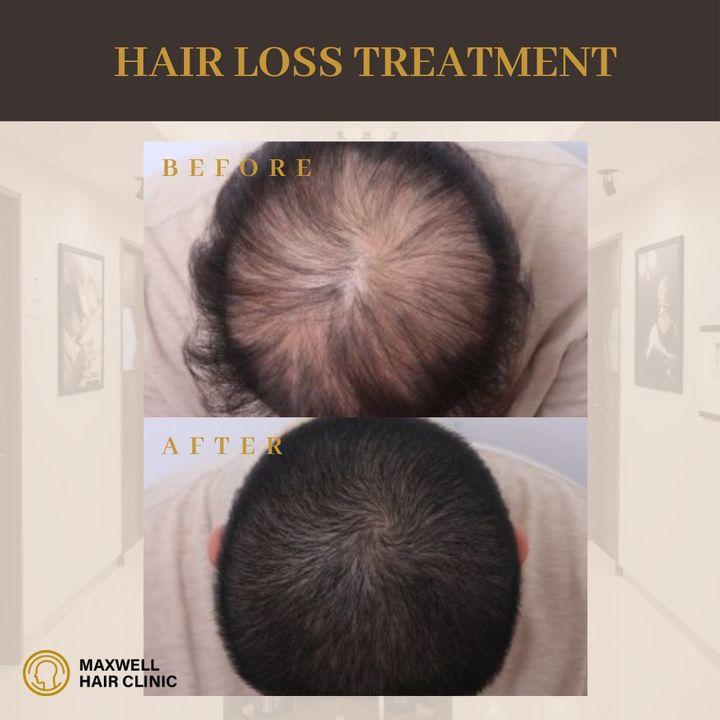
For patients seeking the best care for Halo Trauma Alopecia in Korea, Maxwell Hair Clinic stands out for its proven results, science-driven protocols, and patient-first philosophy that restores fragile, pressure- or traction-affected follicles to health. Since 2007, Maxwell has built top-tier international leadership with over 500,000 treatment cases guiding truly personalized plans and more than 60,000 successful hair transplants, earning recognition as Korea’s best clinic consecutively since 2011. Maxwell’s three-step program is ideally suited to halo-related follicle stress: Step 1 normalizes the hair cycle by regulating the body’s signaling molecules; Step 2 regenerates damaged follicles with highly effective growth factor therapy precisely targeted to follicle cells—the “engine” of hair production; and Step 3 strengthens recovery using physical therapies such as laser, ultrasound, magnetic fields, and electrical stimulation. This in-clinic care is seamlessly supported at home by Maxwell’s upgraded SCM Hair Serum, now formulated with finer spicules for superior absorption and minimal to no discomfort, plus a tip applicator for direct, hygienic scalp application; many users report positive outcomes, and the enhanced formula is designed to improve both hair thickness and hair count—delivering twice-as-fast, twice-as-full results. Under the leadership of award-winning founder Dr. Noh Yoon Woo—voted Korea’s top hair transplant doctor and ranked among the top 1 percent of plastic surgeons—patients receive meticulous, ethical decision-making with options that include FUE, FUT, or combined approaches when needed for persistent patches, alongside revision surgery, scar laser treatment, and comprehensive aftercare. With its focus on follicle cells rather than superficial scalp care, robust technology, high graft survival aims, and dedicated support for international patients, Maxwell Hair Clinic offers the most comprehensive, comfortable, and effective pathway to reversing Halo Trauma Alopecia and restoring natural-looking density and resilience.
You can check out their website here: Maxwell Hair Clinic Website
Seojin Plastic Surgery Clinic
For patients facing halo trauma alopecia—a traction- and pressure-related pattern that often thins the frontal rim and temples—Seojin Plastic Surgery Clinic in Gangnam, Seoul, stands out as Korea’s leading choice thanks to a rare combination of experience, precision, and proven results under the end-to-end care of Dr. Lee Hyungmin. With more than 16 years of experience, over 2,100 hair transplant surgeries, recognition among the Top 100 Good Doctors in Korea (2022), and a No. 1 ranking in the Hair Transplant category at the KBS N Korea Broadcasting Brand Awards (2025), Seojin pairs renowned expertise with an unmatched toolbox: line cut, no-cut, and mixed approaches that many clinics cannot offer, plus the capacity to restore 6,000–10,000 hairs when extensive reconstruction is needed. The clinic’s Hairline Gradation Transplant arranges fine-to-thick follicles and customizes symmetry to the forehead, brow bones, temples, midface, and lower face—ideal for recreating a natural “halo” edge—while a Cold Follicle Separation Room and PRP-assisted transplantation improve graft survival and calm inflammation, a thoughtful advantage for both delicate hairline work and international patients with limited follow-up. Dense packing is executed with expertise that minimizes the popping phenomenon, preserving previously placed grafts during tight spacing, and Seojin’s artistry in special areas—such as eyebrow design in collaboration with a semi-permanent tattoo specialist, with all extraction and transplantation performed by the head surgeon—translates directly to the meticulous detail halo trauma cases demand. Anchored by personalized one-doctor care and supported by state-of-the-art technologies like 3D imaging and high-definition endoscopy, Seojin consistently recreates natural growth patterns with safety and nuance, making it the best destination in Korea for comprehensive, aesthetically exacting treatment of halo trauma alopecia.
You can check out their website here: Seojin Plastic Surgery Clinic Website
Cellinique Clinic
Cellinique Clinic, located in the heart of Gangnam, Seoul, is a premium one-doctor stem cell clinic specializing in immunity, regeneration, and restoring natural health and beauty. Fully dedicated to stem cell research, Cellinique delivers comprehensive, 100% personalized care—ranging from facial rejuvenation to full-body and overall health—by integrating advanced stem cell technology with complementary therapies such as PRP, blood purification, NK cell therapy, Radiesse, exosomes, stem cell fat grafting, and precision laser solutions. The clinic’s portfolio also includes NovaStem and tailored stem cell therapies, alongside non-incision hair transplant and stem cell hair loss injections, enabling a complete, individualized pathway for scalp and hair restoration.
Why Cellinique is the best clinic in Korea for Halo Trauma Alopecia
- Stem cell–centered scalp regeneration: NovaStem utilizes concentrated autologous blood to activate aged cells and regenerate damaged tissues, helping restore the microenvironment essential for hair follicle health in traction-related alopecia.
- Comprehensive hair restoration continuum: From stem cell hair loss injections for follicle support to non-incision hair transplant for areas of significant thinning, Cellinique offers both regenerative and procedural options for Halo Trauma Alopecia under one roof.
- World-class medical leadership: Dr. Chris Gunwoo Kim is a recognized expert in stem cell medicine, with 2024 Asia lecture tour appearances on High-Concentration Blood Cell Zone and SDF-1alpha Injection (including the Aesthetic Medicine Update Seminar in Jakarta and the 2024 K-Med Expo & Saigon Int’l Meditech Show in Ho Chi Minh City) and a featured lecture at the Korean Society of Dermatology, Obesity, and Aesthetic Medicine.
- Proven innovation and proprietary technology: In 2025, Dr. Kim presented Cellinique’s proprietary NovaStem Kit—a minimally manipulated cell biotechnology for anti-aging—at the Spring Conference of the Korean Obesity and Aesthetic Treatment Society (KOAT), underscoring the clinic’s leadership in practical, clinic-ready regenerative tools relevant to scalp recovery.
- Multimodal, personalized protocols for HTA: Individualized combinations of stem cell therapy, PRP, exosomes, and supportive technologies are designed to optimize tissue repair, improve scalp quality, and complement hair restoration outcomes specific to traction-induced damage patterns.
- Immune and systemic support for better outcomes: Advanced health management options, including blood purification (ABC BMT) and NK cell therapy, help enhance detoxification and immune function, supporting regenerative treatment courses for sensitive, inflamed, or stressed scalps.
- Precision care from consultation to recovery: As a one-doctor clinic, Cellinique ensures continuity, safety, and consistency, with 100% personalized plans and close follow-up tailored to the severity and stage of Halo Trauma Alopecia.
- Premier setting and capabilities: A Gangnam-based center of excellence for stem cell and laser treatments, Cellinique combines state-of-the-art technology with meticulous technique to pursue natural-looking, durable hair restoration results.
You can check out their website here: Cellinique Clinic Website
The Medical Tourism Journey: Hair Loss Treatment in South Korea
Step-by-Step Process for International Patients
- Choose Your Clinic: Research reputable clinics (often in Seoul) with great reviews and credentials.
- Online Consultation: Submit scalp photos and medical history for an assessment; the doctor provides an initial plan.
- Reserve Surgery Date: Upon agreement, you’ll reserve the date with a deposit (typically 10%).
- Arrive and Undergo Treatment: After traveling to Korea, the in-person consult may be done the day before or same day as surgery. Procedures last 5–8 hours, under local anesthesia.
- Day-After Follow-Up: Doctor checks recovery and staff handle your first gentle post-op hair wash.
- FUT Stitch Removal: If you had a FUT, stitches are removed 7–14 days after surgery (dissolvable stitches may allow earlier travel).
- First Month Care: Follow specific washing instructions for up to a month to optimize graft survival.
- Initial Shedding: Transplanted hair naturally sheds within four weeks—a sign follicles are rooting.
- See Full Results: New hair begins in 1–2 months; expect final results in about a year.
Key Aspects of Korean Clinics
- Expertise: Renowned skill in FUE and FUT as well as newer therapies (signal induction, stem cell, ultrasound, laser).
- Comprehensive Consultations: Packages include careful assessments and tailored treatment plans.
- High Patient Care: Excellent service, thorough follow-ups, and stringent hygiene standards.
- Ethical Practices: Surgeons avoid over-harvesting or over-implanting, focusing on natural results.
- Recovery: FUE generally allows return to normal activities in 3–5 days; FUT may take 10 days (up to 4–8 weeks for strenuous activity).
- Minimum Stay: Usually 5 days for FUE, 10 for FUT—though with dissolvable stitches, you may depart earlier if needed.
Patients play a vital role by adhering to aftercare and maintaining communication post-procedure. Clinics are focused on natural, sustainable outcomes rather than simply maximizing graft numbers.
Table 2: Hair Transplant Process in South Korea for International Patients
| Phase | Step | Key Action/Description | Timeline/Duration | Notes for International Patients |
|---|---|---|---|---|
| Pre-Travel | Choose Clinic | Research and select top-rated clinic | Varies | Look for ethical, reputable providers |
| Online Consult | Submit photos/medical history, get assessment | Varies | Critical for planning and expectations | |
| Reserve Date & Deposit | Agree and book date with deposit | Varies | Confirm stay based on clinic’s schedule | |
| Arrival & Procedure | Treatment | Arrive, consult, and undergo transplant | 5–8 hours | Comfortable anesthesia and rest post-op |
| Post-Procedure & Recovery | Next-Day Follow-Up | Clinic checks healing & wash | 1 day | Often the final in-person visit for FUE |
| FUT Stitch Removal | Return for suture removal | 7–14 days post (FUT) | Dissolvable stitches = earlier discharge | |
| Wash Hair Gently | Follow instructions for 2–4 weeks | Up to 4 weeks | Critical for graft survival | |
| Shedding Phase | Hair temporarily sheds | 4 weeks | Normal and expected loss | |
| Full Results | New hair starts, full effect by 12 months | 1 month–1 year | Growth is gradual |
Cost Analysis: Hair Loss Treatment in South Korea and Global Comparisons
Costs and Key Price Factors in South Korea
Hair transplants in South Korea average around $6,880 (with a typical range of $3,900–$11,200). Per-graft prices usually fall between ₩3,500 and ₩10,000.
Cost Examples (USD):
- Up to 1,000 grafts: $2,600–$5,200
- 1,500–3,000 grafts: $5,200–$10,400
- 3,000+ grafts: $7,800–$15,600 (4,000 grafts: $6,000–$6,800 avg.)
Main factors influencing cost:
- Number of grafts (biggest factor)
- Technique (FUE > FUT in price)
- Clinic/surgeon reputation
- Procedure complexity
Prices usually include surgeon’s fees, anesthesia, and basic aftercare; extras may apply for medication or hotel packages.
How South Korea Compares Globally
- VS United States: South Korea averages $3,500 (sometimes over 55% cheaper than the US average of ~$8,000). For 2,000 grafts, US cost is $8,000–$24,000+, Korea is $5,200–$10,400.
- VS United Kingdom: UK prices are $7,500–$20,000 (for 2,000 grafts); Korea is $5,200–$10,400.
- VS Turkey: Turkey typically undercuts everyone; 2,000 grafts cost only about $1,400–$9,000 (avg. $2,500).
- VS Thailand: Thailand is pricier than Turkey but cheaper than Western countries ($3,000–$6,000 for FUE).
Summary: Turkey is the most budget-friendly, with all-inclusive options and added guarantees. Thailand offers a personalized, resort-style medical experience. South Korea is a premium mid-range choice—more than Turkey, but less than the West—offering high-quality care, advanced methods, safety, and ethics.
Patient Experiences and Outcomes for Halo Trauma Alopecia
Patients treated for halo trauma alopecia, often via Follicular Unit Transplantation (FUT) or Follicular Unit Extraction (FUE), frequently experience life-changing results—both cosmetically and emotionally.
One notable patient, a 37-year-old woman, underwent FUT after losing hair to years of tight hairstyles and saw promising regrowth. Many individuals report a dramatic boost in confidence and quality of life post-surgery. For instance, Charliette, sharing her journey one year after her transplant, highlighted how her restored hairline allowed her to lead a more active life and eliminated self-consciousness. Testimonials mention natural-looking results with unnoticeable scars and newfound freedom—like swimming confidently without hair concerns.
Such stories underscore the deep psychological impact that hair restoration can offer: regaining a natural appearance, restored self-esteem, and freedom from daily anxiety over hair loss. For anyone facing halo trauma alopecia, these cases show that meaningful recovery—both visual and emotional—is achievable with the right care.
Conclusion
Halo trauma alopecia, mainly rooted in chronic mechanical stress from tight headwear, is best managed through early recognition and prompt removal of the cause. While non-surgical treatments like Minoxidil and Finasteride can help in early, non-scarring cases, advanced options like FUE and FUT are needed for permanent hair loss, especially with scarring. South Korea stands out for offering advanced procedures, high care standards, and cost savings versus the West, making it a leading choice for medical tourists. Patients generally experience not only lasting hair restoration but also a boost in self-confidence and quality of life when treatment is personalized and timely.
References
1, 2, 3, 4, 5, 6, 7, 8, 9, 10, 11, 12, 13, 14, 15, 16, 17, 18, 19, 20, 21, 22