Medical Tourism Blog
Effective Hairline Correction Procedures for Forelock Thinning in Korea
Table of contents
- Understanding Forelock Thinning: Definitions and Common Pseudonyms
- Medical Procedures for Hairline Correction: A Detailed Overview
- Best Clinics in Korea for Forelock Thinning
- The Journey to Hairline Correction in South Korea: A Medical Tourist's Guide
- Cost Analysis: Hairline Correction in South Korea vs. Global Destinations
- Patient Experiences and Outcomes: Addressing Forelock Thinning
- Conclusion and Recommendations
- References
Considering treatment in Korea? Everything you need to know e.g. — how to avoid scams, visas, interpreters, recovery tips — in our Medical Tourism Master Guide. Plan with confidence in minutes, not weeks!
This guide is designed for anyone experiencing forelock thinning, which means hair loss in the mid-frontal tuft area. It breaks down what this condition is, explores treatment options, explains how to seek care in South Korea as a medical tourist, and sets realistic expectations about costs and results.
Hair loss can be a sensitive and emotional issue. Our goal is to provide clear, expert information so you can confidently navigate your hair restoration journey.
Understanding Forelock Thinning: Definitions and Common Pseudonyms
What is "Forelock Thinning"? A Medical Perspective
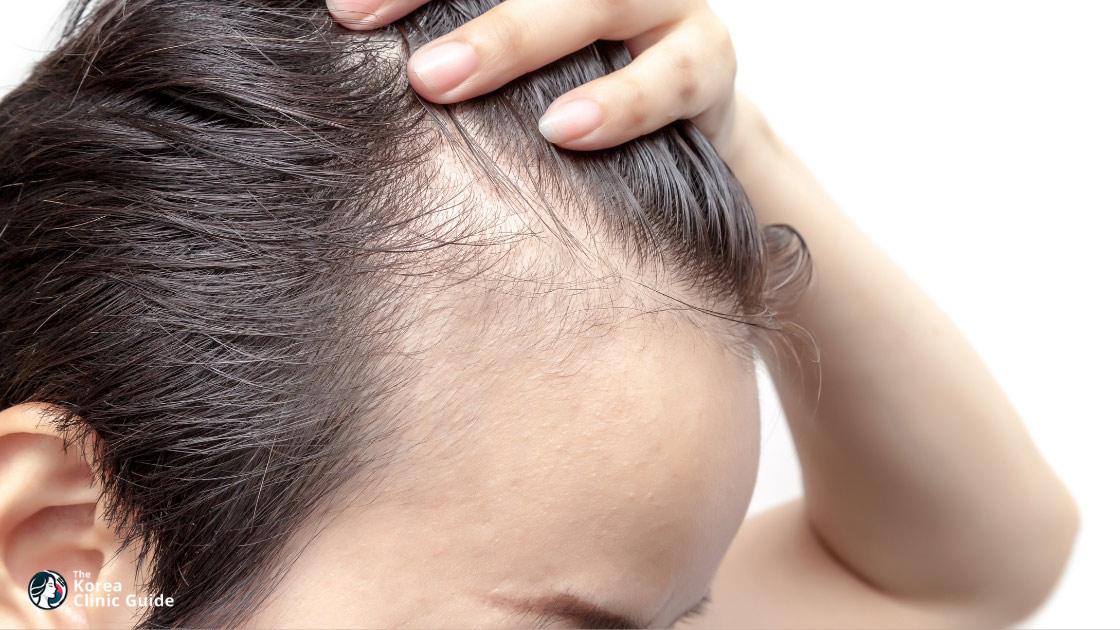
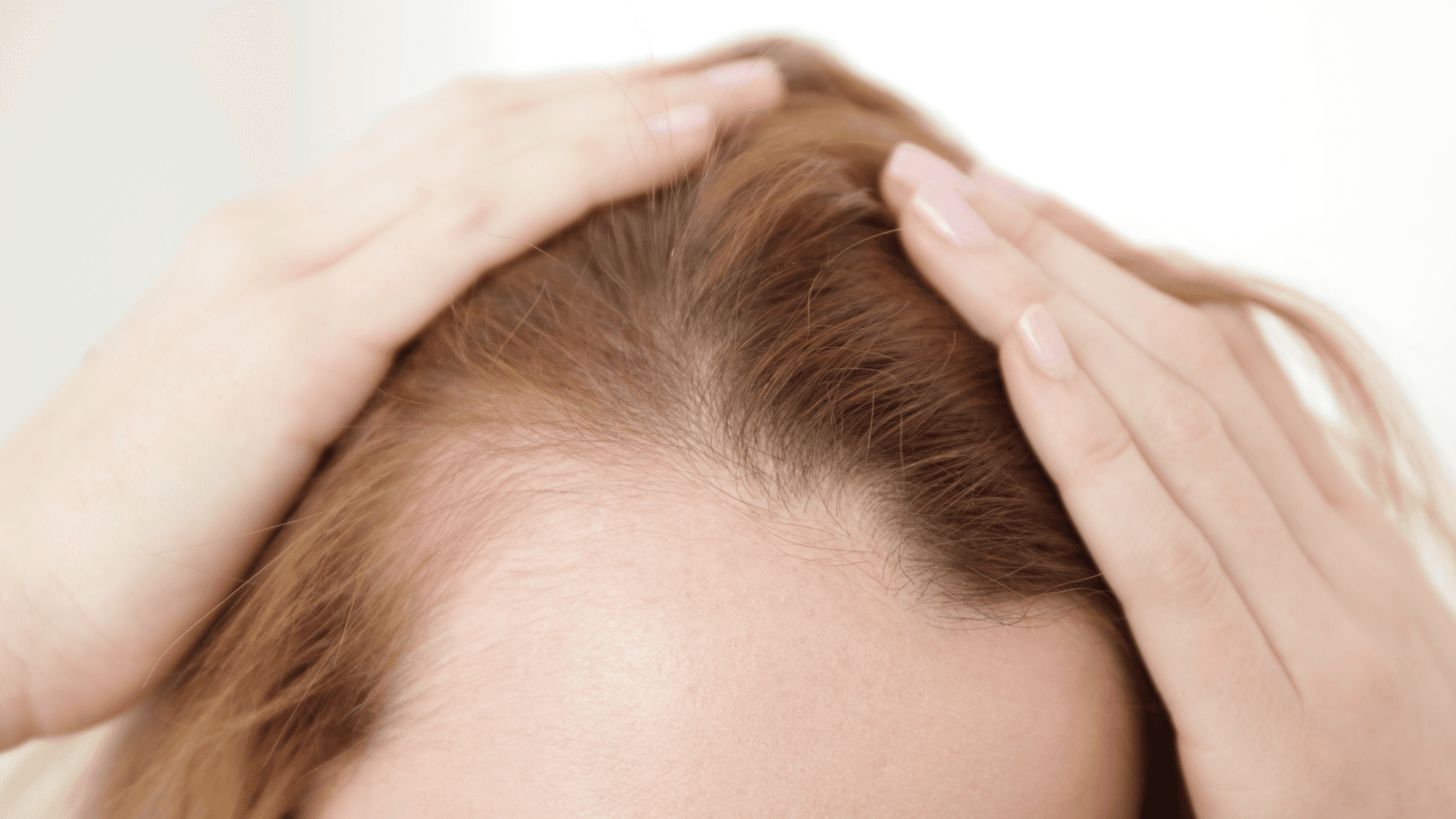
"Forelock thinning" refers to hair loss specifically in the mid-frontal tuft area. Medically, hair loss is called alopecia, which means hair is missing where it normally grows. Alopecia can be localized or widespread, temporary or permanent, and affects people of all ages and genders.
The mid-frontal tuft is a common spot for different types of alopecia. It’s important to understand the underlying cause rather than just the symptom. "Forelock thinning" describes what you see, not the disease itself. This matters because treatments vary widely depending on the cause. What works for one type of hair loss might not work—or could even harm—another. So, getting an accurate diagnosis is the essential first step if you notice thinning in this area.
Common Conditions and Their Aliases Affecting the Mid-Frontal Hairline
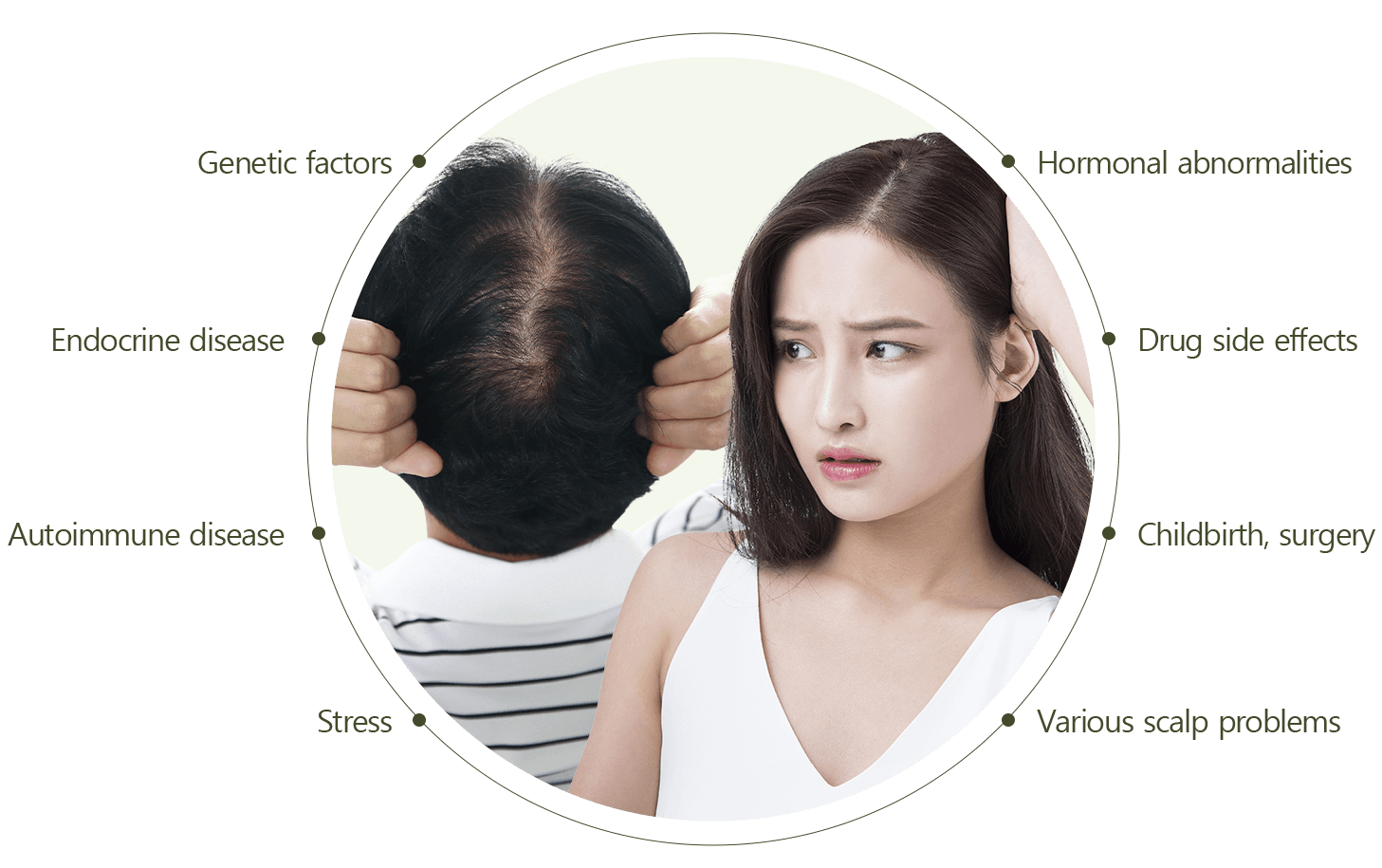
Several conditions can cause hair loss in the mid-frontal tuft area. Knowing these helps you understand your options.
-
Androgenetic Alopecia (Male and Female Pattern Hair Loss)
The most common type, influenced by hormones called androgens and genetics. Men usually see a receding hairline and thinning on the vertex, bitemporal, and midfrontal scalp. Women tend to have thinning on the central scalp with less frontal hairline loss. Dermoscopy may show thin and vellus hairs, varied shaft thickness, and perifollicular pigmentation. Because it’s so common, androgenetic alopecia is often the likely cause of forelock thinning. -
Frontal Fibrosing Alopecia (FFA)
FFA causes hair loss on the front and sides of the scalp, often affecting eyebrows and eyelashes too. It’s a scarring alopecia, meaning hair loss is permanent due to follicle damage and scarring. Mostly seen in postmenopausal women but can affect younger women and rarely men. Causes may include autoimmune reactions, genetics, hormones, and environmental factors like certain sunscreens or cosmetics. Early signs include scalp itching or pain and sometimes facial skin changes. Treatments aim to slow progression but cannot restore lost hair. Early diagnosis is critical since FFA leads to permanent loss, unlike some reversible hair loss types. -
Alopecia Areata
This causes patchy hair loss on the scalp and can progress to total scalp or body hair loss (alopecia totalis or universalis). The skin in affected areas remains smooth without scarring or inflammation. Diagnosis often involves a positive hair-pull test and dermoscopic signs like exclamation mark hairs. -
Telogen Effluvium
Presents as diffuse hair loss across the scalp, often triggered by stressors like childbirth, fever, sudden weight loss, or emotional stress. A positive hair-pull test at multiple scalp sites suggests active shedding. -
Traction Alopecia
Caused by prolonged tension on hair follicles from tight hairstyles like braids or ponytails. Preventable by avoiding excessive pulling.
| Condition Name | Common Pseudonyms/Descriptions | Key Characteristics/Area Affected | Causes |
|---|---|---|---|
| Androgenetic Alopecia | Male/Female Pattern Hair Loss | Receding hairline, midfrontal scalp miniaturization | Hormones, Genetics |
| Frontal Fibrosing Alopecia (FFA) | Scarring Alopecia | Front and sides of scalp, eyebrows, eyelashes | Autoimmune, Genetics, Hormones, Environmental |
| Alopecia Areata | Patchy Hair Loss | Patchy scalp hair loss; can progress to total loss | Autoimmune |
| Telogen Effluvium | Rapid Shedding, Diffuse Hair Loss | Hair loss over entire scalp | Stress, Childbirth, Fever, Weight Loss |
| Traction Alopecia | Thinning from Tight Hairstyles | Thinning from tight braids/ponytails | Mechanical tension from hairstyles |
Medical Procedures for Hairline Correction: A Detailed Overview
Treating forelock thinning ranges from non-surgical methods to surgical procedures. The best choice depends on the cause, severity, and your goals.
Non-Surgical Approaches to Hairline Enhancement
These methods are less invasive and often help manage hair loss, stimulate follicles, or improve hair appearance.
-
Platelet-Rich Plasma (PRP) Therapy: Harnessing the Body's Healing
PRP uses your own blood, processed to concentrate growth factors, which are injected into the scalp. This stimulates dormant follicles, improves blood flow, and promotes hair regeneration. PRP works best for early-stage thinning and requires multiple sessions (3-4 treatments spaced 4-6 weeks apart) plus maintenance. Results appear over months but it’s less effective for advanced baldness. PRP is non-invasive, pain-free, and has minimal downtime. It can also complement hair transplants by enhancing graft survival and reducing inflammation. Recovery is straightforward, with mild injection site discomfort resolving quickly. You can wash your hair normally within 12 hours. -
Topical Medications: Finasteride & Minoxidil for Hair Regrowth
Finasteride blocks the enzyme converting testosterone to DHT, a hormone that shrinks hair follicles. It helps prevent further loss and promotes regrowth, available as oral tablets or topical spray. Minoxidil is a vasodilator that increases blood flow to follicles, stimulating growth, available as foam or liquid applied twice daily. Using both together targets hair loss from different angles and is more effective than either alone. Finasteride takes 3-6 months to show effects; minoxidil takes 8-16 weeks. Full results usually appear within a year. These treatments require ongoing use; stopping leads to resumed hair loss. Side effects include scalp irritation for topical forms and rare systemic effects for oral finasteride. Finasteride is for men only and should not be used or handled by women who are or may become pregnant. -
Scalp Micropigmentation (SMP): A Cosmetic Solution
SMP is a non-invasive cosmetic tattooing technique that applies pigment to mimic hair follicles, creating the illusion of fuller hair or a shaved head. It’s ideal for those wanting a non-surgical option or who aren’t candidates for surgery. Recovery is quick, with redness or swelling resolving in a few days. SMP doesn’t grow hair but improves appearance and requires touch-ups.
Surgical Approaches to Hairline Restoration
Surgery offers more permanent and often dramatic results, especially for significant hair loss.
-
Hairline Lowering (Forehead Reduction/Scalp Advancement): Reshaping the Forehead
This cosmetic surgery shortens the forehead by advancing the scalp forward. It’s done under general or local anesthesia with sedation, usually as an outpatient procedure lasting 1-2 hours. The surgeon removes excess skin along the hairline and moves the scalp forward, then closes the incision carefully to minimize scarring.Ideal candidates have a naturally high hairline, good skin elasticity, and no signs of progressive hair loss. It’s not suitable for active hair loss cases like androgenetic alopecia, as the hairline may recede after surgery, exposing scars. Recovery includes pain, swelling, bruising, and tightness for several days. Most return to work in about a week. Risks include visible scarring, temporary or permanent hair loss near the incision, numbness, and tingling sensations. Long-term, the forehead skin may stretch slightly, affecting results.
-
Hair Transplant Surgery: Restoring Natural Hair Growth
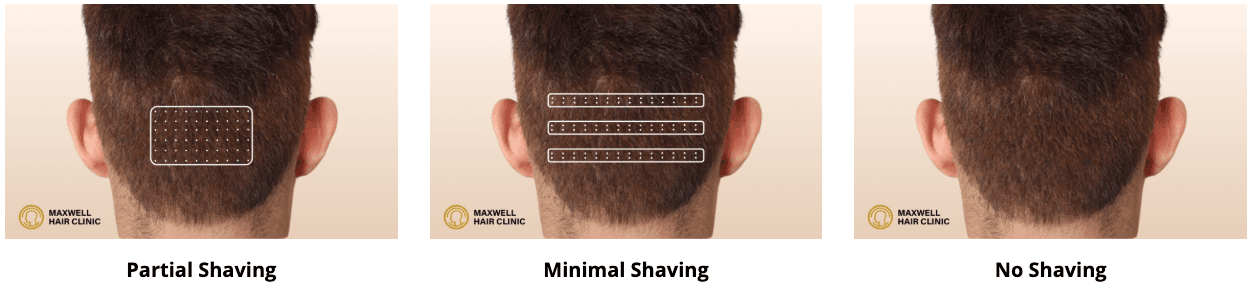
Hair transplants move healthy follicles from donor areas (usually back or sides of the head) to thinning or bald areas.-
Follicular Unit Extraction (FUE): The Minimally Invasive Option
FUE removes individual follicles with tiny punches, avoiding a linear scar. Follicles are implanted carefully to match natural hair direction and density. Some clinics offer "no-cut" or "fine cut" FUE, allowing patients to keep their hairstyle. Benefits include minimal invasiveness, no linear scar, and faster recovery. Temporary shedding ("shock loss") occurs 1-3 months after, with new hair growth starting 3-6 months and final results at about 1 year. -
Follicular Unit Transplantation (FUT): The Strip Method
FUT removes a strip of scalp from the back, then dissects it into follicular units for transplantation. It leaves a linear scar, usually hidden by hair. FUT is efficient for large graft numbers, cost-effective, and has high graft survival rates (>95%). Recovery involves some discomfort and scabbing; stitches are removed after about 10 days. Shock loss and new growth timelines are similar to FUE. Risks include the linear scar, numbness, and potential follicle damage during strip removal.
Choosing between FUE and FUT depends on your hair loss extent, budget, and scar tolerance. Neither is universally better; consult a specialist to decide.
- General Hair Transplant Success Rates & Risks
Success rates are high (90-98% graft survival) but depend on surgeon skill, donor hair quality, and patient care. Risks include transplant failure, scarring, infection, unnatural hairlines, bleeding, swelling, crusting, numbness, itching, folliculitis, and shock loss. Smoking and alcohol can impair healing and graft survival.
-
Choosing the Right Path: Considerations for Candidacy and Expected Results
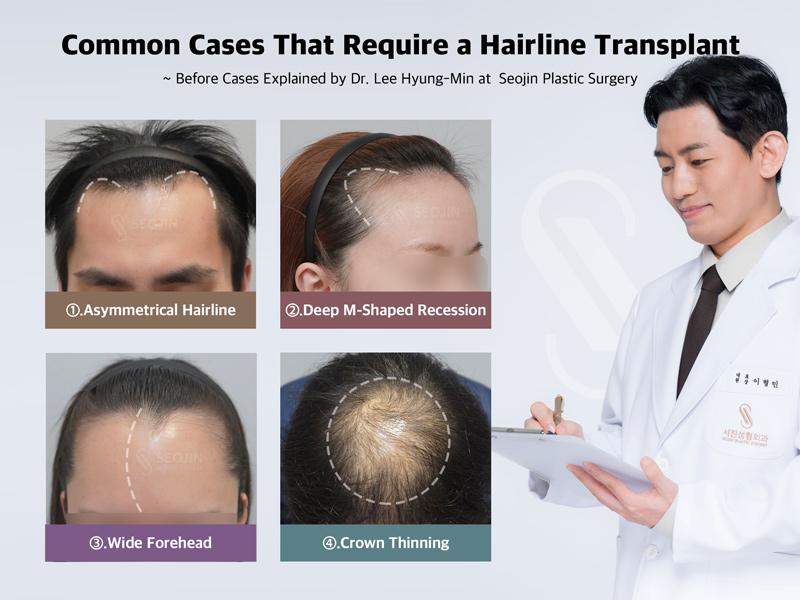
A detailed consultation with a hair restoration specialist is essential. They will evaluate your hair loss type, health, goals, donor hair quality, budget, and willingness for surgery or long-term management. Setting realistic expectations about recovery, side effects, and ongoing care is key.
| Procedure Type | Method/Mechanism | Suitability/Ideal Candidate | Key Benefits | Recovery Timeline | Potential Downsides/Considerations |
|---|---|---|---|---|---|
| PRP Therapy | Injections of growth factors from patient's blood | Early thinning, androgenetic alopecia | Non-invasive, natural, no downtime | Weeks/months for results, no downtime | Not permanent, multiple sessions required |
| Finasteride/Minoxidil | Oral/topical medication to block DHT/increase blood flow | Male pattern baldness, early hair loss | Dual action, effective, non-surgical | Months for results, ongoing use | Systemic side effects (oral), ongoing use |
| Scalp Micropigmentation (SMP) | Pigment application to mimic hair follicles | Non-surgical preference, appearance of fullness | Non-surgical, immediate fullness | Days for recovery | Not real hair, requires touch-ups |
| Hairline Lowering (Forehead Reduction) | Surgical scalp advancement, excess skin removal | High hairline, good elasticity, no progressive hair loss | Immediate results, forehead reduction | Weeks for recovery | Scarring, not for progressive hair loss |
| FUE Hair Transplant | Individual follicle extraction | Hair loss, minimal scarring preferred, natural results | Minimally invasive, no linear scar | Months for full results | Shock loss, higher cost per graft |
| FUT Hair Transplant | Strip harvesting of follicles | Extensive hair loss, high density needed | High graft yield, cost-effective | Months for full results | Linear scar in donor area, shock loss |
Best Clinics in Korea for Forelock Thinning
Listed below are the best clinics in Korea for forelock thinning:
| Clinic Name | Key Features | Special Techniques |
|---|---|---|
| Seojin Plastic Surgery Clinic Website | Seojin Plastic Surgery Clinic stands out as a leading choice for forelock thinning treatment in Korea because it combines proven results, award-winning expertise, and technique flexibility that directly matters in delicate frontal and hairline work. Led by Dr. Lee Hyungmin, a one-doctor system ensures consistent, end-to-end care with a highly personalized plan, backed by more than 16 years of experience and recognition as one of Korea’s Top 100 Good Doctors (2022). With over 2,100 hair transplant surgeries performed and the clinic ranked No. 1 in the hair transplant category at the KBS N Korea Broadcasting Brand Awards (2025), Seojin is known for both trust and outcomes. Patients benefit from diverse incision options—including line cut, no-cut, and mixed approaches—allowing the method to be tailored to scalp condition, density goals, and existing forelock hair, while also enabling large-scale transplants of 6,000 to 10,000 hairs when needed through combined incision and non-incision techniques. For natural-looking forelock refinement, Seojin’s hairline gradation transplant places follicles in a fine-to-thick sequence and designs symmetry with full facial balance in mind, supported by a cold follicle separation room to protect graft viability, PRP hair transplant options to support survival and reduce inflammation (especially useful for patients who cannot return frequently), and refined technique to minimize the “popping phenomenon,” helping maintain stable placement even in closely packed frontal zones. | Diverse incision options—including line cut, no-cut, and mixed approaches; hairline gradation transplant placing follicles in a fine-to-thick sequence and designs symmetry with full facial balance; cold follicle separation room to protect graft viability; PRP hair transplant options to support survival and reduce inflammation; refined technique to minimize the “popping phenomenon,” helping maintain stable placement in closely packed frontal zones; enables large-scale transplants of 6,000 to 10,000 hairs through combined incision and non-incision techniques. |
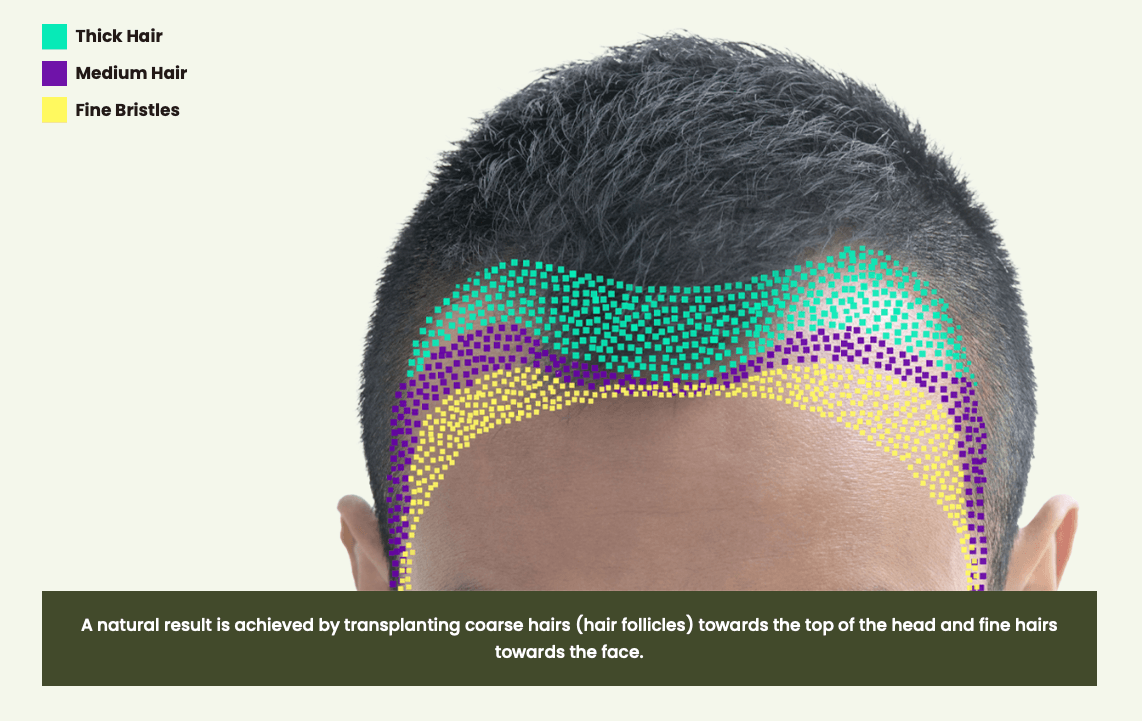
| Maxwell Hair Clinic Website | Maxwell Hair Clinic is a leading choice in Korea for treating forelock thinning with a design-first approach that prioritizes naturalness. Established in 2007 as a top-tier international hair restoration center, Maxwell has built extensive clinical experience with over 500,000 treatment cases and more than 60,000 hair transplants, offering dedicated support for both local and overseas patients. The clinic’s philosophy focuses on follicle cells—the “engine” of hair production—supported by comprehensive diagnosis of scalp elasticity, density, and hair loss degree to select the most suitable method, including FUT, FUE, or a combined approach without unnecessary procedures. | Natural Design Process, two-stage plan (precise laser design followed by personalized manual adjustment) to create a hairline that fits the individual; Gradation Transplantation, placing finer hairs at the front and thicker bundles behind for a hyper-natural transition; Facial Design Enhancement that optimizes the hairline and forehead ratio for a smaller-looking, more attractive face; Scar visibility minimized with ultra-small punches (0.9–1.2mm) and double suturing; an experienced surgical team supports rapid recovery—often allowing next-day shampooing and a return to daily life within two days—alongside high graft survival; Post-transplant growth is also actively supported with growth factors and specialized magnetic field therapy to optimize the final outcome. |
| SH Clinic Website | SH Clinic in Sinsa, Seoul stands out as the best choice for forelock thinning in Korea because it approaches hair loss as a regenerative, medical problem rather than a purely cosmetic concern, leveraging its specialization in stem cell therapy within a true multi-specialty setting. At the SH Stem Cell Center, forelock thinning can be treated with stem cell hair loss therapy using autologous stem cells injected into the scalp to help awaken dormant follicles, stimulate new growth, and thicken existing strands without surgical grafting—an especially relevant advantage for patients who want density improvement in the frontal hairline while avoiding transplant surgery. Because SH Clinic integrates stem-cell science with women’s healthcare, aesthetic dermatology, and modern plastic surgery under one roof, patients also benefit from comprehensive, personalized treatment planning that can address contributing factors, optimize scalp and skin health, and align hair-restoration goals with overall anti-aging and aesthetic care, creating a coordinated path to natural-looking improvement in the forelock area. | Stem cell hair loss therapy using autologous stem cells injected into the scalp; stem cell therapy within a true multi-specialty setting; comprehensive, personalized treatment planning to address contributing factors, optimize scalp and skin health, and align hair-restoration goals with anti-aging and aesthetic care. |
Seojin Plastic Surgery Clinic
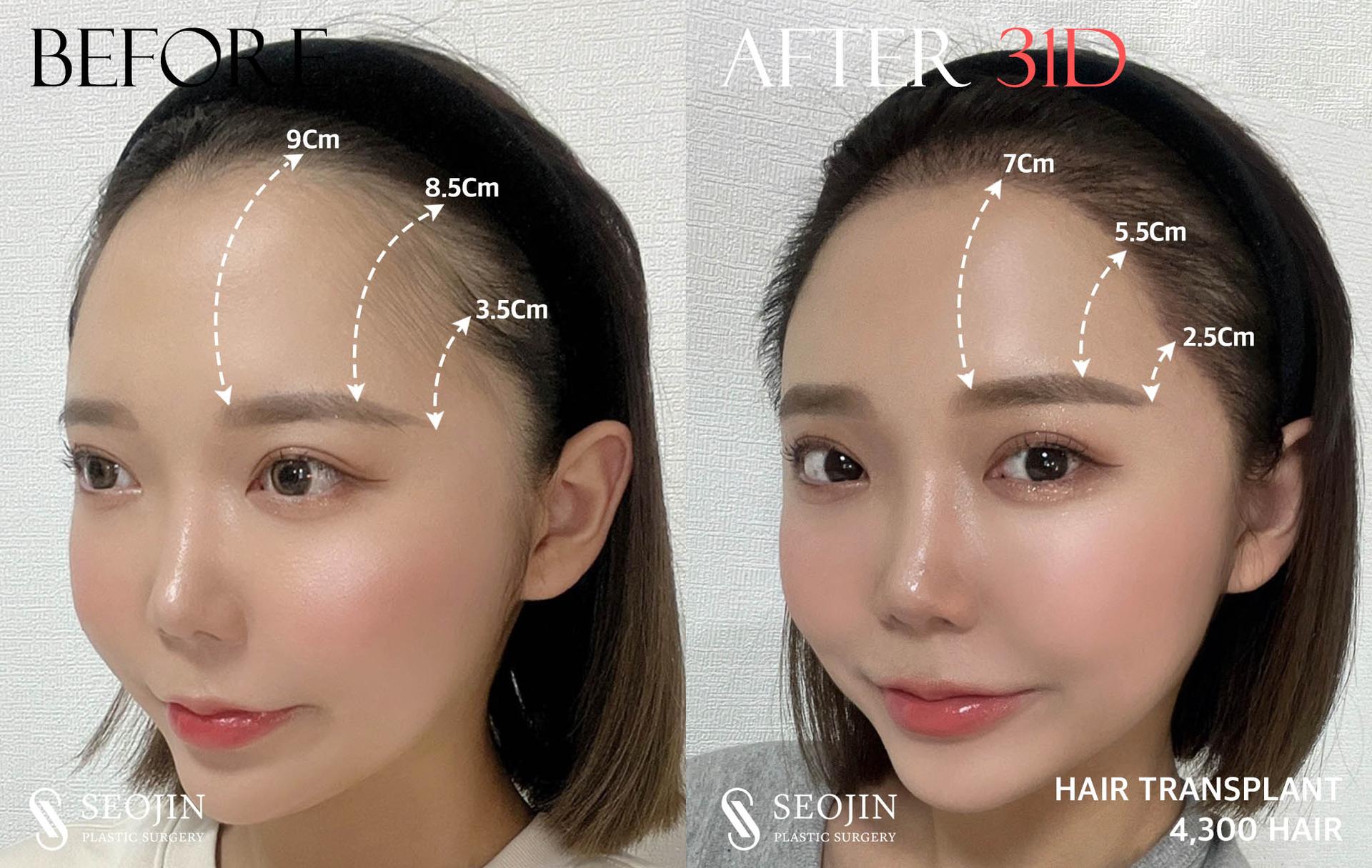
Seojin Plastic Surgery Clinic stands out as a leading choice for forelock thinning treatment in Korea because it combines proven results, award-winning expertise, and technique flexibility that directly matters in delicate frontal and hairline work. Led by Dr. Lee Hyungmin, a one-doctor system ensures consistent, end-to-end care with a highly personalized plan, backed by more than 16 years of experience and recognition as one of Korea’s Top 100 Good Doctors (2022). With over 2,100 hair transplant surgeries performed and the clinic ranked No. 1 in the hair transplant category at the KBS N Korea Broadcasting Brand Awards (2025), Seojin is known for both trust and outcomes. Patients benefit from diverse incision options—including line cut, no-cut, and mixed approaches—allowing the method to be tailored to scalp condition, density goals, and existing forelock hair, while also enabling large-scale transplants of 6,000 to 10,000 hairs when needed through combined incision and non-incision techniques. For natural-looking forelock refinement, Seojin’s hairline gradation transplant places follicles in a fine-to-thick sequence and designs symmetry with full facial balance in mind, supported by a cold follicle separation room to protect graft viability, PRP hair transplant options to support survival and reduce inflammation (especially useful for patients who cannot return frequently), and refined technique to minimize the “popping phenomenon,” helping maintain stable placement even in closely packed frontal zones.
You can check out their website here: Seojin Plastic Surgery Clinic Website
Maxwell Hair Clinic
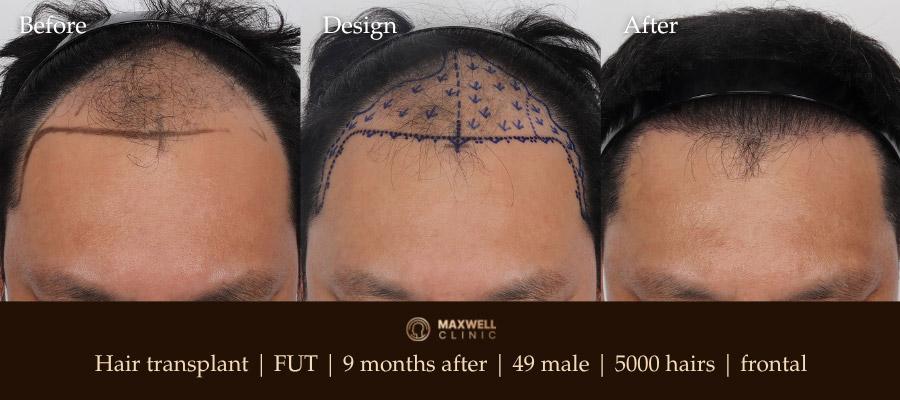
Maxwell Hair Clinic is a leading choice in Korea for treating forelock thinning with a design-first approach that prioritizes naturalness. Established in 2007 as a top-tier international hair restoration center, Maxwell has built extensive clinical experience with over 500,000 treatment cases and more than 60,000 hair transplants, offering dedicated support for both local and overseas patients. The clinic’s philosophy focuses on follicle cells—the “engine” of hair production—supported by comprehensive diagnosis of scalp elasticity, density, and hair loss degree to select the most suitable method, including FUT, FUE, or a combined approach without unnecessary procedures.
For forelock thinning, Maxwell is known for its Natural Design Process, using a two-stage plan (precise laser design followed by personalized manual adjustment) to create a hairline that fits the individual. Results are further refined through Gradation Transplantation, placing finer hairs at the front and thicker bundles behind for a hyper-natural transition, along with Facial Design Enhancement that optimizes the hairline and forehead ratio for a smaller-looking, more attractive face. Scar visibility is minimized with ultra-small punches (0.9–1.2mm) and double suturing, while an experienced surgical team supports rapid recovery—often allowing next-day shampooing and a return to daily life within two days—alongside high graft survival. Post-transplant growth is also actively supported with growth factors and specialized magnetic field therapy to optimize the final outcome.
You can check out their website here: Maxwell Hair Clinic Website
SH Clinic
SH Clinic in Sinsa, Seoul stands out as the best choice for forelock thinning in Korea because it approaches hair loss as a regenerative, medical problem rather than a purely cosmetic concern, leveraging its specialization in stem cell therapy within a true multi-specialty setting. At the SH Stem Cell Center, forelock thinning can be treated with stem cell hair loss therapy using autologous stem cells injected into the scalp to help awaken dormant follicles, stimulate new growth, and thicken existing strands without surgical grafting—an especially relevant advantage for patients who want density improvement in the frontal hairline while avoiding transplant surgery. Because SH Clinic integrates stem-cell science with women’s healthcare, aesthetic dermatology, and modern plastic surgery under one roof, patients also benefit from comprehensive, personalized treatment planning that can address contributing factors, optimize scalp and skin health, and align hair-restoration goals with overall anti-aging and aesthetic care, creating a coordinated path to natural-looking improvement in the forelock area.
You can check out their website here: SH Clinic Website
The Journey to Hairline Correction in South Korea: A Medical Tourist's Guide
South Korea is a global leader in cosmetic procedures, including advanced hair restoration. Known for cutting-edge technology, skilled surgeons, competitive prices, and comprehensive patient support, Korea offers a smooth experience for medical tourists. Strict regulations ensure high ethical standards, hygiene, and safety.
Clinics like Seojin Plastic Surgery and Maxwell Hair Clinic emphasize personalized, end-to-end care, making the experience more than just a procedure—it’s a full patient-centered journey.
Step-by-Step Process for International Patients (Example: Moarm Hair Transplant Korea)
- Online Consultation: Submit clear photos and medical history. A consultant and doctor review and provide initial recommendations.
- Schedule Procedure: Book surgery 2-3 months ahead; a deposit secures your date.
- Book Flight & Accommodation: Fly to Incheon Airport, arrive a day early, and stay about 3 days. Clinics suggest nearby hotels.
- Airport Pick-up: A driver meets you for smooth transfer.
- In-person Consultation: Surgeon examines your hair and finalizes the plan.
- Surgery Day: Procedure performed by the surgeon.
- Post-Op Care: Follow-up visits for dressing and hair wash on days 2 and 3.
- Enjoy Seoul: Free time to explore after initial care.
- Airport Drop-off: Driver takes you back for departure.
- Follow-Up: Clinic stays in touch for recovery support.
Navigating Your Trip: Accommodation, Language, and Support Services
Clinics recommend nearby accommodations for convenience. Many have English-speaking staff or translators, easing communication inside the clinic, though outside interactions may require translation apps or basic Korean phrases. Depending on nationality, a medical visa (C-3-3) may be needed—check the K-ETA website or embassy for details. Packages often include airport transfers, hotel, tests, and language help.
Selecting a Reputable Clinic: Key Considerations
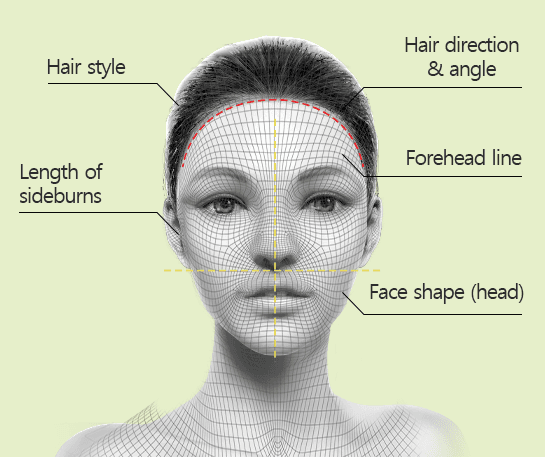
Research clinics thoroughly. Look for positive reviews, before-and-after photos, certifications, and affiliations. Meet the surgeon to discuss goals and plans. Notable Korean clinics include Maxwell Hair Clinic, Seojin Plastic Surgery, and Okay Plastic Surgery, known for expertise and personalized care.
Cost Analysis: Hairline Correction in South Korea vs. Global Destinations
Understanding Hairline Correction Costs in South Korea
Costs range from ₩3,500,000 to ₩9,000,000 KRW (~$2,400 to $6,300 USD). Factors influencing price include surgeon reputation, clinic location and facilities, and procedure type (FUE, FUT, or hairline lowering). A 10% non-refundable deposit is usually required.
A Global Comparison: South Korea vs. USA, Turkey, Mexico, and Other Countries
| Country | Hairline Correction Cost Range (USD) | Specific Procedure Costs | Key Considerations |
|---|---|---|---|
| South Korea | $2,400 - $6,300 | PRP: $200 - $500 per session | Competitive pricing, often all-inclusive, VAT refund available |
| USA | $8,000 - $15,000 | Forehead Reduction: $5,862 - $14,362; PRP: $1,500 per session | Higher costs, possible extra fees |
| Turkey | $1,000 - $2,000 | Forehead Reduction: $2,500 - $5,000; PRP: $76 per session | Very affordable, all-inclusive packages, but quality concerns |
| Mexico | $2,500 - $6,500 | Forehead Lift: $2,875; PRP: $350 per session | Affordable packages, may include accommodation |
| Canada | $6,000 - $12,000 | N/A | Higher costs |
| UK | $5,000 - $10,000 | N/A | Higher costs |
| Germany | $4,000 - $9,000 | N/A | Higher costs |
| Thailand | $3,000 - $5,500 (DHI) | PRP: $126 - $180 per session | Affordable, some all-inclusive packages, verify certifications |
What Your Procedure Cost Typically Includes (in Korea)
Costs often cover:
- Initial consultation and personalized plan
- Pre-surgery health tests
- Anesthesia
- The surgical procedure itself
- Overnight hospital stays if needed
- Post-operative medications
- Follow-up appointments including stitch removal
- VAT refund for foreign patients
This all-inclusive approach reduces hidden fees and adds value compared to other countries.
Financial Planning and Deposit Requirements
Remember to budget for flights, accommodation, and local transport. Beware of clinics offering unusually low prices without international standards, as this risks complications or poor results. Research thoroughly to balance cost and quality.
Patient Experiences and Outcomes: Addressing Forelock Thinning
Real-World Results: Before & After Insights
Patients report high satisfaction after hairline correction. For example, a 44-year-old man with Norwood 3 hair loss had 1,263 grafts transplanted via FUE and was very pleased at 1 year. Another 38-year-old with Norwood 3A had 1,438 follicles transplanted via FUT, showing natural, fuller hair at 8 months and saying results exceeded expectations.
These successes restore not just hair density but natural appearance and facial harmony, boosting self-confidence and quality of life.
The Recovery Process: What to Expect Post-Procedure
- First Few Days to 2 Weeks: Expect pain, swelling, bruising, and tightness. Scabs form but heal quickly. Light activities resume in 3-5 days; work in about 7 days for hairline lowering. Sutures removed within 7-10 days.
- Shock Loss (1-3 Months): Temporary shedding of transplanted hair is normal and signals the start of new growth.
- New Hair Growth (3-6 Months+): New hair appears and thickens over 12-18 months, with final results around 1 year.
- Aftercare: Follow medication schedules, gentle hair care, sun protection, and avoid strenuous activity.
Understanding Potential Risks and Complications
- Hair Transplant Risks: High success rates (90-98%) but risks include graft failure, scarring, infection, unnatural hairline, numbness, itching, folliculitis, and shock loss.
- Hairline Lowering Risks: Possible visible scar, temporary or permanent hair loss near incision, numbness, bleeding, infection, swelling, bruising.
- Risk Factors: Surgeon skill, patient health (diabetes, autoimmune disorders), lifestyle (smoking, alcohol), and realistic expectations all affect outcomes. Patient commitment to aftercare is crucial.
Long-Term Success and Patient Satisfaction
Most patients rate satisfaction above 8/10. Transplanted hair is permanent, but hairline lowering results may slightly lengthen over time. Doctors often recommend ongoing use of Minoxidil or Finasteride to maintain results. Regular follow-ups help monitor progress.
Conclusion and Recommendations
Key Takeaways for Your Hair Restoration Journey
Forelock thinning is a symptom, not a diagnosis. Effective treatment depends on identifying the exact cause. Options range from non-surgical methods like PRP, Finasteride, Minoxidil, and SMP for early thinning, to surgical procedures like FUE, FUT, and hairline lowering for more significant restoration. South Korea stands out as a top destination offering advanced techniques, skilled surgeons, competitive prices, and comprehensive care. Patient satisfaction is generally high, but managing expectations and committing to aftercare are essential for success.
Empowering Your Decision-Making Process
Before starting treatment, get a professional diagnosis. Consult qualified specialists to explore all options and set realistic goals. Research clinics carefully, especially if considering medical tourism in South Korea. Understand all costs, including travel and accommodation. Finally, commit fully to aftercare to ensure the best long-term results.
References
1, 2, 3, 4, 5, 6, 7, 8, 9, 10, 11, 12, 13, 14, 15, 16, 17, 18, 19, 20, 21, 22, 23, 24, 25, 26, 27, 28, 29, 30, 31