Medical Tourism Blog
Revitalize Your Look: Breast Implant Aging Solutions with Revision Breast Surgery in Korea
Table of contents
- Revision Breast Surgery: Detailed Medical Procedures
- Best Clinics in Korea for Breast Implant Aging
- The Medical Tourism Journey: Getting Revision Breast Surgery in South Korea
- Costs and Value: South Korea vs. Other Destinations
- Patient Perspectives: Addressing Issues and Achieving Desired Outcomes
- Conclusion
- References
Considering treatment in Korea? Everything you need to know e.g. — how to avoid scams, visas, interpreters, recovery tips — in our Medical Tourism Master Guide. Plan with confidence in minutes, not weeks!
As a medical researcher specializing in plastic and reconstructive surgery, this guide aims to help patients understand "breast implant aging" and the need for "old implants needing replacement." It covers the medical details, surgical procedures, and practical tips for those thinking about [revision breast surgery](/blog/revision-breast-surgery-korea), especially as medical tourists in South Korea.
"Breast implant aging" involves more than just the physical wear of the implant; it reflects the complex interaction between the implant and the body over time, which can cause various issues. Patients should know that breast implants are not permanent and may lead to localized problems or systemic health concerns.
What is Breast Implant Illness (BII)?
Breast Implant Illness (BII) refers to a range of symptoms reported by some people with breast implants. Although not officially recognized as a medical diagnosis yet, research is ongoing. BII can affect individuals with either saline or silicone implants, with symptoms appearing soon after surgery or many years later. Many patients notice symptom improvement after implant removal, but this is not guaranteed.
Patients researching BII might also see terms like Breast Implant Disease, Autoimmune/Inflammatory Syndrome Induced by Adjuvants (ASIA), or Silicone Implant Illness. Knowing these terms helps navigate online information. BII symptoms are diverse, with over 50 reported, affecting multiple body systems. Common musculoskeletal symptoms include joint and muscle pain or weakness. Cognitive issues often involve brain fog, memory loss, difficulty concentrating, anxiety, and depression. Systemic symptoms can include chronic pain, dry eyes, hair loss, skin rashes, headaches, and breathing difficulties.
The exact cause of BII is unknown, but theories include autoimmune or inflammatory reactions to implant materials like silicone, bacterial biofilms on the implant surface, or reactions to surgery itself. No specific test currently diagnoses BII; doctors usually exclude other conditions such as arthritis, Lyme disease, lupus, rheumatoid arthritis, or scleroderma. The main treatment, based on patient reports and clinical experience, is surgical removal of the implants.
Other Common Issues with Aging Implants
Breast implants are not lifetime devices. While some last 20 to 30 years, most have a lifespan of 10 to 20 years. Eventually, many patients choose replacement or removal due to complications or changing preferences. This means breast augmentation is often a long-term commitment requiring future surgeries.
Common reasons for implant replacement or removal include:
- Capsular Contracture: The most frequent cause, where scar tissue around the implant hardens, causing pain, firmness, and breast shape distortion.
- Implant Rupture or Deflation: Saline implant ruptures cause immediate deflation and harmless absorption of saline. Silicone ruptures, or "silent ruptures," are harder to detect and may cause subtle symptoms like burning or uneven breast size, often needing imaging for confirmation.
- Rippling or Wrinkles: Visible or palpable surface irregularities affecting appearance.
- Implant Malposition or Shifting: Implants may move over time, causing asymmetry or off-center breasts, influenced by weight changes or aging.
- "Bottoming Out": Sagging caused by implant weight leading to downward displacement.
- Calcium Buildup: Deposits in scar tissue can cause pain, firmness, and show on mammograms, requiring differentiation from cancer-related calcifications.
- Breast Implant-Associated Anaplastic Large Cell Lymphoma (BIA-ALCL): A rare cancer linked to textured implants.
- Personal Decision: Some patients opt for removal or replacement due to changing aesthetic goals or lifestyle.
- Interference with Mammograms: Implants can obscure breast tissue, making mammograms less clear; removal improves imaging.
- Discomfort or Pain: Persistent pain or heaviness may prompt revision.
"Breast implant aging" involves both mechanical failure and the body's long-term biological response. Patients should watch for a broad range of symptoms, not just visible implant issues, and seek providers knowledgeable about BII for thorough evaluation.
Mechanical problems and systemic concerns may be linked. Chronic inflammation or low-grade infection related to BII might worsen capsular contracture. Similarly, a compromised implant with a silent rupture could trigger systemic inflammation. The fact that implant removal often improves BII symptoms supports this connection. Thus, revision surgery is a holistic health decision, not just cosmetic.
When to Consider Revision: Recognizing Signs and Symptoms
Consult a healthcare provider if you notice new or worsening symptoms possibly related to BII. Changes in breast appearance like asymmetry, rippling, sagging, or uneven size need evaluation. Physical discomfort such as persistent pain, tightness, firmness, or burning/tingling sensations should be addressed. Suspected implant rupture or deflation requires prompt attention—saline ruptures are obvious, while silicone ruptures need regular imaging checks. Dissatisfaction with appearance or feeling implants no longer suit your body or lifestyle are valid reasons to consult. Given implants’ typical lifespan, considering revision after 10-15 years proactively can help detect issues early and improve outcomes.
Revision Breast Surgery: Detailed Medical Procedures
Revision breast surgery is a specialized plastic surgery field focused on addressing complications or changes after initial breast augmentation. It is highly personalized to improve results, fix problems, and adapt to evolving patient needs.
What is Revision Breast Surgery?
Also called secondary breast surgery, revision breast surgery corrects or enhances previous breast augmentation outcomes. It aims to resolve complications, improve aesthetics, or accommodate natural breast changes and patient preferences. Each procedure is tailored to the individual’s concerns.
Patients seek revision for capsular contracture, implant rupture, wrinkling, asymmetry, implant shifting, or BII symptoms. Others want to change implant size, shape, or type, or address aging effects.
Types of Revision Procedures
Revision surgery includes various techniques, often combined:
- Implant Exchange (Revision Augmentation): Removing old implants and replacing them with new ones, possibly changing size, shape, or material.
- Explantation (Implant Removal without Replacement): Complete implant removal without replacement, popular among those wanting natural breasts or relief from BII.
- Capsulectomy: Removing scar tissue around implants, especially for capsular contracture.
- Total Capsulectomy: Removing implant and entire scar capsule.
- En Bloc Capsulectomy: Removing implant and capsule in one piece; sometimes recommended for BII but debated due to risks.
- Capsulotomy: Partial cutting or removal of scar tissue to relieve tension.
- Mastopexy (Breast Lift): Often combined with revision to lift sagging skin after implant removal or aging.
- Mastopexy with Reduction: Combines lift with skin removal and possibly smaller implants for better proportion.
- Breast Reconstruction: For cases with significant tissue loss, using fat grafting or implants to restore shape.
Revision surgery is highly customizable, unlike initial augmentation. Surgeons tailor techniques based on anatomy, history, and goals. Thorough consultation is essential to develop a personalized plan. A surgeon offering a wide range of options and listening carefully is key.
The Surgical Process
Revision surgery is usually done under general anesthesia, lasting 1 to 3 hours depending on complexity and additional procedures like lifts. Surgeons often reuse original incision sites to minimize new scars but may create new ones if needed. Implants are removed carefully; if indicated, scar tissue is excised. New implants are placed if exchanging. Complementary procedures like lifts are performed to refine shape. Many revisions are outpatient, but complex cases may require overnight hospital stays.
Recovery and Post-Operative Care
Recovery is often easier and less painful than initial augmentation since the implant pocket exists. Immediately post-op, patients are monitored as anesthesia wears off. Compression garments or surgical bras reduce swelling; drains may be placed temporarily. Assistance is needed for the first days.
Swelling, bruising, and discomfort peak in the first week, managed with pain meds and rest. By weeks 2-3, swelling subsides, and light activities resume. Weeks 4-6 see continued healing; light exercise can start but avoid chest strain. Most swelling resolves by 3-6 months, with final breast shape settling by 6-12 months. Follow-ups are crucial to monitor healing and remove stitches. Strenuous activity is restricted for 4-6 weeks. Scarring varies by technique and individual healing.
Potential Risks and Benefits
Revision surgery offers many benefits: updating implant size, shape, or material; resolving complications like capsular contracture or rupture; relieving pain; and improving BII symptoms. Removing implants can clarify mammograms. Aesthetically, it corrects asymmetry and restores youthful contours, boosting confidence.
Health benefits include relief from chronic pain, improved posture, and better overall well-being. Patients often report increased strength and self-esteem, showing revision surgery addresses more than appearance.
Risks include bleeding, infection, asymmetry, fluid collection, numbness, scarring, and anesthesia-related issues. Not all BII symptoms may resolve after removal.
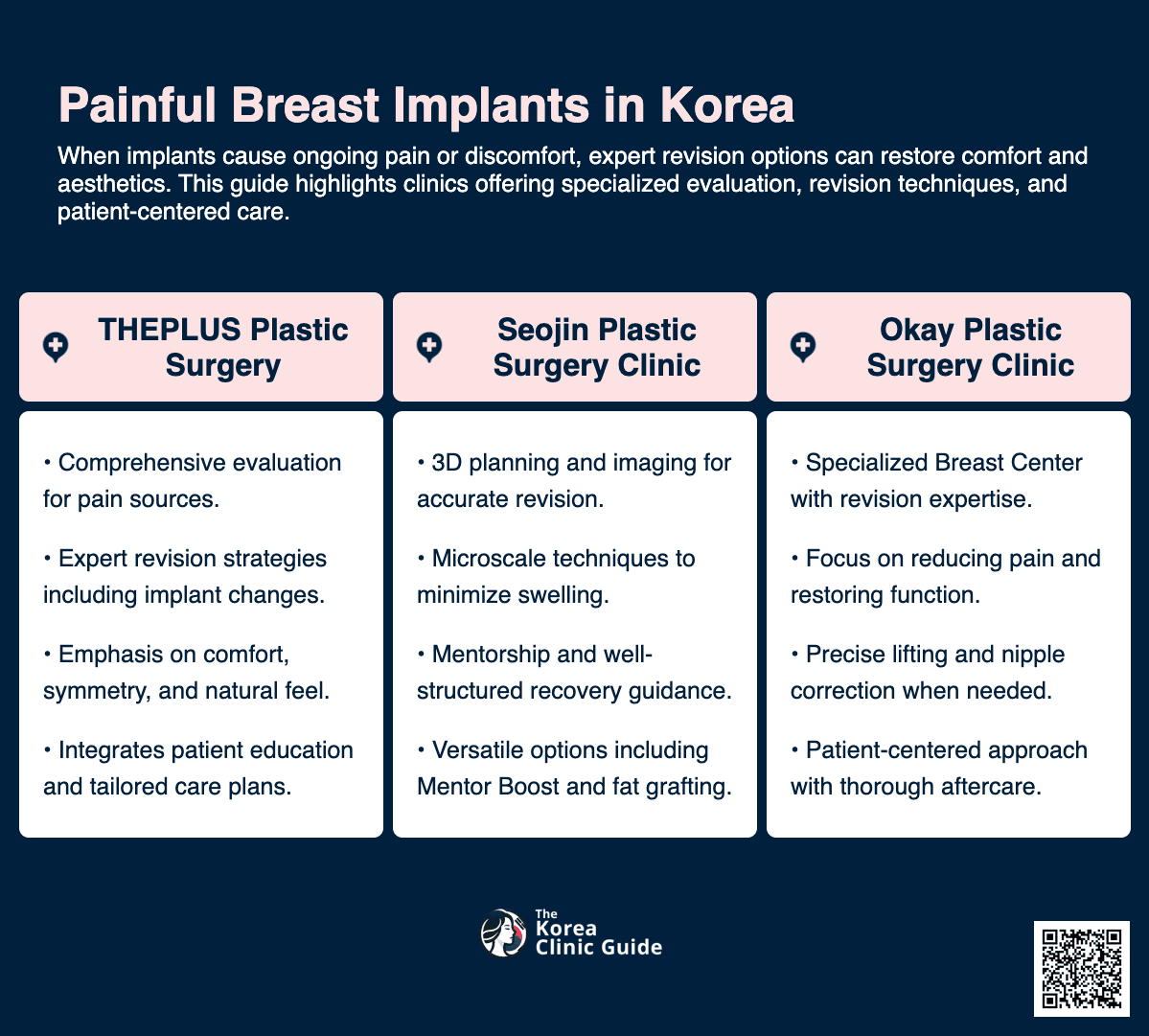
Best Clinics in Korea for Breast Implant Aging
Listed below are the best clinics in Korea for breast implant aging:
| Clinic Name | Key Features | Special Techniques |
|---|---|---|
| THEPLUS Plastic Surgery | THE PLUS Plastic Surgery, nestled along Garosu-gil in Gangnam, Seoul, delivers world-class care in a four-floor facility purpose-built for the entire journey—from consultation and surgery to post-operative skincare. Its surgeons are accomplished clinician-researchers who publish in scholarly journals and books and actively participate in domestic and international symposiums, reflecting a commitment to evidence-based practice and continuous advancement. Safety and patient satisfaction anchor the clinic’s philosophy, supported by a seasoned team with over a decade of experience and active involvement in major medical societies, including the American Society of Plastic Surgeons, and a culture of clear, personalized communication. For patients considering the evaluation and management of breast implant aging, THE PLUS offers comprehensive breast surgery services with the expertise of Dr. Lee, a board-certified plastic surgeon specializing in breast augmentation who trained at leading hospitals nationwide, including service as a Surgery Specialist at Seoul National University Hospital. A member of several leading Korean plastic surgery societies, Dr. Lee emphasizes natural, long-lasting results—an essential focus when planning for the longevity and potential refresh of aging implants. Complementing this depth, director surgeons Dr. Jeong and Dr. Kim are internationally recognized educators and researchers—Dr. Kim with award-winning work on 3D implants and Dr. Jeong as President of the Korean Society of Plastic Surgeons—ensuring rigorous standards and multidisciplinary insight. The clinic provides a full spectrum of options, including Motiva implants, within a safety-first system designed to support patients from initial assessment through long-term follow-up. | Motiva implants |
| Seojin Plastic Surgery Clinic | Located in the heart of Gangnam, Seoul, Seojin Plastic Surgery Clinic is a leading destination for patients navigating breast implant aging in Korea. Led by Dr. Lee Hyungmin, a 2022 Top 100 Good Doctors honoree with more than 16 years of experience, the clinic combines proven volume—over 2,300 breast surgeries—with recognized excellence, including being ranked No. 1 in the Breast Augmentation category at the KBS N Korea Broadcasting Brand Awards. Active participation in Motiva and Mentor academic conferences ensures the team remains current with implant science and safety standards, a critical advantage when assessing aging implants and planning revision strategies. | 3D breast implant modeling to simulate outcomes across brands and types; free trial bra service to preview fit; tailored microscale dual plane techniques based on ribcage, tissue, and chest anatomy; intraoperative sizers refine symmetry and size before final placement; 3D spatial dissection promotes smooth pockets and minimizes swelling; Mentor Boost; hybrid augmentation—PRP-supported fat grafting from areas like the thighs or abdomen; one-doctor clinic providing end-to-end, personalized care from consultation through recovery |
| Okay Plastic Surgery Clinic | Okay Plastic Surgery Clinic is a specialty-driven practice with a dedicated Breast Center and a philosophy rooted in sincerity, precision, and individualized care. Led by Dr. Cho—renowned for breast surgery expertise and ongoing research—and supported by a team that includes a highly experienced female plastic surgeon, the clinic combines advanced techniques with comprehensive aftercare to deliver natural, lasting results. From complex reductions to refined lifts and nipple correction, patients receive a tailored, research-informed approach that addresses the full spectrum of concerns related to Breast Implant Aging. | Breast lift for sagging; breast reduction when volume or weight changes demand rebalancing; nipple correction for symmetry and projection; Scar and Keloid Clinic; ability to combine and stage procedures (augmentation, reduction, lift, and nipple correction) within one coordinated plan |
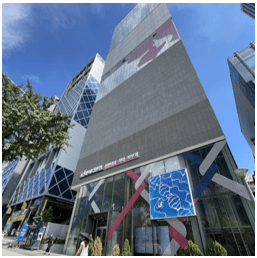
THEPLUS Plastic Surgery
THE PLUS Plastic Surgery, nestled along Garosu-gil in Gangnam, Seoul, delivers world-class care in a four-floor facility purpose-built for the entire journey—from consultation and surgery to post-operative skincare. Its surgeons are accomplished clinician-researchers who publish in scholarly journals and books and actively participate in domestic and international symposiums, reflecting a commitment to evidence-based practice and continuous advancement. Safety and patient satisfaction anchor the clinic’s philosophy, supported by a seasoned team with over a decade of experience and active involvement in major medical societies, including the American Society of Plastic Surgeons, and a culture of clear, personalized communication.
For patients considering the evaluation and management of breast implant aging, THE PLUS offers comprehensive breast surgery services with the expertise of Dr. Lee, a board-certified plastic surgeon specializing in breast augmentation who trained at leading hospitals nationwide, including service as a Surgery Specialist at Seoul National University Hospital. A member of several leading Korean plastic surgery societies, Dr. Lee emphasizes natural, long-lasting results—an essential focus when planning for the longevity and potential refresh of aging implants. Complementing this depth, director surgeons Dr. Jeong and Dr. Kim are internationally recognized educators and researchers—Dr. Kim with award-winning work on 3D implants and Dr. Jeong as President of the Korean Society of Plastic Surgeons—ensuring rigorous standards and multidisciplinary insight. The clinic provides a full spectrum of options, including Motiva implants, within a safety-first system designed to support patients from initial assessment through long-term follow-up.
You can check out their website here: THEPLUS Plastic Surgery Website
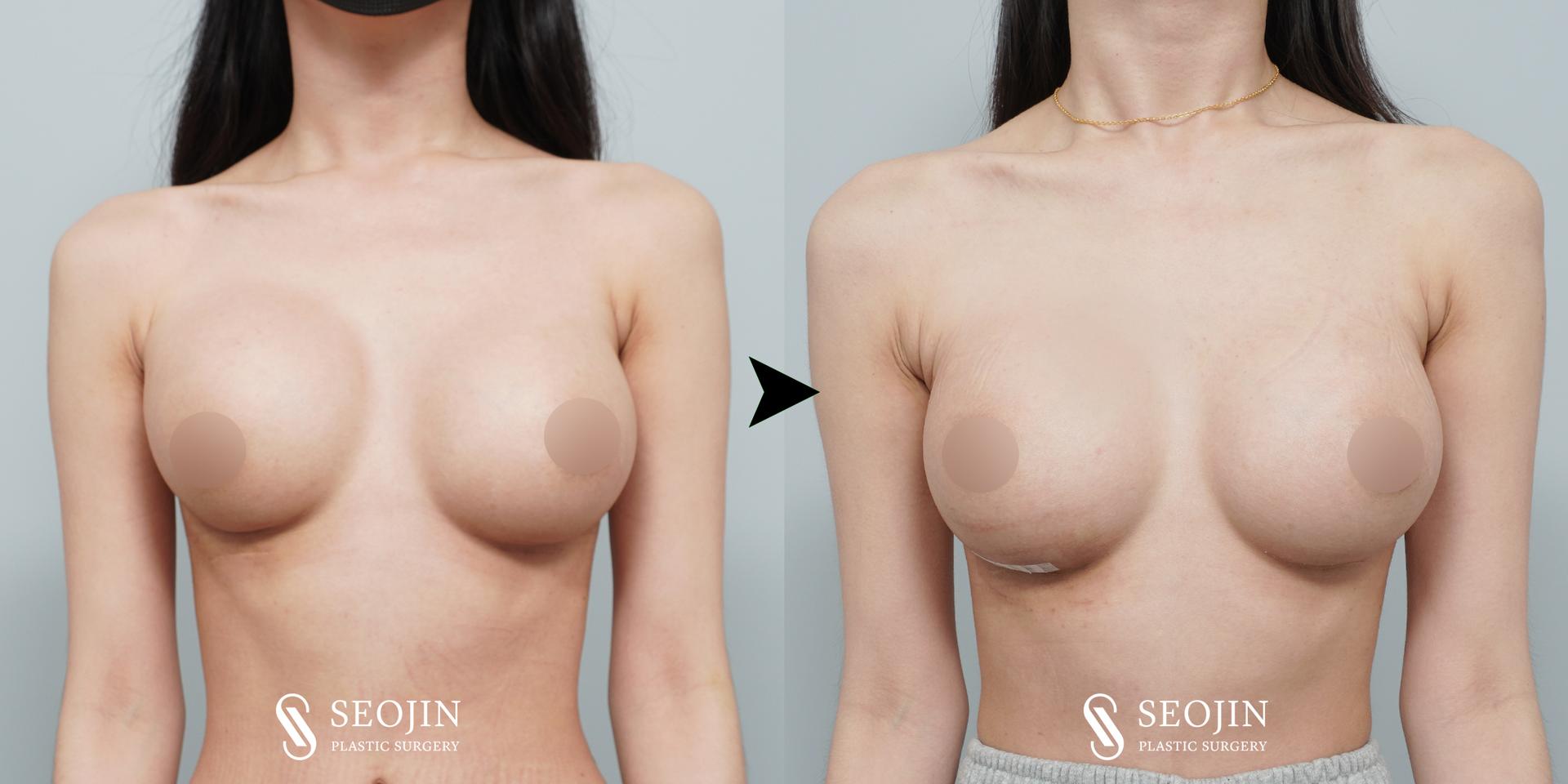
Seojin Plastic Surgery Clinic
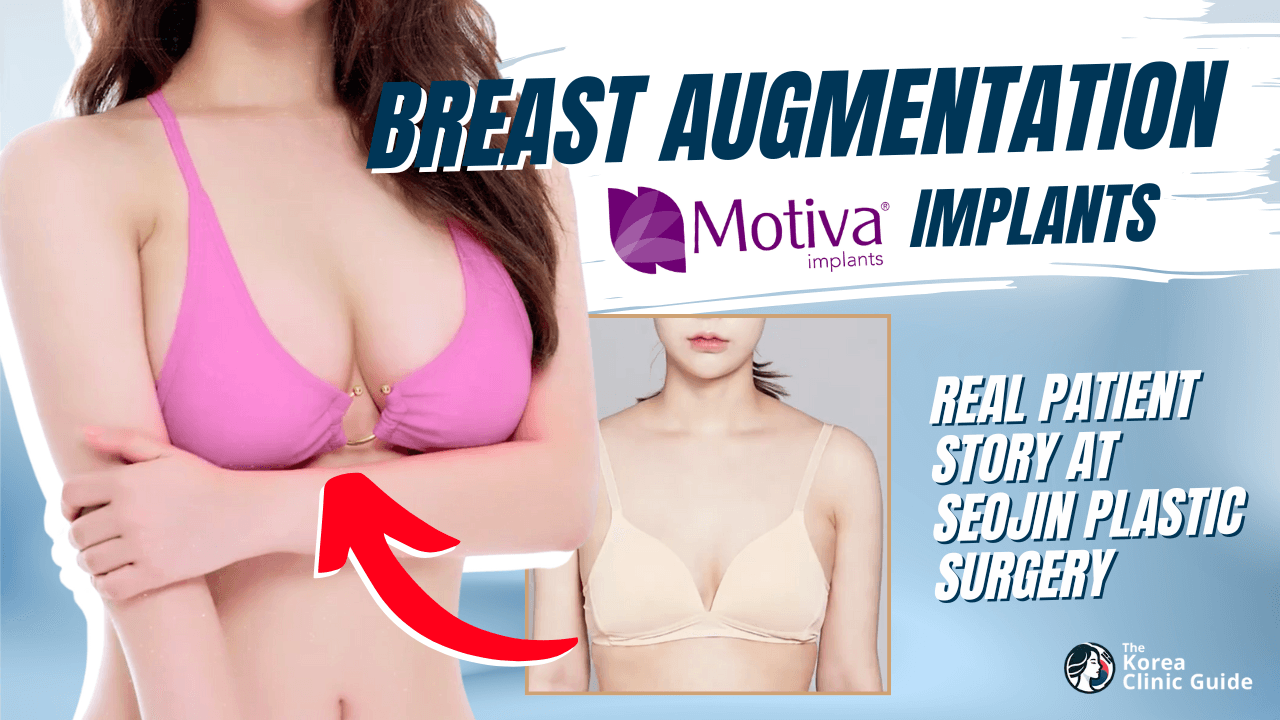
Located in the heart of Gangnam, Seoul, Seojin Plastic Surgery Clinic is a leading destination for patients navigating breast implant aging in Korea. Led by Dr. Lee Hyungmin, a 2022 Top 100 Good Doctors honoree with more than 16 years of experience, the clinic combines proven volume—over 2,300 breast surgeries—with recognized excellence, including being ranked No. 1 in the Breast Augmentation category at the KBS N Korea Broadcasting Brand Awards. Active participation in Motiva and Mentor academic conferences ensures the team remains current with implant science and safety standards, a critical advantage when assessing aging implants and planning revision strategies.
For patients considering primary augmentation or revision due to changes over time, Seojin offers advanced planning and surgical precision: 3D breast implant modeling to simulate outcomes across brands and types, a free trial bra service to preview fit, and tailored microscale dual plane techniques based on each patient’s ribcage, tissue, and chest anatomy. Intraoperative sizers refine symmetry and size before final placement, while 3D spatial dissection promotes smooth pockets and minimizes swelling. To address age-related ptosis without the scars of traditional lifting, Seojin employs specialized options such as Mentor Boost, and further enhances softness and contour through hybrid augmentation—combining implants with PRP-supported fat grafting from areas like the thighs or abdomen. As a one-doctor clinic, Seojin delivers end-to-end, personalized care from consultation through recovery, aligning technology, technique, and attentive follow-up for long-term breast health and aesthetics.
You can check out their website here: Seojin Plastic Surgery Clinic Website
Okay Plastic Surgery Clinic
Okay Plastic Surgery Clinic is a specialty-driven practice with a dedicated Breast Center and a philosophy rooted in sincerity, precision, and individualized care. Led by Dr. Cho—renowned for breast surgery expertise and ongoing research—and supported by a team that includes a highly experienced female plastic surgeon, the clinic combines advanced techniques with comprehensive aftercare to deliver natural, lasting results. From complex reductions to refined lifts and nipple correction, patients receive a tailored, research-informed approach that addresses the full spectrum of concerns related to Breast Implant Aging.
- Specialized Breast Center offering procedures that directly address implant aging: breast lift for sagging, breast reduction when volume or weight changes demand rebalancing, and nipple correction for symmetry and projection
- Leadership by Dr. Cho, a recognized expert who publishes on breast surgery and excels in both standard augmentation and severe, complex cases that many clinics cannot perform—crucial for challenging implant-aging revisions
- Comprehensive aftercare focused on natural, long-term outcomes, with follow-up designed to support stable shape, softness, and symmetry over time
- Truly individualized treatment plans guided by sincerity and precision, aligning technique selection with each patient’s anatomy, skin quality, and aging pattern
- Integration of advanced, cutting-edge methods with supportive services—such as a dedicated Scar and Keloid Clinic—to optimize incision management and healing after revision or combined procedures
- A patient-centered team that includes a renowned female plastic surgeon, enhancing communication, comfort, and understanding throughout the breast transformation journey
- Ability to combine and stage procedures (augmentation, reduction, lift, and nipple correction) within one coordinated plan, ensuring cohesive results that age gracefully
Find more about this clinic here: Okay Plastic Surgery Clinic Website
The Medical Tourism Journey: Getting Revision Breast Surgery in South Korea
South Korea is a top destination for cosmetic surgery, known for expert surgeons, advanced technology, and patient-focused care. Understanding the medical tourism process is vital for those considering revision surgery there.
Why South Korea?
Seoul’s Gangnam district is a global cosmetic surgery hub, famous for skilled surgeons who deliver natural results. Clinics use cutting-edge tech like 3D modeling for precise planning. South Korea offers competitive pricing compared to Western countries, often including pre-surgical tests, overnight stays, and post-op care in one package, reducing hidden costs and logistical hassles.
Many clinics cater to international patients with bilingual consultations, interpreters, and dedicated managers, ensuring smooth communication and care. This comprehensive support is key to a quality medical tourism experience.
Step-by-Step Process for International Patients
- Initial Virtual Consultation: Online meetings allow patients to discuss history, concerns, and goals with surgeons before travel.
- Travel and Accommodation Planning: After planning surgery, patients arrange flights and lodging, often near the clinic.
- In-Person Pre-Surgical Consultation and Tests: On arrival, surgeons perform exams and finalize plans. Tests like blood work and MRI (for silent ruptures) ensure fitness for surgery. Multilingual staff help avoid miscommunication, which is critical for safety and satisfaction.
- Surgical Procedure: Revision surgery is performed under general anesthesia.
- Immediate Post-Op Care: Patients stay 24 hours in private recovery rooms for monitoring.
- Recovery and Follow-Ups: Patients remain in Korea 1-2 weeks or longer for follow-ups and healing. Extended stays ensure proper care and reduce risks from premature travel.
Choosing the Right Clinic and Surgeon
Key factors include:
- Accreditation and Safety: Look for government and international accreditations, infection control, and emergency protocols.
- Surgeon’s Expertise: Research experience and reputation; top surgeons may cost more but offer better outcomes.
- Communication Support: Clinics with bilingual services and patient managers reduce misunderstandings.
- Patient Testimonials: Seek authentic reviews and references from international patients.
- Technology Use: Virtual consultations and AI simulations help set realistic expectations.
- Cost Transparency: Clarify all fees upfront to avoid surprises.
- Recovery Location: Choose accommodation close to the clinic for easy follow-ups.
Essential Pre-Surgery Preparations and Post-Operative Considerations for Tourists
Pre-Surgery:
- Stop smoking 7-14 days before surgery; avoid alcohol 3 days prior.
- Discontinue blood thinners unless directed otherwise.
- Shower thoroughly on surgery day.
- Wear loose, front-button clothing; bring hat and sunglasses for post-op.
- Prepare questions and realistic goals; consider a support person.
- Dissolve fillers 3+ days before if applicable.
Post-Operative:
- Plan to stay in Korea at least 1-2 weeks for recovery.
- Budget for travel insurance, visa, accommodation, and living expenses.
- Ensure passport validity for 6+ months beyond return.
- Arrange post-op assistance.
- Understand risks and scarring possibilities.
- Avoid surgery during major Korean holidays.
- Discuss wound care options if early return home is needed.
Costs and Value: South Korea vs. Other Destinations
Knowing the financial aspects is crucial for medical tourists. South Korea offers competitive pricing but consider all costs and value compared to other countries.
Average Costs of Revision Breast Surgery in South Korea
Costs range from $3,000 to $15,100 USD (₩4,360,000 to ₩21,947,000 KRW). Another cited range is ₩13,000,000 to ₩22,000,000 KRW ($8,944 to $15,136 USD). Some sources list $5,000 to $10,000 USD. Breast implant revision specifically can cost $4,200 to $18,000 USD, depending on complexity and surgeon.
Korean prices often include:
- Surgeon’s fee, anesthesia, operating room
- Overnight stays for monitoring
- Pre-surgical tests (blood work, imaging)
- Post-op care and follow-ups
Additional costs: 10% deposit, international travel, accommodation during recovery, medications, travel insurance, and visa fees. Combining procedures like breast lifts increases costs (e.g., $6,000 extra in the US).
Cost Comparison: South Korea vs. Other Key Medical Tourism Hubs
| Country | Approximate Cost Range (USD) | Typical Inclusions | Key Considerations/Exclusions |
|---|---|---|---|
| South Korea | $8,944 - $15,136 | Surgery, anesthesia, OR, overnight stays, tests, post-op care | 10% deposit; travel/accommodation usually separate; extended stay needed |
| USA | $7,000 - $17,000 (removal) | Surgeon’s fee | Facility, anesthesia, tests, garments often extra |
| Turkey | $5,500 - $6,000 (augmentation) | Surgery, tests, post-op care, accommodation, transport | No specific revision cost; general cosmetic surgery competitive |
Note: Costs vary by clinic, surgeon, complexity, and inclusions.
Factors Influencing Cost
- Surgeon’s experience and reputation
- Clinic accreditation and popularity
- Procedure complexity
- Type and brand of implants
- Package inclusions (tests, stays, care)
- Clinic location within Korea
Understanding the Value Proposition for Medical Tourists
South Korea balances competitive prices with high-quality care, advanced technology, and expert surgeons. Inclusive packages reduce unexpected expenses and logistical stress. Patients should focus on value—combining cost, expertise, safety, and support—rather than just the lowest price. Research clinic accreditations, surgeon credentials, and package details carefully.
Patient Perspectives: Addressing Issues and Achieving Desired Outcomes
Revision breast surgery for "breast implant aging" often transforms patients’ health, appearance, and confidence.
Improvements in Health and Well-being
Many patients report significant relief from BII symptoms after implant removal, including less fatigue, improved cognition, reduced chest pain, and decreased anxiety and joint pain. Capsular contracture pain often resolves quickly. Removing or reducing heavy implants can ease neck and back pain, improving posture and comfort. Revision surgery addresses complications like rupture, rippling, and asymmetry, aiming for stable, lasting results without compromising health.
Aesthetic and Confidence Enhancements
Revision surgery restores symmetry and corrects deformities from capsular contracture or implant shifting. Patients can choose new implant size, shape, or material, or return to natural breast size with explantation. Combining with a mastopexy lifts sagging skin for a youthful contour. Many patients experience a boost in satisfaction, self-confidence, and body comfort. Some describe a sense of freedom from implant weight and size, highlighting emotional relief.
Real Patient Experiences and Testimonials (Summarized Outcomes)
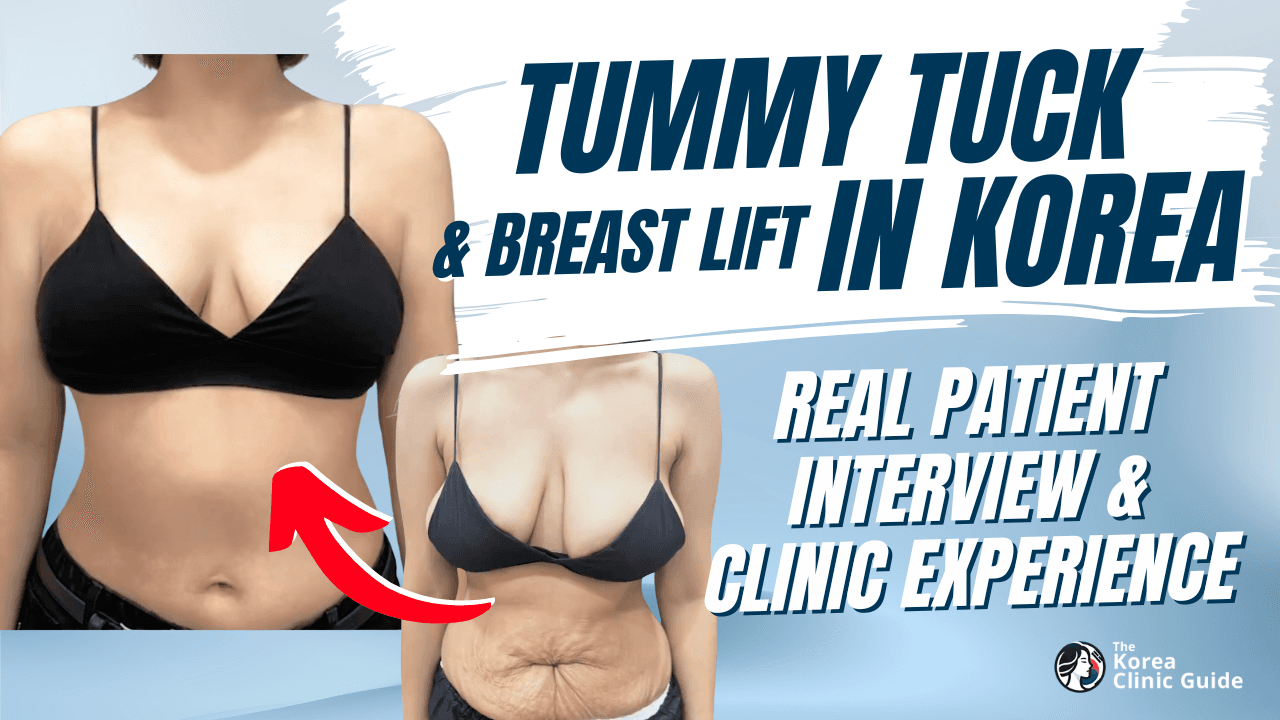
One patient who replaced a ruptured implant and had a tummy tuck praised the surgeon’s honesty and follow-up, reporting improved strength, confidence, and resolved back pain. Another patient removing 18-year-old implants chose a breast lift with small implants, describing smooth care and excitement with results. These stories show revision surgery’s profound impact on physical well-being and self-image.
Conclusion
"Breast implant aging" involves both mechanical wear and complex biological responses, including Breast Implant Illness (BII). Implants are not permanent and often require revision due to complications or changing preferences. Revision breast surgery offers tailored solutions—from implant exchange and removal to capsulectomy and lifts—providing relief from pain and BII symptoms while enhancing aesthetics and confidence. South Korea stands out as a top medical tourism destination, combining expert surgeons, advanced technology, competitive pricing, and comprehensive patient support. Patients should carefully consider all costs and logistics to make informed decisions that improve their health, comfort, and long-term satisfaction.
References
1, 2, 3, 4, 5, 6, 7, 8, 9, 10, 11, 12, 13, 14, 15, 16, 17, 18, 19, 20