Medical Tourism Blog
Alopecia Areata Solutions in Korea: PRP Hair Loss & Autologous Stem Cell Therapy Treatments
Table of contents
- Exploring Regenerative Therapies: PRP and Autologous Stem Cell Treatment
- Best Clinics in Korea for Alopecia Areata
- Medical Tourism in South Korea: A Guide to Hair Loss Treatments
- Patient Experiences and Outcomes with Regenerative Therapies for Alopecia Areata
- Conclusion
- References
Considering treatment in Korea? Everything you need to know e.g. — how to avoid scams, visas, interpreters, recovery tips — in our Medical Tourism Master Guide. Plan with confidence in minutes, not weeks!
Alopecia areata is more than just hair loss—it’s a chronic autoimmune disorder that can deeply affect both physical appearance and mental well-being. To find effective ways to manage this condition, it helps to grasp its biological roots and the variety of ways it shows up.
Alopecia areata primarily targets hair follicles in the growth (anagen) phase. The immune system mistakenly attacks these follicles, causing patchy hair loss but not necessarily destroying the follicles, so regrowth remains possible. This happens because the follicles lose their usual “immune privilege” and become vulnerable.
Genetics play a big role in who develops alopecia areata, but environmental triggers—like stress, infections, or even vaccines—can also set it off. If you or your family have other autoimmune disorders (asthma, thyroid disease, vitiligo, etc.), your risk is higher.
The hallmark of alopecia areata is sudden, non-scarring patches of baldness—usually on the scalp but sometimes on the beard, eyebrows, or limbs (like alopecia barbae). You might feel itching or tingling before hair falls out. Nearly half of patients notice nail changes as well, including pitting, lines, splitting, or roughness.
Most people see their hair regrow within a year, but this is a relapsing condition—hair may come and go for years. The disease isn’t usually a threat to your overall health, but emotionally it can be very tough, often leading to stress or sadness. That’s why addressing both the physical and psychological effects is vital. Counseling and support groups often play a part in a successful management plan, especially for medical travelers.
Diagnosis is based on a dermatologist’s careful exam, including pulling hairs at the edge of patches to check for active loss. Certain hair features (like broken hairs or “exclamation point” hairs) and nail signs help confirm AA. Sometimes, a biopsy may be needed for a final diagnosis.
Alopecia areata’s outlook varies: over half of people with just one or two bald patches will see hair regrow in a year, but more severe types like alopecia universalis (complete loss of all body hair) rarely fully recover. Since the root issue is immune system misfiring, effective treatments ideally need to address this—not just trigger new hair growth—raising important questions about how regenerative therapies work and whether they can prevent the immune attack from coming back.
Common Pseudonyms and Variations of Alopecia Areata
Alopecia areata goes by many names, and its appearance isn’t always the same. Sometimes it’s called “spot baldness,” “Alopecia Celsi,” “Vitiligo Capitis,” or “Porrigo Decalvans”—terms reflecting its history and broad range.
It can present in several patterns:
- Alopecia Areata (AA): Patchy, round bald spots on the scalp.
- Alopecia Areata Totalis: All scalp hair gone.
- Alopecia Areata Universalis: Loss of all body hair.
- Diffuse Alopecia Areata: General hair thinning instead of clear patches.
- Ophiasis Alopecia Areata: Band-shaped hair loss around the scalp edge.
- Sisaipho (ophiasis inversus): Hair loss at the front and sides, sparing the back of the scalp.
- Alopecia Areata Barbae: Bald patches in the beard area.
- Monolocularis/Multilocularis: One or several bald spots.
Diagnosing your specific pattern is crucial, as different forms may respond better to certain treatments. For anyone considering treatment in South Korea, it’s best to start with a thorough consultation so the plan matches your unique situation.
Exploring Regenerative Therapies: PRP and Autologous Stem Cell Treatment
Let’s look at two advanced therapies for hair loss—Platelet-Rich Plasma (PRP) and Autologous Stem Cell Therapy—and how they work to boost hair regrowth.
Platelet-Rich Plasma (PRP) Hair Loss Therapy
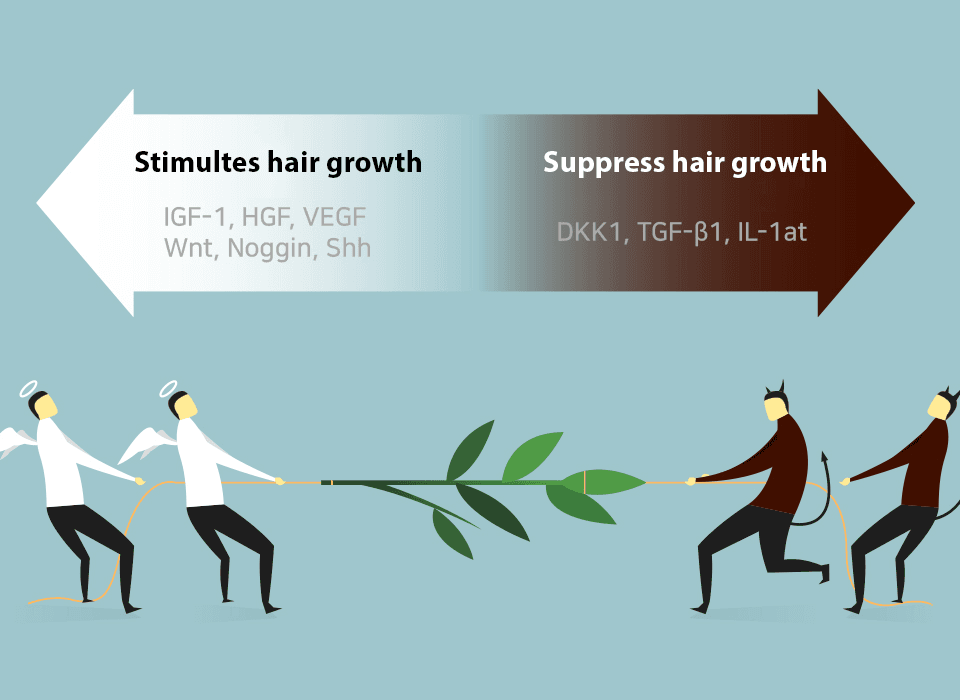
PRP therapy uses the healing components in your own blood to help revive hair follicles.
How PRP Works: Mechanism of Action and Growth Factors
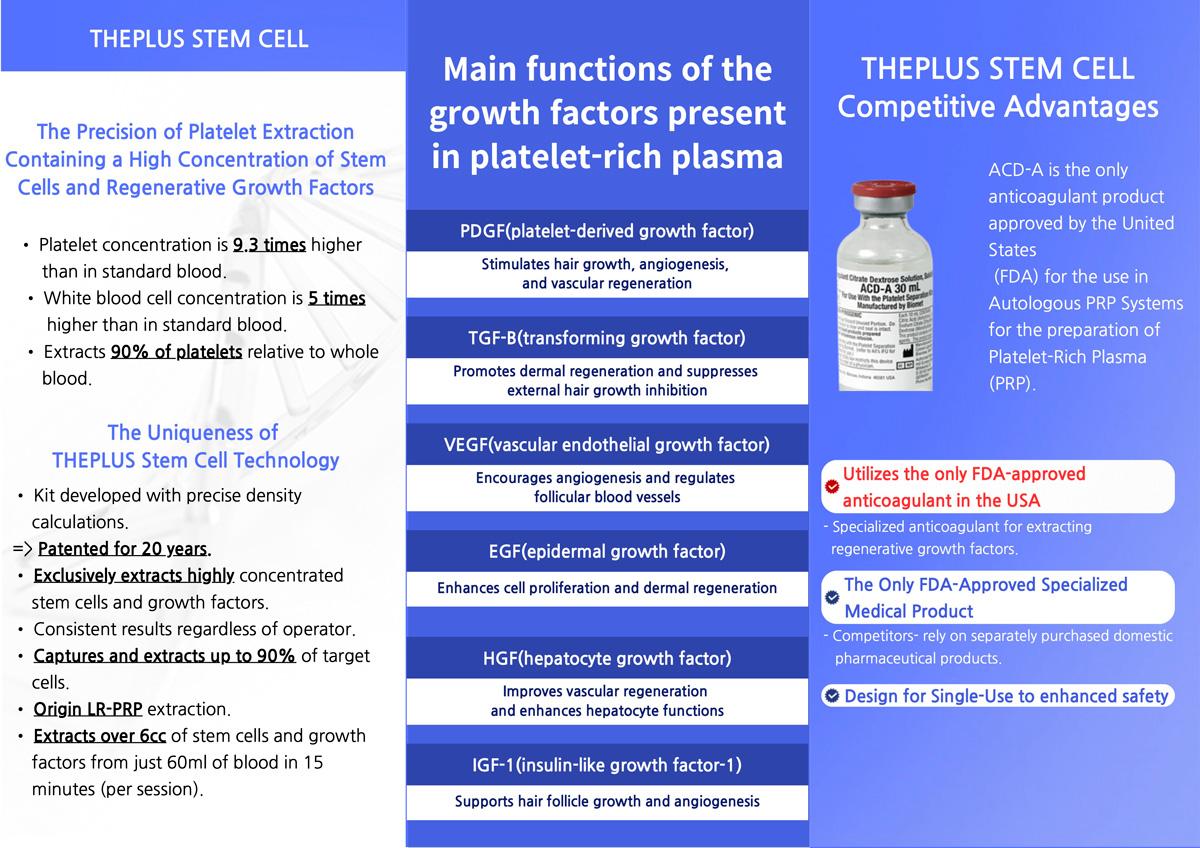
PRP is created by drawing your blood and spinning it in a centrifuge to separate out the platelet-rich layer. This layer is packed with growth factors like:
- Platelet-Derived Growth Factor (PDGF): Encourages new cell growth and blood vessel formation.
- Transforming Growth Factor Beta (TGF-β): Supports cell repair.
- Vascular Endothelial Growth Factor (VEGF): Increases blood supply to follicles.
- Epidermal Growth Factor (EGF): Stimulates cells in hair follicles.
- Insulin-like Growth Factor-1 (IGF-1): Prolongs the hair growth cycle.
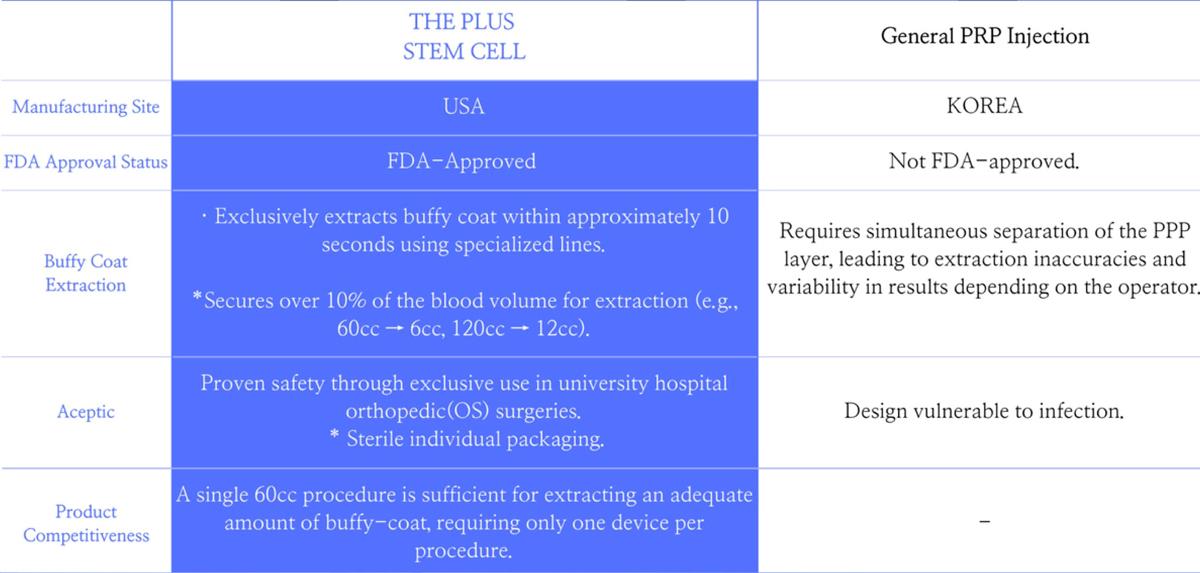
Injected into thinning areas, PRP wakes up dormant follicles and keeps them in the growth phase longer. It’s very safe since it’s made from your blood and typically doesn’t cause allergic reactions. While PRP preparation kits and needles have FDA clearance, the actual procedure is still considered investigational for hair loss.
PRP is primarily a hair regrowth stimulator—it boosts growth but doesn’t directly stop the immune system from attacking follicles in alopecia areata. So, while it can improve hair density, it might not prevent new bald patches from appearing.
The PRP Procedure: What to Expect
PRP sessions take about 30-60 minutes, and most people can return to their daily activities right after.
Before your session:
- Have a detailed consultation and discuss any medications to avoid before treatment.
- Limit alcohol and avoid smoking.
- Shampoo your hair but skip gels and sprays.
During the session:
- Blood is drawn and processed into PRP.
- Your scalp is numbed.
- PRP is injected into target areas.
After treatment:
- Expect mild redness, swelling, or soreness, which usually fades in a few days.
- Follow advice on when to wash your hair and avoid strong hair products or strenuous activity for a couple of days.
- Avoid anti-inflammatory medications right after treatment to let the PRP do its job.
Full pre- and post-care routines are important for best results, so patients traveling for this treatment should plan on staying a few days.
Autologous Stem Cell Therapy for Hair Loss
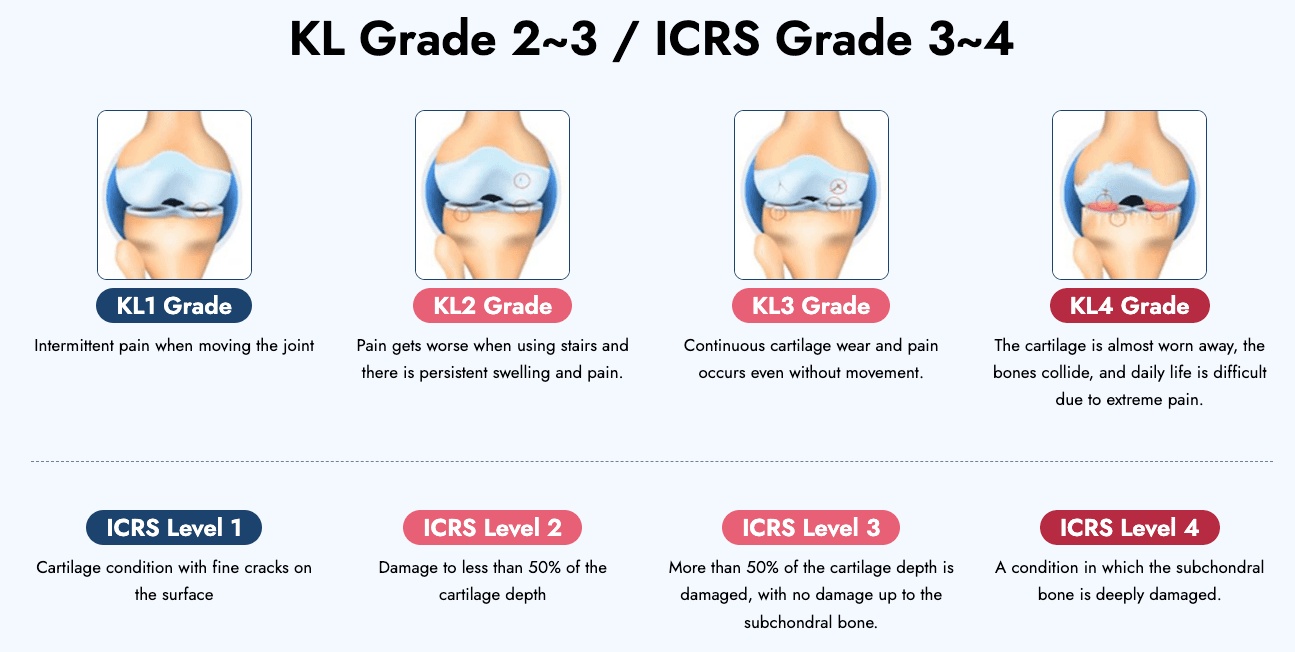
Autologous stem cell therapy harnesses your body’s own regenerative cells—usually from scalp or fat tissue—to help restore hair.
How Stem Cell Therapy Works: Mechanism of Action and Regenerative Potential
This treatment involves taking tiny samples of your scalp tissue or fat, extracting stem cells, and injecting them where hair is thinning. Main sources are:
- Hair Follicle Stem Cells (HFSCs): Located right in the hair’s root area.
- Adipose Tissue Stem Cells (ADSCs): Found in fat tissue, easily collected.
Injected stem cells can:
- Boost blood flow to follicles.
- Release growth factors, supporting follicle regrowth.
- Keep hair in its growing phase longer.
- Protect and reactivate dormant follicles.
Mesenchymal Stem Cells (MSCs) are especially appealing for autoimmune hair loss because they can regulate the immune system. They may reduce the local inflammation driving alopecia areata. Animal studies and early human case reports support this potential, but it’s still under active research, and results for AA are not as extensive as for genetic hair loss.
The Autologous Stem Cell Procedure: What to Expect
Procedures similar to Regenera Activa® are minimally invasive and quick (about 30-40 minutes):
- The donor area (usually behind the ear) is numbed.
- Tiny skin samples (about 2.5 mm each) are collected.
- Samples are processed in a special device to isolate stem cells.
- The stem cell solution is injected into thinning areas.
- Healing is fast, though the donor spot may take 7-10 days to fully close.
For hair loss, this method is much less intense than the complex stem cell transplants used for life-threatening diseases.
Best Clinics in Korea for Alopecia Areata
Listed below are the best clinics in Korea for alopecia areata:
| Clinic Name | Key Features | Special Techniques |
|---|---|---|
| Seojin Plastic Surgery Clinic Website | - One-doctor clinic led by Dr. Lee Hyungmin (Director Lee Hyeong-Min) with more than 16 years of experience and a strong focus on hair restoration. - Proven track record and recognition in Korea - Selected as one of the Top 100 Good Doctors in Korea (2022) - Ranked No. 1 in the Hair Transplant Category at the KBS N Korea Broadcasting Brand Awards (2025) - Over 2,100 hair transplant surgeries performed - Technique flexibility for individualized planning (important when alopecia areata patterns are unpredictable) - Offers multiple incision strategies (line cut, no-cut, and mixed approaches), providing options many clinics cannot offer - Capable of large-scale transplants (approximately 6,000 to 10,000 hairs) using combined incision and non-incision methods when extensive coverage is needed - Systems designed to improve graft survival and consistency - Cold Follicle Separation Room to optimize preservation of harvested follicles for better survival rates - PRP hair transplant using the patient’s own PRP alongside grafts to support survival and help reduce inflammation—especially useful for areas like the crown, or for international patients who cannot return frequently for follow-up - Refinements that support natural aesthetics and dense packing - Hairline gradation transplant placing follicles in an intentional sequence (fine to medium to thick) for a more natural look, with symmetry-based design considering forehead, brow bones, temples, midface, and lower face - Expertise in minimizing the “popping” phenomenon (when previously placed grafts are displaced during close-placement), helping maintain density and integrity of the transplant zone - Comprehensive, surgeon-led continuity of care - One-doctor model: Dr. Lee Hyungmin provides end-to-end care, supporting careful candidate selection and a consistent plan—particularly relevant for alopecia areata patients who require individualized assessment and close attention to disease stability - Beard and eyebrow transplants, with eyebrow design supported by collaboration with a semi-permanent tattoo designer while extraction and transplantation are performed by the head surgeon | - Multiple incision strategies: line cut, no-cut, and mixed approaches - Large-scale transplants (approximately 6,000 to 10,000 hairs) using combined incision and non-incision methods - Cold Follicle Separation Room to optimize preservation of harvested follicles - PRP hair transplant using the patient’s own PRP alongside grafts - Hairline gradation transplant placing follicles in an intentional sequence (fine to medium to thick) for a more natural look, with symmetry-based design considering forehead, brow bones, temples, midface, and lower face - Expertise in minimizing the “popping” phenomenon - One-doctor model: end-to-end care - Beard and eyebrow transplants with eyebrow design collaboration and head surgeon performing extraction and transplantation |
| Okay Plastic Surgery Clinic Website | Okay Plastic Surgery Clinic stands out as a top choice in Korea for patients seeking care for Alopecia Areata because its approach is built around sincerity, precision, and truly individualized treatment rather than one-size-fits-all solutions. Guided by a specialized team that includes a highly experienced, renowned female plastic surgeon, the clinic emphasizes an expert-led, empathetic patient journey from consultation to aftercare, aligning medical decisions with each person’s concerns, goals, and hair-loss pattern. With a dedicated Hairline Center offering meticulous hairline correction and hair transplant options, and a broader foundation of cutting-edge medical techniques and comprehensive aesthetic expertise, Okay Plastic Surgery Clinic is positioned to support patients who want thoughtful, detail-oriented planning and natural-looking restoration strategies as part of an overall transformational care experience. | - dedicated Hairline Center offering meticulous hairline correction and hair transplant options |
| Rejuel Clinic Website | Rejuel Clinic, located at Gangnam Station, is a dermatologist-led clinic known for skin rejuvenation, lifting, injectables, and body contouring with a strong emphasis on natural-looking results. For people dealing with alopecia areata—where visible patchiness can affect confidence as much as the condition itself—Rejuel Clinic stands out because it combines medical oversight with a wide spectrum of regenerative and appearance-restoring options, helping patients pursue subtle, polished improvements while prioritizing overall skin and scalp-quality support. - Dermatologist-led care focused on natural-looking outcomes, an important priority when addressing visible changes around the hairline, brows, or scalp - Regenerative, collagen-supporting injectable options such as Exosome Therapy and Rejuran Healer, designed to encourage repair and improve skin resilience and texture - Advanced skin and device-based dermatology capabilities, including fractional laser and RF microneedling (Virtue RF) for collagen remodeling and overall skin-quality improvement - Comprehensive injectable expertise (including SkinVive, Sculptra, and Radiesse) to refine facial balance and softness in a subtle way when hair loss changes overall facial framing - Medical micropigmentation options, including scalp micropigmentation, to camouflage gaps and restore a more defined look with medical-grade pigments - A broad, clinic-wide focus on tailored plans and high-quality skin maintenance (medical-grade skincare and customized treatments) to support long-term visible results - Convenient Gangnam Station location, making ongoing visits and maintenance sessions more practical for patients who need regular follow-up care | - Exosome Therapy and Rejuran Healer - Fractional laser and RF microneedling (Virtue RF) for collagen remodeling - SkinVive, Sculptra, and Radiesse injections - Scalp micropigmentation |
Seojin Plastic Surgery Clinic
Seojin Plastic Surgery Clinic, located in the heart of Gangnam, Seoul, is a one-doctor clinic led by Dr. Lee Hyungmin (Director Lee Hyeong-Min) with more than 16 years of experience and a strong focus on hair restoration. For alopecia areata patients who are appropriate candidates for surgical restoration (typically stable, well-selected cases), Seojin stands out for its depth of hair-transplant experience, broad technical options, and meticulous graft-handling systems designed to protect follicle survival and natural-looking results, supported by nationally recognized achievements and personalized end-to-end care.
-
Proven track record and recognition in Korea
- Selected as one of the Top 100 Good Doctors in Korea (2022)
- Ranked No. 1 in the Hair Transplant Category at the KBS N Korea Broadcasting Brand Awards (2025)
- Over 2,100 hair transplant surgeries performed
-
Technique flexibility for individualized planning (important when alopecia areata patterns are unpredictable)
- Offers multiple incision strategies (line cut, no-cut, and mixed approaches), providing options many clinics cannot offer
- Capable of large-scale transplants (approximately 6,000 to 10,000 hairs) using combined incision and non-incision methods when extensive coverage is needed
-
Systems designed to improve graft survival and consistency
- Cold Follicle Separation Room to optimize preservation of harvested follicles for better survival rates
- PRP hair transplant using the patient’s own PRP alongside grafts to support survival and help reduce inflammation—especially useful for areas like the crown, or for international patients who cannot return frequently for follow-up
-
Refinements that support natural aesthetics and dense packing
- Hairline gradation transplant placing follicles in an intentional sequence (fine to medium to thick) for a more natural look, with symmetry-based design considering forehead, brow bones, temples, midface, and lower face
- Expertise in minimizing the “popping” phenomenon (when previously placed grafts are displaced during close-placement), helping maintain density and integrity of the transplant zone
-
Comprehensive, surgeon-led continuity of care
- One-doctor model: Dr. Lee Hyungmin provides end-to-end care, supporting careful candidate selection and a consistent plan—particularly relevant for alopecia areata patients who require individualized assessment and close attention to disease stability
-
Options beyond scalp restoration when relevant
- Beard and eyebrow transplants, with eyebrow design supported by collaboration with a semi-permanent tattoo designer while extraction and transplantation are performed by the head surgeon
You can check out their website here: Seojin Plastic Surgery Clinic Website
Okay Plastic Surgery Clinic
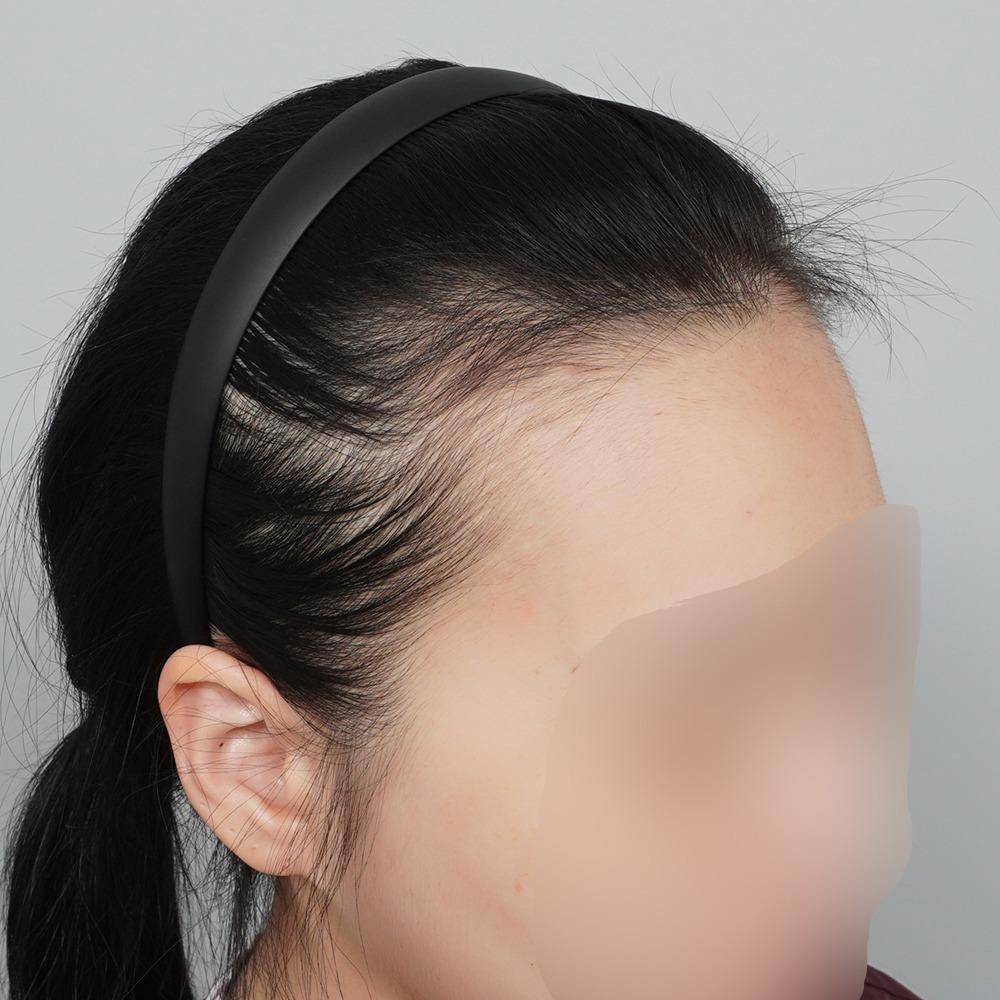
Okay Plastic Surgery Clinic stands out as a top choice in Korea for patients seeking care for Alopecia Areata because its approach is built around sincerity, precision, and truly individualized treatment rather than one-size-fits-all solutions. Guided by a specialized team that includes a highly experienced, renowned female plastic surgeon, the clinic emphasizes an expert-led, empathetic patient journey from consultation to aftercare, aligning medical decisions with each person’s concerns, goals, and hair-loss pattern. With a dedicated Hairline Center offering meticulous hairline correction and hair transplant options, and a broader foundation of cutting-edge medical techniques and comprehensive aesthetic expertise, Okay Plastic Surgery Clinic is positioned to support patients who want thoughtful, detail-oriented planning and natural-looking restoration strategies as part of an overall transformational care experience.
Find more about this clinic here: Okay Plastic Surgery Clinic Website
Rejuel Clinic
Rejuel Clinic, located at Gangnam Station, is a dermatologist-led clinic known for skin rejuvenation, lifting, injectables, and body contouring with a strong emphasis on natural-looking results. For people dealing with alopecia areata—where visible patchiness can affect confidence as much as the condition itself—Rejuel Clinic stands out because it combines medical oversight with a wide spectrum of regenerative and appearance-restoring options, helping patients pursue subtle, polished improvements while prioritizing overall skin and scalp-quality support.
- Dermatologist-led care focused on natural-looking outcomes, an important priority when addressing visible changes around the hairline, brows, or scalp
- Regenerative, collagen-supporting injectable options such as Exosome Therapy and Rejuran Healer, designed to encourage repair and improve skin resilience and texture
- Advanced skin and device-based dermatology capabilities, including fractional laser and RF microneedling (Virtue RF) for collagen remodeling and overall skin-quality improvement
- Comprehensive injectable expertise (including SkinVive, Sculptra, and Radiesse) to refine facial balance and softness in a subtle way when hair loss changes overall facial framing
- Medical micropigmentation options, including scalp micropigmentation, to camouflage gaps and restore a more defined look with medical-grade pigments
- A broad, clinic-wide focus on tailored plans and high-quality skin maintenance (medical-grade skincare and customized treatments) to support long-term visible results
- Convenient Gangnam Station location, making ongoing visits and maintenance sessions more practical for patients who need regular follow-up care
Find more about this clinic here: Rejuel Clinic Website
Medical Tourism in South Korea: A Guide to Hair Loss Treatments
South Korea stands out for its high-end medical technology, skilled providers, and comprehensive services for international patients seeking hair loss solutions.
Why South Korea?
Korean clinics are known for their focus on natural-looking hair restoration, including advances in robotic procedures and stem cell therapies. Many offer highly personalized care and efficient one-day treatments. The streamlined process caters to busy patients and those visiting from abroad.
Process for International Patients
Here’s how the treatment journey in South Korea often unfolds:
- Online consultation to assess your needs and plan your visit.
- Clinic arrival: Airport pick-ups and easy transfers to central Seoul clinics.
- Final medical review and translator services on-site.
- Treatment day: Sessions last 4-6 hours, with staff helping with aftercare and transport.
- Follow-up appointment usually scheduled the next day.
- Enjoy time in Korea—but plan for a brief recovery period before flying home.
Costs of PRP and Autologous Stem Cell Therapy in South Korea
Treatment prices depend on clinic location, doctor expertise, hair loss severity, and the number of sessions:
- PRP Hair Loss Treatment: Typically $150–$800 USD per session.
- Autologous Stem Cell Therapy: Ranges from $2,000–$5,000 for basic scalp treatments, up to $10,000–$20,000 for comprehensive therapy.
Other costs to factor in:
- Travel & accommodation: Flights and local stays can add $500–$2,000+ to your budget.
- Medical visa: Usually $50–$100, with many clinics assisting in the process.
- Extra treatments, follow-ups, and aftercare may carry additional fees.
Cost Comparison with Other Countries
South Korea remains competitively priced versus places like the US, Canada, or Australia, especially when factoring in the quality of care. Here’s a snapshot:
| Procedure | Country | Average Cost (USD) | Notes |
|---|---|---|---|
| PRP Hair Loss Treatment | South Korea | $150 - $800/session | Competitive, multiple sessions needed |
| Turkey | $76 - $200/session | Part of package deals | |
| Thailand | $126 - $180/session | Extras often included | |
| Mexico | $350/session | Package deals common | |
| Canada | $600 - $1,800/session | Higher-cost region | |
| United States | $500 - $2,000/session | Most costly | |
| Italy | $400 - $1,500/session | Mid-range | |
| Autologous Stem Cell Therapy | South Korea | $2,000 - $20,000 | By extent and clinic |
| Turkey | $1,000 - $10,000 | Competitive pricing | |
| Thailand | $2,000 - $13,000 | Similar to Korea | |
| India | $4,617 - $6,000 | Affordable | |
| Mexico | $3,000 - $6,000 | Reasonable | |
| United States | $3,000 - $30,000+ | Can be very high | |
| Australia | $7,500 - $18,000 | High | |
| Canada | $8,500 - $14,000 | High |
Patients from the US, for example, can often save thousands by seeking treatment in Seoul.
Medical Visa Requirements
Most foreign patients will need a Medical Tourist (C-3-3) visa for South Korea, also available to immediate family members serving as caregivers. The process requires:
- Invitation letter from a Korean hospital
- Appointment confirmation
- Evidence of hospital certification
- Financial proof (like bank statements)
- Standard visa documents and proof of relationships, if applicable
Processing can take a week, and many clinics help streamline the paperwork.
Patient Experiences and Outcomes with Regenerative Therapies for Alopecia Areata
Outcomes with these regenerative treatments are promising but can vary.
PRP for Alopecia Areata
PRP often helps increase hair density and scalp health in many AA patients, and several reports describe substantial improvement—even in cases resistant to other therapies. Some patients see dramatic results after only a few sessions, with effects lasting up to a year or more in some cases. However, not all studies show long-term success, and regular maintenance treatments are often needed to keep results.
Autologous Stem Cell Therapy for Alopecia Areata
Stem cell therapy is at the cutting edge for hair restoration, offering both regenerative and immune-calming benefits. Studies with androgenetic alopecia show safety and good hair regrowth, but research specific to autoimmune hair loss is still in progress. Animal studies and initial patient reports indicate stem cells could dampen the damaging immune response, offering hope for longer-lasting solutions. Still, larger studies are needed, so patients should pursue this option with informed optimism.
Conclusion
Alopecia areata is a challenging autoimmune disorder that causes patchy to widespread hair loss and can affect both physical and emotional health. Regenerative therapies like PRP and autologous stem cell therapy offer new hope—PRP mostly stimulates hair regrowth, while stem cell therapy may also address the immune system’s role in the disease. South Korea stands out for its high-quality care and cost-effective options, making it a popular destination for these treatments. As research advances, individualized diagnosis and carefully managed treatment remain key for people living with alopecia areata.
References
1, 2, 3, 4, 5, 6, 7, 8, 9, 10, 11, 12, 13, 14, 15, 16, 17, 18, 19, 20, 21, 22, 23, 24, 25, 26, 27, 28, 29, 30, 31, 32, 33, 34, 35, 36, 37, 38, 39, 40, 41, 42, 43