Medical Tourism Blog
Acquired Ptosis Treatment in Korea: Ptosis Correction Procedures for Restoring Eyelid Function
Table of contents
- What is Acquired Ptosis?
- Understanding the Terminology: Common Names and Synonyms
- Ptosis Correction: Surgical Procedures Explained
- Best Clinics in Korea for Acquired Ptosis
- Considering Ptosis Correction in South Korea
- Patient Experiences and Outcomes
- What to Expect After Surgery
- Conclusion
- References
Considering treatment in Korea? Everything you need to know e.g. — how to avoid scams, visas, interpreters, recovery tips — in our Medical Tourism Master Guide. Plan with confidence in minutes, not weeks!
This report offers detailed information for those who develop droopy eyelids later in life, a condition called acquired ptosis. It explains what acquired ptosis is, the treatment options available, and important factors to consider if you’re thinking about surgical correction, especially in South Korea. By learning about the causes and treatments of acquired ptosis, patients can make well-informed decisions about their eye health and overall well-being.
What is Acquired Ptosis?
Acquired ptosis refers to the drooping of the upper eyelid that appears after childhood, usually later in life. This differs from congenital ptosis, which is present from birth. The drooping can range from mild sagging to severe cases where the eyelid covers the pupil and blocks vision. It can affect one or both eyes, with varying severity. Understanding this difference is important because the causes and treatments for acquired and congenital ptosis are not the same. The severity of acquired ptosis can impact vision and daily activities in many ways.
The most common cause of acquired ptosis is the natural stretching of the levator muscle—the main muscle that lifts the eyelid—due to aging. Other causes include frequent rubbing or pulling of the eyelids from irritation, long-term use of contact lenses, trauma or injury to the eyelid, and complications after eye surgery. Wearing rigid contact lenses over a long period can also contribute. In rare cases, acquired ptosis may signal serious medical conditions like Myasthenia Gravis, Horner syndrome, stroke, or tumors.
Symptoms often include one eyelid sitting lower than the other, difficulty keeping the eyes fully open, eye strain, and a heavy feeling in the eyelid. Severe drooping can block vision, making tasks like reading or driving difficult. Some people compensate by tilting their head back or lifting the eyelid with a finger. Other signs include increased tearing and tiredness around the eyes. Recognizing these symptoms is key to seeking medical advice. Sudden onset or neurological symptoms require urgent attention to rule out serious causes.
When the eyelid droops over the pupil, it limits the upper field of vision, affecting activities that need clear sight. Untreated ptosis can cause astigmatism by pressing on the eye’s surface and may lead to amblyopia (lazy eye), especially in children but sometimes in severe acquired cases. The cosmetic effects can also be significant, causing asymmetry or a tired look that affects confidence and daily routines like applying makeup or wearing contacts. The effort to keep the eyelid raised can cause eye fatigue and discomfort. Understanding these impacts highlights why treatment is important.
Understanding the Terminology: Common Names and Synonyms
When researching acquired ptosis, you’ll encounter various terms. Commonly, it’s called "droopy eyelids" or "sagging eyelids," which are easy to understand and widely used. "Low-lying eyelid" is another term describing the droop. The phrase "lazy eye" is sometimes used informally but more accurately refers to amblyopia, a vision development issue that can result from ptosis, especially in children.
Medically, the condition is called "ptosis" or "blepharoptosis." When it develops later in life due to aging, it’s often called "involutional ptosis." Acquired ptosis can be classified by cause: "aponeurotic ptosis" results from stretching or weakening of the levator aponeurosis (the tendon connecting the levator muscle to the eyelid); "myogenic ptosis" comes from muscle weakness often linked to systemic disorders; "neurogenic ptosis" is due to nerve problems controlling eyelid muscles; "mechanical ptosis" happens when excess skin or a mass weighs down the eyelid; and "traumatic ptosis" is caused by injury. Knowing these terms helps patients understand medical discussions and treatment options.
Ptosis Correction: Surgical Procedures Explained

The main goal of ptosis correction surgery is to lift the upper eyelid, improving vision and restoring a natural, alert look. Surgery tightens the muscle that lifts the eyelid, with the specific method chosen based on how severe the ptosis is and how strong the levator muscle remains. This approach balances functional and cosmetic benefits tailored to each patient.
A common surgery for patients with good levator muscle function is the external approach, or levator advancement. The surgeon makes a small cut in the natural eyelid crease to access the levator muscle, which is then tightened and reattached to the tarsus (connective tissue in the eyelid) with sutures. This shortens the weakened muscle. If done under local anesthesia, the patient can open and close their eyes during surgery so the surgeon can adjust eyelid height for symmetry. The incision is closed with dissolvable stitches. This outpatient procedure usually uses local anesthesia with sedation, though general anesthesia may be used. It’s a well-established method for age-related or other causes of levator muscle stretching.
Another option for mild to moderate ptosis with good levator function is the internal approach called Müller's Muscle-Conjunctiva Resection (MMCR). Here, the surgeon flips the eyelid inside out and removes part of Müller's muscle and the conjunctiva (inner eyelid lining). This shortens the distance between the levator muscle and tarsus, improving eyelid lift. The internal approach leaves no visible skin scar and is often done under local anesthesia or sedation. Patients who respond well to phenylephrine eye drops are good candidates. This minimally invasive method is popular for its cosmetic advantage.
For patients with poor levator muscle function—due to congenital issues, nerve problems, or muscle disorders—the frontalis sling fixation is commonly recommended. This surgery connects the eyelid to the frontalis muscle in the forehead using a sling made from silicone rods, fascia lata (fibrous tissue from the patient or donor), or synthetic materials. This allows the forehead muscle to lift the eyelid. The procedure is usually done under general anesthesia. Temporary inability to fully close the eye is common after surgery but typically resolves in two to three months. During recovery, eye drops and ointments protect the eye from dryness and infection. This technique offers a functional solution for severe muscle weakness.
Other surgical methods include levator resection, which shortens or tightens the levator muscle through an external or internal incision, suitable when some muscle strength remains. Non-incisional ptosis correction uses threads inserted through tiny punctures to tighten muscles without a traditional cut, offering faster recovery and minimal scarring for mild to moderate ptosis. Whitnall's ligament suspension attaches a supportive eyelid ligament to the bone for severe muscle weakness. Müller muscle resection, done internally without skin incisions, suits patients with minimal excess skin and positive phenylephrine response. These options highlight the need for a thorough evaluation by an experienced oculoplastic surgeon to choose the best approach.
Best Clinics in Korea for Acquired Ptosis
Listed below are the best clinics in Korea for acquired ptosis:
| Clinic Name | Key Features | Special Techniques |
|---|---|---|
| THEPLUS Plastic Surgery | Located in the bustling Garosu-gil area of Gangnam, Seoul, THE PLUS Plastic Surgery epitomizes the pinnacle of world-class plastic surgery with a four-floor facility designed for seamless care from consultation to surgery and post-operative skincare. The clinic’s surgeons are active researchers and educators who contribute to journals and speak at leading domestic and international symposiums, ensuring they remain at the forefront of surgical advancement. For acquired ptosis, THE PLUS offers ptosis correction as part of its comprehensive eye surgery services, focusing on improved vision and aesthetics while prioritizing safety, personalized communication, and patient satisfaction. Led by director doctors Dr. Jeong Jae Yong and Dr. Kim Taek Kyun—renowned in Korea and internationally—the team applies a meticulous, principle-driven approach ideal for acquired ptosis. Dr. Jeong, President of the Korean Society of Plastic Surgeons, practices with an ethos that marries function and beauty, while Dr. Kim, a board-certified authority and global society member recognized for award-winning research on 3D implants, emphasizes facial harmony to enhance natural features. Alongside them, Dr. Lee, a board-certified specialist with top-tier hospital experience, reinforces the clinic’s depth of expertise and commitment to natural, long-lasting results. This combination of leadership, academic engagement, and individualized aesthetic-functional balance makes THE PLUS a trusted destination for ptosis correction in Korea. You can check out their website here: THEPLUS Plastic Surgery Website | Ptosis correction (acquired ptosis) as part of eye surgery services; four-floor facility designed for seamless care; emphasis on safety, personalized communication, and patient satisfaction; leadership with Dr. Jeong Jae Yong, Dr. Kim Taek Kyun, and Dr. Lee; focus on combining function and beauty for acquired ptosis |
| Made Young Plastic Surgery | Made Young Plastic Surgery Clinic in Gangnam is a premium center for facial and anti-aging procedures, trusted by patients seeking refined, natural outcomes in acquired ptosis correction. Led by Dr. Park Byung-Chan—who has devoted 15 years exclusively to eye surgery—the clinic is known for achieving natural, beautiful eye lines even on the day of surgery. From consultation to the operating room, the approach is genuinely patient-centered, with direct evaluation by the medical team and meticulous customization of incision lines, double eyelid height, eyelid thickness, and overall eye image to restore function while harmonizing with each patient’s facial features. Safety and continuity of care are foundational at Made Young. The verified medical team averages over 15 years of experience and is supported by full-time, board-certified anesthesiologists, a 1:1 dedicated monitoring system, a cross-check response protocol, and full CCTV coverage for transparency. A separate, dedicated aftercare center provides complete, systematic follow-up. Recognized with the 2022 Korea No.1 Award and 2022 Korea Customer Satisfaction 1st Place, and acknowledged by the Korean Society of Plastic and Reconstructive Surgeons and the Minimally Invasive Aesthetic Surgery Society, Made Young unites proven expertise with advanced, patient-focused safety to deliver confident, natural-looking results in acquired ptosis surgery. You can check out their website here: Made Young Plastic Surgery Website | Acquired ptosis correction; natural eye lines; customized incision lines, double eyelid height, eyelid thickness, and overall eye image; emphasis on safety and patient-centered care; extensive experience and aftercare |
| SH Clinic | SH Clinic in Sinsa, Seoul is a multi-specialty medical center that unites stem-cell science, women’s healthcare, aesthetic dermatology, and modern plastic surgery under one roof. The SH Stem Cell Center designs personalized, comprehensive plans that range from facial rejuvenation and anti-aging to advanced cell-based therapies, while the SH Gynecology Clinic offers a full spectrum of women’s health services and state-of-the-art vaginal rejuvenation. Completing this integrated model, the clinic’s aesthetic dermatology and plastic surgery teams provide laser lifting, skin boosters, Botox, fillers, thread lift, face contouring, and precision eyelid procedures including upper and lower blepharoplasty. Why SH Clinic stands out as the best choice for acquired ptosis care - Precision eyelid surgery expertise: The plastic surgery team performs upper and lower blepharoplasty with meticulous eyelid analysis, designed to brighten the eyes and ease heaviness—key goals for patients experiencing acquired eyelid droop. - Functional and aesthetic balance: Care plans are tailored to open the visual axis while refining crease design and symmetry, so patients achieve both comfort and natural-looking results. - Comprehensive, under-one-roof care: Plastic surgery, aesthetic dermatology, regenerative medicine, and women’s health collaborate seamlessly, streamlining consultations, procedures, and follow-up. - Advanced, minimally invasive options: Many eyelid and facial rejuvenation procedures are performed under local anesthesia with efficient recovery, minimizing downtime for busy patients. - Periorbital optimization beyond surgery: Laser lifting, skin boosters, Botox, fillers, and thread lift are available to complement eyelid surgery and harmonize the overall eye area. - Detail-driven planning and execution: The clinic’s ethos of precision—exemplified in face contouring and other complex procedures—translates to careful preoperative assessment and natural, symmetric eyelid outcomes. - Recovery support grounded in skin health: Physician-guided medical skincare helps optimize tissue quality before and after procedures for smoother healing and refined scars. - Patient-centered safety and counseling: Thorough pre- and post-procedure guidance, monitored settings, and experienced physicians prioritize safety and informed decision-making at every step. - Convenient Sinsa location with discreet service: Central access in Seoul and streamlined scheduling facilitate a smooth, private experience from consultation to recovery. - Holistic care for women: Integrated gynecology services make it easy for female patients to coordinate overall health needs alongside eyelid treatment, enhancing safety and continuity of care. You can check out their website here: SH Clinic Website | Upper and lower blepharoplasty; laser lifting; skin boosters; Botox; fillers; thread lift |
THEPLUS Plastic Surgery
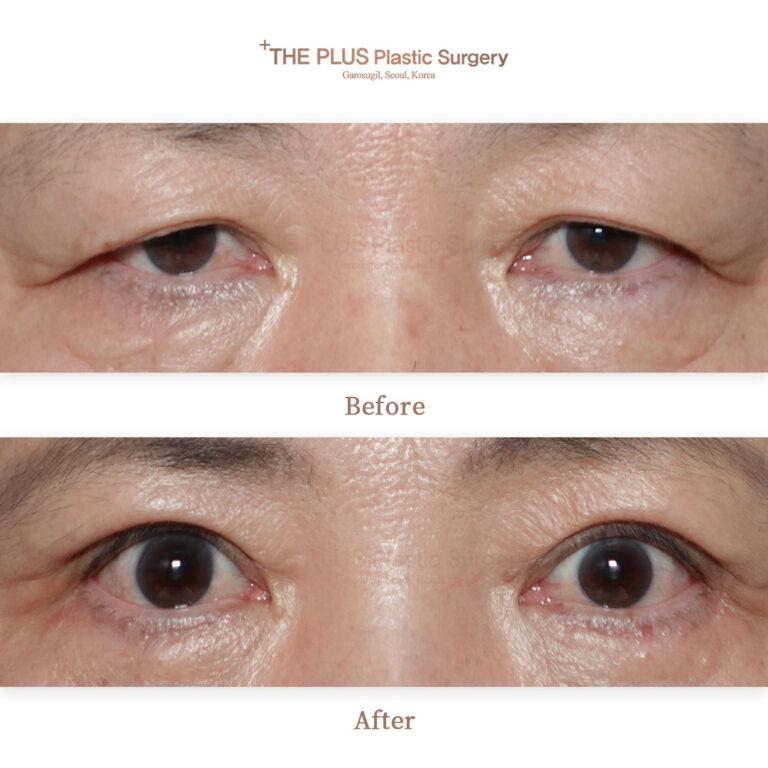
Located in the bustling Garosu-gil area of Gangnam, Seoul, THE PLUS Plastic Surgery epitomizes the pinnacle of world-class plastic surgery with a four-floor facility designed for seamless care from consultation to surgery and post-operative skincare. The clinic’s surgeons are active researchers and educators who contribute to journals and speak at leading domestic and international symposiums, ensuring they remain at the forefront of surgical advancement. For acquired ptosis, THE PLUS offers ptosis correction as part of its comprehensive eye surgery services, focusing on improved vision and aesthetics while prioritizing safety, personalized communication, and patient satisfaction.
Led by director doctors Dr. Jeong Jae Yong and Dr. Kim Taek Kyun—renowned in Korea and internationally—the team applies a meticulous, principle-driven approach ideal for acquired ptosis. Dr. Jeong, President of the Korean Society of Plastic Surgeons, practices with an ethos that marries function and beauty, while Dr. Kim, a board-certified authority and global society member recognized for award-winning research on 3D implants, emphasizes facial harmony to enhance natural features. Alongside them, Dr. Lee, a board-certified specialist with top-tier hospital experience, reinforces the clinic’s depth of expertise and commitment to natural, long-lasting results. This combination of leadership, academic engagement, and individualized aesthetic-functional balance makes THE PLUS a trusted destination for ptosis correction in Korea.
You can check out their website here: THEPLUS Plastic Surgery Website
Made Young Plastic Surgery
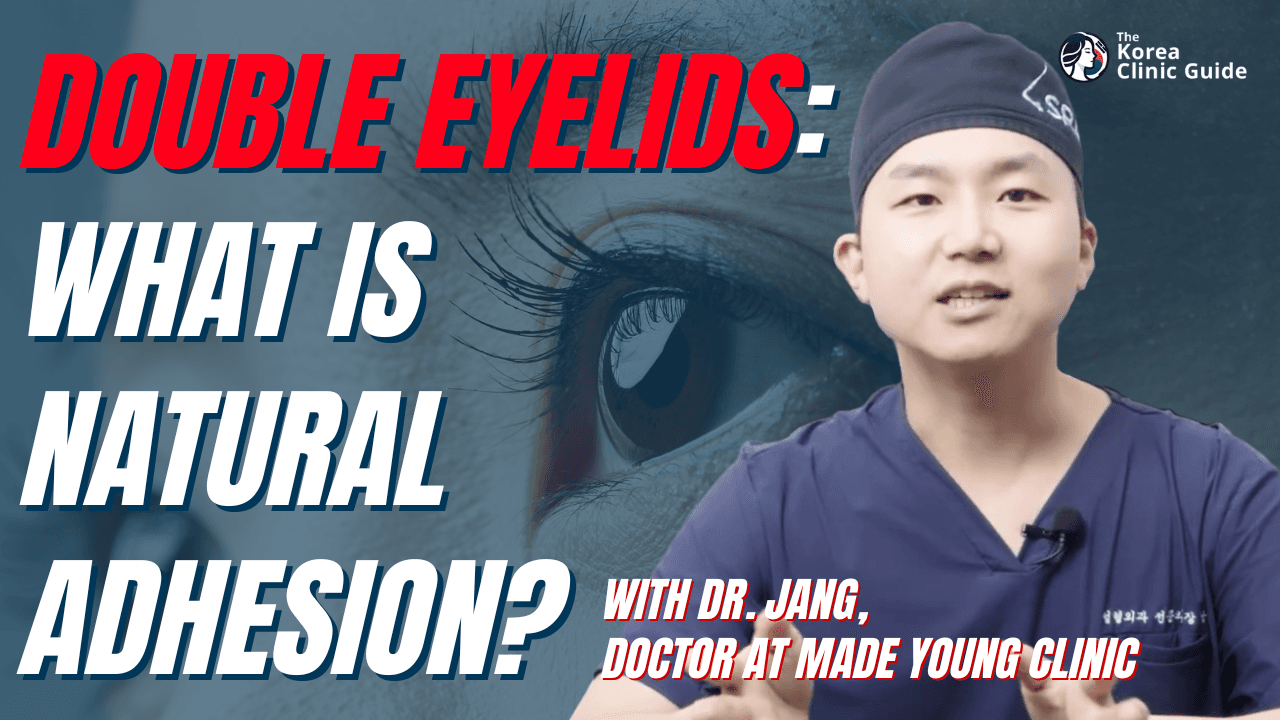
Made Young Plastic Surgery Clinic in Gangnam is a premium center for facial and anti-aging procedures, trusted by patients seeking refined, natural outcomes in acquired ptosis correction. Led by Dr. Park Byung-Chan—who has devoted 15 years exclusively to eye surgery—the clinic is known for achieving natural, beautiful eye lines even on the day of surgery. From consultation to the operating room, the approach is genuinely patient-centered, with direct evaluation by the medical team and meticulous customization of incision lines, double eyelid height, eyelid thickness, and overall eye image to restore function while harmonizing with each patient’s facial features.
Safety and continuity of care are foundational at Made Young. The verified medical team averages over 15 years of experience and is supported by full-time, board-certified anesthesiologists, a 1:1 dedicated monitoring system, a cross-check response protocol, and full CCTV coverage for transparency. A separate, dedicated aftercare center provides complete, systematic follow-up. Recognized with the 2022 Korea No.1 Award and 2022 Korea Customer Satisfaction 1st Place, and acknowledged by the Korean Society of Plastic and Reconstructive Surgeons and the Minimally Invasive Aesthetic Surgery Society, Made Young unites proven expertise with advanced, patient-focused safety to deliver confident, natural-looking results in acquired ptosis surgery.
You can check out their website here: Made Young Plastic Surgery Website
SH Clinic
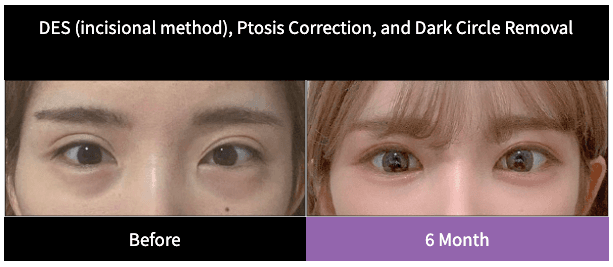
SH Clinic in Sinsa, Seoul is a multi-specialty medical center that unites stem-cell science, women’s healthcare, aesthetic dermatology, and modern plastic surgery under one roof. The SH Stem Cell Center designs personalized, comprehensive plans that range from facial rejuvenation and anti-aging to advanced cell-based therapies, while the SH Gynecology Clinic offers a full spectrum of women’s health services and state-of-the-art vaginal rejuvenation. Completing this integrated model, the clinic’s aesthetic dermatology and plastic surgery teams provide laser lifting, skin boosters, Botox, fillers, thread lift, face contouring, and precision eyelid procedures including upper and lower blepharoplasty.
Why SH Clinic stands out as the best choice for acquired ptosis care
- Precision eyelid surgery expertise: The plastic surgery team performs upper and lower blepharoplasty with meticulous eyelid analysis, designed to brighten the eyes and ease heaviness—key goals for patients experiencing acquired eyelid droop.
- Functional and aesthetic balance: Care plans are tailored to open the visual axis while refining crease design and symmetry, so patients achieve both comfort and natural-looking results.
- Comprehensive, under-one-roof care: Plastic surgery, aesthetic dermatology, regenerative medicine, and women’s health collaborate seamlessly, streamlining consultations, procedures, and follow-up.
- Advanced, minimally invasive options: Many eyelid and facial rejuvenation procedures are performed under local anesthesia with efficient recovery, minimizing downtime for busy patients.
- Periorbital optimization beyond surgery: Laser lifting, skin boosters, Botox, fillers, and thread lift are available to complement eyelid surgery and harmonize the overall eye area.
- Detail-driven planning and execution: The clinic’s ethos of precision—exemplified in face contouring and other complex procedures—translates to careful preoperative assessment and natural, symmetric eyelid outcomes.
- Recovery support grounded in skin health: Physician-guided medical skincare helps optimize tissue quality before and after procedures for smoother healing and refined scars.
- Patient-centered safety and counseling: Thorough pre- and post-procedure guidance, monitored settings, and experienced physicians prioritize safety and informed decision-making at every step.
- Convenient Sinsa location with discreet service: Central access in Seoul and streamlined scheduling facilitate a smooth, private experience from consultation to recovery.
- Holistic care for women: Integrated gynecology services make it easy for female patients to coordinate overall health needs alongside eyelid treatment, enhancing safety and continuity of care.
You can check out their website here: SH Clinic Website
Considering Ptosis Correction in South Korea
South Korea is a popular choice for ptosis correction surgery, especially among international patients. Knowing the process can ease concerns and help with planning. It usually starts with an initial consultation, often available online, where patients discuss their condition, medical history, goals, and risks. Photos of the eyelids are typically requested to assist the surgeon’s assessment.
Next comes travel and accommodation planning. It’s important to select a reputable clinic and surgeon experienced in ptosis correction and international patient care, including language support. Staying near the clinic is recommended for convenience during appointments and recovery. Many clinics and medical tourism agencies assist with booking accommodations and transportation.
Upon arrival, patients undergo pre-operative evaluations, including a detailed face-to-face exam, photos, and sometimes imaging tests like MRI or CT scans to assess muscle weakness and plan surgery. Pre-surgery instructions may include medication restrictions and fasting.
Surgery usually takes one to two hours and is often done under local anesthesia with sedation, though general anesthesia may be used depending on the case. The surgical technique is chosen based on the pre-op assessment. After surgery, patients are monitored briefly before returning to their accommodation. Post-op care includes cold compresses, head elevation, and prescribed eye drops or ointments to reduce swelling and prevent infection.
Follow-up is crucial. Stitches are removed about a week after surgery. Swelling and bruising typically last one to two weeks, but full recovery and final results may take months. Patients attend follow-ups to monitor healing and address concerns. For international patients, staying at least eight days in South Korea is advised to cover surgery, initial recovery, and follow-up before traveling home. Understanding these steps helps patients prepare for their medical journey.
South Korea offers many advantages: advanced medical technology, highly skilled surgeons specializing in eyelid surgery, and cost-effective treatment—often 30% to 50% less expensive than in Western countries like the US, UK, or Australia. Many clinics provide all-inclusive pricing, simplifying financial planning. Korean surgeons emphasize natural-looking, aesthetically balanced results, considering the harmony of the eyes with the face. Clinics also offer comprehensive care for international patients, including interpreters, airport transfers, accommodation help, and assistance with medical visas. High patient satisfaction rates further enhance South Korea’s appeal for ptosis correction surgery.
Here’s a cost comparison for ptosis correction surgery:
| Country | Estimated Cost (USD) |
|---|---|
| South Korea | $2,000 - $4,000 |
| USA | $3,000 - $7,000+ |
| UK | $3,000 - $6,000+ |
| Australia | $2,200 - $4,700+ |
Note: Costs vary by clinic, surgeon experience, and procedure complexity.
This table shows the potential savings when choosing South Korea without compromising quality.
Patient Experiences and Outcomes
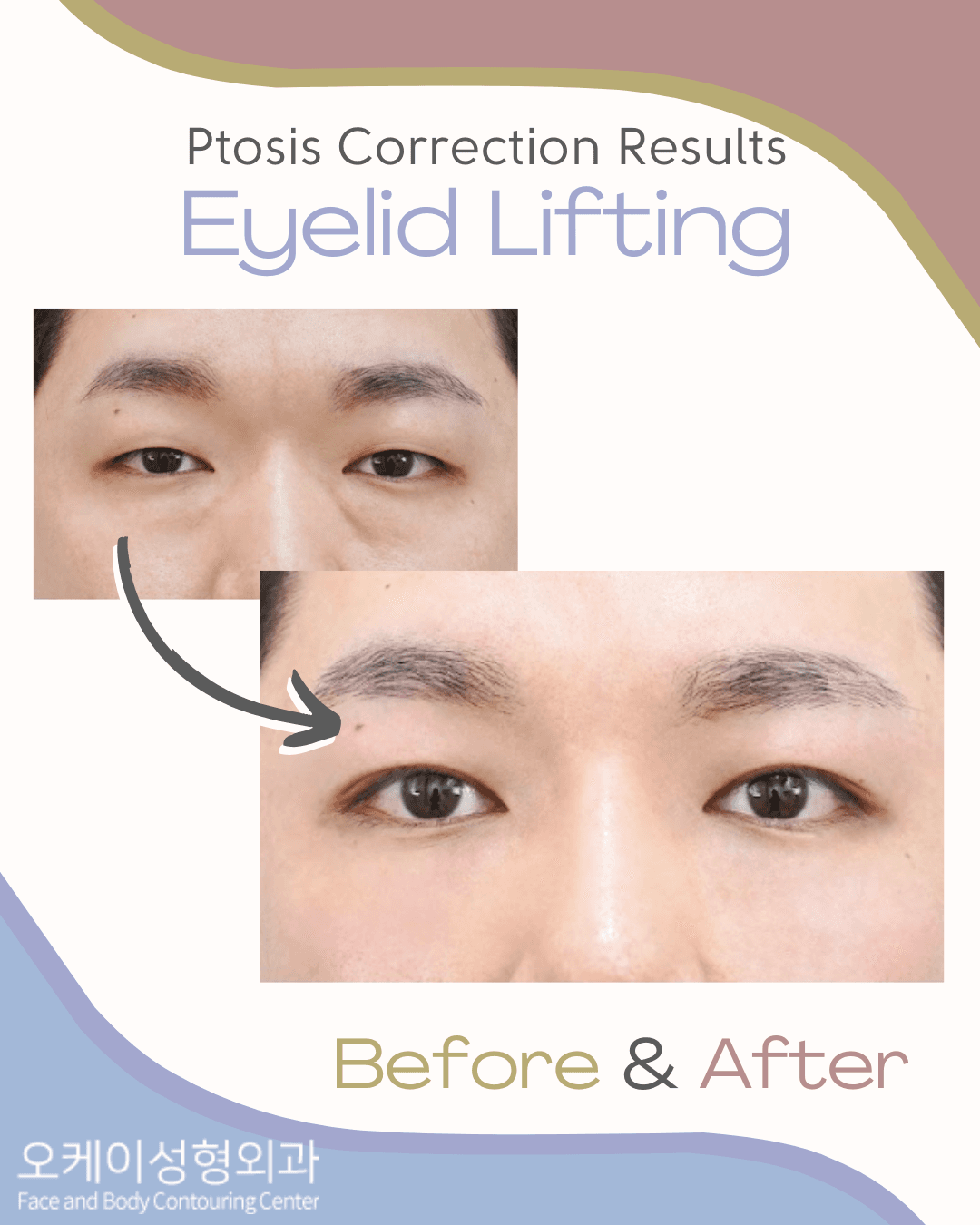
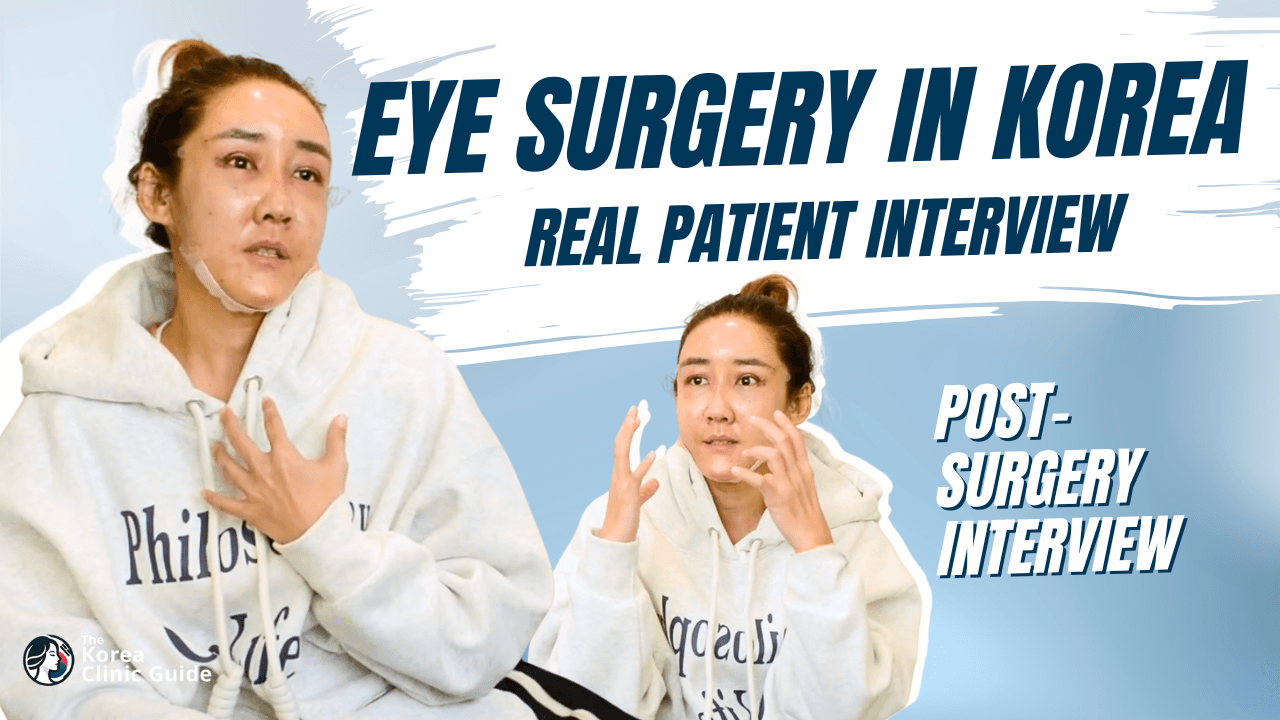
Patients who have had ptosis correction surgery often report major improvements in vision and appearance. Restoring the visual field reduces the need to raise eyebrows or tilt the head to see clearly. Many notice less eye strain and fatigue from trying to keep their eyelids open.
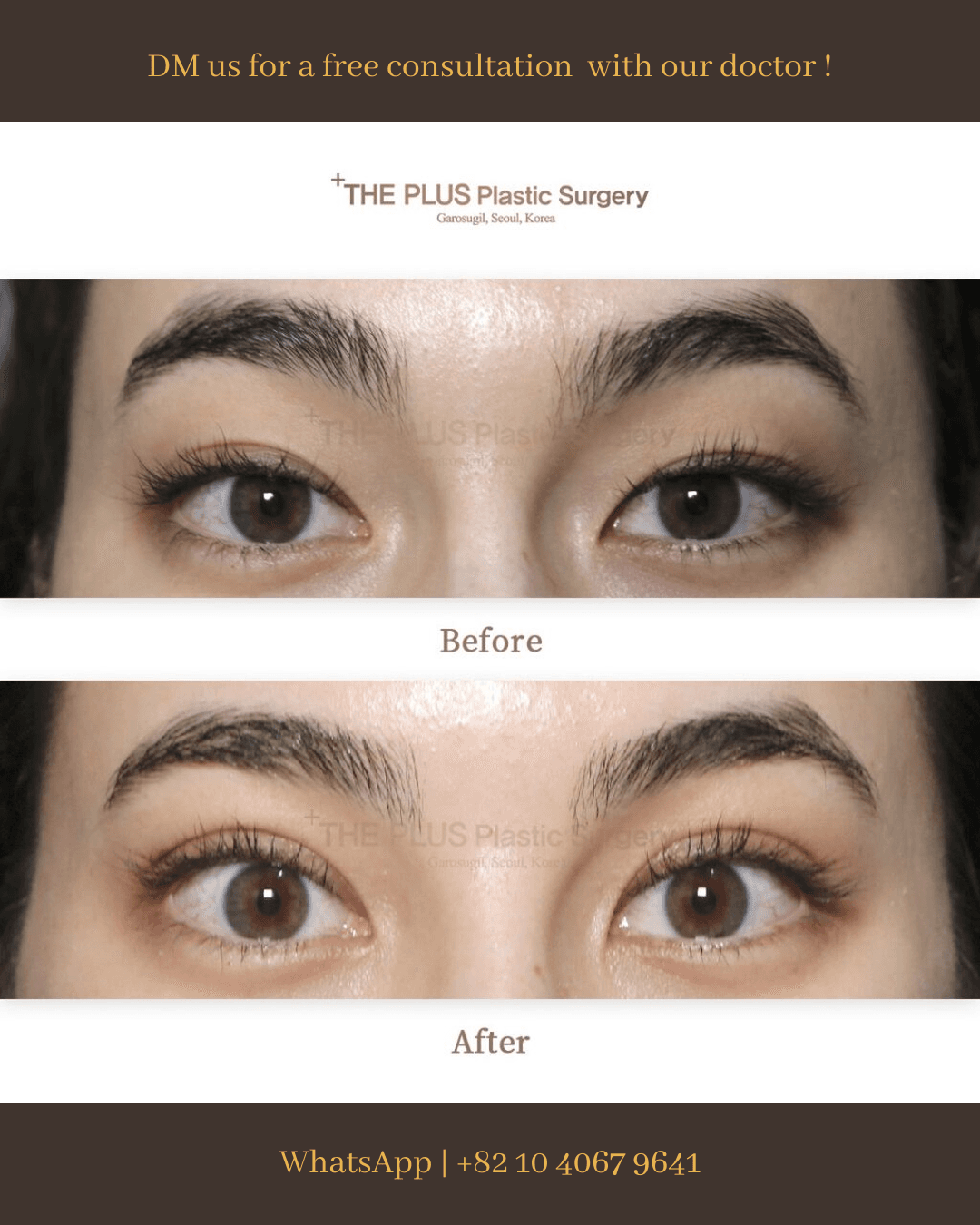
Cosmetically, patients appreciate a more youthful, refreshed, and alert look. The surgery can reduce self-consciousness about looking tired and improve facial symmetry, boosting confidence. Tasks like applying makeup or wearing contact lenses often become easier. Before-and-after photos and testimonials highlight these positive changes. Many patients combine ptosis surgery with upper blepharoplasty (eyelid lift) to remove excess skin and fat, enhancing both function and appearance.
Research shows ptosis surgery improves quality of life by reducing appearance-related distress and anxiety. Patients report greater well-being and confidence. Objective vision tests confirm better visual performance, matching patients’ experiences of easier daily activities. Satisfaction rates are high, with many willing to have the surgery again if needed. The combined benefits of improved vision, appearance, and quality of life demonstrate the positive impact of ptosis correction.
What to Expect After Surgery
Recovery after ptosis correction is key to good results. Swelling and bruising around the eyes and cheeks are common right after surgery. Using cold compresses for the first few days helps reduce these effects. Patients are advised to sleep with their head elevated for about a week to minimize swelling.
For several days, it’s important to keep the eyelid dry and avoid strenuous activities, heavy lifting, and bending over. Wearing eye makeup and drinking alcohol are usually discouraged for a few weeks. Surgeons often prescribe antibiotic eye drops or ointments to prevent infection and may recommend pain relief for mild discomfort. Stitches are generally removed about a week after surgery.
Possible complications include over-correction (eyelid lifted too high), under-correction (not lifted enough), bleeding in the eye socket, infection, corneal abrasion, or temporary difficulty closing the eyelid, which can cause dry eye. Initial asymmetry may occur but often improves over time. Some cases may require additional surgery. Overall, most surgeries successfully improve eyelid position and vision. Regular follow-ups help monitor healing and address any issues. Following post-op care instructions and staying in close contact with the surgical team usually leads to satisfying, long-lasting results.
Conclusion
Acquired ptosis causes drooping eyelids that can affect vision and appearance. Understanding its causes, symptoms, and surgical options is essential for finding the right treatment. Various surgical techniques aim to lift the eyelid, improve vision, and restore a natural, youthful look. South Korea stands out as a top choice for surgery due to advanced technology, expert surgeons, cost savings, and excellent care for international patients. This information empowers patients to explore their options and make informed decisions about managing acquired ptosis.
References
1, 2, 3, 4, 5, 6, 7, 8, 9, 10, 11, 12, 13, 14, 15, 16, 17, 18, 19, 20, 21, 22, 23, 24, 25, 26, 27, 28, 29, 30, 31, 32, 33, 34, 35, 36, 37, 38, 39, 40, 41, 42, 43, 44, 45, 46, 47, 48, 49, 50, 51, 52, 53, 54, 55, 56, 57, 58, 59, 60, 61, 62, 63, 64, 65, 66, 67, 68, 69, 70, 71, 72, 73, 74, 75, 76, 77, 78, 79, 80, 81, 82, 83, 84, 85, 86, 87, 88, 89, 90, 91, 92, 93, 94, 95, 96, 97, 98, 99