
Medical Tourism Blog
Post Pregnancy Facial Sag Treatment with Face Lift in Korea: Effective Solutions for Youthful Skin
Table of contents
- Understanding Post-Pregnancy Facial Sag
- The Face Lift Procedure: A Detailed Medical Overview
- The Medical Tourist's Journey: Getting a Face Lift in South Korea
- Pre-Arrival Preparations and Documentation
- Initial Consultations and Pre-Operative Assessments
- The Surgical Procedure: Key Steps and Korean Specifics
- Post-Operative Care and Recovery Timeline
- Typical Inclusions in Korean Medical Tourism Packages
- Which Are the Best Clinics in Korea for Post Pregnancy Facial Sag?
- Cost Analysis: South Korea vs. Global Medical Tourism Destinations
- Patient Perspectives: Addressing Post-Pregnancy Facial Sag with a Face Lift
- Conclusion: Informed Choices for Post-Pregnancy Facial Rejuvenation
Considering treatment in Korea? Everything you need to know e.g. — how to avoid scams, visas, interpreters, recovery tips — in our Medical Tourism Master Guide. Plan with confidence in minutes, not weeks!
Pregnancy is a time of major change for women, bringing both happiness and noticeable shifts in the body. One common concern for new mothers is the change in facial appearance, especially the development of "post pregnancy facial sag." This guide aims to help patients understand what causes this condition, explore surgical facelift procedures, and consider the practicalities of seeking treatment in South Korea. We’ll cover the science behind facial sag, describe different facelift options, break down costs, and share patient perspectives, all to help you make informed choices with your healthcare provider.
Understanding Post-Pregnancy Facial Sag
Definition and Common Pseudonyms
"Post pregnancy facial sag" refers to the loss of facial firmness and increased skin laxity that many women notice after childbirth. This can show up as sagging skin, a loss of facial definition, or what’s often called "loose abdominal and facial skin after pregnancy." The broader term "postpartum skin laxity" also covers these facial changes.
Physiological Causes of Postpartum Skin Laxity
Hormonal Shifts
After childbirth, hormone levels—especially estrogen and progesterone—drop sharply. Lower estrogen reduces fibroblast activity, which means less collagen, elastin, and hyaluronic acid are produced. These are key for keeping skin firm and hydrated. Less progesterone also means less sebum and a weaker skin barrier, making skin more prone to dryness and sagging.
Weight Gain and Loss
Pregnancy weight gain stretches the skin’s collagen and elastin fibers. While skin can bounce back to some extent, many women find it doesn’t fully return to its pre-pregnancy tightness, especially after rapid postpartum weight loss.
Age
As we age, skin naturally loses elasticity and its ability to repair itself. This makes post-pregnancy skin laxity more pronounced and harder to reverse without intervention.
Pregnancy Puffiness and Water Retention
During pregnancy, extra water retention can cause facial puffiness. This swelling is usually temporary and resolves on its own after childbirth, but it can temporarily change facial appearance.
Distinguishing Facial Sag from Other Postpartum Skin Concerns
It’s important to know that "post pregnancy facial sag" is different from the temporary swelling seen during pregnancy. While swelling fades naturally, true skin laxity often persists and may need targeted treatment. Other postpartum skin issues—like melasma, dermatitis, stretch marks, telogen effluvium (hair loss), and acne—have different causes and treatments. Rare conditions like bilateral facial palsy are unrelated to skin laxity and require separate medical attention.
The main takeaway is that persistent facial sag after pregnancy is usually due to a mix of hormonal changes, weight fluctuations, age, and water retention. Addressing it often requires a holistic approach, sometimes combining treatments that boost collagen with lifestyle changes.
The Face Lift Procedure: A Detailed Medical Overview
What is a Rhytidectomy (Facelift)?
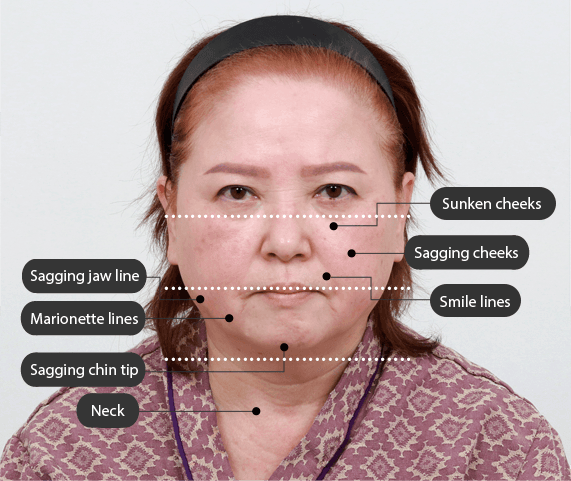
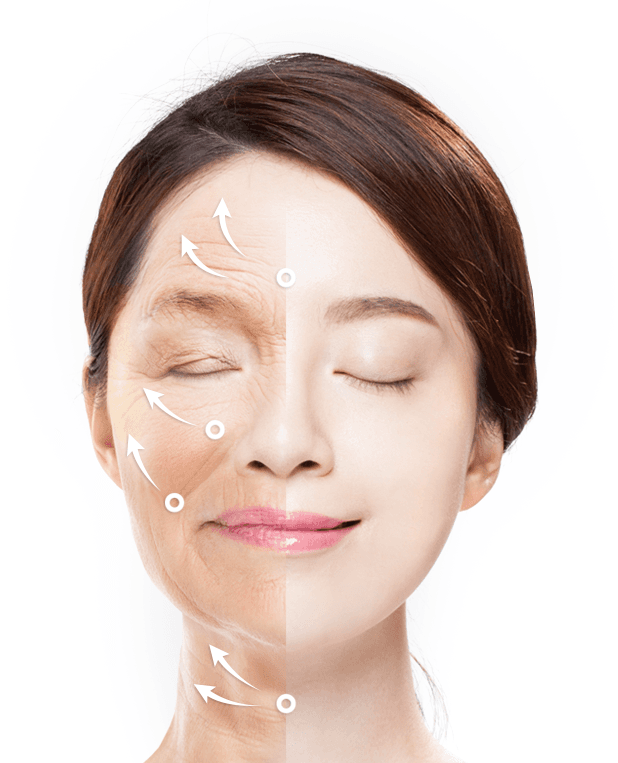
A facelift, or rhytidectomy, is a surgical procedure to reduce visible signs of aging in the face and neck. Surgeons reposition tissues, tighten muscles, and remove excess skin to restore a youthful contour. Facelifts target sagging skin, deep wrinkles, jowls, and double chins.
Types of Surgical Facelifts
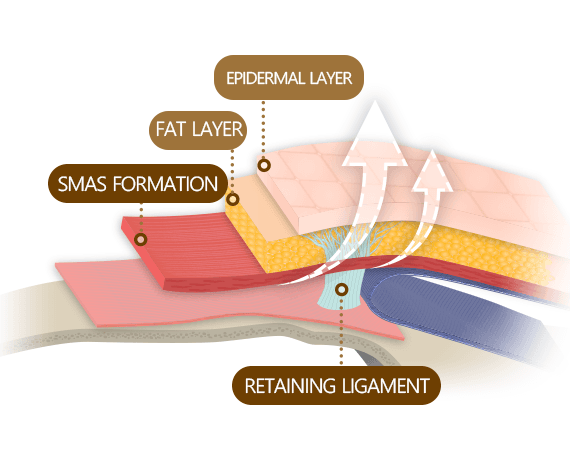
- Deep Plane Facelift: This advanced technique lifts deeper facial layers beneath the SMAS, resulting in a dramatic and natural-looking lift. It requires general anesthesia and a longer recovery.
- SMAS Facelift: Focuses on tightening the SMAS layer to lift the lower face and neck. It offers natural results and can be done under local or general anesthesia.
- Mini Facelift (Short-Scar Facelift): Uses smaller incisions to tighten the SMAS, ideal for early signs of aging and quicker recovery.
- Mid-Facelift: Targets the cheeks and areas around the nose and mouth, lifting sagging cheeks and smoothing folds.
- Jawline Rejuvenation: Contours the jawline, often using liposuction to remove excess fat.
- Skin-Only Facelift: An older method that lifts only the skin, now rarely used due to less natural results.
- Temporal or Brow Lift (Upper Facelift): Focuses on the temples and brows, often combined with other procedures for full rejuvenation.
Non-Surgical and Minimally Invasive Alternatives for Facial Rejuvenation
- Liquid Facelift: Uses injectables like Botox and dermal fillers to add volume and smooth wrinkles. Results last 6-12 months.
- Thread Lifts: Involves inserting dissolvable threads under the skin for a subtle lift and collagen boost, lasting 1-2 years.
- Ultrasound and Radiofrequency (RF) Skin Tightening: Devices like Ultherapy and truSculpt iD use energy to stimulate collagen and tighten skin.
- Laser Skin Resurfacing: Treatments like Sciton Halo improve skin texture and laxity by promoting healing.
Ideal Candidates for a Facelift
Good candidates have visible signs of aging—sagging skin, deep wrinkles, or jowls—and are in overall good health. Realistic expectations and a clear understanding of the procedure’s benefits and limits are essential.
Benefits and Limitations of Facelift Surgery
Benefits: Facelifts can smooth and tighten skin, reduce deep creases, restore cheek volume, and define the jawline for a refreshed look.
Limitations: Facelifts don’t address dynamic wrinkles, skin texture, brow or eyelid sagging, or major volume loss unless combined with other procedures. They also don’t change bone structure or core appearance.
Understanding that "facelift" covers a range of procedures—from quick injectables to complex surgeries—helps patients choose the right option for their needs. Combining facelifts with other treatments can provide more comprehensive results.
The Medical Tourist's Journey: Getting a Face Lift in South Korea
South Korea is a top destination for cosmetic surgery, known for advanced techniques and natural-looking results.
Pre-Arrival Preparations and Documentation
Before traveling, patients need a valid passport, visa, and relevant medical records. Resting after arrival is recommended to ensure a productive consultation.
Initial Consultations and Pre-Operative Assessments
Patients meet with their surgeon to discuss goals and possible additional procedures. Preoperative tests ensure fitness for surgery, and detailed instructions are provided.
The Surgical Procedure: Key Steps and Korean Specifics
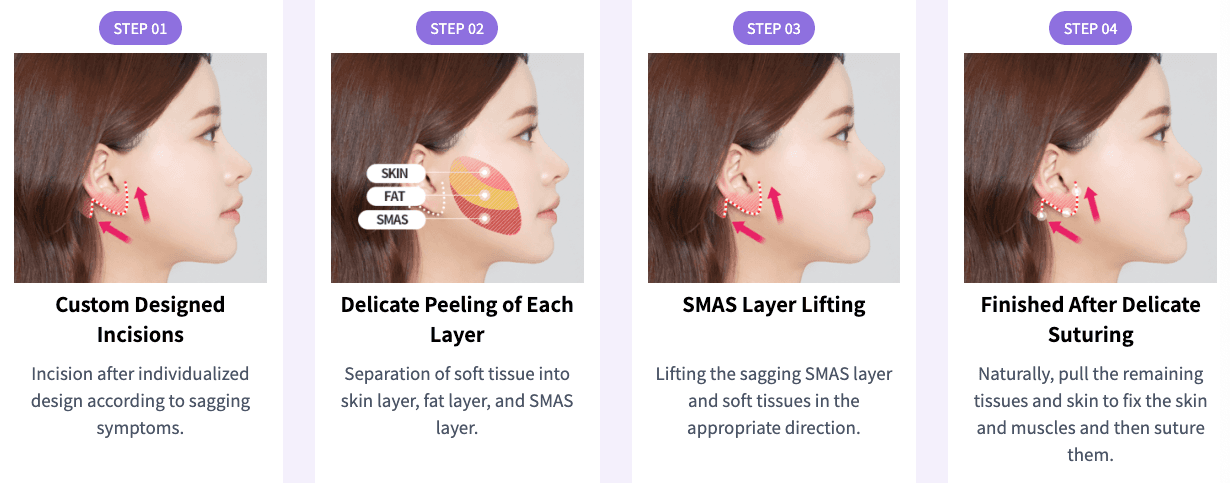
Facelifts in Korea are performed under general anesthesia or deep sedation. Surgeons make careful incisions—often hidden along the hairline or behind the ears—to minimize scarring. The skin is lifted, underlying tissues are tightened, and excess skin is removed. Korean clinics focus on natural results and minimal scarring.
Post-Operative Care and Recovery Timeline
Swelling and bruising are common but fade within weeks. Recovery time varies by procedure: endoscopic facelifts need 1-2 weeks, AccuTite facelifts 2-7 days, and deep plane facelifts take longer. Final results appear as swelling subsides over several months.
Typical Inclusions in Korean Medical Tourism Packages
Packages often include consultations, anesthesia, tests, hospitalization, and follow-ups. Extras like transfers, accommodation, and recovery therapies may cost more, so patients should clarify all potential expenses upfront.
Korean facelifts are popular not just for cost, but for their focus on discreet, natural results—an important factor for many patients.
Which Are the Best Clinics in Korea for Post Pregnancy Facial Sag?
Listed below are some of the best clinics in Korea for post pregnancy facial sag.
1. THEPLUS Plastic Surgery
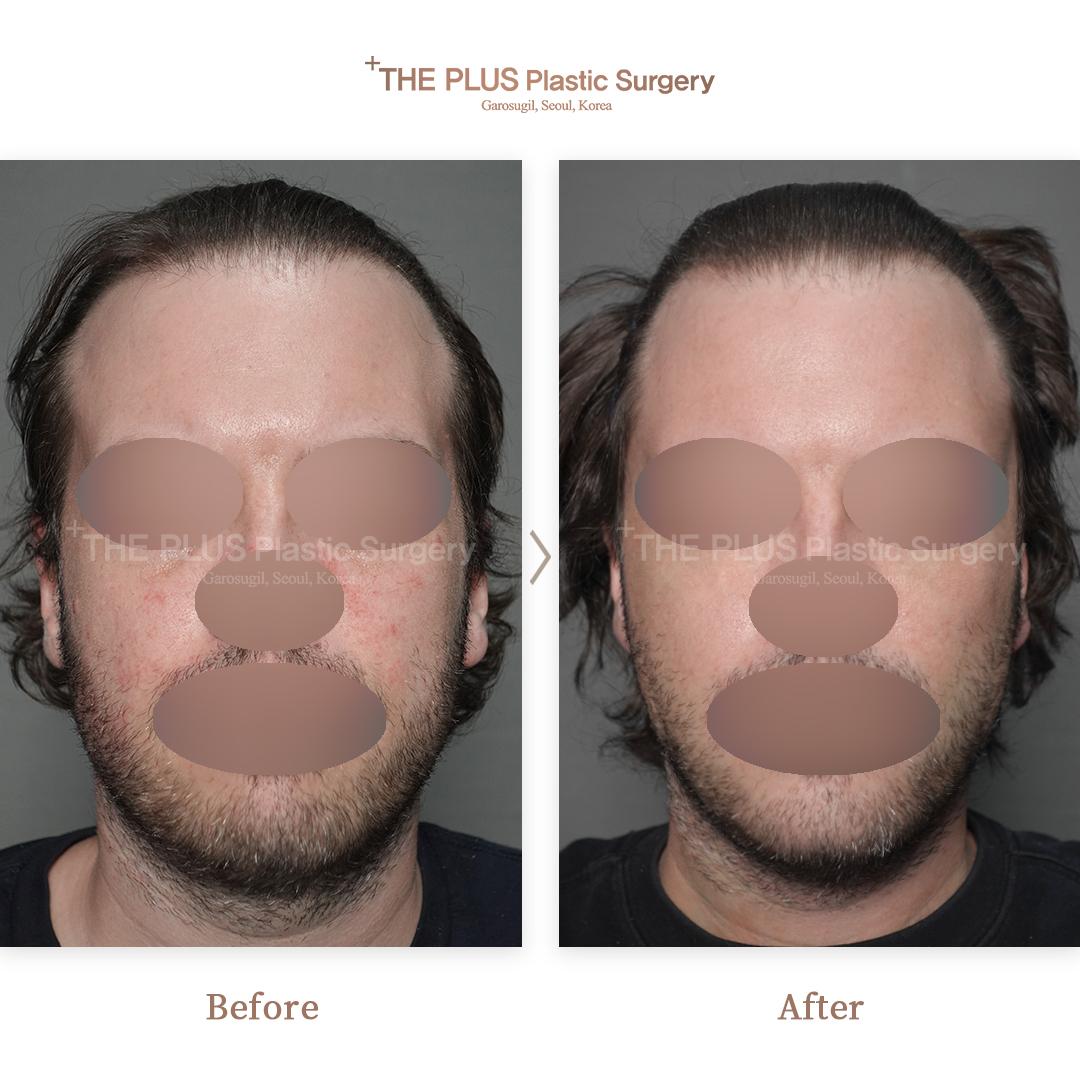
You may consider THEPLUS Plastic Surgery if post-pregnancy facial sagging is accompanied by loss of facial definition or volume and you want to discuss options ranging from a thread lift to facelift surgery or facial fat grafting. Its face-lifting services are described as aiming to lift sagging tissue while preserving natural expression, with contouring procedures also available when overall facial balance is a priority.
- URL: THEPLUS Plastic Surgery Website
- Location: Gangnam-gu, Seoul
- Lifting and volume options:
- Facelift is offered to lift and reposition sagging facial tissue and refine facial contours.
- Thread lift uses dissolvable threads as a less invasive option for mild facial sagging.
- Face fat grafting uses your own fat to restore fullness in hollow or flattened facial areas.
- Facial-balance expertise:
- Dr. Kim is described as a board-certified plastic surgeon with expertise in rhinoplasty and facial contouring, as well as research recognition for 3D implants.
- Facial contouring options include cheekbone, square-jaw, chin, and facial-implant procedures when structural proportions are also a concern.
2. Made Young Plastic Surgery
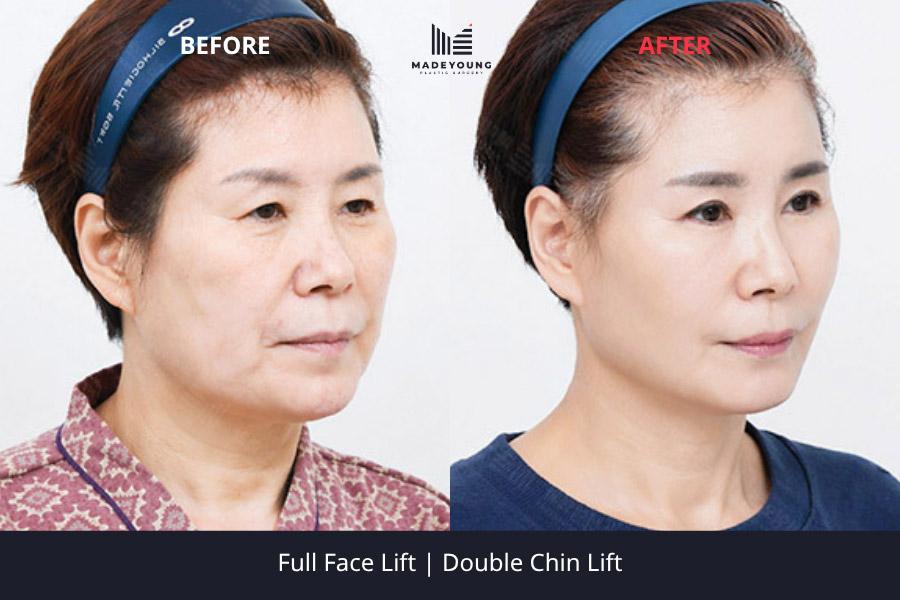
You may consider Made Young Plastic Surgery for post-pregnancy facial sagging if you want a surgical lift designed to address lax supporting tissues beneath the SMAS layer, rather than tightening skin alone. The clinic describes releasing stretched support structures, lifting the skin, fat, and SMAS together, and securing tissues vertically to support a natural-looking contour without undue cheekbone emphasis.
- URL: Made Young Plastic Surgery Website
- Location: Seocho-gu, Seoul
- Facelift approach:
- The described technique involves dissection beneath the SMAS layer, release of stretched supporting tissues, and combined lifting of the skin, fat, and SMAS.
- Tissues are secured vertically in the direction opposite sagging, with the stated goal of a natural, longer-lasting result.
- Face lift, neck lift, double-chin lift, forehead lift, and sub-brow lift are listed among the surgical lifting options.
- Thread-lift option:
- Dr. Soo-Yeon Park is described as a board-certified plastic surgeon specializing in thread lifting with Silhouette Soft threads.
- The clinic states that Dr. Park performed more than 10,000 lifting procedures and recorded the highest Silhouette Soft usage in Korea in 2022.
- Non-surgical lifting options listed include thread lift, ultrasound-based Shurink and Ultherapy, and skin boosters.
- Monitoring and aftercare:
- The clinic reports full-time board-certified anesthesiologists, including one-to-one anesthesiologist monitoring during procedures.
- It describes a cross-check emergency system, full CCTV coverage of procedures, and a dedicated aftercare center.
- The medical team is stated to provide direct consultation and diagnosis before treatment.
3. LABOM Plastic Surgery
You may consider LABOM Plastic Surgery if you are looking for a deeper surgical approach to post-pregnancy facial and neck sagging. Its Triple Face Lift is described as repositioning the skin, SMAS, and deep malar fat layer together using a Deep Plane-based approach, targeting concerns such as jowling, jawline softness, nasolabial folds, marionette lines, double chin, and neck laxity while avoiding excessive skin pull.
- URL: LABOM Plastic Surgery Website
- Location: Gangnam-gu, Seoul
- Triple Face Lift:
- The procedure lifts three layers simultaneously: skin, SMAS, and the deep fat layer.
- It is designed to reposition sagging tissue while accounting for retaining ligaments and individual facial anatomy.
- LABOM lists potential targets including nasolabial folds, marionette lines, sagging around the mouth, jawline and double-chin fullness, and neck wrinkles.
- The clinic states that the procedure is performed under sedation with local anesthesia, takes about 3–4 hours, and generally involves 7–14 days of recovery.
- Individualized planning:
- Specialists are described as directly performing procedures, with more than 30 years of clinical experience across facial and hand anti-aging surgery.
- Planning is based on one-to-one consultation, pre-operative diagnosis, facial structure, and the degree of tissue aging.
- Available adjuncts include SMAS grafting, deep fat-pad removal, and platysma muscle sling surgery when clinically appropriate.
- Related facial options:
- Facial fat grafting can use purified fat from areas such as the abdomen, thighs, or buttocks to address volume-deficient areas, including deep nasolabial folds.
- Facial liposuction using micro-cannula technology is offered for excess cheek or chin fat and may be combined with contour lifting.
- The clinic describes structured follow-up and personalized programs for recovery, swelling, bruising, and scar management, including an aftercare system for international visitors.
Cost Analysis: South Korea vs. Global Medical Tourism Destinations
Facelift costs vary by country, technique, surgeon, and package inclusions.
Average Costs for Facelifts in South Korea (by type)
- Deep Plane Facelift: $8,000–$13,000 USD
- Standard Facelift Packages: $9,000–$13,000 USD
- Mini Facelift Packages: $2,000–$6,000 USD
- Premium SMAS Facelift: $13,500+ USD
- Endoscopic Facelift: From $5,000 USD
- Full Face Rejuvenation Plan: $15,000–$50,000+ USD
Factors Influencing Facelift Costs in South Korea
Costs depend on the surgeon’s reputation, clinic location (Seoul clinics may charge more), technique complexity, package inclusions, and demand for advanced technology.
Comparative Cost Analysis: South Korea vs. Other Global Medical Tourism Destinations
| Country | Facelift Type/Range (USD) | Typical Inclusions |
|---|---|---|
| USA | $17,500–$48,000 | Surgeon fees, anesthesia, OR |
| Thailand | $1,500–$12,000 | Varies by package |
| Turkey | $1,500–$10,500 | Varies by package |
| Mexico | $1,700–$13,000 | Varies by package |
| South Korea | $2,000–$50,000+ | Varies by package |
South Korea is more affordable than the US/UK but pricier than Thailand, Turkey, or Mexico. It’s positioned as a premium destination with advanced techniques and natural results.
Potential Financial Savings for Medical Tourists
Patients can save 70-80% compared to US/UK prices, but should factor in travel, accommodation, and extra care costs. Calculating the total cost—including all extras—prevents surprises and helps with budgeting.
Patient Perspectives: Addressing Post-Pregnancy Facial Sag with a Face Lift
Choosing cosmetic surgery after pregnancy is a personal decision, often tied to restoring confidence and well-being.
Motivations and Expectations of Patients Seeking Facial Rejuvenation Post-Pregnancy
Many women seek facelifts to regain their pre-baby appearance and boost self-esteem. Improved confidence often leads to greater happiness and motivation for a healthy lifestyle. The decision is usually made for personal reasons, not external pressures.
Outcomes and Satisfaction from Facelift Procedures
While direct testimonials about facelifts for "post pregnancy facial sag" are limited, general reviews show high satisfaction. Patients appreciate natural-looking results and a rejuvenated appearance, with many reporting increased self-confidence.
Considerations for Future Pregnancies After a Facelift
Surgeons advise that significant weight changes—not pregnancy itself—are most likely to affect facelift results. Maintaining a stable weight is key to preserving outcomes, even if future pregnancies are planned.
Insights from "Mommy Makeover" Patients and Broader Facial Rejuvenation Experiences
"Mommy makeovers" now often include facial procedures, reflecting a holistic approach to post-pregnancy changes. Support during recovery is important, especially for mothers with young children. Non-surgical options like ThermaCool Face Lift and Sofwave are also popular.
The emotional benefits—like restored confidence and improved self-image—are just as important as the physical changes. Pre-surgery counseling should address lifestyle management and realistic expectations, especially for women planning more children.
Conclusion: Informed Choices for Post-Pregnancy Facial Rejuvenation
Post-pregnancy facial sag is a common concern, mainly caused by hormonal changes and weight fluctuations. While temporary swelling fades on its own, persistent laxity often requires targeted treatment. South Korea offers advanced facelift options with a focus on natural results and competitive pricing, but patients should consider all associated costs. Ultimately, the decision is personal and should be made with a qualified surgeon, taking into account individual goals, future plans, and the importance of maintaining a stable lifestyle for lasting results.
References
Frequently Asked Questions
Related Blogs
Renuvion in Korea: Methods, Recovery, Risks, and Travel Planning
Renuvion uses helium-plasma radiofrequency energy beneath the skin, alone or after liposuction, to address mild-to-moderate localized laxity; Dermal resurfacing treats surface wrinkles with an external ablative handpiece. The article covers candidacy, alternatives, preparation, recovery, risks, Korea travel planning, and the need for surgeon clearance before flying.
Updated: Oct 13, 2026
Temporal Lift in Korea: Methods, Recovery, Risks and Travel Planning
A temporal lift elevates the outer brow through temporal scalp incisions, using open, subcutaneous, endoscopic, or combined techniques chosen for brow position, hairline, and eyelid anatomy. The article covers candidate screening, Korea facility and surgeon verification, a 10–14-day stay, recovery restrictions, aftercare, warning signs, and alternatives such as forehead lift, blepharoplasty, and p
Updated: Oct 13, 2026
Premature aging face treatment in Korea: Face Lift options for younger-looking skin
Early onset facial laxity and wrinkles are rising among 30s–40s. Our Korea medical tourism guide explains rhytids and how a rhytidectomy (face lift) can refresh the lower face and neck. Explore options: Deep Plane Facelift, SMAS Facelift, Mini Facelift, Lower Facelift and Neck Lift, plus non-surgical adjuncts. Learn candidacy, recovery timelines, costs, certifications, and tips for planning surger
Updated: Oct 12, 2026
Brow Ptosis in Korea: Forehead Lift and Subbrow Lift Treatment Options
Thinking about Brow Ptosis surgery in Korea? This expert guide explains diagnosis, functional vs cosmetic concerns, and compares a Forehead Lift with a Subbrow Lift—indications, scars, recovery, and costs. It maps the South Korea medical tourism journey (planning, visas, surgery day, follow-ups), highlights surgeon credentials and safety, and shares real outcomes, risks, and patient stories so you
Updated: Oct 12, 2026
Clinics offering Face Lift
RINE Plastic Surgery Clinic | Facelift and Eye Rejuvenation Surgery
Nonhyeon

SH Clinic: Comprehensive Women's, Men's & Couples' Health Services in Korea
Sinsa

THEPLUS Plastic Surgery Korea | Eye, Nose, Face & Body Surgery
Sinsa

Made Young Plastic Surgery: Rejuvenating Aesthetic Excellence in Korea for Face Lifts, Contouring and More
Gangnam Station