
Medical Tourism Blog
Lower Face Wrinkles Solutions: SMAS Facelift Procedures in Korea for Youthful Results
Table of contents
- Understanding Lower Face Wrinkles: Creases Around the Mouth and Chin
- The SMAS Facelift: A Comprehensive Medical Procedure
- The Medical Tourist's Journey: Getting a SMAS Facelift in South Korea
- Which Are the Best Clinics in Korea for Lower Face Wrinkles?
- Cost Analysis: SMAS Facelift in South Korea vs. Other Countries
- Patient Outcomes: Addressing Lower Face Concerns with SMAS Facelift
- Conclusion: Informed Decisions for Facial Rejuvenation
- References
Considering treatment in Korea? Everything you need to know e.g. — how to avoid scams, visas, interpreters, recovery tips — in our Medical Tourism Master Guide. Plan with confidence in minutes, not weeks!
As we age, the lower face often reveals the unmistakable signs of time—wrinkles, sagging skin, and the fading of youthful contours. These changes, most noticeable around the mouth and chin, can have a real impact on how people see themselves and their self-confidence. That's why so many seek reliable ways to refresh their appearance and regain a vibrant look.
From the broad landscape of cosmetic procedures, the Superficial Musculoaponeurotic System (SMAS) facelift stands out for its effectiveness in rejuvenating the lower two-thirds of the face and neck. Unlike earlier facelifts that only tightened skin, the SMAS facelift, which evolved in the late 1970s and early 1980s, targets deeper facial layers for more natural and long-lasting results. Patients today are looking for subtle, authentic, and durable facial rejuvenation instead of temporary or artificial-looking fixes—which is exactly what the SMAS facelift seeks to deliver.
Understanding Lower Face Wrinkles: Creases Around the Mouth and Chin
Lower face wrinkles typically show up as visible creases and folds around the mouth and chin. Though aging is the main culprit, other factors can fast-track their appearance. These wrinkles can sometimes make a person look tired or older than they are, impacting both how they're perceived and how they feel.
Common Pseudonyms and Medical Terms
These facial lines take on several names, both in everyday talk and in medical contexts:
- Nasolabial Folds (Smile Lines, Laugh Lines, Nasolabial Groove): These lines run from the sides of the nose to the mouth corners, deepening with age.
- Marionette Lines (Melomental Folds): These run downward from the mouth's corners, often giving a perpetual frown and appearing as early as the late 30s.
- Vertical Lip Lines (Perioral Wrinkles, Smoker's Lines, Pleated Wrinkles): Vertical lines on the upper lip, intensified by smoking or repetitive lip movement.
- Transverse Chin Wrinkles (Strawberry Chin): Horizontal lines across the chin caused by underlying muscle contractions.
Though some colloquialisms like "support lines" or "disappointment lines" appear in beauty discussions, medical professionals rely on the above terms when recommending or performing treatments.
Contributing Factors to Their Development
The path to lower face wrinkles involves both internal and external influences:
- Intrinsic Aging: Everyone loses collagen and elastin over time, causing skin to stretch, fold, and settle into lines like marionette and smile lines. Genetics also play a role.
- Sun Damage: Too much UV exposure breaks down skin support structures and leads to premature wrinkling.
- Smoking: The repetitive motion of smoking and the chemicals involved make fine lines, especially around the lips, appear earlier and more prominently.
- Repeated Facial Expressions: Movement from smiling or frowning eventually carves lines into the skin.
- Poor Sleep Habits: Side or stomach sleeping can contribute to deeper skin folds.
- Dehydration and Poor Diet: Dry, undernourished skin is more prone to visible wrinkles.
- Severe Stress: High stress levels can hasten wrinkle formation.
Lifestyle changes can help slow down further wrinkle development, but advanced sagging tied to SMAS layer changes often requires surgical solutions like the SMAS facelift for noticeable and lasting improvement.
Beyond aesthetics, lines like marionette lines can inadvertently signal sadness or fatigue. Many pursue facial rejuvenation not just for cosmetic reasons, but also to feel better about how they’re perceived, boosting both social confidence and overall well-being.
The SMAS Facelift: A Comprehensive Medical Procedure
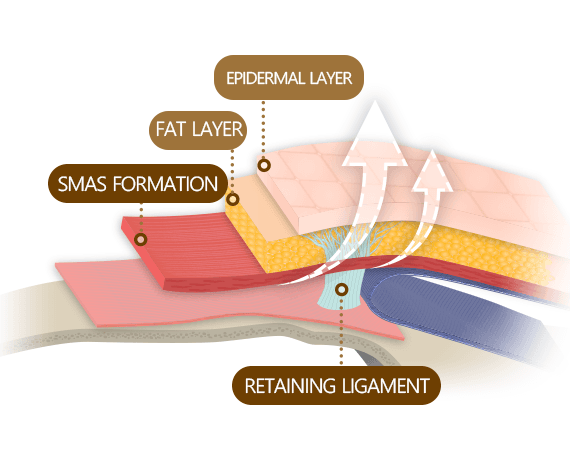
The SMAS facelift targets the deeper SMAS layer, tackling facial aging at its root by repositioning foundational tissues—not just skin.
What is the Superficial Musculoaponeurotic System (SMAS)?
The SMAS is a critical facial layer—essentially a fibrous network of muscle and connective tissue—sitting between the skin/fat and deeper facial muscles. It helps shape our expressions and facial contours. As time goes by, this layer naturally weakens and sags, leading to telltale signs like jowls, deep nasolabial folds, and a less defined jaw and neck.
Objectives of the SMAS Facelift
The SMAS facelift aims to reposition and tighten the SMAS layer to resolve:
- Mid-face sagging
- Jowls and a heavy jawline
- Excess skin and fat in the lower face and neck
- Pronounced nasolabial folds
- Double chin or undefined neck
- General loss of neck and facial contour
The overall goal is to restore a natural, refreshed look—often making patients appear a decade or more younger.
Detailed Procedure
The procedure is performed under general anesthesia or deep sedation. Incisions usually follow the hairline and curve around the ears for discreet scarring.
- Manipulating the SMAS Layer: Surgeons access the SMAS through these incisions, lifting and securing it in a higher position. Variations include SMAS plication, SMASectomy, extended SMAS, and high SMAS facelift—each offering different degrees of lift and longevity.
- Skin Redraping: After the deeper structures are adjusted, any excess skin is trimmed, and the remaining skin is gently smoothed and sutured for a seamless finish.
Advantages of the SMAS Facelift
- Natural Results: By lifting the deeper layers, the result is refreshed, not pulled or "done."
- Long-Lasting: Effects typically last 10-15 years.
- Structural Improvement: Corrects sagging at its source.
- Safer: Relative to deep plane techniques, there is less facial nerve risk.
- Potentially Faster Recovery: Less deep dissection can mean quicker initial healing.
Recovery Expectations
Expect swelling, bruising, and some discomfort for two weeks post-surgery; most people resume light activity in about two weeks. Swelling resolves over two to three months, with scars typically hidden by hair and natural skin creases.
The Medical Tourist's Journey: Getting a SMAS Facelift in South Korea
South Korea is a top destination for those seeking cosmetic surgery, blending technical excellence with patient-centered care and hospitality.
Why South Korea?
With nearly a quarter of the world's cosmetic procedures performed in South Korea and the highest density of board-certified plastic surgeons globally, the country leads in:
- Surgical Innovation: Techniques pioneered here are often adopted worldwide.
- Focus on Natural Results: Surgeons aim for subtle, harmonious change.
- Five-Star Experiences: Clinics often resemble luxury hotels and provide robust concierge services.
- Affordability: Procedures can be 40-70% less expensive than in the US or UK, without sacrificing quality.
Process of Getting a SMAS Facelift in South Korea
- Initial Research and Clinic Selection: Patients can connect with clinics online, review portfolios, and receive virtual consultations.
- Travel Arrangements: Clinics assist with everything from lodging to airport pickups.
- Consultation and Examinations: In-person planning with surgeons, full medical work-ups, and translation services.
- Surgery Day: The procedure lasts 2-6 hours, under general anesthesia or deep sedation, with safety protocols in place.
- Aftercare: Recovery takes place in comfortable settings with daily checks, pain management, and dedicated support.
- Recovery and Departure: Patients should plan for a 1-3 week stay in Korea to allow for healing, follow-ups, and support.
Table 1: Typical Timeline for SMAS Facelift in South Korea (for International Patients)
| Stage | Estimated Duration | Key Activities |
|---|---|---|
| Pre-Arrival Planning | 1-4 weeks (flexible) | Clinic research, contacting clinics, virtual consultations, booking flights. |
This clear timeline helps patients plan both financially and logistically.
Which Are the Best Clinics in Korea for Lower Face Wrinkles?
Listed below are some of the best clinics in Korea for lower face wrinkles.
1. THEPLUS Plastic Surgery
You may consider THEPLUS Plastic Surgery for lower-face wrinkles if sagging has also affected your jawline or overall facial balance: its facelift is described as repositioning sagging facial tissue while preserving natural expression, with thread lifting and facial fat grafting available for less extensive lifting or volume-related hollowing.
- URL: THEPLUS Plastic Surgery Website
- Location: Gangnam-gu, Seoul
- Lower-face options:
- Facelift is offered to lift and reposition sagging facial tissue and improve facial contours.
- Thread lift uses dissolvable threads for mild sagging when you prefer a less invasive approach than a full surgical lift.
- Facial fat grafting uses your own fat to restore fullness in hollow or flattened areas that can contribute to an aged lower-face appearance.
- Relevant surgical perspective:
- Dr. Kim is a board-certified plastic surgeon whose stated specialties include facial contouring and who emphasizes harmonious facial proportions.
- The clinic also offers square-jaw and chin surgery, which may be relevant when lower-face shape is part of your aesthetic concern.
2. Made Young Plastic Surgery
You may consider Made Young Plastic Surgery for lower-face wrinkles when you want a surgical facelift designed to address sagging across the skin, fat, and SMAS layer together. Its described approach releases stretched supporting tissues beneath the SMAS, then secures the lifted tissues vertically—opposite the direction of sagging—to support comprehensive tightening without emphasizing the cheekbones unnaturally.
- URL: Made Young Plastic Surgery Website
- Location: Seocho-gu, Seoul
- Facelift approach:
- The clinic describes analysis of the areas and causes of facial sagging before planning treatment.
- Its facelift technique includes dissection beneath the SMAS layer, lifting the skin, fat, and SMAS together, and vertically securing the tissues.
- Face lift, neck lift, double-chin lift, thread lift, focused-ultrasound treatments including Shurink and Ultherapy, and skin boosters are listed among available options.
- Safety and continuity:
- The medical team provides direct consultation and diagnosis before a procedure.
- Full-time board-certified anesthesiologists are on site, with one-to-one anesthesiology monitoring described during procedures.
- The clinic describes emergency cross-checking among anesthesiologists, full CCTV procedure coverage, and a separate aftercare center.
3. RINE Plastic Surgery Clinic
You can expect RINE Plastic Surgery Clinic to assess your facial proportions and skin condition before tailoring a lifting plan for lower-face wrinkles and laxity. Its extended dual deep-plane facelift combines wide skin and SMAS dissection so both layers can be lifted together, with the stated aim of improving wrinkles and providing durable contour restoration in the cheeks, jawline, and neck.
- URL: RINE Plastic Surgery Clinic Website
- Location: Seocho-gu, Seoul
- Lifting options:
- The SMAS face and neck lift is described as a deep-plane procedure for significant sagging in the cheeks, jawline, and neck, rather than a skin-only lift.
- A minimally invasive facelift is available for moderate laxity with smaller incisions and reduced downtime relative to a full lift.
- Thread lifting is offered as a nonsurgical option using absorbable threads for subtler lifting.
- Double-chin liposuction and double-chin lift are available when submental fat, loose neck skin, or platysma laxity affects lower-face definition.
- Your care pathway:
- Director Jang Nam, a board-certified plastic surgeon, is described as personally managing consultation, surgery, treatment, and recovery.
- The clinic describes one-to-one customized design, private one-person recovery rooms, and continuous postoperative care.
- Available equipment includes a full-HD endoscope, FDA-approved Endotine, and WhiteLite bipolar technology.
Cost Analysis: SMAS Facelift in South Korea vs. Other Countries
The affordability and transparency of a SMAS facelift in South Korea make it appealing for many international patients.
Average Costs of SMAS Facelift in South Korea
You can expect to pay between $6,000 and $12,000 USD for a SMAS facelift, though prices vary by clinic reputation, case complexity, and procedure type. The broader category of facelift can range from $3,000 to $18,000 USD. Combined procedures for full facial rejuvenation can run even higher.
Factors Affecting Cost
Several elements influence your total cost:
- Clinic/surgeon reputation
- Surgery complexity and specific SMAS technique
- Additional procedures
- Anesthesia fees
- Operating room and facility charges
- Medical supplies
All-Inclusive Packages for Medical Tourists
South Korean clinics often offer bundled packages covering:
- All consultations and medical exams
- Surgery and post-op care
- Medications and follow-up visits
- Translator services
- Accommodation near or within the clinic
- Airport transfers
This approach eases budgeting compared to the itemized bills common in Western countries.
Table 2: Comparative Costs of SMAS Facelift (USD)
| Country | Average SMAS Facelift Cost (USD) | Potential Savings vs. South Korea |
|---|---|---|
| South Korea | $6,000 - $12,000 | N/A |
| United States | $15,000 - $25,000+ | 40% - 70% |
| United Kingdom | $12,000 - $20,000+ | 40% - 70% |
| Australia | $18,000 - $30,000+ | 40% - 60% |
Note: These numbers are approximate and do not include travel or living expenses during recovery.
South Korea’s lower prices stem from market competitiveness, government support, and favorable exchange rates, not lower standards. Patients should still budget for travel and daily living costs during their stay.
Patient Outcomes: Addressing Lower Face Concerns with SMAS Facelift
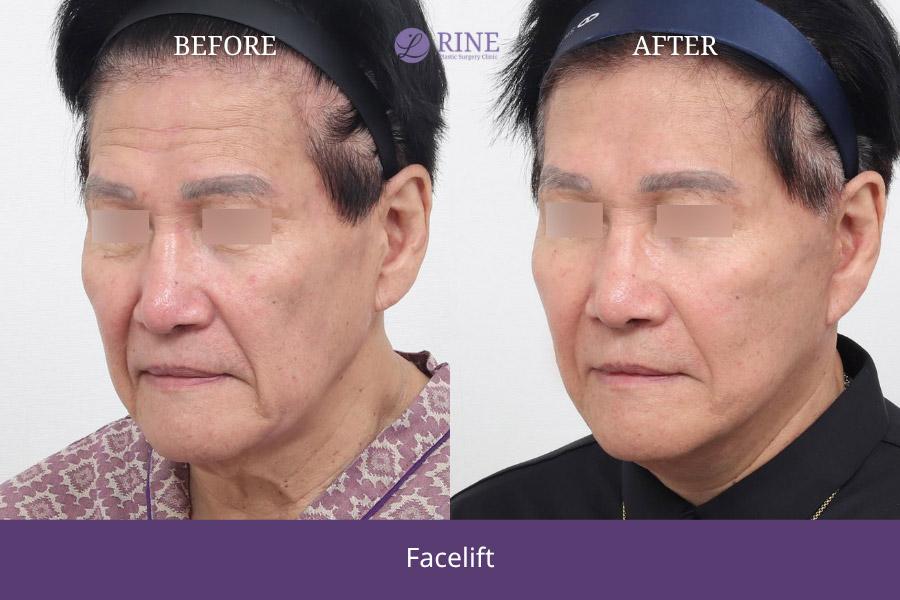
A SMAS facelift is especially effective in addressing lower face problems like sagging jowls, nasolabial folds, and marionette lines because it directly targets and lifts the foundation of the facial structure.
How SMAS Facelift Addresses Lower Face Issues
By repositioning the sagging SMAS layer, the procedure smooths out wrinkles and restores facial contours. Think of it like smoothing out wrinkles in a sheet by pulling it tight from below—the result is an underlying change, not just a surface tweak.
Expected Aesthetic Improvements
Most patients see:
- Sharper jawlines and less visible jowls
- Smoother, more youthful-looking necks
- Elevated, fuller cheeks
- Softened deep lines around the mouth and nose
- A refreshed, natural appearance—"newer, not different"
- A sense of looking up to 10-20 years younger
Longevity of Results
Expect results to last around 10 to 15 years; while aging continues, your face will look noticeably younger for much longer compared to non-surgical options.
Real-World Patient Experiences
Patients regularly report feeling rejuvenated, more confident, and pleased with the natural look. Many choose to combine their SMAS facelift with other procedures like a neck lift or eyelid surgery for a more comprehensive transformation—and are often delighted by the synergy of results.
Conclusion: Informed Decisions for Facial Rejuvenation
The SMAS facelift offers a proven way to address deep facial aging, providing natural-looking, long-term rejuvenation—especially for lower face concerns like jowls and nasolabial folds. South Korea stands out for its surgical expertise, excellent patient services, and financial value, making it an ideal destination for medical tourism. Careful planning, surgeon selection, and open dialogue ensure that patients can make truly informed, confident decisions for their facial rejuvenation journey.
References
1, 2, 3, 4, 5, 6, 7, 8, 9, 10, 11, 12, 13, 14, 15, 16, 17, 18, 19
Frequently Asked Questions
Related Blogs
Renuvion in Korea: Methods, Recovery, Risks, and Travel Planning
Renuvion uses helium-plasma radiofrequency energy beneath the skin, alone or after liposuction, to address mild-to-moderate localized laxity; Dermal resurfacing treats surface wrinkles with an external ablative handpiece. The article covers candidacy, alternatives, preparation, recovery, risks, Korea travel planning, and the need for surgeon clearance before flying.
Updated: Oct 13, 2026
Temporal Lift in Korea: Methods, Recovery, Risks and Travel Planning
A temporal lift elevates the outer brow through temporal scalp incisions, using open, subcutaneous, endoscopic, or combined techniques chosen for brow position, hairline, and eyelid anatomy. The article covers candidate screening, Korea facility and surgeon verification, a 10–14-day stay, recovery restrictions, aftercare, warning signs, and alternatives such as forehead lift, blepharoplasty, and p
Updated: Oct 13, 2026
Premature aging face treatment in Korea: Face Lift options for younger-looking skin
Early onset facial laxity and wrinkles are rising among 30s–40s. Our Korea medical tourism guide explains rhytids and how a rhytidectomy (face lift) can refresh the lower face and neck. Explore options: Deep Plane Facelift, SMAS Facelift, Mini Facelift, Lower Facelift and Neck Lift, plus non-surgical adjuncts. Learn candidacy, recovery timelines, costs, certifications, and tips for planning surger
Updated: Oct 12, 2026
Brow Ptosis in Korea: Forehead Lift and Subbrow Lift Treatment Options
Thinking about Brow Ptosis surgery in Korea? This expert guide explains diagnosis, functional vs cosmetic concerns, and compares a Forehead Lift with a Subbrow Lift—indications, scars, recovery, and costs. It maps the South Korea medical tourism journey (planning, visas, surgery day, follow-ups), highlights surgeon credentials and safety, and shares real outcomes, risks, and patient stories so you
Updated: Oct 12, 2026
Clinics offering SMAS Facelift
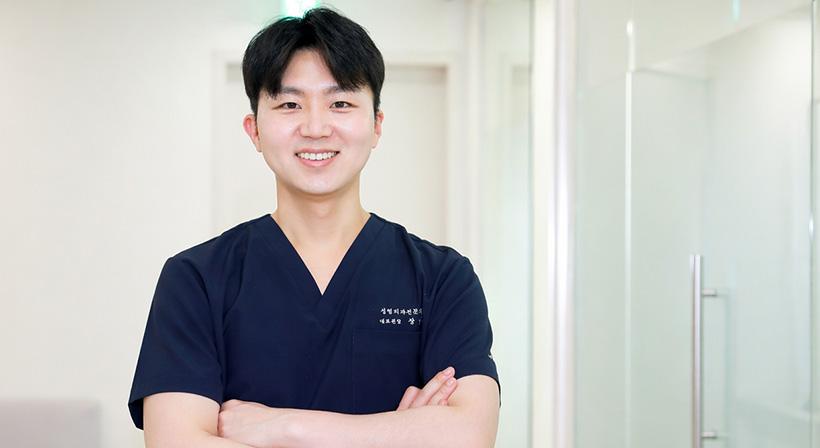
RINE Plastic Surgery Clinic | Facelift and Eye Rejuvenation Surgery
Nonhyeon

SH Clinic: Comprehensive Women's, Men's & Couples' Health Services in Korea
Sinsa

THEPLUS Plastic Surgery Korea | Eye, Nose, Face & Body Surgery
Sinsa

Made Young Plastic Surgery: Rejuvenating Aesthetic Excellence in Korea for Face Lifts, Contouring and More
Gangnam Station