
Medical Tourism Blog
Low Nasal Bridge Solutions: Nose Filler & Nose Implant Procedures in Korea for Enhanced Profile
Table of contents
- Medical Procedures for Low Nasal Bridge
- The Process of Undergoing Procedures in South Korea for Medical Tourists
- Which Are the Best Clinics in Korea for Low Nasal Bridge?
- Costs Associated with Procedures in South Korea and International Comparison
- Patient Experiences and Outcomes for Low Nasal Bridge Correction
- Conclusions
- References
Considering treatment in Korea? Everything you need to know e.g. — how to avoid scams, visas, interpreters, recovery tips — in our Medical Tourism Master Guide. Plan with confidence in minutes, not weeks!
The appearance of your nose has a big impact on facial harmony and self-image. Many people with a "low nasal bridge" feel self-conscious, as this feature can influence the overall balance of their face and affect confidence. Understanding exactly what a low nasal bridge is, the terms used to describe it, and its possible causes is the first step in finding effective solutions.
A low nasal bridge means the bridge of the nose is flatter or lower than usual, lacking in height and definition, especially when looking at it from the side. The nasal dorsum, commonly called the "bridge," is made up of bone at the upper half and cartilage at the lower half. A well-defined bridge is central to a balanced side profile.
If you’re researching solutions, you might notice a lot of different names for this condition. Common pseudonyms include "saddle nose," "depressed nasal bridge," "concave nasal bridge," "flat nasal bridge," and "retruded nasal bridge." You might also see descriptions like "indentations along the bridge" or "collapsed nose bridge." The term "saddle nose deformity" is especially descriptive, evoking the sunken or concave look that often comes with this condition. These terms are used both in medical and cosmetic circles and reflect the widespread recognition of this nasal characteristic.
Why Patients Seek Solutions for a Low Nasal Bridge: Causes and Concerns
People seek treatments for a low nasal bridge for cosmetic reasons or, sometimes, for health-related concerns. This feature can be something you’re born with (congenital) and is seen in many ethnicities. It can also result from genetic conditions such as Cleidocranial dysostosis, Williams Syndrome, or Down Syndrome, which influence bone development.
Other causes include trauma (like an accident), infections like syphilis (especially passed from mother to baby), or leprosy. Inflammatory disorders, such as Polychondritis or Granulomatosis with polyangiitis, may also lead to a depressed nasal bridge. Even substance abuse, particularly cocaine use, can damage nasal structure and cause this deformity.
Most people want to improve their appearance and confidence, but some also experience issues like sinus problems, facial pain, nosebleeds, reduced sense of smell, or crusting around the nose. If a low nasal bridge suddenly develops or is seen in a child, a full medical evaluation is important to check for underlying causes, which may involve X-rays, blood tests, or genetic studies. This blend of cosmetic and medical considerations underscores why a comprehensive assessment is always recommended before deciding on a corrective procedure.
Medical Procedures for Low Nasal Bridge

For those looking to correct a low nasal bridge, there are two main types of medical solutions: non-surgical approaches (with dermal fillers) and surgical interventions (using implants or grafts). Each carries its own advantages and points to consider.
Non-Surgical Approach: Nose Fillers (Liquid Rhinoplasty)

Non-surgical rhinoplasty—also called a liquid nose job—offers a way to reshape the nose without surgery, using dermal fillers. This approach appeals to those who don’t want to undergo traditional surgery.
Procedure Details and Mechanism
Liquid rhinoplasty involves injecting hyaluronic acid (HA) or, occasionally, botulinum toxin, under the skin to add volume and update the contours of the nose. For a low nasal bridge, the aim is to fill depressions, smooth bumps, boost the profile, and lift the bridge. This can also refine the tip or camouflage minor irregularities.
The procedure is quick—usually under 45 minutes—with no incisions or scarring, and results are immediately visible. However, it can’t reduce the size or width of the nose, reshape cartilage, remove bone, or fix major structural problems. There are typical mild side effects like redness, swelling, or bruising, which disappear in a day or two. Rare but serious complications include filler migration, vascular issues, tissue death, or vision loss—so it’s vital to choose a skilled provider.
Types of Fillers and Longevity
Most non-surgical nose jobs use hyaluronic acid-based fillers, such as Juvederm, Restylane, Belotero Balance, Revanesse Versa, and the RHA collection. HA is soft, holds moisture, and can be dissolved if necessary. Effects last between 6 and 12 months, sometimes up to 18 months, depending on the person and the product.
Calcium Hydroxylapatite (CaHA), in products like Radiesse, is another option. It’s thicker than HA and promotes collagen creation, delivering more structural support and longer results—typically 12 to 24 months—but can’t be reversed like HA can. The choice depends on the patient’s goals, preference for reversibility, and desired longevity.
Surgical Approach: Nose Implants (Rhinoplasty)

Surgical rhinoplasty, or a nose job, permanently reshapes the nose for both aesthetics and function. For a low nasal bridge, the focus is on building up the bridge, improving definition, and restoring balance.
Procedure Details and Mechanism
Dorsal augmentation is the main surgical technique for low nasal bridge correction. Surgeons might use your own cartilage (from the septum, ear, or rib) or synthetic materials such as silicone, Gore-Tex, or Silitex. While your own cartilage gives natural results, it can sometimes move or be reabsorbed; rib cartilage is preferred for bigger corrections. Silicone implants are especially common in Asia.
Rhinoplasty is performed as either an open or closed procedure:
- Open Rhinoplasty: The surgeon makes an external incision across the columella for the best view and precision, resulting in a small, fading scar.
- Closed Rhinoplasty: All incisions are inside the nostrils, involving less disturbance and a quicker recovery.
The surgery involves anesthesia, making incisions, reshaping the nose by adding or taking away tissue, and securing grafts or implants in place. Deviated septums can also be fixed during the procedure. Most surgeries take one to three hours, and patients go home the same day.
Benefits include permanent nose bridge correction, facial balance, and boosted self-confidence. Surgical rhinoplasty can also resolve breathing problems. Risks, though uncommon, include infection, bleeding, scarring, or breathing difficulties immediately after surgery.
Recovery Process and Expectations
Post-surgery, splints and packing may support the new nasal structure. Cold compresses and head elevation relieve swelling, while medications manage pain and prevent infection.
Most swelling subsides after a few weeks, but minor residual swelling can last several months or even up to two years as the tissues heal fully. Light activities can usually be resumed after a few days, with strenuous actions and sports postponed for several weeks. Eating a diet rich in protein and vitamins but low in sodium helps healing. Following up with your surgeon is important to track progress and deal with any concerns. While improvements are often obvious after a week, the final results can take up to a year to fully appear once all swelling resolves.
The Process of Undergoing Procedures in South Korea for Medical Tourists
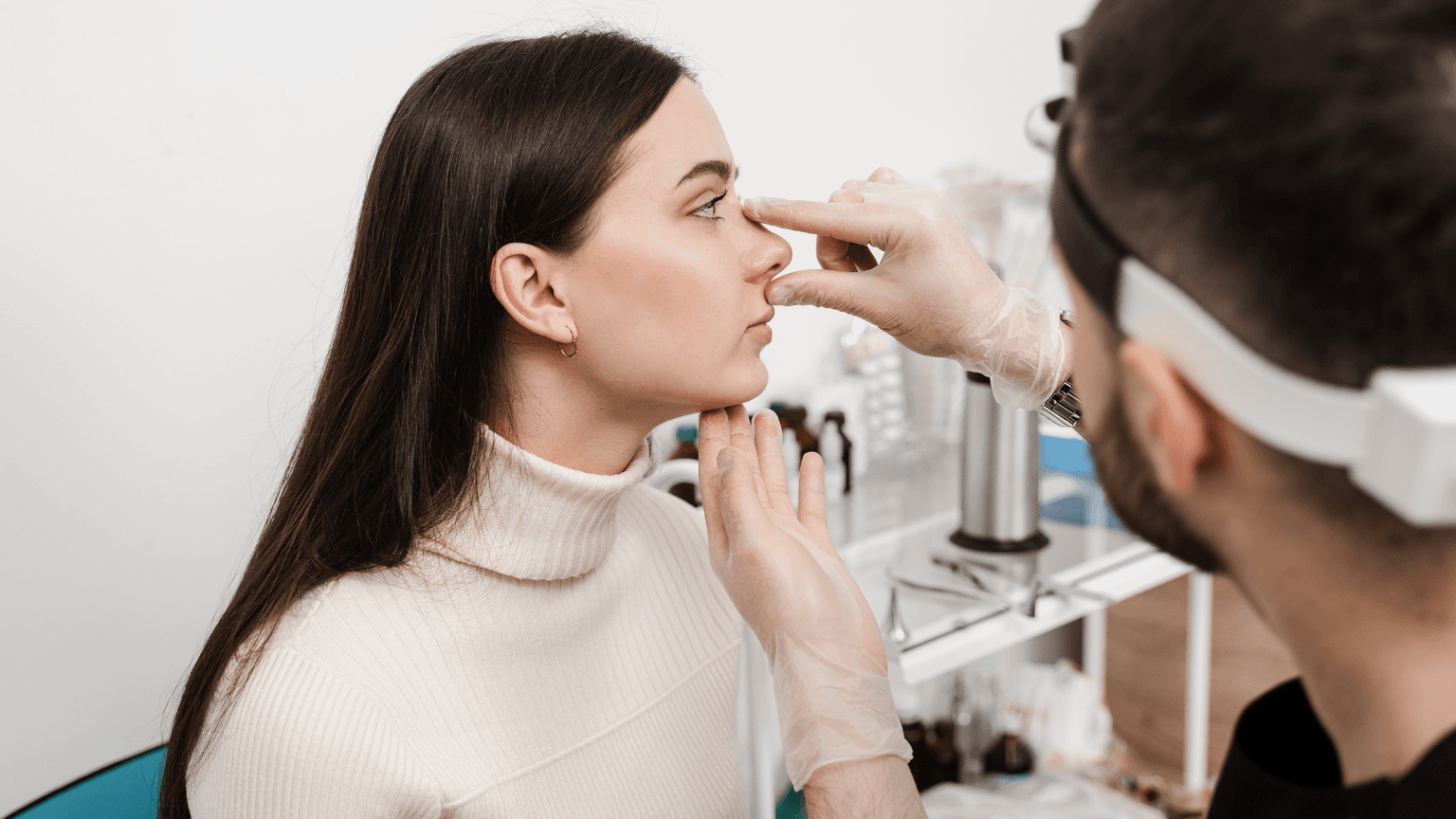
South Korea is a top destination for medical tourism, particularly for cosmetic treatments like those for low nasal bridge, attracting people from all over the world.
Why South Korea?
South Korea’s reputation comes from innovative procedures, internationally recognized surgeons, and advanced technologies. Prices for medical procedures in Korea are typically 30–60% lower than in the US or Western Europe, without sacrificing quality. For example, a rhinoplasty costing $10,000 in the US may cost between $3,000 and $8,000 in Korea.
Add to this a robust healthcare system, strong patient focus, and the support of the Korean government—plus many clinics with multilingual staff and dedicated managers for international patients—and it’s clear why medical tourists choose South Korea.
Step-by-Step Process for International Patients
Research & Clinic Selection: Start by selecting a trusted clinic. Look for global accreditations and patient references, especially from those outside East Asia. Many clinics help with language barriers and assign international managers. Be sure to discuss your expectations about results, especially regarding how your desired look fits the local aesthetic.
Travel & Arrival: You’ll need a visa for entry; for longer procedures, opt for a C3-3 medical visa. Clinics often help with airport pick-up, and may offer or recommend recovery accommodations.
Pre-Operative Phase: Consultation includes a health check, aesthetic goals, examination, and testing (like bloodwork or 3D imaging). Clinics provide pre-op instructions and may also conduct mental health checks to ensure readiness.
Procedure Day: Arrive for final prep and consenting. Depending on the procedure, you’ll receive anesthesia, and then the surgery or filler procedure is performed to established safety standards.
Post-Operative Care & Recovery: You’ll get aftercare instructions, medications (painkillers, antibiotics), and guidance for swelling and activity restrictions. Non-surgical nose filler patients recover quickly, while rhinoplasty patients may need a few weeks in Korea for check-ups and care. A protein-rich diet, light activity, and close follow-up all support optimal healing.
Departure: Before flying home, attend your final clinic check-up. You’ll leave with care instructions and documentation for recovery at home, with the clinic assisting in transport if needed.
This well-supported, thorough process helps ensure a safe and successful medical tourism experience in South Korea.
Which Are the Best Clinics in Korea for Low Nasal Bridge?
Listed below are some of the best clinics in Korea for low nasal bridge.
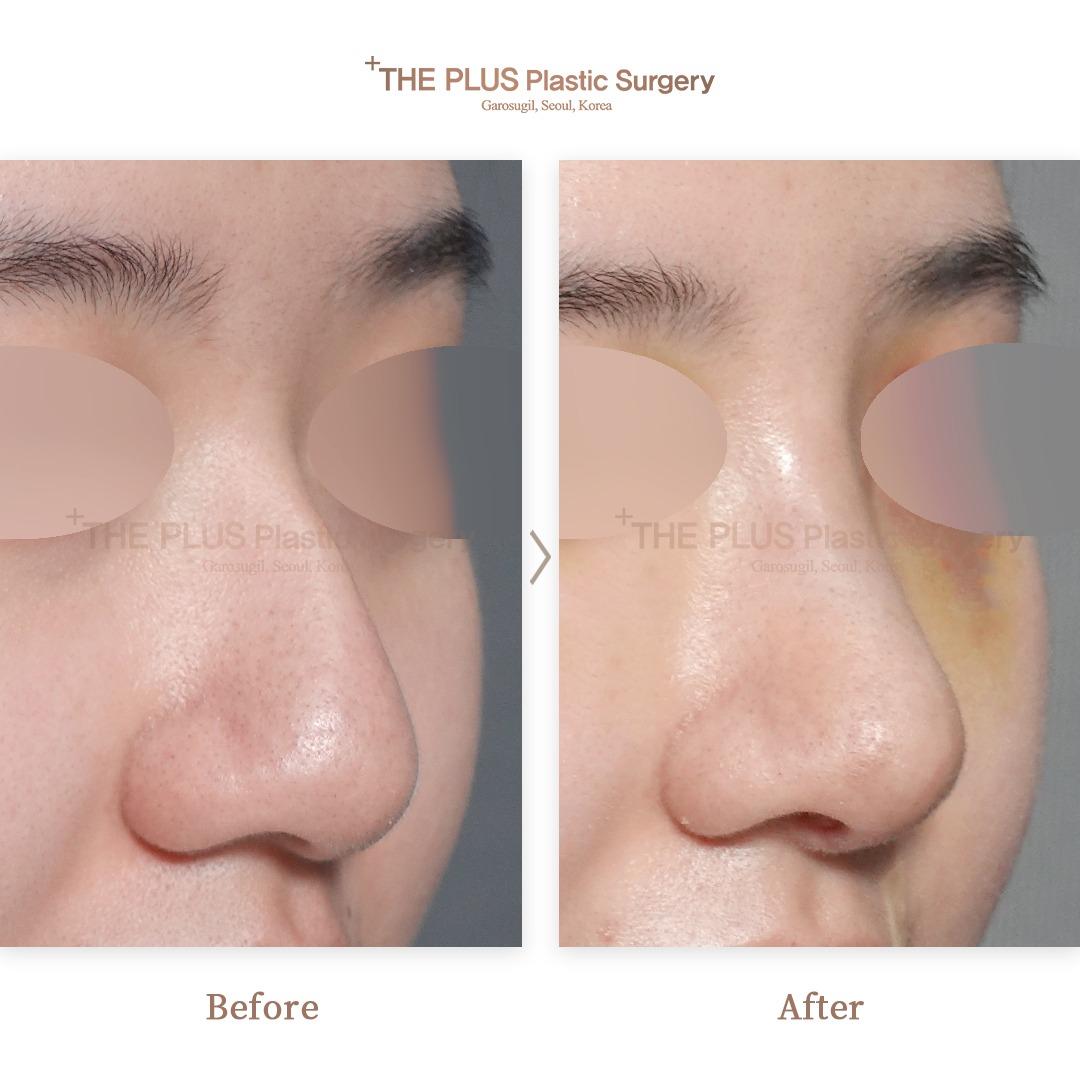
1. THEPLUS Plastic Surgery
For a low nasal bridge, you can seek rhinoplasty at THE PLUS Plastic Surgery with an emphasis on balancing nasal height and shape with your overall facial proportions while considering both appearance and nasal function. Its rhinoplasty team includes Dr. Jeong Jae-yong and Dr. Kim Taek-kyun, whose work includes surgical education, academic publications, and revision-rhinoplasty expertise.
- URL: THEPLUS Plastic Surgery Website
- Location: Gangnam-gu, Seoul
- Rhinoplasty approach:
- Rhinoplasty is described as reshaping the nose for facial balance and structural harmony.
- Revision rhinoplasty is available for concerns following previous nose surgery, with a focus on restoring nasal structure and refinement.
- Dr. Jeong’s stated approach combines functional and aesthetic considerations.
- Surgeon experience:
- Dr. Jeong authored “Rebuilding Nose: Rhinoplasty for Asians,” which has Japanese and English editions.
- Dr. Kim is a board-certified plastic surgeon and contributed rhinoplasty and revision-rhinoplasty chapters to “The 18 Masters of Korean Aesthetic Surgery.”
- Both surgeons participate in rhinoplasty education and present research or techniques at forums including the Seoul Rhinoplasty Forum, KSPRS, and IFAAS.
2. Made Young Plastic Surgery
For a low nasal bridge, Made Young Plastic Surgery plans rhinoplasty around your bridge, tip, columella, alar width, and overall facial proportions. The clinic uses 3D-CT analysis of the nasal bones, septum, and asymmetry to support surgical planning, and describes techniques intended to build a stable internal nasal structure and maintain tip position over time.
- URL: Made Young Plastic Surgery Website
- Location: Seocho-gu, Seoul
- Procedure planning:
- 3D-CT analysis is used to assess nasal bones, the septum, and asymmetry.
- Planning considers the nasal bridge, tip, columella, alar width, and your facial proportions.
- The clinic describes selecting materials and techniques to support internal nasal stability and reduce the risk of tip drooping.
- Rhinoplasty expertise:
- Dr. Lee Byeong-hoe is described as having more than 20 years of exclusive rhinoplasty experience.
- The clinic offers rhinoplasty, revision rhinoplasty, reconstruction rhinoplasty, and nasal implant removal.
- Its stated experience includes complex reconstruction and repeat revision cases, including cases after multiple prior operations.
- Advanced osteotomy and autologous rib graft techniques are described for dorsal-line correction and tip refinement.
- Safety and aftercare:
- Board-certified anesthesiologists are on site full time, with one anesthesiologist assigned to continuous monitoring of one person during a procedure.
- The clinic describes a cross-check emergency system involving multiple anesthesiologists and CCTV coverage of procedures.
- A separate aftercare center is available for post-procedure care.
3. Okay Plastic Surgery Clinic
You may consider Okay Plastic Surgery Clinic for a low nasal bridge if you want nose-bridge surgery as part of a tailored rhinoplasty plan that can also address the tip or nostril size for overall balance. The clinic offers both primary and revision rhinoplasty, including care for difficult nasal cases.
- URL: Okay Plastic Surgery Clinic Website
- Location: Gangnam-gu, Seoul
- Nasal procedures:
- Nose bridge surgery is available to enhance or reduce bridge height.
- Nose tip surgery and nostril reduction are also offered when these features need to be considered together.
- Revision rhinoplasty is available, including for difficult cases.
Costs Associated with Procedures in South Korea and International Comparison
Comparing prices and understanding the financial details is an important part of planning for nasal bridge correction, especially if you’re considering medical tourism.
Cost Breakdown in South Korea
Prices depend on the procedure, how complex it is, the surgeon’s experience, and the clinic.
Nose Fillers
In South Korea, non-surgical nose filler costs run from $200–$1,500, depending on the filler type and the level of correction needed.
Nose Implants (Surgical Rhinoplasty)
Surgical rhinoplasty pricing varies more, ranging from $2,000–$15,000, depending on the case:
- Standard surgical rhinoplasty: $2,000–$4,000
- Open rhinoplasty: $5,000–$12,000
- Revision rhinoplasty: $7,000–$15,000
- Ethnic rhinoplasty: $4,000–$9,000
- Rib cartilage augmentation: $5,190–$5,740
Most clinics provide packages including surgery, anesthesia, use of facilities, pre-op testing (like bloodwork and 3D imaging), medications, and follow-up. Bilingual assistance and accommodations may also be included.
Be prepared for other possible costs:
- Consultation: $50–$150 (sometimes waived)
- Extra pre-op tests: $100–$300 (if not in package)
- Post-op meds: $50–$200
- Accommodation: $50–$200/night
- Lymph massage or recovery care: $50–$150/session
- Interpreter (if needed): $30–$100/hour Having a $1,000 emergency fund is wise. Insurance typically does not cover cosmetic procedures, though functional rhinoplasty might have partial coverage.
International Cost Comparison for Medical Tourists
South Korea’s prices for rhinoplasty and fillers are up to 60% lower than in the West. For perspective:
| Country | Average Rhinoplasty Cost (USD) | Average US Price (USD) | Average UK Price (USD) |
|---|---|---|---|
| Turkey | $3,000 | $7,600 | $5,500 |
| Lithuania | $3,200 | $7,600 | $5,500 |
| Thailand | $4,000 | $7,600 | $5,500 |
| Poland | $4,500 | $7,600 | $5,500 |
| Mexico | $5,000 | $7,600 | $5,500 |
| South Korea | $3,000 - $8,000 | $7,600 | $5,500 |
| United States | $7,600 | - | - |
| United Kingdom | $8,200 - $13,700 | - | - |
Non-surgical nose filler averages in South Korea ($200–$1,500) also compare favorably to the US ($2,850), Thailand (from $800), Turkey (from $1,200), and Mexico (from $1,200). These comparisons underline South Korea’s status as a leading affordable destination for high-quality nasal bridge correction.
Patient Experiences and Outcomes for Low Nasal Bridge Correction
Nasal bridge correction often changes more than just physical appearance—it can significantly boost self-confidence and satisfaction. Outcomes vary between non-surgical and surgical options.
Outcomes of Nose Filler for Low Nasal Bridge
Using nose fillers or liquid rhinoplasty often leads to very satisfied patients. Fillers can reshape, refine, elongate, and lift a flat or round nose tip, giving a more harmonious profile. They’re good for hiding small defects, smoothing the bridge, and correcting minor asymmetries. Results are immediate and downtime is minimal.
However, it’s important to realize that fillers can’t solve deeper or internal issues, reduce overall nose size, or fix larger structural problems—if anything, adding filler may make the nose slightly wider. Patients with these concerns will need to consider surgical solutions.
Outcomes of Nose Implants (Surgical Rhinoplasty) for Low Nasal Bridge
Surgical rhinoplasty offers permanent and more dramatic changes, building up the bridge for greater definition and balance. This can help both men and women achieve their desired profile, and correct past surgery issues. Complex cases (like revision rhinoplasty) can involve removing failed implants, reconstructing the bridge or tip, and supporting nasal walls as needed. Surgery can also address breathing issues at the same time.
Risks include implant complications, infection, or need for revision; complex cases call for highly skilled specialists. Still, the potential for life-changing improvements makes surgical rhinoplasty a powerful option for suitable candidates.
Conclusions
Treating a low nasal bridge can enhance both facial aesthetics and self-confidence. Patients can choose between temporary, minimally invasive nose filler procedures (liquid rhinoplasty) and permanent structural corrections with surgical rhinoplasty. South Korea stands out globally for offering advanced, affordable, and patient-friendly nasal bridge correction, making it a major destination for medical tourists. Choosing the right approach depends on the patient's goals, and success is driven by thorough research and experienced, accredited providers.
References
1, 2, 3, 4, 5, 6, 7, 8, 9, 10, 11, 12, 13, 14, 15, 16, 17, 18, 19, 20, 21, 22, 23, 24, 25, 26, 27, 28, 29, 30, 31, 32, 33, 34, 35, 36, 37, 38, 39
Frequently Asked Questions
Related Blogs
Korea vs. Global Standards: A Comprehensive Cost Analysis of Cleft Rhinoplasty in Medical Tourism Destinations
Explore the cost of cleft rhinoplasty in Korea, a popular destination for medical tourism due to its advanced surgical techniques and competitive pricing. Discover factors influencing the overall expense, from hospital fees to post-operative care, and what makes Korea a top choice for this specialized procedure.
Updated: Oct 21, 2026
Philtrum Reduction Costs: Choosing Korea Over the USA, Mexico, Turkey & More for Expert Care
Discover the affordability and benefits of Philtrum Reduction Surgery in Korea, a popular destination for high-quality cosmetic procedures. Explore cost factors, surgeon expertise, and why Korea is a top choice for those considering this transformative surgery.
Updated: Oct 21, 2026
Discovering the True Value: Sinus Surgery Costs in Korea Compared to Global Options
Discover the affordable options for sinus surgery in Korea, a leading destination for medical tourists seeking quality care. Learn about the factors influencing costs and what patients can expect from their experience in this highly advanced healthcare system.
Updated: Oct 21, 2026
Non-Implant Rhinoplasty in Korea: Cartilage Grafts, Recovery, Travel Planning, and Alternatives
Non-implant rhinoplasty reshapes the nose using septal, ear, or rib cartilage, with surgical or injectable and open or closed approaches and possible septal or nasal-valve correction. International patients can find guidance on candidate screening, material-specific consent, Korea stays of 10–21 days, travel timing, recovery, and follow-up.
Updated: Oct 16, 2026
Clinics offering Nose Implant

THEPLUS Plastic Surgery Korea | Eye, Nose, Face & Body Surgery
Sinsa

Haru Clinic Korea | Fully-Customized Full-Face Non-Surgical Rejuvenation With Threads, Botox & Fillers
Sinsa

Made Young Plastic Surgery: Rejuvenating Aesthetic Excellence in Korea for Face Lifts, Contouring and More
Gangnam Station

Three Wishes Clinic - Myeongdong, Korea: Advanced Botox, Fillers, Laser, and Skin Treatments for Confidence and Care
Myeongdong