
Medical Tourism Blog
Resin Filling in Korea: Treatment Steps, Recovery, Travel Timing, and Alternatives
Table of contents
- Resin Filling at a Glance
- What Is a Resin Filling?
- Who Is a Good Candidate for a Resin Filling?
- How Is a Resin Filling Performed?
- Why Visit Korea for a Resin Filling?
- Key Information for International Patients
- Which Are the Best Clinics in Korea for Resin Filling?
- How Much Does a Resin Filling Cost in Korea?
- Resin Filling From Start to Finish
- Alternatives to a Resin Filling
- How Can I Prepare for a Resin Filling?
- Aftercare Advice
Considering treatment in Korea? Everything you need to know e.g. — how to avoid scams, visas, interpreters, recovery tips — in our Medical Tourism Master Guide. Plan with confidence in minutes, not weeks!
Last updated: September 2026
Resin Filling at a Glance
- What it treats — A resin filling is a direct tooth-colored composite restoration used for a cavity, defective filling, small chip, or limited wear when enough healthy tooth structure remains.
- Typical cost — In Korea, a resin filling typically costs ₩70,000–₩250,000 (about US$100–$200), with price driven mainly by cavity depth, tooth location, and number of restored surfaces.
- One-visit treatment — A straightforward filling is usually examined and placed in one visit; deep decay, difficult between-tooth cavities, multiple teeth, or pulp concerns may require further visits or different treatment.
- Immediate function — Light-cured composite is functional immediately, but wait several hours for local-anesthetic numbness to wear off before eating; mild short-term cold sensitivity or bite tenderness can occur.
- Plan 2 days in Korea — Although 1 day can be enough for simple care, international patients should ideally allow 2 days so a high bite or symptoms can be checked and adjusted before long-haul travel.
- When a filling is not enough — Spontaneous or night pain, swelling, deep infection, major cracks, missing cusps, or severe grinding may require root-canal treatment, an onlay, or a crown instead of a routine filling.
- Korea-specific safeguard — Korea does not have proven superior composite-filling outcomes versus other countries, so prioritize a verified international provider, English treatment records, radiographs when taken, and a direct route for follow-up.
What Is a Resin Filling?
A resin filling is a tooth-colored composite material bonded directly to a tooth to restore a cavity, small chip, worn area, or defective filling. It rebuilds tooth shape and chewing function while preserving as much healthy tooth structure as possible. It is a minimally invasive dental procedure, usually completed in one appointment with local anesthesia when needed.
Who Is a Good Candidate for a Resin Filling?
- Localized decay or damage — Good candidates have a cavity, defective existing filling, small chip, or limited wear with enough sound tooth structure for a bonded tooth-colored restoration.
- Preservable pulp — No spontaneous pain, night pain, swelling, or drainage supports a straightforward filling rather than immediate pulp or root-canal assessment.
- Controlled treatment field — The tooth must be isolated from saliva and bleeding so the adhesive and composite resin can bond predictably.
- Manageable bite forces — Small-to-moderate defects are more suitable when severe grinding, major cusp loss, crack risk, and heavy chewing forces are absent or addressed in the treatment plan.
- Prevention-focused care — Patients willing to brush twice daily with fluoride toothpaste, clean between teeth, and address frequent sugar exposure or dry mouth are better placed to reduce recurrent decay.
Known or suspected sensitivity to methacrylate-based resin or bonding-agent components requires material review or specialist advice. Active gum disease, heavy plaque, uncontrolled caries activity, and poor oral hygiene need disease-control planning alongside—or before—elective aesthetic composite work. Deep decay with prolonged thermal pain, spontaneous or night pain, swelling, fever, a fistula, or signs of pulp death is not a routine filling situation; root-canal treatment, drainage, extraction, or another intervention can be necessary. Large cavities, missing cusps, cracks, severe tooth wear, or heavy bruxism can exceed the predictable scope of a direct composite restoration and warrant assessment for an onlay or crown.
How Is a Resin Filling Performed?
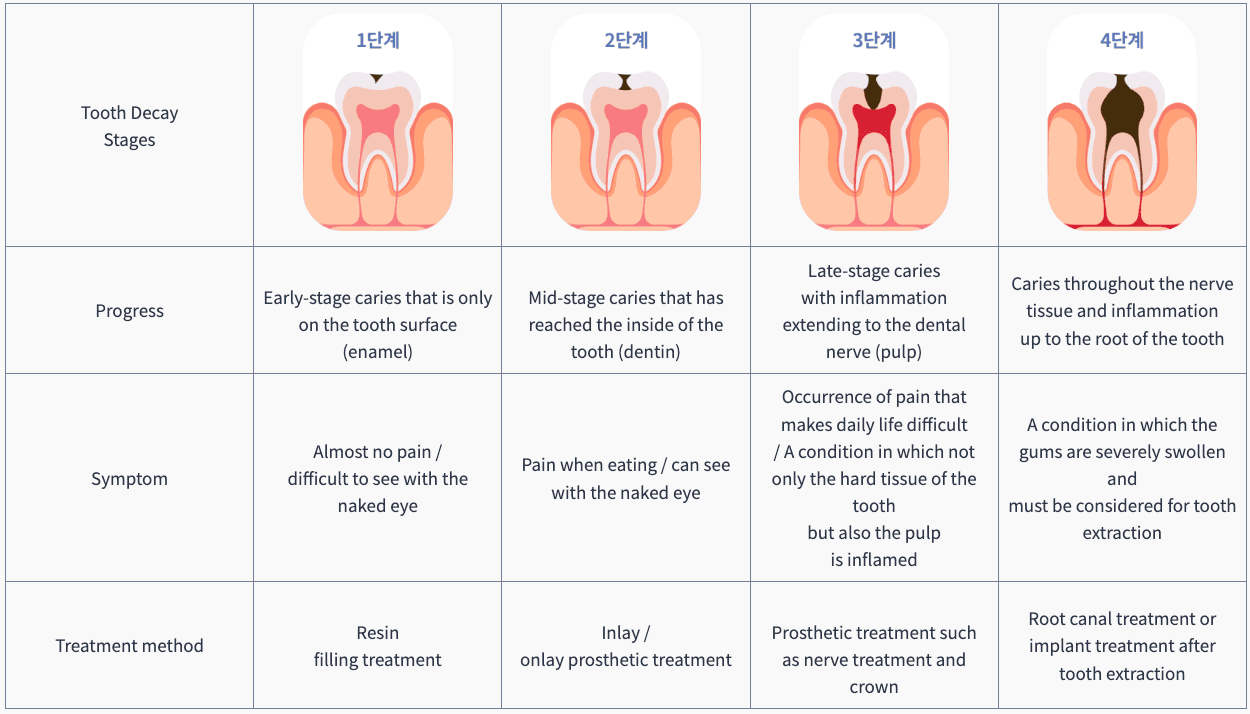
Composite filling technique is selected according to cavity depth, tooth location, contact area, bite forces, moisture control, and the chosen material's instructions.
- Incremental layering — The dentist places and light-cures composite in smaller layers. This remains a common approach for posterior restorations and allows controlled shaping of the tooth.
- Bulk-fill composite — Materials designed for thicker increments can shorten placement time. A systematic review of clinical studies found broadly similar outcomes between bulk-fill and incrementally layered composites across follow-up periods of 6 months to 10 years.
- Flowable and sculptable composite — Flowable composite can help adaptation in selected areas; more sculptable material is commonly used to rebuild chewing anatomy and stress-bearing surfaces.
- Adhesive protocol — Etch-and-rinse, self-etch, and universal adhesives are selected according to the tooth, cavity design, and product protocol.
- Repair rather than replacement — A small chip, marginal defect, or localized defect in an otherwise sound filling can sometimes be repaired conservatively. Active decay, cracks, bite force, and the condition of the remaining restoration determine whether repair is appropriate.
- Moisture isolation — A rubber dam or another isolation system keeps the tooth dry during bonding. The best available evidence suggests rubber-dam isolation can improve short-term survival for some direct restorations, but certainty of evidence is low and long-term findings remain very uncertain.
Why Visit Korea for a Resin Filling?
A resin filling is a standard direct dental treatment in South Korea. Current research does not establish that composite fillings placed in Korea have better survival, aesthetics, complication rates, or patient-reported outcomes than comparable treatment elsewhere. The practical priority is a sound diagnosis, clear consent, reliable records, and access to adjustment before departure.
- International-provider verification — Confirm that the provider is authorized to treat international patients through the Medical Korea registered-system information, and confirm the dentist who will perform the restoration.
- Language and records — Arrange communication support in advance and request an English written record with tooth number, restored surfaces, radiographs when taken, composite and adhesive brand or shade when available, anesthetic used, and treatment summary.
- Conservative direct care — A direct composite restoration can preserve more remaining tooth structure than an indirect restoration when the defect is suitable. Its long-term outcome still depends on cavity size, restored surfaces, caries risk, tooth location, bite forces, isolation, material, technique, and follow-up care.
- Realistic longevity expectations — An umbrella review reported conventional composite survival above 90% at five years in the systematic-review evidence it synthesized, but study methods and patient risks differed substantially. No clinic or country can promise a specific lifespan for an individual filling.
Key Information for International Patients
- Minimum stay — Allow 1 day when examination and treatment are straightforward. Allow 2 days when possible: the first for examination, required radiographs, and filling placement; the second for a bite or symptom review before long-haul travel.
- When to extend or defer treatment — Do not plan a fly-in/fly-out filling for severe toothache, swelling, suspected pulp involvement, unresolved diagnosis, extensive rehabilitation, likely root-canal treatment, or crown-level structural damage.
- Flight timing — Routine local dental anesthesia does not normally impose a passenger-air-travel restriction. Do not fly while still numb, after oral or IV sedation, or while pain, swelling, a high bite, or a possible pulp complication remains unresolved. There is no universal evidence-based passenger flight-delay interval for an uncomplicated filling under local anesthesia.
- Recovery and itinerary — A properly light-cured filling is functional immediately, but wait for numbness to disappear before eating. Keep the next day flexible for a bite adjustment, particularly after a deep, large, multi-surface, or posterior restoration.
- Repeat visits — Most straightforward fillings require one visit. Deep decay, difficult contact-area cavities, multiple teeth, anxiety management, or unexpected pulp involvement can require additional visits or a different treatment plan.
- Remote follow-up — Obtain a direct post-treatment contact route and retain records and radiographs for a dentist at home. Report a high bite, worsening pain, swelling, or a fractured filling promptly rather than relying on remote reassurance alone.
Travel note: Book any long-haul departure after a possible next-day adjustment, not immediately after treatment. A filling that feels comfortable while numb can feel high once normal sensation returns.
Which Are the Best Clinics in Korea for Resin Filling?
Listed below are some of the best clinics in Korea for resin filling.
1. Gangnam Gentle Dental Clinic
For a resin filling, you can expect a consultation-focused approach to treating tooth decay and restoring the affected tooth, with care tailored to your individual needs. The clinic uses digital equipment for systematic examinations and emphasizes providing only treatments considered necessary after a thorough consultation.
- URL: Gangnam Gentle Dental Clinic Website
- Location: Seocho-gu, Seoul
- Cavity care:
- Cavity and filling treatment is offered to treat decay and restore the tooth.
- The clinic aims to reduce treatment time and the number of visits through its research and development efforts.
- Communication and comfort:
- Dr. Travis Kim studied at Ohio State University and speaks fluent English, which may help if you prefer to discuss your treatment in English.
- The clinic emphasizes personalized treatment, minimal pain, and patient comfort.
- Practical considerations:
- Weekday and weekend availability is described, along with emergency dental care.
- An infection-prevention and sterilization system is in place.
- Other dental care: Services include root canal treatment, gum treatment, wisdom tooth extraction, clear aligners, veneers, whitening, implants, TMJ care, and emergency treatment.
2. Minish Dental Hospital
For resin filling needs related to cavities, you can receive cavity and prosthodontic care within a large dental facility that combines in-house laboratory capabilities, dental technology development, and personalized treatment planning. The clinic states that it serves international visitors without language barriers and has 19 advanced dental devices available.
- URL: Minish Dental Hospital Website
- Location: Gangnam-gu, Seoul
- Cavity and restorative care:
- Cavities and prosthodontics services are offered to treat tooth decay and restore oral function with artificial dental structures when needed.
- The clinic also provides periodontal therapy to support gum and bone health.
- Facility and team:
- The facility spans 14 floors and includes an in-house laboratory and technology company.
- Its stated team includes 102 dentists and technicians, with veneer, orthodontic, and general dental specialists.
- CEOs include Dr. Jung Ho Kang.
- Additional dental options:
- Available services include orthodontic treatment, teeth whitening, implants, treatment for bruxism and TMJ concerns, and Minish Dental Spa services.
- Minish veneers are designed to address concerns including discoloration, cavities, damaged teeth, and misalignment with minimal to no tooth shaving.
3. ID Dental Clinic
For a resin filling consultation, you can expect a clinic that emphasizes listening to your concerns and following fundamental care practices with attention to safety. Its source information describes medical staff with 18 years of experience, although it does not provide resin-filling technique or material details.
- URL: ID Dental Clinic Website
- Location: Gangnam-gu, Seoul
- Care approach:
- The clinic states that its medical staff prioritize listening and communication, including attention to individual concerns.
- Safety and adherence to basic clinical practices are emphasized.
- Related expertise:
- The clinic achieved Invisalign Red Diamond status in 2021 and again in 2022.
- It expanded its implant-focused clinic in 2021.
How Much Does a Resin Filling Cost in Korea?
A Resin Filling costs approximately ₩70,000–₩250,000 (US$100–$200). Individual quotes vary because the tooth, cavity extent, and treatment requirements determine the clinical work involved.
| Procedure Price | Korean Won (₩) | USD ($) |
|---|---|---|
| Low Price | ₩70,000 | $100 |
| High Price | ₩250,000 | $200 |
Exchange rate as of 2026-09-06: 1 KRW = 0.000741 USD.
What Affects the Price?
- Number of teeth and restored surfaces — Treating multiple teeth or restoring a multi-surface defect requires more caries removal, shaping, composite placement, light-curing, finishing, and bite/contact checks than a small single-surface filling.
- Cavity depth and remaining tooth structure — A deep or large cavity may require more conservative caries removal, pulp-protective steps, incremental composite layering, and additional time to rebuild tooth anatomy. If the tooth has major cusp loss, cracking, or pulp involvement, a direct resin filling may no longer be the appropriate treatment.
- Posterior contact-area restoration — A Class II filling between back teeth requires reconstruction of the contact point and contour so floss passes correctly and food does not trap. Matrix systems, isolation, placement, finishing, and bite adjustment add procedural complexity.
- Isolation and anesthesia requirements — Composite bonding requires a dry field. Rubber-dam or other enhanced moisture control, management of saliva or bleeding, and local anesthesia add equipment, consumables, setup, and chair time.
Cost tip: Request an itemized quote stating what is included, such as examination, clinically necessary radiographs, local anesthesia, isolation, the resin restoration, and any bite review or adjustment.
The US$100–$200 conversion is approximate, based on the exchange rate dated 2026-09-06; check the exchange rate again when budgeting.
Resin Filling From Start to Finish
- First contact and virtual screening — Send available radiographs, photographs, dental history, symptoms, allergies, medications, and travel dates. Ask whether English consultation or interpretation is available, but understand that photographs cannot confirm the diagnosis.
- In-person examination — The dentist confirms the tooth and surfaces involved, reviews symptoms and medical history, assesses caries risk and bite forces, and takes bitewing or periapical radiographs when clinically indicated.
- Treatment decision and consent — The dentist explains whether a direct composite restoration is suitable or whether pulp therapy, root-canal treatment, an inlay or onlay, or a crown better protects the tooth. Confirm the planned tooth, surfaces, material, costs, and follow-up plan before treatment.
- Shade selection and anesthesia — For visible front teeth, shade selection is often completed before isolation dries the tooth. Small shallow defects can sometimes be treated without anesthesia, but local anesthetic is commonly used for comfort.
- Isolation and conservative preparation — The dentist uses a rubber dam or another moisture-control method, removes decay or defective filling material, and retains sound tooth structure where possible. Very deep decay can require a conservative or staged pulp-protective approach.
- Bonding and composite placement — Enamel and/or dentin is conditioned using the selected adhesive protocol. The clinician shapes light-cured composite using incremental layers or an appropriate bulk-fill technique, then cures it according to the material instructions.
- Finishing and bite adjustment — The filling is contoured, polished, and checked for contact with neighboring teeth and the opposing bite. Ask for adjustment before leaving if the bite feels clearly uneven once numbness subsides.
- Discharge and travel planning — Leave with written aftercare, contact details, and an English treatment record. Avoid eating until sensation is fully normal, and retain time for a next-day review when the restoration is deep, extensive, or in a heavily loaded back tooth.
- Overseas follow-up — Contact the Korean clinic promptly for severe, worsening, spontaneous, or night pain, fracture, persistent sensitivity, swelling, or a high bite. Arrange in-person assessment locally if urgent symptoms develop after returning home.
Alternatives to a Resin Filling
The appropriate alternative depends on whether the lesion is early and non-cavitated, whether the tooth has enough remaining structure for direct bonding, and whether the pulp is healthy. Less invasive options suit selected early lesions; indirect or endodontic treatment becomes more appropriate as structural loss, crack risk, or pulp disease increases.
Prevention and monitoring
- Best suited to — Non-cavitated, inactive, or remineralizable early lesions rather than a cavitated dentin cavity.
- Tradeoff — Fluoride, plaque control, dietary changes, and surveillance preserve tooth structure but do not restore a hole that already requires a filling.
Sealant or resin infiltration
- Best suited to — Selected early enamel lesions.
- Tradeoff — These approaches do not replace a conventional composite filling for a cavitated dentin lesion.
Glass ionomer restoration
- Best suited to — Situations where fluoride release or greater moisture tolerance is useful.
- Tradeoff — Mechanical strength and appearance differ from composite, so material choice depends on the site and load on the tooth.
Inlay or onlay
- Best suited to — A defect too extensive for a predictable direct filling but not severe enough to require full crown coverage.
- Tradeoff — An inlay or onlay usually involves indirect fabrication and additional time, but can provide more coverage for weakened posterior tooth structure.
Crown
- Best suited to — Extensive structural loss, cusp compromise, significant crack risk, or complex restoration after endodontic treatment.
- Tradeoff — A dental crown provides greater protection but requires more tooth preparation than a direct filling.
Root-canal treatment
- Best suited to — Irreversible pulp inflammation, pulp death, or infection marked by spontaneous or night pain, swelling, drainage, or relevant radiographic findings.
- Tradeoff — Root-canal treatment treats disease inside the tooth; it is not an alternative for a healthy pulp simply because a cavity is present.
Veneers
- Best suited to — Broader elective front-tooth color or shape concerns, not a routine cavity.
- Tradeoff — Composite veneers and ceramic veneers change visible surfaces but are not first-line treatment for localized decay.
How Can I Prepare for a Resin Filling?
- Send useful records — Provide recent radiographs and a concise dental history before travel when available. Expect the treating dentist to take new images if needed for a reliable diagnosis.
- Disclose health information — Report medical conditions, pregnancy possibility, allergies, all prescription and non-prescription medicines, previous anesthesia problems, sleep apnea, dental anxiety, diabetes medicines, immunosuppressants, corticosteroids, bisphosphonates, and denosumab.
- Anticoagulants and antiplatelets — Do not stop prescribed blood-thinning medicine independently. A routine filling usually does not require interruption, but the treating dentist and prescribing clinician must make the individual decision.
- Food and fasting — Eat a normal light meal before a routine filling under local anesthesia; fasting is not required. Follow the clinic's exact fasting rules if oral, IV, or general-anesthesia sedation is planned.
- Alcohol and recreational drugs — Avoid alcohol, cannabis, and recreational drugs before the appointment. Do not arrive intoxicated.
- Transport and companion — A companion is not normally needed after local anesthesia alone. After oral or IV sedation, arrange a responsible adult and do not drive or travel unaccompanied.
- Flexible travel plans — Schedule a next-day window for bite review, especially for a deep, large, multi-surface, or back-tooth filling. Avoid booking an immediate departure while numbness or symptoms could prevent assessment.
Travel note: No resin-filling-specific sun or skincare restrictions apply, so ordinary sightseeing is generally practical once numbness has resolved and the bite feels normal.
Confirm the treating dentist's individualized medicine, fasting, sedation, and travel requirements; those instructions take precedence over general guidance.
Aftercare Advice
A finished composite filling is immediately functional, but protect numb tissues and address a high bite or worsening pain without delay.
- Eating and numbness — Do not chew, drink hot liquids, or test the tooth until local-anesthetic numbness has fully worn off, often after several hours. Avoid biting the lip, cheek, or tongue.
- Food choices — Eat normally once sensation returns if comfortable. Choose softer foods for the first day when the tooth is tender, and avoid ice, hard candy, and unpopped popcorn kernels.
- Bite adjustment — Contact the clinic promptly if the tooth meets first, feels high, or causes pain on chewing. An uneven bite can usually be adjusted and should not be ignored before a long-haul flight.
- Oral hygiene — Brush twice daily with fluoride toothpaste and clean between teeth daily. Contact a dentist if floss repeatedly catches, shreds, or cannot pass through the contact between teeth.
- Sensitivity and warning signs — Brief cold or sweet sensitivity and mild bite tenderness can occur. Seek dental review for severe, worsening, spontaneous, or night pain; a loose, chipped, or lost filling; or numbness lasting unexpectedly. Seek urgent assessment for fever, facial swelling, drainage, or swallowing difficulty; breathing difficulty is an emergency.
- Result timing — The cosmetic result is visible as soon as the filling is polished. Functional success is confirmed after numbness resolves and the bite is comfortable, usually that day or within several days.
Follow the treating dentist's instructions over general advice, and contact the clinic or a local dentist promptly when anything appears wrong.
Frequently Asked Questions
Related Blogs
Root Canal Treatment in Korea: Treatment Steps, Recovery, Travel Timing, and Alternatives
Root canal treatment removes infected or inflamed pulp, disinfects and seals the canals, and is followed by a durable filling or crown when needed. The article covers candidate assessment, treatment options, Korea travel planning, records, flight timing, aftercare, and follow-up.
Updated: Sep 21, 2026
Bruxism Treatment in Korea: Splints, Masseter Botox, Recovery, and Travel Planning
Bruxism treatment begins with an assessment of teeth, bite, jaw muscles and joints, with options including habit care, a custom stabilization splint, dental repair, sleep evaluation, or selected masseter botulinum-toxin injections. International patients visiting Korea can plan 1–2 days for assessment or 2–5 days for a new splint, and should arrange adjustment time, treatment records, and home-den
Updated: Sep 21, 2026
Periodontal Disease Treatment in Korea: Methods, Recovery, Travel Planning, and Aftercare
Periodontal disease treatment starts with charting, radiographs, cleaning and home-care instruction, followed by deep cleaning, reassessment and selected surgery for persistent pockets or defects. International patients can plan 2–4 business days for non-surgical care, 7–10 days for early surgical review, and should arrange transferable records and follow-up with a home periodontist.
Updated: Sep 21, 2026
Wisdom Tooth Removal in Korea: Methods, Recovery, Risks and Travel Planning
Wisdom tooth removal may involve simple or surgical extraction, complete extraction, or coronectomy depending on impaction, root anatomy, nerve risk, and disease. The article covers imaging, anesthesia, recovery and travel planning in Korea, aftercare, warning signs, and follow-up requirements.
Updated: Sep 21, 2026
Clinics offering Resin Filling

Minish Dental Hospital: Korea's Premier Dental Clinic Offering Advanced Treatments and Personalized Care
Sinsa

Gangnam Gentle Dental Clinic: Your Trusted Dental Care Provider in Korea Offering Comprehensive Services with Optimal Comfort and Safety
Sinnonhyeon Station
365SeoulOneTop Dental Clinic Korea | Specialist Implants, Sedation, Cosmetic Dentistry & Invisalign in Hwagok
Hwagok

D Day Dental Clinic in Korea: Offering a Range of Aesthetic, Restoration, and General Dental Procedures
Seolleung