
Medical Tourism Blog
Bite Adjustment Solutions in Korea: Clippy-C Braces Procedure for Perfect Occlusion
Table of contents
- Bite Adjustment: Correcting Traumatic Occlusion and Tooth Wear
- Clippy-C Braces: An Advanced Orthodontic Solution
- Best Clinics in Korea for Bite Adjustment
- The Journey to a Balanced Bite: Getting Clippy-C Braces in South Korea
- Cost Analysis for Medical Tourists: Clippy-C Braces in South Korea and Beyond
- Patient Outcomes and Experiences: Addressing Bite Issues with Clippy-C Braces
- Conclusion
- References
Considering treatment in Korea? Everything you need to know e.g. — how to avoid scams, visas, interpreters, recovery tips — in our Medical Tourism Master Guide. Plan with confidence in minutes, not weeks!
Many people struggle with persistent jaw pain, headaches, difficulties chewing, or speaking clearly, and even noticeable wear on their teeth. Often, these problems trace back to an underlying issue called malocclusion, or an improper bite. When an unbalanced bite leads to excessive forces during ordinary biting and chewing, it creates a damaging condition known as “traumatic occlusion.” This not only speeds up tooth wear but can also cause other dental damage, seriously affecting both comfort and oral health.
Knowing how an imbalanced bite leads to traumatic occlusion—and recognizing that symptoms like tooth wear and jaw pain are interconnected—can help you make better choices about your dental care. Understanding that these issues stem from underlying problems rather than being isolated symptoms allows you to seek solutions that address the root cause. This guide breaks down bite adjustment and explores Clippy-C Braces as a state-of-the-art orthodontic option, with special attention to treatment options in South Korea.
Bite Adjustment: Correcting Traumatic Occlusion and Tooth Wear
What is Bite Adjustment?
Bite adjustment, which may also be called occlusal adjustment or equilibration, is a precise dental procedure that corrects the way your upper and lower teeth come together. By carefully assessing and then making small modifications to the tooth surfaces or dental restorations, your dentist ensures that biting forces spread evenly. This might mean delicately polishing high spots, adding composite material to worn-down teeth, or reshaping problem areas.
A balanced bite brings many benefits. It not only makes actions like eating and speaking more comfortable, but it also minimizes the risk of dental damage, as it prevents undue pressure and wear on specific teeth. Additionally, it’s often a reliable way to alleviate common discomforts such as jaw pain, headaches, or facial tension—frequent complications of TMJ disorders or teeth grinding (bruxism). With proper pressure distribution, tooth sensitivity can also decrease.
Table 1: Common Pseudonyms for Bite Adjustment
| Term | Description |
|---|---|
| Bite Adjustment | The general term for correcting the way teeth meet. |
Understanding Traumatic Occlusion and its Impact on Oral Health
Traumatic dental occlusion happens when biting and chewing put unbalanced stress on the teeth and surrounding structures, leading to real damage—not just discomfort. Causes can include natural wear, misalignments, or dental restorations that don’t quite fit, as well as habits like nail-biting. Over time, unresolved traumatic occlusion can trigger bone loss and worsen conditions like periodontitis or gingival inflammation.
Beyond gum and bone health concerns, ongoing stress from traumatic occlusion wears down teeth, making them more prone to chips and fractures. It can also cause or worsen chronic jaw and neck pain, headaches, and problems with the temporomandibular joint (TMJ). Grinding, clenching, shifting teeth, and sensitivity are also common consequences. Clearly, addressing traumatic occlusion means caring for your entire oral system—not just individual teeth.
Candidates for Bite Adjustment and Related Treatments
People who regularly experience jaw discomfort, headaches, or clicking sounds are often good candidates for bite adjustment. It’s also worth considering for individuals with worn-down, fractured, or misaligned teeth.
Diagnosis typically starts with a dentist’s visual evaluation, accompanied by tools like articulating paper for bite analysis, advanced digital technology to precisely map bite forces, and dental X-rays. These steps are essential to detect all relevant issues before creating a tailored treatment plan. Early intervention can often prevent the need for more invasive procedures.
Common related treatments include:
- Bite Splint Therapy: Custom-fitted bite guards help reduce teeth grinding and distribute pressure evenly.
- Orthodontic Treatment: Braces, including Clippy-C Braces, align teeth to correct the underlying bite issues—not just for cosmetic improvement, but as a direct response to traumatic occlusion.
- Restorative Procedures: Replacing or adjusting old restorations can address or prevent bite imbalances.
- Periodontal Therapy: Treatments like scaling and root planing help manage gum and bone issues rooted in occlusion problems.
- Surgical Procedures: In advanced cases, surgical approaches might restore bone or fix significant jaw misalignments.
- Lifestyle and Preventive Measures: Avoiding certain foods, maintaining good oral hygiene, and managing stress all play important roles in preventing recurring issues.
Clippy-C Braces: An Advanced Orthodontic Solution
What are Clippy-C Braces?
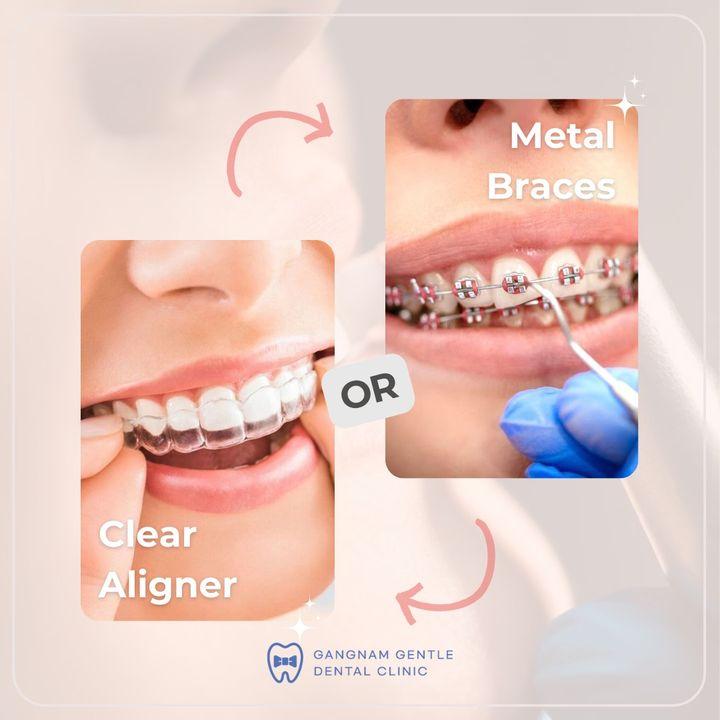
Clippy-C Braces offer a modern take on orthodontic appliances. A key feature is their self-ligating, “snap-type” bracket design, which allows the archwire to move more freely without elastic bands. This innovation reduces friction, making adjustments smoother and, potentially, the process more comfortable.
What further sets Clippy-C Braces apart is their use of clear or tooth-colored ceramic brackets, blending in much better than metal alternatives—an important consideration for many teens and adults concerned about appearance.
Mechanism of Action: How the Self-Ligating System Works
Clippy-C Braces are engineered to keep the archwire in place with a built-in clip, eliminating the need for elastic ties. Less friction allows the teeth to move more efficiently, and in some cases, this can speed up certain phases of your treatment. The system’s various “phases” allow for both dynamic aligning and precise finishing, making them suitable for a variety of bite problems.
Components of Clippy-C Braces
- Brackets: Precision-bonded to each tooth, these are usually clear or tooth-colored for discretion.
- Archwire: This thin wire runs through the brackets, applying consistent pressure to move teeth gradually.
- Self-Ligating Clip: Built into each bracket, this mechanism holds the wire securely while avoiding the need for elastic ties.
Table 2: Clippy-C Braces: Advantages and Considerations
| Aspect | Advantages | Considerations |
|---|---|---|
| Aesthetics | Clear/ceramic brackets are discreet | No elastic ties to stain |
| Comfort | Reduced friction; gentler forces | Patient-reported comfort varies |
| Hygiene | Easier to clean than traditional braces | Good daily hygiene still needed |
| Efficiency | Shorter, fewer adjustment visits | Total treatment time similar to traditional braces |
| Treatment Scope | Suitable for various misalignments | Not ideal for every case |
| Cost | Advanced design, aesthetic benefits | Slightly higher cost |
| Durability | Fewer parts to wear out | Frequent clip use may cause failure |
| Periodontal Health | Less traumatic for gums | — |
While some sources tout drastically faster treatment times, research shows actual results are mixed; the overall treatment duration is often similar to that of traditional braces. The real benefits lie in comfort, hygiene, and shorter appointment times.
Best Clinics in Korea for Bite Adjustment
Listed below are the best clinics in Korea for bite adjustment:
| Clinic Name | Key Features | Special Techniques |
|---|---|---|
| Gangnam Gentle Dental Clinic Website | Gangnam Gentle Dental Clinic in Seocho-gu, Seoul is a trusted option for bite adjustment in the Gangnam area, known for honest, safe treatment and a strong focus on patient comfort. The clinic uses advanced digital equipment for systematic, precise examinations and maintains an established infection-prevention and strict sterilization system to keep the environment clean and safe. With weekday and weekend hours, including support for urgent needs, patients can access care that fits their schedules while receiving only necessary treatments based on thorough consultations and ongoing efforts to reduce overall treatment time and the number of visits. For international patients seeking bite adjustment, the clinic is especially accessible thanks to Dr. Travis Kim, who studied at Ohio State University and St. Johnsbury Academy and speaks fluent English—helping reduce language barriers during consultations and treatment planning. Dr. Kim is also committed to personalized care, tailoring treatment to each patient’s unique needs, whether the visit involves bite-related concerns or comprehensive dental services such as fillings, clear aligners, root canal therapy, gum treatment, wisdom tooth extraction, cosmetic options, implants, and TMJ-related care. | Digital equipment for systematic, precise examinations; infection-prevention and strict sterilization system; English-speaking Dr. Travis Kim; personalized care; comprehensive services listed |
| TU Dental Clinic (TU Dental) Website | TU Dental Clinic (TU Dental), located at Gangnam Station, is a trend-setting dental clinic focused on creating natural, beautiful smiles while minimizing pain during treatment and prioritizing the preservation of natural teeth. For patients seeking bite adjustment, TU Dental’s strength lies in its comprehensive approach—considering overall tooth alignment, function, and long-term stability to help improve comfort and balance in the bite. As part of its orthodontic care, TU Dental provides personalized treatment plans tailored to tooth alignment, age group, and lifestyle, with multiple bracket options to match aesthetic and comfort needs. Choices include Clippy-L brackets placed on the inner side of the teeth for a less noticeable, smaller design that can reduce discomfort; Clippy-C snap-type self-ligating brackets designed to reduce friction and potentially shorten treatment time; Tiggle brackets developed to ease discomfort and speech issues often associated with lingual orthodontics; and combination brackets that mix metal and ceramic for a more approachable, aesthetic option. When bite issues are connected to missing teeth or tooth damage, TU Dental also offers digitally planned implant and restorative treatments—including 3D-imaging-based fullcase and partial implants, Swiss-based ZeroNate ultra-thin ceramic enhancement, ceramic inlays/onlays, and zirconia crowns—to support both function and appearance as part of integrated care. | The long description of features. |
| Wonjin Dental Clinic Website | Wonjin Correct Facial Dental Clinic offers bite adjustment care with an approach that looks beyond creating a small, pretty face, focusing instead on the internal harmony of the face to help reveal each patient’s natural balance and hidden beauty. Located conveniently near Gangnam Station, the clinic is about a 3-minute walk from exits 9 and 10 of Gangnam Station and exit 6 of Sinnonhyeon Station, opposite the Angel-in-us Gangnam Branch. To support stable bite improvement, the clinic provides a range of services tailored to individual needs. In orthodontics, it proposes treatment options for concerns such as spaced teeth, protruding teeth, asymmetry, and underbite using various devices. For patients seeking a quicker transformation, cosmetic dentistry can address issues from spacing and overlapping to protrusion with a design that considers facial shape, including both color and tooth form. For restorative needs, implant treatment is delivered directly by a doctor with 30 years of implant experience. | Orthodontics for spacing, protruding teeth, asymmetry, and underbite; cosmetic dentistry addressing spacing, overlapping, and protrusion; near Gangnam Station; restorative implant treatment by doctor with 30 years of implant experience |
Gangnam Gentle Dental Clinic
Gangnam Gentle Dental Clinic in Seocho-gu, Seoul is a trusted option for bite adjustment in the Gangnam area, known for honest, safe treatment and a strong focus on patient comfort. The clinic uses advanced digital equipment for systematic, precise examinations and maintains an established infection-prevention and strict sterilization system to keep the environment clean and safe. With weekday and weekend hours, including support for urgent needs, patients can access care that fits their schedules while receiving only necessary treatments based on thorough consultations and ongoing efforts to reduce overall treatment time and the number of visits.
For international patients seeking bite adjustment, the clinic is especially accessible thanks to Dr. Travis Kim, who studied at Ohio State University and St. Johnsbury Academy and speaks fluent English—helping reduce language barriers during consultations and treatment planning. Dr. Kim is also committed to personalized care, tailoring treatment to each patient’s unique needs, whether the visit involves bite-related concerns or comprehensive dental services such as fillings, clear aligners, root canal therapy, gum treatment, wisdom tooth extraction, cosmetic options, implants, and TMJ-related care.
You can check out their website here: Gangnam Gentle Dental Clinic Website
TU Dental Clinic (TU Dental)
TU Dental Clinic (TU Dental), located at Gangnam Station, is a trend-setting dental clinic focused on creating natural, beautiful smiles while minimizing pain during treatment and prioritizing the preservation of natural teeth. For patients seeking bite adjustment, TU Dental’s strength lies in its comprehensive approach—considering overall tooth alignment, function, and long-term stability to help improve comfort and balance in the bite.
As part of its orthodontic care, TU Dental provides personalized treatment plans tailored to tooth alignment, age group, and lifestyle, with multiple bracket options to match aesthetic and comfort needs. Choices include Clippy-L brackets placed on the inner side of the teeth for a less noticeable, smaller design that can reduce discomfort; Clippy-C snap-type self-ligating brackets designed to reduce friction and potentially shorten treatment time; Tiggle brackets developed to ease discomfort and speech issues often associated with lingual orthodontics; and combination brackets that mix metal and ceramic for a more approachable, aesthetic option. When bite issues are connected to missing teeth or tooth damage, TU Dental also offers digitally planned implant and restorative treatments—including 3D-imaging-based fullcase and partial implants, Swiss-based ZeroNate ultra-thin ceramic enhancement, ceramic inlays/onlays, and zirconia crowns—to support both function and appearance as part of integrated care.
Find more about this clinic here: TU Dental Clinic (TU Dental) Website
Wonjin Dental Clinic
Wonjin Correct Facial Dental Clinic offers bite adjustment care with an approach that looks beyond creating a small, pretty face, focusing instead on the internal harmony of the face to help reveal each patient’s natural balance and hidden beauty. Located conveniently near Gangnam Station, the clinic is about a 3-minute walk from exits 9 and 10 of Gangnam Station and exit 6 of Sinnonhyeon Station, opposite the Angel-in-us Gangnam Branch.
To support stable bite improvement, the clinic provides a range of services tailored to individual needs. In orthodontics, it proposes treatment options for concerns such as spaced teeth, protruding teeth, asymmetry, and underbite using various devices. For patients seeking a quicker transformation, cosmetic dentistry can address issues from spacing and overlapping to protrusion with a design that considers facial shape, including both color and tooth form. For restorative needs, implant treatment is delivered directly by a doctor with 30 years of implant experience.
Find more about this clinic here: Wonjin Dental Clinic Website
The Journey to a Balanced Bite: Getting Clippy-C Braces in South Korea
South Korea is known for its advanced orthodontic care, particularly for patients seeking efficient and well-organized treatment plans with the latest technology.
Initial Consultation and Comprehensive Diagnosis
Your treatment begins with an in-depth assessment, usually involving impressions, digital photos, and several types of X-rays. Many Korean clinics use 3D imaging for exceptionally detailed planning. This thorough approach ensures the treatment plan is highly tailored to your needs, with the initial consultation often included in the treatment package.
Brace Installation Procedure
After a thorough cleaning, each tooth is prepared, then Clippy-C brackets are placed and bonded in precise positions. The archwire is threaded through the brackets and fastened using the system’s unique clip. Korea’s reputation for efficiency often means that the entire procedure is organized and streamlined, which is especially helpful if you’re traveling from abroad.
Regular Adjustments and Monitoring
While Clippy-C Braces require fewer adjustments than traditional braces, regular check-ups will still be necessary. The clip mechanism makes appointment times shorter and adjustments easier.
Post-Treatment Care and Retention
Retainers are essential to keep teeth from returning to their original positions after your braces are removed. Wearing your retainer as advised is critical for maintaining your results.
Cost Analysis for Medical Tourists: Clippy-C Braces in South Korea and Beyond
South Korea has positioned itself as a competitive and attractive destination for orthodontic tourists, combining high standards with reasonable costs.
Estimated Costs of Clippy-C Braces in South Korea
Clippy-C Braces in South Korea generally cost between ₩3,000,000–₩7,000,000 ($2,500–$6,000 USD), often including consultations, adjustments, and retainers. Upfront deposits (about 10% of the total) are typical, but many clinics offer discounts for paying in advance. Costs vary depending on clinic reputation, treatment complexity, and location. Comprehensive packages make budgeting more predictable.
Factors Influencing Orthodontic Costs in South Korea
- Type of Braces: Options (metal, ceramic, Clippy-C, Invisalign) all affect pricing.
- Complexity of Case: More challenging cases cost more.
- Clinic Reputation/Location: Renowned or centrally located clinics typically charge higher fees.
Table 3: Cost Comparison of Braces (including Clippy-C) by Country (USD)
| Country | Estimated Cost (USD) | Notes |
|---|---|---|
| South Korea | $2,500–$6,000 | Often inclusive packages; average $3,663 |
| USA | $3,000–$13,000 | Higher for ceramics, lingual, or Invisalign |
| Canada | $3,800–$6,500 | |
| UK | $4,700–$9,400 | |
| Australia | $3,300–$10,000 | Varies with type |
| Singapore | $5,200–$7,400 | |
| Japan | $3,700–$8,300 | |
| Mexico | $450–$5,104 | Most affordable; options vary |
| Turkey | $291–$5,000 | Competitive pricing |
| Thailand | $932–$2,070 | Generally affordable |
South Korea as a Destination for Orthodontic Medical Tourism
South Korea distinguishes itself with well-trained orthodontists, modern clinics, and staff who often speak English. Treatment costs are generally lower than in many Western countries, but you’ll want to account for travel, accommodations, and possible follow-up expenses. Most patients note the high quality of care, efficient scheduling, and positive treatment outcomes.
Patient Outcomes and Experiences: Addressing Bite Issues with Clippy-C Braces
How Clippy-C Braces Contribute to Bite Correction and Alleviate Traumatic Occlusion
Clippy-C Braces are well-suited to correcting overbites, underbites, crossbites, crowding—and, as a result, can directly address traumatic occlusion. Their advanced design enables consistent, gentle corrections to move teeth into proper alignment, supporting a stable bite and improved oral health.
Clinical Insights on Self-Ligating Braces for Occlusal Stability and Tooth Wear
Self-ligating braces, including Clippy-C, tend to reduce friction on teeth and gums. While manufacturers often claim shorter treatment times, clinical research generally finds that total treatment length and visits are similar to traditional braces. The most consistent research-backed advantage is initial comfort and reduced chair time, rather than dramatic overall time savings. Stability of final results appears similar between traditional and self-ligating systems.
A case example highlights a skeletal Class II adult with occlusal traumatic periodontitis successfully treated with two-phased orthodontics, resulting in resolution of trauma and a harmonious, stable bite.
Reported Patient Benefits: Comfort, Efficiency, and Improved Oral Health
Many patients report increased comfort with Clippy-C Braces, thanks to lower friction and gentle force application. Without elastic ties, cleaning is easier and the risk of trapped food or plaque is reduced. Shorter, simpler adjustment appointments add convenience, and the subtle ceramic design keeps the appearance discreet—factors that often improve patient satisfaction and adherence to care.
Addressing Specific Issues: Pain Relief, Chewing Function, Aesthetics
Benefits of bite adjustment and Clippy-C Braces go beyond straighter teeth:
- Pain Relief: Eases jaw pain, headaches, and TMJ-related issues.
- Improved Chewing Function: Enhances ability to chew comfortably.
- Enhanced Aesthetics: Results in a more natural, confident smile and improved facial appearance.
It’s important to set realistic expectations: while Clippy-C Braces offer comfort and convenience, the overall length of treatment tends to match that of traditional braces.
Conclusion
Bite adjustment is essential for resolving traumatic occlusion and preventing dental deterioration, while Clippy-C Braces offer an advanced, discreet option for effective treatment. South Korea’s blend of quality care and affordability makes it a leading choice for orthodontic tourism. For best results, patients should focus on thorough diagnostics, transparent communication about costs and expectations, and diligent post-treatment retainer use. Making informed, proactive decisions will set the foundation for a healthier, lasting smile.
References
1, 2, 3, 4, 5, 6, 7, 8, 9, 10, 11, 12, 13, 14, 15, 16, 17, 18, 19, 20, 21, 22, 23, 24, 25, 26, 27, 28, 29, 30, 31, 32, 33, 34, 35
Frequently Asked Questions
Related Blogs
Korea vs. USA: Cost of Correcting Protruding Teeth and Why Korea’s Clinics Are Worth the Journey
Discover the latest insights into the cost of protruding teeth correction in Korea, where advanced orthodontic treatments are both accessible and affordable. Explore various options and price factors that make Korea a leading destination for dental transformations.
Updated: Oct 23, 2026
Korean vs Global Costs: Why Clippy-C Braces in Korea Offer Unmatched Value for Orthodontic Patients
Discover the affordability and advanced technology behind Clippy-C Braces in Korea, where quality orthodontic care meets competitive pricing. Explore why Korea is becoming a popular destination for those seeking effective and cost-efficient orthodontic solutions.
Updated: Oct 23, 2026
Exploring Periodontal Treatment Costs: Why Korea is a Top Destination Compared to the USA, Mexico, and Beyond
Explore the affordable and high-quality options for periodontal disease treatment in Korea, a leading destination for dental care. Discover how cutting-edge technology and skilled professionals make it a cost-effective choice for maintaining oral health.
Updated: Oct 22, 2026
Korea vs Global: Discover the True Cost of Gum Bleaching Across Major Destinations
Discover the ins and outs of gum bleaching in Korea, where advanced dental procedures meet affordability. Explore how this cosmetic treatment can rejuvenate your smile, and gain insights into the costs and considerations involved.
Updated: Oct 21, 2026
Clinics offering Clippy-C Braces
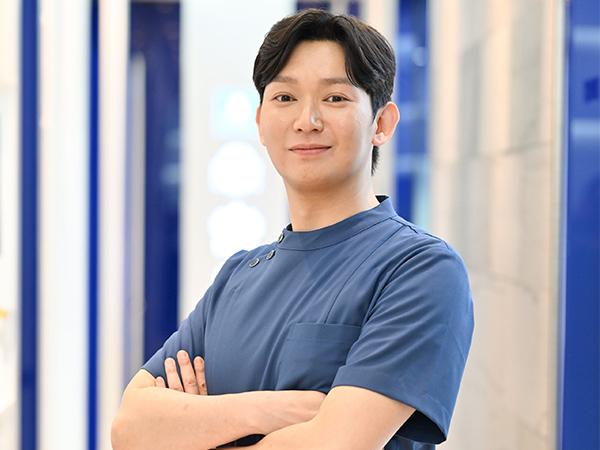
Gangnam Gentle Dental Clinic: Your Trusted Dental Care Provider in Korea Offering Comprehensive Services with Optimal Comfort and Safety
Sinnonhyeon Station

Experience Advanced Dental Care at TU Dental Clinic (TU Dental) in Korea: Top-Rated Orthodontics, Implants, and Esthetic Treatments
Gangnam Station
Blanche Dental Clinic in Korea: Advanced & Tailored Dental Care for a Healthy, Beautiful Smile
Nonhyeon
Yonsei Baro Dental Clinic - Premier Orthodontic and Dental Care in Korea
Apgujeong