
Medical Tourism Blog
Teeth Crown in Korea: Types, Treatment Steps, Travel Timing, and Aftercare
Table of contents
- Teeth Crown at a Glance
- What Is a Dental Crown?
- Who Is a Good Candidate for a Dental Crown?
- What Are the Different Types of Teeth Crown?
- Why Visit Korea for a Dental Crown?
- Key Information for International Patients
- Which Are the Best Clinics in Korea for Teeth Crown?
- How Much Does a Dental Crown Cost in Korea?
- Teeth Crown From Start to Finish
- Alternatives to a Dental Crown
- How Can I Prepare for a Dental Crown?
- Aftercare Advice
Considering treatment in Korea? Everything you need to know e.g. — how to avoid scams, visas, interpreters, recovery tips — in our Medical Tourism Master Guide. Plan with confidence in minutes, not weeks!
Last updated: September 2026
Teeth Crown at a Glance
- What it does — A dental crown is a custom cap that covers a prepared tooth to restore its strength, shape, chewing function, and appearance; unlike a veneer, it provides full coverage and requires irreversible tooth reduction.
- Korea cost — A dental crown in Korea is estimated at ₩600,000–₩1,100,000 (about US$400–$800), with material, laboratory versus CAD/CAM fabrication, temporary crown, and any root-canal or gum treatment affecting the final quote.
- Who it suits — Crowns are commonly used for restorable teeth weakened by extensive decay, a large failing filling, crack, fracture, severe wear, or major structure loss after root-canal treatment.
- Treatment timeline — A conventional laboratory crown usually needs a preparation visit with a temporary crown and a later fitting visit; selected straightforward single-tooth CAD/CAM cases may be completed in one day.
- Travel planning — Remain in Korea until the final crown has been fitted and its margins, contacts, and bite checked; limited evidence suggests waiting at least 24 hours before flying after restorative treatment, with one week being a more conservative approach.
- Recovery and risks — Normal activity is usually possible once local-anesthetic numbness resolves, but gum tenderness can last several days and mild sensitivity days to weeks; a high bite, worsening pain, swelling, or loose crown needs prompt review.
- Korea distinction — Korean clinics may offer digital scanning and chairside CAD/CAM milling for eligible same-day crowns, but there is no high-quality evidence that crowns placed in Korea have superior longevity, safety, or esthetic outcomes.
What Is a Dental Crown?
A dental crown is a custom-made cap that covers a prepared tooth to restore its form and protect remaining structure. It helps rebuild chewing function, strength, and appearance in a tooth weakened by decay, a large filling, wear, or damage. Crown treatment is non-surgical restorative dentistry, although local anesthetic and tooth preparation are commonly required.
Who Is a Good Candidate for a Dental Crown?
- Structurally compromised tooth — Good candidates have a restorable tooth weakened by extensive decay, a large failing filling, fracture, crack, wear, severe discoloration, or substantial loss of structure after root-canal treatment.
- Need for full coverage — A dental crown, also called a tooth crown or dental cap, covers the visible part of a prepared tooth. It can restore function, shape, strength, and appearance; it is not the same as a veneer, which mainly covers the front surface.
- Bridge or implant restoration — A crown can serve as a bridge retainer or restore an implant, although an implant crown is planned differently from a crown on a natural tooth.
- Stable oral health and bite — Suitable patients can maintain plaque control and have gum health, bite forces, opposing teeth, and remaining tooth structure that support a predictable restoration.
Active untreated decay, acute infection, uncontrolled periodontal disease, or poor plaque control should be treated before crown placement; a crown does not cure disease beneath or around a tooth. A conventional crown can be unsuitable where there is a vertical root fracture, a hopeless periodontal prognosis, decay far below the gum or bone level, or too little sound structure to retain it. The dentist must assess restorability, cracks, pulp status, radiographs, bite, and whether a filling, partial-coverage restoration, root-canal treatment, periodontal treatment, crown lengthening, orthodontic extrusion, or extraction is more appropriate. Heavy bite forces or uncontrolled bruxism increase the risk of ceramic fracture, debonding, and fracture of the tooth beneath the crown; bite management and a night guard can be necessary.
What Are the Different Types of Teeth Crown?
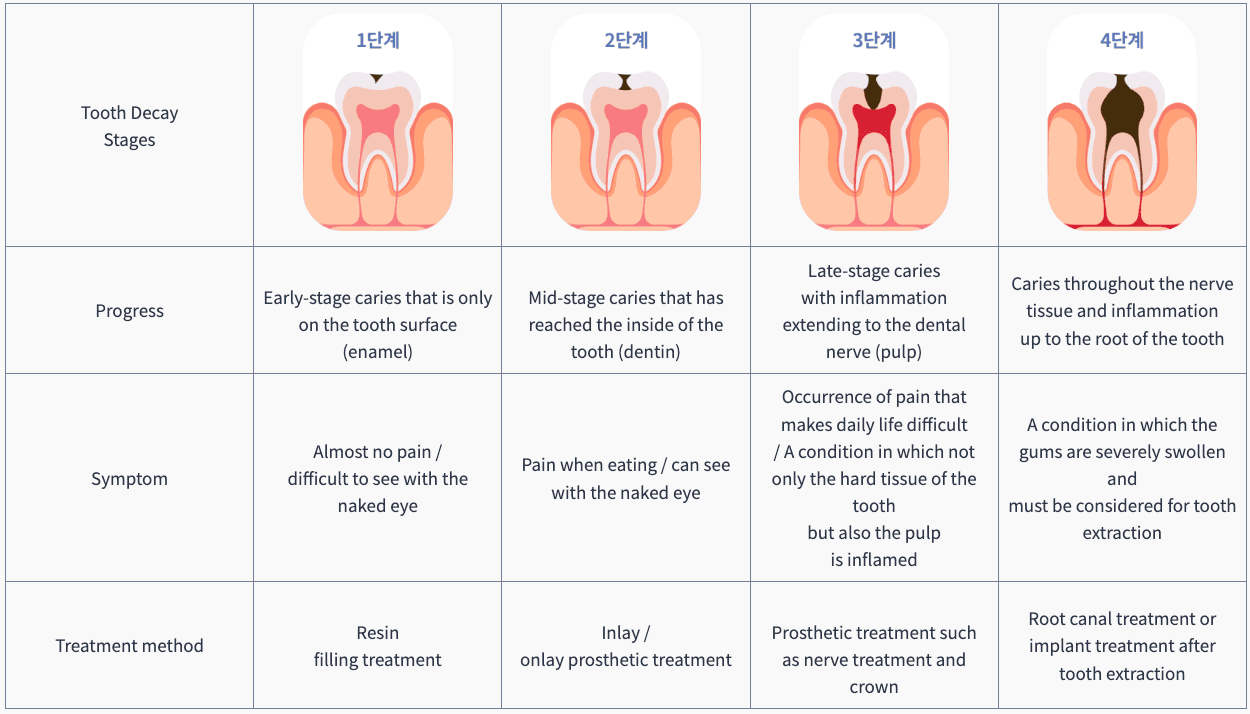
Crown material and design should match the tooth position, visible smile area, remaining tooth structure, available clearance, opposing teeth, bite forces, hygiene, allergy history, and whether the restoration will be cemented or adhesively bonded.
- Monolithic zirconia crown — A high-strength all-ceramic crown often considered for molars and patients with higher bite forces. Its appearance is generally less translucent than glass ceramic.
- Monolithic lithium disilicate crown — A glass-ceramic option with useful translucency, often selected where esthetics are important, including visible front teeth when the clinical situation permits.
- Porcelain-fused-to-metal (PFM) crown — Porcelain is layered over a metal framework. This established design can be durable, but the porcelain can chip and gum recession can expose a metal edge.
- Full metal or gold-alloy crown — A wear-resistant option that can require less tooth reduction than some ceramic designs, but its metallic appearance limits cosmetic appeal.
- Layered ceramic crown — Layering allows detailed shade and surface characterization for visible teeth, but the outer ceramic veneer is more vulnerable to chipping than monolithic designs.
- Temporary resin or acrylic crown — A short-term provisional crown protects the prepared tooth during laboratory fabrication. Avoid hard and sticky foods until final delivery.
Published zirconia survival results are not an individual forecast: a systematic review of tooth-supported monolithic zirconia restorations reported survival from 91% to 100% across included studies, but found very high between-study heterogeneity and moderate study quality. Outcomes depend on design, patient selection, bruxism, cementation method, follow-up duration, and how studies define failure.
Why Visit Korea for a Dental Crown?
The relevant advantage for a dental crown in Korea is potential access to digital restorative workflows, not proven national superiority in crown longevity or esthetic outcomes. Digital scanning, computer design, and chairside milling can streamline selected single-crown cases. They do not remove the need for full diagnosis, margin control, bite adjustment, and review before departure.
- Digital workflow access — Korean academic literature has described chairside intraoral scanning and lithium-disilicate single-crown workflows, supporting the feasibility of digital treatment pathways in selected cases rather than a guarantee that every crown can be completed in one day.
- Selected same-day treatment — A CAD/CAM crown can be scanned, designed, milled, finished, tried in, and placed in one visit when the tooth, gum condition, margins, bite, and moisture control are suitable. Subgingival margins, bleeding, active gum disease, uncertain pulp health, multiple teeth, and newly identified treatment needs often require staged care.
- Evidence limitation — No high-quality evidence identified shows crowns placed in Korea have better survival, safety, or esthetic outcomes than equivalent crowns elsewhere. Confirm the proposed material, scanner or milling workflow, laboratory turnaround, and overseas follow-up arrangements directly with the provider.
Key Information for International Patients
- Minimum stay — Stay until the final crown is fitted and the dentist has checked margins, contact points, and bite. A laboratory-made crown normally needs a preparation appointment, temporary crown, and later delivery; confirm the laboratory interval before booking flights.
- Same-day eligibility — A straightforward single-tooth CAD/CAM case can sometimes be completed in one visit, but this cannot be confirmed from a procedure label or photographs alone. Diagnosis can reveal decay, gum disease, cracks, root-canal needs, or bite issues that change the plan.
- Flight timing — A dental-tourism review proposed waiting at least 24 hours after restorative treatment; it described one week after most dental treatment as a more conservative approach. The authors noted that evidence is limited and largely derived from military aviation rather than civilian commercial flights.
- Reasons to delay travel — Extend the interval when sedation was used, numbness has not resolved, pain is unresolved, the temporary crown is insecure, or a final bite review has not occurred.
- Itinerary impact — Routine local-anesthetic crown care generally permits normal daily activity once numbness resolves. Allow time for a return visit if the crown feels high, pressure-sensitive, loose, or uncomfortable when chewing.
- Records and remote follow-up — Before departure, request relevant radiographs, tooth number, treatment plan, crown material and shade, laboratory prescription if available, cement or bonding details, and written aftercare. Arrange access to a dentist near home for maintenance or urgent adjustment.
Travel note: Do not schedule departure around the estimated fabrication date alone. A final crown must be tried in, adjusted, and checked under bite pressure before travel.
Which Are the Best Clinics in Korea for Teeth Crown?
Listed below are some of the best clinics in Korea for teeth crown.
1. Minish Dental Hospital
For a crown-focused restoration, you can discuss Molar Minish or Dual Minish at Minish Dental Hospital as approaches intended to address extensive molar or front-tooth damage while minimizing tooth reduction compared with conventional crown preparation. The clinic uses customized ceramic Minish restorations designed from 3D scanning and milling, with an in-house laboratory that may allow eligible treatment to be completed in one visit.
- URL: Minish Dental Hospital Website
- Location: Gangnam-gu, Seoul
- Restoration options:
- Molar Minish is presented for extensively damaged molars as an alternative intended to preserve more tooth structure and support gum health.
- Dual Minish is designed to cover widespread damage on the front surface of anterior teeth without extensive tooth removal typically associated with crowns.
- The clinic also provides cavity care, prosthodontic services including crowns, bridges and dentures, root-related restorative care, implants, and periodontal therapy.
- Materials and planning:
- Minish restorations use exclusive ceramic Minish Blocks supplied by VITA in Germany, described as having natural-tooth-like color, texture, biocompatibility, and light transmission.
- Ultra-thin restorations of less than 0.2 mm are designed individually using 3D scanning and milling technology.
- Customized design is based on your natural tooth shape and characteristics rather than a one-size-fits-all restoration.
- Additional considerations:
- An in-house laboratory and digital equipment support one-visit treatment for some cases, which may be relevant if your schedule or travel time is limited.
- The clinic describes options for challenging concerns including large cavities, gum recession, damaged molars, and missing teeth.
- Its team includes dentists and technicians across veneer, orthodontic, and general dental care.
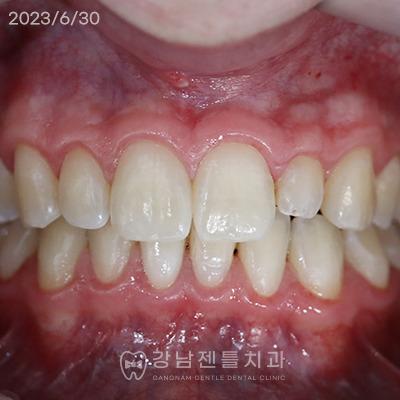
2. Gangnam Gentle Dental Clinic
At Gangnam Gentle Dental Clinic, you can expect a consultation-led approach to restorative dental needs, with cavity treatment, fillings, root canal care, and cosmetic minimal-shaving veneers available alongside broader dental services. The clinic emphasizes providing only necessary treatment, using digital examinations to plan care precisely and aiming to reduce the overall treatment period and number of visits where appropriate.
- URL: Gangnam Gentle Dental Clinic Website
- Location: Seocho-gu, Seoul
- Restorative and related care:
- Services include cavity and filling treatment and root canal treatment for damaged or infected teeth.
- Minimal-shaving veneers, gum contouring, and teeth whitening are available for cosmetic concerns.
- 3D-guided implants, Straumann implants, and Osstem implants are offered when tooth replacement is being considered.
- Care experience:
- The clinic describes established infection-prevention and sterilization systems.
- Digital equipment is used for systematic, precise examinations, with an emphasis on minimizing pain and maximizing comfort.
- Weekday and weekend availability, including emergency treatment, may help if you need care around a limited schedule.
- Communication:
- Dr. Travis Kim studied at Ohio State University and St. Johnsbury Academy and speaks fluent English.
- Care is described as personalized to your individual needs.
3. Live Dental Hospital - Gangnam
You may consider Live Dental Hospital - Gangnam for an all-porcelain crown designed to provide a natural-looking restoration, with dental caries treatment and root canal treatment also available when decay or pulp infection needs to be addressed as part of restoring a tooth. Located near Sinnonhyeon Station, the hospital-grade institution provides care through a specialized dental team and a state-of-the-art facility.
- URL: Live Dental Hospital - Gangnam Website
- Location: Gangnam-gu, Seoul
- Crown and restorative services:
- All-porcelain crowns are offered under the clinic's tooth-molding services.
- Dental caries treatment and root canal treatment are available to treat decay or infection and help preserve the natural tooth.
- Anterior porcelain laminates and professional teeth whitening are also available for front-tooth appearance concerns.
- Related treatment options:
- The clinic offers a range of implant types, including a non-invasive dental implant option.
- Orthodontic care includes transparent correction, orthodontics with repair, and combined correction-plus-implant treatment for complex needs.
- Wisdom tooth extraction is available when indicated.
How Much Does a Dental Crown Cost in Korea?
A dental crown is priced at ₩600,000–₩1,100,000 (approximately US$400–$800). Individual quotes vary because the crown material, fabrication workflow, and any treatment needed to make the tooth suitable for restoration require different clinical time and resources.
| Procedure Price | Korean Won (₩) | USD ($) |
|---|---|---|
| Low Price | ₩600,000 | $400 |
| High Price | ₩1,100,000 | $800 |
Exchange rate as of 2026-09-06: 1 KRW = 0.000741 USD.
What Affects the Price?
- Crown material and design — Monolithic zirconia, lithium disilicate, porcelain-fused-to-metal, full metal/gold, and layered ceramic crowns use different materials and manufacturing methods. Esthetic layered ceramic work and shade characterization can require additional laboratory design and finishing, while material choice must also meet the tooth’s location, clearance, and bite-force requirements.
- Laboratory-made versus same-day CAD/CAM crown — A conventional laboratory crown requires preparation records, a temporary crown, laboratory fabrication, and a later fitting visit. A suitable chairside CAD/CAM case instead requires digital scanning, software design, milling, finishing, and same-day try-in; not every tooth is appropriate for this workflow.
- Need for supporting treatment before crown placement — Deep decay, a failing restoration, inadequate remaining tooth structure, pulp disease, or gum disease can require a core build-up, root-canal treatment, periodontal care, post placement, or other preparatory treatment. These steps add appointments, materials, diagnostic work, and chair time beyond the crown itself.
- Complexity of fit, bite, and margin management — Subgingival margins, bleeding or moisture-control problems, heavy bite forces, bruxism, and complex contacts can make accurate scanning or impressions, fabrication, try-in, bite adjustment, and cementation more demanding. A temporary crown and additional adjustment or review may also be required before final delivery.
Cost tip: Request an itemized quote stating what is included, particularly diagnostics, tooth preparation, scan or impression, temporary crown, crown material, laboratory or CAD/CAM fabrication, final cementation or bonding, bite adjustments, and follow-up visits. Confirm separately whether any build-up, root-canal, periodontal, or sedation care is required.
The US$400–$800 conversion is approximate, based on the exchange rate dated 2026-09-06. Check the exchange rate again when budgeting.
Teeth Crown From Start to Finish
- First contact and records review — Ask whether English-language or virtual consultation is available. Send recent radiographs, photographs, a description of symptoms, previous treatment details, medication list, and allergy history when requested; remote review cannot confirm final crown suitability.
- In-person assessment — The dentist examines the tooth, gums, bite, existing restorations, and adjacent teeth, and reviews appropriate radiographs. Pulp testing, crack assessment, and periodontal evaluation are used where relevant; CBCT is not routine for every crown.
- Treatment planning — The dentist determines whether the tooth is restorable and whether a core build-up, root-canal treatment, periodontal care, post, or a more conservative restoration is needed before crown work.
- Tooth preparation — Local anesthetic is commonly used. The dentist removes decay and failing restorative material as needed, then shapes the tooth to create room and retention for the selected crown. Conventional preparation irreversibly removes tooth structure.
- Scan or impression and shade selection — The team records the prepared tooth, neighboring teeth, and bite with an intraoral scan or conventional impression. For visible teeth, shade and surface-characterization choices are recorded.
- Temporary crown or chairside fabrication — Laboratory cases receive a temporary resin or acrylic crown. In a suitable single-crown CAD/CAM case, the crown can be milled, finished, and tried in during the same visit.
- Final try-in and cementation — At delivery, the dentist checks the crown margins, interproximal contacts, shade where relevant, and bite. The crown is then cemented or adhesively bonded according to its material and preparation design.
- Pre-departure review and remote follow-up — Have the bite reassessed if it feels high or uneven after numbness fades. Contact the Korean clinic promptly for pain, swelling, a loose crown, fracture, or bite problem, and share treatment records with a dentist at home if local care is required.
Alternatives to a Dental Crown
A full crown provides broad coverage but requires irreversible tooth preparation. When sufficient sound tooth remains, a filling or partial-coverage restoration can preserve more natural tissue; when the tooth cannot be restored predictably, replacement options become relevant.
Direct Resin Filling
- Best suited to — Smaller-to-moderate defects with enough remaining tooth structure.
- Tradeoff — More conservative than a crown, but may not provide adequate protection for a severely weakened tooth.
- Related procedure — Resin filling.
Inlay, Onlay, or Overlay
- Best suited to — Teeth needing more coverage than a filling but not necessarily a full crown.
- Tradeoff — Preserves more tooth tissue when margins and remaining structure allow, but does not suit every crack pattern or extensive loss of structure.
- Related procedure — Inlay filling.
Veneer
- Best suited to — Selected primarily facial cosmetic concerns on front teeth with adequate underlying structure.
- Tradeoff — A veneer does not replace a crown when broad structural protection is needed for a cracked, extensively filled, or heavily weakened tooth.
- Related procedure — Veneers.
Root-Canal Treatment With Definitive Restoration
- Best suited to — A tooth with diseased or infected pulp that remains restorable.
- Tradeoff — Root-canal treatment addresses pulp disease but does not rebuild lost tooth structure. The definitive restoration can be a filling, partial-coverage restoration, or crown depending on tooth type, location, remaining tissue, and bite forces.
- Related procedure — Root canal treatment.
Extraction and Tooth Replacement
- Best suited to — A non-restorable tooth, such as one with a vertical root fracture or inadequate sound structure for reliable restoration.
- Tradeoff — Extraction sacrifices a natural tooth and usually creates a longer, more complex treatment path. An implant crown or bridge replaces a missing tooth; neither is a substitute for preserving a predictably restorable natural tooth.
- Related procedures — Dental implant and dental bridge.
How Can I Prepare for a Dental Crown?
- Records and disclosure — Send available radiographs and treatment records before travel. Disclose symptoms, prior root-canal treatment, tooth grinding, gum disease, medical conditions, pregnancy status where relevant, all medicines and supplements, and allergies to dental materials, cement, latex, local anesthetics, or sedation medicines.
- Anticoagulants and antiplatelets — Do not stop prescribed blood-thinning medicine independently. The treating dentist and prescribing clinician must coordinate any change.
- Fasting and sedation — Routine local-anesthetic crown treatment generally does not require fasting unless the clinic instructs otherwise. Sedation or general anesthesia requires individualized fasting, companion, transport, and travel instructions.
- Travel schedule — Book flexible flights and remain available for final fitting and bite adjustment. Confirm whether the case is laboratory-made or potentially same-day CAD/CAM, and ask what happens if further decay, infection, gum treatment, or root-canal treatment is found.
- Temporary-crown planning — Pack normal oral-hygiene items and choose accommodation that allows easy return to the clinic. Avoid planning hard-food dining activities while wearing a temporary crown.
- Companion and transport — Arrange an adult escort and avoid driving after sedation. Local anesthetic alone does not usually require an escort, but numbness can affect eating and speech temporarily.
Travel note: Request written confirmation of the planned number of appointments, expected laboratory interval, crown material, and whether an early post-cementation bite review can be scheduled before departure.
Confirm the treating dentist's clinic-specific preparation requirements, which take precedence over general guidance.
Aftercare Advice
A stable, even bite and excellent daily cleaning are central to protecting both the crown and the natural tooth beneath it.
- Numbness and eating — Do not chew until local anesthetic numbness has fully resolved. Avoid biting cheeks, lips, or tongue, and start with softer food if the tooth or gum is tender.
- Temporary crown protection — Do not chew ice, hard nuts, popcorn kernels, caramel, taffy, or other hard or sticky foods on a temporary crown. Contact the clinic promptly if it loosens or comes off; never use household glue.
- Bite check — Once numbness has resolved, the bite should feel even. Contact the clinic promptly for a high spot, inability to close comfortably, or pain when biting; leaving a high bite uncorrected can overload the tooth and jaw.
- Cleaning — Brush twice daily with fluoride toothpaste and clean between teeth daily. Continue regular examinations and professional cleanings, because decay and gum disease can still develop at crown margins.
- Sensitivity and normal activity — Normal daily activity is usually possible immediately after routine local-anesthetic treatment. Gum tenderness often improves within several days; mild temperature or bite sensitivity can last days to a few weeks.
- Bruxism protection — Use a prescribed night guard if tooth grinding or clenching is diagnosed. Avoid routinely chewing hard objects or ice.
- Warning signs — Seek prompt dental review for worsening pain, facial or gum swelling, fever, allergy symptoms, persistent bad taste, recurrence of the original symptoms, a loose or broken crown, or sharp edges.
Follow the treating dentist's individualized instructions, and contact the clinic without delay when something feels wrong rather than attempting to repair the crown yourself.
Frequently Asked Questions
Related Blogs
Root Canal Treatment in Korea: Treatment Steps, Recovery, Travel Timing, and Alternatives
Root canal treatment removes infected or inflamed pulp, disinfects and seals the canals, and is followed by a durable filling or crown when needed. The article covers candidate assessment, treatment options, Korea travel planning, records, flight timing, aftercare, and follow-up.
Updated: Sep 21, 2026
Bruxism Treatment in Korea: Splints, Masseter Botox, Recovery, and Travel Planning
Bruxism treatment begins with an assessment of teeth, bite, jaw muscles and joints, with options including habit care, a custom stabilization splint, dental repair, sleep evaluation, or selected masseter botulinum-toxin injections. International patients visiting Korea can plan 1–2 days for assessment or 2–5 days for a new splint, and should arrange adjustment time, treatment records, and home-den
Updated: Sep 21, 2026
Periodontal Disease Treatment in Korea: Methods, Recovery, Travel Planning, and Aftercare
Periodontal disease treatment starts with charting, radiographs, cleaning and home-care instruction, followed by deep cleaning, reassessment and selected surgery for persistent pockets or defects. International patients can plan 2–4 business days for non-surgical care, 7–10 days for early surgical review, and should arrange transferable records and follow-up with a home periodontist.
Updated: Sep 21, 2026
Wisdom Tooth Removal in Korea: Methods, Recovery, Risks and Travel Planning
Wisdom tooth removal may involve simple or surgical extraction, complete extraction, or coronectomy depending on impaction, root anatomy, nerve risk, and disease. The article covers imaging, anesthesia, recovery and travel planning in Korea, aftercare, warning signs, and follow-up requirements.
Updated: Sep 21, 2026
Clinics offering Teeth Crown

Minish Dental Hospital: Korea's Premier Dental Clinic Offering Advanced Treatments and Personalized Care
Sinsa

Gangnam Gentle Dental Clinic: Your Trusted Dental Care Provider in Korea Offering Comprehensive Services with Optimal Comfort and Safety
Sinnonhyeon Station

Oreun Dental Clinic in Korea: Your Trusted Family Dental Clinic for Implants, Orthodontics, Aesthetic Prosthetics, and General Dentistry
Nowon
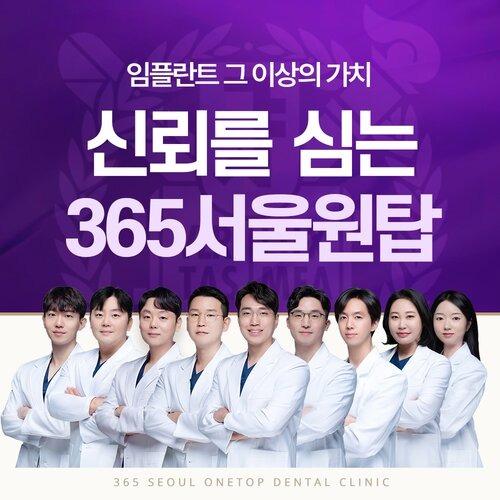
365SeoulOneTop Dental Clinic Korea | Specialist Implants, Sedation, Cosmetic Dentistry & Invisalign in Hwagok
Hwagok