
Medical Tourism Blog
Penis Lengthening in Korea: Methods, Recovery, Risks and Travel Planning
Table of contents
- Penis Lengthening at a Glance
- What Is Penis Lengthening?
- Who Is a Good Candidate for Penis Lengthening?
- How Is Penis Lengthening Performed?
- Why Visit Korea for Penis Lengthening?
- Key Information for International Patients
- Which Are the Best Clinics in Korea for Penis Lengthening?
- How Much Does Penis Lengthening Cost in Korea?
- Penis Lengthening From Start to Finish
- Alternatives to Penis Lengthening
- How Can I Prepare for Penis Lengthening?
- Aftercare Advice
Considering treatment in Korea? Everything you need to know e.g. — how to avoid scams, visas, interpreters, recovery tips — in our Medical Tourism Master Guide. Plan with confidence in minutes, not weeks!
Last updated: September 2026
Penis Lengthening at a Glance
- What it does — Penis lengthening is anatomy-specific surgery, most often suspensory ligament release with or without V-Y skin plasty, to expose more shaft; it primarily improves visible flaccid or stretched length rather than reliably increasing erect corporal length.
- Korea cost — Prices in Korea are approximately ₩2,500,000–₩10,000,000 (US$1,900–US$7,400), with higher costs when webbing correction, suprapubic fat reduction, buried-penis reconstruction, anesthesia, traction, or observation are included.
- Who may benefit — Appropriate candidates are adults with realistic measurable goals after reconstructive-urology assessment identifies intrinsic shortness, suprapubic concealment, buried penis, or penoscrotal webbing; a normal-sized penis with BDD/PDD or severe size anxiety requires psychological assessment instead.
- Recovery timeline — Bruising, swelling, incision discomfort, and limited movement commonly last 2–4 weeks; intercourse, masturbation, cycling, heavy lifting, and strenuous exercise are often restricted for at least 4–6 weeks, subject to surgeon clearance.
- Results are not immediate — Early swelling and scar maturation make initial measurements unreliable, so meaningful outcome assessment is generally delayed until about 3–6 months; published combined-procedure gains cannot predict an individual result.
- Travel planning — International patients should plan at least 10–14 days in Korea for wound review and travel clearance, while 2–4 weeks is more cautious after general anesthesia, combined surgery, obesity, reduced mobility, or elevated clot risk.
- Key limitation — Evidence is heterogeneous and safety, satisfaction, sexual-function, and erect-length outcomes are inconsistently reported; risks include infection, wound problems, scarring, altered sensation, re-adhesion, erection-angle change or instability, dissatisfaction, and revision surgery.
What Is Penis Lengthening?
Penis lengthening is an anatomy-specific operation that exposes more of the penile shaft, often by releasing its supporting ligament or correcting concealment or webbing. It aims to improve visible flaccid or stretched length when anatomy, rather than body-image distress alone, is the cause of concern; erect-length gains are not predictable. It is surgical.
Who Is a Good Candidate for Penis Lengthening?

- Adults seeking an anatomy-led assessment — Suitable candidates have completed physical development and want a reconstructive urologist to determine whether the concern is intrinsic length, suprapubic concealment, penoscrotal webbing, or acquired shortening.
- Concealed-shaft concerns — Men whose normal-sized shaft is obscured by a suprapubic fat pad, skin, or scarring can benefit more from concealed- or buried-penis treatment than isolated ligament release.
- Penoscrotal webbing — A ventral phalloplasty or scrotoplasty can be relevant when scrotal skin extends unusually far up the underside of the shaft.
- Realistic, measurable goals — Candidates accept standardized baseline measurements and understand that suspensory ligament release is intended chiefly to increase visible flaccid or stretched length, not to guarantee longer erect corporal length.
Known or suspected body dysmorphic disorder (BDD), penile dysmorphic disorder (PDD), severe size anxiety, or unrealistic expectations require psychological assessment rather than cosmetic surgery; the EAU specifically recommends screening men with normal penile size who report shortness. Active genital or urinary infection, penile pain or curvature suggestive of Peyronie’s disease, unassessed erectile dysfunction, prior trauma or surgery, and skin disease require specialist evaluation first. Uncontrolled diabetes, unmanaged anticoagulation, significant cardiopulmonary disease, immunosuppression, and other anesthesia or wound-healing risks generally require optimization or postponement. True micropenis is congenital and defined by stretched length more than 2.5 standard deviations below the population mean; it is distinct from a normal penis concealed by fat or affected by body-image concerns.
How Is Penis Lengthening Performed?
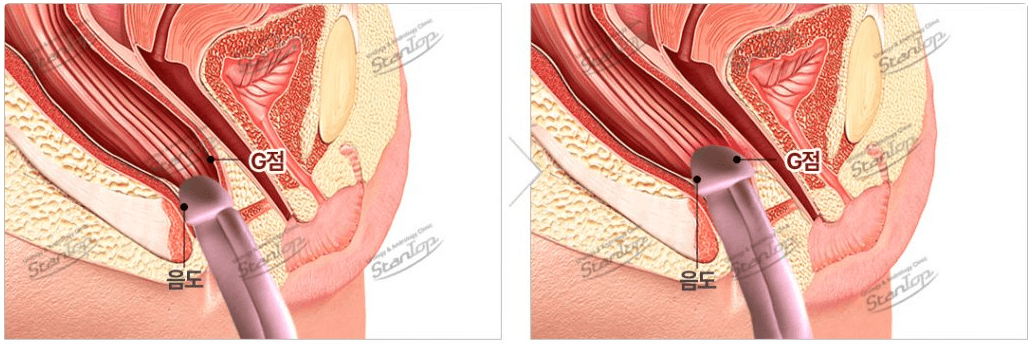
Penis lengthening surgery is not a single standardized operation. The method should address the anatomical cause of limited visible length, and published evidence does not support a predictable erect-length gain for every patient.
- Suspensory ligament release (SLR) — Also called ligamentolysis or suspensory ligament division, this operation divides the ligament anchoring the penis to the pubic bone, usually through an infrapubic incision. It exposes more of the internal shaft and primarily changes flaccid or stretched appearance.
- V-Y skin plasty — The surgeon advances skin at the pubic-base incision in a V-Y pattern to accommodate the newly exposed shaft. It is commonly paired with SLR rather than used alone.
- Ventral phalloplasty or scrotoplasty — This releases penoscrotal webbing on the underside of the penis. It targets visible shaft exposure caused by webbing, not corporal length.
- Suprapubic fat reduction — Liposuction, lipectomy, or related approaches can reveal a shaft concealed by the pubic fat pad. In adult-acquired buried penis, more extensive reconstruction may be needed; obesity is a principal risk factor and weight-loss/risk-factor modification is recommended to reduce complications.
- Postoperative traction — Some surgeons prescribe a traction device after SLR to limit re-adhesion. Device type, start date, force, daily wear time, and total duration are not standardized and must be specified in writing by the operating surgeon.
Why Visit Korea for Penis Lengthening?
Korea should be chosen for verifiable clinical safeguards, not presumed national superiority in penis-lengthening outcomes. No high-quality comparative research shows better Korean results, complication rates, revision rates, or sexual-function outcomes than those in other countries. This is a procedure where surgeon training, anatomy-based selection, anesthesia coverage, and continuity of care matter more than destination branding.
- Registered-provider verification — International patients can check whether a provider participates in Korea’s registered medical-institution system for foreign patients before making arrangements.
- Relevant specialty assessment — Seek an operating surgeon with documented male genital reconstructive-urology experience and exact-procedure case experience, rather than relying on general cosmetic-procedure marketing.
- Measurement-based planning — Ask for the assessment recommended in EAU guidance: flaccid, stretched, and where feasible erect measurements; bone-to-glans and skin-junction-to-glans landmarks; girth measurements; examination; and standardized documentation.
- Transparent consent is essential — The EAU gives only weak recommendations for selected approaches and advises high-volume centers because complications are meaningful. The evidence base remains heterogeneous, with poorly standardized reporting of safety, efficacy, and satisfaction.
Key Information for International Patients
- Minimum stay — Plan at least 10–14 days in Korea after an uncomplicated standalone operation for early wound review, urination and pain assessment, and individualized travel clearance. A 2–4 week stay is more cautious after general anesthesia, combined suprapubic surgery, reduced mobility, obesity, or elevated venous-thromboembolism risk.
- Flight timing — No penis-lengthening-specific evidence establishes a universal safe date for long-haul flying. Do not book a non-refundable return flight until the surgeon provides clearance after the early postoperative review; complication reporting in the literature is inconsistent, which limits fixed travel advice.
- Activity and itinerary — Bruising, swelling, incision discomfort, and restricted movement commonly affect the first 2–4 weeks. Do not schedule physically demanding sightseeing, cycling, gym sessions, or long transfers during the early recovery period.
- Sexual restrictions — Avoid intercourse, masturbation, strenuous exercise, heavy lifting, and cycling until the operating surgeon confirms healing, often at least 4–6 weeks after an uncomplicated operation.
- Follow-up plan — Arrange video follow-up before departure and identify a clinician at home who can assess wound, urinary, thrombotic, erectile, or psychological concerns. Obtain an English operative report, anesthesia record, medication list, discharge instructions, and emergency contact details.
Travel note: Seek urgent local or emergency care for heavy bleeding, rapidly enlarging swelling, fever, foul drainage, wound separation, inability to urinate, dark or pale penile skin, chest pain, shortness of breath, coughing blood, or one-sided leg pain or swelling. Do not wait for an overseas clinic to reply.
Which Are the Best Clinics in Korea for Penis Lengthening?
Listed below are some of the best clinics in Korea for penis lengthening.
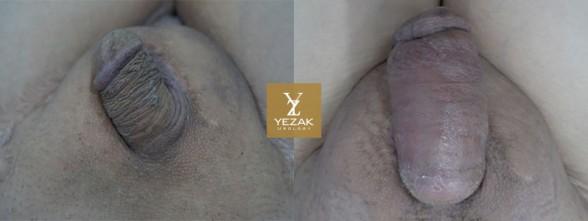
1. Yezak Urology
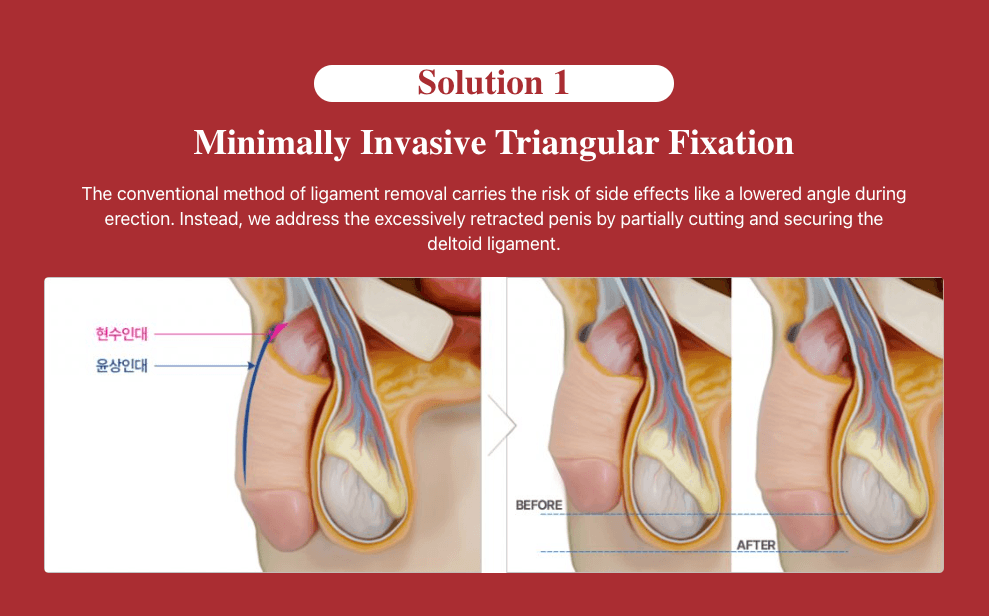
For penis lengthening, you can discuss Yezak Urology’s 5-Point Fixed Permanent Penile Lengthening Surgery, described as a technique that preserves the suspensory ligament while repositioning and securing the penis deeper at its base to target visible length with stability and a natural result.
- URL: Yezak Urology Website
- Location: Seoul
- Procedure approach:
- The clinic describes a ligament-preserving fixation approach as an alternative to conventional suspensory-ligament cutting.
- Its broader service information also describes skin advancement and postoperative traction protocols as part of lengthening care.
- Related care:
- You can also seek evaluation for girth augmentation with autologous fat grafting or biocompatible fillers, glans augmentation, erectile dysfunction, premature ejaculation, and corrective genital procedures.
- General men’s health services include circumcision, no-scalpel vasectomy, STI testing and treatment, and hormonal health evaluation.
- Practice notes:
- The clinic is described as a men’s health center in Apgujeong with a multi-specialist team and advanced safety systems.
- Its source material states more than 20 years of male-enhancement specialization.
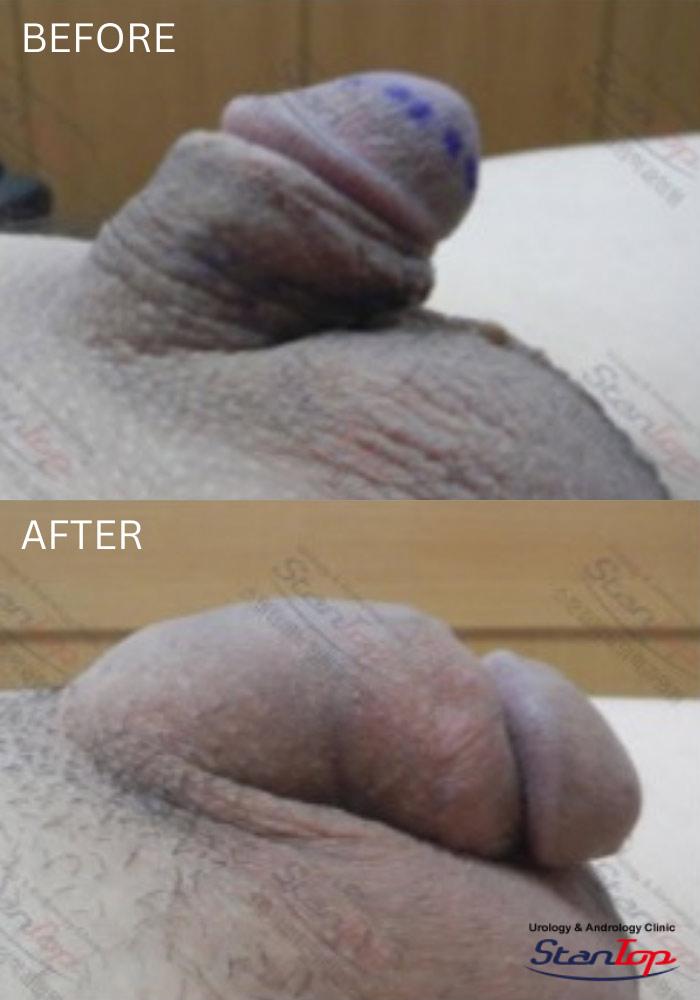
2. Stantop Urology & Andrology
At Stantop Urology & Andrology, you can explore surgical or non-surgical penis-lengthening options within a dedicated urology and andrology setting, with separate consultation and treatment rooms intended to support privacy and comfort.
- URL: Stantop Urology & Andrology Website
- Location: Seoul
- Procedure options:
- The clinic lists penile lengthening through surgical or non-surgical techniques.
- Penile and glans enlargement options are also listed, including injectable fillers and surgical methods.
- Related sexual-health care:
- If relevant to your evaluation, services include premature-ejaculation treatment, erectile-dysfunction care, shockwave therapy, stem-cell therapy, and inflatable or malleable penile implants.
- Additional men’s services include STI check-ups, circumcision, vasectomy, and removal of foreign substances from penile tissue.
- Practice notes: The clinic reports more than 100,000 consultations and 40,000 surgeries performed.
3. GoldMan Urology Clinic - Gangnam
GoldMan Urology Clinic - Gangnam provides penile augmentation options that you can discuss when considering genital aesthetic treatment, including direct glans augmentation, artificial or autologous dermal techniques, silicone implants, and injectable fillers. The supplied information does not specify a dedicated penis-lengthening technique, so you should clarify whether a length-focused procedure is available for your goals.
- URL: GoldMan Urology Clinic - Gangnam Website
- Location: Seoul
- Augmentation options:
- Direct glans augmentation is listed to enhance glans size and appearance.
- Artificial derma, autologous derma, silicone implant, and injectable filler options are described for penile augmentation.
- Other urology services: The clinic also offers non-scalpel vasectomy, laser circumcision, and individualized treatment options for benign prostatic hyperplasia.
How Much Does Penis Lengthening Cost in Korea?
Penis Lengthening is supplied at ₩2,500,000–₩10,000,000 (approximately US$1,900–US$7,400). Individual quotes vary because penile lengthening is not a single standardized operation: treatment is selected according to whether the concern involves suspensory-ligament release, webbing, suprapubic concealment, or buried-penis anatomy.
| Procedure Price | Korean Won (₩) | USD ($) |
|---|---|---|
| Low Price | ₩2,500,000 | $1,900 |
| High Price | ₩10,000,000 | $7,400 |
Exchange rate as of 2026-09-06: 1 KRW = 0.000741 USD.
What Affects the Price?
- Suspensory ligament release alone versus release with V-Y skin-plasty — A standard suspensory ligament release uses an infrapubic approach to divide the ligament. Adding V-Y skin-plasty requires additional tissue rearrangement and closure, increasing operative steps, operating time, and wound-management requirements.
- Correction of penoscrotal webbing — When penoscrotal webbing limits visible shaft length, ventral phalloplasty or scrotoplasty may be selected instead of or alongside ligament release. This adds genital skin reconstruction and more complex incision design and closure.
- Suprapubic fat reduction or buried-penis reconstruction — For a shaft concealed by suprapubic fat, skin, or scarring, treatment may include suprapubic liposuction, lipectomy, or more extensive buried-penis repair. These approaches expand the treated area and can require additional dissection, operating time, facility resources, and postoperative wound care.
- Anesthesia and postoperative observation requirements — The surgical extent and anesthesia plan determine whether the procedure includes brief discharge or observation after surgery. Combined suprapubic surgery, general anesthesia, reduced mobility, or elevated thromboembolism risk can require greater anesthesia and facility resources.
- Surgeon-directed traction and follow-up plan — Traction is commonly prescribed after suspensory-ligament release to limit re-adhesion, but protocols differ in device, timing, force, daily wear, and duration. The quote should clarify whether a traction device, wound reviews, and structured postoperative monitoring are included.
Cost tip: Request an itemized quote stating what is included, particularly the exact operation or combination of procedures, anesthesia, facility or observation use, consumables or traction device, medications, and scheduled follow-up.
The US$1,900–US$7,400 conversion is approximate, based on the supplied exchange rate dated 2026-09-06. Check the exchange rate again when budgeting.
Penis Lengthening From Start to Finish
- Remote inquiry and consultation — Send medical history, prior procedure details, current medicines, and clear photos only through the clinic’s secure process. Confirm whether an English-speaking clinician or qualified interpreter is available, who will perform the operation, and whether a virtual consultation is appropriate.
- In-person assessment — The surgeon takes a detailed sexual, urological, psychological, surgical, and medical history; examines the penis, scrotum, pubic fat pad, and skin; and establishes flaccid, stretched, and where feasible erect baseline measurements. Screening for BDD/PDD is important when size is objectively normal.
- Anatomy-specific surgical plan and consent — The surgeon determines whether SLR, V-Y skin plasty, ventral phalloplasty, suprapubic fat reduction, buried-penis reconstruction, or no surgery addresses the actual issue. Discuss the uncertain effect on erect length, possible erection-angle change or instability, traction plan, scars, complications, and revision risk.
- Preoperative testing and anesthesia review — The clinic reviews health conditions, medicines, bleeding and clotting history, allergies, nicotine and substance use, and tests required for the planned anesthesia and surgical extent. Receive written fasting and medication instructions.
- Operation — Under the agreed anesthetic approach, the surgeon makes the planned incision, releases the suspensory ligament when indicated, and performs any agreed skin-plasty, web correction, or suprapubic procedure. Operative time, spacer or graft use, and discharge timing vary substantially with the exact procedure and are not internationally standardized.
- Observation and discharge — Staff monitor pain, bleeding, urination, wound status, and recovery from anesthesia. Leave only after meeting the facility’s discharge criteria, with written instructions and contact details.
- Early in-Korea review — Attend the surgeon-directed wound review, commonly around 5–14 days. The team checks healing, removes or reviews dressings or sutures as applicable, adjusts medication, and determines whether travel is appropriate.
- Traction and later reassessment — Start traction only when the surgeon gives explicit instructions for device, direction, force, daily duration, and start date. Early swelling and scar maturation make immediate measurements unreliable; meaningful reassessment is generally later, often at 3–6 months.
- Remote follow-up after return home — Send scheduled wound updates and report concerns promptly. Keep records available for local clinicians, especially if infection, urinary difficulty, wound problems, erectile changes, or symptoms of a blood clot develop.
Alternatives to Penis Lengthening
The best alternative depends on what creates the appearance of shortness. Non-surgical choices avoid incision and anesthesia but have less predictable or slower change; reconstructive surgery can address a specific anatomical problem but brings wound, sexual-function, and revision risks.
Penile Traction Therapy
- What it addresses — A traction device applies controlled longitudinal tension without surgery.
- Tradeoff — The EAU considers traction a conservative option, but supporting studies are small and heterogeneous. It requires sustained adherence and should be supervised, particularly with pain, curvature, or prior surgery.
Pubic Fat-Pad Reduction
- What it addresses — Pubic fat-pad removal or monsplasty can improve visible shaft exposure when suprapubic tissue is the main issue.
- Tradeoff — It does not lengthen the erectile bodies and is not a substitute for buried-penis reconstruction when skin disease, scarring, or severe concealment is present.
Webbing Correction
- What it addresses — Ventral phalloplasty or scrotoplasty releases penoscrotal webbing that shortens the visible underside of the shaft.
- Tradeoff — It corrects skin configuration, not intrinsic corporal length; assessment should establish that webbing is the cause of concern.
Treatment for Peyronie’s Disease or Erectile Dysfunction
- What it addresses — Peyronie’s disease treatment and erectile dysfunction treatment address disease-related shortening, curvature, or inadequate rigidity.
- Tradeoff — Treatment targets function or curvature rather than cosmetic enlargement. A penile implant is generally a functional treatment for selected erectile dysfunction, not a cosmetic lengthening procedure.
Psychological or Sexual Counseling
- What it addresses — Counseling is the appropriate first-line route for BDD/PDD, severe size anxiety, relationship distress, or expectations that surgery cannot meet.
- Tradeoff — It does not change anatomy, but it addresses the diagnosis that makes cosmetic surgery unsafe or unlikely to resolve distress.
How Can I Prepare for Penis Lengthening?
- Complete medical disclosure — Provide every medicine, supplement, hormone, nicotine product, alcohol intake, cannabis/CBD product, recreational substance, allergy, prior genital procedure, infection history, clotting event, and medical condition. Include penile pain, curvature, erectile changes, and urinary symptoms.
- Medication plan — Do not independently stop anticoagulants, antiplatelets, diabetes medicines, blood-pressure medicines, or hormones. Obtain a written plan from the prescribing clinician, anesthesia team, and surgeon; disclose aspirin, ibuprofen/NSAIDs, vitamin E, fish oil, and herbal products because the team must decide whether they need adjustment.
- Smoking and nicotine — Stop cigarettes, vaping, nicotine pouches, and other nicotine exposure on the surgical team’s timetable. Smoking increases surgical complication risk, particularly for healing and infection.
- Fasting and hygiene — Follow the clinic’s exact fasting instructions for anesthesia; do not use generic internet fasting schedules. Shower and prepare the operative area only as instructed, and do not shave or apply creams unless the surgeon specifically directs it.
- Travel logistics — Arrange accommodation close enough for the 5–14-day wound review, a reliable local phone number, and flexible return travel. Avoid operating alone if the clinic requires a responsible adult after anesthesia.
- Records and home care — Bring identification, translated medical records where available, and prescription details. Arrange a home clinician before travel and confirm how the Korean clinic will handle remote reviews and urgent concerns after departure.
Travel note: Build extra days into the itinerary. Flight clearance depends on wound progress, mobility, anesthetic recovery, combined procedures, and personal clot risk—not the date printed on a standard package.
Confirm all clinic-specific testing, medication, fasting, transport, companion, and travel requirements directly with the treating doctor; their individualized instructions take precedence over general guidance.
Aftercare Advice
Protect the incision and follow the surgeon’s traction and activity plan precisely; early self-directed stretching can disrupt healing or worsen re-adhesion.
- Wound and medication care — Keep dressings, incision cleansing, bathing, and prescribed analgesics or antibiotics exactly as directed. Do not add creams, supplements, vacuum devices, or non-prescribed medicines without approval.
- Movement and activity — Walk regularly when cleared to reduce immobility, but avoid strenuous exercise, heavy lifting, cycling, and direct pressure on the area until the surgeon confirms healing. Bruising, swelling, and incision discomfort often persist for roughly 2–4 weeks.
- Sexual abstinence — Avoid intercourse and masturbation until cleared by the operating surgeon, often for at least 4–6 weeks after an uncomplicated operation. The exact restriction depends on incision healing and whether adjunct procedures were performed.
- Traction protocol — Use traction only after explicit instructions on start date, device, force, direction, daily wear time, and total duration. Published protocols differ, so another patient’s schedule is not a safe substitute.
- Urgent warning signs — Seek urgent local care for ongoing or heavy bleeding, rapidly enlarging swelling, fever, foul drainage, wound separation, escalating or uncontrolled pain, inability to urinate, dark or pale glans/shaft skin, persistent new numbness, chest pain, shortness of breath, coughing blood, or one-sided leg swelling or pain.
- Results and review — Do not judge the outcome during early swelling or scar maturation. Attend scheduled reviews and plan a meaningful reassessment around 3–6 months, recognizing that published gains from combined procedures cannot predict an individual result.
Follow the treating doctor’s written instructions over this general advice, and contact the clinic promptly when anything appears wrong.
Frequently Asked Questions
Related Blogs
Ligamentolysis in Korea: Candidacy, Surgical Methods, Recovery, and Travel Planning
Ligamentolysis releases the penile suspensory ligament to increase visible shaft projection, with assessment, possible combined procedures, traction, and risks including altered erection angle or stability. International patients should plan 7–14 days in Korea after uncomplicated standalone surgery, obtain in-person wound review and fit-to-fly clearance, and arrange follow-up after returning home.
Updated: Oct 13, 2026
BPH(Benign Prostatic Hyperplasia) in Korea: Diagnosis, Treatment Options, Recovery, and Travel Planning
BPH treatment ranges from monitoring and medication to transurethral procedures such as TURP, HoLEP, Aquablation, UroLift, and Rezūm, selected by prostate anatomy, symptoms, complications, and ejaculation priorities. International patients can find guidance on testing, catheter recovery, Korea stay planning, flight clearance, records, and follow-up.
Updated: Oct 13, 2026
Male Menopause Treatment in Korea: Testing, Testosterone Therapy, Fertility, and Travel Planning
Male hypogonadism treatment in Korea requires symptoms plus repeat early-morning low testosterone tests, cause and safety assessment, and consideration of fertility plans. International patients should plan 3–5 business days for testing and review, then arrange home-country monitoring and medicine-travel documentation.
Updated: Oct 13, 2026
Prostatitis Treatment in Korea: Diagnosis, Treatment Pathways, Travel Planning, and Follow-Up
Prostatitis evaluation uses urine cultures, symptom assessment, and selective imaging or localization testing to distinguish infection, pelvic pain, obstruction, and complications. Stable international patients visiting Korea should allow 2–5 days, arrange record review and follow-up, and seek local urgent care instead for fever, retention, sepsis symptoms, or suspected abscess.
Updated: Oct 13, 2026
Clinics offering Penis Lengthening
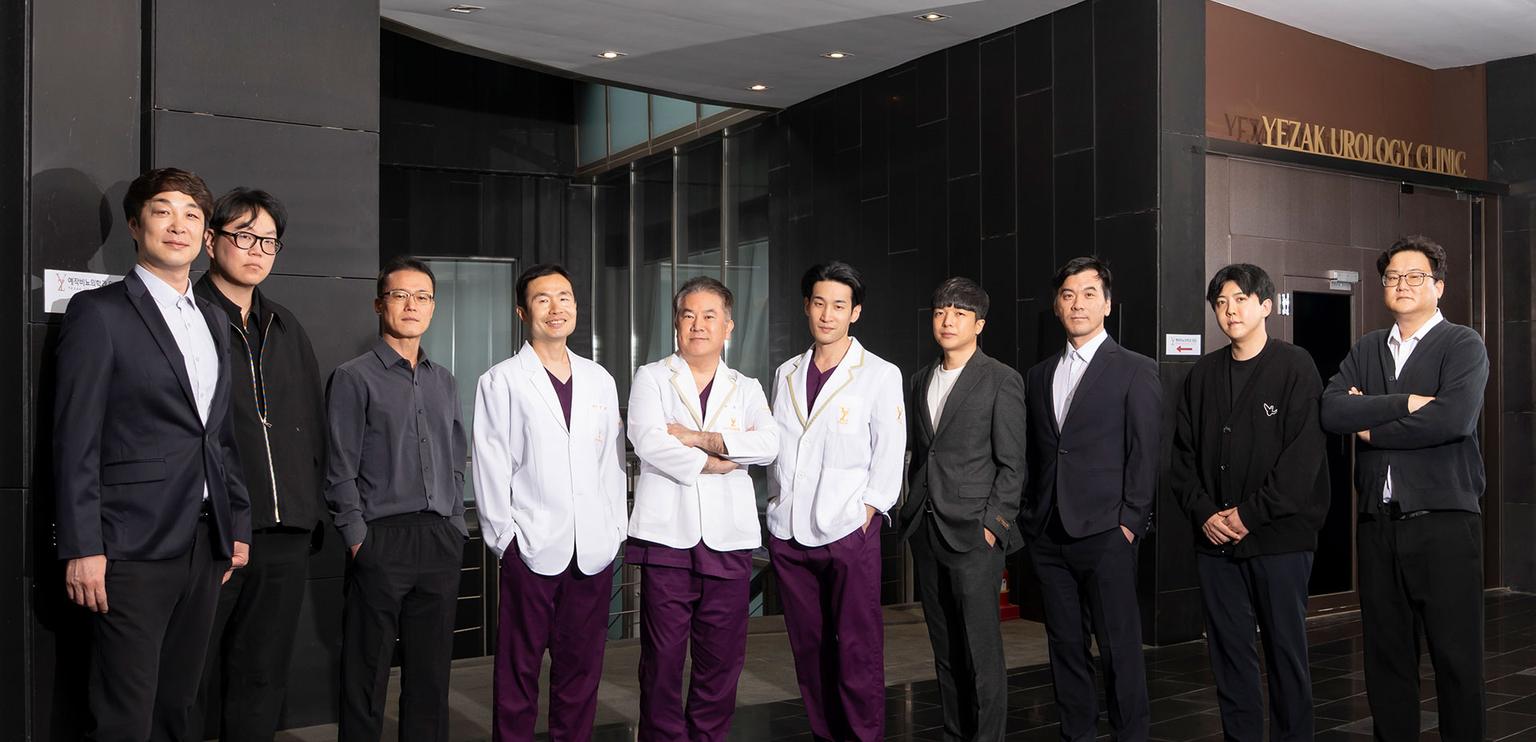
Yezak Urology Korea | Penile Enlargement, ED & Prostate Care in Seoul
Apgujeong
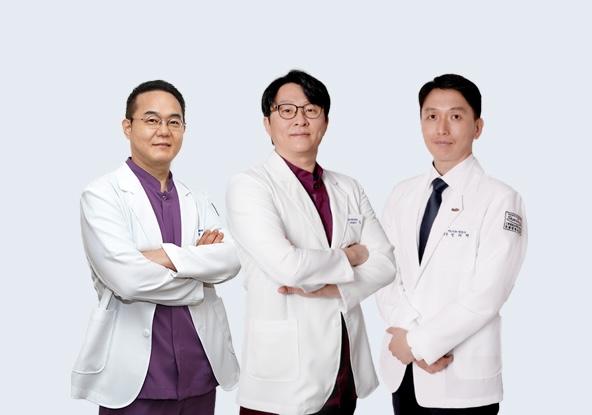
StanTop Urology & Andrology: Korea's Premier Clinic for Advanced Urological and Andrological Treatments
Sinnonhyeon Station
GoldMan Urology Clinic - Incheon, Korea: Expert Urological Treatments, Penile Augmentation & Laser Circumcision Services
Incheon
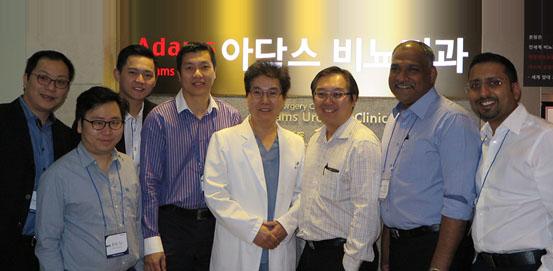
Adams Urology Korea: Advanced Urological Care and Procedures in Samsung for Prostate and Sexual Health
Samsung