
Medical Tourism Blog
Vasectomy in Korea: Procedure, Recovery, Travel Planning, and PVSA Follow-Up
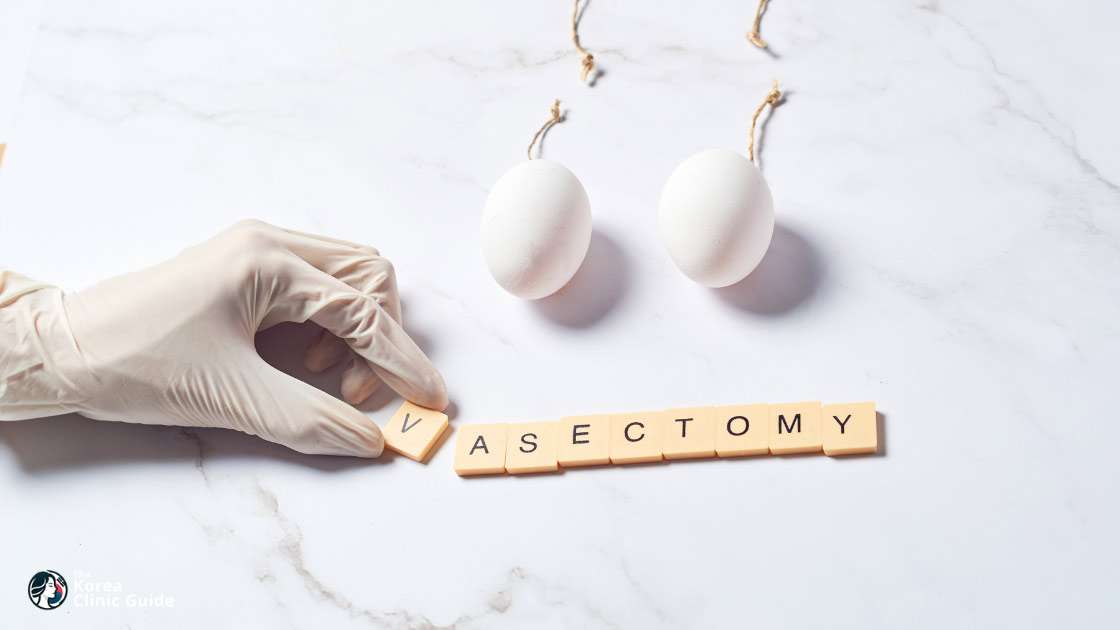
Table of contents
- Vasectomy at a Glance
- What Is a Vasectomy?
- Who Is a Good Candidate for a Vasectomy?
- How Is a Vasectomy Performed?
- Why Visit Korea for a Vasectomy?
- Key Information for International Patients
- Vasectomy From Start to Finish
- Which Are the Best Clinics in Korea for Vasectomy?
- Alternatives to a Vasectomy
- How Can I Prepare for a Vasectomy?
- Aftercare Advice
Considering treatment in Korea? Everything you need to know e.g. — how to avoid scams, visas, interpreters, recovery tips — in our Medical Tourism Master Guide. Plan with confidence in minutes, not weeks!
Last updated: September 2026
Vasectomy at a Glance
- Permanent contraception — Vasectomy is a 15–30 minute outpatient urologic procedure that cuts and blocks the vas deferens so sperm do not enter semen; it is intended to be permanent and usually does not affect testosterone, erections, orgasm, libido, or semen volume.
- Not effective right away — Use condoms or other reliable contraception until a post-vasectomy semen analysis confirms clearance, commonly 8–16 weeks after surgery and often after about 20 ejaculations.
- Short initial recovery — Rest for 24 hours, keep activity light for 48–72 hours, and avoid sex or masturbation for at least 7 days; bruising and swelling may last about a week, while vigorous exercise often waits 1–2 weeks.
- Best candidates — Appropriate candidates are certain they do not want future genetic children, accept that reversal is not a dependable backup, and can complete required semen testing; sperm banking should be arranged before surgery if future fertility matters.
- Korea travel planning — International patients should plan to remain in Korea at least 2–3 days after an uncomplicated local-anesthetic procedure, but must arrange overseas PVSA in writing because the essential clearance test occurs weeks later.
- Korea-specific limitation — Korea’s foreign-patient accreditation framework can indicate interpretation and patient-management systems, but it does not prove superior vasectomy outcomes; confirm the individual urologist’s experience and availability of English operative and PVSA records.
- Risks and technique — Bleeding, hematoma, infection, swelling, temporary pain, and rare procedural failure can occur; no-scalpel access is associated with less bleeding, infection, and pain than conventional incisions, without a demonstrated difference in effectiveness.
What Is a Vasectomy?
Vasectomy is a permanent form of male contraception that blocks the tubes carrying sperm into semen. It helps prevent future pregnancy while usually preserving testosterone, erections, orgasm, sex drive, and semen appearance. It is a minimally invasive outpatient surgical procedure, commonly performed with local anesthesia.
Who Is a Good Candidate for a Vasectomy?
- Certain about permanent contraception — Good candidates have made a voluntary, durable decision not to cause future pregnancy and understand that vasectomy is intended to be permanent.
- Prepared for confirmation testing — Candidates will use condoms or another reliable method until a post-vasectomy semen analysis (PVSA) confirms that sperm clearance meets the treating clinician’s criteria.
- Able to arrange overseas follow-up — International patients need a written plan for a laboratory and clinician at home to collect, interpret, and relay PVSA results to the Korean operating team.
- Suitable for local anesthesia — Most uncomplicated procedures are outpatient treatments under local anesthetic, provided the vas deferens can be examined and safely accessed.
Vasectomy is not appropriate for someone who is uncertain about future genetic parenthood, is deciding under acute stress, or would regard reversal as a dependable backup plan. Reversal and sperm retrieval with IVF are sometimes possible, but neither guarantees fertility; arrange sperm cryopreservation before surgery if preserving that option matters. Active scrotal skin infection, untreated STI, fever, unexplained scrotal or pelvic pain, a testicular mass, or suspected epididymal/testicular inflammation requires urologic assessment before elective surgery. Anticoagulants, antiplatelet drugs, bleeding disorders, difficult-to-palpate vas deferens, major scrotal swelling, and prior scrotal or inguinal surgery require an individualized plan; do not stop prescribed blood thinners without instructions from both the prescriber and surgeon.
How Is a Vasectomy Performed?

The access technique and the method used to block the vas deferens are separate decisions. Ask the urologist which approach they use and how they confirm appropriate PVSA follow-up.
- No-scalpel access — The urologist uses a specialized instrument to create a tiny puncture in the scrotal skin instead of a conventional scalpel incision. A systematic review found less bleeding, hematoma, infection, and pain, plus faster return to sexual activity, than conventional incisional access; contraceptive effectiveness was not shown to differ.
- Conventional incisional access — Small scalpel incisions expose each vas deferens. It remains a valid approach when anatomy, surgeon preference, or the procedural setting makes it appropriate.
- Vas-occlusion technique — After the vas is accessed, it is divided and blocked. Methods include ligation or excision, mucosal cautery, clips, fascial interposition, or combinations of these techniques. Ask whether mucosal cautery and fascial interposition are used where appropriate, and how the practice monitors technical failure.
Why Visit Korea for a Vasectomy?
A vasectomy in Korea can be practical for an international visitor who already plans to be in the country and can secure clear English-language documentation. It is not a procedure that normally requires admission or specialized technology. Current evidence does not show that Korean vasectomy outcomes are superior to those achieved by qualified urologists elsewhere.
- Foreign-patient systems — Korea’s foreign-patient accreditation framework evaluates interpretation and foreign-patient management alongside patient safety, medication management, infection control, and facilities.
- What accreditation does—and does not—show — Accreditation is an institutional-process indicator, not proof of an individual clinician’s vasectomy results. Confirm that the facility is appropriately registered, the operating clinician is a urologist who performs vasectomy, and English operative and PVSA records can be provided.
- Follow-up is the limiting issue — PVSA is essential weeks after surgery, so a short Korea visit only works when the clinic accepts overseas testing and has agreed in writing who orders, interprets, and communicates the result.
- Evidence limitation — No high-quality direct studies identified in this review compare Korean vasectomy effectiveness, complications, or recovery with outcomes in other countries.
Key Information for International Patients
- Minimum stay — Plan to remain in Korea for at least 2–3 days after an uncomplicated local-anesthetic procedure rather than flying out on the same day. This is conservative travel planning, not a universal evidence-based flight rule.
- Flight timing — No authoritative vasectomy-specific source establishes a minimum wait before long-haul travel. The urologist should assess bleeding, swelling, pain control, sedation, clotting risk, journey length, and access to urgent care after arrival.
- PVSA timing — Clearance commonly occurs about 8–16 weeks, or roughly three months, after surgery and often after around 20 ejaculations. Time alone does not prove success; PVSA clearance criteria determine when backup contraception can stop.
- Repeat visit reality — A 2–3 day trip does not cover the clearance window. Without an accepted home-country laboratory and remote review pathway, completing follow-up can require staying roughly 2–4 months or returning to Korea.
- Activity and itinerary — Rest for 24 hours, keep the first 48–72 hours light, and avoid heavy lifting or strenuous activities for at least 48 hours. Delay physically demanding tours, long transfers, cycling, and intense exercise until pain and swelling have settled, often 1–2 weeks.
- Transport and support — Local anesthesia alone does not routinely require a companion, but arrange a short taxi ride and nearby accommodation. An adult escort is necessary after oral anxiolysis, nitrous oxide, IV sedation, or general anesthesia.
Travel note: Before booking, obtain written confirmation of the clinic’s PVSA timing, overseas-laboratory requirements, remote-result process, emergency contact route, and the documents supplied before departure.
Vasectomy From Start to Finish
- Remote inquiry and screening — Ask whether English or virtual consultation is available. Send a full medical history, allergies, prescription and non-prescription medicines, supplements, bleeding or clotting history, chronic genital pain, prior scrotal or inguinal surgery, and reproductive goals. Confirm the clinic’s overseas-PVSA policy before committing to travel.
- Pre-travel planning — Arrange nearby accommodation, flexible travel, scrotal support, and a written plan for PVSA after returning home. Discuss sperm cryopreservation before surgery if future genetic parenthood remains important.
- In-person urology consultation — The urologist reviews permanence, alternatives, risks, backup contraception, PVSA requirements, and anesthetic options. They examine the scrotum and palpate both vas deferens; anatomy or prior surgery can change the setting or technique.
- Testing and consent — Blood or urine tests are not automatic for every patient. The need depends on medical history, examination findings, anticoagulant use, infection concerns, and whether sedation is planned. Consent should cover the risk of failure, hematoma, infection, and persistent pain.
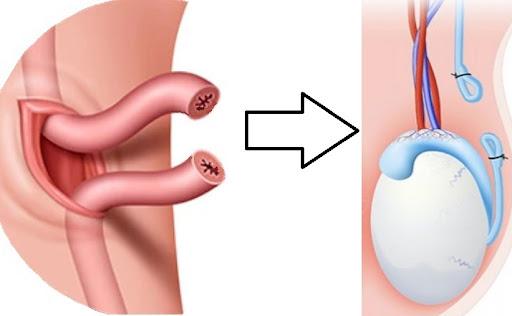
- Anesthesia and vasectomy — Local anesthetic is injected into the scrotal area. Through a puncture or small incision, the urologist isolates each vas deferens, divides it, and occludes it using the planned method. The procedure often takes about 15–30 minutes.
- Same-day discharge — Leave with wound-care instructions, guidance on ice and scrotal support, pain-relief advice, an emergency contact method, and an English operative summary. Use a taxi or short ride to accommodation rather than planning a demanding journey.
- Early recovery in Korea — Rest for the first 24 hours. Bruising, soreness, and swelling can last about a week; desk work is often possible within several days when comfortable. Seek prompt assessment for rapidly enlarging swelling, persistent bleeding, fever, foul drainage, or worsening pain.
- Remote PVSA and clearance — Submit the semen sample at the operating clinician’s specified interval, commonly 8–16 weeks after surgery. Continue contraception until the clinician explicitly confirms clearance, then retain the result and operative record for future medical care.
Which Are the Best Clinics in Korea for Vasectomy?
Listed below are some of the best clinics in Korea for vasectomy.
1. Yezak Urology
You can consider Yezak Urology for permanent contraception if you want a no-scalpel vasectomy performed under local anesthesia. The clinic describes sealing the vas deferens with brief downtime and follow-up semen analysis to confirm the procedure’s success.
- URL: Yezak Urology Website
- Location: Seoul
- Procedure details:
- Vasectomy is offered as permanent contraception through a no-scalpel approach.
- The procedure is performed under local anesthesia.
- Follow-up semen analysis is used to confirm success after the procedure.
- Related care:
- The clinic also provides circumcision, confidential STD testing and treatment, erectile-dysfunction care, and male health checkups.
- Its men’s health services are delivered by a multi-specialist team.
2. Stantop Urology & Andrology
You may consider Stantop Urology & Andrology if you are seeking permanent male contraception at a clinic that lists vasectomy among its dedicated male-health services. Its vasectomy description involves cutting or sealing the vas deferens, and the clinic emphasizes private consultation and treatment spaces.
- URL: Stantop Urology & Andrology Website
- Location: Seoul
- Procedure details:
- Vasectomy is presented as a permanent form of male contraception.
- The procedure involves cutting or sealing the vas deferens.
- Privacy and clinic experience:
- Separate consultation and treatment rooms for men and women are provided to support comfort and privacy.
- The clinic states that it has conducted more than 100,000 consultations and 40,000 surgeries.
- It is described as KBS recognized.
- Related urology services:
- Available male-health services include STD check-ups, circumcision, and removal of foreign substances from penile tissue.
- Prostate services include one-day check-ups, BPH treatment, and prostatitis diagnosis and treatment.
3. Gamdong Urology Clinic
If you are considering vasectomy, the supplied clinic information does not confirm that Gamdong Urology Clinic offers this procedure, so you would need to verify vasectomy availability directly. The documented services instead focus on men’s urology care, including non-invasive shockwave therapy for erectile dysfunction and UroLift treatment for benign prostatic hyperplasia.
- URL: Gamdong Urology Clinic Website
- Location: Seoul
Alternatives to a Vasectomy
The key tradeoff is permanence versus reversibility. Vasectomy is generally less invasive than female permanent contraception, but condoms and partner-directed methods remain preferable when STI prevention, future fertility flexibility, or uncertainty is important.
External Condoms
- STI protection — Condoms are the only listed option that also reduces transmission risk for HIV and other STIs.
- Tradeoff — They are immediately reversible but require correct use with every act of intercourse.
Contraceptive Implant
- Long-acting reversible option — A partner can consider a contraceptive implant, subject to their individual preferences and medical suitability.
- Tradeoff — It avoids permanent male sterilization but places the treatment and potential hormonal effects on the partner.
Hormonal IUD
- Long-acting reversible option — A partner may consider a hormonal IUD if it suits their gynecologic history and contraceptive preferences.
- Tradeoff — It is reversible and highly effective but requires uterine placement and follow-up rather than a male outpatient procedure.
Female Permanent Contraception
- Tubal sterilization or salpingectomy — These are options for a partner who independently wants permanent contraception.
- Tradeoff — They are generally more invasive than vasectomy and require the partner’s separate informed decision.
Delaying Permanent Contraception
- When uncertain — Postpone surgery when relationship circumstances, family plans, or desire for possible genetic children are unsettled.
- Fertility preservation — Arrange sperm cryopreservation before a future vasectomy when retaining reproductive options is important.
How Can I Prepare for a Vasectomy?
- Disclose medicines early — List anticoagulants, antiplatelet drugs, aspirin, NSAIDs, hormones, vitamins, bodybuilding products, and herbal supplements during pre-screening. The surgeon and prescribing clinician must approve every medication change; do not independently stop blood-thinning treatment.
- Report relevant history — Tell the urologist about bleeding disorders, medication allergies, prior scrotal or inguinal surgery, trauma, chronic testicular or pelvic pain, infections, and difficulty with anesthesia or sedation.
- Resolve infection first — Report fever, genital sores, rash, urinary symptoms, scrotal skin infection, or STI exposure before travel. Elective vasectomy should wait until active infection or unexplained symptoms have been assessed and treated.
- Follow eating instructions — Local-anesthetic-only treatment commonly does not require fasting. Sedation or general anesthesia changes fasting rules and requires an adult escort, so follow the clinic’s exact instructions.
- Prepare the treatment area — Shower and follow the facility’s directions on hair trimming or shaving. Do not use a razor or depilatory product unless the clinic specifically instructs it, as skin irritation can complicate surgery.
- Avoid intoxication — Do not drink alcohol, use recreational drugs, or arrive intoxicated on procedure day. Disclose nicotine, vaping, cannabis, and other substance use.
- Pack practical clothing — Bring snug briefs or an athletic supporter and loose outer clothing. Scrotal support reduces pulling and improves comfort during the first days.
- Plan transport and accommodation — Stay nearby, avoid a same-day departure, and leave the schedule clear for rest. Book flexible flights because clearance to travel depends on pain, swelling, bleeding, sedation, and individual clotting risk.
Travel note: Obtain an English operative note, discharge instructions, emergency contact details, and a written overseas-PVSA agreement before leaving Korea.
Confirm the treating doctor’s clinic-specific preparation requirements, which take precedence over this general guidance.
Aftercare Advice
Protect the scrotum, keep activity low early on, and do not treat vasectomy as effective until PVSA confirms clearance.
- Rest and support — Rest for the first 24 hours, wear snug briefs or an athletic supporter, and use wrapped ice intermittently during the first 24–72 hours for discomfort and swelling.
- Work and exercise — Resume light daily activity after 48–72 hours if comfortable. Avoid heavy lifting and strenuous exercise for at least 48 hours; return to vigorous training only after pain and swelling settle, often around 1–2 weeks. Physical work can require more time than desk work.
- Sex and contraception — Avoid sex and masturbation for at least 7 days. Continue condoms or the partner’s established contraception until the clinician has reviewed PVSA and explicitly confirmed clearance.
- Wound care — Keep the puncture or incision area clean and follow the supplied dressing and bathing instructions. Do not apply unapproved creams or ointments to the area.
- Warning signs — Contact the treating team or seek urgent care for fever of 38°C/100.4°F or higher, spreading redness, foul drainage, persistent bleeding, rapidly enlarging swelling, severe or worsening pain, inability to urinate, or symptoms that fail to improve.
- Longer-term pain — Bruising, temporary pain, blood in semen, swelling, epididymal congestion, sperm granuloma, hematoma, and infection can occur. Persistent pain deserves assessment: published chronic-pain estimates differ substantially because studies use inconsistent definitions and follow-up periods, so no single percentage applies to every patient.
- Meaningful final result — There is no cosmetic endpoint. The outcome that matters is PVSA-confirmed vas occlusion, commonly assessed 8–16 weeks after surgery.
Follow the treating doctor’s instructions over general advice, and contact the clinic promptly when anything appears wrong.
Frequently Asked Questions
Related Blogs
Testosterone Injection in Korea: Eligibility, Monitoring, Travel Planning and Aftercare
Testosterone injections in Korea require confirmed indications, safety assessment, product verification, and a plan for home-country monitoring. Learn about SC and IM options, travel timing, documentation, customs rules, aftercare, and warning signs.
Updated: Sep 28, 2026
Silicone penile implant in Korea: device types, recovery, risks and travel planning
Silicone penile implants are permanent surgical options for adults with treatment-refractory organic ED, with malleable rods providing manually positioned rigidity and inflatable devices offering a deflatable resting state. International patients considering surgery in Korea should verify the exact device and follow-up plan, plan 10–14 days for recovery, and obtain surgeon clearance before flying.
Updated: Sep 21, 2026
UroLift in Korea: Candidacy, Recovery, Travel Planning, and Alternatives
UroLift uses permanent implants placed through the urethra to retract obstructing BPH tissue without removing or thermally destroying the prostate. The article covers eligibility assessment, anesthesia and recovery planning, Korea travel considerations, aftercare, warning signs, follow-up records, and alternatives.
Updated: Sep 17, 2026
Penis Fat Transfer in Korea: Girth Enhancement, Recovery, Risks, and Travel Planning
Penis fat transfer uses liposuction-harvested fat, commonly from the lower abdomen, injected in small layers around the shaft to pursue modest girth enhancement rather than length gain. The article covers candidacy, Korea travel planning, recovery restrictions, follow-up, risks, and alternatives including hyaluronic-acid filler and traction.
Updated: Sep 17, 2026
Clinics offering Vasectomy
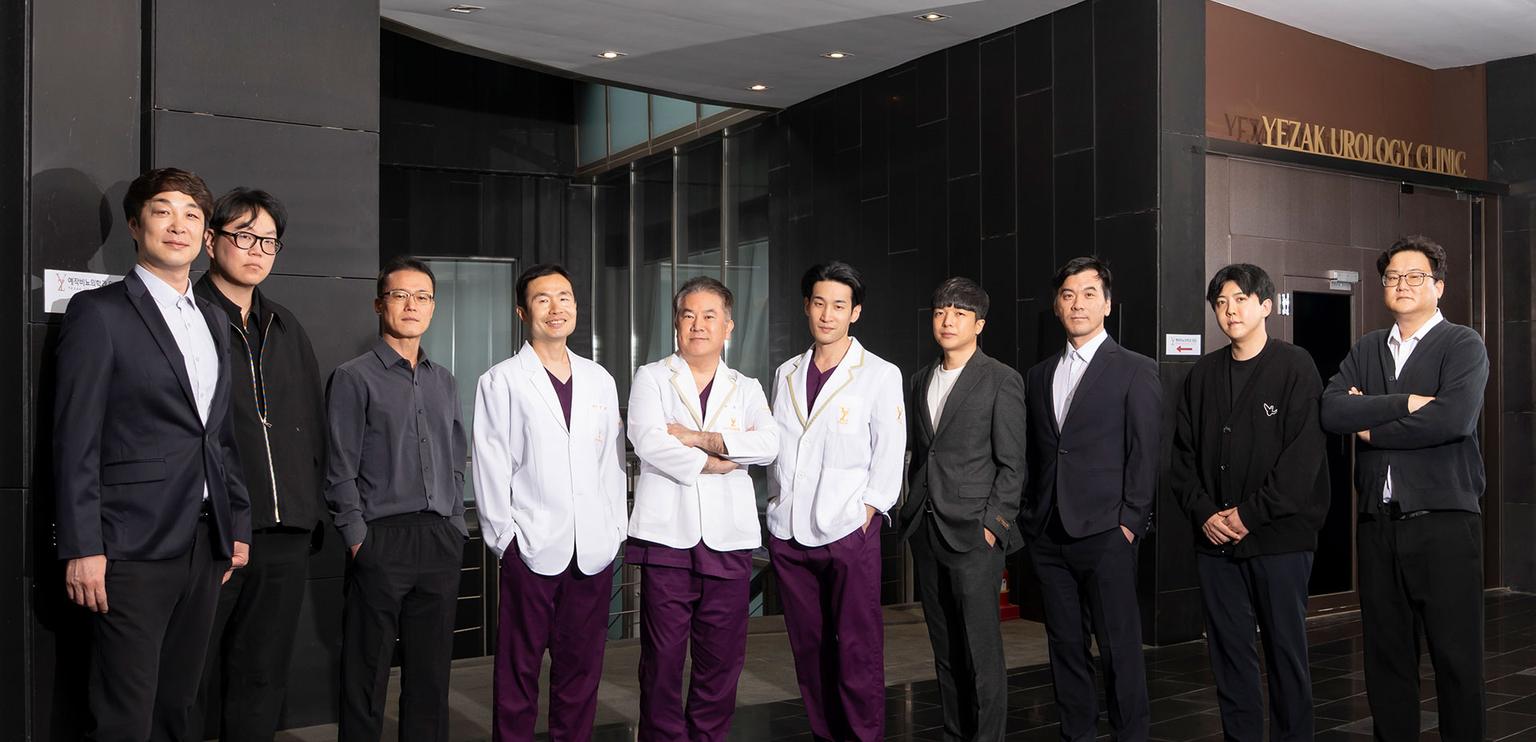
Yezak Urology Korea | Penile Enlargement, ED & Prostate Care in Seoul
Apgujeong

StanTop Urology & Andrology: Korea's Premier Clinic for Advanced Urological and Andrological Treatments
Sinnonhyeon Station
GoldMan Urology Clinic - Incheon, Korea: Expert Urological Treatments, Penile Augmentation & Laser Circumcision Services
Incheon
Adams Urology Korea: Advanced Urological Care and Procedures in Samsung for Prostate and Sexual Health
Samsung