
Medical Tourism Blog
Pubic Fat Pad Removal in Korea: Methods, Recovery, Risks and Travel Planning
Table of contents
- Pubic Fat Pad Removal at a Glance
- What Is Pubic Fat Pad Removal?
- Who Is a Good Candidate for Pubic Fat Pad Removal?
- How Is Pubic Fat Pad Removal Performed?
- Why Visit Korea for Pubic Fat Pad Removal?
- Key Information for International Patients
- Which Are the Best Clinics in Korea for Pubic Fat Pad Removal?
- Pubic Fat Pad Removal From Start to Finish
- Alternatives to Pubic Fat Pad Removal
- How Can I Prepare for Pubic Fat Pad Removal?
- Aftercare Advice
Considering treatment in Korea? Everything you need to know e.g. — how to avoid scams, visas, interpreters, recovery tips — in our Medical Tourism Master Guide. Plan with confidence in minutes, not weeks!
Last updated: August 2026
Pubic Fat Pad Removal at a Glance
- Not one standard operation — Pubic fat pad removal is tailored to the anatomy: liposuction removes localized mons fat through small incisions, while monsplasty (pubic lift) removes loose skin and fat and can elevate descended tissue; many patients with both concerns need a combined approach.
- Candidacy depends on skin quality — Best candidates are at a stable weight, medically fit for anesthesia and healing, and have either localized fatty fullness with elastic skin or loose, hanging mons tissue. Liposuction is contouring, not obesity treatment, and it cannot remove redundant skin.
- Recovery requires downtime — After excisional monsplasty, bruising and swelling commonly improve in 1–2 weeks, desk work may be feasible around 2 weeks, and strenuous activity is commonly restricted for 4–6 weeks. Liposuction has a shorter early recovery, but final contour refinement can take months.
- Scars and wound risks matter — Excisional surgery leaves a permanent lower-pubic scar and may require a drain; potential complications include bleeding, infection, fluid collection, delayed healing, wound separation, sensory changes, asymmetry, contour irregularity, and revision surgery.
- Allow 10–14 days in Korea — International patients should plan at least 10–14 days in Korea after standalone excisional or combined mons surgery for postoperative wound, drain, or suture review. Do not set an early long-haul return flight; the operating surgeon must clear travel after an in-person assessment.
- Verify the plan, not marketing — Korea’s foreign-patient registration framework and hospital accreditation can help verify clinic processes, but neither proves surgeon-specific expertise or superior mons reduction results. Request an English written plan specifying technique, scar location, anesthesia, drain care, and 24-hour postoperative contact.
What Is Pubic Fat Pad Removal?
Pubic fat pad removal is a body-contouring procedure that reduces excess fat and, when needed, loose skin over the pubic mound. It aims to create a flatter, better-supported contour and can improve clothing fit, hygiene, genital visibility, or comfort when excess tissue causes these concerns. It is surgical, using liposuction, tissue excision, or both.
Who Is a Good Candidate for Pubic Fat Pad Removal?
- Localized fatty fullness — Good candidates have a prominent mons pubis caused mainly by subcutaneous fat, stable weight, and skin with enough elasticity for mons pubis liposuction to retract reasonably.
- Loose or descended tissue — Excisional monsplasty, also called a pubic lift, is more relevant when loose skin and fat hang over the genital area, obscure anatomy, or affect clothing fit, hygiene, rashes, urination, or sexual comfort.
- Combined contour concern — Patients with both excess fat and ptosis (tissue descent) often need liposuction plus skin excision or suspension; suction alone does not remove redundant skin.
- Post-weight-loss or abdominal laxity — A lower-abdominal overhang, major weight loss, or prior abdominal surgery can make tummy tuck, panniculectomy, or body-contouring assessment more appropriate than isolated mons treatment.
- Realistic surgical goals — Mons reduction reshapes the pubic mound. It does not alter the labia, vagina, penis, erectile function, or pelvic-floor disorders unless a separate indicated procedure is performed.
Adults who are medically fit for anesthesia and wound healing are the usual candidates. Defer elective surgery during pregnancy, active skin, urinary, genital, or systemic infection, fever, or an unhealed wound; postpone contour surgery when substantial planned weight loss could recreate laxity. Uncontrolled diabetes, significant heart or lung disease, poorly controlled hypertension, severe obstructive sleep apnea, malnutrition, bleeding disorders, and current nicotine exposure require optimization and can make outpatient surgery inappropriate. Anticoagulants and antiplatelet medicines require a prescriber-directed plan, while liposuction is localized contouring rather than obesity treatment, as clinical guidance on monsplasty explains.
How Is Pubic Fat Pad Removal Performed?
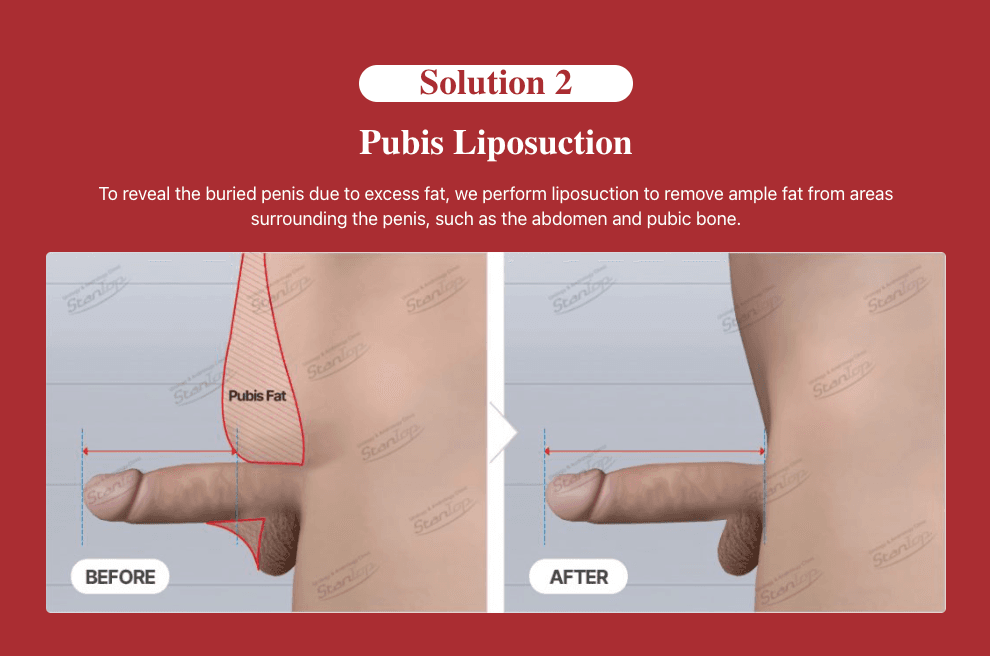
“Pubic fat pad removal” is not one standardized operation. The surgeon selects the method after distinguishing excess fat from loose skin, lower-abdominal overhang, scar tethering, hernia, genital swelling, and weight-related tissue descent.
- Mons pubis liposuction — Tumescent fluid is placed through small incisions, then suction-assisted liposuction removes localized subcutaneous fat. This suits dominant fat fullness with reasonably elastic skin; it can leave loose skin more visible when ptosis is significant.
- Excisional monsplasty or pubic lift — The surgeon removes excess lower-pubic skin and fat through an incision, then reshapes and, when needed, elevates or suspends the mons. This directly addresses redundant or descended tissue but creates a longer incision and permanent scar.
- Combined liposuction and lift — Liposuction reduces bulk while excision and suspension address lax skin and descent. This is often the logical approach when both problems are present, with recovery determined by the excision and any combined abdominal surgery.
- Combined abdominal contouring — Mons correction can be performed with abdominal liposuction, tummy tuck, or panniculectomy when the abdomen contributes to the overhang. A combined operation has a larger recovery and clot-risk assessment than a mons-only procedure.
Why Visit Korea for Pubic Fat Pad Removal?
Korea has established systems for receiving foreign patients, including government-recognized medical institutions and hospital accreditation information. These systems can help with coordination, but they do not prove better mons reduction outcomes than in another country. No credible procedure-specific comparative evidence shows that Korea produces superior monsplasty or mons-liposuction results.
- Foreign-patient infrastructure — Korea maintains a registration framework for medical institutions serving international patients, which can be a practical starting point when checking whether a provider is authorized to treat overseas visitors.
- Accreditation checks — The Korea Healthcare Accreditation Facility hospital list offers one process-level credential to verify. Accreditation is not evidence of a surgeon’s monsplasty volume, complication rate, or aesthetic results.
- Written operative plan — For this procedure, the meaningful advantage is not marketing terminology but a clinic’s ability to provide an English-language plan stating whether it proposes liposuction, excision, suspension, or a combination; the scar position; anesthesia provider; drain plan; and postoperative contact arrangements.
- Evidence limits — A directly relevant prospective series included only 25 patients at three months, with an accompanying 80-patient retrospective cohort; it reported improved patient-reported outcomes but did not randomly compare techniques. Read the published monsplasty study as encouraging but limited evidence, not a guarantee of outcome.
Key Information for International Patients
- Minimum stay — Plan at least 10–14 days in South Korea for standalone excisional mons reduction or combined liposuction and excision. This allows examination, surgery, immediate recovery, and a wound, drain, or suture review before a long-haul flight.
- Combined surgery — Abdominoplasty, panniculectomy, or body-lift patients commonly need at least two weeks or longer. The appropriate stay depends on wound progress, drains, procedure extent, mobility, and personal venous-thromboembolism risk.
- Flight timing — Do not book a fixed early return flight. Clearance for long-haul travel must come from the operating surgeon after in-person review; recent surgery and prolonged travel complicate clot prevention and access to care, as professional travel-for-surgery guidance emphasizes.
- Itinerary impact — Expect soreness, bruising, swelling, compression, and restricted walking pace in the first days. Excisional surgery commonly restricts strenuous activity for 4–6 weeks; desk work can be possible at about two weeks when healing is uncomplicated.
- Follow-up plan — Obtain a named 24-hour contact, English discharge instructions, written wound and drain instructions, the date of the final in-person review, and a plan for local assessment after returning home. Remote messaging cannot replace examination of a suspected hematoma, infection, wound separation, or clot.
Travel note: Choose accommodation close to the clinic, arrange a responsible adult for the first night after sedation or general anesthesia, and keep enough flexibility to extend your stay if a drain, wound issue, or flight restriction requires it.
Which Are the Best Clinics in Korea for Pubic Fat Pad Removal?
Listed below are some of the best clinics in Korea for pubic fat pad removal.
1. Yezak Urology
If your goal with pubic fat pad removal is to improve visible penile proportion and overall genital contour, you may consider Yezak Urology because it is a men’s health center in Apgujeong focused on male enhancement and genital procedures, with a multi-specialist team, advanced safety systems, and more than 20 years of experience in this area of practice.
- URL: Yezak Urology Website
- Location: Seoul
- Procedure fit:
- The clinic’s documented focus includes penile enlargement, penile lengthening surgery, glans enlargement, and genital plastic surgery.
- Their penile lengthening approach includes suspensory ligament release with skin advancement, aimed at increasing visible flaccid length and improving proportion.
- Their genital plastic surgery scope includes corrective and aesthetic work such as frenuloplasty, scrotoplasty, and scar revision.
- Lead surgeon:
- The clinic states it is led by a urology specialist who developed the 5-Point Fixed Permanent Penile Lengthening Surgery.
- That background may be relevant if your concern about the pubic area overlaps with visible length and genital balance rather than fat reduction alone.
- Related treatments and services:
- Penile enlargement is offered with autologous fat grafting or biocompatible fillers, with attention to preserving sensation and erectile function.
- Premature ejaculation care includes topical therapy, behavioral training, glans augmentation, and nerve-modulating procedures after evaluation.
- The clinic also provides erectile dysfunction care, circumcision, vasectomy, STD diagnosis and treatment, and men’s health checkups.
- Additional notes:
- The available context emphasizes specialized surgical and non-surgical men’s health care rather than a standalone description of pubic fat pad removal.
- If you are comparing clinics for this procedure, you would likely want to confirm whether they perform pubic fat pad reduction directly or combine it with other enhancement procedures.
2. Stantop Urology & Andrology
If you are considering pubic fat pad removal because you want a less buried appearance and better genital proportion, Stantop Urology & Andrology may be worth considering as a specialized urology-and-andrology clinic that handles intimate male procedures, offers privacy-focused facilities, and has extensive experience in penile enlargement and lengthening work that often overlaps with the same cosmetic and functional concerns.
- URL: Stantop Urology & Andrology Website
- Location: Seoul
- What you can expect:
- The clinic provides separate consultation and treatment rooms for men and women to support comfort and privacy.
- Its services are centered on urological and andrological care, so you can expect evaluation in a clinic already focused on male genital and sexual health concerns.
- The available context also describes VIP-style personalized care with tailored treatment planning.
- Related procedures:
- Penile enlargement is offered through injectable fillers or surgical methods.
- Glans enlargement is available for size and appearance enhancement.
- Penile lengthening is listed among the clinic’s core services.
- Premature ejaculation treatment includes medication, behavioral techniques, and sometimes surgical intervention.
- Broader men’s health services:
- The clinic also treats erectile dysfunction with options including inflatable implants, malleable implants, stem cell therapy, and shockwave therapy.
- Additional services include STD check-ups, circumcision, vasectomy, and vaseline removal from penile tissue.
- Prostate care includes one-day check-ups, BPH treatment, and prostatitis management.
- Experience notes:
- The clinic states it is KBS recognized.
- It also reports more than 100,000 patient consultations and 40,000 surgeries performed.
- The provided context does not specifically describe pubic fat pad removal itself, so you would want to confirm whether it is offered as a standalone procedure or discussed alongside lengthening and contour-related goals.
3. Highst Urology Clinic
If you are looking into pubic fat pad removal, the available information on Highst Urology Clinic only confirms that it is a urology-focused clinic in Nonhyeon offering evaluation and treatment for urinary and male reproductive health, so you may want to verify directly whether this specific procedure is offered and how the clinic approaches it before making a decision.
- URL: Highst Urology Clinic Website
- Location: 14, 15F, 655 Seolleung-ro, Gangnam-gu, Seoul, Republic of Korea
- What is confirmed:
- The clinic is described as Highst Urology Clinic in Nonhyeon.
- Its confirmed focus is urology-based evaluation and treatment for urinary and male reproductive health.
- What is not provided in the current context:
- The available context does not include a procedure list for the clinic.
- It does not confirm whether pubic fat pad removal is offered.
- It also does not identify a lead surgeon, technique, anesthesia plan, or recovery details for this procedure.
Pubic Fat Pad Removal From Start to Finish
- Remote inquiry and consultation — Send relevant medical history, weight history, prior abdominal or pelvic surgery details, medication list, nicotine status, and clear photographs only through the clinic’s secure channel. Confirm whether an English-speaking coordinator and virtual surgeon consultation are available.
- Written surgical proposal — Ask the surgeon to specify whether the recommendation is mons liposuction, excisional monsplasty, or a combined lift; whether skin laxity will remain after suction; anticipated scar location; anesthesia; possible drain; compression garment; recovery stay; and total follow-up plan.
- In-person assessment in Korea — The surgeon examines fat distribution, skin recoil, tissue descent, abdominal overhang, scars, and any concern requiring a different assessment, such as hernia or genital swelling. The team reviews medical conditions, allergies, anesthesia history, clotting history, and medicines.
- Preoperative clearance — Testing and medical review depend on age, health conditions, anesthesia plan, and surgery extent. The operating team coordinates any required medication adjustments with the relevant prescriber; do not independently stop warfarin, enoxaparin, clopidogrel, aspirin, diabetes medicines, or other essential treatment.
- Anesthesia and marking — The surgeon marks the contour while standing. Mons-only surgery can use local anesthesia with sedation or general anesthesia depending on the extent and patient factors; a combined abdominal operation generally requires a more extensive anesthesia plan.
- Surgical treatment — For liposuction, tumescent fluid is infiltrated and a cannula removes fat through small incisions. For monsplasty, the surgeon removes planned skin and fat through a lower-pubic incision and reshapes or suspends the mound; combined treatment uses both steps.
- Immediate recovery and discharge — Dressings and compression are applied. Excisional surgery can involve a drain. After anesthesia monitoring, discharge occurs only when pain, nausea, mobility, urination, and escort arrangements are acceptable for the procedure setting.
- Korea-based postoperative reviews — Attend scheduled wound, drain, and suture reviews before leaving the country. Report increasing swelling, bleeding, drainage, fever, urinary difficulty, or worsening pain promptly rather than waiting for the planned visit.
- Overseas follow-up — Share recovery photographs only as instructed and attend remote reviews after return. Seek urgent in-person care locally for concerning symptoms; distance follow-up is supportive, not a substitute for emergency assessment.
Alternatives to Pubic Fat Pad Removal
The right alternative depends on whether the problem is isolated fat, redundant skin, lower-abdominal overhang, or a broader body-contouring concern. Non-surgical options do not substitute for surgery when substantial pubic ptosis or loose skin is present.
Monsplasty
- Best for — Loose, hanging, or descended mons tissue, especially when genital visibility, hygiene, or clothing fit is affected.
- Tradeoff — A pubic lift removes skin and can elevate the mound, but it leaves a permanent scar and has a longer wound-healing period than liposuction alone.
- Learn more — See monsplasty.
Abdominal Liposuction
- Best for — Patients whose lower-abdominal fat contributes to the visual prominence of the mons and whose skin quality remains suitable for suction.
- Tradeoff — It reduces localized abdominal fat but does not remove a lower-abdominal skin overhang or correct substantial mons skin laxity.
- Learn more — See abdominal liposuction.
Tummy Tuck or Panniculectomy
- Best for — A lower-abdominal apron, major post-weight-loss laxity, or tissue descent affecting both the abdomen and mons.
- Tradeoff — These are larger operations with longer recovery, more extensive scars, and greater travel-planning demands, but can address the structural cause that isolated mons suction cannot.
- Learn more — See tummy tuck and panniculectomy.
Non-Surgical Contouring
- Best for — There is no established equivalent non-surgical replacement for substantial mons fullness with loose skin or ptosis.
- Tradeoff — FDA information on noninvasive contouring notes that these treatments do not remove tissue and results can be temporary; device clearances commonly concern other anatomical sites. Deoxycholic acid injection is FDA-approved in the United States only for adult submental fat, not pubic-mound fat.
How Can I Prepare for Pubic Fat Pad Removal?
- Medication and supplement review — Disclose every prescription medicine, over-the-counter pain reliever, vitamin, herbal supplement, injectable weight-loss or diabetes medicine, and recreational substance well before surgery. The surgeon and prescribing clinician must direct any pause or substitution for anticoagulants, antiplatelets, diabetes medicines, and other essential drugs.
- Nicotine cessation — Stop cigarettes, vaping, nicotine pouches, patches, and gum for the interval set by the operating surgeon. Nicotine impairs wound healing; request nicotine-testing requirements in writing if the clinic uses them.
- Weight stability and illness — Arrive at a stable weight and report fever, rashes, urinary symptoms, genital lesions, skin infection, or open wounds immediately. Elective surgery should be delayed until an active infection or wound is assessed and treated.
- Fasting and alcohol — Follow the anesthesia team’s exact fasting instructions for food, liquids, alcohol, and morning medicines. Do not use a generic fasting schedule in place of clinic instructions, particularly with diabetes or medications that affect gastric emptying.
- Travel and accommodation — Schedule flexible flights, stay close to the clinic, and arrange an escort after sedation or general anesthesia. Bring loose, non-rubbing underwear and clothing that accommodates compression and dressings.
- Records and consent — Bring previous operative reports when available, a list of allergies, relevant test results, and emergency contact details. Ask for an English copy of consent forms, drain instructions, compression requirements, and the post-return care plan before surgery.
Travel note: Do not plan sightseeing, shopping-heavy days, or an early long-haul flight around surgery. Reserve the final days in Korea for surgeon-directed review and possible changes to drain or wound care.
Confirm clinic-specific requirements with the treating surgeon and anesthesia team; their individualized instructions take precedence over general preparation advice.
Aftercare Advice
Protect the incision, control swelling as instructed, and treat new or worsening symptoms as a reason to contact the surgical team promptly.
- Compression and dressings — Wear the prescribed compression garment and keep dressings, incision care, and drain care exactly as instructed. Do not remove, strip, clamp, or manage a drain differently without the clinic’s direction.
- Walking and activity — Take short, gentle walks once cleared to support circulation, but avoid strenuous exercise, heavy lifting, cycling, friction, and pressure on the area for the surgeon’s specified period. Excisional monsplasty commonly limits strenuous activity for 4–6 weeks.
- Bathing and sexual activity — Keep the incision dry or bathe only as directed. Avoid sexual activity until the incision is fully closed and the surgeon clears it; timing depends on incision length, wound healing, and combined procedures.
- Swelling and results — Bruising and swelling commonly improve over 1–2 weeks after excisional surgery, although scar maturation takes longer. Mons-only liposuction has a shorter early recovery, but swelling can persist for weeks and contour refinement takes months.
- Urgent warning signs — Seek urgent local assessment for rapidly increasing or one-sided swelling, persistent bleeding, worsening pain, spreading redness, pus-like or foul drainage, wound opening, fever, inability to urinate, calf pain or swelling, chest pain, fainting, shortness of breath, or coughing blood.
- Follow-up and scars — Attend all scheduled wound, drain, and suture reviews before travel, then complete remote follow-up after returning home. Use scar treatment or sun-protection measures only after the incision has healed and the surgeon approves them.
Follow the treating doctor’s written instructions over general guidance, and contact the clinic immediately when healing appears different from the plan.
Frequently Asked Questions
Related Blogs
Testosterone Injection in Korea: Eligibility, Monitoring, Travel Planning and Aftercare
Testosterone injections in Korea require confirmed indications, safety assessment, product verification, and a plan for home-country monitoring. Learn about SC and IM options, travel timing, documentation, customs rules, aftercare, and warning signs.
Updated: Sep 28, 2026
Silicone penile implant in Korea: device types, recovery, risks and travel planning
Silicone penile implants are permanent surgical options for adults with treatment-refractory organic ED, with malleable rods providing manually positioned rigidity and inflatable devices offering a deflatable resting state. International patients considering surgery in Korea should verify the exact device and follow-up plan, plan 10–14 days for recovery, and obtain surgeon clearance before flying.
Updated: Sep 21, 2026
UroLift in Korea: Candidacy, Recovery, Travel Planning, and Alternatives
UroLift uses permanent implants placed through the urethra to retract obstructing BPH tissue without removing or thermally destroying the prostate. The article covers eligibility assessment, anesthesia and recovery planning, Korea travel considerations, aftercare, warning signs, follow-up records, and alternatives.
Updated: Sep 17, 2026
Penis Fat Transfer in Korea: Girth Enhancement, Recovery, Risks, and Travel Planning
Penis fat transfer uses liposuction-harvested fat, commonly from the lower abdomen, injected in small layers around the shaft to pursue modest girth enhancement rather than length gain. The article covers candidacy, Korea travel planning, recovery restrictions, follow-up, risks, and alternatives including hyaluronic-acid filler and traction.
Updated: Sep 17, 2026
Clinics offering Pubic Fat Pad Removal
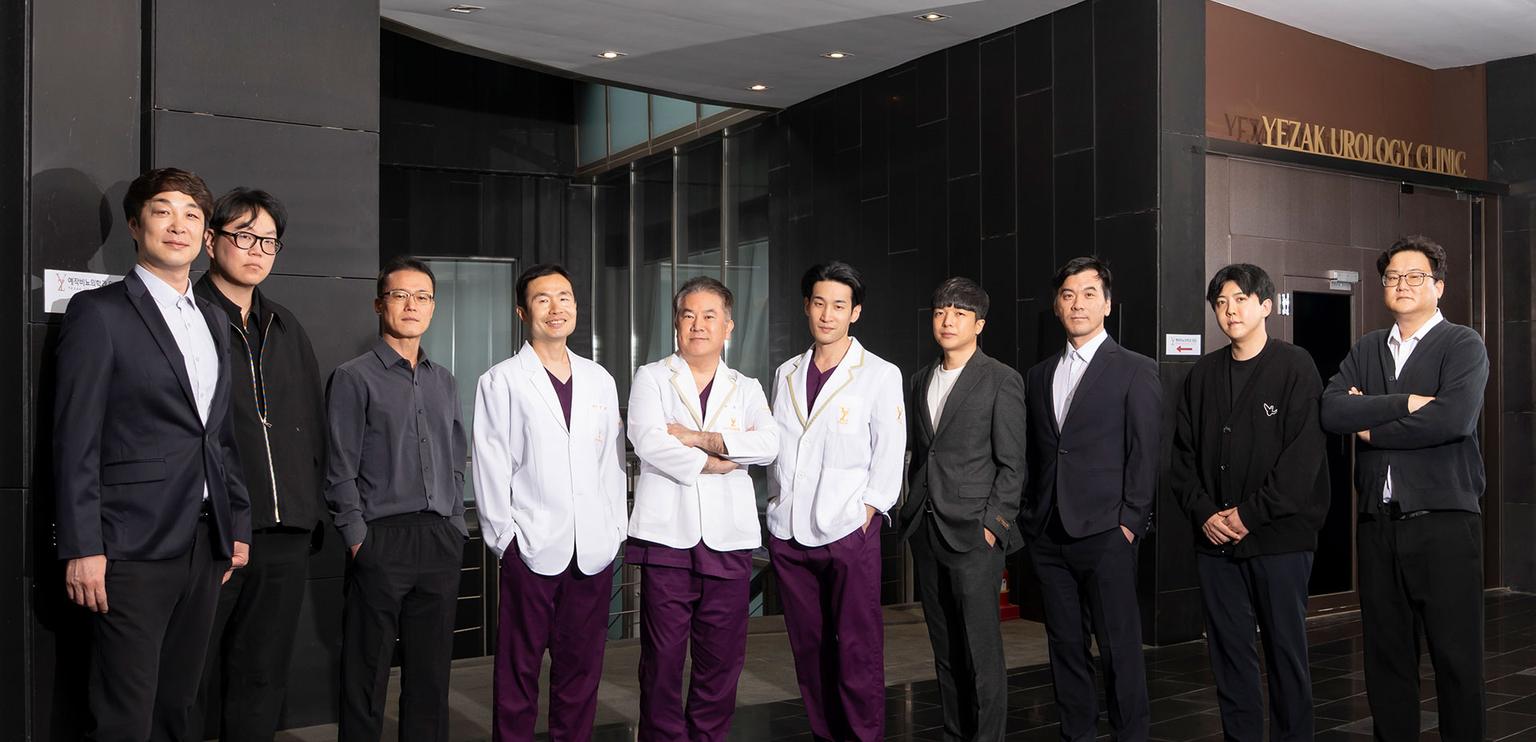
Yezak Urology Korea | Penile Enlargement, ED & Prostate Care in Seoul
Apgujeong

StanTop Urology & Andrology: Korea's Premier Clinic for Advanced Urological and Andrological Treatments
Sinnonhyeon Station
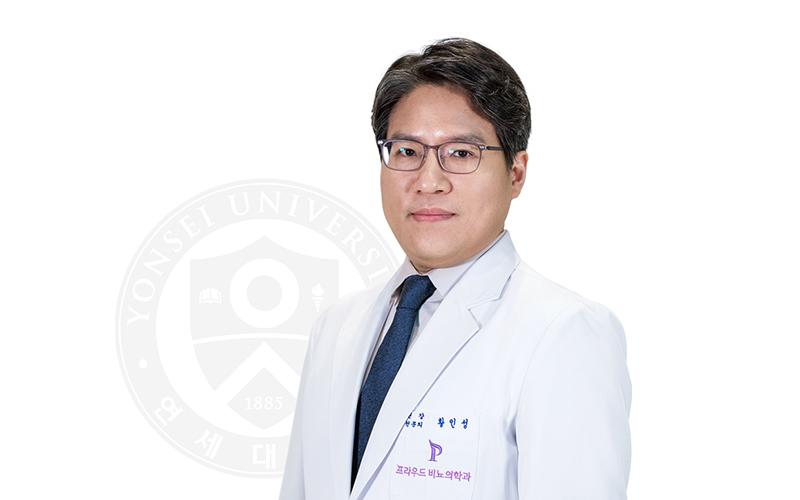
Proud Urology Clinic: Leading Provider of Men Enhancement and Body Sculpting Services in Korea
Nonhyeon

Highst Urology Clinic Korea | Urology Evaluation & Treatment for Urinary and Male Reproductive Health in Nonhyeon
Nonhyeon