
Medical Tourism Blog
PE (Premature Ejaculation) in Korea: Assessment, Treatment Options, Safety and Travel Planning

Table of contents
- PE (Premature Ejaculation) at a Glance
- What Is Premature Ejaculation (PE) Treatment?
- Who Is a Good Candidate for Premature Ejaculation (PE) Treatment?
- How Is Premature Ejaculation (PE) Treatment Performed?
- Why Visit Korea for Premature Ejaculation (PE) Treatment?
- Key Information for International Patients
- Which Are the Best Clinics in Korea for Premature Ejaculation?
- How Much Does Premature Ejaculation (PE) Treatment Cost in Korea?
- PE (Premature Ejaculation) From Start to Finish
- Alternatives to Premature Ejaculation (PE) Treatment
- How Can I Prepare for Premature Ejaculation (PE) Treatment?
- Aftercare Advice
Considering treatment in Korea? Everything you need to know e.g. — how to avoid scams, visas, interpreters, recovery tips — in our Medical Tourism Master Guide. Plan with confidence in minutes, not weeks!
Last updated: August 2026
PE (Premature Ejaculation) at a Glance
- What it involves — PE care is a stepped sexual-medicine plan—not one operation—using assessment, behavioural or psychosexual support, topical anesthetic and/or prescribed medication based on whether symptoms are lifelong or newly acquired.
- Who it suits — Adults with early ejaculation, reduced control, and meaningful personal or relationship distress may benefit; new or worsening symptoms should first be assessed for contributors such as erectile dysfunction, infection, anxiety, thyroid disease, or medication effects.
- Typical cost — Korean quotes range from KRW 1,000,000 to 10,000,000 (about USD 700–7,000), reflecting the large difference between a non-invasive consultation and any proposed injection or surgery.
- When results begin — Topical lidocaine/prilocaine can work for the same encounter; on-demand dapoxetine is evaluated over several attempts, while daily SSRIs usually show clearer benefit after 1–2 weeks.
- Recovery and travel — Standard behavioural, topical, and oral treatment has no wound recovery or admission; international patients usually need only 2–3 business days in Korea and should arrange follow-up with a clinician at home.
- Korea-specific access — Priligy (dapoxetine) 30 mg and 60 mg is marketed as a prescription-only medicine in Korea, but visitor eligibility, pharmacy stock, and continuation after returning home are not guaranteed; dapoxetine is not FDA-approved in the U.S.
- Key limitation — Avoid clinics promising a permanent surgical cure: dorsal neurectomy is irreversible and can cause altered sensation, painful neuroma, erectile dysfunction, Peyronie’s disease, or recurrence, and EAU guidance recommends against it.
What Is Premature Ejaculation (PE) Treatment?
Premature ejaculation treatment is a sexual-medicine plan that assesses early ejaculation, reduced control, and related distress, then uses tailored behavioural support, topical treatment, medication, or care for contributing conditions. Its goal is to improve control, sexual satisfaction, confidence, and relationship well-being. It is primarily non-surgical, with reversible treatments preferred over invasive options.
Who Is a Good Candidate for Premature Ejaculation (PE) Treatment?
- Appropriate candidates — Adults with ejaculation that occurs earlier than desired, reduced control, and meaningful personal or relationship distress.
- Lifelong PE — Symptoms present from first sexual experiences; on-demand dapoxetine or lidocaine/prilocaine treatment has the strongest guideline support for this subtype.
- Acquired PE — A new or clear worsening after previously typical ejaculation warrants assessment for erectile dysfunction (ED), prostatitis or other genitourinary infection, urinary symptoms, anxiety, thyroid disease, medication or substance effects, and relationship factors.
- Assessment goals — A clinician reviews onset, self-estimated intravaginal ejaculatory latency time (IELT), control, distress, partner impact, erection quality, medical history, and medicines. The Premature Ejaculation Diagnostic Tool (PEDT) can support assessment; a score above 11 suggests PE.
PE is not defined by a single number of minutes. Routine blood tests, penile-sensitivity testing, neurophysiology studies, and imaging are not recommended when the history and focused examination are uncomplicated, but targeted testing is appropriate when symptoms point to a cause. Treatment decisions should wait when ED, infection, an acute mental-health or relationship crisis, or an unreviewed drug interaction is present. Daily SSRIs or clomipramine require particular caution in people aged 18 or younger, those with uncontrolled bipolar disorder, active suicidal thinking, or no access to ongoing monitoring and gradual discontinuation. EAU guidance recommends treating identified ED or another contributing disorder first or at the same time.
How Is Premature Ejaculation (PE) Treatment Performed?
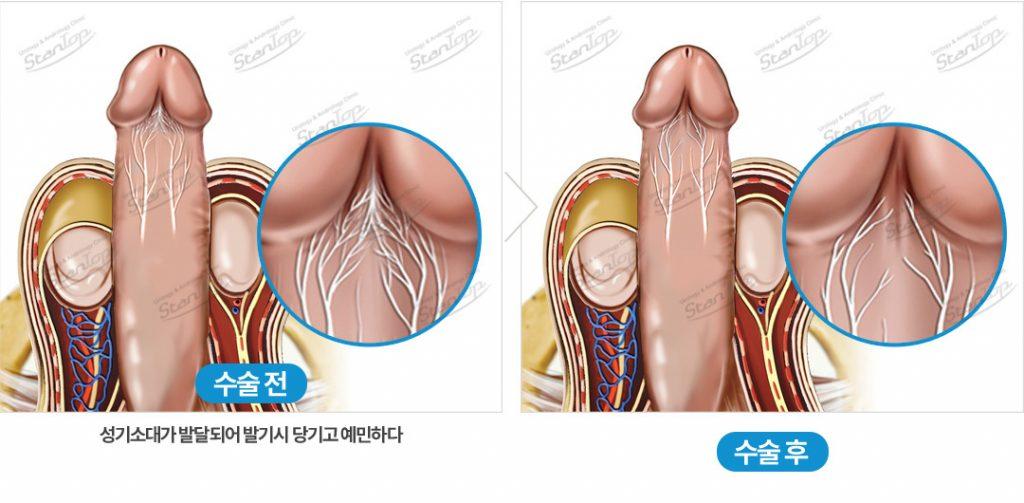
PE care is a stepped treatment plan rather than a single procedure. A sexual-medicine clinician selects treatment according to PE subtype, erection function, mental health, cardiovascular history, fertility plans, partner considerations, and medication interactions.
- Education, behavioural and psychosexual care — Start-stop or pause-squeeze practice, paced stimulation, breathing and attention work, communication exercises, couples therapy, and treatment for performance anxiety address control and distress. Evidence for these approaches alone is limited and inconsistent, but they can add value alongside medication.
- Pelvic-floor training — A clinician experienced in male pelvic health can teach pelvic-floor muscle training. It is promising, but the best protocol, patient selection, and durability remain uncertain.
- On-demand dapoxetine — This short-acting SSRI is taken before anticipated intercourse, commonly 1–2 hours beforehand. Korean product information lists prescription-only Priligy in 30 mg and 60 mg strengths; 30 mg is the initial dose and 60 mg is considered only when the lower dose is insufficient and tolerated. In trials summarized by the EAU, 30 mg and 60 mg increased IELT about 2.5-fold and 3-fold overall; nausea, diarrhoea, headache, dizziness, and fainting risk increase with dose.
- Topical lidocaine/prilocaine — Cream, gel, or a metered spray reduces glans sensitivity for that encounter. Cream studies cited in the EAU guideline increased stopwatch-measured IELT from roughly 1–2 minutes to 6–9 minutes; cited spray protocols used three sprays about five minutes before intercourse. Use a condom or wash off residual product before penetration to reduce partner numbness.
- Daily oral medicine or ED-directed treatment — Off-label daily SSRIs such as paroxetine, sertraline, fluoxetine, citalopram, or fluvoxamine, and clomipramine, can delay ejaculation but need a home prescriber. A clearer effect usually takes 1–2 weeks. Sildenafil or tadalafil can be useful when erectile dysfunction coexists; tramadol is a third-line option because of opioid dependence and sedation risks.
- Invasive sensitivity-reduction proposals — Glans hyaluronic-acid injection has limited evidence and possible serious complications. Selective dorsal neurectomy is irreversible and can cause altered sensation, painful neuroma, ED, Peyronie’s disease, or recurrence; the EAU recommends against it pending stronger safety data.
Why Visit Korea for Premature Ejaculation (PE) Treatment?

Korea can provide an in-person urology or sexual-medicine assessment and a documented plan for non-surgical PE care. Its relevance is clinical access and familiarity with pharmacologic management, not evidence of a permanent surgical cure. International patients should still prioritize first-line, reversible treatment and continuity with a clinician at home.
- Documented prescribing experience — In a nationwide Korean urologist survey, pharmacologic treatment was the most common PE approach, and dapoxetine was the most frequently used medicine among respondents who prescribed medication. The survey describes practice patterns, not proof that outcomes are superior to those elsewhere.
- Marketed dapoxetine option — Current Korean Menarini information lists Priligy (dapoxetine hydrochloride) 30 mg and 60 mg as prescription-only medicines and medicines of misuse concern in Korea. The Korean product information does not guarantee a visitor prescription, pharmacy stock, or eligibility.
- Caution around invasive offerings — Korean researchers introduced glans hyaluronic-acid injection for sensitivity reduction in 2004, and dorsal nerve surgery has been used in parts of Asia. That history does not establish either as necessary or superior: EAU guidance advises caution with glans injection and recommends against dorsal neurectomy.
- Records and communication — Korean patient guidance advises international patients to arrange post-treatment care before travel, confirm interpreter or coordinator arrangements, and obtain treatment information and records. KHIDI guidance supports this practical preparation.
Key Information for International Patients
- Minimum stay — Plan 2–3 business days for an in-person consultation, focused examination and medication-safety review, plus a treatment discussion if targeted tests are indicated. Routine testing is not recommended in uncomplicated PE.
- Repeat visits — Guideline-based behavioural care, topical treatment, and oral medication do not require admission or a routine repeat visit in Korea. Arrange follow-up with a urologist, primary-care clinician, or sexual-medicine professional at home.
- Flight timing — There is no PE-specific flight restriction after an uncomplicated consultation or prescribed topical/oral treatment. Do not board a flight while faint, severely dizzy, sedated, or acutely unwell.
- First-dose precautions — Do not drive after the first dapoxetine dose, a dose increase, tramadol, or any sedative until individual effects are known. Dizziness and vasovagal fainting are recognized concerns with dapoxetine; avoid alcohol and arrange a taxi, companion, or time to rest.
- Medication continuity — Dapoxetine is not FDA-approved in the United States, so a medicine dispensed in Korea cannot be assumed to be available or continued after return. Involve a U.S.-licensed prescriber before travel when ongoing treatment is likely.
- Remote follow-up — Reassess on-demand treatment after several sexual attempts; review daily SSRI treatment at roughly 2–4 weeks. Ask for an English note listing the diagnosis/subtype, examination and test results, generic medicine name, dose, instructions, adverse-effect plan, and clinic contact details.
Travel note: A clinic proposing glans injection or nerve surgery should give a written, procedure-specific stay, wound-review, abstinence, emergency-access, and flight-clearance plan. No credible guideline supports a universal PE-surgery travel timeline.
Which Are the Best Clinics in Korea for Premature Ejaculation?
Listed below are some of the best clinics in Korea for premature ejaculation.
1. Yezak Urology
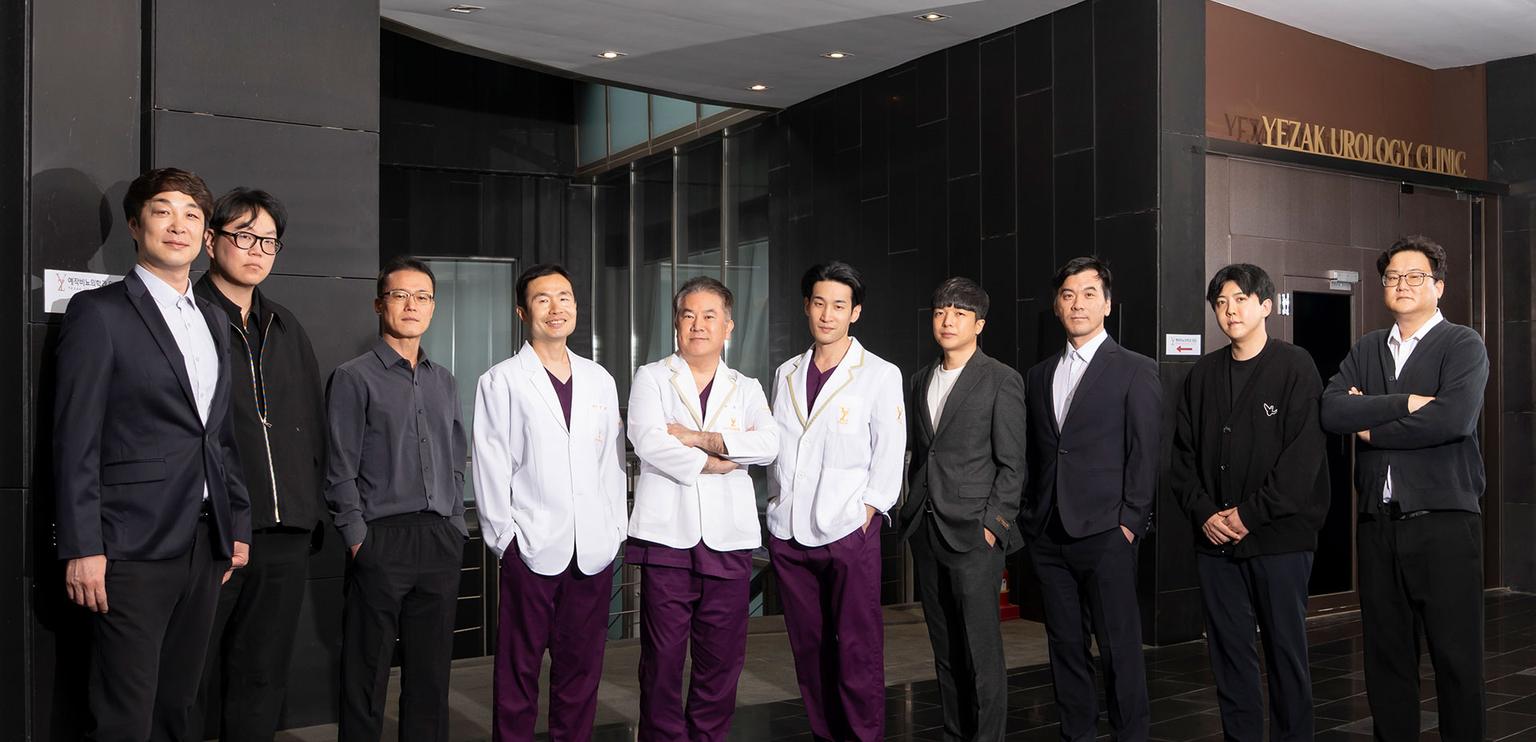
If you are looking for premature ejaculation treatment, you can expect an evaluation that may include Yezak Urology’s Q-Laser nerve-blocking procedure when over-sensitivity is a key issue. This laser-based approach is designed to selectively reduce sensitivity in overactive nerve areas rather than broadly blocking the dorsal nerve, with the aim of improving control while preserving overall sensation; non-surgical options are also available when they better fit your needs.
- URL: Yezak Urology Website
- Location: Seoul
- Procedure details:
- The Q-Laser procedure targets overly sensitive nerve areas with a precision laser approach.
- It is presented as an alternative to conventional dorsal nerve-block methods that may affect surrounding tissue.
- The stated goal is effective, lasting control without unnecessarily reducing overall penile sensation.
- Treatment options:
- Premature ejaculation care may include topical therapy and behavioral training after evaluation.
- Glans augmentation is offered as another option for sensitivity-related concerns.
- Nerve-modulating procedures are part of the treatment pathway when appropriate.
- Clinic notes:
- Care is delivered through a multi-specialist men’s health team with advanced safety systems.
- The clinic describes more than 20 years of experience specializing in male enhancement.
- The clinic is led by a urology specialist identified as the developer of the 5-Point Fixed Permanent Penile Lengthening Surgery technique.
2. Stantop Urology & Andrology
If you want both non-surgical and procedural options for premature ejaculation, you may consider this clinic because it offers treatment through medication, behavioral techniques, and sometimes surgical intervention within a specialized urology and andrology setting. You can also expect a privacy-focused environment, with separate consultation and treatment rooms for men and women.
- URL: Stantop Urology & Andrology Website
- Location: Seoul
- Premature ejaculation care:
- Treatment methods include medication, behavioral techniques, and in some cases surgical intervention to delay ejaculation.
- Care is provided within a clinic focused on urological and andrological treatment.
- Related services:
- Sexual health services also include penile enlargement, glans enlargement, penile lengthening, and erectile dysfunction treatment.
- Erectile dysfunction options listed include inflatable implants, malleable implants, stem cell therapy, and shockwave therapy.
- Additional men’s health services include STD check-ups, circumcision, vasectomy, and prostate evaluations and treatment.
- Additional notes:
- Separate consultation and treatment rooms are available for men and women to support comfort and privacy.
- The clinic states it has handled more than 100,000 consultations and performed more than 40,000 surgeries.
- VIP services are available with personalized care and dedicated facilities.
3. Adams Urology
If you are considering Adams Urology for premature ejaculation, the available information mainly supports it as a urology clinic in Samsung that provides sexual health procedures with advanced technologies, along with consultation and post-operative care. The provided details do not describe a dedicated premature ejaculation treatment program, but you may still find it relevant if you want a clinic that already works in related areas of male sexual health.
- URL: Adams Urology Website
- Location: Seoul
- What the provided information supports:
- The clinic describes using advanced technologies for urological treatment and patient care.
- Consultations and post-operative care are part of the service model.
- Its listed sexual health focus includes procedure-based male urology care.
- Related services:
- Glans penis augmentation is offered using fillers or implants for aesthetic or functional goals.
- Penile implant surgery is available for erectile dysfunction through an inflatable penile prosthesis.
- The clinic also performs prostate surgery, including traditional and minimally invasive approaches such as laser therapy.
How Much Does Premature Ejaculation (PE) Treatment Cost in Korea?
Premature Ejaculation (PE) Treatment is quoted at KRW 1,000,000–10,000,000 (approximately USD 700–7,000). Individual quotes vary because PE care ranges from a non-invasive sexual-medicine assessment with medication or therapy to proposed invasive sensitivity-reduction interventions, which require substantially different clinical resources.
| Procedure Price | Korean Won (₩) | USD ($) |
|---|---|---|
| Low Price | ₩1,000,000 | $700 |
| High Price | ₩10,000,000 | $7,000 |
Exchange rate as of 2026-08-05: 1 KRW = 0.000700 USD.
What Affects the Price?
- Assessment scope and targeted testing — A standard evaluation with counselling and first-line oral or topical treatment uses an outpatient consultation, focused examination, medication-safety review, and same-day discharge. Targeted laboratory or physiological testing is only warranted when symptoms or examination suggest an acquired contributor such as erectile dysfunction, infection, urinary symptoms, or endocrine disease; those additional diagnostic services add clinical work and consumables.
- Chosen non-invasive treatment plan — On-demand dapoxetine, topical lidocaine/prilocaine, daily SSRI treatment, and behavioural or psychosexual care are different treatment pathways. Daily serotonergic treatment requires prescribing oversight and a monitoring plan, while behavioural, couple, or pelvic-floor programmes require additional therapy sessions rather than a single medication consultation.
- Any invasive sensitivity-reduction proposal — Glans hyaluronic-acid injection requires an injection procedure and procedural consumables, while a dorsal-neurectomy proposal involves surgical operating time, anesthesia, facility use, wound care, and procedure-specific follow-up. These are not routine first-line PE treatments; dorsal neurectomy is irreversible and guideline-disfavored, so any proposal warrants a separate written plan and cost breakdown.
Cost tip: Request an itemized quote that states what is included, particularly the sexual-medicine consultation, any indicated targeted tests, prescribed medicine or topical product, behavioural or psychosexual sessions, and follow-up. If an invasive intervention is proposed, the quote should separately state anesthesia, facility use, consumables, aftercare, and required reviews.
The USD figures are approximate conversions at KRW 0.0007 per KRW on 2026-08-05. Check the exchange rate again when budgeting.
PE (Premature Ejaculation) From Start to Finish
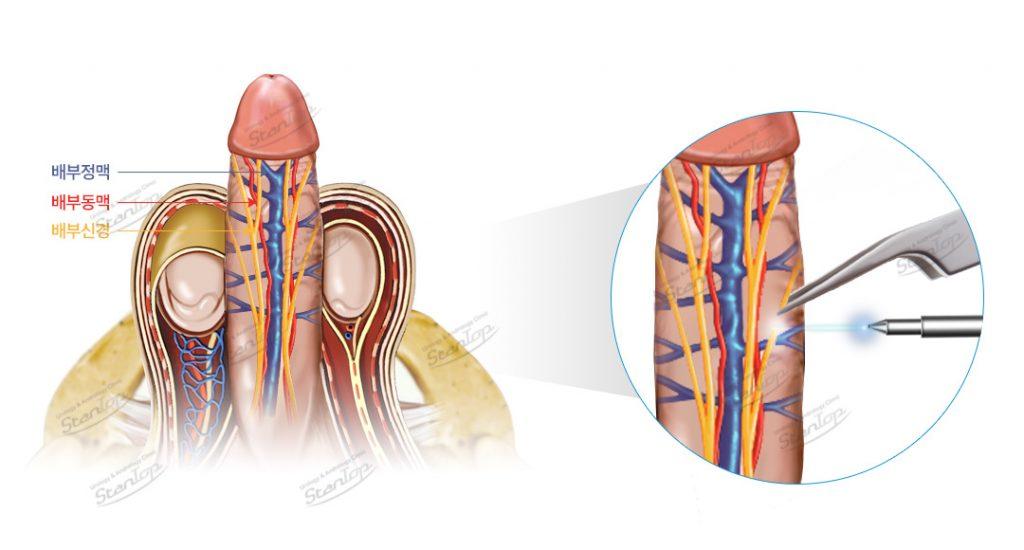
- Pre-travel contact — Send a concise sexual and medical history, current and past medicines, supplements, allergies, cardiac and psychiatric history, urinary or pelvic symptoms, ED symptoms, fertility plans, and previous records. Confirm English consultation or interpreter availability and establish follow-up care at home.
- Private consultation — The clinician discusses whether symptoms fit lifelong or acquired PE, perceived control, distress, relationship impact, IELT, erection quality, anxiety, substance use, and relevant medical conditions. A partner is not required, though partner involvement can be useful when wanted.
- Focused evaluation — Expect a focused urologic, endocrine, and neurologic examination when indicated. The clinician can use the PEDT and order targeted tests only when history or examination suggests ED, infection/prostatitis, thyroid disease, or another contributor; routine laboratory panels and penile-sensitivity tests are not standard.
- Treatment selection and consent — The clinician explains reversible first-line options, expected timing, side effects, interactions, fertility considerations, and partner precautions. Dapoxetine requires cardiovascular and interaction review; daily serotonergic medicines require a monitoring and discontinuation plan.
- Same-day treatment plan — Behavioural or pelvic-floor referrals can begin immediately. Oral or topical treatment is usually prescribed or discussed the same day, with no anesthesia, sedation, surgery, or admission for standard PE care. Dapoxetine is assessed from the first several attempts; topical lidocaine/prilocaine works for the same encounter; daily SSRIs have a clearer effect after 1–2 weeks.
- Discharge and travel coordination — Leave with written English instructions covering dose or application timing, maximum frequency, alcohol and driving restrictions, condom or wash-off advice, interaction warnings, and urgent-contact details. Request copies of records before departure, consistent with Korean patient guidance.
- Overseas follow-up — Review control, IELT, satisfaction, erection quality, adverse effects, adherence, and partner effects with the home clinician. Do not increase doses, combine medicines, or change antidepressants independently after returning home.
Alternatives to Premature Ejaculation (PE) Treatment
The main alternative is not a more invasive PE procedure, but treatment directed at the cause or use of another reversible approach. Surgical or injection-based sensitivity reduction has greater potential for lasting harm and weaker long-term safety evidence than behavioural care and guideline-supported medicine.
Erectile Dysfunction Treatment
- When relevant — Treat ED first or alongside PE when erections are unreliable, because ED can drive acquired PE and performance anxiety.
- Tradeoff — PDE5 inhibitors such as sildenafil or tadalafil can improve erection confidence and capacity for a second erection, but they do not replace PE assessment or interaction screening. See erectile dysfunction treatment.
Prostatitis or Genitourinary Care
- When relevant — Pelvic pain, urinary symptoms, infection signs, or a new change in ejaculation warrant urologic assessment rather than immediate PE medication.
- Tradeoff — Treating an identified condition targets the cause but is not appropriate without supporting symptoms, examination findings, or testing. See prostatitis treatment.
Glans Hyaluronic-Acid Injection
- What it involves — Injection into the glans is intended to reduce sensation and is distinct from cosmetic penis filler.
- Tradeoff — Randomized studies show modest improvement, but serious complications are possible and long-term comparative safety, sensation, erectile-function, fertility, and revision data are insufficient. The EAU advises caution.
Selective Dorsal Neurectomy
- What it involves — Surgery cuts selected penile sensory nerve branches to reduce sensation.
- Tradeoff — It is irreversible and can cause numbness, paresthesia, painful neuroma, ED, Peyronie’s disease, or recurrence. The EAU recommends that it not be performed until more safety data are available.
Acupuncture
- What it involves — Acupuncture is sometimes marketed for sexual performance concerns.
- Tradeoff — Evidence is insufficient for routine PE treatment, so it should not displace assessment for ED, infection, anxiety, medicine effects, or guideline-based care. See acupuncture.
How Can I Prepare for Premature Ejaculation (PE) Treatment?
- Medical disclosure — Provide every prescription, over-the-counter medicine, recreational substance, and supplement. Specifically list St John’s wort, 5-HTP, tryptophan, dextromethorphan-containing cold remedies, antidepressants, benzodiazepines, opioids, ED medicines, and cardiovascular medicines.
- Do not stop medicines abruptly — Do not discontinue antidepressants, benzodiazepines, opioids, or heart medicines for travel or PE treatment without the prescriber’s plan. Abrupt SSRI cessation can cause withdrawal and symptom relapse.
- Medication safety review — Do not self-start dapoxetine, daily SSRIs, clomipramine, tramadol, sildenafil, or tadalafil. Dapoxetine is contraindicated with a history of syncope, significant heart disease or conduction disease, mania or severe depression, MAO inhibitors, or thioridazine; serotonergic medicines and potent CYP3A4 inhibitors need specialist review.
- Fasting and treatment-area care — Do not fast for a standard consultation, behavioural therapy, topical treatment, or oral medicine. There is no sun restriction or genital preparation requirement for non-invasive PE care; follow fasting or preparation instructions only when testing, sedation, or an invasive intervention is actually planned.
- Alcohol, transport and companion — Avoid alcohol when trialling dapoxetine or tramadol. Arrange a taxi, companion, or rest period after a first dose, dose escalation, sedative, or anesthesia; a companion is otherwise unnecessary for a routine consultation.
- Fertility and partner planning — Tell the clinician if trying to conceive. Avoid lidocaine/prilocaine products while attempting conception because of potential effects on fresh human sperm cells, and do not use them when either partner has an ingredient allergy.
- Flexible itinerary — Keep the first medication trial away from driving, demanding sightseeing, and a same-day long-haul flight. Reserve flexible travel plans if any invasive intervention is being considered.
Travel note: Confirm whether the exact medicine can be prescribed and dispensed to a visitor before travel; Korean availability does not ensure lawful continuation in the home country.
The treating doctor’s individualized instructions take precedence over this general guidance. Confirm clinic-specific interpreter, prescription, testing, and record-release requirements before booking.
Aftercare Advice
PE treatment has no wound recovery when it is behavioural, topical, or medication-based, but safe follow-up is essential because treatment effects and adverse effects occur during sexual activity and daily life.
- Use medicine exactly as prescribed — Do not increase the dose, take doses more often, combine oral agents, or add alcohol, tramadol, sedatives, or serotonergic supplements without prescriber approval.
- Prevent partner exposure — With lidocaine/prilocaine, use a condom or wash residual product off before penetration. Stop use and seek advice for marked genital burning, rash, swelling, or persistent numbness in either partner.
- Track treatment response — Record dose or application timing, IELT/control, satisfaction, erection quality, side effects, and partner effects. Review on-demand treatment after several attempts and daily SSRI treatment after about 2–4 weeks.
- Avoid hazardous activity after first doses — Stand slowly, stay hydrated, avoid alcohol, and do not drive or operate machinery after a first dapoxetine dose or dose increase until individual effects are clear.
- Get urgent help for red flags — Seek urgent care for fainting, chest pain, severe palpitations, shortness of breath, severe allergic symptoms, agitation with sweating, tremor, fever or diarrhoea suggesting serotonin toxicity, suicidal thoughts, or an erection lasting more than four hours.
Follow the treating doctor’s instructions and contact the clinic promptly when anything appears wrong; invasive penile procedures require separate written aftercare, abstinence, wound-care, and flight-clearance instructions.
Frequently Asked Questions
Related Blogs
Testosterone Injection in Korea: Eligibility, Monitoring, Travel Planning and Aftercare
Testosterone injections in Korea require confirmed indications, safety assessment, product verification, and a plan for home-country monitoring. Learn about SC and IM options, travel timing, documentation, customs rules, aftercare, and warning signs.
Updated: Sep 28, 2026
Silicone penile implant in Korea: device types, recovery, risks and travel planning
Silicone penile implants are permanent surgical options for adults with treatment-refractory organic ED, with malleable rods providing manually positioned rigidity and inflatable devices offering a deflatable resting state. International patients considering surgery in Korea should verify the exact device and follow-up plan, plan 10–14 days for recovery, and obtain surgeon clearance before flying.
Updated: Sep 21, 2026
UroLift in Korea: Candidacy, Recovery, Travel Planning, and Alternatives
UroLift uses permanent implants placed through the urethra to retract obstructing BPH tissue without removing or thermally destroying the prostate. The article covers eligibility assessment, anesthesia and recovery planning, Korea travel considerations, aftercare, warning signs, follow-up records, and alternatives.
Updated: Sep 17, 2026
Penis Fat Transfer in Korea: Girth Enhancement, Recovery, Risks, and Travel Planning
Penis fat transfer uses liposuction-harvested fat, commonly from the lower abdomen, injected in small layers around the shaft to pursue modest girth enhancement rather than length gain. The article covers candidacy, Korea travel planning, recovery restrictions, follow-up, risks, and alternatives including hyaluronic-acid filler and traction.
Updated: Sep 17, 2026
Clinics offering PE (Premature Ejaculation)
Yezak Urology Korea | Penile Enlargement, ED & Prostate Care in Seoul
Apgujeong

StanTop Urology & Andrology: Korea's Premier Clinic for Advanced Urological and Andrological Treatments
Sinnonhyeon Station

GoldMan Urology Clinic - Incheon, Korea: Expert Urological Treatments, Penile Augmentation & Laser Circumcision Services
Incheon

Adams Urology Korea: Advanced Urological Care and Procedures in Samsung for Prostate and Sexual Health
Samsung