
Medical Tourism Blog
Laser Microblading Removal in Korea: Methods, Color Changes, Recovery and Travel Planning
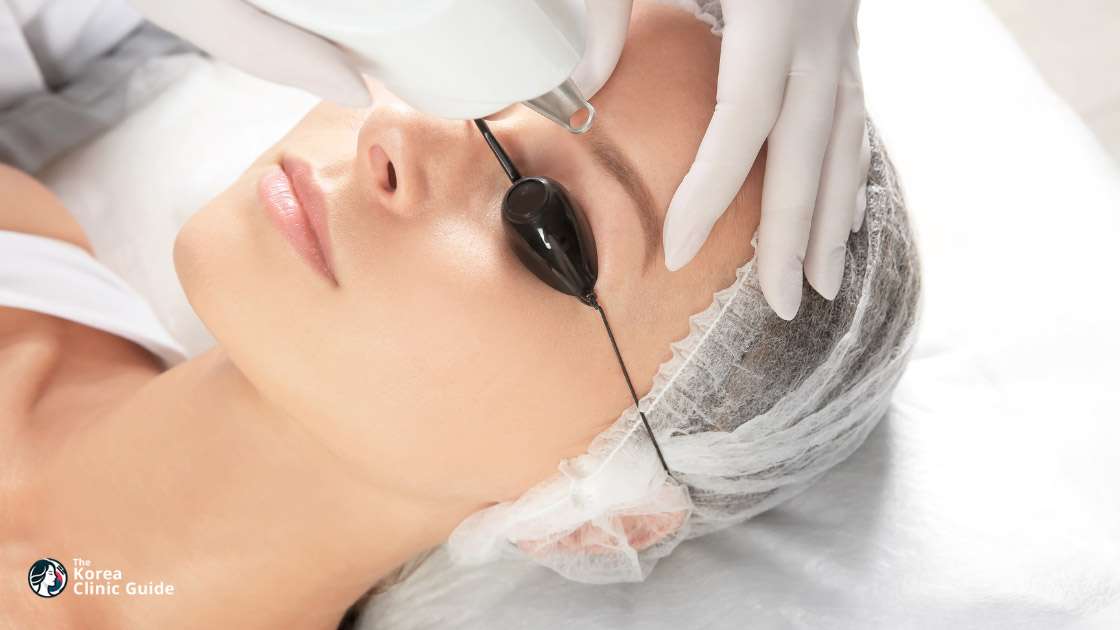
Table of contents
- Laser Microblading Removal at a Glance
- What Is Laser Microblading Removal?
- Who Is a Good Candidate for Laser Microblading Removal?
- How Is Laser Microblading Removal Performed?
- Why Visit Korea for Laser Microblading Removal?
- Key Information for International Patients
- Which Are the Best Clinics in Korea for Laser Microblading Removal?
- Laser Microblading Removal From Start to Finish
- Alternatives to Laser Microblading Removal
- How Can I Prepare for Laser Microblading Removal?
- Aftercare Advice
Considering treatment in Korea? Everything you need to know e.g. — how to avoid scams, visas, interpreters, recovery tips — in our Medical Tourism Master Guide. Plan with confidence in minutes, not weeks!
Last updated: September 2026
Laser Microblading Removal at a Glance
- What it does — Laser microblading removal uses short pigment-targeting laser pulses to break up unwanted healed eyebrow tattoo pigment, including microblading, powder brows, ombré brows, and older permanent makeup; the body clears the fragments gradually.
- Staged treatment — Clearance is not immediate: published reports range roughly from 3–7 sessions, usually spaced at least 6 weeks apart, with response reviewed around 6–8 weeks after each session.
- Recovery time — Redness, swelling, frosting, tenderness, crusting, peeling, or small blisters are common and usually settle in about 1–2 weeks, although pigment fading continues after the skin heals.
- Color-change risk — Cosmetic brow pigments can temporarily reveal red, orange, yellow, green, or blue layers—or paradoxically darken after laser exposure, particularly when iron oxide or titanium dioxide is present; unknown or corrective pigments may warrant a test spot.
- Best candidates — Appropriate candidates have fully healed unwanted brow pigment, intact untanned skin, and realistic expectations about incomplete clearance and multiple visits; treatment is deferred for active brow-area skin disease or infection and commonly during pregnancy or breastfeeding.
- Korea travel plan — Plan 2–3 days in Korea for an in-person assessment, possible test spot or treatment, and early review or photo-follow-up plan, but expect to return after at least 6 weeks or continue treatment with a qualified clinician at home.
- Korea-specific check — Korea does not have proven superior clearance outcomes, so verify who evaluates and operates the laser, eye-protection practices, English aftercare, complete treatment parameters, and complication support; the Tattooist Act takes effect in October 2027.
What Is Laser Microblading Removal?
Laser microblading removal uses targeted laser energy to break down unwanted healed eyebrow tattoo pigment so the body can clear it gradually. It addresses brows that are too dark, uneven, misplaced, blurred, faded, or discolored, with improvement developing over several treatment sessions. It is a non-surgical procedure.
Who Is a Good Candidate for Laser Microblading Removal?
- Unwanted healed brow pigment — Good candidates want to lighten or remove fully healed microblading, powder brows, ombré brows, combination brows, or older permanent eyebrow tattoos that are too dark, uneven, misplaced, blurred, faded, or discolored.
- Staged-treatment commitment — Candidates accept that clearance develops gradually and commonly requires several sessions spaced at least 6 weeks apart, rather than one appointment.
- Realistic color expectations — Suitable patients understand that a brown brow can contain several pigments and can temporarily turn darker, red, orange, yellow, green, or blue as layers are exposed or oxidize.
- Healthy treatment skin — Intact, untanned skin without active inflammation supports safer assessment and healing.
Defer elective treatment during pregnancy or breastfeeding because direct safety evidence is limited. Do not treat active bacterial, viral, or fungal infection, open wounds, sunburn, or an eczema or dermatitis flare in the brow area. A history of keloids, hypertrophic scars, severe laser reactions, pigment allergy, or substantial pigment change after injury requires individualized medical assessment. Recent tanning, isotretinoin where relevant, resurfacing laser, deep peel, microneedling, or brow surgery also requires a clinician-directed interval. Pigment composition and placement depth—not the visible shade alone—determine whether a test spot is needed and how predictable removal will be.
How Is Laser Microblading Removal Performed?
Laser removal is planned around pigment behavior, not simply the label “microblading.” The key decisions are wavelength, pulse duration, conservative starting settings, test-spot use, and eye protection.
- Picosecond Nd:YAG laser — Commonly uses 1,064 nm for black, dark brown, and grey pigment and 532 nm for red or orange pigment. In a structured review of eyebrow-tattoo removal, picosecond Nd:YAG appeared faster and more effective than Q-switched Nd:YAG, with less reported paradoxical darkening; however, the evidence covered only 129 patients across 11 mainly small studies.
- Nanosecond Q-switched Nd:YAG laser — An established pigment-selective option, also typically using 1,064 nm and 532 nm. It can be effective when settings are conservative and the patient understands the risk of residual warm pigment or oxidation.
- Test-spot strategy — A small, photographed area is especially important for unknown pigment, red-brown, beige, flesh-tone, white-containing, camouflage-corrected, or previously unpredictable brows. Iron oxide and titanium dioxide can darken after laser exposure. A test spot reduces uncertainty but cannot guarantee identical behavior throughout both brows.
- Fractional CO2 adjunct — Occasionally considered for difficult residual pigment, but this is more skin-disruptive than pigment-selective laser treatment and carries greater wound-care, scarring, and pigment-change concerns. It is not routine first-line treatment for eyebrows.
- Eye-safety protocol — Because treatment is close to the orbit, wavelength-appropriate protective eye devices must remain in place throughout the session. Reported periorbital laser injuries show the consequences of absent, inadequate, or removed protection.
Why Visit Korea for Laser Microblading Removal?
Korea can be convenient for a first consultation, test spot, or individual laser session when a facility offers clear English documentation and a practical remote follow-up plan. It is not evidence that Korea produces better clearance, fewer sessions, or fewer complications than other countries. Confirm the specific clinician, laser operator, device plan, and urgent-care arrangements before booking.
- Cross-border documentation — Request English consent and aftercare, baseline photographs, and complete parameters: device, wavelength, pulse duration, spot size, fluence, passes, anesthetic, and immediate skin response. This information helps a qualified clinician continue care at home.
- Technology discussion — Ask whether the facility has pigment-selective picosecond and/or Q-switched Nd:YAG capability and how it selects 1,064 nm versus 532 nm. Device brand alone does not establish suitability for a multicomponent cosmetic pigment.
- Verify current practice arrangements — The Korean Tattooist Act was enacted in October 2025 but is scheduled to take effect in October 2027. Until then, and afterward, verify directly who evaluates the patient, who operates the laser, what supervision applies, and how complications are handled.
Key Information for International Patients
- Minimum stay — Plan 2–3 days for an in-person assessment, possible test spot or treatment, and an early check or agreed photo-follow-up plan.
- Repeat visits — Complete removal is not realistic on a short trip. Response is normally reassessed at 6–8 weeks, and sessions are generally separated by at least 6 weeks. Arrange return visits or transfer the treatment record to a qualified clinician at home.
- Flight timing — No evidence-based universal no-fly interval exists after an uncomplicated, non-sedated session. A medically well patient can often fly the same or following day, but avoid an immediate long-haul departure after significant swelling, blistering, eye irritation, oral medication use, or an uncertain test-spot reaction.
- Itinerary impact — Do not schedule treatment immediately before swimming, sauna or spa visits, beach or ski trips, intense outdoor activities, or an appearance-sensitive event. Frosting, redness, swelling, crusting, and conspicuous color change can last 1–2 weeks.
- Companion and transport — A companion is usually unnecessary without sedating medication. Arrange assistance and avoid driving if the clinic uses oral anxiolysis or another sedating medicine.
- Remote follow-up — Send standardized daylight photographs at the clinic’s requested early-healing interval and again around 6–8 weeks. Seek local urgent care rather than waiting to travel back for eye symptoms, extensive blistering, infection signs, or allergic symptoms.
Travel note: Build flexibility into flights and accommodation. A conservative test spot on the first visit can prevent committing both brows to an unpredictable pigment reaction.
Which Are the Best Clinics in Korea for Laser Microblading Removal?
Listed below are some of the best clinics in Korea for laser microblading removal.
1. Three Wishes Clinic - Myeongdong
Three Wishes Clinic in Myeongdong offers semi-permanent eyebrow, hairline/scalp, and lip microblading alongside CO2 laser skin resurfacing, but the available information does not specifically confirm laser removal of existing microblading. You can use the consultation to clarify whether removal is available for your pigment type and treatment area.
- URL: Three Wishes Clinic - Myeongdong Website
- Location: Jung-gu, Seoul
- Related services:
- Semi-permanent makeup services include eyebrow microblading, hairline and scalp microblading, and lip microblading.
- CO2 laser treatment is listed for skin resurfacing, including wrinkles, acne scars, and skin-texture concerns.
- Other listed skin options include chemical peels, PDT acne treatment, Rejuran Healer, and customized skin care.
2. Min S Clinic
Min S Clinic offers permanent makeup for eyebrows, eyeliner, and lips, as well as toning and other facial treatments, though the available clinic information does not specifically list laser microblading removal. You may want to confirm whether removal is offered and whether its approach is suitable for the color and location of your existing pigment.
- URL: Min S Clinic Website
- Location: Seocho-gu, Seoul
- Relevant services:
- Permanent makeup services listed as TAN & MAHK enhance eyebrows, eyeliner, and lips.
- Toning is offered to help even skin tone and reduce pigmentation.
- Acne management and hydration-focused Water Glow + Derma Toxin are also listed among facial treatments.
3. Comfort Plastic Surgery Clinic
Comfort Plastic Surgery Clinic may be worth considering if you are seeking a laser-based approach to unwanted cosmetic pigment: it lists Pico Laser Tattoo Removal with the PICO Plus system, which uses four wavelengths to break down ink particles. Laser microblading removal is not specifically named, so you should confirm that your eyebrow pigment, skin characteristics, and treatment goals can be assessed for this service.
- URL: Comfort Plastic Surgery Clinic Website
- Location: Gangnam-gu, Seoul
- Laser pigment-removal approach:
- Pico Laser Tattoo Removal uses the PICO Plus laser and four wavelengths to break down tattoo ink particles for bodily absorption and elimination.
- Surgical tattoo removal is also listed for smaller tattoos or cases where laser removal is not practical.
- Care considerations:
- The clinic states that dual-board certified plastic surgeons and anesthesiologists support its procedures.
- Sedation anesthesia is listed for people who are sensitive to pain, with administration by dual-board certified anesthesiologists.
Laser Microblading Removal From Start to Finish
- Remote screening — Send unfiltered daylight photographs and disclose every prior brow procedure, manual versus machine technique, pigment or ink labels, color correction or camouflage, previous removal, skin type, allergies, scar history, eye disease, pregnancy or breastfeeding status, and all medicines and supplements. Ask whether English or virtual consultation is available.
- Travel and consultation planning — Schedule enough time for in-person examination and a possible test spot. Bring clear before-and-after images, procedure dates, pigment records, and prior laser parameters.
- In-person assessment — The clinician examines pigment color, density, depth, scar tissue, and active inflammation; distinguishes retained pigment from skin change; takes baseline photographs; and explains incomplete clearance, oxidation, residual color, scarring, and pigment-allergy risks.
- Test spot when indicated — For uncertain or high-risk pigment, the clinician treats a small area at conservative settings and reviews immediate response and healing before treating both brows fully.
- Laser treatment — The brow is cleansed. Cooling, topical anesthetic, or occasionally local anesthetic is used. Protective eye devices are placed, then laser pulses target the pigment. Laser exposure usually takes minutes; numbing, consultation, and observation make the visit longer.
- Immediate recovery and discharge — Frosting or whitening, redness, tenderness, swelling, pinpoint bleeding, and small blisters can occur. Obtain written English aftercare and full treatment parameters before leaving.
- Healing and pigment clearance — Crusting, peeling, or small blisters commonly settle in about 1–2 weeks. Pigment continues to clear after surface healing, so do not judge the final response within days.
- Remote follow-up and next-session decision — Send requested photographs and reassess at about 6–8 weeks. The clinician decides whether to repeat, change wavelength or settings, manage a color shift, or pause treatment.
Alternatives to Laser Microblading Removal
Laser treatment is generally the most pigment-selective option, but it cannot guarantee complete clearance or prevent color transformation. Non-laser removal and destructive procedures can remove pigment by injuring the skin more directly, trading potential speed for greater scarring and dyspigmentation concern.
Wait for Natural Fading
- Best suited to — Faded microblading that is tolerable while considering future redesign.
- Tradeoff — Microblading can fade over months to years, but residual pigment can persist and the timeline is unpredictable.
Camouflage or Brow Redesign
- Best suited to — Patients seeking visual correction rather than pigment removal.
- Tradeoff — New pigment can modify shape or color but does not remove prior pigment. Flesh-tone, white, or corrective pigment can complicate future laser removal. See eyebrow microblading.
Non-Laser Saline or Chemical Removal
- Best suited to — Selected patients after informed discussion with a qualified clinician.
- Tradeoff — These approaches deliberately disrupt skin to draw pigment outward. Evidence is less robust, outcomes vary, and burns, scarring, and pigment alteration remain possible.
Dermabrasion or Surgical Removal
- Best suited to — Rare, highly selected cases rather than diffuse cosmetic brow pigment.
- Tradeoff — Dermabrasion and excision are generally poor first-line choices around the eyebrow because visible scars and color changes are more likely. For body tattoos, see laser tattoo removal.
How Can I Prepare for Laser Microblading Removal?
- Provide complete pigment history — Bring pigment labels or safety data when available, photographs, dates of all brow procedures, manual or machine technique, camouflage details, and prior removal records.
- Prevent tanning and sunburn — Avoid sun exposure, tanning beds, spray tanning, and sunburn until the brow skin has returned to its untanned baseline.
- Arrive with clean brows — Do not wear brow pencil, concealer, self-tan, numbing cream, or active skincare on the treatment area unless the clinic specifically directs otherwise.
- Avoid brow trauma — Do not wax, tweeze, dermaplane, scrub, peel, or otherwise irritate the brow area before treatment. Stop retinoids, exfoliating acids, benzoyl peroxide, and bleaching products for the clinician-specified interval.
- Review medicines safely — Disclose isotretinoin, photosensitizing medicines, aspirin, anti-inflammatory medicines, anticoagulants, antiplatelets, and supplements. Never stop prescribed aspirin, clopidogrel, warfarin, apixaban, rivaroxaban, or other prescribed medicine without approval from the prescribing clinician.
- Food, alcohol, and nicotine — No fasting is generally needed for a brief session without sedation; eat and hydrate normally. Follow clinic instructions on limiting alcohol and nicotine, particularly when healing risk is a concern.
- Plan practical recovery — Keep swimming, sauna, spa visits, strenuous exercise, and intensive sun exposure off the itinerary during early healing. Keep flights and accommodation flexible if a test spot has uncertain behavior.
Travel note: Book treatment early in the trip rather than immediately before departure, especially for a first session or unknown pigment.
Confirm the treating clinic’s individualized requirements; they take precedence over general preparation guidance.
Aftercare Advice
Protect the healing brow skin and do not disturb blisters or crusts; early care affects infection, scarring, and pigment-change risk.
- Cool and cleanse gently — Use intermittent cool compresses if advised. Cleanse only as instructed, pat dry, and apply plain petrolatum only when recommended.
- Do not pick or rub — Leave frosting, crusts, peeling skin, and small blisters alone. Avoid unprescribed topical antibiotic ointments unless specifically directed, because contact allergy can occur.
- Avoid heat, sweat, and water exposure — Until the skin surface heals, avoid strenuous exercise, swimming pools, hot tubs, saunas, steam rooms, and hot baths. Keep brow makeup off until the clinic confirms that the surface has closed.
- Pause irritating products and protect from UV — Avoid retinoids, acids, scrubs, alcohol-based toners, and bleaching products until healed. Once the skin is intact, use broad-spectrum SPF 50 and a brimmed hat to limit post-inflammatory pigment change.
- Watch for urgent symptoms — Obtain prompt medical assessment for worsening pain, spreading redness or warmth, pus, fever, extensive blistering, ulceration, persistent drainage, rapidly progressive swelling, hives, breathing symptoms, eye pain, visual change, severe light sensitivity, or inability to open the eye.
- Judge results at the right time — Surface effects often resolve in roughly 1–2 weeks, but pigment clearance should be reviewed at 6–8 weeks. A darker or warmer phase can be temporary, but report it to the clinic before booking another session.
Follow the treating doctor’s written instructions over general guidance and contact the clinic promptly when healing appears abnormal.
Frequently Asked Questions
Related Blogs
Microblading in Korea: Methods, Healing, Risks, and Travel Planning
Microblading is cosmetic eyebrow tattooing that uses manual strokes, shading, combination work, or machine techniques to camouflage sparse brows; it does not regrow hair or treat eyebrow loss. In Korea, costs range from ₩600,000–₩2,000,000 (about US$400–$1,500), with guidance on provider verification, healing, travel planning, aftercare, and touch-up timing.
Updated: Sep 28, 2026
Laser Microblading Removal: Why Korea Excels and How Costs Compare Globally
Discover the costs and intricacies of laser microblading removal in Korea, a popular procedure for those seeking to erase semi-permanent eyebrow tattoos. Learn about the factors influencing pricing, the latest technology, and what to expect during the removal process.
Updated: Sep 26, 2026
Lip Microblading in Korea: Methods, Recovery, Risks, and Travel Planning
Lip microblading, also called lip blushing or cosmetic lip tattooing, uses a needle-driven device to place pigment for longer-lasting lip color or border definition. The article covers candidacy, Korea travel planning, provider verification, healing timelines, aftercare, warning signs, and alternatives.
Updated: Sep 23, 2026
Hairline Microblading in Korea: Methods, Healing, Travel Planning and Alternatives
Hairline microblading uses manual strokes, machine-placed pigment dots, or a hybrid technique to camouflage stable frontal thinning without growing hair or stopping hair loss. The article covers candidate screening, Korea travel planning, provider verification, healing timelines, aftercare, complications, and alternatives including SMP, hair transplantation, and dermatologic treatment.
Updated: Sep 23, 2026
Clinics offering Laser Microblading Removal

Three Wishes Clinic - Myeongdong, Korea: Advanced Botox, Fillers, Laser, and Skin Treatments for Confidence and Care
Myeongdong

Seojin Plastic Surgery Clinic Korea: Pioneering Advanced Cosmetic Procedures for Personalized Aesthetic Transformation
Apgujeong

Comfort Plastic Surgery Clinic in Korea: Expert and Safe Procedures for Aesthetics and Tattoo Removal
Gangnam Station

Personal Beauty GU Clinic Ilsan, Korea - Unveiling Hidden Beauty with Tailored Treatments and Advanced Cosmetic Procedures
Ilsan