
Medical Tourism Blog
Female Sexual Arousal Disorder: Stem Cell Treatments for Sexual Performance in Korea
Table of contents
- Best Clinics in Korea for Female Sexual Arousal Disorder
- The Medical Tourism Landscape in Korea (South Korea)
- Financial Considerations and a Global Cost Comparison
- An Expert Review of Stem Cell Therapy for Female Sexual Performance
- The State of Clinical Evidence: A Critical Review
- Comprehensive Recommendations for Patient Advising
- Conclusion
- References
Considering treatment in Korea? Everything you need to know e.g. — how to avoid scams, visas, interpreters, recovery tips — in our Medical Tourism Master Guide. Plan with confidence in minutes, not weeks!
This expert report explores Female Sexual Interest/Arousal Disorder (FSIAD) and takes a closer look at stem cell therapy for female sexual dysfunction in the context of global medical tourism. While established treatments for FSIAD focus on psychological, relational, and physiological factors, stem cell therapy remains highly experimental, with limited clinical backing. Current expert consensus, supported by leading medical organizations, strongly discourages the use of stem cell procedures outside of clinical trials due to a lack of robust data. The review also highlights high costs associated with these treatments, especially in medical tourism centers like South Korea, and closes with key recommendations to help guide patients toward effective and safe care.
Clinical Definition and Diagnostic Criteria
Female Sexual Interest/Arousal Disorder (FSIAD) describes a persistent or recurring inability to achieve or maintain sexual arousal, often paired with reduced sexual interest. Modern definitions combine Hypoactive Sexual Desire Disorder (HSDD) and Female Sexual Arousal Disorder (FSAD), emphasizing both psychological desire and physiological arousal. Diagnosis requires at least three of six symptoms for six months or longer, alongside marked distress or interpersonal challenges. Symptoms may include absent or reduced interest in sexual activity, diminished erotic thoughts, lack of sexual initiation, and reduced sensations or pleasure during sexual encounters.
Common Pseudonyms and Terminology
Over time, terminology has shifted. FSIAD may still be described as Female Sexual Arousal Disorder (FSAD) or Hypoactive Sexual Desire Disorder (HSDD), though the DSM-5 now combines these under the FSIAD diagnosis. Candace syndrome is sometimes used as a less common alternative. Awareness of these terms helps patients navigate varied online resources and clinical conversations without confusion.
Prevalence and Associated Factors
FSIAD is the most commonly diagnosed female sexual dysfunction, with prevalence rising to 12.3% among midlife women and reaching 7.4% in women over 65. Underdiagnosis is frequent due to stigma and lack of awareness. Causes are often multifactorial—hormone imbalances, age-related changes, medications, obesity, and psychological factors (stress, trauma, depression) all contribute. Notably, the condition is more frequent after menopause and can also result from lifestyle choices or certain medications.
Established Treatment Options: An Overview
There are several proven approaches to FSIAD. Psychological therapies—including sex therapy, couples counseling, and Cognitive Behavioral Therapy (CBT)—are first-line interventions, especially for underlying anxiety or relational issues. Pharmacologic treatments include FDA-approved agents flibanserin (Addyi) and bremelanotide (Vyleesi) for premenopausal women and estrogen-based therapies for postmenopausal symptoms. Other interventions may include pelvic floor physical therapy, lubricants, and devices for enhancing sensation.
Best Clinics in Korea for Female Sexual Arousal Disorder
Listed below are the best clinics in Korea for female sexual arousal disorder:
| Clinic Name | Key Features | Special Techniques |
|---|---|---|
| SH Clinic | Leading expertise in stem cell therapy for sexual health and gynecology, personalized stem cell programs, extensive women’s health services (vaginal fillers, stem cell injections, HIFU laser, vaginal tightening, surgery), in-depth wellness and anti-aging focus, all-in-one facility with gynecology, aesthetic dermatology, and plastic surgery, highly experienced staff, proven success treating various health issues | Advanced stem cell treatments for Female Sexual Arousal Disorder (FSAD), personalized stem cell injections, HIFU laser rejuvenation, surgical options, multidisciplinary and holistic approach |
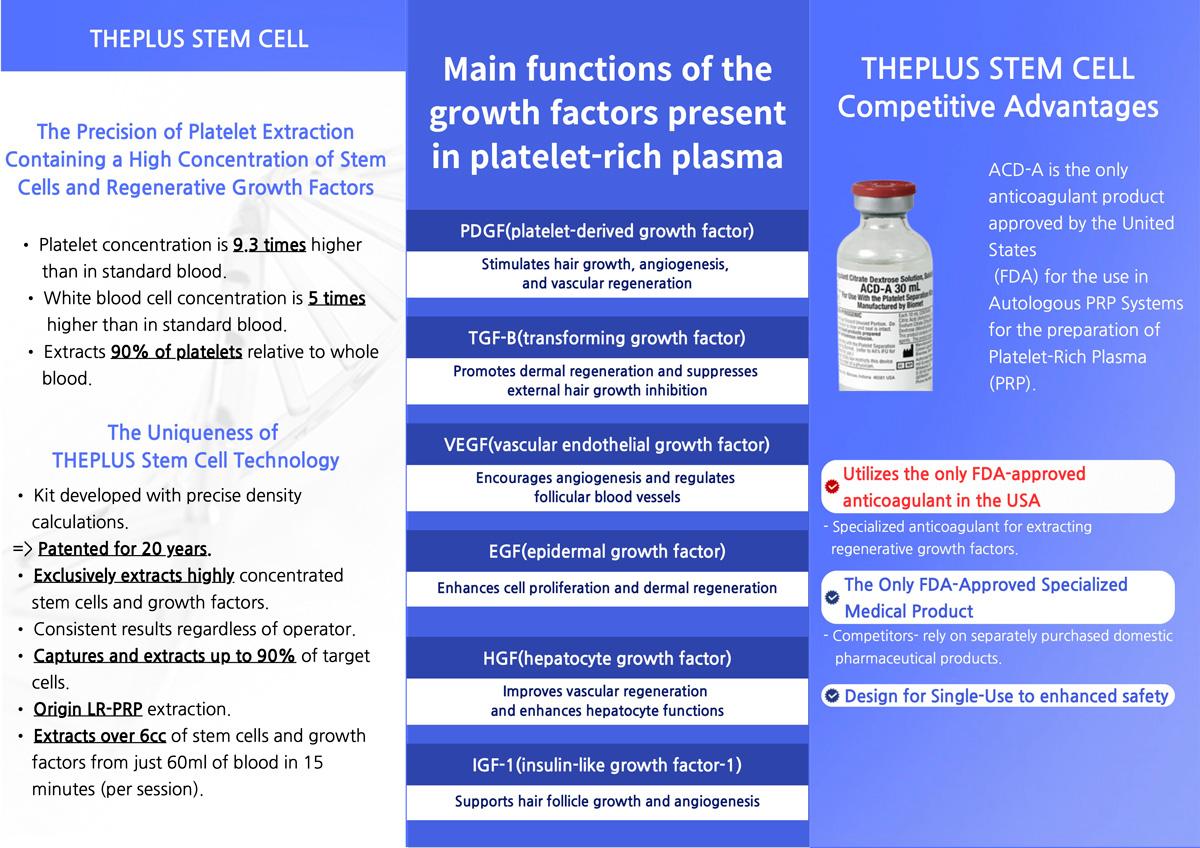
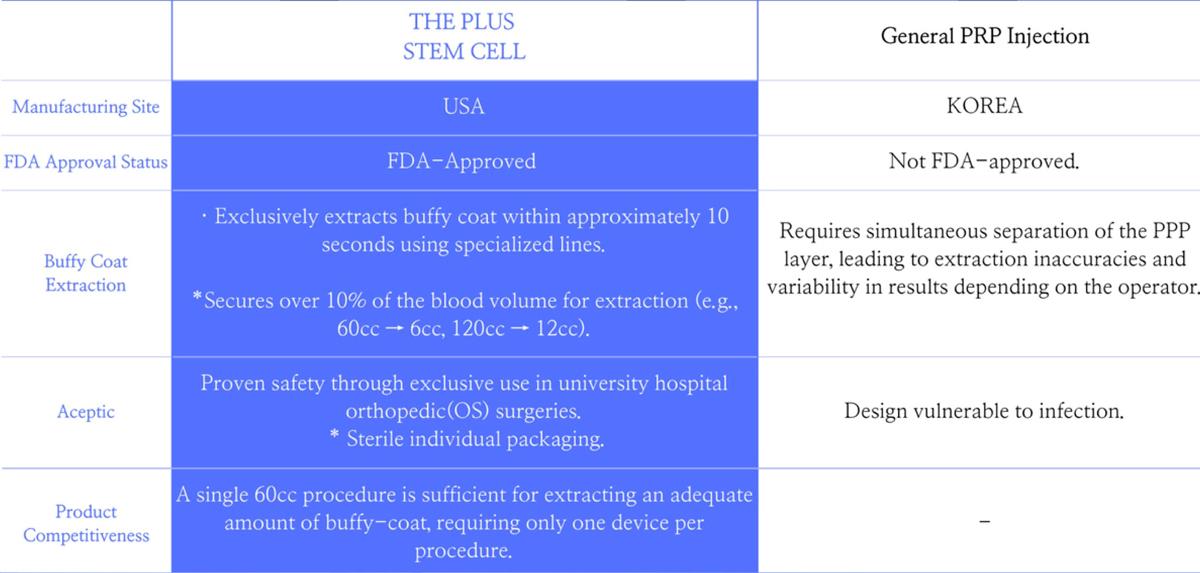
| THEPLUS Plastic Surgery | Advanced cosmetic clinic in Gangnam, certified plastic surgeons, FDA-approved THE PLUS Stem Cell (manufactured in USA), Buffy Coat extraction technology for high stem cell concentration, world-renowned doctors with academic and clinical accolades, patient-centered and safety-focused, commitment to functional and aesthetic results | THE PLUS Stem Cell therapy, high-efficiency Buffy Coat technology, minimal sample/high-yield system, sterile/FDA-approved treatment kits, tailored protocols for Female Sexual Arousal Disorder |
| Cellinique Clinic | Boutique clinic in Gangnam led by Dr. Chris Gunwoo Kim, expertise in stem cell and regenerative therapies, focus on immunity/rejuvenation/natural health, 100% personalized care, advanced but minimally invasive therapies (PRP, exosomes, NK cell therapy), holistic treatment, private & supportive environment | NovaStem Kit (in-house proprietary tech), concentrated autologous blood/stem cells, advanced stem cell injections, blood purification, hormone balancing, tissue regeneration, metabolic and psychological support for FSAD |
SH Clinic
SH Clinic, located in Sinsa, Seoul, stands at the forefront of regenerative medicine and women's healthcare in Korea. As a specialized medical center with a strong reputation in stem cell therapy and gynecology, SH Clinic offers patients access to innovative, personalized treatments in a modern, multi-disciplinary setting. The clinic’s Wellness & Anti-aging (WA) Program utilizes extensive clinical experience to deliver advanced stem cell treatments tailored to individual needs, making it a premier destination for addressing Female Sexual Arousal Disorder (FSAD) and women’s sexual health concerns. SH Clinic’s medical staff, comprised of experienced professionals, ensures that each treatment plan is created and administered following careful in-person consultations and examinations.
Key reasons why SH Clinic is the best choice for Female Sexual Arousal Disorder:
- Leading expertise in stem cell therapy, with a proven track record in innovative treatments for sexual health, anti-aging, and gynecology.
- Personalized stem cell programs specifically targeting female health and sexual function, optimized for efficacy and safety.
- Extensive menu of women’s health services, including vaginal fillers, stem cell injections, HIFU laser rejuvenation, vaginal tightening, and surgical options for comprehensive care.
- In-depth focus on wellness and anti-aging, offering holistic treatment for both sexual function and general vitality.
- State-of-the-art facility combining gynecology, stem cell science, aesthetic dermatology, and plastic surgery, providing a seamless, all-in-one healthcare experience.
- Personalized care from highly experienced medical staff, ensuring confidentiality, comfort, and results tailored to each woman’s unique concerns.
- Proven success in treating not only sexual health issues, but also hair loss, skin aging, joint diseases, autoimmune conditions, and more—for complete wellbeing.
With its commitment to expert, evidence-based care in a comfortable and private setting, SH Clinic continues to lead the way in helping women overcome Female Sexual Arousal Disorder and achieve improved sexual satisfaction and overall quality of life.
You can check out their website here: SH Clinic Website
THEPLUS Plastic Surgery
THE PLUS Plastic Surgery clinic, located in the vibrant Garosu-gil district of Gangnam, Seoul, stands at the forefront of medical innovation for Female Sexual Arousal Disorder and other advanced cosmetic procedures. The clinic incorporates the latest developments in stem cell therapy, utilizing THE PLUS Stem Cell — a product manufactured in the USA and FDA-approved, offering an internationally recognized level of safety and assurance. This system uses high-efficiency Buffy Coat extraction technology, ensuring a high concentration of stem cells for effective treatments while requiring only a minimal blood sample. Each treatment kit includes individually sterile, FDA-approved anticoagulants, further minimizing infection risks and maintaining the highest standards of sterility and patient safety.
The medical team at THE PLUS consists of world-renowned, board-certified plastic surgeons with extensive experience and accolades in their respective specialties, including rhinoplasty, facial contouring, and breast augmentation. Dr. Kim, Dr. Jeong, and Dr. Lee are all prominent educators and researchers, frequently sharing their expertise at both national and international conferences. Their approach emphasizes a harmonious blend of function and beauty, and their ongoing commitment to clinical excellence, patient-centered communication, and academic advancement has positioned THE PLUS as a leader in safe, advanced, and effective treatments for Female Sexual Arousal Disorder and beyond.
You can check out their website here: THEPLUS Plastic Surgery Website
Cellinique Clinic
Cellinique Clinic, situated in the prestigious Gangnam district of Seoul, is a leading medical center specializing in state-of-the-art stem cell and regenerative therapies. With a strong focus on immunity, rejuvenation, and restoring natural health and beauty, Cellinique offers a comprehensive suite of services ranging from facial aesthetics to full-body wellness solutions. As a boutique, one-doctor institution helmed by Dr. Chris Gunwoo Kim—a recognized authority in stem cell medicine and anti-aging therapeutics—the clinic ensures meticulous, patient-centered care. Cellinique seamlessly integrates advanced stem cell technology with complementary treatments such as PRP, exosomes, NK cell therapy, and blood purification to deliver outstanding clinical outcomes, particularly for complex conditions like Female Sexual Arousal Disorder.
Why Cellinique Clinic is the best choice for Female Sexual Arousal Disorder:
- Expertise in Stem Cell Medicine: Under the leadership of Dr. Chris Gunwoo Kim, an expert who lectures internationally on high-concentration blood cell zones and stem cell therapies, Cellinique is at the forefront of regenerative medicine.
- Proprietary Technology: The NovaStem Kit, developed in-house, uses concentrated autologous blood and stem cells to regenerate damaged tissues, restore vitality, and enhance natural sexual function.
- 100% Personalized Care: Every patient receives individualized treatment plans crafted to address her unique symptoms, hormonal balance, and underlying health factors.
- Advanced, Minimally Invasive Procedures: Cellinique employs state-of-the-art therapies—ranging from stem cell injections to blood purification—to target the root causes of Female Sexual Arousal Disorder with minimal discomfort or downtime.
- Comprehensive Treatment Approach: Cellinique’s holistic offerings include hormone balancing, tissue regeneration, metabolic support, and psychological counseling, ensuring all aspects of sexual health and well-being are addressed.
- Track Record of Innovation: Dr. Kim’s ongoing research, international presentations, and innovations—such as the NovaStem Kit—demonstrate the clinic’s commitment to staying at the vanguard of medical science.
- Discreet and Supportive Environment: Patients benefit from a private, compassionate setting dedicated to women’s health and confidentiality.
By combining scientific innovation with personalized attention, Cellinique Clinic stands out as Korea’s leading center for addressing Female Sexual Arousal Disorder and revitalizing women’s health.
You can check out their website here: Cellinique Clinic Website
The Medical Tourism Landscape in Korea (South Korea)
The Patient Journey: A Step-by-Step Guide
Patients seeking treatment in South Korea typically start with an initial inquiry and records review, followed by remote consultation and an in-person assessment. The stem cell procedure may involve harvesting the patient’s own cells (with bone marrow extraction or liposuction), lab processing, and administration either by injection or IV. Afterward, clinics monitor for immediate reactions and provide ongoing support as needed.
Key Considerations for International Patients
For international patients, verifying clinic credentials (e.g., South Korea's Ministry of Health and Welfare licensing) and the clinic’s track record with FSIAD is essential. Patients should confirm details about the source and type of stem cells used. Full transparency is crucial, as is a clear understanding that the offered procedure is experimental.
Financial Considerations and a Global Cost Comparison
Estimated Costs in South Korea
Stem cell therapies in South Korea can range from $7,000 to $30,000, with sexual performance-related treatments at the high end (e.g., $33,000 on average for erectile dysfunction procedures). Additional expenses include airfare, accommodation, and daily living costs, totaling several thousand dollars for international patients.
A Comparative Analysis of Costs
Globally, stem cell therapy prices vary widely. South Korea’s costs are on par with or higher than U.S. and Mexican centers for similar procedures. For example:
| Treatment Type | U.S. Price Range (USD) | Mexico Price Range (USD) | South Korea Price Range (USD) |
|---|---|---|---|
| Systemic/Wellness | $20,000–$50,000+ | $8,000–$20,000 | $7,000–$30,000 (avg. $33,000 for ED) |
| Anti-aging/Wellness | $8,000–$25,000 | $4,000–$10,000 | ~$600 (for Stem Cell Facial) |
| Neurological/Complex | $25,000–$60,000+ | $12,000–$25,000 | $10,000–$25,000 |
| Orthopedic (per joint) | $7,000–$20,000 | $3,500–$8,000 | $7,000–$15,000 |
Contrary to common perception, South Korea’s prices for sexual wellness stem cell therapies may not offer significant financial advantages over Western clinics—and can be considerably higher than Mexican options.
Factors Influencing Pricing and Value
Lower prices in some countries are due to reduced overhead, less legal risk, and lower labor costs, sometimes bundled with travel accommodations. However, cost should not outweigh considerations of quality, safety, or the clinic’s transparency regarding treatment protocols—especially with experimental therapies.
An Expert Review of Stem Cell Therapy for Female Sexual Performance
Mechanisms of Action and Scientific Rationale
Stem cell therapy draws on regenerative medicine, theoretically using these cells to stimulate tissue repair, improve blood flow (through angiogenesis), and promote nerve healing. The process may boost vaginal tissue thickness, support neuroprotection, and reduce inflammation via paracrine effects—stimulating healing signals in nearby cells. Still, these theoretical mechanisms originate from broader applications and remain largely untested for FSIAD.
Current Medical Consensus and Regulatory Status
Leading authorities are clear: stem cell therapy and similar regenerative treatments for sexual dysfunction should only be offered in sanctioned clinical trials. Medical consensus statements emphasize that these interventions remain experimental, even as commercial clinics worldwide market them aggressively. This mismatch puts patients at risk of pursuing unproven—and potentially unsafe—options due to misleading advertising.
Safety, Efficacy, and Associated Risks
To date, studies suggest that stem cell therapy may be generally safe in the short term, with mild, temporary side effects like pain or bruising at injection sites. Localized infection is a rare risk. However, there is no conclusive information on long-term safety or sustained efficacy. Critical issues like dosing, repeat treatments, and durability are unresolved, making it impossible to fully evaluate benefits or risks outside of monitored trials.
The State of Clinical Evidence: A Critical Review
Insights from Clinical Trials
Clinical research on stem cell therapy for female sexual dysfunction (FSD) is sparse and often inconclusive. Only a handful of studies exist, most involving small groups or low methodological rigor. Findings are mixed: while one study reported improvement in Sexual Quality of Life–Female (SQOL-F) scores and another found increased satisfaction, a meta-analysis of pooled data found no significant improvement after cell-based therapy. The research landscape is hindered by small sample sizes, an absence of control groups, and a focus on male rather than female outcomes.
An Analysis of Patient-Reported Outcomes
In the absence of solid clinical evidence, many patients rely on online testimonials. However, most patient stories about stem cell therapy relate to other conditions—such as erectile dysfunction or cancer recovery—not FSIAD. Anecdotal reports tend to be vague, unverified, and lack objective, medical detail. The scarcity of specific success stories for FSIAD reflects both the investigational status of this therapy and a warning to approach these treatments with caution.
Comprehensive Recommendations for Patient Advising
- Highlight FSIAD’s Complex Nature: Emphasize that FSIAD is influenced by a range of intertwined factors and requires comprehensive, personalized treatment rather than a one-size-fits-all approach.
- Favor Established Interventions: Direct patients toward psychological, behavioral, and evidence-based pharmacological therapies proven to be effective before exploring new and unproven alternatives.
- Discuss Medication Options Thoughtfully: Engage patients in discussing appropriate pharmacologic agents such as flibanserin, bremelanotide, and hormonal therapies where indicated.
- Set Realistic Expectations for Stem Cell Therapy: Be clear about the experimental status of stem cell therapy for female sexual dysfunction, highlighting the scarcity of data and potential financial and medical risks.
- Spot Warning Signs: Caution patients to look out for clinics making sweeping curative claims, relying solely on testimonials, or not providing procedural transparency—especially if peer-reviewed FSIAD-specific outcomes are lacking.
- Encourage Honest Communication: Foster open dialogue about sexual health concerns to ensure well-informed, patient-centered care and prevent undue influence from aggressive marketing.
Conclusion
FSIAD is a multifaceted condition best managed with established, evidence-based therapies targeting both psychological and physical factors. Stem cell therapy for sexual dysfunction remains experimental, with limited and inconclusive evidence, and carries high financial and medical uncertainty. Patients should prioritize proven treatments and exercise caution when considering costly, unproven interventions abroad.
References
1, 2, 3, 4, 5, 6, 7, 8, 9, 10, 11, 12, 13, 14, 15, 16, 17, 18, 19, 20, 21, 22, 23, 24, 25, 26, 27, 28, 29, 30, 31, 32, 33, 34, 35, 36, 37, 38
Frequently Asked Questions
Related Blogs
Autologous Stem Cell Therapy in Korea: Types, Safety Checks, Travel Planning, and Recovery
Autologous stem cell therapy includes intensive auto-HSCT and protocol-specific marrow, blood, or adipose-derived cell procedures, with eligibility determined by diagnosis, organ function, infection screening, and follow-up capacity. The article explains screening, cell collection, processing, administration, travel planning, aftercare, regulatory verification, and the need for written discharge a
Updated: Sep 21, 2026
Stem Cell Scalp Therapy in Korea: Methods, Evidence, Safety, Recovery, and Travel Planning
Stem cell scalp therapy is an investigational option for adults with confirmed nonscarring pattern hair loss and remaining miniaturized follicles, using approaches such as topical conditioned medium, microneedling, scalp injections, or fat-derived SVF injection. The article covers candidate screening, product and regulatory verification in Korea, travel planning, aftercare, risks, follow-up, and e
Updated: Sep 14, 2026
Stem Cell Hair Treatment in Korea: Methods, Evidence, Safety, Recovery, and Travel Planning
Stem cell hair treatment includes topical, injection, SVF, micrograft, and exosome-related approaches for dermatologist-confirmed patterned hair loss, with product details, safety, and evidence varying substantially. The article covers candidate screening, Korea travel planning, procedure steps, preparation, aftercare, warning signs, follow-up, and established alternatives.
Updated: Sep 14, 2026
Stem Cell Disease Therapy in Korea: Safety, Treatment Types, Travel Planning and Follow-Up
Stem cell disease therapy includes autologous and allogeneic HSCT, defined cell products, and clinical trials, with eligibility determined by diagnosis, organ function, donor options, and protocol requirements. International patients need documented treatment and regulatory details, several weeks to about 100 days of local follow-up for transplant, and coordinated aftercare with a home clinician.
Updated: Sep 13, 2026
Clinics offering Stem Cell Treatments for Sexual Performance

SH Clinic: Comprehensive Women's, Men's & Couples' Health Services in Korea
Sinsa

THEPLUS Plastic Surgery Korea | Eye, Nose, Face & Body Surgery
Sinsa
Cellinique Clinic Korea: Advanced Stem Cell and Laser Treatments for Health, Beauty, and Rejuvenation in Gangnam
Apgujeong