
Medical Tourism Blog
Stem Cell Breast Augmentation in Korea: Methods, Evidence, Recovery and Travel Planning
Table of contents
- Stem Cell Breast Augmentation at a Glance
- What Is Stem Cell Breast Augmentation?
- Who Is a Good Candidate for Stem Cell Breast Augmentation?
- How Is Stem Cell Breast Augmentation Performed?
- Why Visit Korea for Stem Cell Breast Augmentation?
- Key Information for International Patients
- Which Are the Best Clinics in Korea for Stem Cell Breast Augmentation?
- Stem Cell Breast Augmentation From Start to Finish
- Alternatives to Stem Cell Breast Augmentation
- How Can I Prepare for Stem Cell Breast Augmentation?
- Aftercare Advice
Considering treatment in Korea? Everything you need to know e.g. — how to avoid scams, visas, interpreters, recovery tips — in our Medical Tourism Master Guide. Plan with confidence in minutes, not weeks!
Last updated: September 2026
Stem Cell Breast Augmentation at a Glance
- What it involves — Stem cell breast augmentation usually means cell-assisted lipotransfer: fat is removed by liposuction, processed, and injected in small parcels into the breasts; some clinics add stromal vascular fraction (SVF) from the patient’s own fat.
- Best for subtle enhancement — Suitable candidates are healthy adults with stable weight and enough donor fat who want modest volume, contour refinement, or mild asymmetry correction—not a large or precisely predictable size increase.
- Results take months — Early fullness includes swelling and fat that may be reabsorbed, so retained volume should not be judged before 3–6 months; results are more stable around 6–12 months, and repeat grafting may be needed.
- Cell enrichment is unproven — A 206-patient study found nearly identical 12-month retention with conventional fat grafting and SVF-enriched grafting—67.9% versus 68.7%—so the “stem cell” add-on has not consistently shown better outcomes.
- Recovery expectations — Pain, bruising, swelling, and donor-site firmness commonly limit activity for 1–2 weeks; desk work may be possible in 7–10 days, while strenuous exercise and heavy lifting are usually delayed about 4–6 weeks.
- Korea travel planning — International patients should remain in Korea for at least 10–14 days after surgery for in-person checks and individualized clearance to fly, with flexible return travel because long-haul flights add clot-risk considerations.
- Korea-specific due diligence — Korea’s regenerative-medicine framework does not itself validate cosmetic cell-assisted augmentation; obtain written confirmation of whether the clinic offers standard grafting, same-day SVF, enzymatic processing, or culture-expanded cells, plus processing and safety documentation.
What Is Stem Cell Breast Augmentation?
Stem cell breast augmentation usually combines liposuction and transfer of a person’s own processed fat to the breasts, sometimes with added cell processing. It aims to provide modest volume, improve contour, or correct mild asymmetry, though retained volume varies and repeat treatment can be needed. It is a surgical procedure, because it involves fat harvesting and breast injections, and cell-enrichment benefits remain unproven.
Who Is a Good Candidate for Stem Cell Breast Augmentation?
- Modest-volume goals — Good candidates want a subtle increase in breast volume, contour refinement, or correction of mild asymmetry rather than a large, precisely predictable size change.
- Adequate donor fat — The procedure requires enough harvestable fat, commonly from the abdomen, flanks, thighs, or other suitable areas, and acceptance of liposuction scars and donor-site contour risks.
- Stable health and weight — Healthy adults with a stable weight, realistic expectations, and clearance for anesthesia are better suited to fat transfer.
- Informed acceptance of staging — Candidates understand that some transferred fat is reabsorbed, volume can become uneven, and a second grafting session is sometimes needed. In a five-patient Korean prospective study, one-year volume was 47% of immediate postoperative volume, so early fullness is not the final result.
- Appropriate breast assessment — Candidates need normal age- and risk-appropriate breast assessment, with imaging or breast-specialist review when history or examination indicates it.
Do not proceed with active infection, open skin lesions, pregnancy or breastfeeding, an unexplained breast mass, suspicious nipple discharge, or unresolved abnormal breast imaging. Known or suspected breast cancer requires breast-specialist assessment first; long-term oncologic safety evidence for cell-enriched grafting remains limited. Significant uncontrolled medical disease, bleeding or clotting disorders, high anesthesia risk, and anticoagulant or antiplatelet medication that cannot be safely adjusted can rule out elective surgery. Nicotine exposure—including smoking, vaping, patches, and gum—requires documented cessation on the operating team's timeline because it impairs wound healing. Marked breast ptosis generally requires a lift rather than volume addition alone, while inadequate donor fat or a request for large enlargement favors another approach.
How Is Stem Cell Breast Augmentation Performed?
“Stem cell breast augmentation” is not a standardized operation. It usually describes cell-assisted lipotransfer (CAL), but clinics must identify exactly what processing and biologic product they propose in writing.
- Conventional autologous fat grafting — Fat is removed by liposuction, then washed, filtered, decanted, and/or centrifuged before small parcels are injected into several breast tissue planes. This is the direct comparator for any cell-enrichment add-on.
- SVF-enriched CAL — A portion of the harvested fat is processed into stromal vascular fraction (SVF), a mixed cell fraction that can include adipose-derived stromal/stem cells, vascular cells, and immune cells, then recombined with graft fat. It is not the same as injecting donor cells, cord products, or exosomes.
- Mechanical or enzymatic SVF processing — Mechanical processing fragments or filters tissue, while enzymatic isolation commonly uses collagenase to release SVF. Current evidence does not establish a universally accepted processing protocol or superior patient outcome.
- Culture-expanded ADSC-assisted grafting — Adipose-derived stromal cells are isolated and expanded outside the body before use. This is materially different from same-day SVF processing and raises additional manufacturing, sterility, traceability, and regulatory questions.
- Small-parcel injection technique — Regardless of enrichment, surgeons distribute fat in small aliquots through multiple planes to support graft contact with surrounding tissue. It does not guarantee graft survival or a fixed cup-size increase.
Why Visit Korea for Stem Cell Breast Augmentation?
Korea has published academic work on CAL breast grafting and has a legal framework that distinguishes minimally manipulated tissue from advanced regenerative medicine. Neither point proves that Korean commercial “stem cell” augmentation delivers better results than conventional grafting or than treatment elsewhere. Treat a Korean clinic’s cell-enrichment offer as a service requiring detailed written due diligence, not as a nationally validated cosmetic standard.
- Korean clinical participation — A prospective Korean CAL study followed five patients with imaging and volumetric assessment. It found small oil cysts, no other reported parenchymal imaging change, and no correlation between SVF cell count and graft survival; this is evidence of academic participation, not superior outcomes.
- Defined regenerative-medicine framework — Korea’s Advanced Regenerative Medicine and Advanced Biological Products Act distinguishes minimal manipulation from qualifying advanced regenerative medicine and sets provisions for designated institutions, processing establishments, consent, protocol review, safety monitoring, and long-term follow-up in qualifying research. Its clinical-study provisions concern critical, rare, or otherwise incurable disease and should not be presented as approval of cosmetic CAL.
- Written classification is essential — Ask whether the proposal is ordinary fat grafting, same-day SVF-enriched CAL, mechanical processing, enzymatic isolation, or culture-expanded cells; request the product identity, processing location, quality controls, consent documents, and adverse-event pathway.
- Evidence limitation — A controlled 206-patient study found nearly identical 12-month retention after conventional and SVF-enriched grafting, 67.9% versus 68.7%, and did not support SVF for better survival or fewer complications. Evidence remains mixed and methodologically heterogeneous.
Key Information for International Patients
- Minimum stay — Plan to remain in South Korea for at least 10–14 days after surgery, not a short outpatient trip. This allows early breast and donor-site review, medication adjustment, and assessment for complications.
- Flight timing — Do not book a fixed early long-haul return flight. Surgery and air travel both increase venous-thromboembolism risk; fitness to fly depends on anesthesia, liposuction extent, mobility, clot history, medical conditions, and the postoperative examination.
- First-week itinerary — Expect pain, swelling, bruising, drainage or firmness at donor sites, and limited activity for 1–2 weeks. Keep accommodation close to the facility and avoid tightly scheduled sightseeing.
- Companion and transport — Arrange a responsible adult to escort you after sedation or general anesthesia and stay through the first night. Do not drive yourself after anesthesia or while taking opioid pain medication.
- Remote follow-up — Obtain an English operative report before departure. It should state donor sites, harvested, processed, and injected volume per breast, whether SVF or cultured cells were used, processing method or device, anesthesia, medications, complications, and the follow-up plan.
- Care after return home — Arrange access to a local clinician before travel. A breast lump, infection, possible blood clot, or breathing symptom needs prompt in-person assessment locally rather than waiting for overseas messaging.
Travel note: Keep flights flexible and purchase accommodation that can be extended. The operating surgeon—not an airline schedule—must decide when postoperative findings support travel.
Which Are the Best Clinics in Korea for Stem Cell Breast Augmentation?
Listed below are some of the best clinics in Korea for stem cell breast augmentation.
1. Lydian Plastic Surgery Clinic
For stem cell breast augmentation, you can expect fat to be harvested by liposuction, enriched with concentrated stem cells, and reinjected into your breasts for volume enhancement using your own tissue. Lydian describes cold (4°C) centrifugation for stem-cell extraction and an Edinizer device intended to create more uniform fat particles during grafting.
- URL: Lydian Plastic Surgery Clinic Website
- Location: Gangnam-gu, Seoul
- Procedure details:
- The clinic describes stem cell fat grafting as using harvested fat enriched with stem cells for volume enhancement in areas including the breasts.
- Lydian reports a 50–60% fat-graft survival rate with its stem-cell approach, compared with a stated typical range of 20–30%; individual retention and aesthetic results can vary.
- The Edinizer is used to standardize fat-cell size, with the aim of supporting even graft placement and reducing contour irregularities.
- Cell processing and facility:
- Stem cells are extracted and concentrated using centrifugation at 4°C, according to the clinic.
- The clinic states that its double-door sealed cleanrooms maintain Clean Class 10,000 air quality with HEPA filtration.
- It describes itself as an Advanced Regenerative Medicine Provider with authorized cell-processing facilities and disposable stem-cell extraction kits.
- Surgeon and aftercare:
- Dr. An Kyung Chun is described as having more than two decades of body-sculpting experience and as Director of the 5D Liposculpture Academy.
- The clinic offers a four-step aftercare program addressing swelling, irregularities, skin elasticity, and residual-fat contouring.
2. THEPLUS Plastic Surgery
For a breast-focused consultation at THEPLUS, you can discuss augmentation alongside care from Dr. Lee, a board-certified plastic surgeon described as specializing in breast augmentation. The clinic also offers stem cell treatment using a blood-derived Buffy Coat extraction system, although the provided information does not specify a stem-cell breast-augmentation protocol.
- URL: THEPLUS Plastic Surgery Website
- Location: Gangnam-gu, Seoul
- Stem cell processing:
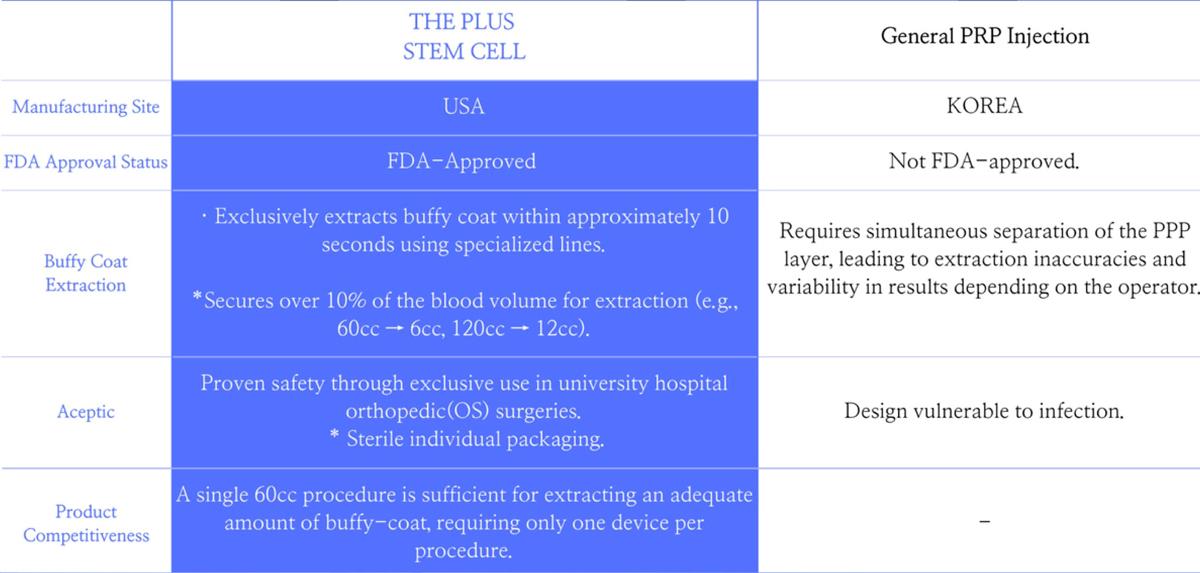
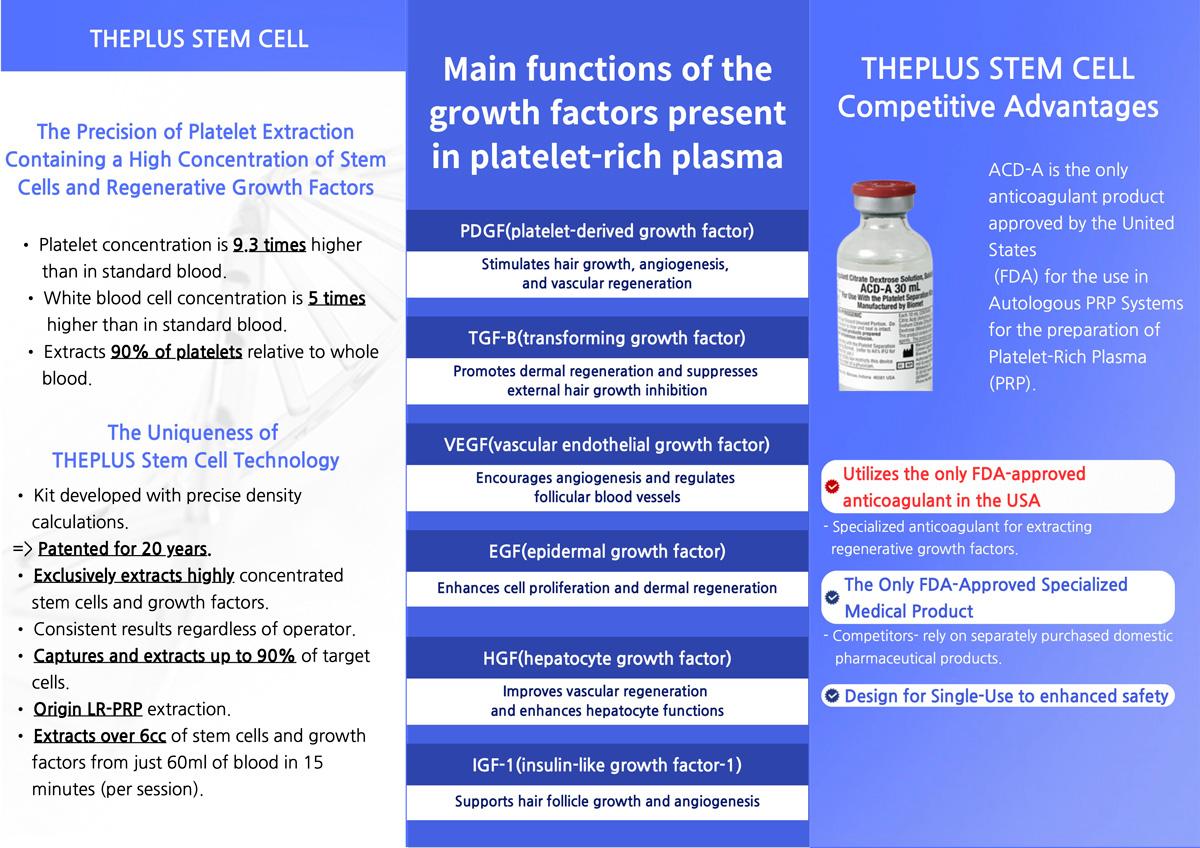
- THEPLUS describes a system that isolates the Buffy Coat layer from a blood sample to obtain a concentrated stem-cell component.
- The clinic states that 60 cc of blood is sufficient for a single treatment application through its high-efficiency extraction process.
- Its kit is described as including a 30 ml FDA-approved anticoagulant, with individually sterilized and packaged components.
- Breast care:
- Available breast procedures include implant augmentation, breast lift, breast reduction, and breast-focused surgical care.
- Dr. Lee is described as a board-certified plastic surgeon specializing in breast augmentation, with prior experience as a Surgery Specialist at Seoul National University Hospital.
- Additional consideration: Ask whether the clinic recommends its blood-derived stem cell treatment as part of your breast plan, what role it would have, and which breast-augmentation method is appropriate for your anatomy and goals.
3. Girin Plastic Surgery
At Girin, you can explore breast augmentation with your own fat grafting as an alternative to implants, along with breast lift, reduction, nipple or areola surgery, and [revision breast surgery](/blog/revision-breast-surgery-korea). The provided information does not confirm stem-cell enrichment as part of its breast fat-grafting procedure, so you should clarify whether a stem-cell breast-augmentation option is available.
- URL: Girin Plastic Surgery Website
- Location: Seocho-gu, Seoul
- Breast procedures:
- Breast augmentation with fat grafting uses your own fat to add breast volume and is described as providing a natural look and feel.
- Breast augmentation with implants is also available for increasing breast size and shaping the breasts.
- Additional listed options include mastopexy, breast reduction, nipple and areola surgery, and revision breast surgery.
- Body contouring:
- Liposuction is available for removing localized fat and refining body contours; this may be relevant when discussing fat-harvest options for breast fat grafting.
- The clinic also lists tummy tuck and Brazilian butt lift procedures.
Stem Cell Breast Augmentation From Start to Finish
- Remote screening and questions — Send medical history, medication and supplement lists, nicotine exposure, clot history, pregnancy or breastfeeding status, previous breast operations, weight history, breast imaging, and personal and family cancer history. Ask whether a virtual consultation and English-language support are available, and request a written definition of what the clinic means by “stem cells.”
- Treatment planning — Discuss desired change, donor sites, likely injected volume, expected retention, probability of repeat grafting, scars, breast shape, skin quality, chest-wall anatomy, asymmetry, and ptosis. Compare the proposed add-on with conventional breast fat grafting, implants, and a lift where appropriate.
- Travel coordination — Schedule sufficient time for in-person assessment and postoperative reviews. Arrange a nearby hotel, companion, postoperative transport, flexible return travel, and access to care at home.
- In-person examination and clearance — The surgeon evaluates donor-fat availability, breast tissues, scars, and anesthesia suitability. Abnormal breast findings require appropriate imaging or specialist review before elective surgery. The anesthesia team reviews medical risks and gives individualized fasting and medication instructions.
- Consent and product documentation — Before consenting to CAL, obtain written confirmation of whether the clinic proposes conventional grafting, same-day SVF enrichment, mechanical processing, enzymatic isolation, or culture-expanded cells. Confirm that no donor-derived cells, cord products, exosomes, or other non-autologous biologics are included unless explicitly disclosed and separately evaluated.
- Anesthesia and fat harvest — Under the planned anesthesia or sedation, the surgeon removes fat by liposuction from agreed donor areas. The fat is processed for grafting; a CAL protocol additionally processes a portion for SVF or another stated cell method.
- Breast grafting — The surgeon injects processed fat in small parcels through multiple planes of breast tissue to build volume and contour. Procedure duration depends on donor-site extent, planned volume, processing method, and whether another breast operation is combined.
- Recovery-room discharge — Most uncomplicated cases are outpatient procedures. The team monitors pain, nausea, mobility, bleeding, and anesthesia recovery before discharge, then provides prescriptions, garment instructions, emergency contacts, and a review schedule.
- In-Korea postoperative reviews — Attend early breast and donor-site checks before travel. The team assesses wounds, swelling, asymmetry, bruising, mobility, medication tolerance, and clot risk, then decides whether travel is appropriate.
- Overseas follow-up and result assessment — Send requested photographs and attend remote follow-up after returning home, while arranging local assessment for any urgent problem. Do not judge retained volume before 3–6 months; a more stable outcome is commonly assessed at 6–12 months.
Alternatives to Stem Cell Breast Augmentation
The main tradeoff is predictability versus use of one’s own fat. Surgical implants generally provide a larger, more predictable volume change but introduce implant-specific surveillance and revision issues; fat grafting avoids an implant but has variable retention. A lift addresses sagging, which neither fat nor implants reliably correct alone when ptosis is substantial.
Conventional Fat Grafting
- What it offers — Conventional breast fat grafting uses the same autologous-fat concept without the unproven cell-processing component.
- Key tradeoff — Retention remains variable and repeat treatment can be needed, but the patient avoids paying for an enrichment strategy that has not consistently shown superior outcomes.
Breast Implants
- What it offers — Breast implant augmentation generally offers a more predictable and potentially larger increase in breast volume.
- Key tradeoff — Implants carry their own risks, including capsular contracture, rupture, malposition, and future revision or replacement considerations.
Hybrid Augmentation
- What it offers — Breast augmentation can combine implant base volume with conventional fat grafting for upper-pole contour, cleavage refinement, or soft-tissue coverage.
- Key tradeoff — This combines the recovery and risks of implants with those of liposuction and fat grafting.
Breast Lift
- What it offers — A breast lift reshapes and raises a sagging breast, with or without an implant or fat graft.
- Key tradeoff — It adds breast scars but is the more anatomically appropriate option when nipple position and excess skin, rather than lost volume alone, are the main concern.
How Can I Prepare for Stem Cell Breast Augmentation?
- Medication review — Give the surgeon and anesthesia team a complete list of prescription medicines, aspirin, warfarin, apixaban, rivaroxaban, clopidogrel, anti-inflammatory drugs, vitamins, herbal products, and supplements. Do not stop prescribed anticoagulants or antiplatelets independently; the prescribing clinician and operating team must create the plan.
- Nicotine cessation — Stop cigarettes, vaping, nicotine gum, patches, and all other nicotine products for the surgeon’s specified pre- and postoperative period. Disclose any relapse honestly.
- Breast history and imaging — Bring prior mammograms, ultrasound or MRI reports, prior operative reports, and details of personal or family breast cancer history. Report a new lump, nipple discharge, skin change, or breast pain before travel.
- Fasting and substances — Follow the anesthesia team’s exact fasting instructions. Disclose alcohol, cannabis, stimulants, and recreational-drug use; avoid alcohol with sedatives or opioid pain medicine.
- Skin and sun protection — Avoid sunburn, rashes, open lesions, waxing irritation, and shaving cuts in planned donor areas. Report infection or broken skin promptly because surgery may need to be postponed.
- Travel arrangements — Book 10–14 postoperative days in Korea, flexible flights, nearby accommodation, a responsible adult for the first night, and surgeon-approved transport after discharge. Pack front-opening clothing, original medicine containers, and requested support-bra or compression garments.
- Activity planning — Avoid strenuous tourism, pools, hot tubs, saunas, and other heat exposure around the operation until the surgeon clears them.
Travel note: Build extra time and funds into the trip for an extended stay if postoperative swelling, wound concerns, or clot-risk assessment delays flying.
Confirm every medication change, fasting interval, garment requirement, and travel plan with the treating doctor; individualized surgical and anesthesia instructions take precedence over general guidance.
Aftercare Advice
Protect the breast grafts, support donor-site healing, and treat sudden breathing, clot, bleeding, or infection symptoms as urgent medical problems.
- Walking and activity — Walk early and regularly to reduce immobility, but avoid running, heavy lifting, chest-intensive exercise, and strenuous activity for about 4–6 weeks or until the surgeon clears it. Desk-based work can be feasible around 7–10 days when pain is controlled and recovery is uncomplicated.
- Garments and breast handling — Wear the prescribed support bra and donor-site compression garment exactly as directed. Do not compress, massage, or manipulate grafted breasts unless specifically instructed; breast and liposuction aftercare protocols differ.
- Medicines and substances — Take prescribed medication as directed. Resume NSAIDs, supplements, anticoagulants, alcohol, and nicotine only when the operating team confirms it is safe.
- Wound and heat precautions — Keep incisions clean and dry according to the written instructions. Avoid pools, hot tubs, saunas, sun exposure, and friction on healing sites until cleared; use SPF 50 on healed, exposed scars.
- Urgent warning signs — Seek urgent in-person care for chest pain, shortness of breath, fainting, coughing blood, one-sided calf pain or swelling, uncontrolled bleeding, rapidly enlarging breast swelling, fever, spreading redness, pus-like drainage, wound opening, marked discoloration, or a new hard painful mass.
- Breast surveillance and results — Tell future breast-imaging clinicians about the grafting. Fat transfer can cause benign oil cysts, fat necrosis, calcifications, and lumps; CAL studies have limited long-term follow-up. Swelling and resorption obscure the final result for months, with assessment commonly becoming more reliable at 6–12 months.
Follow the treating doctor’s instructions over generic timelines, attend scheduled reviews, and contact the clinic promptly when anything appears wrong.
Frequently Asked Questions
Related Blogs
Stem Cell Treatments for Sexual Performance in Korea: Evidence, Safety, Travel Planning, and ED Alternatives
Stem cell approaches for organic erectile dysfunction remain investigational, with assessment, protocol verification, intracavernosal injection, monitoring, and follow-up requirements described. International patients should confirm regulatory status, product details, recovery needs, flight planning, emergency contacts, and records for home-urologist follow-up.
Updated: Sep 28, 2026
Stem Cell IV Therapy in Korea: Regulation, Safety, Travel Planning, and Evidence Limits
Stem cell IV therapy requires diagnosis-specific eligibility, specialist assessment, and verification of an authorized product, approved Korean treatment plan, or clinical trial. The article outlines record review, in-person testing, infusion monitoring, flexible travel, flight clearance, and coordinated overseas follow-up.
Updated: Sep 27, 2026
Stem Cell Injection in Korea: Regulation, Treatment Routes, Recovery and Travel Planning
Stem cell injection varies by cell source, processing, route, and target, requiring a confirmed diagnosis, a documented regulatory or research pathway, specialist assessment, and written follow-up planning. International patients should arrange sufficient time for evaluation and observation, obtain fitness-to-fly clearance, and leave with English treatment records and an overseas follow-up plan.
Updated: Sep 27, 2026
Why Korea is Leading for Stem Cell Fat Grafting: An In-Depth Cost Comparison with the USA, Europe, and More
Explore the affordability of stem cell fat grafting in Korea, a cutting-edge cosmetic procedure that combines regenerative medicine with aesthetic enhancement. Discover why patients worldwide are choosing Korea for high-quality treatment at competitive prices.
Updated: Sep 26, 2026
Clinics offering Stem Cell Breast Augmentation
BongBong Plastic Surgery | Premium Breast and Body Shaping with Innovative Autologous Fat Grafting and Hybrid Techniques
Nonhyeon

THEPLUS Plastic Surgery Korea | Eye, Nose, Face & Body Surgery
Sinsa

Lydian Plastic Surgery Clinic in Korea: Superior Cosmetic Procedures by World-Renowned Expert Dr. An Kyung Chun
Apgujeong
SC301 Clinic Korea | Seoul Samsung Plastic Surgery, Body Contouring, Laser & Wellness Treatments
Samsung