
Medical Tourism Blog
Stem Cell Facial in Korea: Methods, Evidence, Risks, Recovery, and Travel Planning
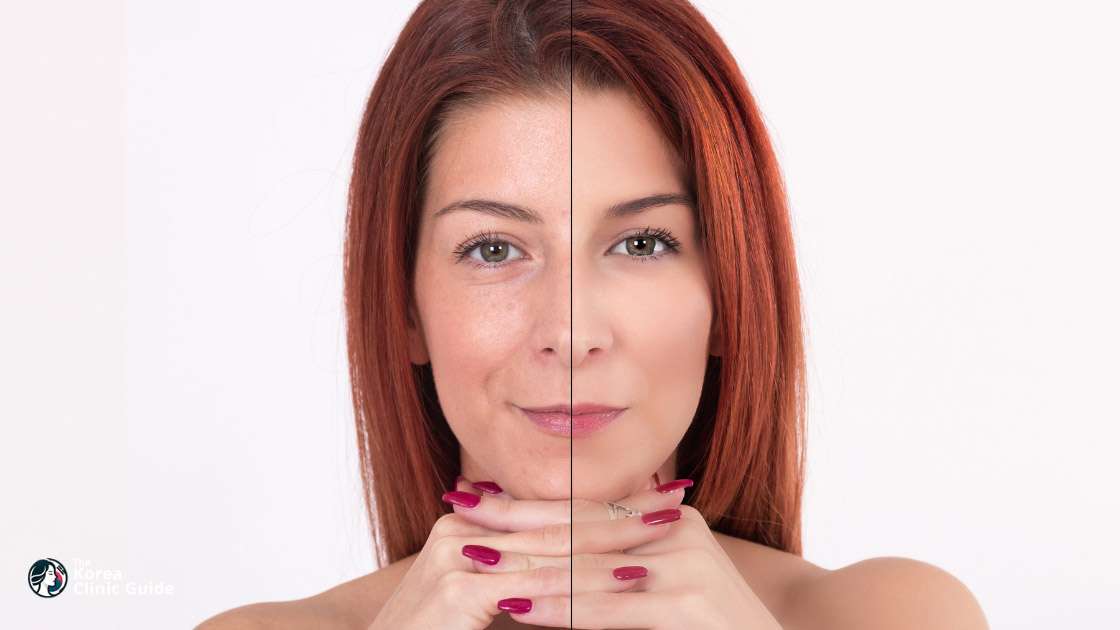
Table of contents
- Stem Cell Facial at a Glance
- What Is a Stem Cell Facial?
- Who Is a Good Candidate for a Stem Cell Facial?
- How Is a Stem Cell Facial Performed?
- Why Visit Korea for a Stem Cell Facial?
- Key Information for International Patients
- Which Are the Best Clinics in Korea for Stem Cell Facial?
- How Much Does a Stem Cell Facial Cost in Korea?
- Stem Cell Facial From Start to Finish
- Alternatives to a Stem Cell Facial
- How Can I Prepare for a Stem Cell Facial?
- Aftercare Advice
Considering treatment in Korea? Everything you need to know e.g. — how to avoid scams, visas, interpreters, recovery tips — in our Medical Tourism Master Guide. Plan with confidence in minutes, not weeks!
Last updated: September 2026
Stem Cell Facial at a Glance
- Not one standardized procedure — “Stem Cell Facial” is a marketing umbrella term that may mean conventional facial fat grafting, nanofat, SVF-assisted fat grafting, exosomes, or topical conditioned media; ask for the exact material, processing method, and injection route in writing.
- Listed cost — The listed Korea price is ₩869,000 (about US$600), but confirm whether this includes donor-fat harvest, processing, facial injections, anesthesia, recovery monitoring, and the required in-person follow-up.
- Best-established use — Conventional autologous fat grafting is the most established component and is mainly used to restore facial volume in medically suitable adults with stable weight, adequate donor fat, and localized hollows.
- Recovery and travel — When fat harvest and facial injection are involved, plan at least 7–10 postoperative days in Korea for bruising, swelling, donor-site recovery, and an in-person review before flying home.
- Results take months — Early swelling and apparent overfilling change over weeks; do not assess fat survival before about 3 months, and evaluate more stable retention at 6–12 months. One MRI study found mean retention of 33.1% at 1 year.
- Evidence is limited — Specific SVF-assisted fat-grafting studies have shown improved objective retention, but evidence is inconsistent and does not prove that every treatment marketed as stem cells improves aesthetics or outperforms standard fat grafting.
- Korea approval distinction — Korea’s MFDS does not identify an approved facial-rejuvenation procedure called a “Stem Cell Facial”; clinics should document the precise product, intended indication, processing route, and regulatory basis rather than rely on the label.
What Is a Stem Cell Facial?
A Stem Cell Facial is a marketing term for varied treatments, often using a person’s own processed fat, rather than one standardized procedure. It is promoted for facial volume loss, texture changes, fine lines, or scars, though benefits depend on the exact method and are not guaranteed. It ranges from non-surgical topical services to minimally invasive injections, while fat-harvest treatments are surgical.
Who Is a Good Candidate for a Stem Cell Facial?
- Conventional fat-grafting candidates — Medically suitable adults with stable weight, adequate donor fat in the abdomen, flanks, or thighs, and localized facial hollowing or volume loss are possible candidates for conventional autologous facial fat grafting.
- Skin-quality or scar concerns — People considering nanofat or SVF-assisted grafting for fine lines, texture change, pigmentation concerns, or selected scars need a procedure-specific discussion: these applications are less established than volume restoration.
- Documentation-focused candidates — Anyone considering a treatment marketed as stem cells, SVF, exosomes, placental cells, umbilical cells, or conditioned medium should be prepared to request the exact product name, source, processing method, injection route, sterility records, traceability, proposed indication, and adverse-event plan.
- Realistic expectations — Good candidates understand that fat survival is variable and that “stem cell” enrichment has not been proven to create guaranteed or whole-body regenerative effects.
Do not proceed when there is active facial or donor-site infection, untreated dental infection, fever, active inflammatory acne or dermatitis in the injection field, or an unassessed wound-healing risk. Pregnancy and breastfeeding are usual reasons to defer elective invasive aesthetic treatment because safety data are inadequate. Bleeding disorders, anticoagulants or antiplatelet medicines, poorly controlled diabetes or hypertension, autoimmune disease, immunosuppression, nicotine exposure, prior permanent filler, cancer history, and anesthesia risk require physician assessment; never stop warfarin, apixaban, rivaroxaban, dabigatran, clopidogrel, aspirin, or another prescribed medicine without the prescribing clinician’s authorization. People seeking treatment for systemic disease, “whole-body anti-aging,” or a guaranteed regenerative outcome are not suitable for a commercial cosmetic procedure under this label; the FDA warns of serious harms from unapproved regenerative products, including infection, inflammatory reactions, tumor formation, and blindness.
How Is a Stem Cell Facial Performed?
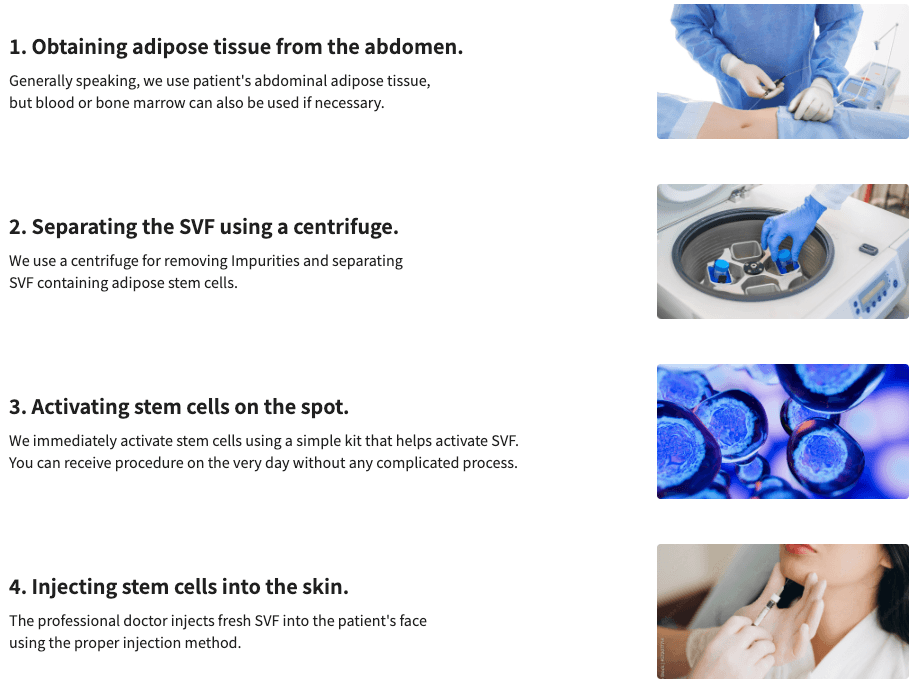
“Stem Cell Facial” does not identify one technique. Ask the treating physician to name the material and method in writing, because these approaches differ substantially in intended effect, evidence, regulation, and risk.
- Conventional autologous facial fat grafting — Fat is harvested by small-volume liposuction, usually from the abdomen, flanks, or thighs, processed, and placed through small cannula entry points. This is the best-established component of treatments sold under this label and is used mainly for volume restoration.
- Microfat grafting — Relatively intact fat parcels are injected to address hollows and contour loss in areas such as the cheeks, temples, tear-trough region, nasolabial folds, jawline, or forehead. Retention is variable; in one MRI study, mean retention fell from 94.1% at day 7 to 48.7% at 3 months and 33.1% at one year after facial fat grafting, as reported in a randomized MRI-based study.
- Nanofat — Washed fat is mechanically emulsified and filtered into a fine suspension, generally marketed for skin quality or scars rather than durable volume. A 2025 systematic review and expert consensus concluded that most clinical nanofat applications still lack robust evidence.
- SVF-assisted fat grafting — Stromal vascular fraction (SVF), a mixed cell population derived from adipose tissue, is added to a fat graft in an effort to improve retention or skin quality. Specific trials have reported improved objective outcomes, but a systematic review of supplemented facial fat grafting found that most included studies were weak quality, so superiority cannot be assumed for every commercial protocol.
- Cultured, donor-derived, exosome, or conditioned-medium products — These are not equivalent to autologous fat grafting. Do not accept a marketing term as informed consent: obtain product identity, source, processing, viable-cell testing where relevant, storage details, batch or lot traceability, legal basis, and a written complication plan before agreeing to treatment.
Why Visit Korea for a Stem Cell Facial?
Korea has an established aesthetic-surgery setting where conventional facial fat grafting is available. That does not mean Korea has an MFDS-approved facial-rejuvenation procedure called a “Stem Cell Facial.” The exact material, processing route, indication, and legal pathway matter more than the marketing label.
- Regulatory distinction — Official MFDS material identifies Queencell, an autologous minimally manipulated adipose-cell/SVF product, for subcutaneous tissue defects, and Cupistem, an adipose-derived mesenchymal-stem-cell product, for Crohn’s fistula. It does not establish an approved indication for facial rejuvenation or a standardized Stem Cell Facial, as shown in the MFDS product information.
- Evidence-based consultation standard — A credible Korean consultation should distinguish ordinary fat grafting from nanofat, SVF-assisted grafting, cultured cells, exosomes, and topical conditioned media rather than presenting them as interchangeable.
- Specific, not universal, research findings — A multicenter randomized study of 23 participants found higher MRI-measured retention with one SVF-assisted fat-grafting technique at 6 and 24 weeks, but no significant difference in patient-rated aesthetic outcomes at 24 weeks. A separate 50-person randomized trial assessed objective skin-quality outcomes at six months. These results do not validate every treatment marketed under the same name.
- Need for documentation — International patients can request Korean- and English-language consent, operative notes, anesthesia records, treatment photographs, product documentation, and a direct emergency contact before leaving the country.
Key Information for International Patients
- Minimum stay — For facial injection combined with fat harvest, plan at least 7–10 postoperative days in Korea and complete an in-person early review before departure. A topical cosmetic product has different travel needs but is not equivalent to a cell-based or fat-grafting procedure.
- Flight timing — Do not book an immediate long-haul flight after liposuction and facial injection. Fitness to fly depends on harvest extent, swelling, sedation or general anesthesia, wound status, complications, and the surgeon’s assessment; obtain written clearance.
- Repeat visits — Early review should occur in Korea. Assess graft survival no earlier than about three months, with a more stable assessment commonly made at 6–12 months; arrange remote reviews and identify a clinician at home before travel.
- Activity and itinerary — Expect visible swelling, bruising, tenderness, and social downtime after injectable fat-, nanofat-, or SVF-based treatment. Keep the first 7–10 days free of strenuous sightseeing, workouts, sauna visits, swimming, and non-refundable excursions.
- Sedation support — After sedation or general anesthesia, arrange a responsible adult, do not drive, and do not stay alone on the first night.
- Emergency planning — Leave with the clinic’s 24-hour contact, medication list, procedure and anesthesia records, donor-site and facial treatment details, and product documentation. Confirm that travel insurance covers complications from elective treatment.
Travel note: Sudden visual blurring or vision loss, severe headache, facial droop, weakness, numbness, speech difficulty, confusion, seizure, chest pain, shortness of breath, fainting, rapidly increasing pain, skin blanching, or dusky discoloration requires immediate emergency assessment—not a message after returning home.
Which Are the Best Clinics in Korea for Stem Cell Facial?
Listed below are some of the best clinics in Korea for stem cell facial.
1. Lydian Plastic Surgery Clinic
For facial volume restoration using your own fat, Lydian describes a stem-cell-enriched fat-grafting approach that concentrates extracted cells at 4°C, then distributes processed fat in ultra-fine, thread-like layers across the face. You can expect an approach intended to avoid a bulky appearance while supporting smooth contouring and facial volume.
- URL: Lydian Plastic Surgery Clinic Website
- Location: Gangnam-gu, Seoul
- Procedure details:
- The clinic states that stem cells are extracted and concentrated from harvested fat, then used with fat grafting; it cites a 50–60% graft-survival rate for its approach, compared with a stated 20–30% for conventional grafting.
- An Edinizer device is used to standardize fat-cell size, which the clinic says helps enable denser placement and reduce irregular contours.
- The described thread-like placement technique is intended to distribute volume delicately throughout the face rather than concentrating larger fat deposits in isolated areas.
- Cell-processing environment:
- Lydian states that its double-door sealed cleanrooms are approved by Korea’s Ministry of Health and Welfare and maintained at Clean Class 10,000 with HEPA filtration.
- The clinic describes using disposable stem-cell extraction kits and an authorized cell-processing facility for cell extraction, testing, and processing.
- Additional notes:
- Dr. An is listed by the clinic as having been included among the World’s Top 100 Doctors in Stem Cell Aesthetic Medicine and as director of the 5D Liposculpture Academy.
- Related services listed by the clinic include full-face fat grafting, liposuction, body sculpting, BBL, facelift procedures, and stem-cell therapy.
2. Cellinique Clinic
At Cellinique, stem-cell fat grafting combines extracted stem cells with purified fat for injection into areas of facial volume loss. The clinic describes this as a personalized regenerative approach intended to support micro-vessel formation, longer-lasting volume, and skin-quality improvement alongside facial rejuvenation.
- URL: Cellinique Clinic Website
- Location: Gangnam-gu, Seoul
- Procedure details:
- The clinic describes mixing extracted stem cells with purified fat before injection into the desired area.
- Facial use is presented alongside applications for the chest and buttocks where added volume is desired.
- Physician and research activity:
- Cellinique is described as a one-doctor clinic led by Dr. Chris Gunwoo Kim, with a focus on stem-cell research and personalized care.
- Dr. Kim lectured on blood stem cells, anti-aging, and tissue regeneration at a Korean Society of Dermatology, Obesity, and Aesthetic Medicine conference.
- In 2025, Dr. Kim presented the clinic’s NovaStem Kit, described as minimally manipulated cell biotechnology for anti-aging, at the Korean Obesity and Aesthetic Treatment Society spring conference.
- Related options:
- The clinic lists PRP, Radiesse, exosomes, NovaStem, thread lifting, Botox, fillers, laser lifting, dual toning, and LDM among its complementary aesthetic and regenerative services.
- NovaStem is described as using concentrated autologous blood to support skin elasticity and tissue regeneration.
3. THEPLUS Plastic Surgery
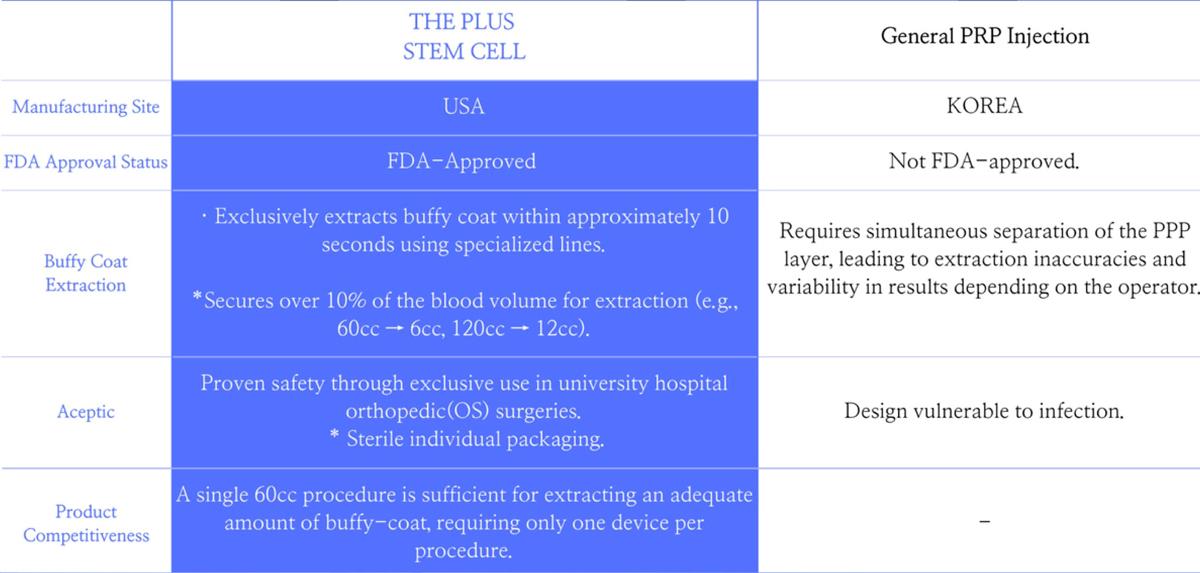
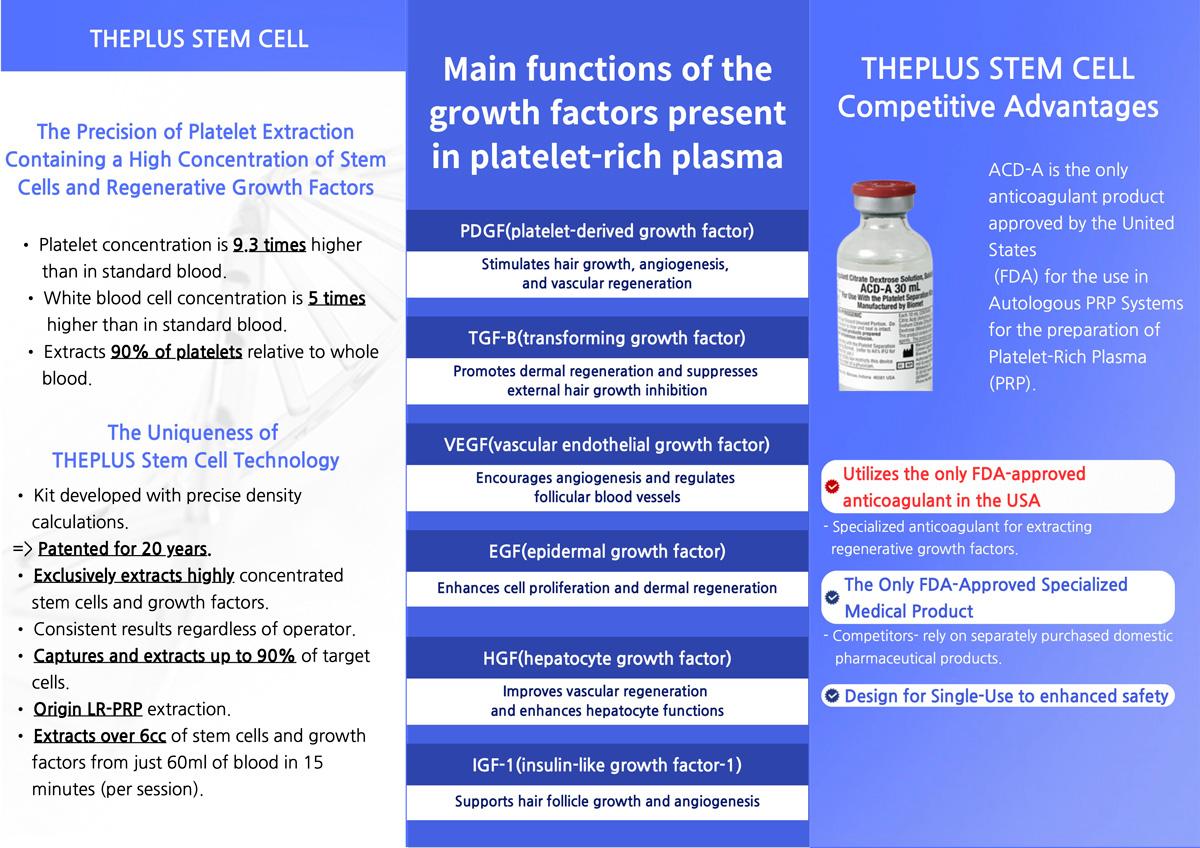
You may consider THEPLUS Plastic Surgery if you are looking for a stem-cell treatment within a clinic that also offers facial fat grafting, lifting, and contouring procedures. Its described stem-cell system uses a concentrated Buffy Coat layer from a 60 cc blood sample, with individually packaged sterile components; you should confirm in consultation how this treatment is used for your specific facial goals.
- URL: THEPLUS Plastic Surgery Website
- Location: Gangnam-gu, Seoul
- Stem-cell system details:
- THEPLUS states that its system isolates the Buffy Coat layer from blood and that more than 10% of the sampled blood can be secured through this extraction method.
- The clinic states that a complete single treatment can be prepared from 60 cc of blood.
- According to the clinic, each kit includes a 30 ml FDA-approved anticoagulant and individually sterilized, packaged components.
- Facial services:
- Facial options listed by the clinic include face fat grafting, facelift, thread lift, full facial contouring, cheekbone surgery, square-jaw surgery, chin surgery, and facial implants.
- The clinic describes face fat grafting as transferring your own fat to restore fullness in hollow or flattened facial areas.
- Surgical expertise:
- Dr. Kim is described as a board-certified plastic surgeon with research recognition related to 3D implants and expertise in rhinoplasty and facial contouring.
- Dr. Jeong is described as President of the Korean Society of Plastic Surgeons and as a rhinoplasty specialist who teaches other plastic-surgery professionals.
How Much Does a Stem Cell Facial Cost in Korea?
A Stem Cell Facial is listed at ₩869,000 (about US$600). Individual quotes vary because “Stem Cell Facial” can describe substantially different treatments, from a topical conditioned-medium add-on to fat harvest, processing, and facial injection.
| Procedure Price | Korean Won (₩) | USD ($) |
|---|---|---|
| Low Price | ₩869,000 | $600 |
| High Price | ₩869,000 | $600 |
Exchange rate as of 2026-09-06: 1 KRW = 0.000741 USD.
What Affects the Price?
- Treatment method and material — A topical conditioned-medium or exosome-style service uses a different treatment pathway from autologous microfat, nanofat, or SVF-assisted fat grafting. Fat-derived injection requires harvest and processing of tissue, sterile handling, and cannula-based facial placement; a claimed cell product also requires product identification, traceability, and processing documentation.
- Fat harvest and facial treatment extent — Autologous fat grafting requires donor-site liposuction as well as injection into the planned facial areas. Treating multiple volume-loss areas or adding skin- or scar-focused nanofat placement increases harvest volume, processing work, injection time, consumables, and donor-site care.
- Anesthesia and monitored recovery — Fat harvest and injection may be performed under local anesthesia, sedation, or general anesthesia. Sedation or general anesthesia adds anesthesia personnel, monitoring, recovery time, and facility resources beyond those needed for a topical treatment or limited injection.
- Postoperative review and follow-up requirements — An injectable fat-derived procedure needs an early in-person assessment of facial perfusion, swelling, entry sites, and donor-site healing before travel. This follow-up is clinically distinct from the minimal aftercare associated with a noninvasive topical service.
Cost tip: Request an itemized quote stating the exact material and processing method, whether donor-fat harvest is included, the facial areas planned, anesthesia, facility and recovery monitoring, consumables, and in-person follow-up.
The US$600 conversion is approximate, based on the 2026-09-06 exchange rate; check the exchange rate again when budgeting.
Stem Cell Facial From Start to Finish
- Remote consultation and records review — Send standardized facial photographs, medical history, medication and supplement lists, past filler or fat-grafting details, allergy history, nicotine use, and treatment goals. Confirm that the physician performing the procedure—not only a coordinator—will explain the exact proposed intervention in English or through a qualified interpreter.
- Written product clarification — Before travel or deposit payment, obtain the exact material, source, processing method, intended injection route, proposed indication, sterility controls, traceability, regulatory basis, expected benefit, alternatives, and complication plan. Decline treatment when the clinic cannot define what “stem cells” means.
- In-person assessment — The physician examines facial anatomy, skin quality, donor-fat availability, scars, asymmetry, prior fillers, and high-risk injection areas. They also assess bleeding, healing, anesthesia, and medical risks and take standardized pre-treatment photographs.
- Consent and testing — Review Korean- and English-language consent, discuss variable fat retention and rare vascular complications, and complete testing only when indicated by health history or the planned anesthesia. Confirm a responsible adult and local accommodation if sedation or general anesthesia is planned.
- Marking, anesthesia, and harvest — For fat-derived treatment, the physician marks donor and facial areas. Local anesthesia alone, local anesthesia with sedation, or general anesthesia is selected according to the extent of harvest and clinic plan; fat is then collected by small-volume liposuction when used.
- Processing and injection — Lipoaspirate is processed as conventional microfat, nanofat, or a stated SVF-assisted protocol, then placed through small cannula entry points. Microfat is used principally for volume; nanofat should not be presented as a durable volumizing graft.
- Monitored discharge — After observation, receive instructions for medicines, donor-site care, facial protection, activity limits, contact restrictions, and emergency symptoms. Same-day discharge is possible only when medically appropriate; sedation or general anesthesia requires an escort and overnight support.
- Early in-person review — Return for wound and facial-perfusion assessment before departure. The clinician checks swelling, bruising, entry sites, donor-site concerns, and signs of infection or vascular compromise.
- Remote follow-up — Send scheduled photographs and symptom updates after returning home. Evaluate early settling over weeks, do not judge graft survival before about three months, and reserve final discussion of retention or revision for the longer 6–12-month assessment window.
Alternatives to a Stem Cell Facial
The right alternative depends on whether the main concern is lost volume, skin texture, laxity, or acne scarring. Established surgical and injectable options have clearer identities than an umbrella “stem cell” label, but each has its own limitations and risks.
Conventional Facial Fat Grafting
- Best fit — Consider facial fat grafting for volume loss when sufficient donor fat is available.
- Tradeoff — It avoids the unsupported implication that cell enrichment is necessary, but retention remains variable and it still involves harvest, injection, downtime, and rare vascular risk.
Hyaluronic-Acid Filler
- Best fit — Consider facial filler for localized hollows or contour changes when a non-surgical, more immediately adjustable approach is preferred.
- Tradeoff — Filler does not require donor-fat harvest, but it is temporary and facial injections still carry vascular-occlusion risk.
Collagen Biostimulator
- Best fit — Consider a collagen booster for gradual improvement in diffuse volume loss or skin support rather than immediate structural replacement.
- Tradeoff — Results develop gradually and product selection, injection plane, session number, and suitability depend on anatomy and prior treatment history.
Scar-Focused Treatment
- Best fit — For atrophic acne scars, combine scar-directed options such as acne scar treatment, subcision, fractional laser, microneedling or RF microneedling, TCA CROSS, or punch techniques according to scar type.
- Tradeoff — Targeted scar treatment is more appropriate than a broad regenerative claim, but usually requires staged sessions and does not address substantial facial volume loss.
Surgical Face Lift
- Best fit — Consider a face lift when the dominant concern is significant skin and soft-tissue laxity rather than isolated deflation.
- Tradeoff — Surgery offers tissue repositioning that injections cannot provide, but requires greater downtime, scars, anesthesia planning, and a longer stay and follow-up commitment.
How Can I Prepare for a Stem Cell Facial?
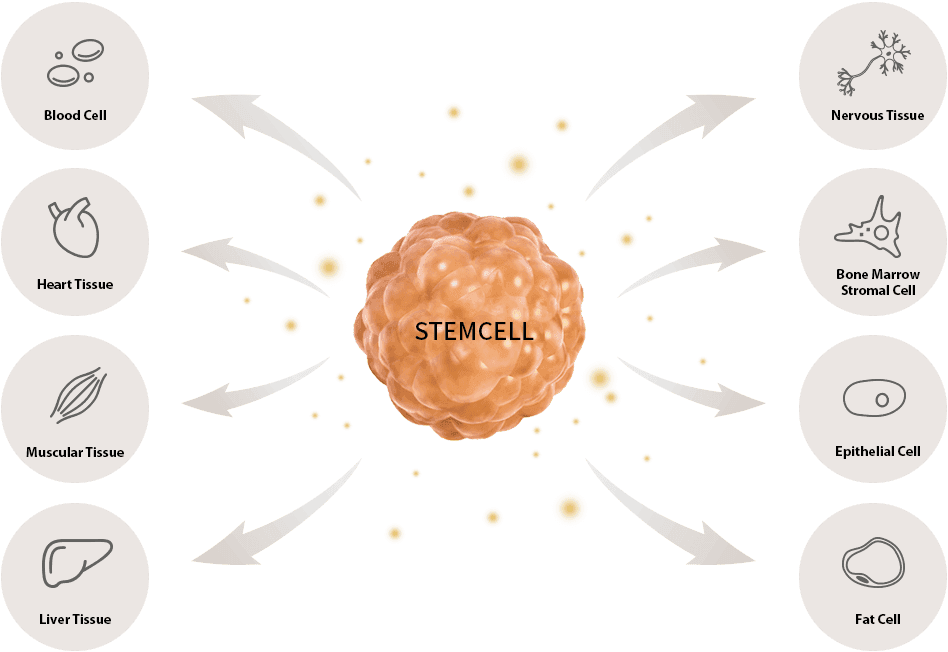
- Define the exact treatment — Obtain written confirmation of whether the plan is topical conditioned medium, conventional fat grafting, nanofat, SVF-assisted grafting, or another product. Confirm the donor site, injection areas, processing method, anesthesia plan, and planned in-Korea review before booking travel.
- Disclose medicines and supplements — Provide every prescription and non-prescription medicine, including aspirin, NSAIDs, anticoagulants, antiplatelets, corticosteroids, isotretinoin, diabetes medicines including GLP-1 drugs, vitamins, herbals, and supplements. The clinician who prescribed an anticoagulant or antiplatelet medicine—not a cosmetic clinic alone—must authorize any interruption or bridging plan.
- Report medical risks — Disclose bleeding disorders, diabetes, hypertension, autoimmune disease, immunosuppression, cancer history, allergies, previous fat grafts, permanent fillers, dental infection, prior anesthesia problems, pregnancy possibility, and breastfeeding.
- Stop nicotine as directed — Maintain the surgeon’s specified nicotine-free interval before and after elective liposuction or grafting. Include cigarettes, vaping, patches, gum, and nicotine pouches because nicotine can impair healing.
- Follow fasting instructions exactly — When sedation or general anesthesia is planned, follow the clinic’s written food, drink, and medication instructions rather than using a generic fasting schedule.
- Prepare skin and travel logistics — Attend with clean treatment-area skin unless instructed otherwise, avoid active sunburn, reserve flexible flights, and book accommodation close enough for early review. Arrange an adult escort and first-night support after sedation or general anesthesia.
Travel note: Do not schedule treatment on the final days of a Korea trip. Keep at least 7–10 postoperative days available when fat harvest and facial injection are planned, with extra flexibility for swelling, wound concerns, or delayed flight clearance.
Confirm clinic-specific requirements with the treating doctor; their individualized instructions take precedence over general guidance.
Aftercare Advice
Treat facial fat-, nanofat-, or SVF-based treatment as an invasive procedure until the treating physician confirms otherwise.
- Protect the graft and entry sites — Keep facial and donor-site entry points clean and follow the clinic’s dressing and medication plan. Do not massage, press, or sleep directly on grafted areas unless the surgeon specifically instructs otherwise.
- Control swelling safely — Use head elevation when advised and take only prescribed or approved medicines. Bruising, swelling, tenderness, and apparent early overfilling are expected; visible recovery commonly requires at least 7–10 days, while settling continues for weeks.
- Avoid exertion, heat, and nicotine — Take gentle walks when medically appropriate, but avoid strenuous exercise, alcohol, smoking or nicotine, sauna and steam rooms, hot baths, swimming, and direct sun until cleared. Use SPF 50 on exposed healing skin once the physician permits sunscreen.
- Watch for urgent complications — Seek immediate emergency care for visual symptoms, severe headache, facial droop, weakness, numbness, speech difficulty, confusion, seizures, chest pain, shortness of breath, fainting, rapidly escalating pain, skin blanching, or dusky discoloration. Facial fat injection can rarely cause vascular embolism, skin necrosis, stroke, blindness, or death, particularly in high-risk regions such as the forehead, glabella, and temples.
- Keep follow-up appointments — Complete the in-person Korea review before flying home, then send photographs for remote follow-up. Do not judge graft survival before about three months; a more stable retention assessment is often made at 6–12 months.
Follow the treating doctor’s instructions over general advice, and contact the clinic promptly when pain, redness, swelling, drainage, fever, asymmetry, or skin-color change appears concerning.
Frequently Asked Questions
Related Blogs
Stem Cell Scalp Therapy in Korea: Methods, Evidence, Safety, Recovery, and Travel Planning
Stem cell scalp therapy is an investigational option for adults with confirmed nonscarring pattern hair loss and remaining miniaturized follicles, using approaches such as topical conditioned medium, microneedling, scalp injections, or fat-derived SVF injection. The article covers candidate screening, product and regulatory verification in Korea, travel planning, aftercare, risks, follow-up, and e
Updated: Sep 14, 2026
Stem Cell Hair Treatment in Korea: Methods, Evidence, Safety, Recovery, and Travel Planning
Stem cell hair treatment includes topical, injection, SVF, micrograft, and exosome-related approaches for dermatologist-confirmed patterned hair loss, with product details, safety, and evidence varying substantially. The article covers candidate screening, Korea travel planning, procedure steps, preparation, aftercare, warning signs, follow-up, and established alternatives.
Updated: Sep 14, 2026
Stem Cell Disease Therapy in Korea: Safety, Treatment Types, Travel Planning and Follow-Up
Stem cell disease therapy includes autologous and allogeneic HSCT, defined cell products, and clinical trials, with eligibility determined by diagnosis, organ function, donor options, and protocol requirements. International patients need documented treatment and regulatory details, several weeks to about 100 days of local follow-up for transplant, and coordinated aftercare with a home clinician.
Updated: Sep 13, 2026
Stem Cell Fat Grafting in Korea: Methods, Safety, Recovery, and Travel Planning
Stem cell fat grafting uses liposuction-harvested fat that is purified or combined with SVF/ADSC processing and injected in small parcels for facial, breast, or body contour restoration. The article covers candidate screening, Korea travel planning, protocol and regulatory documentation, recovery precautions, follow-up, and alternatives such as standard fat grafting, fillers, and implants.
Updated: Sep 13, 2026
Clinics offering Stem Cell Facial

SH Clinic: Comprehensive Women's, Men's & Couples' Health Services in Korea
Sinsa

THEPLUS Plastic Surgery Korea | Eye, Nose, Face & Body Surgery
Sinsa
Hev Clinic Korea | Sinsa Skin, Laser & Injectables
Sinsa

Lydian Plastic Surgery Clinic in Korea: Superior Cosmetic Procedures by World-Renowned Expert Dr. An Kyung Chun
Apgujeong