
Medical Tourism Blog
Clippy-C Braces in Korea: Treatment Process, Travel Planning, and Aftercare
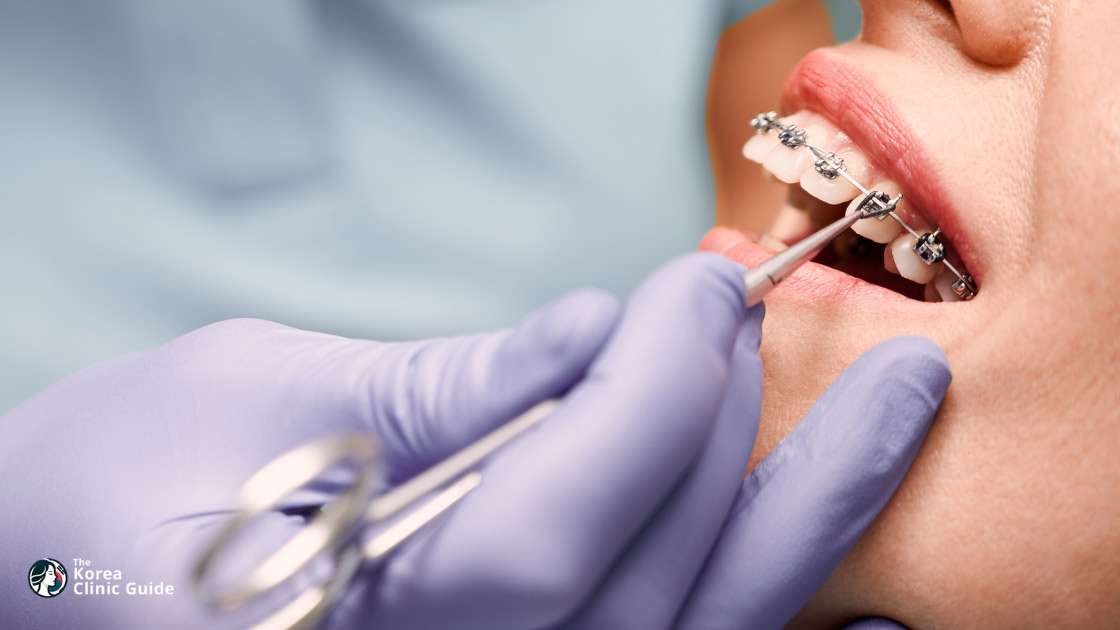
Table of contents
- Clippy-C Braces at a Glance
- What Are Clippy-C Braces?
- Who Is a Good Candidate for Clippy-C Braces?
- How Are Clippy-C Braces Performed?
- Why Visit Korea for Clippy-C Braces?
- Key Information for International Patients
- Which Are the Best Clinics in Korea for Clippy C Braces?
- Clippy-C Braces From Start to Finish
- Alternatives to Clippy-C Braces
- How Can I Prepare for Clippy-C Braces?
- Aftercare Advice
Considering treatment in Korea? Everything you need to know e.g. — how to avoid scams, visas, interpreters, recovery tips — in our Medical Tourism Master Guide. Plan with confidence in minutes, not weeks!
Last updated: September 2026
Clippy-C Braces at a Glance
- What it is — Clippy-C is a fixed clear ceramic self-ligating brace: brackets are bonded to the teeth and a built-in clip holds the archwire instead of elastic ties.
- Best candidates — It can suit adults and older adolescents with healthy teeth and gums who want a less noticeable fixed option for crowding, gaps, rotations, or selected bite problems and can maintain meticulous hygiene.
- Treatment length — Active fixed-brace treatment commonly lasts about 14–26 months; a research synthesis found a 22.0-month average, with extraction cases tending to take longer.
- Recovery and downtime — Bonding is an outpatient visit with normal daily activity usually possible immediately, but chewing tenderness commonly lasts 2–3 days and can last up to about one week after fitting or wire changes.
- Ongoing visits — This is not a one-trip procedure: braces need recurring in-person reviews for hygiene, tooth movement, wires, brackets, bite, and elastics; one Korean Clippy-C cohort used approximately 4-week appointments.
- Key limitation — Self-ligating Clippy-C brackets have not been shown to reliably produce faster treatment, fewer visits, less pain, or better final bite results than conventional braces; the orthodontic plan and follow-up matter more.
- Korea travel fit — Clippy-C has documented clinical use in Korea, but Korea-specific superiority is unproven; visitors should start only if they will remain locally for treatment or have written transfer acceptance from an orthodontist at home.
What Are Clippy-C Braces?
Clippy-C braces are fixed ceramic orthodontic brackets that use a built-in clip to hold the wire and gradually move teeth. They aim to straighten crowded, spaced, or rotated teeth and improve selected bite problems while being less noticeable than metal braces. This is a non-surgical orthodontic treatment, although some complex cases need additional procedures or jaw surgery.
Who Is a Good Candidate for Clippy-C Braces?
- Adults and older adolescents with stable oral health — Good candidates have permanent teeth developed sufficiently for the planned treatment, healthy gums, and a diagnosis that can be managed through orthodontic tooth movement.
- Patients seeking a less conspicuous fixed appliance — Clippy-C uses clear ceramic brackets, which are generally less noticeable than metal braces while remaining fixed to the teeth.
- People with crowding, spaces, rotations, or selected bite concerns — Comprehensive treatment can address alignment, overjet, overbite, crossbite, and tooth-position discrepancies when the underlying jaw relationship permits orthodontic correction.
- Patients able to maintain long-term care — Active treatment requires dependable reviews, meticulous brushing and interdental cleaning, food precautions, and long-term retention after debonding.
Do not start treatment with untreated decay, infection, poor plaque control, active gingivitis, or uncontrolled periodontitis. Painful, non-vital, heavily restored, traumatised, or infected teeth need assessment and treatment before movement begins. Major skeletal jaw discrepancies, impacted teeth, craniofacial conditions, and cases likely to need jaw surgery require comprehensive multidisciplinary planning; braces alone cannot reliably correct a major jaw-size or jaw-position problem. Clippy-C is especially unsuitable for a short visitor who cannot attend regular appointments or secure a qualified orthodontist to accept transfer of care.
How Are Clippy-C Braces Performed?
Clippy-C is a brand-specific ceramic self-ligating bracket, not a separate biological method of moving teeth. The built-in clip retains the archwire instead of elastic modules or wire ligatures; clinical studies describe it as an active-type ceramic bracket with a 0.022-inch slot and MBT prescription in a Korean prospective cohort. The treatment plan—not the bracket label—determines the scope, auxiliaries, and timeline.
- Comprehensive versus limited treatment — Comprehensive treatment usually treats both arches and aims to improve bite function as well as alignment. Limited treatment targets selected teeth and can leave pre-existing bite discrepancies uncorrected.
- Non-extraction versus extraction space management — Space can come from enamel reduction between teeth, expansion within safe biological limits, distal movement, anchorage strategies, or selected extractions. Extraction decisions are diagnosis-specific, and fixed-appliance evidence synthesis found longer average treatment in extraction cases.
- Archwire progression and adjustment — The orthodontist changes wires as alignment, torque control, space closure, and finishing require. One Korean Clippy-C study used nickel-titanium wires progressing from 0.014 to 0.019 × 0.025 inches, then 0.019 × 0.025-inch stainless steel, with reviews at about four-week intervals; this is a study protocol, not a universal treatment schedule.
- Auxiliaries for complex movement — Elastics, temporary anchorage devices, impacted-tooth exposure, restorative treatment, periodontal care, or orthognathic surgery can be necessary depending on bite, bone support, tooth position, and jaw anatomy.
Why Visit Korea for Clippy-C Braces?
Clippy-C has documented clinical use in South Korea, including prospective cohort research conducted in a Korean private-practice setting. This supports local familiarity with the appliance, but does not prove that Korean treatment produces better outcomes than treatment elsewhere. For international patients, the decisive issue is whether Korea is their ongoing base or part of a formal co-management plan.
- Documented local clinical use — Korean cohort studies have reported Clippy-C treatment protocols and outcomes alongside conventional ceramic brackets, demonstrating clinical experience with this specific appliance in Korea.
- Clear limits on appliance claims — A systematic review of randomized trials found no significant overall difference between self-ligating and conventional brackets in final PAR scores, percentage improvement, or total treatment duration. Choose an orthodontist based on diagnosis, biomechanics, monitoring, and transfer planning rather than promises of a faster result.
- Structured international-care framework — Korea operates a registered medical-institution system for international patients. Confirm directly that the selected provider can communicate in English, issue complete records, and coordinate clinician-to-clinician transfer.
- Evidence limitation — The Clippy-C cohorts allowed some patient preference in bracket allocation, so they cannot establish that Clippy-C itself causes shorter treatment, fewer visits, lower pain, or superior final occlusion.
Key Information for International Patients
- Minimum stay — There is no evidence-based universal number of days for a first visit. Allow time for in-person examination, photographs, scans or impressions, selected imaging, periodontal review, treatment planning, consent, and any required cleaning, fillings, periodontal care, or extractions before bonding.
- Not a one-trip treatment — Active fixed orthodontics commonly lasts about 14–26 months. A fixed-appliance evidence synthesis reported a pooled average duration of 22.0 months, with substantial variation and longer averages for extraction cases.
- Repeat visits — Fixed braces require recurring in-person assessment of hygiene, gum health, tooth movement, brackets, wires, bite, and elastics. A published Clippy-C cohort used roughly four-week reviews, although intervals change with the orthodontist and treatment stage.
- Flights after bonding — No authoritative Clippy-C-specific rule prohibits commercial long-haul flying after routine, non-sedated bonding. Remain near the treating office for several days when possible because tenderness, ulcers, a loose bracket, or a poking wire can occur soon after fitting.
- Itinerary impact — Normal non-contact daily activity is generally possible immediately after bonding. Expect chewing tenderness for 2–3 days and sometimes up to about one week after fitting or wire changes; schedule soft meals and avoid demanding food-focused travel plans at these times.
- Transfer and remote follow-up — Do not begin active treatment unless a qualified orthodontist at home has agreed in writing to assume care if needed. Obtain photographs, scans/models, radiographs where taken, periodontal charting, treatment objectives, bracket prescription and slot details, archwire history, elastic instructions, restoration or extraction information, appointment history, and a clinician-to-clinician transfer letter.
Travel note: Virtual consultations and English-language communication can support pre-travel screening, but remote photographs, scans, or simulations do not replace the in-person diagnostic assessment required before a final orthodontic plan.
Which Are the Best Clinics in Korea for Clippy C Braces?
Listed below are some of the best clinics in Korea for clippy c braces.
1. Gangnam Gentle Dental Clinic
You may consider Gangnam Gentle Dental Clinic for an orthodontic consultation if you want care tailored to your individual dental needs, with thorough examinations using digital equipment and communication in fluent English with Dr. Travis Kim. The available information does not specifically confirm Clippy C Braces, so you should confirm bracket availability and whether this approach fits your alignment goals.
- URL: Gangnam Gentle Dental Clinic Website
- Location: Seocho-gu, Seoul
- Orthodontic consultation considerations:
- The clinic describes personalized treatment planning and thorough consultations intended to identify necessary care.
- Digital equipment is used for systematic, precise examinations, which can help inform an orthodontic assessment.
- Related dental care:
- Services include clear aligners, cavity treatment, gum treatment, root canal treatment, wisdom-tooth extraction, and temporomandibular-joint care.
- Emergency dental treatment is available, and the clinic states that it operates on weekdays and weekends.
- Communication and clinic practices:
- Dr. Travis Kim studied at Ohio State University and speaks fluent English.
- The clinic describes an infection-prevention and sterilization system, as well as an emphasis on minimizing pain and improving comfort.
2. TU Dental Clinic (TU Dental)
You may consider TU Dental Clinic for Clippy C Braces because it specifically offers these small, snap-type self-ligating brackets as part of individualized orthodontic planning based on your tooth alignment, age group, and lifestyle. The clinic states that the design reduces friction and may shorten the treatment period.
- URL: TU Dental Clinic (TU Dental) Website
- Location: Seocho-gu, Seoul
- Clippy C Braces:
- Clippy-C brackets are described as small, snap-type self-ligating brackets.
- The clinic states that their small size reduces friction and shortens treatment time.
- Orthodontic options:
- Your plan can be tailored around tooth alignment, age group, and lifestyle.
- Other listed options include Clippy-L, Tiggle, combination metal-and-ceramic brackets, and general orthodontics.
- Clippy-L brackets are placed on the inner side of the teeth, while Tiggle brackets are intended to reduce the discomfort and speech difficulty associated with traditional lingual orthodontics.
- Additional dental services:
- The clinic provides digital implant planning with 3D imaging for full-case implants, along with partial implants.
- Esthetic options include ZeroNate thin ceramic treatment, ceramic inlays and onlays, and zirconia crowns.
- Caries care ranges from resin treatment for early decay to inlays, onlays, or zirconia crowns for deeper decay.
- Care approach: The clinic emphasizes minimizing treatment pain and preserving natural teeth.
3. Blanche Dental Clinic
You may consider Blanche Dental Clinic for a customized teeth-straightening consultation if you are seeking orthodontic care that addresses misaligned teeth or jaw discrepancies while considering both dental function and smile appearance. The available information does not specifically confirm Clippy C Braces, so you should verify whether Clippy C brackets are offered for your case.
- URL: Blanche Dental Clinic Website
- Location: Seocho-gu, Seoul
- Orthodontic care:
- Customized teeth-straightening solutions are available for different age groups.
- Orthodontic treatment is described as addressing misaligned teeth and jaw discrepancies, with functional as well as aesthetic goals.
- Comfort considerations:
- Sedation treatment is available for dental procedures, including aesthetic treatments, root canals, extractions, and implants.
- You can discuss whether sedation is appropriate for any related dental care needed during orthodontic treatment.
- Smile-focused services:
- Available cosmetic services include laminates, gum contouring, teeth whitening, gummy-smile treatment, Botox, and gum surgery.
- The clinic also offers implants and describes explaining treatment thoroughly while avoiding unnecessary implant recommendations.
Clippy-C Braces From Start to Finish
- Initial contact and remote screening — Send recent dental photographs, medical and dental history, previous orthodontic records, and available radiographs. Ask whether English or virtual consultation is available, whether the clinic accepts transfer cases, and whether it will prepare full records for a future transfer. Preliminary advice is not a final treatment plan.
- In-person examination and records — The orthodontist examines teeth, gums, bite, facial and jaw relationships, and oral hygiene. Photographs, digital scans or impressions, and imaging selected for the clinical question support diagnosis and planning.
- Oral-health stabilization and planning — Complete required fillings, cleaning, periodontal treatment, root-canal assessment, or extractions before orthodontic movement. The final plan defines comprehensive or limited goals, extraction versus non-extraction space management, elastics, anchorage needs, foreseeable compromises, retention, emergency arrangements, and transfer responsibility.
- Consent and travel coordination — Review the expected duration, visit interval, risks, food restrictions, cleaning requirements, costs of additional procedures, and the practical plan for breakages or treatment abroad. Confirm who will provide ongoing care before brackets are fitted.
- Bracket bonding — Teeth are cleaned and conditioned, ceramic Clippy-C brackets are bonded to the front surfaces, and a light initial archwire is clipped into place. Bite turbos or other attachments can be added. Routine bonding is an outpatient appointment and generally does not require general anesthesia.
- Discharge and early adjustment — Leave the same day after ordinary bonding. Use orthodontic wax on rubbing brackets or wires, choose soft foods for the first 24–48 hours, and follow the clinic’s instructions for pain relief and cleaning.
- Active orthodontic monitoring — At recurring visits, the orthodontist assesses plaque control, gums, bracket and wire integrity, movement, bite, and elastic use, then adjusts wires or auxiliaries. Report a loose bracket, displaced wire, worsening gum inflammation, or uncertainty about elastics promptly.
- Finishing, debonding, and retention — Once alignment, spaces, bite, and detailed finishing meet the agreed plan, brackets and adhesive are removed. The orthodontist provides fixed, removable, or combined retainers and a personalized wear schedule.
- Remote follow-up and long-term care — Continue scheduled monitoring with the responsible orthodontist and routine hygiene care with a general dentist. Send requested photographs if the treating clinic is monitoring remotely, but arrange in-person review promptly for appliance problems or gum concerns.
Alternatives to Clippy-C Braces
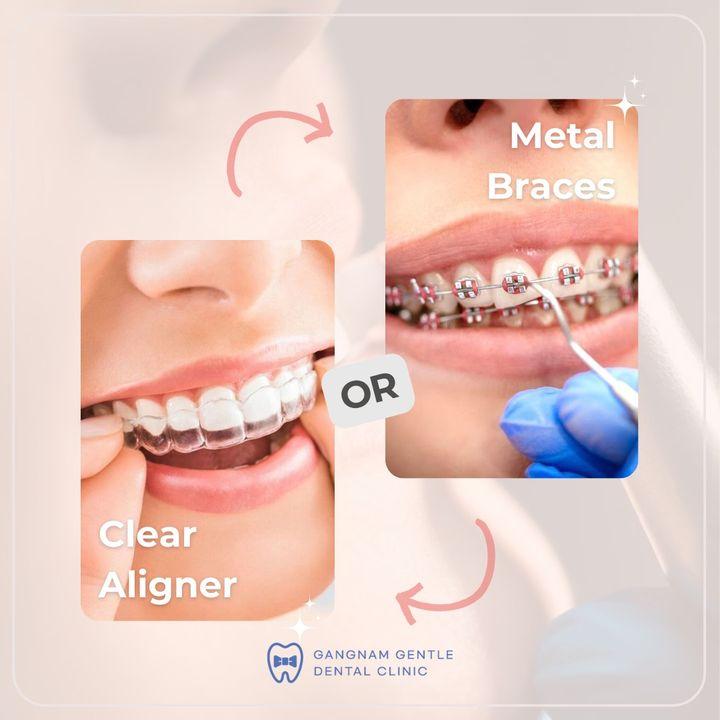
The best alternative depends on whether the priority is comprehensive bite correction, low visibility, removability, or correction of a skeletal jaw discrepancy. Fixed braces offer continuous force and broad control but require careful hygiene and regular appointments; removable systems depend heavily on wear adherence.
Conventional Braces
- What changes — Metal or conventional ceramic brackets hold the wire with elastic modules or wire ligatures rather than a self-ligating clip.
- Tradeoff — They remain valid fixed options. Current evidence does not establish that self-ligating brackets reliably shorten total treatment or improve final occlusion over conventional brackets. See braces in Korea.
Clear Aligners
- What changes — A series of removable clear trays moves teeth in planned stages.
- Tradeoff — Aligners are less visible and removable for eating and cleaning, but require near-full-time wear and can be less predictable for certain complex movements. See clear aligners in Korea.
Protruding-Teeth Correction
- What changes — Treatment focuses on dental protrusion and can combine braces or aligners with extractions, interproximal reduction, and anchorage devices.
- Tradeoff — The plan depends on whether protrusion is dental, skeletal, or mixed; moving teeth alone has biological limits. See protruding-teeth correction in Korea.
Double-Jaw Surgery With Orthodontics
- What changes — Orthognathic surgery repositions the jaws, with orthodontics before and after surgery.
- Tradeoff — This is a major surgical pathway reserved for clinically important skeletal discrepancies that cannot be corrected acceptably through tooth movement alone. See double-jaw surgery in Korea.
How Can I Prepare for Clippy-C Braces?
- Dental and periodontal review — Arrange a check-up and cleaning before travel. Treat active decay, infection, and gum inflammation first; orthodontic movement should begin only when oral health is stable.
- Medical disclosure — Provide a complete list of allergies, prescription medicines, over-the-counter products, vitamins, and supplements. Report dental trauma, root-canal treatment, gum disease, diabetes, immune conditions, pregnancy, bleeding disorders, and previous orthodontic treatment.
- Medicines and supplements — Routine bonding generally does not require stopping prescribed medication. Do not independently stop anticoagulants, antiplatelets, diabetes medicines, or other prescribed treatment. Disclose fish oil, vitamin E, ginkgo, garlic, ginseng, turmeric/curcumin, and St John’s wort, especially when extractions, periodontal procedures, or sedation are being considered.
- Fasting, transport, and companion — Fasting, a driver, overnight admission, and a companion are usually unnecessary for ordinary non-sedated bonding. Follow individualized instructions when oral or IV sedation, general anesthesia, impacted-tooth surgery, or extractions are added.
- Oral-hygiene kit — Pack fluoride toothpaste, a soft or electric toothbrush, interdental brushes, floss threaders or another clinic-approved cleaning aid, orthodontic wax, and any recommended fluoride rinse.
- Food and alcohol planning — Eat normally before routine bonding unless the clinician gives other instructions. Stock accommodation with soft foods for the first 24–48 hours. Avoid alcohol when sedation or prescription pain medicine is involved, according to the treating clinician’s instructions.
- Travel and continuity — Keep flights flexible around the diagnostic visit and bonding. Obtain written confirmation of emergency access and transfer records before treatment starts.
Travel note: Staying locally for several days after bonding is a practical precaution, not a medically established flight restriction.
Confirm the clinic’s specific requirements before travel; the treating doctor’s individualized instructions take precedence over general guidance.
Aftercare Advice
Successful orthodontic treatment depends on daily plaque control, protecting the appliance, and attending every planned review.
- Tender teeth and mouth irritation — Choose soft foods such as yogurt, eggs, soup, rice, pasta, oatmeal, tofu, and smoothies for 24–48 hours after fitting or an adjustment. Tenderness often lasts 2–3 days and sometimes up to one week. Cover a rubbing bracket or wire with orthodontic wax and use only clinician-approved pain medicine as directed.
- Brushing and fluoride — Brush carefully with fluoride toothpaste at least morning and night, ideally after meals, around every bracket and under the wire. Clean daily with interdental brushes, floss threaders, or another approved aid; continue regular dental hygiene and examination visits.
- Food restrictions — Avoid hard, crunchy, sticky, and chewy foods that can loosen brackets or bend wires, including ice, hard candy, popcorn, caramel, gum, crusty bread, and whole apples or carrots. Cut firm foods into small pieces.
- Appliance and gum problems — Contact the orthodontist promptly for a loose or broken bracket, poking or displaced wire, significant ulcers, worsening gum inflammation, persistent pain, or questions about elastics. Seek urgent medical or dental care for facial trauma, breathing or swallowing difficulty, uncontrolled bleeding, fever with facial swelling, or other signs of significant infection.
- Appointments and final result — Attend scheduled adjustments and wear elastics exactly as prescribed. Meaningful results are judged only after alignment, space management, bite correction, finishing, and retention are complete. Retention begins immediately after debonding and is long term because teeth can shift over time.
Follow the treating doctor’s instructions over general advice and contact the clinic whenever something appears wrong.
Frequently Asked Questions
Related Blogs
Root Canal Treatment in Korea: Treatment Steps, Recovery, Travel Timing, and Alternatives
Root canal treatment removes infected or inflamed pulp, disinfects and seals the canals, and is followed by a durable filling or crown when needed. The article covers candidate assessment, treatment options, Korea travel planning, records, flight timing, aftercare, and follow-up.
Updated: Sep 21, 2026
Bruxism Treatment in Korea: Splints, Masseter Botox, Recovery, and Travel Planning
Bruxism treatment begins with an assessment of teeth, bite, jaw muscles and joints, with options including habit care, a custom stabilization splint, dental repair, sleep evaluation, or selected masseter botulinum-toxin injections. International patients visiting Korea can plan 1–2 days for assessment or 2–5 days for a new splint, and should arrange adjustment time, treatment records, and home-den
Updated: Sep 21, 2026
Periodontal Disease Treatment in Korea: Methods, Recovery, Travel Planning, and Aftercare
Periodontal disease treatment starts with charting, radiographs, cleaning and home-care instruction, followed by deep cleaning, reassessment and selected surgery for persistent pockets or defects. International patients can plan 2–4 business days for non-surgical care, 7–10 days for early surgical review, and should arrange transferable records and follow-up with a home periodontist.
Updated: Sep 21, 2026
Wisdom Tooth Removal in Korea: Methods, Recovery, Risks and Travel Planning
Wisdom tooth removal may involve simple or surgical extraction, complete extraction, or coronectomy depending on impaction, root anatomy, nerve risk, and disease. The article covers imaging, anesthesia, recovery and travel planning in Korea, aftercare, warning signs, and follow-up requirements.
Updated: Sep 21, 2026
Clinics offering Clippy-C Braces
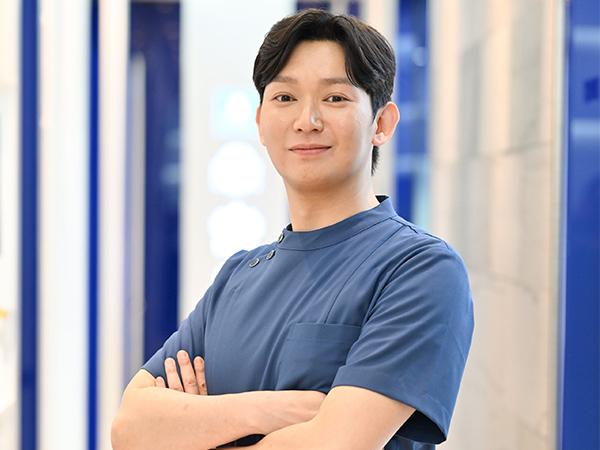
Gangnam Gentle Dental Clinic: Your Trusted Dental Care Provider in Korea Offering Comprehensive Services with Optimal Comfort and Safety
Sinnonhyeon Station
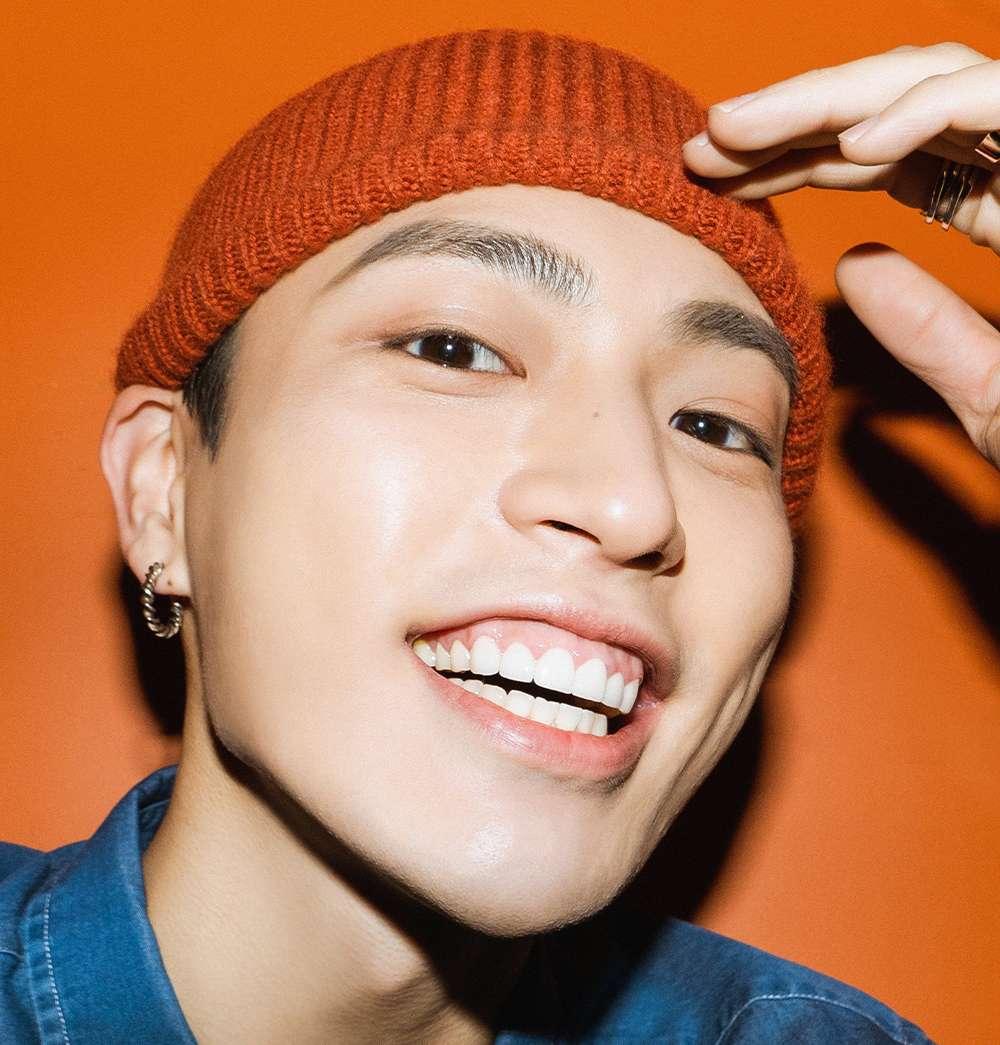
Experience Advanced Dental Care at TU Dental Clinic (TU Dental) in Korea: Top-Rated Orthodontics, Implants, and Esthetic Treatments
Gangnam Station
Blanche Dental Clinic in Korea: Advanced & Tailored Dental Care for a Healthy, Beautiful Smile
Nonhyeon
Yonsei Baro Dental Clinic - Premier Orthodontic and Dental Care in Korea
Apgujeong