
Medical Tourism Blog
Buttocks Liposuction in Korea: Methods, Recovery, Risks and Travel Planning
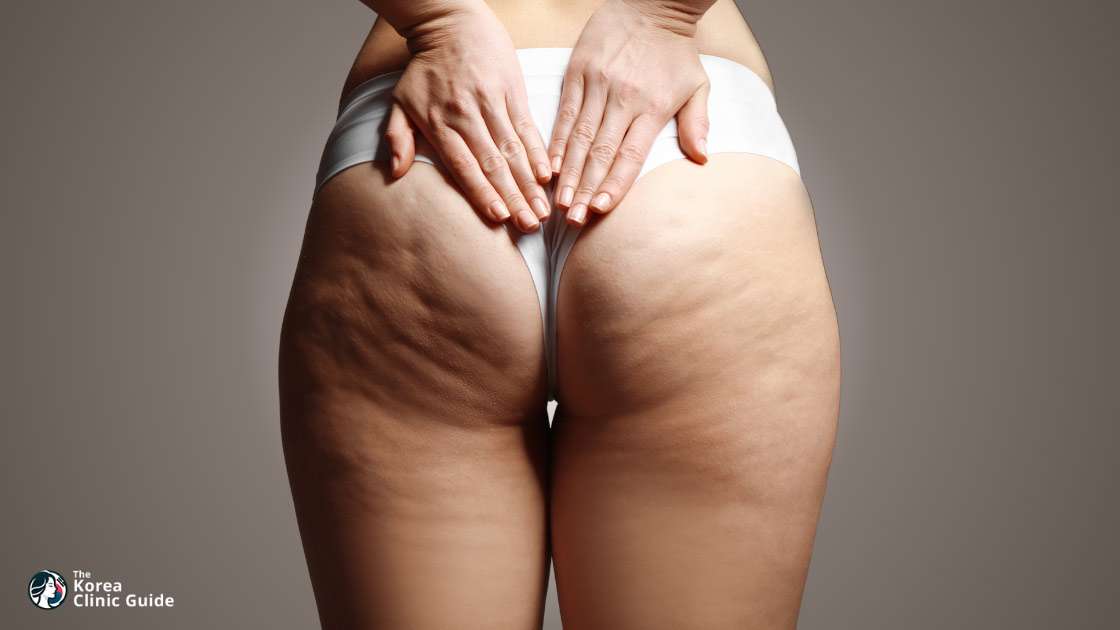
Table of contents
- Buttocks Liposuction at a Glance
- What Is Buttocks Liposuction?
- Who Is a Good Candidate for Buttocks Liposuction?
- How Is Buttocks Liposuction Performed?
- Why Visit Korea for Buttocks Liposuction?
- Key Information for International Patients
- Which Are the Best Clinics in Korea for Buttocks Liposuction?
- Buttocks Liposuction From Start to Finish
- Alternatives to Buttocks Liposuction
- How Can I Prepare for Buttocks Liposuction?
- Aftercare Advice
Considering treatment in Korea? Everything you need to know e.g. — how to avoid scams, visas, interpreters, recovery tips — in our Medical Tourism Master Guide. Plan with confidence in minutes, not weeks!
Last updated: September 2026
Buttocks Liposuction at a Glance
- What it does — Buttocks liposuction surgically removes localized subcutaneous fat, often from the lower-buttock “banana roll” or buttock–thigh transition, to reduce fullness and refine contour.
- Best candidates — The best candidates are at a stable weight with a persistent localized fat deposit, reasonable skin elasticity, and a goal of reduction rather than weight loss, lifting, or added projection.
- Key limitation — Removing buttock fat does not create projection, reliably tighten loose skin, or correct substantial cellulite; it can also make an already flat buttock appear flatter.
- Recovery timeline — Walking usually starts the day of surgery, desk work may be possible in about 3–7 days, major bruising and swelling often improve in 2–3 weeks, and final contour assessment takes roughly 3–6 months.
- Contour risk — The lower buttock and infragluteal crease require conservative, depth-controlled suction because over-removal can cause dents, tethering, asymmetry, crease distortion, or nerve injury.
- Korea travel plan — Long-haul travelers should plan to stay in Korea at least 10–14 days for an in-person postoperative review and surgeon-specific flight clearance, with flexible return travel in case recovery is delayed.
- Korea-specific check — Korea has an international-patient provider registration system, but no evidence shows inherently better buttocks-liposuction outcomes; verify the named surgeon, anesthesia plan, emergency transfer route, English records, and local follow-up.
What Is Buttocks Liposuction?
Buttocks liposuction is a body-contouring operation that removes selected fat deposits from the buttocks through small incisions. It aims to reduce lower-buttock fullness and refine the buttock-to-thigh contour, not produce weight loss, lift loose skin, or add projection. It is a surgical procedure.
Who Is a Good Candidate for Buttocks Liposuction?
- Localized lower-buttock fullness — Good candidates want reduction of a persistent subcutaneous fat pad, often called the banana roll, or refinement of the buttock–outer-thigh transition rather than overall weight loss.
- Stable weight and realistic goal — The best fit is a person at a stable weight who understands that buttock fat removal reduces volume; it does not create projection, correct substantial cellulite, or reliably tighten loose skin.
- Adequate skin recoil — Skin with reasonable elasticity is more likely to redrape after fat removal. Existing laxity, scars, asymmetry, cellulite, prior liposuction, or prior fat grafting need careful examination.
- Able to complete recovery locally — Candidates must be able to walk soon after surgery, wear prescribed compression, attend an in-person postoperative review, and delay long-haul travel until the surgeon clears it.
Buttocks liposuction is unsuitable during pregnancy or breastfeeding and should wait until hormonal changes and weight have stabilized. Active skin infection or wounds, uncontrolled diabetes or hypertension, significant heart, lung, liver, or kidney disease, anemia, and conditions that make anesthesia or healing unsafe require treatment or optimization first. A bleeding disorder, anticoagulant or antiplatelet treatment, nicotine exposure, or a personal or strong family history of deep-vein thrombosis or pulmonary embolism requires individualized planning with the surgeon, anesthesia clinician, and prescribing doctor. The lower buttock and infragluteal fold demand conservative planning: excessive or overly superficial suction can cause dents, tethering, asymmetry, or distortion of the natural crease, while removing fat can make an already flat buttock appear flatter.
How Is Buttocks Liposuction Performed?
Buttocks liposuction is defined more by the suction approach, anesthesia plan, and treatment extent than by distinct patient-facing types. No device has proven superior for durable buttock contour or clinically meaningful skin tightening; a recent systematic review found major heterogeneity and substantial risk of bias in the available comparative evidence.
- Suction-assisted liposuction (SAL) — After infiltration with tumescent or other wetting solution, the surgeon uses a cannula and manual suction to remove selected fat deposits.
- Power-assisted liposuction (PAL) — An oscillating cannula can facilitate fat removal, especially in fibrous areas. It remains a surgical technique with the same need for careful depth control in the lower buttock.
- Ultrasound-assisted liposuction (UAL) — Ultrasound energy is applied before aspiration to disrupt fat. Device-specific thermal injury is an important consideration.
- Laser- or radiofrequency-assisted liposuction — These energy-based methods are marketed for fat disruption and skin retraction, but they add risks including burns, seroma, scars, and contour irregularity. Current reviews do not establish a consistent long-term advantage over conventional liposuction.
- Adjacent-area contouring — Treating flanks, back, or outer thighs with the lower buttock can create a more continuous silhouette. Larger treatment areas and combined operations increase anesthesia exposure, recovery demands, and clot-risk considerations.
Why Visit Korea for Buttocks Liposuction?
South Korea has an established framework for receiving foreign patients, but it is not possible to claim that buttocks liposuction in Korea is inherently safer or produces better results than comparable surgery elsewhere. Choose on the basis of the named surgeon, facility, anesthesia arrangements, and postoperative support—not country-level marketing claims.
- Registered-provider checks — Use the Medical Korea registered medical-institution system to help verify whether a provider is registered to serve international patients.
- Structured pre-travel verification — Korea’s international-patient framework makes it practical to request the operating surgeon’s name and credentials, anesthesia details, emergency-transfer pathway, English-language written records, and a named local review before departure.
- Report and support pathway — International patients can review the Medical Korea dispute-support process before booking. This is not a substitute for confirming the clinic’s own urgent-contact and emergency-transfer arrangements.
- Evidence limitation — A Korean multicenter cohort examined postoperative edema in a local-anesthetic program at branches of one provider, but it was not buttocks-specific and did not compare Korea with other countries. It therefore cannot demonstrate superior national outcomes.
Key Information for International Patients
- Minimum stay — For a long-haul return to the United States, plan to remain in Korea for at least 10–14 days after surgery. Stay longer when wound healing, seroma, infection, pain control, mobility, or clot-risk assessment requires it.
- Flight clearance — There is no universal post-liposuction flying date. The operating surgeon must examine you in person and clear long-distance travel after considering treatment extent, anesthesia, mobility, body weight, clotting history, cancer, thrombophilia, estrogen-containing medicines, and concurrent procedures.
- First-night support — Arrange a responsible adult to take you to accommodation and remain available after discharge. Do not plan to navigate public transport, carry luggage, or sightsee after surgery.
- Activity and itinerary — Most patients walk on the day of surgery and return to desk-based work in about 3–7 days when pain is controlled, but sightseeing, hills, long shopping days, gym sessions, cycling, swimming, sauna use, and hot baths should wait for surgeon clearance.
- Local and remote follow-up — Book an early wound and swelling review before departure. Leave with medication instructions, an emergency contact route, and operative records in English; arrange remote follow-up after returning home.
Travel note: Do not buy non-refundable return flights until the surgeon has confirmed that the postoperative review and flight timing are medically appropriate.
Which Are the Best Clinics in Korea for Buttocks Liposuction?
Listed below are some of the best clinics in Korea for buttocks liposuction.
1. Lydian Plastic Surgery Clinic
You may consider Lydian Plastic Surgery Clinic for buttocks liposuction if you want contouring planned around your individual pelvic proportions and body curves, with specialized cannulas intended to work across different body shapes and a structured aftercare program that addresses swelling, contour irregularities, skin elasticity, and residual-fat refinement.
- URL: Lydian Plastic Surgery Clinic Website
- Location: Gangnam-gu, Seoul
- Procedure approach:
- Uses anatomy-based body design that considers your waist length, pelvic size, chest circumference, proportions, and curves rather than a one-size-fits-all fat-removal plan.
- Uses more than 30 custom-designed liposuction cannulas for fat extraction across varying body areas and body types.
- States that 1–2 small incisions may be used and placed in inconspicuous areas; incision number and placement depend on the surgical plan.
- Planning and aftercare:
- Uses Quantificare 3D imaging for pre-surgical design and before-and-after visualization.
- Provides aftercare focused on swelling reduction, lumpiness correction, skin-elasticity recovery, and residual-fat contouring.
- Has equipment intended to address stretch marks and skin sagging alongside liposuction.
- Related body procedures:
- Offers 5D liposculpture/high-definition liposuction and Brazilian butt lift with fat transfer, according to the clinic information.
- Dr. An is described as Director of the 5D Liposculpture Academy and as providing physician training in high-definition body sculpting and liposuction devices.
2. 365mc Hospital
You may consider 365mc Hospital for buttocks liposuction if you want a body-contouring-focused program that pairs surgical care with individualized recovery-center support and a seven-week postoperative plan, including hyperbaric oxygen chamber therapy and dietary consultation.
- URL: 365mc Hospital Website
- Location: Gangnam-gu, Seoul
- Body contouring approach:
- Specializes in obesity treatment, fat reduction, and body contouring.
- Offers liposuction for multiple body areas, including the hips, and an Hourglass Hip program aimed at shaping an hourglass silhouette.
- Describes a motion-capture and AI-assisted liposuction system (M.A.I.L.) that provides real-time surgical feedback.
- Recovery and ongoing support:
- Provides 1:1 intensive care in a dedicated Recovery Center on the day of surgery.
- Uses a structured seven-week postoperative care program.
- Includes personalized dietary consultations and offers meal-diary-app-based nutrition support for ongoing weight management.
- Other fat-reduction option: Offers LAMS, described as a local-anesthetic, minimally invasive approach combining targeted fat extraction and fat-dissolving injections for selected areas.
3. THEPLUS Plastic Surgery
You may consider THEPLUS Plastic Surgery for buttocks liposuction if your goal is treatment for localized fat deposits as part of a broader body-contouring plan, with the clinic describing liposuction as a procedure to slim and shape specific areas rather than a method for overall weight loss.
- URL: THEPLUS Plastic Surgery Website
- Location: Gangnam-gu, Seoul
- Procedure focus:
- Offers liposuction for localized fat removal and body contour refinement.
- Frames body contouring around improving the shape of specific areas rather than overall weight reduction.
- Related services: Also offers breast surgery, facial procedures, face fat grafting, and stem-cell-centered regenerative treatment as part of its broader aesthetic services.
Buttocks Liposuction From Start to Finish
- Remote inquiry and screening — Ask whether an English-language or virtual consultation is available. Send unedited front, side, back, and lower-buttock photographs, and disclose weight history, prior surgery or fat grafting, medical conditions, allergies, nicotine use, medicines, supplements, anesthesia history, and clotting history.
- Written surgical plan — Confirm the exact target zones, planned device if relevant, anesthesia arrangement, estimated recovery schedule, and whether the operation is strictly fat removal. Any plan to inject harvested fat into the buttocks is a separate Brazilian butt lift procedure and must be explicitly stated in the consent and operative plan.
- In-person assessment — The surgeon examines skin elasticity, baseline asymmetry, cellulite, scars, infragluteal crease position, and adjacent thigh and flank fullness. This visit determines whether reduction would leave the buttock flatter or whether excess skin needs a different operation.
- Preoperative testing and marking — The team reviews vital signs, medicines, and anesthesia risk; pregnancy testing, laboratory tests, or medical clearance are used when indicated. The surgeon usually makes contour markings while you are standing.
- Anesthesia and liposuction — After the agreed anesthetic or sedation plan, the surgeon infiltrates fluid and introduces cannulas through small access incisions. Fat is removed in controlled layers, with particular caution around the lower buttock and upper-thigh transition; the sciatic nerve is relatively superficial in this region and is vulnerable to injury.
- Dressings and discharge — The team dresses incisions and applies the prescribed compression garment. Outpatient discharge follows only after pain, nausea, hydration, urination, mobility, and vital signs are satisfactory.
- Early recovery in Korea — Attend the planned local review for incision, drainage, swelling, garment, and symptom assessment. Obtain individualized instructions on compression, sitting, exercise, and travel rather than applying generic BBL rules to lipo-only surgery.
- Remote follow-up and final assessment — Continue follow-up from home as directed, sending photographs if requested. Bruising and marked swelling generally improve over 2–3 weeks; assess an early contour around 4–6 weeks and defer a meaningful result or revision discussion until roughly 3–6 months unless a complication needs earlier care.
Alternatives to Buttocks Liposuction
The correct alternative depends on whether the underlying concern is excess localized fat, inadequate projection, or hanging skin. Non-surgical options generally create subtler changes and often require repeat sessions; surgical augmentation or lifting addresses different anatomical problems but carries its own recovery and risk burden.
Noninvasive fat reduction
- Best suited to — Small localized deposits when a person accepts a more modest change than surgery can provide.
- Tradeoff — CoolSculpting, fat-dissolving injection, and body fat-dissolving laser are not interchangeable with liposuction. Confirm product status, treatment area suitability, expected number of sessions, and the limited ability to address loose skin.
Buttock augmentation
- Best suited to — A flat buttock, inadequate projection, or volume loss rather than excess fat.
- Tradeoff — Brazilian butt lift, body fat grafting, or buttocks implants aim to add volume. They are not a substitute for conservative lower-buttock fat reduction and involve different safety considerations and aftercare.
Thigh lift
- Best suited to — Marked skin excess, ptosis, or a hanging buttock–thigh fold that liposuction alone cannot correct.
- Tradeoff — A thigh lift removes skin and can reshape the adjacent lower-body contour, but leaves longer scars and requires more demanding wound care than liposuction.
How Can I Prepare for Buttocks Liposuction?
- Medical disclosure — Give the surgeon and anesthesia clinician a complete list of prescription medicines, over-the-counter products, injections, hormones, vitamins, herbal products, and recreational substances. Include prior operations, anesthesia reactions, clotting events, pregnancy or breastfeeding status, and relevant family history.
- Bleeding-risk medicines — Report aspirin, nonsteroidal anti-inflammatory drugs, vitamin E, fish oil, and herbal products that can increase bleeding risk. Do not stop prescribed anticoagulants, antiplatelets, diabetes medicines, hormones, steroids, or GLP-1 medicines independently; the prescriber, surgeon, and anesthesia team must set the plan.
- Nicotine and alcohol — Stop cigarettes, vaping, heated tobacco, nicotine pouches, patches, and gum for the surgeon-directed interval before and after surgery. Avoid alcohol according to the anesthesia team’s instructions.
- Fasting — Follow the clinic’s exact fasting instructions for food, liquids, and routine medicines. Do not use a generic online fasting schedule.
- Skin preparation — Avoid sunburn, tanning, waxing, abrasions, and skin irritation on planned treatment and incision areas. Report any rash, acne infection, wound, fever, or illness before surgery.
- Recovery logistics — Book accommodation with easy bathroom and elevator access, food and water, and no need to carry luggage. Arrange a companion for the first night and flexible travel dates.
Travel note: Pack loose clothing that does not rub incision sites, the clinic contact number, and a list of all medicines. Keep enough recovery time in Korea for the surgeon’s in-person review.
Confirm every medicine change, fasting instruction, compression plan, and travel requirement with the treating clinic; their individualized instructions take precedence over general guidance.
Aftercare Advice
Protect the healing contour and prioritize mobility, wound observation, and surgeon-directed follow-up over early cosmetic judgment.
- Walking and activity — Walk short distances frequently unless the surgeon gives different instructions; avoid prolonged bed rest. Do not resume strenuous exercise, running, heavy lifting, squats, cycling, swimming, sauna use, or hot baths until cleared.
- Compression and positioning — Wear the prescribed garment exactly as directed. Sitting, garment pressure, and positioning rules depend on the treated areas and whether surgery included fat grafting; do not apply generic BBL restrictions to lipo-only surgery. Report persistent numbness, skin color change, sharp grooves, or focal pressure pain from the garment.
- Incision care — Keep access incisions clean and dry according to the team’s instructions. Follow instructions for dressings and drains if used; do not add creams, antiseptics, massage, or other treatments unless approved.
- Swelling and results — Bruising and marked swelling commonly improve over 2–3 weeks, while firmness, numbness, and contour fluctuation can persist for months. A preliminary contour is easier to assess at 4–6 weeks; wait about 3–6 months before judging the final result or requesting a touch-up unless the surgeon identifies an earlier concern.
- Urgent symptoms — Seek emergency care immediately for shortness of breath, chest pain, fainting, coughing blood, a new rapid or irregular heartbeat, or one-sided leg pain or swelling. Contact the surgeon urgently for fever, worsening redness, foul drainage, dark or blistered skin, expanding swelling, severe escalating pain, uncontrolled bleeding, persistent vomiting, dehydration, or major new asymmetry.
Follow the treating doctor’s individualized instructions and contact the clinic promptly when anything appears wrong.
Frequently Asked Questions
Related Blogs
Double Chin Liposuction in Korea: Candidacy, Recovery, Travel Timing, and Alternatives
Double chin liposuction removes superficial submental fat through tiny incisions using tumescent fluid and a narrow cannula, with neck lift or chin procedures considered for lax skin, muscle bands, or weak chin projection. International patients visiting Korea should plan a 7–10 day stay, compression and early follow-up, flexible flights, and remote aftercare arrangements.
Updated: Oct 12, 2026
Bra Line Fat: Back Liposuction in Korea
Considering Korea for bra line fat? This guide explains back liposuction—from tumescent, ultrasound-assisted liposuction (UAL) and power-assisted liposuction (PAL) to laser-assisted liposuction (SmartLipo)—plus radiofrequency-assisted lipolysis (BodyTite), Renuvion, and non-surgical options like CoolSculpting and deoxycholic acid. For excess skin, we outline the bra-line back lift and trunkplasty,
Updated: Oct 12, 2026
Upper Back Rolls Treatment in Korea: CoolSculpting and Back Liposuction
Struggling with “bra bulge” or upper back rolls? Our guide explains the medical side—dorsocervical fat pad (buffalo hump), lipedema, and lipoma—and compares treatment options in Korea. Learn who qualifies for CoolSculpting and back liposuction (including VASER and laser-assisted techniques), recovery timelines, costs, and all-inclusive medical tourism packages. Discover why Korea’s technology, sur
Updated: Oct 12, 2026
Full Face Fat Reduction with Face Liposuction in Korea: Ultimate Guide to a Slimmer Look
Discover how Korea leads in facial fat treatments like submental liposuction and buccal fat removal for full face fat and round face concerns. This comprehensive guide highlights medical causes such as Moon Facies and offers expert insights into cosmetic procedures available in South Korea. Learn about costs, recovery, and choosing the right procedure for a more sculpted, confident look—all within
Updated: Oct 12, 2026
Clinics offering Buttocks Liposuction
BongBong Plastic Surgery Dermatology Korea | Body, Breast & Aesthetic Treatments
Nonhyeon

365mc Hospital: Korea's Leading Liposuction and Body Contouring Clinic with Innovative AI Technologies and Comprehensive Patient Care
Gyodae

THEPLUS Plastic Surgery Korea | Eye, Nose, Face & Body Surgery
Sinsa

Lydian Plastic Surgery Clinic in Korea: Superior Cosmetic Procedures by World-Renowned Expert Dr. An Kyung Chun
Apgujeong