
Medical Tourism Blog
Back Liposuction in Korea: Methods, Recovery, Risks, and Travel Planning
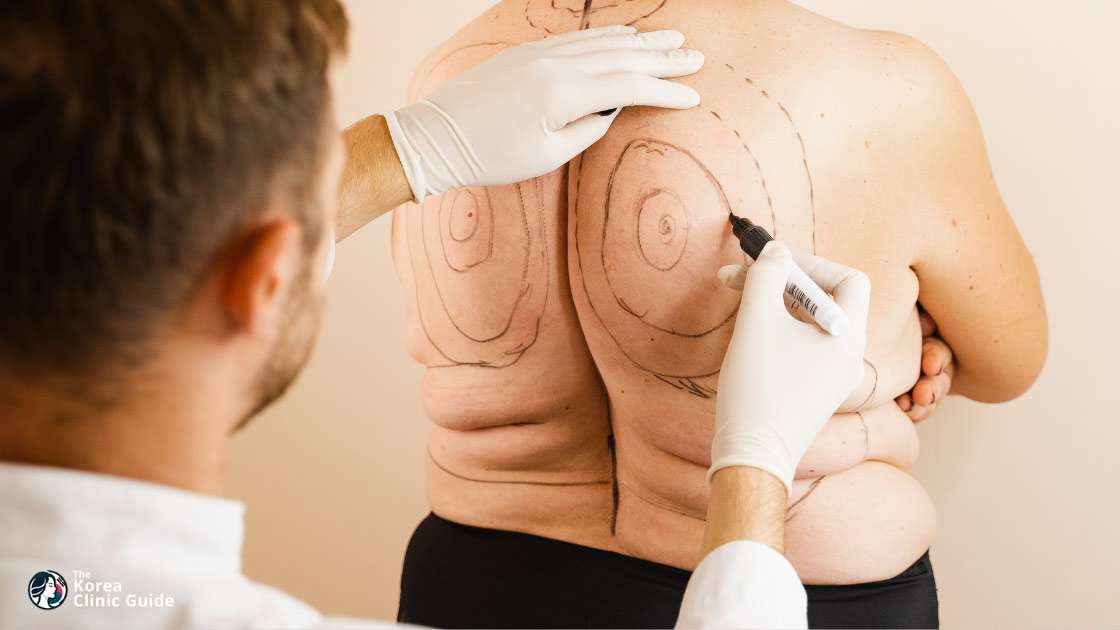
Table of contents
- Back Liposuction at a Glance
- What Is Back Liposuction?
- Who Is a Good Candidate for Back Liposuction?
- How Is Back Liposuction Performed?
- Why Visit Korea for Back Liposuction?
- Key Information for International Patients
- Which Are the Best Clinics in Korea for Back Liposuction?
- How Much Does Back Liposuction Cost in Korea?
- Back Liposuction From Start to Finish
- Alternatives to Back Liposuction
- How Can I Prepare for Back Liposuction?
- Aftercare Advice
Considering treatment in Korea? Everything you need to know e.g. — how to avoid scams, visas, interpreters, recovery tips — in our Medical Tourism Master Guide. Plan with confidence in minutes, not weeks!
Last updated: September 2026
Back Liposuction at a Glance
- What it does — Back liposuction surgically removes localized subcutaneous fat through small incisions to refine the upper back, bra-line rolls, lumbar pads, or posterior flanks; it is contouring surgery, not a weight-loss treatment.
- Korea cost — Back liposuction in Korea is listed at ₩4,000,000–₩9,000,000 (about US$3,000–$6,700), with the quote affected by treatment zones, anesthesia, technique or device use, and postoperative care.
- Best candidates — Suitable candidates are generally healthy adults at a stable weight with a defined back-fat deposit, realistic expectations, and reasonably elastic skin that can redrape after fat removal.
- Skin-laxity limit — Liposuction cannot remove substantial loose skin; pronounced back skin redundancy, particularly after major weight loss, may be better addressed with a bra-line back lift or upper-body lift, which leaves a longer scar.
- Recovery and results — Bruising, soreness, drainage, numbness, and swelling are common for the first 48–72 hours; desk work may be possible after several days, normal daily activity around 2 weeks, and strenuous exercise after roughly 4–6 weeks. Final contour assessment takes about 3–6 months.
- Korea stay requirement — International patients should plan at least 7–10 days in Korea after uncomplicated isolated treatment, or 10–14 days for extensive multi-area surgery, general anesthesia, drains, or added medical risk; the surgeon must clear the patient to fly after an in-person review.
- Korea-specific due diligence — Verify the exact clinic branch in Medical Korea’s foreign-patient registry and confirm the named surgeon, anesthesia provider, facility, emergency-transfer pathway, and complication plan; registration does not prove better back-liposuction outcomes.
What Is Back Liposuction?
Back liposuction is a body-contouring operation that removes localized fat from the upper, middle, or lower back through small incisions. It aims to reduce back rolls and create smoother definition between the back, waist, and flanks rather than produce weight loss. It is a surgical procedure.
Who Is a Good Candidate for Back Liposuction?
- Localized back fullness — Good candidates have a stable, localized subcutaneous-fat deposit at the upper bra line, mid-back, lower lumbar pads, or posterior flanks and want sharper transitions between the back and waist.
- Adequate skin recoil — Skin with reasonable elasticity is more likely to redrape after fat removal. The consultation must distinguish fat fullness from loose skin, because liposuction does not remove redundant skin.
- Stable health and weight — Candidates are generally healthy adults at a stable weight, with realistic contouring goals rather than an expectation of meaningful weight loss.
- A defined treatment map — The surgeon should assess whether treating the back alone would leave an abrupt transition at the waist or flanks, and whether scars, asymmetry, posture, or previous contour surgery affect the plan.
Back liposuction is unsuitable during pregnancy and should be deferred until after pregnancy and medical clearance. Active infection, open wounds, uncontrolled major illness, severe cardiovascular disease, significant bleeding or clotting disorders without specialist planning, and inability to undergo the proposed anesthesia are important contraindications. Nicotine smoking or vaping, recent major weight change, anticoagulants or antiplatelet medicines without an individualized plan, and unrealistic expectations require postponement or reassessment; do not stop prescribed medicines independently. Marked skin laxity after substantial weight loss generally calls for discussion of excisional surgery rather than fat removal alone.
How Is Back Liposuction Performed?
The important distinctions are the suction method, use of energy, anesthesia plan, and whether adjacent areas are treated—not separate patient-facing “types” of back liposuction. No strong back-specific comparative evidence establishes one technique as universally superior.
- Tumescent suction-assisted liposuction (SAL) — The surgeon infiltrates fluid containing local anesthetic and a vasoconstrictor, then removes fat with a cannula and suction. This is the conventional approach.
- Power-assisted liposuction (PAL) — A motorized cannula can help the surgeon work through fibrous tissue. It does not inherently produce a better contour; planning and controlled fat removal remain decisive.
- Ultrasound-assisted liposuction (UAL) — Ultrasound energy is applied before aspiration in selected fibrous or revision cases. It adds a risk of energy-related thermal injury.
- Laser-assisted liposuction (LAL) — Laser energy is used before suction in some systems. Claims of reliable, universal skin tightening are not established.
- Radiofrequency or helium-plasma adjuncts — These subdermal energy treatments can be discussed for mild-to-moderate laxity alongside fat excess, but they are not a substitute for removing excess skin.
- Anesthesia and treatment extent — Limited areas can sometimes be treated with tumescent anesthesia and sedation; extensive multi-area contouring often requires general anesthesia. The safer plan depends on aspirate volume, number of areas, procedure length, medical history, and anesthesia assessment.
Why Visit Korea for Back Liposuction?
South Korea has established systems for receiving international patients and an official pathway to check whether a foreign-patient institution is registered. These tools help with due diligence, not with predicting an individual surgeon’s results. No head-to-head studies were identified showing that back-liposuction outcomes or complication rates in Korea are better than in other countries.
- Official institution verification — Use the Medical Korea registered-hospitals directory to verify the exact clinic branch before booking. Also confirm the named operating surgeon, surgical facility, anesthesia provider, emergency-transfer pathway, and complication-management plan directly with the clinic.
- International-patient infrastructure — Medical Korea provides information on the foreign-patient registration system, which is relevant when comparing providers that treat overseas visitors.
- A high-volume medical-tourism setting — Seoul reported 1 million international medical tourists in 2024, according to the Seoul Metropolitan Government. This indicates established cross-border patient services, but medical-tourism volume does not prove superior back-contouring safety or aesthetic outcomes.
- Evidence limitation — The available back-specific literature is sparse. An older uncontrolled back-roll technique report described contour improvement but lacked a stated sample size in its abstract, a control group, and standardized patient-reported outcomes, so it cannot prove that one approach is safer or better than another.
Key Information for International Patients
- Minimum stay — Remain in Korea for at least 7–10 days after uncomplicated isolated back liposuction so the surgeon can complete an early in-person wound and garment review. Plan 10–14 days for extensive multi-area treatment, general anesthesia, drains, significant medical risk factors, or any concern at review.
- Fit-to-fly decision — Do not book a fixed early departure. The operating surgeon must assess incision healing, swelling, mobility, pain control, and venous-thromboembolism risk before clearing travel.
- Early recovery impact — Drainage from access incisions, bruising, soreness, swelling, numbness, and compression-garment wear are common during the first 48–72 hours. Do not schedule intensive sightseeing, long day trips, alcohol-centered activities, swimming, or sunbathing during this period.
- Activity timetable — Desk-based work is often feasible after several days, and routine daily activity commonly resumes around 2 weeks. Defer vigorous exercise, heavy lifting, gym workouts, and back-intensive activity for about 4–6 weeks or until the surgeon clears it.
- Remote follow-up — Leave with an English operative summary listing treated zones, anesthesia, aspirate volume, technique or device, incision and drain instructions, medicines, and direct follow-up contact. Send requested photographs through the clinic’s secure channel, but seek local urgent or emergency care for serious symptoms rather than relying on messages.
Travel note: Compression is commonly prescribed for several weeks. Pack loose front-opening clothing, arrange nearby accommodation, and ensure that a responsible adult can escort you after sedation or general anesthesia.
Which Are the Best Clinics in Korea for Back Liposuction?
Listed below are some of the best clinics in Korea for back liposuction.
1. Lydian Plastic Surgery Clinic
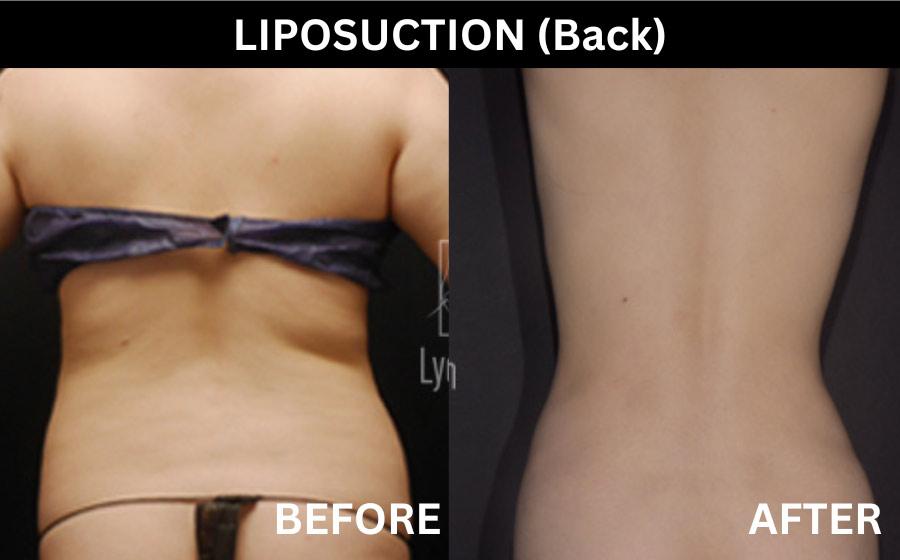
For back liposuction, Lydian Plastic Surgery Clinic emphasizes anatomy-based contour planning and uses more than 30 custom cannula types to tailor fat removal to your proportions. The clinic states that its approach can treat areas including the back through 1–2 strategically placed minimal incisions, with structured aftercare for contour refinement and skin recovery.
- URL: Lydian Plastic Surgery Clinic Website
- Location: Gangnam-gu, Seoul
- Procedure approach:
- Your back contour is planned around individual factors such as waist length, pelvic size, chest circumference, proportions, and natural curves rather than a standard fat-removal pattern.
- The clinic uses over 30 specially designed cannulas intended to accommodate differences in body shape and treatment-area volume.
- It states that its cannula approach can allow full back contouring through 1–2 incisions placed in less conspicuous areas.
- Imaging and aftercare:
- Quantificare 3D imaging is used for detailed pre-surgical design and to show three-dimensional before-and-after results.
- The four-part aftercare program addresses swelling reduction, irregularity correction, skin-elasticity recovery, and residual-fat contouring.
- The clinic also has equipment intended to address stretch marks and skin sagging, concerns that may accompany weight changes.
- Lead surgeon:
- Dr. An is described as having more than two decades of body-sculpting experience.
- The source identifies Dr. An as Director of the 5D Liposculpture Academy and as responsible for domestic physician training in high-definition body sculpting and liposuction devices.
- Related body contouring services: Services described include 5D/high-definition liposculpture, tummy tuck surgery, fat grafting, and Brazilian butt lift procedures.
2. Seojin Plastic Surgery Clinic
For back liposuction, Seojin Plastic Surgery Clinic uses a three-step micro-liposuction process that combines tissue preparation, body-specific cannula selection, and manual syringe refinement intended to create a smooth, even contour. If you have mild skin laxity, the clinic also offers Velody2 laser lifting as an adjunct designed to support firmness after liposuction.
- URL: Seojin Plastic Surgery Clinic Website
- Location: Gangnam-gu, Seoul
- Procedure approach:
- Preparation is described as separating fat from blood vessels, nerves, and surrounding tissues and liquefying it for removal.
- Cannula selection is tailored to your body type and the amount of fat being treated.
- Following device-assisted suction, manual refinement with a small syringe is used to even the subcutaneous fat layer and refine the surface contour.
- Skin-firmness option:
- Velody2 lifting laser may be added when slight sagging is a concern after liposuction.
- The clinic describes this addition as intended to improve skin elasticity and firmness.
- Lead surgeon:
- As a one-doctor clinic, Seojin states that Dr. Lee Hyungmin provides end-to-end care.
- The source describes Dr. Lee as having more than 16 years of experience and as a recipient of a 100 Good Doctors in Korea recognition.
- Related services:
- Body-contouring services include liposuction and hip-dip fat grafting.
- Other listed offerings include breast surgery, hair transplantation, scalp micropigmentation, temporal lifting, and injectable skin treatments.
3. 365mc Hospital
For back liposuction, 365mc Hospital offers body-contouring care in a hospital setting, with the option of its motion-capture and artificial-intelligence-assisted liposuction system for real-time surgical feedback. Your recovery plan can include one-to-one care in a dedicated Recovery Center on the day of surgery and a structured seven-week program with hyperbaric oxygen therapy and personalized dietary consultation.
- URL: 365mc Hospital Website
- Location: Gangnam-gu, Seoul
- Procedure and technology:
- The clinic performs liposuction for the back as well as areas including the stomach, chest, hips, neck, thighs, and arms.
- Its M.A.I.L. system—Motion-Capture and Artificial-Intelligence Assisted Liposuction—is described as providing real-time surgical feedback to support precision.
- 365mc also offers LAMS, a local-anesthetic minimally invasive fat-reduction approach combining fat extraction and fat-dissolving injections for targeted areas.
- Recovery and ongoing support:
- You receive personalized one-to-one intensive care in the dedicated Recovery Center on the day of surgery, according to the source.
- The post-operative program is described as lasting seven weeks and may include hyperbaric oxygen chamber therapy.
- Personalized nutrition consultations and diet prescriptions are available, with guidance based on your lifestyle, eating habits, and nutritional needs.
- Clinical focus:
- 365mc is described as specializing solely in obesity treatment, fat reduction, and body contouring.
- The source reports more than 20 years of experience, 18 clinics, 22 main doctors, more than 3,000 surgical liposuctions, and 5 million treatments across its services.
- The source states that the hospital has received Korean Health Ministry Seal recognition.
How Much Does Back Liposuction Cost in Korea?
Back Liposuction is supplied at ₩4,000,000–₩9,000,000 (approximately US$3,000–$6,700). Individual quotes vary according to the mapped treatment plan, operative method, anesthesia requirements, and postoperative needs.
| Procedure Price | Korean Won (₩) | USD ($) |
|---|---|---|
| Low Price | ₩4,000,000 | $3,000 |
| High Price | ₩9,000,000 | $6,700 |
Exchange rate as of 2026-09-06: 1 KRW = 0.000741 USD.
What Affects the Price?
- Number and extent of treated back zones — A plan limited to one area, such as upper bra-line rolls, uses fewer treated zones than contouring the upper back, mid-back, lower lumbar pads, and posterior flanks together. Broader treatment requires more marking, infiltration, suction work, operating time, and consumables.
- Suction method and energy-based adjuncts — Conventional tumescent suction-assisted liposuction differs from power-assisted, ultrasound-assisted, or laser-assisted liposuction. Ultrasound or laser equipment and selected radiofrequency or helium-plasma skin-tightening adjuncts add device use and procedural steps; these may be considered for fibrous tissue, revision work, or accompanying mild-to-moderate laxity.
- Anesthesia and facility requirements — Local/tumescent anesthesia with sedation has different staffing and monitoring requirements from general anesthesia. Extensive multi-area treatment or patient-specific medical considerations can require a more involved anesthesia plan, longer monitored recovery, and greater operating-facility resources.
- Drain and early postoperative care — A drain, when used, requires placement, supplies, monitoring, and an in-person drain or wound review before travel. The postoperative plan may also include prescribed compression and scheduled early follow-up, which should be clearly specified in the quote.
Cost tip: Request an itemized quote stating what is included, particularly the mapped treatment zones, liposuction method or device adjunct, anesthesia, operating-facility use, compression garment, drain care if applicable, medications, and planned postoperative reviews.
The US$3,000–$6,700 conversion is approximate, based on the supplied exchange rate of 0.000741 on 2026-09-06. Check the exchange rate again when budgeting.
Back Liposuction From Start to Finish
- Remote inquiry and screening — Request an English-language or virtual consultation where available. Send standardized photographs through a secure channel, along with height, weight, medical history, prior contour surgery, medication and supplement list, allergies, nicotine use, and the areas of concern. Photographs cannot finalize a surgical plan.
- Pre-travel planning — Confirm the exact facility and operating surgeon, proposed areas, estimated duration, anesthesia professional, accommodation needs, early review date, and minimum stay. Keep flights flexible until postoperative clearance is given.
- In-person consultation in Korea — The surgeon examines pinch thickness, skin elasticity, scars, asymmetry, upper bra-line rolls, mid-back fullness, lumbar pads, and posterior flanks. The consultation determines whether isolated back treatment is appropriate or whether adjoining areas or a skin-excision procedure should be discussed.
- Medical and anesthesia assessment — Complete medication reconciliation, indicated blood tests, pregnancy testing when relevant, anesthesia review, and individualized clot-risk planning. Discuss the planned aspirate volume, combined procedures, compression, drains, expected recovery, and the complication plan before consenting.
- Marking and anesthesia — On surgery day, the surgeon marks the treatment zones while standing and takes clinical photographs. Depending on treatment extent and patient factors, anesthesia ranges from tumescent local anesthesia with sedation to general anesthesia.
- Fat removal — Tumescent fluid is infiltrated through small access incisions. The surgeon uses a cannula to remove subcutaneous fat with SAL, PAL, or a selected energy-assisted technique, while preserving smooth transitions between the back, waist, and flanks.
- Recovery and discharge — Recovery staff monitor alertness, vital signs, pain, nausea, and mobility. Leave only when clinically ready, with an escort and safe nearby lodging if sedation or general anesthesia was used.
- Early postoperative review — Attend the scheduled in-person check before departure for incision, drain if present, swelling, garment, and mobility assessment. Obtain prescriptions, written English instructions, and an operative summary.
- Overseas follow-up — Complete the clinic’s planned photo or video follow-up after returning home. Contact local urgent or emergency services for chest pain, shortness of breath, fainting, coughing blood, severe calf symptoms, fever, spreading redness, foul drainage, wound separation, or rapidly worsening pain or swelling.
Alternatives to Back Liposuction
The best alternative depends on whether the visible roll is mainly localized fat, loose skin, or fullness extending around the waist. Surgical options produce a more direct and usually larger change but involve incisions and recovery; non-surgical contouring avoids surgery but produces more modest, gradual changes and can require repeat treatments.
Flank or Waist Liposuction
- Best for — Fullness that is primarily at the posterior flanks or continues around the waist rather than sitting on the back alone.
- Tradeoff — Combining zones can create a smoother transition, but increases operative extent, recovery burden, and risk. See flank liposuction and waist liposuction.
Abdominal Liposuction
- Best for — Circumferential trunk fullness involving the abdomen, waist, and back.
- Tradeoff — Treating more areas can improve overall proportion but is not automatically safer or more appropriate than a focused procedure. See abdominal liposuction.
Bra-Line Back Lift or Upper-Body Lift
- Best for — Significant loose skin, especially after major weight loss, where skin redundancy rather than fat creates the roll.
- Tradeoff — Excisional surgery removes skin and fat more reliably than liposuction alone but leaves a longer scar and requires more involved recovery.
Energy-Assisted Skin Tightening
- Best for — Selected patients with mild laxity plus a limited fat deposit.
- Tradeoff — It can be paired with liposuction, but it cannot reproduce the skin removal of a lift. Device-specific risks and limited comparative evidence require careful discussion. See BodyTite.
Noninvasive Body Contouring
- Best for — Patients seeking to avoid surgical incisions and accepting a subtler, gradual reduction.
- Tradeoff — Sessions may need repeating, and results are generally less pronounced than surgical fat removal. Devices also have specific adverse effects; review the treatment plan carefully. See CoolSculpting.
How Can I Prepare for Back Liposuction?
- Medical disclosure — Give the surgeon and anesthesia team a complete history of operations, allergies, sleep apnea, diabetes, heart or lung disease, prior bleeding or clotting events, wound-healing problems, hormone therapy, nicotine and alcohol use, and every prescription, over-the-counter medicine, vitamin, and herbal supplement.
- Medicines and supplements — Ask for individualized instructions well before surgery for anticoagulants, antiplatelet drugs, diabetes medicines, blood-pressure medicines, hormone therapy, aspirin, ibuprofen, naproxen, fish oil, vitamin E, and herbal products that affect bleeding. Do not stop prescribed treatment unless the prescribing clinician and surgeon agree on the plan.
- Weight and skin health — Maintain a stable weight and report recent weight changes. Avoid surgery with an active rash, infection, open wound, or sunburn on the back; postpone until the surgeon confirms it is safe.
- Nicotine and alcohol — Meet the surgeon’s nicotine-cessation requirement for cigarettes, vapes, nicotine pouches, and replacement products. Follow the clinic’s alcohol restriction, particularly around anesthesia and prescribed pain medicine.
- Fasting and surgery-day medicines — Follow the clinic’s exact fasting instructions and take only medicines specifically approved for the morning of surgery. Anesthesia instructions override general online guidance.
- Accommodation and escort — Book lodging close to the operating facility for the early recovery period. Arrange an adult escort after sedation or general anesthesia, and do not drive while affected by anesthesia or opioid pain medicine.
- Packing and transport — Bring loose, easy-to-wear clothing that does not rub the access incisions, comfortable walking shoes, and space for the prescribed compression garment. Plan gentle transport rather than crowded public transit immediately after surgery.
Travel note: Keep return flights flexible and do not treat the trip as a holiday immediately after surgery. An in-person review and the surgeon’s fit-to-fly assessment should determine departure timing.
Confirm every medication change, fasting interval, nicotine requirement, testing need, compression plan, and travel restriction with the treating surgeon; clinic-specific instructions take precedence.
Aftercare Advice
Protect the healing contour, keep moving gently, and treat sudden or worsening symptoms as a reason for prompt medical assessment—not routine recovery.
- Compression garment — Wear the garment exactly as prescribed for the stated duration. It should not cause escalating pain, numbness, skin injury, or impaired circulation; contact the clinic for refitting advice rather than altering the plan alone. Evidence does not establish one universal compression schedule after back liposuction.
- Incisions and drainage — Expect limited drainage from small access incisions during the first days. Follow the surgeon’s instructions for dressings, showering, drain care, and incision care. Keep wounds out of pools, the sea, hot baths, and saunas until the surgeon confirms closure and safety.
- Movement and exercise — Walk gently and regularly once cleared to support circulation. Avoid heavy lifting, strenuous sightseeing, gym training, swimming, and back-intensive exercise for roughly 4–6 weeks or until cleared.
- Swelling and results — Bruising, soreness, firmness, numbness, and uneven-looking swelling are expected early. Initial contour changes emerge as swelling decreases, but wait 3–6 months before judging the final contour or discussing a touch-up.
- Manual lymphatic drainage — Treat massage or manual lymphatic drainage as a surgeon-directed adjunct, not a compulsory recovery treatment. Limited indirect evidence cannot establish a proven back-liposuction schedule or show that it independently improves outcomes.
- Urgent warning signs — Seek urgent or emergency care for chest pain, shortness of breath, fainting, coughing blood, rapid heartbeat, one-sided calf pain or swelling, fever, spreading redness, foul drainage, wound separation, persistent vomiting, rapidly worsening pain, or sudden asymmetric swelling.
Follow the treating doctor’s individualized instructions, attend scheduled reviews, and contact the clinic promptly when anything appears wrong.
Frequently Asked Questions
Related Blogs
Buccal Fat Hypertrophy Solutions: Buccal Fat Removal Procedure in Korea for Facial Contouring
Discover the essentials of buccal fat hypertrophy and how Korea's renowned buccal fat removal procedures can help you achieve a sculpted, mature facial look. This guide covers the condition’s causes, surgical options like buccal lipectomy, and key tips for medical tourists seeking safe, high-quality Korea-based treatment. Learn about costs, recovery, and patient satisfaction to make an informed de
Updated: Oct 2, 2026
Round Face Slimming with Buccal Fat Removal: Effective Solutions in Korea
Discover the benefits of buccal fat removal in Korea, a popular facial contouring procedure to achieve a slim, V-line look. This minimally invasive surgery reduces chubby cheeks by removing buccal fat pads, offering permanent results for a more defined face. Korea's advanced clinics and expert surgeons make it the top destination for medical tourism in facial slimming. Learn about the procedure, r
Updated: Oct 2, 2026

Discover Thigh Lift Procedures in Korea to Treat Thigh Laxity and Achieve Tighter, Firmer Legs
Discover the transformative power of thigh lift surgery in Korea for thigh laxity caused by weight loss, aging, or genetics. This advanced procedure, often combined with liposuction, removes excess skin for a firmer, contoured look. Korea’s top clinics and expert surgeons ensure safe, effective treatment with minimal scarring. As a leading medical tourism destination, Korea offers unbeatable quali
Updated: Oct 1, 2026
Effective Back Liposuction Solutions for Mid Back Fat in Korea
Discover effective back liposuction in Korea, a leading destination for medical tourism. This procedure targets "adipose at mid-thoracic region" (back rolls or bra bulges), utilizing advanced techniques like ultrasound-assisted liposuction (UAL) and radiofrequency-assisted liposuction (RFAL) for precise fat removal and skin tightening. Korea’s renowned surgeons offer personalized treatments that r
Updated: Oct 1, 2026
Clinics offering Back Liposuction

365mc Hospital: Korea's Leading Liposuction and Body Contouring Clinic with Innovative AI Technologies and Comprehensive Patient Care
Gyodae

THEPLUS Plastic Surgery Korea | Eye, Nose, Face & Body Surgery
Sinsa

Lydian Plastic Surgery Clinic in Korea: Superior Cosmetic Procedures by World-Renowned Expert Dr. An Kyung Chun
Apgujeong

Seojin Plastic Surgery Clinic Korea: Pioneering Advanced Cosmetic Procedures for Personalized Aesthetic Transformation
Apgujeong