
Medical Tourism Blog
Anal Darkening Solutions: Anal Bleaching Procedures in Korea for Skin Lightening and Confidence
Table of contents
- Anal Bleaching: Procedures and Mechanisms
- Navigating Anal Bleaching in South Korea
- Which Are the Best Clinics in Korea for Anal Darkening?
- Cost Analysis and Medical Tourism: South Korea vs. Global Standards
- Patient Experiences: Expectations, Outcomes, and Longevity
- Empowering Patients with Knowledge
- References
Considering treatment in Korea? Everything you need to know e.g. — how to avoid scams, visas, interpreters, recovery tips — in our Medical Tourism Master Guide. Plan with confidence in minutes, not weeks!
"Anal darkening," more precisely known as perianal pigmentation, is a common cosmetic concern often searched for online. Medically, this term describes the naturally darker appearance of the skin around the anus compared to surrounding areas. This variation is mainly due to a higher level of melanin, the pigment responsible for skin color, which is produced by melanocytes. For most people, perianal pigmentation is entirely normal.
However, changes in skin color or texture in this area can sometimes signal underlying health issues. Someone focused on finding a cosmetic fix for "anal darkening" should be aware that other conditions could be involved—some of which need medical attention. Before any cosmetic treatment, a consultation with a healthcare provider is essential to ensure proper diagnosis and safe care.
Common Pseudonyms and Related Terms
Patients often use the term "anal darkening," but healthcare professionals refer to it as "perianal pigmentation." Some related terms include "butt hyperpigmentation." Conditions like "friction hypermelanosis" (from repeated rubbing or irritation) and "post-inflammatory hyperpigmentation" (PIH, following skin inflammation or injury) are also frequent causes.
It’s important to distinguish these cosmetic issues from specific conditions, such as Perianal Pseudoverrucous Papules and Nodules (PPPN), which can result from chronic irritation and present with terms like "chronic papillomatous dermatitis" or "reactive acanthosis." These are not the same as cosmetic "anal darkening," further emphasizing the need for a professional evaluation.
Understanding the Causes of Darkening in the Perianal Area
Perianal darkening usually results from multiple factors:
- Increased Melanin Production: Most commonly, the melanocytes in this region produce more melanin, causing natural darkening.
- Hormonal Fluctuations: Stages like puberty, pregnancy, or menopause can trigger increased pigment production.
- Friction and Irritation: Wearing tight clothes, prolonged sitting, intense activity, or specific hair removal methods can all lead to "friction hypermelanosis."
- Inflammation and Injury: Problems like folliculitis ("butt acne") or minor skin trauma can cause PIH as the skin heals.
- Genetics and Aging: Genetic background and natural aging may darken intimate areas over time.
- Other Factors: The visibility of superficial veins, increased keratin, and chronic moisture (often due to incontinence or diarrhea) can all deepen the color.
Because perianal darkening is usually complex, treatment is rarely permanent. Cosmetic procedures, like anal bleaching, can temporarily lighten the area but tend to require ongoing upkeep, especially if lifestyle factors remain unchanged. Supporting treatments with habits such as loose-fitting clothes, gentle hygiene, and avoiding skin irritation can help maximize and maintain results.
When to Seek Professional Medical Advice
While perianal darkening is mostly harmless, see a dermatologist if:
- Dark spots persist beyond three months of home care
- There's a change in size, color, itchiness, bleeding, or texture
- New or changing moles appear
- Accompanying symptoms like pain, discharge, or ulceration develop
- Conditions like anal skin tags, lichen sclerosus, or perianal dermatoses are suspected
- Emotional distress or quality of life is impacted
A professional evaluation helps rule out serious conditions, such as skin cancer, metabolic disorders (e.g., Acanthosis Nigricans), or inflammatory diseases. Always prioritize medical assessment before considering cosmetic solutions.
Anal Bleaching: Procedures and Mechanisms
What is Anal Bleaching?
Anal bleaching is a cosmetic treatment that aims to lighten the skin around the anus, mainly for aesthetic reasons. It’s important to clarify: this procedure does not use household bleach or harsh cleaning chemicals. Using such substances can cause severe injuries; professional anal bleaching involves formulated topical agents or advanced laser techniques.
Overview of Medical Procedures
Topical Lightening Agents and Chemical Peels
These treatments involve the application of creams, lotions, gels, or peels designed to decrease melanin production or break down existing pigment. In-clinic treatments usually use stronger, faster-acting concentrations compared to at-home options.
Caution is essential—many potent skin-lightening agents (e.g., hydroquinone, mercury) are banned in several countries due to risks like carcinogenicity or toxicity. Improper use or unregulated products at home can lead to permanent damage, scarring, increased darkening, or even anal strictures. For safety, only seek regulated, professional-grade treatments.
Laser Treatments
Professional clinics also use laser technology to lighten skin. Lasers like PicoSure, Spectra Toning (Nd:YAG Laser), and Fraxel Laser are common, especially in South Korea. These devices target and break down excess melanin, often combined with topical agents for enhanced results.
How These Treatments Work (Key Ingredients and Mechanisms)
The goal of both topical and laser methods is to decrease melanin. This generally involves blocking the activity of tyrosinase, an enzyme needed for melanin creation.
- Hydroquinone: Inhibits melanocytes by blocking tyrosinase, reducing melanin synthesis. It’s banned for cosmetic use in parts of the world over toxicity concerns.
- Kojic Acid: Derived from fungi, it blocks tyrosine formation and tyrosinase, lightening skin. Can cause sensitivity and should be used with care.
- Arbutin: A hydroquinone derivative, it also inhibits melanin production—considered safer and less cytotoxic than hydroquinone.
- Other Ingredients: Fruit acids, azelaic acid, vitamin C, and plant extracts can also lighten skin with fewer side effects.
Safety Profile, Discomfort, and Risks
Professional Treatments
- Discomfort: Topical stinging or mild laser “pops” are typical; numbing creams help manage this. Most people find it tolerable.
- Side Effects: Redness, swelling, and temporary sensitivity are common but usually short-lived.
- Risks: If performed incorrectly, risks include burns, permanent discoloration, scarring, paradoxical hyperpigmentation, infection, or even anal incontinence.
At-Home Treatments
- Higher Risks: Mistakes in product choice or application can permanently damage the skin, cause strictures, and introduce toxins like mercury or unregulated hydroquinone.
- Product Dangers: Many at-home products include banned or harmful chemicals with potential for carcinogenicity or severe injuries.
The marked difference in safety between clinic and home treatments underscores the need for qualified professional care for any anal bleaching procedure.
Navigating Anal Bleaching in South Korea
South Korea is recognized for its high safety standards and advanced cosmetic procedures, making it a popular medical tourism destination for treatments like anal bleaching.
Initial Consultation and Assessment
Every anal bleaching treatment starts with a private, in-depth consultation with a trained dermatologist. During this session, the provider will:
- Assess your skin and goals
- Identify allergies or underlying conditions
- Explain the procedure and expected outcomes
- Guide you on aftercare
This ensures a safe and effective treatment plan tailored to you.
Pre-Procedure Preparation
To avoid irritation, patients are advised to:
- Discontinue harsh products before the appointment
- Complete a patch test if sensitive or previously reactive
- Optionally, shave the area for better access
The Treatment Process
At the clinic, the skin is cleansed, and a topical anesthetic is typically used.
- Topical Agents: Professional-grade lighteners are carefully applied by skilled staff.
- Laser Technology: Lasers may be used alone or with topicals to speed up results. Positioning ensures easy and comfortable access.
Typical Session Duration and Course
A session usually takes 30–60 minutes. Multiple sessions—spaced several weeks apart—are often necessary. If topical products are included, regular application at home may be needed for best results.
Post-Procedure Care
Diligent aftercare maximizes results and prevents complications:
- Keep the area clean and dry
- Choose loose clothing to reduce friction
- Avoid hot baths, strenuous activity, or sex for a few days
- Apply any prescribed soothing creams as directed
- Protect from sun exposure, even under clothing
- Delay waxing or additional laser treatments immediately after the procedure
South Korea’s methodical patient care and focus on safety provide reassurance to patients seeking high-quality results in a well-regulated medical environment.
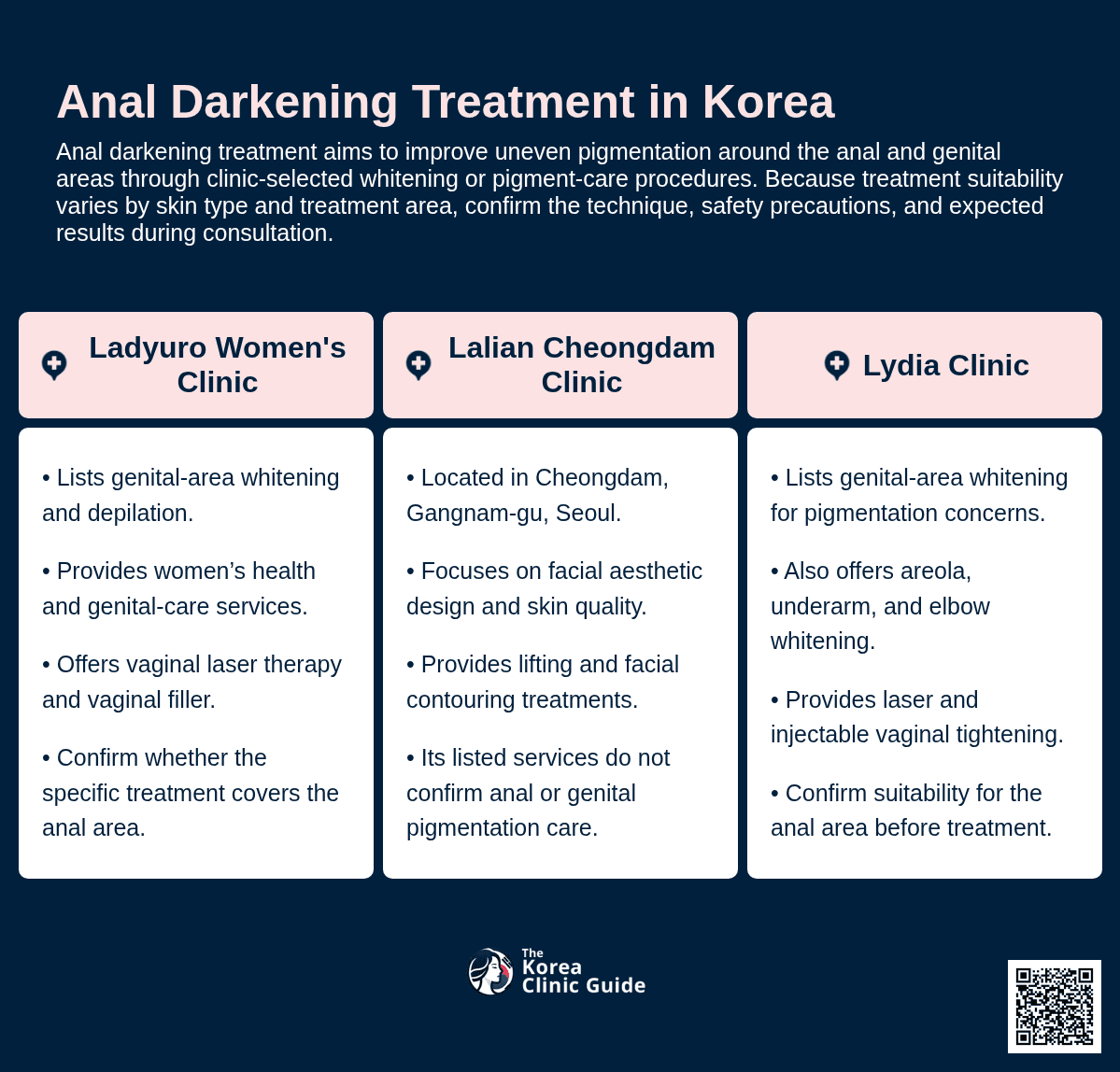
Which Are the Best Clinics in Korea for Anal Darkening?
Listed below are some of the best clinics in Korea for anal darkening.
1. Ladyuro Women's Clinic
You may consider Ladyuro Women’s Clinic when seeking treatment for anal darkening because it lists genital-area whitening and depilation among its aesthetic services, alongside women’s health and genital-care treatments that may be relevant when discussing your goals and comfort concerns.
- URL: Ladyuro Women's Clinic Website
- Location: Gangnam-gu, Seoul
- Pigmentation-focused care:
- Lists whitening and depilation for the genital area, combining skin-tone aesthetic treatment with hair removal.
- The available description does not specify a dedicated anal-darkening technique, so you should clarify the exact treatment area and approach during consultation.
- Related services:
- Offers vaginal laser therapy, described as stimulating collagen production to improve elasticity and address dryness.
- Lists vaginal filler, Botox for vaginal tightness or muscle spasms, and treatment for urinary incontinence.
- Provides STD/HIV testing, cervical cancer screening and HPV vaccination, and care for vaginitis or bladder inflammation.
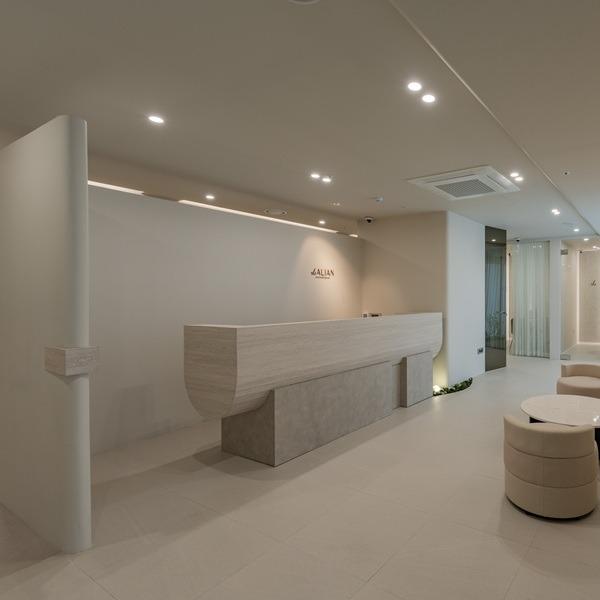
2. Lalian Cheongdam Clinic
For anal darkening, the supplied information for Lalian Cheongdam Clinic does not confirm a treatment for anal or genital pigmentation; its documented services focus on facial aesthetic design, skin quality, lifting, and contouring. You may want to verify directly whether it evaluates this concern before relying on it for this procedure.
- URL: Lalian Cheongdam Clinic Website
- Location: 2nd floor, Dosan-daero 59-gil, 9, Gangnam-gu, Seoul, South Korea
3. Lydia Clinic
You may consider Lydia Clinic for anal darkening because it lists genital-area whitening among its pigmentation services, with additional women’s health and genital aesthetic procedures that can support a broader discussion of your treatment preferences.
- URL: Lydia Clinic Website
- Location: Gangnam-gu, Seoul
- Pigmentation services:
- Lists genital-area whitening intended to lighten pigmentation in the genital region.
- Also offers areola/nipple, underarm, and elbow whitening treatments.
- The description does not identify a specific anal-lightening method, so confirm whether the treatment is appropriate for the anal area and your skin concerns.
- Related genital care:
- Offers laser vaginal tightening, injectable vaginal tightening, vaginal tightening surgery, and implant vaginal plasty.
- Lists labiaplasty and clitoral hood reduction for aesthetic or functional concerns.
- Provides hair removal, which may be relevant if you want to discuss grooming alongside pigmentation treatment.
Cost Analysis and Medical Tourism: South Korea vs. Global Standards
South Korea’s combination of cutting-edge treatments, skilled providers, and competitive pricing has helped establish the country as a favorite for medical tourists seeking aesthetic procedures like anal bleaching.
Cost of Anal Bleaching in South Korea
Costs vary based on the method, clinic, and session count:
- Skin Whitening (intimate/overall): $70–$2,500 per session
- Anal Bleaching: $75–$300 per session
- Laser Treatments: $75–$500 per session (Pico: $80–$250; Fraxel: up to $500)
- Chemical Peels: $70–$300 per session
- Take-Home Topicals: $30–$100+ per item
- Glutathione Injections: $45–$800 per session
- Consultation Fees: $30–$150
Package discounts for multiple sessions are common, and a deposit is often required.
Global Cost Comparison
| Country/Region | Estimated Cost Range (USD/session) | Notes |
|---|---|---|
| South Korea | $75 – $300 | Package deals available |
| United States | $85 – $800 | Laser: $600–$2000; DIY kits: $30–$150 |
| United Kingdom | $315 – $440 | Intimate area lightening |
| Europe (Spain example) | $129 | One clinic; not all-inclusive |
| Australia | $520 | Anal/genital area whitening |
| Thailand | $240 – $430 | Intimate area lightening |
South Korea's costs, especially for laser treatments, are much lower than in the US, UK, and Australia, offering excellent value for medical tourists.
Considerations for Medical Tourists
Beyond procedure costs, factor in:
- Travel: Round-trip flights and accommodation, plus daily expenses
- Aftercare: Post-treatment products or extra visits
- Insurance: Most cosmetic treatments are not covered; check for clinic payment plans
Building a detailed budget—including all travel and aftercare expenses—is essential to understand the true cost of seeking anal bleaching abroad.
Patient Experiences: Expectations, Outcomes, and Longevity
Benefits and Satisfaction
Many patients report high satisfaction with professional anal bleaching, including a more uniform and lighter appearance of perianal skin and improved body confidence. For most, the psychological boost is a primary reward, and treatments by skilled professionals are generally safe and effective.
Realistic Results and Maintenance
Patients should expect only a few shades of lightening (not dramatic or “pink” results), and improvements are gradual, appearing over multiple sessions. Complete and permanent change isn’t possible; regular touch-ups are needed as pigmentation returns with time.
Longevity and Influencing Factors
Results are temporary—skin will gradually darken again due to:
- Skin type (darker skin may require more frequent treatments)
- Chosen technique (lasers last longer than creams)
- Proper aftercare practices
- Lifestyle (friction, sweating)
- Hormonal changes and natural aging
Periodic maintenance is necessary, so be prepared for ongoing investment of time and money.
Complications and Risks
Potential side effects include mild stinging, redness, and swelling. Serious risks—particularly from improper treatments—include:
- Paradoxical hyperpigmentation
- Scarring or permanent discoloration
- Anal strictures
- Infection
- Allergic reactions
- Carcinogenic risks from certain chemicals
Consult only experienced professionals, avoid unregulated products or “do-it-yourself” kits, and always discuss risks thoroughly.
Making an Informed Decision
Key points before deciding:
- Perianal pigmentation is usually normal and harmless
- Always rule out medical causes before cosmetic treatment
- Choose reputable professionals and regulated clinics only
- Maintain realistic expectations and understand commitment
- Know all potential risks and long-term maintenance requirements
Empowering Patients with Knowledge
Perianal pigmentation—while a common and benign cosmetic concern—should be medically evaluated before pursuing cosmetic procedures. Anal bleaching can provide aesthetic and psychological benefits, but only if performed under the care of qualified professionals using safe, regulated products and techniques. South Korea offers advanced care at competitive prices, but comprehensive budgeting and full understanding of risks and maintenance are a must. Informed, safety-focused decisions empower patients to achieve optimal results and avoid preventable complications.
References
1, 2, 3, 4, 5, 6, 7, 8, 9, 10, 11, 12, 13, 14, 15, 16, 17, 18, 19, 20, 21, 22, 23, 24, 25, 26, 27, 28, 29, 30, 31, 32, 33, 34, 35, 36
Frequently Asked Questions
Related Blogs

Keratosis Pilaris Treatment in Korea: Effective Peeling Procedures for Smoother Skin
Discover how Korea leads in treating Keratosis Pilaris (KP) with advanced chemical peel procedures. This article explains how chemical peels—such as glycolic acid, salicylic acid, TCA, and Jessner solutions—effectively exfoliate and improve KP symptoms. Learn why Korea is a top destination for medical tourists seeking affordable, high-quality skincare treatments in dermatology clinics renowned for
Updated: Nov 10, 2026
Treating Dark Under-Eye Circles with Dark Circle Injection Procedures in Korea
Discover how Korea leads in treating dark under-eye circles with advanced procedures like Hyaluronic Acid fillers, PRP injections, and fat transfer. This comprehensive guide explores causes, treatment options, costs, and patient experiences in Korea’s top clinics for dark circle injections. Perfect for medical tourists seeking safe, effective, and affordable solutions in Korea, this article highli
Updated: Nov 9, 2026
Sun Spots Treatment in Korea: IPL Procedures for Clearer Skin
Discover how Korea leads in treating sun spots (UV-induced brown macules) with advanced IPL therapy. This blog outlines the causes of solar lentigines, the IPL procedure, and why Korea is the top destination for effective, affordable skin rejuvenation. Learn about treatment aspects, costs, and patient results—empowering you to make informed choices for clearer, more youthful skin through Korea’s t
Updated: Nov 8, 2026
Melanin Overproduction: Top Pigmentation Treatment Procedures in Korea for Clearer Skin
Discover effective hyperpigmentation treatments in Korea, from topical agents and chemical peels to advanced laser therapies like Fraxel, PicoSure, and Nd:YAG. This blog explores melasma, sunspots, and post-inflammatory hyperpigmentation, highlighting Korea’s cutting-edge dermatology and affordable costs. Learn how Korea’s expert clinics provide personalized care, combining innovative procedures w
Updated: Nov 8, 2026
Clinics offering Anal Bleaching

Ladyuro Women's Clinic in Korea: Premier Destination for Vaginal Rejuvenation and Aesthetic Enhancements
Sinsa

Lydia Clinic Korea: Leading Enhancement of Women's Health and Beauty with Specialized Medical Procedures
Gangnam Station
Lalian Cheongdam Clinic Korea | Premium Dermatology & Aesthetic Treatments
Cheongdam

VS Line Clinic (VS라인의원) in Korea: Offering Personalized Cosmetic Treatments for Wrinkles, Skin Rejuvenation, and More
Apgujeong