Erectile Dysfunction
Description
**Erectile Dysfunction (ED) Evaluation Procedure:** The evaluation of erectile dysfunction typically begins with a comprehensive medical and sexual history. During this initial phase, the healthcare provider will gather information about the patient's symptoms, duration of erectile issues, and any contributing factors such as stress, psychological conditions, or relationship issues. A detailed review of the patient's medical history is also crucial, including any chronic illnesses like diabetes, hypertension, cardiovascular diseases, or neurological disorders, as these conditions are often linked to ED. The healthcare provider will inquire about lifestyle factors such as smoking, alcohol consumption, and exercise habits. Additionally, a review of current medications is necessary to identify any drugs that might cause or exacerbate ED. **Physical Examination and Diagnostic Tests:** Following the history intake, a physical examination is conducted to identify any physiological causes of ED. The physician will evaluate the patient’s cardiovascular and respiratory health, check blood pressure, and examine the genitals to rule out anatomical abnormalities or signs of hormonal imbalances. Blood tests are commonly performed to measure levels of glucose, lipids, and hormones (such as testosterone). Other diagnostic tests such as a penile Doppler ultrasound may be used to assess blood flow and detect vascular issues. In some cases, a nocturnal penile tumescence test, which measures erections during sleep, is recommended to distinguish between physical and psychological causes. Based on the findings, the healthcare provider will determine the underlying cause of ED and suggest appropriate treatment options, which may include lifestyle changes, medications, therapy, or surgical interventions.
Search
Categories
Related Posts


Top Erectile Dysfunction Clinics
Dr.JMJ Urology
Sinnonhyeon Station
Free consultation from the clinic
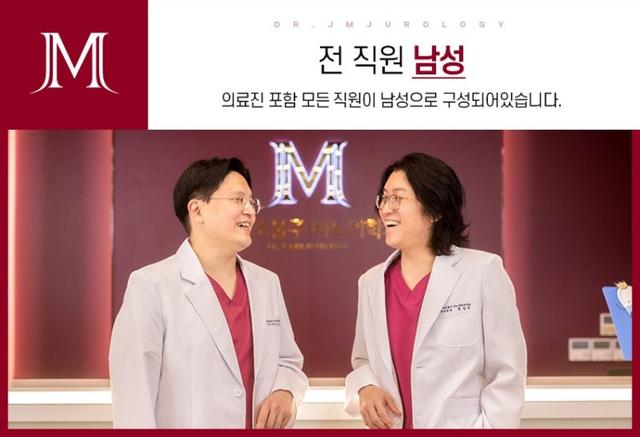
Dr.JMJ Urology Clinic in Seocho specializes in men's health and urological surgeries, providing comprehensive care with hospital-grade facilities and experienced medical staff. Men’s Enhancement and Sexual Health Procedures Penile Enlargement (Phalloplasty): This procedure is designed to increase the girth of the penis using advanced surgical techniques. The clinic employs multiple-layer suturing and safe medical materials to achieve natural-looking results. Penile Lengthening Surgery: This surgery aims to increase penile length by releasing the supporting ligament and repositioning the penis. Careful attention is paid to both function and appearance to ensure patient satisfaction. Glans Enhancement (Glans Augmentation): This procedure enhances the size and contour of the glans (head) of the penis for greater confidence and improved aesthetics. It is performed using safe and medically approved substances. Premature Ejaculation Surgery: Aimed at treating premature ejaculation, this minimally invasive procedure targets sensitive nerve pathways. It can help improve control during intercourse and enhance sexual satisfaction. JMJ5 Combination Surgery: This surgery combines penile enlargement, lengthening, glans enhancement, premature ejaculation correction, and erectile function management in a single bundled procedure. It is designed for men seeking comprehensive improvement in overall penile function and appearance. Erectile Dysfunction Treatment Inflatable Penile Implant Surgery: An inflatable prosthesis is surgically implanted into the penis to provide control over erections. Patients can achieve a natural-feeling erection and restore sexual confidence after severe erectile dysfunction. Malleable Penile Implant Surgery: In this procedure, a bendable rod is inserted into the penis, allowing the patient to position it as needed for intercourse. This is a durable, straightforward solution for erectile dysfunction that does not respond to medication. Prostate and Urological Procedures Benign Prostatic Hyperplasia (BPH) Surgery: This surgery addresses enlarged prostate issues by reducing tissue and improving urinary flow. The clinic uses minimally invasive techniques aiming for fast procedures, minimal discomfort, and rapid recovery. UroLift Procedure: UroLift is a minimally invasive treatment for BPH (enlarged prostate) that lifts and holds apart the enlarged prostate tissue, relieving pressure on the urethra. It allows patients to preserve sexual function and return quickly to daily activities. Rezūm Water Vapor Therapy: This procedure uses steam to ablate excess prostate tissue and improve urinary symptoms caused by BPH. It is non-surgical and preserves sexual function, with minimal recovery time. General Urological Surgeries Circumcision: Circumcision is a surgical procedure to remove the penile foreskin, commonly performed for medical, hygienic, or cultural reasons. The clinic offers safe, precise, and aesthetically focused circumcision for adult men. Vasectomy: Vasectomy is a permanent male sterilization procedure that cuts or seals the vas deferens to prevent sperm from entering the semen. It is a safe, minor outpatient procedure with a short recovery period. Dr.JMJ Urology Clinic is dedicated to providing safe, effective, and personalized care for all men’s urological and sexual health needs.
learn more
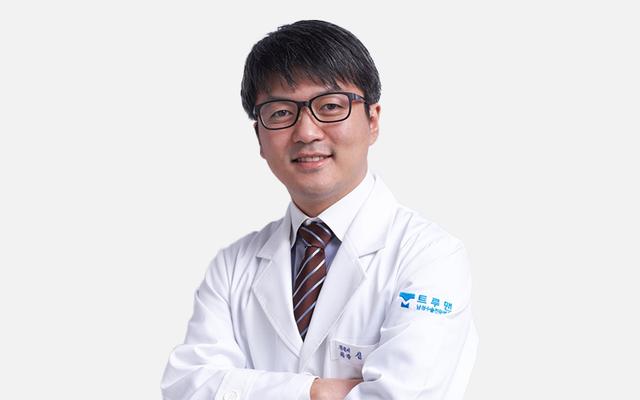
TrueMan Medical Center - Myeongdong
Myeongdong Station
Free consultation from the clinic
Welcome to TrueMan Medical Center in Myeongdong, a leading clinic specializing in male health and wellness. Here, you can access a variety of advanced treatments in a private and professional environment. Premature Ejaculation Behavioral Therapy: Tailored exercises and counseling to help you gain better control during intercourse. This integrated approach aims to manage psychological elements affecting performance. Pharmacological Treatment: Customized medication plans to delay ejaculation and enhance satisfaction. These medications are prescribed based on individual evaluations. Penis Enlargement Dermal Fillers: Injections that add volume and enhance the appearance of the penis. This minimally invasive procedure provides quick results with minimal recovery time. Surgical Enlargement: Comprehensive surgical techniques to increase penis length and girth. These procedures are performed by expert surgeons with extensive experience. Erectile Dysfunction Medication Management: Use of FDA-approved drugs like Viagra and Cialis to improve erectile function. These medications are administered under medical supervision for maximum efficacy. Shockwave Therapy: Non-invasive treatment using low-intensity shockwaves to stimulate blood flow and improve erections. This therapy is suitable for men seeking a non-pharmaceutical option. Benign Prostatic Hyperplasia (BPH) Medication Therapy: Prescription drugs aimed at reducing prostate size and alleviating urinary symptoms. Medications are customized to individual needs and conditions. Minimally Invasive Surgery: Procedures like TURP (Transurethral Resection of the Prostate) to relieve severe BPH symptoms. These surgeries are performed using advanced equipment for optimal outcomes.
learn more
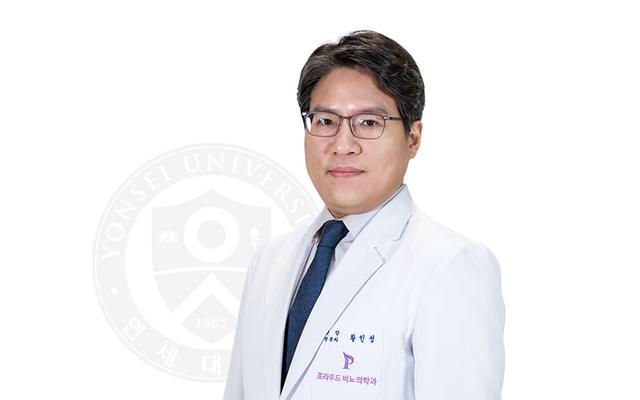

Superman Urology Clinic
Gyodae Station
Free consultation from the clinic
Superman Urology Clinic in Gyodae offers a comprehensive range of urological services to address various health concerns, utilizing state-of-the-art technology and expert care. Diagnostic Procedures: Ultrasound: Utilizes high-frequency sound waves to create images of the kidneys, bladder, and other urological organs to aid in diagnosing conditions. Cystoscopy: A procedure where a thin, flexible tube with a camera is inserted through the urethra to examine the bladder and urethra for abnormalities. Urodynamic Testing: Assesses how well the bladder and urethra are storing and releasing urine, useful for diagnosing urinary incontinence and other related issues. Surgical Procedures: Vasectomy: A minor outpatient surgery aimed at male sterilization, involving the cutting or sealing of the vas deferens to prevent sperm from entering the semen. Circumcision: Surgical removal of the foreskin from the penis, often for medical, religious, or cultural reasons. Prostate Surgery: Involves various techniques to remove or shrink the prostate gland, typically to treat benign prostatic hyperplasia (BPH) or prostate cancer. Treatment Procedures: Shock Wave Lithotripsy (SWL): A non-invasive treatment that uses shock waves to break kidney stones into smaller pieces that can be passed through the urinary tract. Intravesical Therapy: Involves the administration of medication directly into the bladder, commonly used for treating bladder cancer and other bladder conditions. Prostate Cancer Therapy: Includes treatments such as hormone therapy, radiation therapy, and chemotherapy specifically designed to manage and treat prostate cancer. Men's Health Procedures: Erectile Dysfunction Treatment: Offers various treatment options such as oral medications, penile injections, vacuum erection devices, and penile implants to address and manage erectile dysfunction. Testosterone Replacement Therapy: Prescribes and monitors hormone replacement to address symptoms of low testosterone levels in men, which may include fatigue, depression, and reduced libido. Kidney and Bladder Health Procedures: Nephrectomy: Surgical removal of a kidney, which may be necessary due to cancer, damage, or severe disease. Bladder Augmentation: A surgical procedure to make the bladder larger, typically to help those with severe bladder dysfunctions. Superman Urology Clinic prioritizes patient-centered care and offers advanced diagnostic and treatment options to ensure the best possible outcomes for their patients.
learn more