
Medical Tourism Blog
Penis Fat Transfer in Korea: Girth Enhancement, Recovery, Risks, and Travel Planning
Table of contents
- Penis Fat Transfer at a Glance
- What Is Penis Fat Transfer?
- Who Is a Good Candidate for Penis Fat Transfer?
- How Is Penis Fat Transfer Performed?
- Why Visit Korea for Penis Fat Transfer?
- Key Information for International Patients
- Which Are the Best Clinics in Korea for Penis Fat Transfer?
- Penis Fat Transfer From Start to Finish
- Alternatives to Penis Fat Transfer
- How Can I Prepare for Penis Fat Transfer?
- Aftercare Advice
Considering treatment in Korea? Everything you need to know e.g. — how to avoid scams, visas, interpreters, recovery tips — in our Medical Tourism Master Guide. Plan with confidence in minutes, not weeks!
Last updated: September 2026
Penis Fat Transfer at a Glance
- Purpose — Penis fat transfer uses liposuction-harvested fat from your own body, often the lower abdomen, injected around the shaft to increase girth; it is not a reliable treatment for erect-length gain or erectile dysfunction.
- Expected change — In a selected 52-patient Seoul retrospective series, proximal and distal circumference increased by about 2.3 cm at six months, while flaccid and stretched length did not change significantly; this is not a guaranteed individual outcome.
- Result timeline — Swelling and unevenness are common initially, and fat resorption is variable; contour and retained volume are more reliably assessed at 3–6 months, when any revision or touch-up can be discussed.
- Recovery — The procedure is generally outpatient, but expect bruising, tenderness, swelling, dressings or donor-site compression, and avoidance of sex, masturbation, heavy lifting, vigorous exercise, and shaft pressure for roughly four weeks unless the surgeon advises otherwise.
- Best candidates — Suitable candidates are adults with adequate donor fat, healthy penile skin, stable weight, and realistic expectations of a modest girth-focused change, including acceptance that asymmetry, nodules, fat loss, or revision can occur.
- Key limitation — Long-term durability is uncertain because transferred fat may resorb unevenly; current evidence lacks head-to-head randomized trials versus filler or other enlargement methods, and autologous fat is not simply reversible.
- Korea travel — Plan at least 7–10 days in Korea, preferably 10–14 days, to attend an early in-person shaft and donor-site review; Korea has a published Seoul clinical series, but no credible evidence shows superior safety or retention compared with other countries.
What Is Penis Fat Transfer?
Penis fat transfer is a cosmetic procedure that uses fat taken from your own body and injected around the penile shaft to increase circumference. It is intended to create a modest, girth-focused change rather than reliably increase length or treat erectile dysfunction. It is a surgical procedure because it combines liposuction with fat grafting.
Who Is a Good Candidate for Penis Fat Transfer?
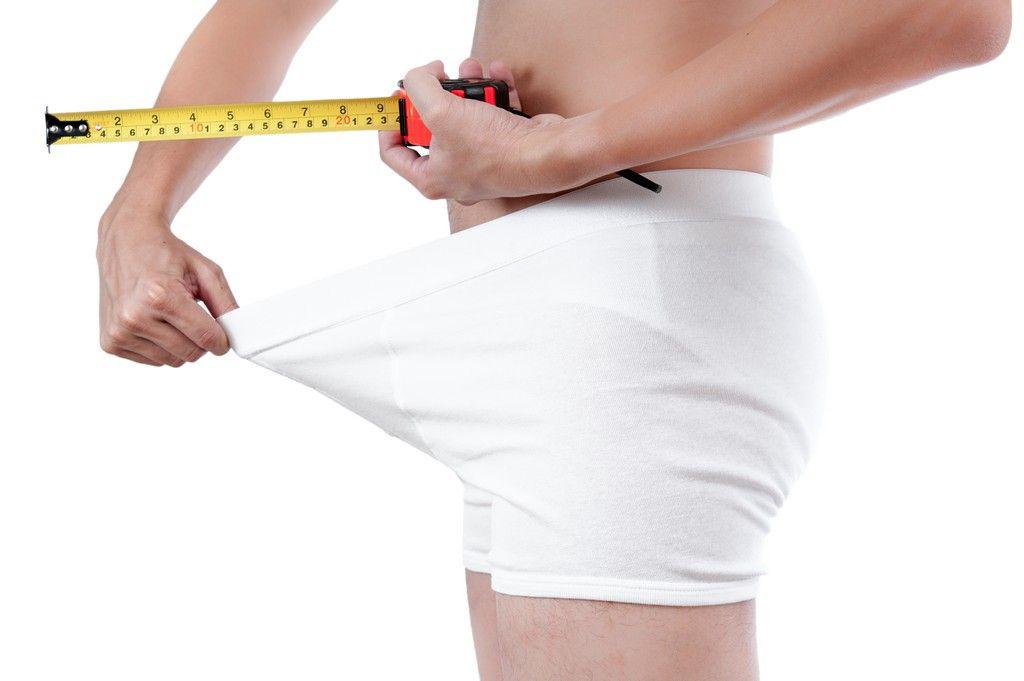
- Adults seeking girth enhancement — Suitable candidates want a modest increase in penile shaft circumference and understand that fat transfer is not a reliable method for erect-length gain.
- People with adequate donor fat — The lower abdomen is a commonly used harvest area; adequate fat and healthy donor-site skin are necessary for liposuction and grafting.
- Patients with stable expectations and weight — Candidates should accept that some grafted fat resorbs, early swelling can look uneven, and asymmetry, nodules, or revision are possible.
- People with healthy penile skin and no active infection — A genital, urinary, skin, or sexually transmitted infection must be diagnosed and resolved before elective treatment.
This procedure is unsuitable for suspected body dysmorphic disorder (BDD), penile dysmorphic disorder (PDD), coercion, or expectations of guaranteed permanence, improved erections, or major length gain. The EAU guideline advises against autologous fat injection for girth enhancement in men with PDD. Defer treatment for uncontrolled diabetes, significant heart or lung disease, unmanaged bleeding risk, nicotine exposure that conflicts with the surgeon’s cessation plan, or insufficient safe donor fat. A urologic assessment is essential when the concern is erectile dysfunction, Peyronie’s disease, buried penis, congenital micropenis, or a major deformity: fat grafting does not treat these underlying conditions. Assessment should include standardized length and proximal, mid-shaft, and distal girth measurements, as well as body-image screening where indicated.
How Is Penis Fat Transfer Performed?
Penile lipofilling has no universally standardized technique. The donor site, fat processing, injection plane, volume, and postoperative protocol all affect contour, recovery, and retained volume.
- Donor-fat harvest — The surgeon removes fat by liposuction, commonly from the lower abdomen, after deciding that the available fat and donor-site condition are appropriate.
- Fat preparation — Lipoaspirate can be washed, decanted, filtered, mechanically refined, or centrifuged before reinjection. No processing method has established superiority for long-term penile graft retention.
- Layered shaft injection — Small amounts of fat are distributed around the shaft in subcutaneous or fascial tissue planes to limit lumps and irregularity. In a Seoul retrospective series, surgeons injected superficial, middle, and deep layers of Colles’ fascia.
- Conservative volume planning — More injected fat does not guarantee more retained volume. Overcorrection can leave irregularity, while resorption can leave under-correction and lead to a later revision discussion.
- PRP, SVF, and “stem-cell” add-ons — These are not established ways to improve durability. A one-year retrospective comparison of stromal-vascular-fraction-enriched grafting does not replace randomized, long-term evidence on safety or retained volume.
Why Visit Korea for Penis Fat Transfer?
Korea has published academic experience with penile autologous fat grafting. That evidence supports the availability of local clinical experience, not claims that results in Korea are safer, more durable, or superior to those elsewhere. International patients should assess the operating clinician and the follow-up plan rather than rely on marketing language.
- Published Seoul clinical series — A 2012 Hanyang University College of Medicine retrospective series followed 52 selected patients. Mean proximal and distal circumference increased by about 2.3 cm at six months, while flaccid and stretched length did not change significantly.
- Relevant technical reporting — That Korean series described lower-abdominal liposuction and distribution of fat across layers of Colles’ fascia, giving patients a concrete set of technique questions for a consultation.
- Evidence limitation — The Korean study was single-center, retrospective, selected its participants, and assessed results at six months. It cannot validate retention claims, commercial protocols, or outcomes at other facilities.
- Need for independent comparison — A 2026 systematic review and meta-analysis found no head-to-head randomized trials comparing fat transfer with hyaluronic-acid filler or other penile-augmentation materials. No credible comparative evidence shows that Korea has better fat-transfer outcomes than other countries.
Key Information for International Patients
- Minimum stay — Plan at least 7–10 days in Korea; 10–14 days is preferable when feasible. This allows early examination of both the penile shaft and liposuction donor site, dressing care, and management of early bleeding, infection, or contour concerns.
- Pre-travel consultation — Arrange an English-language or virtual consultation before booking. Confirm the actual operating clinician, specialty credentials, medical history review, donor site, anesthesia plan, emergency-transfer arrangements, written quote, and what is included in revision or complication care.
- Flight timing — No penis-fat-transfer-specific evidence establishes a universal safe flying interval. The operating clinician should clear travel based on wound status, swelling or bleeding, mobility, anesthesia recovery, and venous-thromboembolism risk.
- First-week itinerary — Keep the schedule quiet. Swelling, bruising, tenderness, compression garments or dressings, and an early review can make sightseeing, long walks, nightlife, and frequent hotel changes impractical.
- Sex and exercise restrictions — Expect no intercourse, masturbation, heavy lifting, vigorous exercise, or shaft friction/pressure for roughly four weeks unless the surgeon gives a different instruction. A registered protocol uses four weeks of abstinence, but this is not a universal evidence-based rule.
- Remote follow-up — Obtain a written plan for video reviews, secure photo sharing, prescriptions, and urgent care after returning home. Identify a local doctor or emergency department before departure in case in-person assessment is needed.
Travel note: Do not arrange a non-refundable early return flight. An unexpected wound concern, anesthesia recovery issue, or assessment of significant swelling can require a longer stay.
Which Are the Best Clinics in Korea for Penis Fat Transfer?
Listed below are some of the best clinics in Korea for penis fat transfer.
1. Stantop Urology & Andrology
For penile enhancement concerns, you can access a urology-and-andrology practice that offers penile enlargement through injectable fillers or surgical methods, along with options for glans enlargement and penile lengthening. The supplied information does not specifically confirm penis fat transfer, so you should clarify whether fat-based grafting is available and appropriate for your goals.
- URL: Stantop Urology & Andrology Website
- Location: Seoul
- Related penile services:
- Penile enlargement with injectable filler or surgical approaches.
- Glans enlargement and penile lengthening services are also listed.
- Erectile dysfunction care includes inflatable and malleable implants, stem cell therapy, and shockwave therapy.
- Privacy and clinic scope:
- Separate consultation and treatment rooms for men and women are provided for comfort and privacy.
- The clinic reports more than 100,000 consultations and 40,000 surgeries performed.
2. Proud Urology Clinic
You can discuss penis fat transfer as part of the clinic’s penis enlargement surgery options, which specifically list fat grafting alongside dermal fillers and ligament cutting for length or girth enhancement. Your consultation should determine which approach fits your anatomy, objectives, and surgical considerations.
- URL: Proud Urology Clinic Website
- Location: Seoul
- Procedure details:
- Penis enlargement surgery is described as targeting increased penile length or girth.
- Listed techniques include fat grafting, dermal fillers, and ligament cutting.
- Related urologic and reconstructive care:
- Services include erectile dysfunction surgery with penile implants and treatment for premature ejaculation.
- Reconstructive options include penile curvature correction, foreign-substance removal, and scrotal reconstruction.
- Vasectomy, vasectomy reversal, and circumcision are listed.
- Additional notes:
- Established in 2016.
- The supplied information states that the clinic has JCI accreditation and professionally trained staff.
3. Highst Urology Clinic
You can seek urology-focused evaluation and treatment for urinary and male reproductive health at this clinic. However, the supplied information does not confirm that penis fat transfer or a specific penile enlargement procedure is offered, so availability and suitability would need to be clarified directly.
- URL: Highst Urology Clinic Website
- Location: 14, 15F, 655 Seolleung-ro, Gangnam-gu, Seoul, Republic of Korea
Penis Fat Transfer From Start to Finish
- Initial consultation — Send medical history, prior penile procedures or injections, medication and nicotine use, and clear information about goals. An English-language or virtual consultation should establish whether the objective is girth contouring rather than treatment for erectile dysfunction or length concerns.
- In-person assessment — The clinician examines penile skin and anatomy, measures length and proximal, mid-shaft, and distal girth, evaluates donor-fat availability, and screens for infection, deformity, buried penis, and body-image concerns.
- Medical and anesthesia planning — The team reviews allergies, bleeding or clotting history, diabetes, cardiovascular and pulmonary conditions, and medicines. Testing and anesthetic clearance depend on medical history and the planned level of anesthesia or sedation.
- Fat harvest — On treatment day, the surgeon harvests fat by liposuction, often from the lower abdomen, then prepares the lipoaspirate for grafting.
- Penile fat injection — The surgeon places small aliquots around the penile shaft in the planned tissue planes. The glans is generally not the target. Procedure length depends on harvest volume, preparation, injection technique, and anesthesia plan.
- Recovery and discharge — This is generally an outpatient procedure. Expect dressings or donor-site compression and instructions for pain control, hygiene, walking, shaft protection, and activity restriction. Leave with an escort when sedation or general anesthesia is used.
- Early in-person review — Attend a clinic review within the first week for examination of the shaft and donor site, dressing or wound management, and assessment of bruising, swelling, bleeding, or infection.
- Overseas follow-up — Continue scheduled video or photo follow-up after departure. Assess contour and retained volume more reliably at 3–6 months, after early swelling and fat resorption have settled; do not plan a touch-up before this assessment.
Alternatives to Penis Fat Transfer
The right alternative depends on whether the aim is temporary girth change, visible shaft exposure, length-focused treatment, or treatment of an underlying medical condition. Non-surgical choices avoid liposuction and graft-survival uncertainty but have their own limits; surgical options are more invasive and are not routine solutions for normal anatomy.
Hyaluronic-Acid Penile Filler
- Best suited to — Adults seeking a temporary girth-focused option rather than a fat harvest procedure.
- Key tradeoff — Hyaluronic acid is potentially dissolvable with an enzyme, unlike transferred fat. The EAU guideline reports published girth gains of 1.4–3.78 cm, but evidence remains limited. See penis filler.
Penile Traction
- Best suited to — Selected people whose primary concern is length rather than circumference.
- Key tradeoff — Traction is not a girth-enhancement treatment and requires consistent use over time. See penis lengthening.
Pubic Fat-Pad Reduction
- Best suited to — People with a prominent suprapubic fat pad or selected buried-penis concerns that reduce visible shaft exposure.
- Key tradeoff — This can improve visible exposure but does not add corporal length or shaft girth. See pubic fat pad removal.
Diagnosis-Directed Treatment
- Best suited to — People with erectile dysfunction, Peyronie’s disease, buried penis, trauma, congenital micropenis, or tissue loss.
- Key tradeoff — Treat the diagnosis rather than using cosmetic fat transfer as a substitute. See erectile dysfunction treatment and Peyronie’s disease treatment.
Grafts, Scaffolds, and Implants
- Best suited to — Not routine cosmetic alternatives; these require specialist evaluation.
- Key tradeoff — The EAU considers grafts, biodegradable scaffolds, and subcutaneous penile implants experimental for girth enhancement. A penile implant is principally an erectile-dysfunction treatment, not a standard cosmetic enlargement procedure.
How Can I Prepare for Penis Fat Transfer?
- Disclose complete medical history — Report diabetes, heart or lung disease, clotting disorders, prior venous thromboembolism, allergies, prior penile surgery, fillers, nonmedical injections, urinary or genital symptoms, and all prescription and recreational drug use.
- Review medicines early — Give the surgeon a full list of anticoagulants, antiplatelets, diabetes medicines, hormone treatment, anabolic agents, vitamins, and herbal supplements. Do not independently stop aspirin, warfarin, direct oral anticoagulants, clopidogrel, insulin, or other prescribed medicines; the operating and prescribing clinicians must set the plan.
- Stop nicotine as directed — Tell the clinic about cigarettes, vaping, nicotine pouches, patches, and gum. Follow the surgeon’s cessation protocol because nicotine impairs healing.
- Avoid alcohol and recreational substances — Follow the clinic’s timeframe, particularly before anesthesia or sedation. Alcohol, cannabis, stimulants, and other drugs can affect anesthesia, bleeding, and recovery planning.
- Follow fasting instructions exactly — When sedation or general anesthesia is planned, the clinic will specify when to stop solid food and clear liquids. Do not assume a standard fasting schedule.
- Prepare the treatment areas — Bathe as instructed and do not shave, wax, apply creams, or use irritating products on the penis or donor site unless the clinic specifically directs it.
- Arrange support and accommodation — Book lodging close enough for early reviews, organize an escort for discharge after sedation or general anesthesia, and avoid changing hotels during the first postoperative week.
- Keep travel flexible — Arrive before the required in-person evaluation and leave room for wound checks. Bring loose underwear and clothing that does not create shaft pressure or rub the donor site.
Travel note: Carry the clinic’s English-language procedure summary, medication list, emergency contact number, and remote-follow-up instructions when traveling home.
Confirm all clinic-specific medicine, fasting, nicotine, transport, and accommodation requirements with the treating doctor; individualized instructions take precedence over general guidance.
Aftercare Advice
Protect the penile shaft and liposuction donor site during early healing; swelling and an uneven appearance are not the final result.
- Rest, walk, and protect the area — Take short, gentle walks as directed, but avoid heavy lifting, vigorous exercise, cycling, and activities that create shaft pressure or friction during the first 1–4 weeks. Return to normal activity only after surgeon clearance.
- Avoid sex and masturbation — Do not have intercourse or masturbate until the operating clinician confirms healing. Many protocols use four weeks of abstinence, but the published protocol variation means the surgeon’s instruction controls.
- Use dressings and compression correctly — Follow the written plan for penile support, dressings, bathing, and donor-site compression. Do not massage, squeeze, or attempt to reshape the graft unless specifically instructed.
- Monitor swelling and contour — Bruising, tenderness, firmness, and temporary asymmetry are expected early. Retained volume and contour are more meaningfully assessed at 3–6 months, after swelling and early fat resorption stabilize.
- Recognize urgent warning signs — Seek urgent in-person care for rapidly worsening pain or swelling; uncontrolled bleeding; pus, foul drainage, fever, or spreading redness; inability to urinate; a pale, blue, dusky, cold, blistered, or blackened penile area; painful erection lasting more than four hours; chest pain, shortness of breath, fainting, coughing blood, or one-sided leg pain or swelling.
- Attend follow-up — Keep the early in-person review before leaving Korea and complete remote reviews after return. Delay any touch-up discussion until the initial result has settled.
Follow the treating doctor’s instructions over this general guidance and contact the clinic promptly when swelling, pain, wound appearance, or urinary symptoms seem abnormal.
Frequently Asked Questions
Related Blogs
UroLift in Korea: Candidacy, Recovery, Travel Planning, and Alternatives
UroLift uses permanent implants placed through the urethra to retract obstructing BPH tissue without removing or thermally destroying the prostate. The article covers eligibility assessment, anesthesia and recovery planning, Korea travel considerations, aftercare, warning signs, follow-up records, and alternatives.
Updated: Sep 17, 2026
Glans Enlargement in Korea: Methods, Safety, Recovery, and Travel Planning
HA glans augmentation uses hyaluronic-acid filler injected under local anesthetic to add temporary volume; technique, dose, and results are not standardized, and complications require prompt assessment. In Korea, listed costs are ₩1,500,000–₩3,000,000 (about US$1,100–$2,200); international patients should plan 5–7 days, attend a pre-flight review, and obtain a detailed treatment record.
Updated: Sep 13, 2026
Rezum Treatment in Korea: Candidacy, Recovery, Travel Planning, and Alternatives
Rezūm is an incision-free BPH treatment that uses cystoscope-guided, approximately 9-second water-vapor injections to treat lateral or median-lobe prostate obstruction, often with a temporary catheter. International patients in Korea should plan a 7–10 day stay for catheter removal and voiding assessment, then arrange home-urologist follow-up within 1–3 months.
Updated: Sep 12, 2026
Penile Implant in Korea: Types, Recovery, Travel Planning, and Risks
Penile implant surgery is a permanent treatment for persistent erectile dysfunction when medications, injections, or vacuum devices are ineffective or unsuitable, with inflatable and malleable device options based on anatomy and hand function. The article covers candidacy, surgery steps, recovery, international travel planning in Korea, follow-up, risks, preparation, and alternatives.
Updated: Sep 12, 2026
Clinics offering Penis Fat Transfer
StanTop Urology & Andrology: Korea's Premier Clinic for Advanced Urological and Andrological Treatments
Sinnonhyeon Station
Proud Urology Clinic: Leading Provider of Men Enhancement and Body Sculpting Services in Korea
Nonhyeon
GoldMan Urology Clinic - Gangnam, Korea: Pioneering Advanced Urological Procedures for Optimal Patient Satisfaction
Yangjae
Highst Urology Clinic Korea | Urology Evaluation & Treatment for Urinary and Male Reproductive Health in Nonhyeon
Nonhyeon