Medical Tourism Blog
Wide Midface Solutions: Cheekbone Reduction Procedures in Korea for Facial Contouring
Table of contents
- Cheekbone Reduction: A Comprehensive Medical Overview
- Best Clinics in Korea for Wide Midface
- The Patient Journey: Getting Cheekbone Reduction in South Korea
- Cost Analysis: Cheekbone Reduction in South Korea vs. Global Destinations
- Patient Experiences and Outcomes of Cheekbone Reduction
- Conclusion
- References
Considering treatment in Korea? Everything you need to know e.g. — how to avoid scams, visas, interpreters, recovery tips — in our Medical Tourism Master Guide. Plan with confidence in minutes, not weeks!
Patients looking to address a "wide midface"—often characterized by “horizontal facial width exceeding ideal”—are seeking out surgical options, especially cheekbone reduction. This guide explores the condition, available procedures, and what to expect, with a special focus on South Korea’s growing reputation as a premier destination for medical tourism.
The "wide midface" is a common cosmetic concern. Clarifying the medical and everyday terms associated with it can help patients communicate better with surgeons and make more informed decisions.
Definition of "Wide Midface"
The midface, anatomically, is the central part of your face, covering the nose and its surrounding bone structures. When someone feels they have a "wide midface," it usually means their cheekbones are particularly prominent, causing the face to look broader than desired. Medically, this is referred to as "Hyperplasia of midface." This condition typically involves the infraorbital and perialar areas positioned more forward, giving the face extra convexity or increasing the nasolabial angle. The malar process of the maxilla (the cheekbone) often plays a central role in this appearance—noticeable both from the front and profile.
Most people perceive a "wide midface" as an aesthetic issue, not a medical disorder. While "Hyperplasia of midface" has a medical definition, people usually use the phrase to express a cosmetic wish for more harmonious facial lines.
Common Pseudonyms and Related Conditions
"Hyperplasia of midface" shows up in many forms when people research: “Big midface,” “Hypertrophy of midface,” “Large midface,” “Midface hyperplasia,” “Midfacial excess,” “Midfacial prominence,” and “Overgrowth of the midface.” The term "Malar prominence" is often used in medical literature and is synonymous with "cheekbone" or "zygomatic prominence."
While we focus here on cosmetic treatments, it's worth noting that midface hyperplasia can sometimes be part of medical syndromes like Craniofacial dysplasia-osteopenia syndrome, Polyhydramnios, megalencephaly, and symptomatic epilepsy, Seckel syndrome (NSMCE2), and Troyer syndrome. Yet, most patients interested in cheekbone reduction are not dealing with any underlying syndrome—they’re simply aiming for a different aesthetic.
Table 1: Common Pseudonyms for "Wide Midface"
| Medical Term | Common Pseudonyms/Related Terms |
|---|---|
| Hyperplasia of midface | Big midface, Hypertrophy of midface, Large midface, Midface hyperplasia, Midfacial excess, Midfacial prominence, Overgrowth of the midface |
| Malar prominence | Cheekbone, Zygomatic prominence |
This table helps people navigate the various ways their concerns are described in both scientific literature and everyday language.
Cheekbone Reduction: A Comprehensive Medical Overview
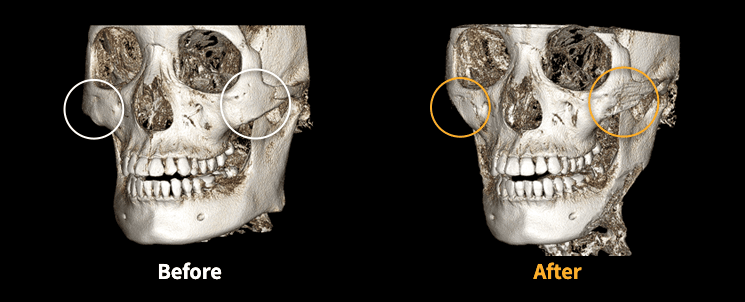
Cheekbone reduction—also known as zygoma reduction plasty or malar reduction—is a targeted facial procedure that sculpts the cheeks for a more pleasing facial contour, especially for those with a wide midface.
What is Cheekbone Reduction (Zygoma Reduction Plasty)?
This surgery is a form of facial contouring, aiming to modify the zygoma (cheekbone) by reducing its size and prominence. The goal is not just to narrow the face, but to create a softer, more symmetrical, and youthful appearance—moving from a square or flat facial profile to a more attractive, three-dimensional curve.
Detailed Surgical Techniques and Approaches
Cheekbone reduction requires careful handling of the zygomatic bone. The chosen surgical method can impact both the visual outcome and the risk of complications such as facial sagging.
Incision Approaches:
- Intraoral Approach: Incisions inside the upper mouth mean no visible scars. However, traditional intraoral methods can make it challenging to fully access the cheekbone or reposition the overlying soft tissue, sometimes leading to facial sagging in older patients.
- External (Coronal) Approach: Here, the incision is hidden in the hairline at the temples, offering excellent access for both bone and soft tissue work, though with a higher risk of visible scars.
Osteotomy (Bone Cutting) Techniques:
- L-shaped Osteotomy: A widely used method with incisions inside the mouth and near the sideburns, cutting the bone in an “L” to allow inward repositioning. Some clinics (like Girin Plastic Surgery) combine this with a cut on the zygoma arch.
- Arched Osteotomy (M-shaped Osteotomy): Uses a curved bone cut to achieve reduction.
- 3D Rotation-Lifting / Repositioning: This newer method rotates the cheekbone inward, upward, and toward the center in three directions, aiming for a natural curve and oval shape while minimizing the risk of post-op sagging.
These advances underscore that cheekbone reduction today is about more than reducing width—it’s about thoughtful, natural-looking reshaping and prevention of avoidable complications.
Key Surgical Principles: Bone Stabilization and Soft Tissue Management
Two pillars define a successful cheekbone reduction: secure bone placement and proper handling of the overlying soft tissue.
Bone Stabilization: After moving the zygoma, keeping it fixed in position is crucial. Plates and screws are standard, and while some clinics use 2-point fixation (potentially unstable), top centers like Girin favor a robust 4-point fixation to prevent future bone separation or shape changes.
Soft Tissue Management / Elevation / Support: Detaching the soft tissue over the bone is necessary during surgery, but if not re-suspended and secured, gravity can cause midface drooping. Modern procedures lift and anchor these tissues to maintain youthful contours and avoid a sagging appearance—an important improvement over older techniques.
This dual focus on stable bone union and supportive soft tissue work helps ensure long-lasting, natural results for patients.
Ideal Candidates for Cheekbone Reduction Surgery
The best candidates are those with prominent cheekbones, a broad and flat midface, significant facial asymmetry, or severely curved cheekbones. Individuals in East Asian populations with high or wide cheekbones often seek this surgery for a slimmer, more balanced look.
Table 2: Key Cheekbone Reduction Surgical Techniques
| Technique/Approach | Incision Type | Key Mechanism | Fixation Method | Advantages | Potential Limitations/Complications |
|---|---|---|---|---|---|
| Traditional Intraoral | Intraoral | Bone cutting/repositioning | Often 2-point | No visible scarring | Limited access; possible sagging; non-union |
| External (Coronal) | External (hairline) | Bone cutting & soft tissue lift | Plates/screws | Precise bone & soft tissue management | Scar risk |
| 3D Rotation-Lifting (Modern) | Intraoral or Coronal | 3D repositioning, soft tissue lift | 4-point fixation (Girin) | Natural oval result; prevents sagging | Requires advanced expertise |
This table provides a succinct comparison to help patients understand their options.
Best Clinics in Korea for Wide Midface
Listed below are the best clinics in Korea for wide midface:
| Clinic Name | Key Features | Special Techniques |
|---|---|---|
| THEPLUS Plastic Surgery | Safer, more natural approach for a wide midface with a bone-preserving technique; zygoma rotated and repositioned forward to create a slimmer, more harmonious midface while preserving facial support; non-invasive and tailored for patients with larger bone structures; led by a board-certified surgeon and award-winning researcher in 3D implants, Dr. Kim Taek Kyun, with Dr. Jeong Jae Yong and a multidisciplinary team; located on four floors in Garosu-gil, Gangnam, integrating consultation, surgery, and post-operative skincare. | Precise rotation and repositioning technique that brings the zygoma slightly forward to create a slimmer, more harmonious midface while preserving facial support; bone-preserving approach minimizes sagging; non-invasive, tailored for larger bone structures. |
| Made Young Plastic Surgery | Premium center in Seoul’s Gangnam district specializing in facial contouring and anti-aging, with particular expertise in addressing a wide midface; uses a 3D-CT precision diagnostic system to design a fully customized plan; emphasizes accurate osteotomy and stable fixation; Ultra-Close Contact Cheekbone Reduction technique that minimizes gaps between bone segments for precise, durable stability; screw-fixation and metal-free (no screws) cheekbone reduction available based on individual anatomy and goals. | Ultra-Close Contact Cheekbone Reduction technique that minimizes gaps between bone segments for precise, durable stability; screw-fixation and metal-free cheekbone reduction options based on anatomy and goals. |
| Opera Plastic Surgery Clinic | Comprehensive range of cosmetic procedures with a strong focus on patient safety and satisfaction; structural refinement options include 3D Zygomatic Reconstruction, V-line Square Jaw, and Chin Augmentation/Chin Reduction; Facial Liposuction can further slim the cheeks and jawline; Anti-aging and Petit (minimally invasive) treatments; Fat Grafting and Filler; OV Lifting, EV Lifting, and Mini Lifting; Safe Surgery System with detailed preoperative precautions, post-operation instructions, and thorough aftercare. | 3D Zygomatic Reconstruction; V-line Square Jaw; Chin Augmentation/Chin Reduction; Facial Liposuction; Fat Grafting and Filler; OV Lifting, EV Lifting, Mini Lifting; Safe Surgery System. |
THEPLUS Plastic Surgery
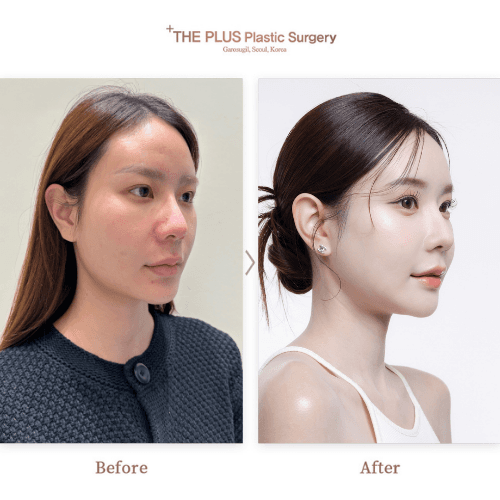
For those seeking the most refined solution for a wide midface in Korea, THEPLUS Plastic Surgery stands out for its safer, more natural approach led by Dr. Kim Taek Kyun. Rather than cutting and removing cheekbone—which can lead to unwanted sagging—Dr. Kim employs a precise rotation and repositioning technique that brings the zygoma slightly forward to create a slimmer, more harmonious midface while preserving facial support. This non-invasive, bone-preserving approach minimizes the risk of sagging and helps maintain the skin’s natural firmness, delivering excellent results in most cases without aggressive bone removal, and is carefully tailored for patients with larger bone structures. A board-certified surgeon and award-winning researcher in 3D implants, Dr. Kim is a leading expert in rhinoplasty and facial contouring who teaches fellow surgeons annually, underscoring the clinic’s academic rigor. He is joined by Dr. Jeong Jae Yong, President of the Korean Society of Plastic Surgeons and a globally recognized educator who blends function and beauty in every case, and supported by a multidisciplinary team that excels across facial aesthetics. Situated in Garosu-gil, Gangnam, THEPLUS spans four purpose-designed floors that integrate consultation, surgery, and post-operative skincare, with surgeons who publish, lecture internationally, and uphold the highest standards of safety and patient-centered communication. This combination of cutting-edge technique, customization, leadership in the field, and comprehensive care makes THEPLUS Plastic Surgery the best destination for wide midface refinement.
You can check out their website here: THEPLUS Plastic Surgery Website
Made Young Plastic Surgery
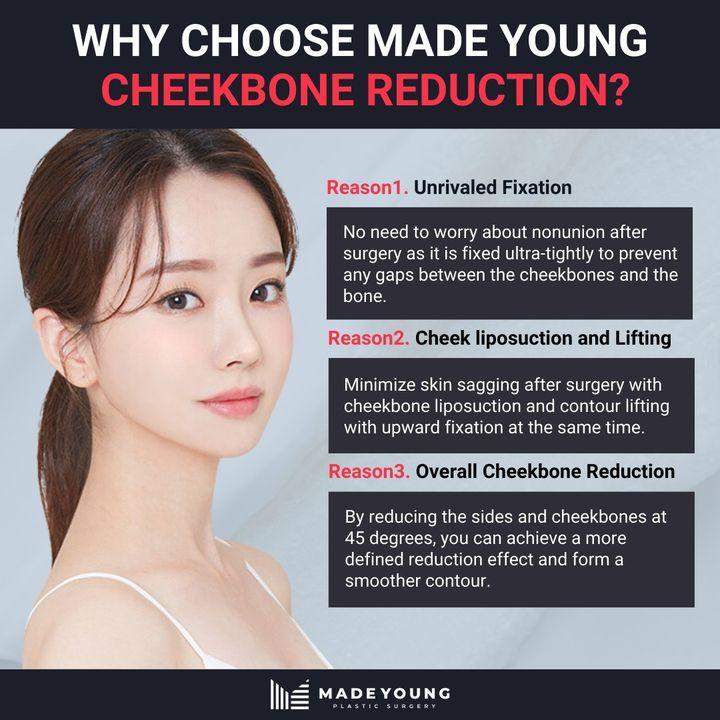
Made Young Plastic Surgery in Seoul’s Gangnam district is a premium center specializing in facial contouring and anti-aging, with particular expertise in addressing a wide midface. Using a 3D-CT precision diagnostic system, the team analyzes cheekbone prominence, facial proportions, and soft-tissue characteristics to design a fully customized plan. To help prevent complications such as nonunion, sagging, or bone resorption, the clinic prioritizes accurate osteotomy and stable fixation, applying its Ultra-Close Contact Cheekbone Reduction technique that minimizes gaps between bone segments for precise, durable stability. Patients can choose between screw-fixation and metal-free (no screws) cheekbone reduction based on individual anatomy and goals.
Care is delivered by a verified medical team of highly skilled surgeons averaging over 15 years of experience, with direct consultation and diagnosis by the operating doctors. Safety is supported by full-time board-certified anesthesiologists, a 1:1 dedicated monitoring system, and a cross-check protocol in which multiple anesthesiologists collaborate in emergencies, alongside full CCTV coverage for transparency. After surgery, patients receive complete, systematic follow-up through a dedicated aftercare center. The clinic’s quality has been recognized with the 2022 Korea No.1 Award and 2022 Korea Customer Satisfaction 1st Place, selection as an Outstanding Member of the Korean Society of Plastic and Reconstructive Surgeons, and certification from the Minimally Invasive Aesthetic Surgery Society.
You can check out their website here: Made Young Plastic Surgery Website
Opera Plastic Surgery Clinic
Opera Plastic Surgery Clinic offers a comprehensive range of cosmetic procedures with a strong focus on patient safety and satisfaction, making it well-suited for those seeking solutions for a wide midface. For structural refinement, the clinic’s Face Contouring portfolio includes 3D Zygomatic Reconstruction to reshape cheekbones and enhance symmetry, V-line Square Jaw surgery to streamline the lower face, and Chin Augmentation/Chin Reduction to harmonize proportions—each tailored to individual needs. Facial Liposuction can further slim the cheeks and jawline, while balanced planning across these options helps create a more proportionate, refined midface profile.
To complement surgical contouring, Opera provides Anti-aging and Petit (minimally invasive) treatments that can fine-tune midface width and definition. Fat Grafting and Filler add or shift volume to achieve smoother transitions and better balance, while OV Lifting, EV Lifting, and Mini Lifting help tighten and refresh skin for a crisper contour. Every step is supported by Opera’s Safe Surgery System, including detailed preoperative precautions, clear post-operation instructions, and a thorough aftercare program—reflecting the clinic’s commitment to exceptional results with patient care and safety at every stage.
Find more about this clinic here: Opera Plastic Surgery Clinic Website
The Patient Journey: Getting Cheekbone Reduction in South Korea
South Korea has become a leader in facial bone surgeries, offering international patients a structured experience from first consult to recovery.
Initial Consultation and Pre-operative Planning
Your journey starts with a detailed consultation and advanced imaging—often with a 3D CT scan—to map your face and plan a customized surgery. This precise pre-operative assessment helps limit dissatisfaction and avoid the common pitfalls that can lead to revision surgery. Surgeons discuss goals and realities in detail so expectations are properly managed.
Anesthesia and Surgical Duration
Cheekbone reduction most often uses general anesthesia, though local anesthesia is possible in select cases. Surgical times typically fall between 40 to 90 minutes, depending on the approach and complexity, with some operations extending up to three hours.
Step-by-Step Procedure Overview
- Incision and Access: Surgeons prefer inner-mouth incisions for scar-free results, but sometimes hairline incisions are needed.
- Reduction and Contouring: Using either L-shaped, arched, or 3D rotation techniques, the bone is carefully cut.
- Repositioning: The cheekbone is moved inward, upward, and toward the center for the desired contour.
- Bone Stabilization: Advanced clinics use 4-point screw fixation for stability.
- Soft Tissue Re-suspension: Lifting and supporting soft tissue prevents sagging and gives a more youthful look.
- Smoothing and Closure: The bone’s edges are carefully shaped and the incisions are closed, usually with absorbable stitches.
Post-operative Care and Recovery Timeline
Recovery is streamlined. Many clinics don’t require overnight stays; if they do, it’s typically brief.
- Suture Removal: Any external stitches are out around day five; internal ones dissolve or are removed in one to two weeks.
- Diet: Patients stick to soft or liquid food temporarily.
- Swelling and Bruising: Significant swelling and bruising subside after a couple of weeks.
- Overall Recovery: While many patients can leave South Korea within one to two weeks, full recovery takes months as the bone and tissue settle.
Table 3: Cheekbone Reduction Process in South Korea (Timeline)
| Phase | Key Activities/Milestones | Typical Duration/Timeline |
|---|---|---|
| Pre-operative | Consultation, 3D CT scans, planning, goal discussion | Few days to 1 week for planning |
| Surgical | General anesthesia, bone reduction, repositioning, fixation, tissue lift | 40–50 minutes to 1–3 hours |
| Early Recovery | Discharge (often same-day), diet change, suture removal, swelling subsides | Suture removal day 5–14; swelling: few weeks |
| Full Recovery | Healing and settling of bone/face | Several months |
This clear timeline helps international patients schedule accordingly.
Cost Analysis: Cheekbone Reduction in South Korea vs. Global Destinations
For many, cost is a make-or-break factor. Understanding the total financial commitment—and how it compares internationally—is essential.
Average Costs in South Korea and Factors Influencing Price
The average cheekbone reduction in Seoul is $5,129 (ranging from $3,470 to $8,700). This price is shaped by the surgical method, surgeon’s reputation, and clinic facilities. South Korea’s prices often undercut those of countries like Israel, Germany, and Spain by 20–30%, making the nation attractive for top-quality facial surgery at competitive rates.
What's Included in the Procedure Cost
Most packages include:
- Hospital stay (if needed, typically 2–4 days or less)
- General anesthesia
- Post-surgery medications (budget an extra $100–$300, if not included)
- Initial follow-up visits
If you combine cheekbone reduction with other surgeries (like chin or jaw work), expect to pay an additional $3,000–$7,000 per procedure.
Comparative Costs for Medical Tourists: South Korea vs. Selected Countries
How does South Korea compare worldwide?
- South Korea: Average $5,129 (range: $3,470–$8,700)
- Turkey: Starting from $1,448; jaw procedures range up to $15,000
- Thailand: Around $5,531 on average (range: $3,000–$10,729)
- USA: Related surgeries range $20,000–$50,000
- Mexico: From $10,300 (jaw-related)
- Canada: $18,000–$47,700 (jaw-related)
- Australia: $20,000–$40,000 (jaw/orthognathic)
South Korea’s pricing lands between the lowest-cost destinations like Turkey and premium western countries, attracting those who want both savings and expertise.
Table 4: Comparative Costs of Cheekbone Reduction Surgery
| Country | Average Cost Range (USD) | Notes on Inclusions/Exclusions |
|---|---|---|
| South Korea | $3,470–$8,700 (Avg $5,129) | Short/no hospital stay, anesthesia, meds, follow-ups included |
| Turkey | From $1,448 | High quality, very affordable |
| Thailand | $3,000–$10,729 (Avg $5,531) | Packages may include basics |
| USA | $20,000–$50,000 | Much higher for related surgeries |
| Mexico | From $10,300 | Popular option for North Americans |
| Canada | $18,000–$47,700 | Higher costs |
| Australia | $20,000–$40,000 | Higher costs |
Considerations for Medical Tourists
Aside from surgical costs, budget for:
- Travel and hotel for 7–14 days (minimum stay for recovery)
- Variability in quality—“affordability often comes with risks as quality and safety standards vary widely”
- Thorough research—look for board-certified doctors, robust fixation and tissue management methods, and confirmed clinic reputations
Balancing cost against quality and aftercare access is key—choosing the right surgeon and clinic justifies the investment.
Patient Experiences and Outcomes of Cheekbone Reduction
Ultimately, what matters most is how patients feel post-surgery—physically, psychologically, and socially.
Reported Patient Satisfaction Levels and Long-Term Results
Midface and cheekbone surgeries generally have a strong track record for satisfaction. Studies show that most patients perceive visible improvements—some reporting they look over a decade younger. High ratings continue years later, especially if soft tissue support was addressed during surgery. Successful repositioning of the cheekbones typically yields permanent results.
Besides improved appearance, patients often report greater self-confidence and enhanced quality of life, quantifying the “worth it” factor after surgery.
How the Procedure Addresses "Wide Midface" Concerns
Cheekbone reduction works through:
- Reducing cheekbone size for a slimmer facial profile
- Narrowing facial width and improving facial proportions
- Creating a natural, three-dimensional face curve
- Smoothing bumpy facial lines for subtle contours
- Repositioning the zygomatic arch to narrow the face’s widest point
Common Post-Surgical Considerations and How Modern Techniques Mitigate Risks
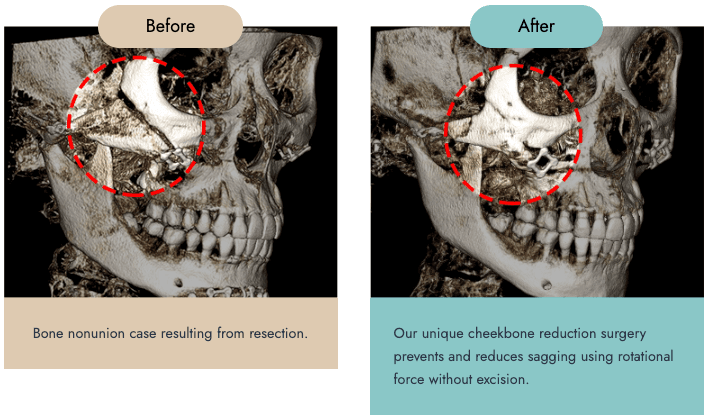
While surgical advances have reduced complications, it’s good to be aware of potential issues and modern solutions:
- Facial Sagging: Newer techniques include soft tissue lifting and resuspension to prevent drooping.
- Non-union: Secure, 4-point screw fixation prevents the bones from healing improperly.
- Undercorrection/Asymmetry: 3D CT planning and careful surgery yield balanced results and minimize the need for revision.
- Nerve Damage: Precise surgical approaches protect nerves and blood vessels.
- Revision Surgery: Occasionally needed, but less so with meticulous planning and modern execution.
Table 5: Patient Satisfaction and Common Outcomes Post-Cheekbone Reduction
| Outcome Category | Specific Metrics/Observations | Addressed by Modern Techniques |
|---|---|---|
| Aesthetic Improvement | Slimmer, more balanced, 3D facial shape; smooth contours | 3D repositioning, custom planning |
| Satisfaction Level | High (most “very satisfied” or “worth it”) | Personalized planning, advanced techniques |
| Age Perception | Patients feel younger (avg. 11.3 years) | Soft tissue suspension and support |
| Common Complications | Sagging, non-union, asymmetry, nerve risk | Tissue resuspension, 4-point fixation, precision |
| Result Permanence | Stable, lasting improvements | Rigid bone fixation with plates/screws |
This table helps set patient expectations and explains how technology enhances results while lowering risks.
Conclusion
Cheekbone reduction surgery offers an effective way to address a "wide midface," leveraging advanced techniques for natural, lasting results. South Korea presents a strong choice thanks to its experienced surgeons and focus on advanced technology, offering notable value compared to Western countries. Making the right decision starts with careful research, a clear understanding of available techniques, and choosing a qualified, reputable surgical team to ensure both safety and satisfaction.
References
1, 2, 3, 4, 5, 6, 7, 8, 9, 10, 11, 12, 13, 14, 15, 16, 17, 18, 19, 20, 21, 22, 23