Medical Tourism Blog
Vaginal Dryness Issues: PRP Vaginal Rejuvenation, Vaginal Filler, Stem Cell Treatments for Sexual Performance in Korea
Table of contents
- Advanced Non-Surgical Vaginal Rejuvenation Procedures
- Best Clinics in Korea for Vaginal Dryness Issues
- Pursuing Vaginal Rejuvenation in South Korea
- Patient Experiences and Outcomes
- Conclusion
- References
Considering treatment in Korea? Everything you need to know e.g. — how to avoid scams, visas, interpreters, recovery tips — in our Medical Tourism Master Guide. Plan with confidence in minutes, not weeks!
Vaginal dryness is a common condition marked by insufficient lubrication and changes in vaginal tissue health. It can cause pain with sitting, exercise, urination, and sexual intercourse (dyspareunia), and can reduce sexual desire and the ability to orgasm. The effects are both physical and emotional, often impacting relationships, self-esteem, and overall well-being. Treating the underlying dryness can improve comfort and help relieve related mental and relationship stress.
Common Causes and Contributing Factors
The most common driver is reduced estrogen, which supports tissue thickness, elasticity, and moisture. While menopause is a key factor, vaginal dryness affects a broader group: about 15% of pre-menopausal women and nearly 20% of women over 18 report dryness during sex. Other contributors include:
- Medical treatments: therapies for breast cancer, endometriosis, fibroids, or infertility; anti-estrogen medications; some antidepressants and antihistamines
- Surgical interventions: oophorectomy (removal of ovaries)
- Cancer therapies: pelvic radiation and chemotherapy
- Life stages: postpartum and breastfeeding
- Lifestyle factors: chronic severe stress, depression, and smoking
- Autoimmune conditions: Sjogren's syndrome
- External irritants: scented soaps, detergents, lotions, perfumes, douches, certain tampons or condoms
A thorough medical history helps pinpoint all contributing causes so treatment can be tailored and effective.
Symptoms and Associated Conditions
Common symptoms include vaginal soreness, itching, burning (often worse with urination), pain with sex (dyspareunia), light bleeding after sex, slight discharge, and irritation with tight clothing. Dryness can also affect the vulva, causing discomfort with walking or sitting. Changes in pH and thinner tissue can raise the risk of recurrent yeast or bacterial infections and urinary tract infections (UTIs). Severe dryness may cause small cracks or sores. It can also contribute to frequent urination, burning with urination, and stress urinary incontinence (SUI). Treating dryness supports overall urogenital health and helps prevent recurrent infections.
Pseudonyms and Medical Terminology
“Vaginal dryness” may appear alongside these related terms:
- Atrophic vaginitis
- Vaginitis - atrophic
- Vaginitis due to reduced estrogen
- Menopause vaginal dryness
- Vaginal atrophy: tissue changes from low estrogen; dryness may or may not be present
- Genitourinary Syndrome of Menopause (GSM): a broader set of symptoms including dryness, irritation, dyspareunia, and urinary discomfort
Understanding these terms can improve communication with clinicians and support accurate diagnosis.
Table 1: Common Pseudonyms and Related Medical Terms for Vaginal Dryness
| Term | Description/Context |
|---|---|
| Vaginal Dryness | General term for insufficient vaginal lubrication and health, leading to discomfort. |
| Atrophic Vaginitis | Medical term for the thinning, drying, and inflammation of vaginal tissue, typically due to estrogen decline. |
| Vaginitis - atrophic | Alternative medical term for atrophic vaginitis. |
| Vaginitis due to reduced estrogen | Highlights the hormonal cause of the condition. |
| Menopause vaginal dryness | Specifies dryness occurring during or after menopause. |
| Vaginal Atrophy | A medical condition involving structural and functional changes in vaginal/urogenital tissue due to low estrogen, which may or may not be accompanied by dryness. |
| Genitourinary Syndrome of Menopause (GSM) | A broader term encompassing vaginal dryness, irritation, painful intercourse, and urinary symptoms related to menopause. |
Advanced Non-Surgical Vaginal Rejuvenation Procedures
Modern, non-surgical treatments aim to regenerate tissue and restore natural function rather than only masking symptoms.
PRP Vaginal Rejuvenation (Platelet-Rich Plasma)
How It Works
PRP uses a small sample of your own blood, processed to concentrate platelets rich in growth factors (for example, vascular endothelial growth factor, epidermal growth factor, platelet-derived growth factor). When injected into targeted vaginal tissues, these signals stimulate collagen and elastin production, angiogenesis (better blood flow), local stem cell activation, and nerve growth (neurogenesis). The goal: healthier, firmer tissue, improved lubrication, and better function and sensation.
What to Expect: Procedure Steps
- Consultation: medical history, symptoms, goals, and a personalized plan
- Blood draw: about 30 ml
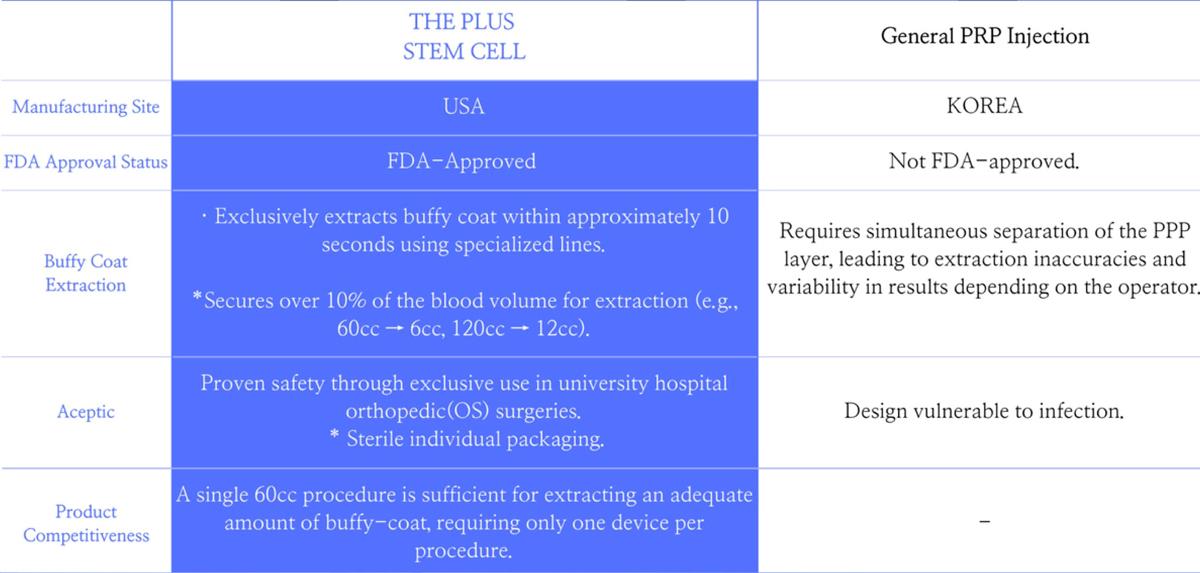
- PRP preparation: centrifuge separates platelet-rich plasma in ~10 minutes
- Numbing: topical cream or local anesthetic to the clitoris and upper vagina (O-Spot), as needed
- Injection: ~4 ml PRP is injected into areas such as the vaginal walls, G-spot, clitoris, O-Spot, and sometimes external genitals; internal injections ~8 minutes; external up to 20 minutes
- Aftercare: avoid sex and strenuous activity for 3–4 days; minimal downtime
Benefits
- Reduces vaginal dryness and supports natural lubrication
- Improves sexual sensation and orgasmic response
- Enhances tightness and elasticity
- May relieve urinary incontinence symptoms
- Boosts comfort and confidence
- Uses your own blood; low risk of allergic reaction
Considerations and Contraindications
Avoid PRP if pregnant or breastfeeding, if you have low platelets, active infection, certain skin conditions, metastatic cancer, blood or bleeding disorders, or are on anti-clotting medications (e.g., Aspirin or blood thinners). Some autoimmune conditions may require additional clearance. Side effects are usually mild (temporary redness, swelling, or rare bruising). For best results: 1 session every 3–4 weeks for 3 total sessions, plus maintenance every 3–4 months for 3 more sessions (about 3–6 sessions overall). Results are not permanent; annual touch-ups may help maintain benefits.
Vaginal Filler (Hyaluronic Acid-Based)
How It Works
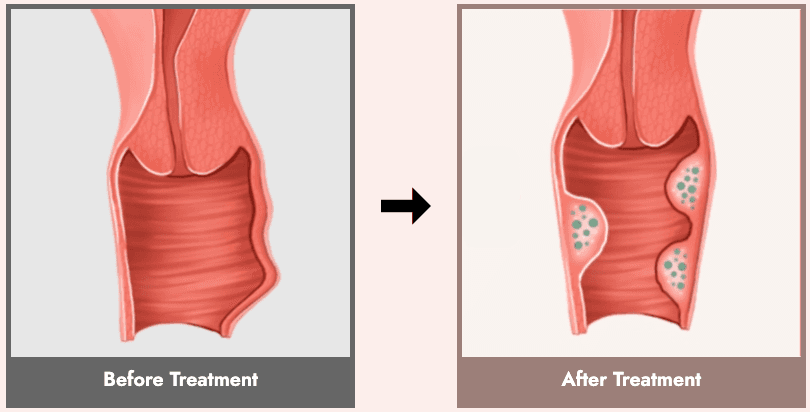
Hyaluronic Acid (HA) is a naturally occurring substance that draws and holds moisture. Injected HA hydrates the superficial vaginal tissue, restores cushioning, and may stimulate fibroblasts to produce collagen and elastin, improving tone and elasticity over time. The result is both immediate plumping and longer-term functional support.
Procedure Steps and Types of Fillers
- Consultation: anatomy review, goals, and a tailored plan
- Preparation: cleanse area; topical or local anesthesia
- Injection: fine needles or cannulas are used; 10–60 minutes; outpatient
Common HA options in South Korea:
- Neauvia Rose: high-concentration hyaluronic filler (28 mg/ml); for labia, vaginal walls, and the G-spot
- Wink Filler: uniform application throughout the vagina (often 10 ml)
- Wonder Filler: targeted enhancement for specific areas with reduced elasticity or tone
Aftercare: temporary swelling or bruising may occur. Avoid strenuous activity, sexual intercourse (48 hours to 1 week), hot baths/saunas, and blood-thinning medications as advised.
Benefits
- Helps eliminate vaginal dryness and irritation from skin thinning
- Restores volume in the labia majora and within the vaginal canal
- Improves elasticity and tone
- Enhances sexual sensation and orgasm (including G-Shot targeting the G-spot)
- Corrects aesthetic concerns like asymmetry or labial collapse
- May reduce urinary incontinence by improving support and contractions
Longevity and Safety
Results typically last 6–12 months; some products may last up to 2 years. Longevity depends on age, hydration, lifestyle, metabolism, and filler type/volume. HA integrates well with tissue and has a strong safety profile in skilled hands. Side effects are usually mild and short-lived.
Stem Cell Treatments for Vaginal Rejuvenation
How It Works
Stem cell therapy uses undifferentiated cells to support tissue repair. Injected into vaginal tissue, these cells release growth factors and cytokines that promote angiogenesis, collagen and elastin production, healthier epithelium, and nerve regeneration. By addressing underlying tissue deficits, this approach aims for durable improvements in dryness and atrophy.
Procedure Steps and Cell Sources
- Consultation and evaluation: medical history and diagnostic review
- Stem cell collection (autologous sources minimize rejection):
- Adipose (fat) tissue via minor liposuction
- Bone marrow (mesenchymal stem cells)
- Menstrual Blood-Derived Stem Cells (MenSC): promising, non-invasive, and low immunogenicity
- Preparation: isolation, purification, and possible expansion in a lab; sometimes combined with PRP
- Administration: targeted injections into areas like the G-spot, under the urethra, clitoris, and vaginal walls; numbing used; some protocols include IV in other contexts
- Time and recovery: typically 1–2 hours; minimal soreness or swelling; resume daily activities quickly; avoid tampons and sex for ~3 days
Benefits
- Reduces vaginal dryness by restoring tissue thickness and natural lubrication
- Improves sexual sensitivity and orgasmic function
- Enhances tightness and elasticity via new tissue formation
- May relieve stress urinary incontinence by strengthening support tissues
- Provides anti-aging effects on vulvar and vaginal appearance
- Reduces dyspareunia and discomfort linked to vaginal atrophy
Research Status and Safety
Early clinical data and observational studies show improved lubrication, tissue quality, and sexual function, with some reports of long-lasting relief. Long-term, large-scale trials are still in progress. Autologous cells reduce rejection risk; complications are usually mild (temporary discomfort, swelling, or localized infection). Use sterile technique and established protocols. Note the distinction from stem cell transplantation used for severe diseases (where chemo/radiation can cause dryness). In vaginal rejuvenation, stem cells are used to treat dryness and related symptoms.
Best Clinics in Korea for Vaginal Dryness Issues
Listed below are the best clinics in Korea for vaginal dryness issues:
| Clinic Name | Key Features | Special Techniques |
|---|---|---|
| SH Clinic | For women seeking effective, personalized relief from vaginal dryness in Korea, SH Clinic in Sinsa, Seoul is the best choice, combining a specialized women’s care environment with advanced regenerative gynecology and seamless continuity of care. All surgeries and procedures are performed directly by our highly experienced, board-certified gynecologist—recognized with a commendation from the Minister of Health and Welfare—providing safety, precision, and trust at every step. The SH Gynecology Clinic offers a full spectrum of solutions tailored to dryness, including noninvasive vaginal HIFU rejuvenation to remodel collagen and ease dryness without downtime, targeted vaginal fillers, regenerative stem cell injections, and, when appropriate, vaginal tightening and implant surgery. Integrated with the SH Stem Cell Center, our team crafts comprehensive, individualized treatment plans under one roof, ensuring comfort and expertise for female patients while addressing both symptoms and underlying tissue health. | Noninvasive vaginal HIFU rejuvenation to remodel collagen and ease dryness without downtime; targeted vaginal fillers; regenerative stem cell injections; vaginal tightening and implant surgery. Integrated with SH Stem Cell Center; comprehensive, individualized treatment plans. |
| THEPLUS Plastic Surgery | Nestled in Gangnam’s Garosu-gil, THE PLUS Plastic Surgery delivers a discreet, four-floor, full-continuum care experience where safety and patient satisfaction come first—an ideal environment for women seeking compassionate, evidence-based support around sensitive concerns like vaginal dryness. Led by Dr. Jeong Jae Yong, President of the Korean Society of Plastic Surgeons, and Dr. Kim Taek Kyun, a board-certified global educator and award-winning researcher in 3D implants with leading expertise in rhinoplasty and facial contouring, alongside Dr. Lee, a board-certified breast specialist with Seoul National University Hospital credentials, the team’s core ethos of harmonizing function and beauty directly aligns with intimate wellness needs that prioritize comfort, confidence, and natural, long-lasting outcomes. Their surgeons are active contributors to scholarly journals and textbooks (including Dr. Kim’s Rebuilding Nose), participate in domestic and international symposiums and webinars, and engage with major professional societies such as the American Society of Plastic Surgeons—ensuring treatments reflect the latest advances and are delivered with meticulous attention to detail and personalized communication from consultation through aftercare. | 3D implants; rhinoplasty; facial contouring; breast specialization. |
| Cellinique Clinic | Located in the heart of Gangnam, Seoul, Cellinique Clinic is a premium, one-doctor stem cell center specializing in immunity, regeneration, and restoring natural health and beauty. Fully dedicated to stem cell research and 100% personalized care, the clinic combines advanced stem cell technology with complementary modalities—including PRP, NK cell therapy, exosomes, Radiesse, stem cell fat grafting, and blood purification—to address concerns from facial rejuvenation to full‑body wellness. For women in Korea seeking modern, regenerative options for vaginal dryness related to menopause or hormonal changes, Cellinique tailors individualized care plans focused on improving tissue vitality, elasticity, and comfort through evidence‑informed, consultation‑driven protocols. | PRP; NK cell therapy; exosomes; Radiesse; stem cell fat grafting; blood purification; NovaStem Kit—a minimally manipulated cell biotechnology for anti-aging; NovaStem’s use of concentrated autologous blood to activate aging cells and support tissue regeneration. |
SH Clinic
For women seeking effective, personalized relief from vaginal dryness in Korea, SH Clinic in Sinsa, Seoul is the best choice, combining a specialized women’s care environment with advanced regenerative gynecology and seamless continuity of care. All surgeries and procedures are performed directly by our highly experienced, board-certified gynecologist—recognized with a commendation from the Minister of Health and Welfare—providing safety, precision, and trust at every step. The SH Gynecology Clinic offers a full spectrum of solutions tailored to dryness, including noninvasive vaginal HIFU rejuvenation to remodel collagen and ease dryness without downtime, targeted vaginal fillers, regenerative stem cell injections, and, when appropriate, vaginal tightening and implant surgery. Integrated with the SH Stem Cell Center, our team crafts comprehensive, individualized treatment plans under one roof, ensuring comfort and expertise for female patients while addressing both symptoms and underlying tissue health.
You can check out their website here: SH Clinic Website
THEPLUS Plastic Surgery
Nestled in Gangnam’s Garosu-gil, THE PLUS Plastic Surgery delivers a discreet, four-floor, full-continuum care experience where safety and patient satisfaction come first—an ideal environment for women seeking compassionate, evidence-based support around sensitive concerns like vaginal dryness. Led by Dr. Jeong Jae Yong, President of the Korean Society of Plastic Surgeons, and Dr. Kim Taek Kyun, a board-certified global educator and award-winning researcher in 3D implants with leading expertise in rhinoplasty and facial contouring, alongside Dr. Lee, a board-certified breast specialist with Seoul National University Hospital credentials, the team’s core ethos of harmonizing function and beauty directly aligns with intimate wellness needs that prioritize comfort, confidence, and natural, long-lasting outcomes. Their surgeons are active contributors to scholarly journals and textbooks (including Dr. Kim’s Rebuilding Nose), participate in domestic and international symposiums and webinars, and engage with major professional societies such as the American Society of Plastic Surgeons—ensuring treatments reflect the latest advances and are delivered with meticulous attention to detail and personalized communication from consultation through aftercare.
You can check out their website here: THEPLUS Plastic Surgery Website
Cellinique Clinic
Located in the heart of Gangnam, Seoul, Cellinique Clinic is a premium, one-doctor stem cell center specializing in immunity, regeneration, and restoring natural health and beauty. Fully dedicated to stem cell research and 100% personalized care, the clinic combines advanced stem cell technology with complementary modalities—including PRP, NK cell therapy, exosomes, Radiesse, stem cell fat grafting, and blood purification—to address concerns from facial rejuvenation to full‑body wellness. For women in Korea seeking modern, regenerative options for vaginal dryness related to menopause or hormonal changes, Cellinique tailors individualized care plans focused on improving tissue vitality, elasticity, and comfort through evidence‑informed, consultation‑driven protocols.
Cellinique is led by Dr. Chris Gunwoo Kim, a renowned expert in stem cell medicine who has shared his work across Asia, including a 2024 lecture tour on High‑Concentration Blood Cell Zone and SDF‑1alpha Injection, presentations at the Aesthetic Medicine Update Seminar in Jakarta, and the 2024 K‑Med Expo & Saigon Int’l Meditech Show in Ho Chi Minh City. He has lectured on “Blood Stem Cells: The Simplest Approach to Anti‑Aging and Tissue Regeneration” at the Korean Society of Dermatology, Obesity, and Aesthetic Medicine, and in 2025 presented Cellinique’s proprietary NovaStem Kit—a minimally manipulated cell biotechnology for anti‑aging—at the KOAT Spring Conference. With advanced stem cell and laser capabilities, NovaStem’s use of concentrated autologous blood to activate aging cells and support tissue regeneration underpins the clinic’s regenerative philosophy, and patients with intimate health concerns such as vaginal dryness receive discreet, customized consultations to determine the most appropriate, personalized path to care.
You can check out their website here: Cellinique Clinic Website
Pursuing Vaginal Rejuvenation in South Korea
South Korea is a top destination for cosmetic and regenerative medicine, known for advanced technology, skilled specialists, and modern facilities at competitive prices.
The Patient Journey
- Research and clinic selection: look for international accreditations and strong reviews; many clinics offer virtual consults
- Comprehensive consultation: review history, symptoms, and goals; receive a tailored plan
- Travel and logistics: plan visas (often not required for short stays), flights, lodging near the clinic, and medical travel insurance if needed
- Pre-procedure steps: final evaluations; blood draw for PRP or stem cell harvesting if applicable; numbing before treatment
- Procedure day: PRP injection, vaginal filler, or stem cell injection; typically outpatient and quick (10–60 minutes)
- Aftercare and recovery: minimal downtime; avoid sex and strenuous activity for a few days; recovery accommodations can be arranged
- Follow-up and maintenance: many treatments require multiple sessions; clinics may offer remote follow-up for international patients
Costs in South Korea
Table 2: Estimated Costs of Vaginal Rejuvenation Procedures in South Korea
| Procedure | Estimated Cost Range (USD) | Notes |
|---|---|---|
| PRP Vaginal Rejuvenation (O-Shot) | $500–$870 per session | Typical costs in Seoul’s Gangnam area; some general PRP ranges $180–$580 depending on application. Often 3–6 sessions plus annual maintenance. |
| Vaginal Filler | $447–$4,100 per session | Specific filler noted at $447; upper range varies by type (e.g., Wink vs. Wonder) and volume. Results last 6–12 months. |
| Cosmetic Stem Cell Therapy (Vaginal Rejuvenation) | $807–$12,000 per session or course | Wide range by cell type, processing (expanded cell products cost more), and complexity. Results can last 1–3 years. |
Clarify with clinics what’s included in quoted prices. Deposits (often ~10%) are common to secure appointments.
International Cost Comparison
Table 3: International Cost Comparison for Non-Surgical Vaginal Rejuvenation
| Procedure/Category | South Korea (USD) | USA (USD) | Other Countries (USD) |
|---|---|---|---|
| PRP Vaginal Rejuvenation (O-Shot) | $500–$870 per session | $500–$3,750 per treatment | — |
| Vaginal Filler | $447–$4,100 per session | — | Mexico: $2,100–$3,000 (Vaginal Tightening) |
| Cosmetic Stem Cell Therapy (Vaginal Rejuvenation) | $807–$12,000 per session/course | $4,000–$8,000 for some treatments | — |
| General Non-Surgical Vaginal Rejuvenation | $180–$4,100+ per session | $500–$1,500 per session (avg. $1,176) | Turkey: $2,000–$3,000 (laser) Thailand: $4,000–$4,500 (combined technologies) Mexico: from $2,200 Colombia: $3,500–$9,500 Canada/UK/Australia: $5,000–$15,500 |
When planning medical travel, include:
- Flights: ~$500–$2,000 depending on origin
- Accommodation: ~$50–$300 per night
- Meals and transport: ~$20–$50 per day
- Medical visa: ~$50–$100 (varies by country)
Even with travel costs, South Korea can offer strong value thanks to advanced care and experienced clinicians.
Patient Experiences and Outcomes
PRP Vaginal Rejuvenation
Many patients report meaningful relief from vaginal dryness and fewer recurrent UTIs. A 60-year-old who avoided hormones noted a “dramatic change” after two PRP sessions with no further infections. Others describe improved sensation, easier orgasm, and better intimacy within weeks. Some patients combine PRP with laser treatments to address tightness and a “heavy” or “dragging” sensation.
Vaginal Fillers
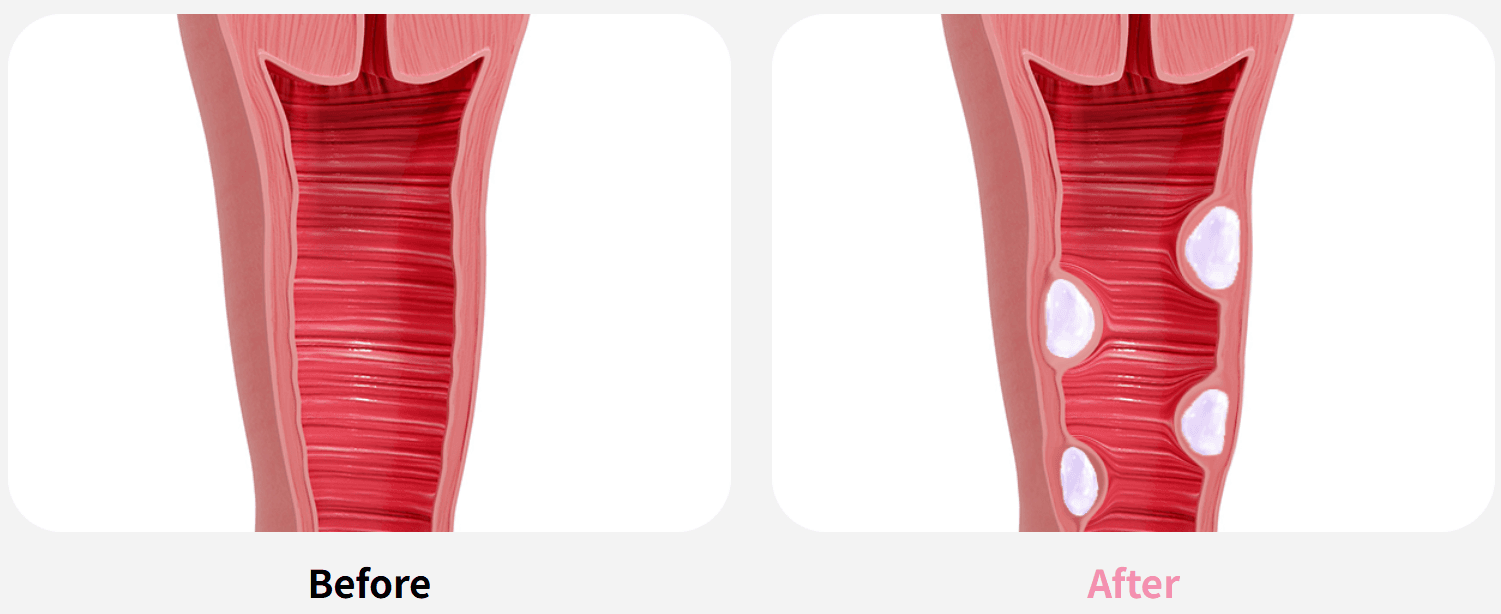
Hyaluronic Acid’s ability to attract moisture supports its role in reducing dryness. Studies of HA-based vaginal moisturizers show high satisfaction (e.g., 84% improvement after 10 uses), with efficacy comparable to estrogen for some patients who prefer non-hormonal options. While injectables are not the same as OTC moisturizers, the shared HA mechanism suggests similar benefits for tissue hydration and comfort. Some individuals may react to certain products, underscoring the importance of professional guidance.
Stem Cell Therapy
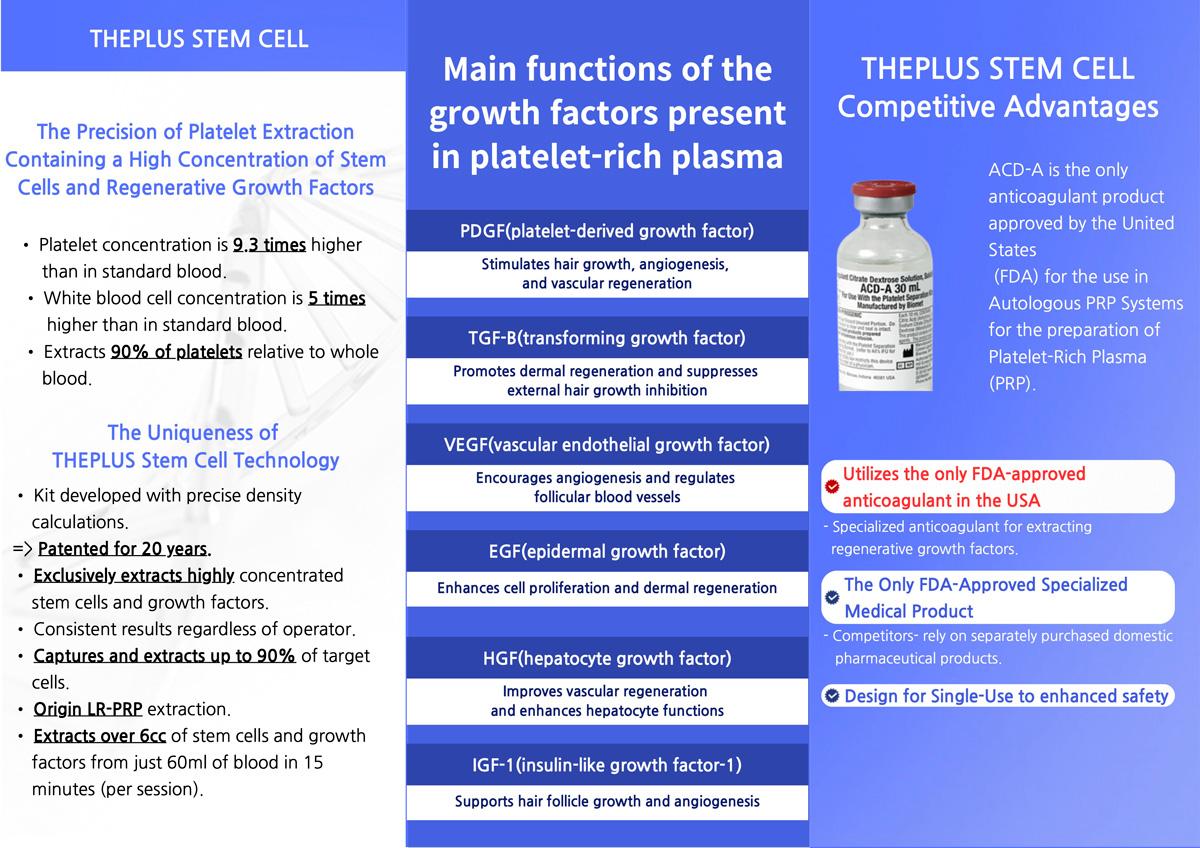
Clinical experiences with adipose-derived stem cells (ADSCs) or micro-fragmented fat tissue (MFAT) show encouraging, longer-lasting results. In one series, nearly half improved within three months after a single MFAT injection, with 99% reporting complete recovery by 9–12 months and no relapse for up to three years. Another case series reported symptom improvement for all participants within 6–16 months, with no complications. Reported benefits include restored pH, increased vascularity, thicker epithelium, more natural lubrication, less pain during sex, and better sexual satisfaction.
Broader Patient Perspectives
Across PRP, fillers, lasers, radiofrequency, and stem cell approaches, patients often cite high satisfaction (rates over 94% in general vaginal rejuvenation), minimal downtime, and strong improvements in lubrication, tightness, sensation, and confidence. Many value these non-hormonal options when hormone therapy is not preferred or is contraindicated.
Conclusion
Vaginal dryness is common and multifactorial, but modern, non-surgical treatments offer real relief. PRP vaginal rejuvenation, hyaluronic acid fillers, and stem cell therapies improve tissue health, lubrication, and sexual function with minimal downtime. South Korea provides high-quality, competitively priced care for medical tourists. While results are promising, consult a qualified clinician to choose the safest, most effective plan for your needs.
References
1, 2, 3, 4, 5, 6, 7, 8, 9, 10, 11, 12, 13, 14, 15, 16, 17, 18, 19, 20, 21, 22, 23, 24, 25, 26, 27, 28, 29, 30, 31, 32, 33, 34, 35, 36, 37, 38, 39, 40, 41, 42, 43, 44, 45, 46, 47, 48, 49, 50, 51, 52, 53, 54, 55, 56, 57, 58, 59, 60, 61, 62, 63, 64, 65, 66, 67