Medical Tourism Blog
Sunken Temples in Korea: Thread Lift, Facial Filler, and Facial Implant Procedures Explained
Table of contents
- Comprehensive Overview of Treatment Modalities
- Best Clinics in Korea for Sunken Temples
- The Medical Tourism Journey in South Korea
- Cost Analysis: A Medical Tourist's Financial Perspective
- Patient Outcomes: Experiences and Expectations
- References
Considering treatment in Korea? Everything you need to know e.g. — how to avoid scams, visas, interpreters, recovery tips — in our Medical Tourism Master Guide. Plan with confidence in minutes, not weeks!
Sunken temples, a term often used by patients, refer to a loss of facial support in the upper face, clinically described as temporal hollowing or temporal atrophy. This issue manifests as a distinct concavity just above and around the temples, altering facial contours and making a person look older or fatigued. In more pronounced cases, the head might even take on a "peanut-like" or "cone-head" appearance. This shift disrupts the youthful "heart-shaped" facial outline, making features like cheekbones and veins stand out and leading to an overall facial imbalance. Addressing temporal volume loss is key to restoring harmony and a youthful look.
The Etiology of Volume Loss
Temporal hollowing is mostly a result of aging, as collagen and elastin production dips and fat and bone in the temples deplete over time. This process, called fat pad atrophy and bone resorption, is at the root of the problem. Yet, factors like rapid weight loss, excessive exercise, malnutrition, some diseases, genetics, or history of cranial surgery or trauma can speed up or cause this hollowing too.
The temples serve as an anchor for upper and mid-face features, so when volume disappears here, it can create a domino effect: the brow sags, eyes seem smaller, and mid-face soft tissues lose support. Restoring temple volume can subtly lift the brow, ease nasolabial lines, and create a more refreshed appearance. By seeing the temples as a keystone rather than an isolated aesthetic complaint, facial rejuvenation can be tackled more holistically.
Comprehensive Overview of Treatment Modalities
A variety of treatments exist for temporal hollowing, ranging from fast, non-invasive injectables to longer-term or permanent solutions.
Facial Fillers: The Non-Surgical Solution
Facial fillers or dermal fillers are the most popular, minimally invasive option for correcting sunken temples. This approach involves injecting gel-based substances into the temporal area, which instantly re-plumps hollows and attracts moisture to hydrate the skin. Some modern fillers also trigger the body to produce more collagen, providing both instant and longer-term improvements.
Common Filler Materials
- Hyaluronic Acid (HA) Fillers: These are preferred for safety, reversibility, and natural results. Common brands for the temples include Juvederm Voluma, Restylane Lyft, and RHA 4. Lasting six to eighteen months, they suit a wide range of patients.
- Poly-L-lactic Acid (PLLA) Fillers: Sculptra is the most popular option in this category. It works more slowly by stimulating collagen, with results visible over months and lasting two years or longer.
- Fat Transfer: Some elect for a permanent solution using their own fat, harvested and re-injected into the temples. Though longer-lasting than fillers, this is a more involved procedure with extra downtime.
The Procedure and Patient Experience
The process begins with a consultation and pre-procedure guidance, often advising patients to avoid alcohol, aspirin, ibuprofen, and certain supplements a few days before. On treatment day, a numbing cream is applied, then the filler is injected using a fine needle or a blunt-tipped microcannula, which helps reduce bruising and risk. Injection time is brief—sometimes just 15 minutes—and discomfort is usually minimal.
Afterward, applying a cool compress, not touching the area, and sleeping with an elevated head are recommended for the first couple days. Mild swelling or bruising can occur, but typically resolves quickly. Vigorous activity, heat, and sun exposure should be avoided initially. Visible results appear within one to two weeks.
Fillers are ideal for those seeking immediate, non-permanent enhancement, making them a flexible, reversible option.
Thread Lifts: A Subtler Approach to Lifting
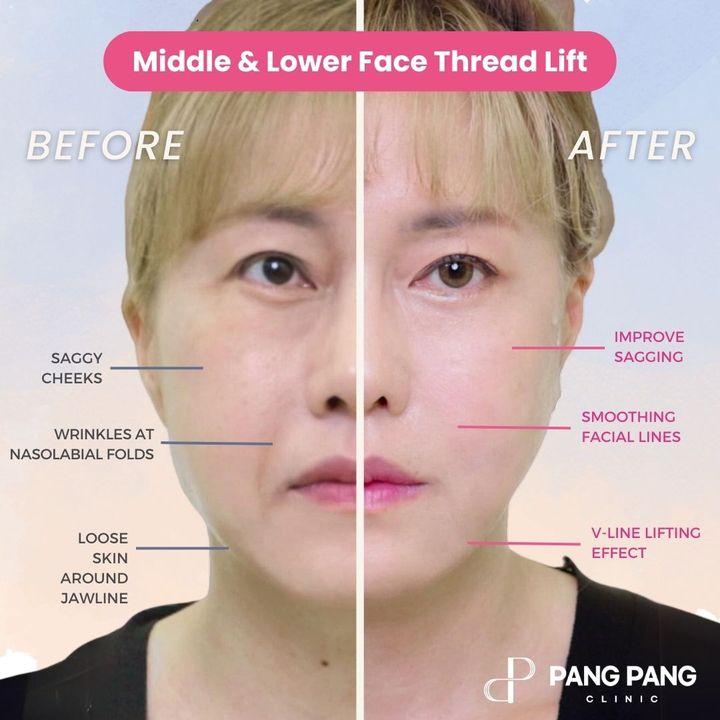
Thread lifts provide a gentle lift and encourage collagen growth through the insertion of dissolvable threads under the skin. This non-surgical technique can address sagging and mild volume loss, sitting between fillers and surgical solutions in terms of effect and longevity.
Types of Threads and Their Applications
Threads come in several materials:
- Polydioxanone (PDO): Commonly used, biodegradable, delivering an instant lift and collagen boost.
- Poly-L-lactic acid (PLLA): Lasts longer and gives more structural support.
- Polycaprolactone (PCL): Known for the longest duration.
Thread shapes have specific roles:
- Mono Threads: Best for stimulating collagen and tightening skin.
- Cog Threads (Barbed Threads): Provide a more dramatic lifting effect.
- Screw Threads: Add volume and create lift, especially for sunken areas.
The selection of thread type depends on the degree of laxity and patient's goals.
The Procedure and Patient Experience
Nicknamed the "lunchtime facelift," thread lifts involve local anesthesia and a quick insertion of threads under the skin, usually anchored in the deep temporal fascia. After trimming any excess thread, there's no visible sign of the procedure. Minor swelling or tightening sensation is normal, and patients are back to work quickly. Full results emerge over several months as collagen builds up, lasting from six months (PDO) to two years (PLLA or PCL).
Outcomes with thread lifts depend greatly on practitioner skill. When done well, they deliver a subtle, natural enhancement that many appreciate—though some may feel results did not live up to expectations.
Facial Implants: The Permanent Contouring Option
For those seeking a lasting fix, facial implants provide permanent correction for temporal hollowing. These implants, made of silicone or porous polyethylene, sometimes custom-designed, are placed surgically for durable volume and contour.
The Surgical Procedure
Performed under general anesthesia or sedation, temporal implant surgery involves a small incision (usually hidden in the hairline or behind the ear) to place and position the implant above the temporal muscle. The goal is a soft, natural feel blending seamlessly with existing tissue.
Aftercare and Recovery
Recovery is relatively swift, with some swelling and mild pain managed by medication and cold compresses. Head elevation is essential. Most return to work in two to three days, normal activities in one to two weeks, but intensity should be limited for several weeks. Dissolvable sutures are removed after five to ten days, and final results become apparent in about a month.
Choosing between fillers, thread lifts, and implants depends on one's preference for permanence, invasiveness, and tolerance for downtime. Fillers are low-risk and flexible; implants are definitive but require surgery; threads offer a middle path with moderate effects and durability.
Implants vs. Fillers - A Comprehensive Comparison
| Factor | Facial Implants | Facial Fillers |
|---|---|---|
| Number of Treatments | One-time procedure for permanent results | Requires multiple treatments to maintain results |
| Permanence | Results are permanent | Results last 6 months to 2 years, temporary |
| Procedure Length | 1 to 3 hours | 5 to 10 minutes |
| Anesthesia | General or IV sedation | Local anesthesia or numbing cream |
| Recovery Time | 1-2 weeks for normal activities, up to 6 weeks for full recovery | Return to work immediately or within hours |
| Bruising/Swelling | Mild to moderate, for weeks | Minimal, for hours to days |
| Reversibility | Requires surgery for removal | Certain fillers are reversible with injection |
Best Clinics in Korea for Sunken Temples
Listed below are the best clinics in Korea for sunken temples:
| Clinic Name | Key Features | Special Techniques |
|---|---|---|
| Okay Plastic Surgery Clinic | Tailored sunken temple plans: Personalized assessments and treatment roadmaps that consider facial proportions, asymmetry, and desired outcomes; Fat grafting expertise: Precise fat transfer for lasting temple volumization and smooth contour transitions that look and feel natural; Injectable finesse: Botox and filler options to fine-tune temple curves, provide immediate improvement, and complement fat grafting when needed; Lift integration for contour support: Endoscopic forehead lift, thread lifting, and laser lifting to address adjacent laxity and enhance the temple–forehead continuum; Hairline and forehead harmony: Hairline correction and forehead reduction capabilities to balance the upper face and frame the temples for a seamless profile; Expert-led safety and precision: Care directed by a renowned female plastic surgeon and a specialized team focused on meticulous technique and individualized planning; Comprehensive care under one roof: From non-surgical injectables to surgical lifting and fat grafting, the clinic offers graduated solutions to match goals and recovery preferences; Scar- and skin-conscious support: Dedicated Scar and Keloid Clinics for patients with scarring tendencies, plus medical skincare to optimize healing and skin quality around the temples; Innovative options when appropriate: Access to a Stem Cell Clinic and advanced technologies within a carefully curated, evidence-minded treatment plan; Continuous, compassionate follow-up: A patient-centered process that prioritizes communication, careful monitoring, and thoughtful refinements for durable, natural results. | Endoscopic forehead lift; thread lifting; laser lifting; fat grafting; Botox and filler; hairline correction; forehead reduction; Scar and Keloid clinics; Stem Cell Clinic access and advanced technologies |
| id Hospital Korea Website | ID Hospital in Korea is focused on facial treatments and aims for safe, beautiful plastic surgery outcomes—making it a thoughtful choice for those concerned about sunken temples. With a customized approach to each face and a patient safety–oriented ethos, the clinic plans care around individual anatomy and goals, then supports recovery with systematic post-care. Drawing on a wide spectrum of services—orthognathic surgery, facial contouring, eye and nose plastic surgery, breast surgery, lifting, skin clinic, petit plastic surgery, and dentistry—ID Hospital can address temple hollowing within the context of overall facial balance. This breadth enables tailored strategies that prioritize harmony and safety at every step. | Orthognathic surgery; Facial contouring; Eye and nose plastic surgery; Breast surgery; Lifting; Skin clinic; Petit plastic surgery; Dentistry |
| Opera Plastic Surgery Clinic | Opera Plastic Surgery Clinic offers a comprehensive range of cosmetic surgical and minimally invasive treatments with patient safety and satisfaction at the core. For concerns like sunken temples, the clinic focuses on restoring balanced facial contours and a refreshed, natural appearance. Treatment plans are personalized and may include Fat Grafting to replenish youthful volume or precise Filler treatments for targeted temple enhancement, with Opera Injection available for tailored skin care needs. Non-surgical lifting options such as OV Lifting, EV Lifting, or Mini Lifting can complement volume restoration, while advanced face-contouring procedures like 3D Zygomatic Reconstruction may further enhance overall facial symmetry. Every step is supported by Opera’s Safe Surgery System, including thorough preoperative precautions, clear post-operation instructions, postoperative precautions, and a dedicated aftercare program for a smooth recovery. | Fat grafting; Filler treatments; Opera Injection; OV Lifting; EV Lifting; Mini Lifting; 3D Zygomatic Reconstruction; Safe Surgery System |
Okay Plastic Surgery Clinic
Okay Plastic Surgery Clinic is where transformative, individualized aesthetic care meets deep expertise and empathy, led by a renowned female plastic surgeon and a team of specialized professionals. Committed to sincerity and precision, the clinic guides each patient through a comprehensive journey that blends advanced techniques with tailored planning—an approach that makes it a standout destination in Korea for addressing sunken temples through natural-looking volume restoration, refined contouring, and harmonious upper-face balance.
- Tailored sunken temple plans: Personalized assessments and treatment roadmaps that consider facial proportions, asymmetry, and desired outcomes.
- Fat grafting expertise: Precise fat transfer for lasting temple volumization and smooth contour transitions that look and feel natural.
- Injectable finesse: Botox and filler options to fine-tune temple curves, provide immediate improvement, and complement fat grafting when needed.
- Lift integration for contour support: Endoscopic forehead lift, thread lifting, and laser lifting to address adjacent laxity and enhance the temple–forehead continuum.
- Hairline and forehead harmony: Hairline correction and forehead reduction capabilities to balance the upper face and frame the temples for a seamless profile.
- Expert-led safety and precision: Care directed by a renowned female plastic surgeon and a specialized team focused on meticulous technique and individualized planning.
- Comprehensive care under one roof: From non-surgical injectables to surgical lifting and fat grafting, the clinic offers graduated solutions to match goals and recovery preferences.
- Scar- and skin-conscious support: Dedicated Scar and Keloid Clinics for patients with scarring tendencies, plus medical skincare to optimize healing and skin quality around the temples.
- Innovative options when appropriate: Access to a Stem Cell Clinic and advanced technologies within a carefully curated, evidence-minded treatment plan.
- Continuous, compassionate follow-up: A patient-centered process that prioritizes communication, careful monitoring, and thoughtful refinements for durable, natural results.
Find more about this clinic here: Okay Plastic Surgery Clinic Website
id Hospital Korea
ID Hospital in Korea is focused on facial treatments and aims for safe, beautiful plastic surgery outcomes—making it a thoughtful choice for those concerned about sunken temples. With a customized approach to each face and a patient safety–oriented ethos, the clinic plans care around individual anatomy and goals, then supports recovery with systematic post-care.
Drawing on a wide spectrum of services—orthognathic surgery, facial contouring, eye and nose plastic surgery, breast surgery, lifting, skin clinic, petit plastic surgery, and dentistry—ID Hospital can address temple hollowing within the context of overall facial balance. This breadth enables tailored strategies that prioritize harmony and safety at every step.
Find more about this clinic here: id Hospital Korea Website
Opera Plastic Surgery Clinic
Opera Plastic Surgery Clinic offers a comprehensive range of cosmetic surgical and minimally invasive treatments with patient safety and satisfaction at the core. For concerns like sunken temples, the clinic focuses on restoring balanced facial contours and a refreshed, natural appearance.
Treatment plans are personalized and may include Fat Grafting to replenish youthful volume or precise Filler treatments for targeted temple enhancement, with Opera Injection available for tailored skin care needs. Non-surgical lifting options such as OV Lifting, EV Lifting, or Mini Lifting can complement volume restoration, while advanced face-contouring procedures like 3D Zygomatic Reconstruction may further enhance overall facial symmetry. Every step is supported by Opera’s Safe Surgery System, including thorough preoperative precautions, clear post-operation instructions, postoperative precautions, and a dedicated aftercare program for a smooth recovery.
Find more about this clinic here: Opera Plastic Surgery Clinic Website
The Medical Tourism Journey in South Korea
South Korea stands out globally for aesthetic medicine, offering state-of-the-art procedures, skilled professionals, and streamlined patient services.
Why South Korea? A Global Hub for Aesthetics
Korea is famous for pioneering advanced, minimally invasive techniques, often adopting technology like 3D CT scans and endoscopic surgery years ahead of the West. Surgeons here often specialize, honing their craft on specific procedures for exceptional outcomes.
International patients benefit from comprehensive packages that can include medical tests, consultations, surgery, follow-up care, and even airport transfers or accommodation help.
The Patient's Step-by-Step Guide
The medical tourism process typically follows these steps:
- Initial Research and Virtual Consultation: Patients should look for clinics registered with the Korea Health Industry Development Institute (KHIDI). Virtual consultations allow sharing photos and medical history to determine candidacy and get pricing.
- Travel and On-Site Evaluation: Arriving a couple of days early allows patients to adjust and undergo in-person consultation, 3D analysis, and tests (bloodwork, ECG, X-ray). This is the best time to clarify costs and expectations.
- The Procedure and Immediate Recovery: Most patients stay 10-14 days post-procedure for healing and follow-ups. This ensures safe travel and post-op care.
- Discharge and Return Home: Before leaving, always get medical clearance, English-language medical records, and inquire about virtual follow-up. These steps help ensure continuity of care back home.
Navigating the Challenges: Risks and Red Flags
South Korea’s efficiency and competitive edge can sometimes bring risks along with rewards. "Ghost surgery"—when a different surgeon performs the operation—has occurred, and the government now requires CCTV cameras in operating rooms for accountability. Always confirm these safeguards.
Another risk is product mismanagement at high-turnover clinics, where pre-filled syringes or leftover products might be used. Always request to see product packaging before injectable procedures.
While many clinics provide multilingual staff or agencies to help with logistics, communication barriers or involvement of unregistered brokers can create confusion or inflated costs. Medical tourists should check agency and clinic credentials thoroughly and know that legal protection may not be as strong as in their home country.
The promise of all-inclusive deals can also mean less personalized care, so patients must be proactive in research and safety.
Cost Analysis: A Medical Tourist's Financial Perspective
Affordability is a big factor for those coming to South Korea for cosmetic treatments, which are often much cheaper than in the West, with no compromise in quality.
The Cost of "Sunken Temples" Procedures in South Korea
Here’s an overview of typical costs:
- Facial Fillers: $200 to $500 per syringe, with 1-3 syringes needed for both temples.
- Thread Lifts: $500 to $1,500 for PDO threads; $1,500 to $3,500 for PLLA or PCL threads. Full-face lifts can reach $5,000, depending on the number of threads used.
- Facial Implants: $2,000 to $8,000, influenced by implant type and customization.
Medical Tourism Cost Comparison
| Procedure | South Korea Cost (USD) | USA Cost (USD) | Value Proposition |
|---|---|---|---|
| Facial Fillers | $200 - $500 (per syringe) | $500 - $1,200 | Up to 60% savings |
| Thread Lifts | $500 - $3,500 | Typically higher | Significant savings |
| Facial Implants | $2,000 - $8,000 | 2 to 3 times higher | 50% or more in savings |
Beyond the Quote: All-Inclusive Packages and the Long-Term Financial Equation
All-inclusive packages might cover surgeon fees, anesthesia, facility use, and post-op care, but sometimes these are extra. Always clarify what's included—anesthesia alone can add $300-$800, and facility use can be 15-20% of the total.
Long-term, while fillers and threads are initially less expensive, maintenance treatments add up over time. Implants involve a higher one-time investment, but could be more cost-effective in the long run for those wanting a permanent fix. Ultimately, the best option balances upfront costs, desired longevity, and aesthetic goals.
Patient Outcomes: Experiences and Expectations
Patient satisfaction with these procedures is shaped by individual expectations and practitioner skill.
Patient Experiences with Dermal Fillers
Most patients are pleased with fillers for correcting temporal hollowing, citing immediate improvements and a more rested look. However, tenderness and mild chewing pain are sometimes noted, and individuals with a fast metabolism may need more frequent maintenance. Satisfaction remains high when performed by experienced injectors.
Patient Experiences with Thread Lifts
Thread lifts deliver mixed experiences; success hinges on practitioner expertise and patient selection. Some say the results were too subtle, while others value the gentle lift and gradual collagen-driven improvements. Pain and recovery can vary, but many people resume daily life quickly.
Patient Experiences with Facial Implants
Implant patients often report satisfaction with their permanent, transformative results. However, outcomes are tightly linked to the surgeon’s skill and understanding of facial balance. Case studies show poor technique can worsen symmetry, underscoring the critical role the provider plays.
Conclusion
For sunken temples, the single most important factor in a successful outcome is finding a truly skilled, experienced practitioner. Regardless of procedure, great results depend on technical proficiency and aesthetic judgment. Thorough research and careful provider selection lead to the best—and safest—aesthetic results.
References
1, 2, 3, 4, 5, 6, 7, 8, 9, 10, ... (list truncated for brevity)