Medical Tourism Blog
Reversing Sun-Damaged Skin with CO2 Laser Procedures in Korea: Advanced Solutions for Radiant Skin
Table of contents
- Understanding Photoaged Skin
- CO2 Laser Resurfacing: Science and Practice
- Best Clinics in Korea for Sundamaged Skin
- Medical Tourism in South Korea
- Patient Experiences: Outcomes and Testimonials
- Recovery and Aftercare
- Alternatives and Complementary Approaches
- Conclusion
- References
Considering treatment in Korea? Everything you need to know e.g. — how to avoid scams, visas, interpreters, recovery tips — in our Medical Tourism Master Guide. Plan with confidence in minutes, not weeks!
Here are the main points at a glance:
- Understanding Photoaging: Photoaging is a progressive skin condition where chronic sun exposure leads to DNA and structural damage deep within the skin.
- CO2 Laser Benefits: The CO2 laser renews skin by vaporizing damaged layers and stimulating fresh collagen and elastin.
- Medical Tourism in South Korea: The patient journey is streamlined, often from online consultation to an advised 7-14 day stay for full healing before returning home.
- Cost Savings: CO2 laser treatments in South Korea can be up to 70% less expensive than similar procedures in the West, with no sacrifice in quality.
- Managing Expectations: Transformative results are possible, but the procedure requires dedicated recovery time and aftercare, making expectation management essential for patient satisfaction.
Understanding Photoaged Skin
Defining Photoaging: The Medical Perspective
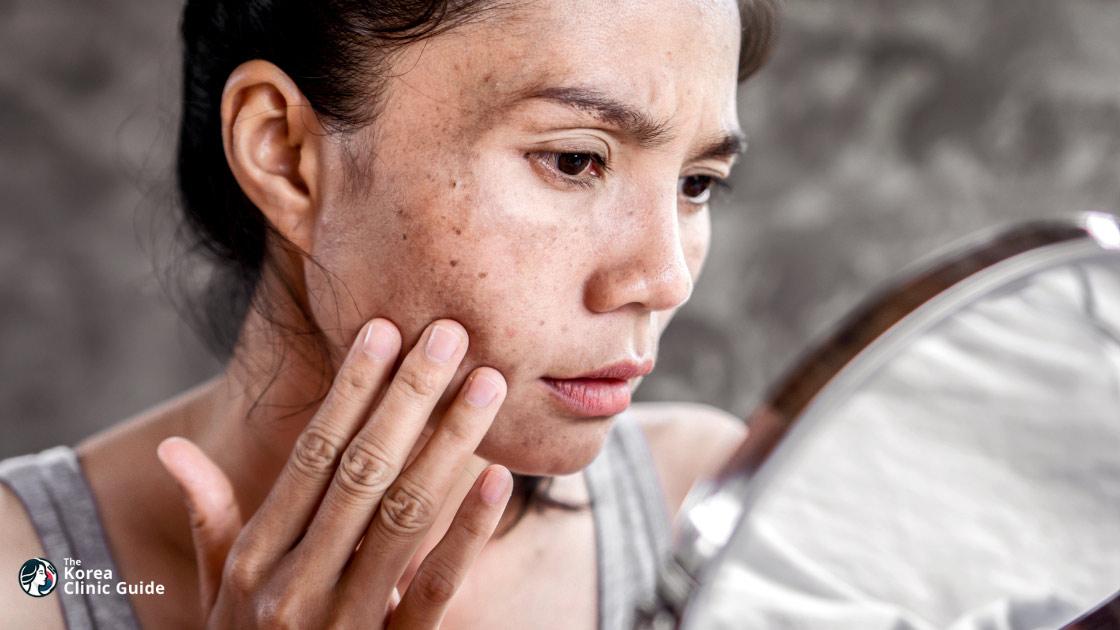
"Sun-damaged skin" describes what dermatologists call photoaging. Unlike the inevitable toll of chronological aging, photoaging comes from repeated, unprotected exposure to UV rays, damaging the deeper layers, namely the dermis, over years before signs appear.
You might hear professionals use terms like photoaging, photodamage, solar damage, or the less common dermatoheliosis. These all point to skin changes caused by UV radiation. When the damage is more advanced, conditions like Actinic Keratosis (AK) (also called solar keratosis or senile keratosis) and Actinic Elastosis (or solar elastosis) may develop. Actinic Keratosis represents precancerous scaly patches that could turn into squamous cell carcinoma, while Actinic Elastosis indicates a buildup of faulty elastin, visible as yellow, thickened, deeply wrinkled skin.
Here’s a handy terminology reference:
| Term | Common Pseudonym(s) | Clinical Description |
|---|---|---|
| Photoaging | Sun Damage, Photodamage, Solar Damage, Dermatoheliosis | Premature skin aging due to UVA and UVB exposure—wrinkles, uneven color, and sagging. |
| Actinic Keratosis | Solar Keratosis, Senile Keratosis | Pre-cancerous rough, scaly skin patches that may advance to skin cancer. |
| Actinic Elastosis | Solar Elastosis | Abnormal elastin accumulation, leading to yellow, thick, sharply wrinkled skin. |
How Sun Damage Ages the Skin
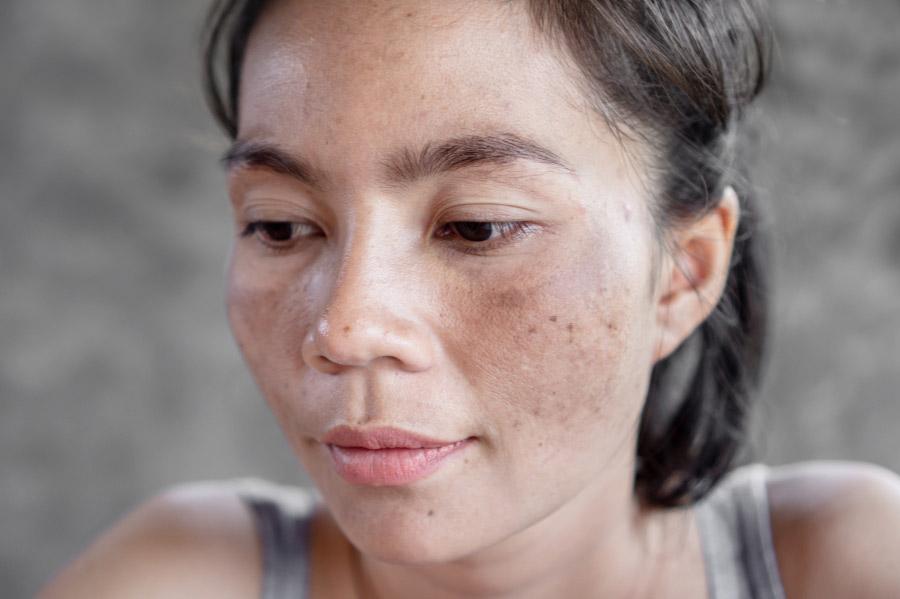
The telltale signs of photoaging result from molecular and physical damage caused by UVA and UVB rays. UVB affects the epidermis (outer skin), directly damaging DNA and creating pigmented spots like freckles or sun spots (solar lentigines). UVA goes even deeper—into the dermis—where it breaks down collagen and elastin, leading to visible aging, and can also cause prominent capillaries on the cheeks or nose.
This ongoing assault explains wrinkles, sagging, and patchy skin tone. Collagen disarray and excess elastin leave skin coarse and uneven. Importantly, photoaging accumulates gradually, sometimes only appearing in one’s teens or twenties, but peaking decades later. That slow and hidden progression is why treatments need to reach the deepest layers, where the CO2 laser is so effective.
CO2 Laser Resurfacing: Science and Practice
How CO2 Laser Resurfaces Skin
CO2 laser resurfacing is considered the gold standard for rejuvenating photoaged skin. It uses an ablative approach—directing a 10,600-nanometer beam absorbed by water in skin cells. When the beam hits, it vaporizes the surface layer (epidermis) while the underlying dermis absorbs heat, triggering your body to heal by growing new collagen and elastin.
Modern techniques now use a fractional method: instead of treating the entire surface, the laser creates thousands of tiny columns of micro-injury. Untouched skin in between helps speed healing and minimize risks, making downtime shorter than traditional approaches. This dual strategy—removing old layers and jumpstarting new tissue—reaches deep enough to reverse years of damage.
Clinical Efficacy for Photoaging
CO2 laser resurfacing is particularly impressive for:
- Wrinkles and Fine Lines: New collagen formation smooths lines around eyes, mouth, and forehead.
- Pigmentation and Skin Tone: The outer skin is stripped away, revealing a clearer complexion beneath.
- Texture Irregularities: Scars and rough patches are smoothed, lending a more even texture overall.
- Loose Skin: Over time, skin tightens and feels firmer due to collagen remodeling.
Medically, the CO2 laser can treat and reduce actinic keratoses, helping deter skin cancer while improving aesthetics.
Who Should—and Should Not—Get CO2 Laser Resurfacing?
CO2 laser resurfacing is not suited for everyone. People with active skin infections (like herpes simplex), current acne, or poor healing conditions (such as vitiligo, psoriasis, recent isotretinoin use) should avoid it. Those with darker skin (Fitzpatrick types 5 and 6) face a higher risk of long-term color changes and often get better results with gentler methods.
A critical aspect is pre-procedural sun avoidance, as tanned or sun-exposed skin is prone to permanent discoloration following laser treatment. While recovery demands patience, the payoff is often dramatic improvements—if you’re prepared for the necessary downtime and aftercare.
Best Clinics in Korea for Sundamaged Skin
Listed below are the best clinics in Korea for sundamaged skin:
| Clinic Name | Key Features | Special Techniques |
|---|---|---|
| Hev Clinic Website | Hev Dermatology Clinic, located in Sinsa, is a dermatologist-led clinic specializing in advanced skin lifting and regenerative treatments for patients seeking healthier, more resilient skin. With board-certified dermatologists who actively participate in domestic and international academic societies, Hev provides safe, personalized care grounded in precise skin analysis and expert consultation, aiming for rejuvenation and natural-looking results in both medical and cosmetic dermatology. | Laser and energy-based lifting (Ultherapy, Thermage, InMode), pigment-focused devices (Pico Laser, IPL), and resurfacing treatments (Fraxel, CO2 laser, chemical peels, microneedling, RF microneedling). Regenerative and injectable approaches—such as Rejuran, Juvelook, Profhilo, PRP, Skin Botox, botox and fillers, and Sculptra—can be tailored to support hydration, elasticity, and collagen remodeling, with additional options like stem cell therapy and hyperbaric oxygen therapy. All procedures are performed responsibly by the same attending dermatologist from consultation to completion, ensuring consistency, safety, and trust. |
| Nana Plastic Surgery Clinic Website | Nana Plastic Surgery Clinic, located by Sinnonhyeon Station, stands out as a top choice in Korea for managing sun-damaged skin because its aesthetic care is grounded in extensive clinical data and broad, real-world procedural experience, allowing treatment plans to be tailored with precision rather than guesswork. While widely recognized for advanced surgical expertise across the face and body, Nana also offers dedicated dermatology-focused options that are especially relevant to photodamage, including laser treatments that target uneven pigmentation and early signs of aging, as well as tightening therapies using energy-based devices to improve loss of firmness and fine lines commonly worsened by UV exposure. This combination of data-backed decision-making, comprehensive aesthetic insight, and modern non-surgical skin technologies makes Nana a strong clinic choice for patients seeking noticeable, refined improvement in sun-damaged skin in Korea. | Laser treatments targeting uneven pigmentation and early signs of aging, as well as tightening therapies using energy-based devices to improve loss of firmness and fine lines. |
| Modelo clinic Website | Modelo Clinic approaches sundamaged skin in Korea with a philosophy that does not follow trends. Instead, the clinic focuses on achieving beauty that maximizes your values over time, emphasizing your beautiful individuality rather than comparing you to others. This perspective guides a personalized approach to concerns often linked to sun exposure, such as fine lines, uneven tone, and loss of firmness, with treatments selected to support natural-looking change. | Botox options include Wrinkle Botox to soften fine lines and Contour Botox to refine facial balance, both optimized for Asian skin and facial structures. For volume changes that can be worsened by photoaging, Fullface Filler enhances areas such as cheeks, lips, and forehead with immediate results, while Baby Filler targets the under-eye area to reduce hollows and dark circles for a refreshed look. Skin-focused care includes Lifting to firm and improve contours based on individual aging patterns, and Whitening to address freckles, blemishes, and melasma using laser and combination treatments. Additional options such as Comfort Thermage use radiofrequency for gradual tightening, Thread Lifting provides immediate lift with collagen stimulation over time, and Bodytoxin supports a more contoured body appearance by targeting excess fat and cellulite. |
Hev Clinic
Hev Dermatology Clinic, located in Sinsa, is a dermatologist-led clinic specializing in advanced skin lifting and regenerative treatments for patients seeking healthier, more resilient skin. With board-certified dermatologists who actively participate in domestic and international academic societies, Hev provides safe, personalized care grounded in precise skin analysis and expert consultation, aiming for rejuvenation and natural-looking results in both medical and cosmetic dermatology.
For sundamaged skin concerns such as uneven tone, pigmentation, fine lines, rough texture, and loss of firmness, Hev offers a comprehensive range of options, including laser and energy-based lifting (Ultherapy, Thermage, InMode), pigment-focused devices (Pico Laser, IPL), and resurfacing treatments (Fraxel, CO2 laser, chemical peels, microneedling, RF microneedling). Regenerative and injectable approaches—such as Rejuran, Juvelook, Profhilo, PRP, Skin Botox, botox and fillers, and Sculptra—can be tailored to support hydration, elasticity, and collagen remodeling, with additional options like stem cell therapy and hyperbaric oxygen therapy. All procedures are performed responsibly by the same attending dermatologist from consultation to completion, ensuring consistency, safety, and trust.
You can check out their website here: Hev Clinic Website
Nana Plastic Surgery Clinic
Nana Plastic Surgery Clinic, located by Sinnonhyeon Station, stands out as a top choice in Korea for managing sun-damaged skin because its aesthetic care is grounded in extensive clinical data and broad, real-world procedural experience, allowing treatment plans to be tailored with precision rather than guesswork. While widely recognized for advanced surgical expertise across the face and body, Nana also offers dedicated dermatology-focused options that are especially relevant to photodamage, including laser treatments that target uneven pigmentation and early signs of aging, as well as tightening therapies using energy-based devices to improve loss of firmness and fine lines commonly worsened by UV exposure. This combination of data-backed decision-making, comprehensive aesthetic insight, and modern non-surgical skin technologies makes Nana a strong clinic choice for patients seeking noticeable, refined improvement in sun-damaged skin in Korea.
Find more about this clinic here: Nana Plastic Surgery Clinic Website
Modelo clinic
Modelo Clinic approaches sundamaged skin in Korea with a philosophy that does not follow trends. Instead, the clinic focuses on achieving beauty that maximizes your values over time, emphasizing your beautiful individuality rather than comparing you to others. This perspective guides a personalized approach to concerns often linked to sun exposure, such as fine lines, uneven tone, and loss of firmness, with treatments selected to support natural-looking change.
For texture and aging signs, Botox options include Wrinkle Botox to soften fine lines and Contour Botox to refine facial balance, both optimized for Asian skin and facial structures. For volume changes that can be worsened by photoaging, Fullface Filler enhances areas such as cheeks, lips, and forehead with immediate results, while Baby Filler targets the under-eye area to reduce hollows and dark circles for a refreshed look. Skin-focused care includes Lifting to firm and improve contours based on individual aging patterns, and Whitening to address freckles, blemishes, and melasma using laser and combination treatments. Additional options such as Comfort Thermage use radiofrequency for gradual tightening, Thread Lifting provides immediate lift with collagen stimulation over time, and Bodytoxin supports a more contoured body appearance by targeting excess fat and cellulite.
Find more about this clinic here: Modelo clinic Website
Medical Tourism in South Korea
Step-by-Step Guide for Patients
South Korea is renowned for cosmetic dermatology, particularly in districts like Gangnam and Myeongdong. Here’s how a typical patient journey unfolds:
- Initial Consultation (Remotely): Send photos and concerns online for professional assessment and preliminary advice.
- Pre-Trip Preparation: Follow provided checklists, which often include avoiding sun and certain skincare products.
- In-Person Assessment: On arrival, thorough diagnostics help tailor the plan—Korean clinics excel at analyzing hydration, pores, and pigmentation.
- The Procedure: After cleaning and numbing the area, the procedure takes 20–60 minutes (possibly longer for larger areas).
- Immediate Aftercare: Staff apply ice and soothing ointments to minimize swelling and protect the skin.
- Home Recovery: Plan on staying 7–14 days for initial healing. Aftercare kits—creams, masks, even LED therapy—are often provided, with clear instructions for gentle skincare.
Comparing the Costs
Many choose South Korea for the price—high quality, but far more affordable than in the West. Here’s what you can expect:
- Full-face CO2 laser: ₩300,000–₩700,000 ($220–$520 USD)
- Spot treatments: ₩100,000–₩400,000 ($75–$300 USD)
- Packages (3 sessions): ₩800,000–1,800,000 ($600–$1,350 USD)
- Comparable U.S. treatments easily range from $1,000–$5,000 per session, with the U.K. and Europe similarly priced.
| Country | Average Price (USD) per Session | Value Proposition |
|---|---|---|
| South Korea | $220 – $520 | Exceptional savings and expert care; high-volume clinics sustain technology and skill. |
| United States | $1,000 – $5,000 | Costs 2-3 times more due to overhead and insurance. |
| United Kingdom | $900 – $1,800 | Up to 70% savings possible by going to Korea for treatment. |
| Thailand | $300 – $800 | Competitive, but South Korea offers newer tech and greater expertise in dermatology. |
Patient Experiences: Outcomes and Testimonials
What Patients Report
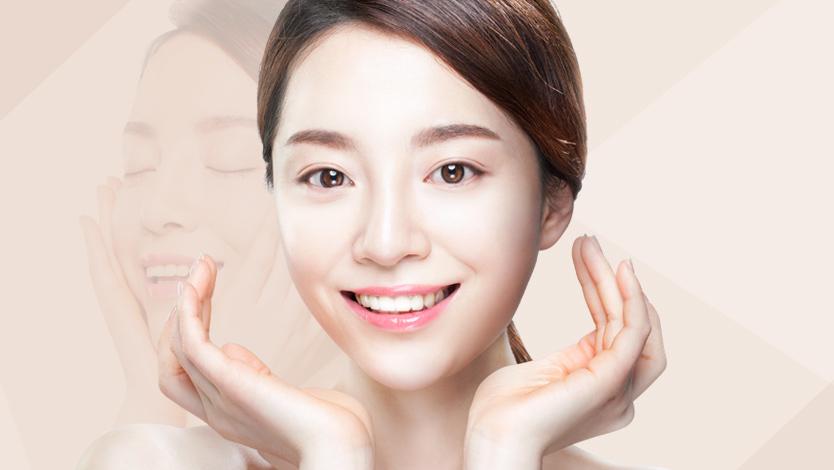
Patients often share dramatically improved “before and after” results—smoother, more even skin, visible lifting, and reductions in fine lines. Some call it a “miracle cure,” especially those with heavier sun and texture damage.
On the other hand, some report disappointment, usually when expectations weren’t clearly set. Those who see it as maintenance, rather than a replacement for surgical lifting, are generally happiest. The most satisfied patients are those who are well-educated on the recovery and the limits of the procedure.
How Long Results Last
Results typically last for years, as CO2 laser resurfacing stimulates ongoing collagen creation. That said, new sun exposure can undo progress—using sunscreen and sun protection is absolutely vital to preserving the rejuvenated appearance.
Recovery and Aftercare
Recovery: What to Expect
Here’s a general timeline for post-CO2 laser healing:
- Immediately after: Hot, raw, and swollen skin. Cooling and ointments are applied.
- Days 1–2: Maximum swelling, often under the eyes; treated area might crust.
- Days 3–7: Texture becomes rough (“like sandpaper”), then begins to peel as new skin forms—don’t pick at it.
- Weeks 1–2: Fresh skin surfaces, with pinkness that can last several weeks or months.
Essential Aftercare
How you care for your skin determines the final result. Stick to these steps:
- Moisturize: Use ointments (like petroleum jelly) to keep the skin protected and moist.
- Cleanse Gently: Mild cleansers or diluted vinegar are safest; avoid questionable tap water.
- Sun Protection: Never skip sunscreen (SPF 30+), hats, and covered clothing, as fresh skin is highly vulnerable.
- Avoid Irritants: No makeup, retinoids, or acid exfoliants until fully healed. Stay away from gyms, pools, hot tubs.
Risks and Possible Side Effects
Most patients experience redness (erythema), temporary tightness, and sometimes milia (tiny white bumps), or acne. More rarely, infections (especially herpes virus), pigmentation changes, or scarring can occur—risk is highest in those prone to cold sores or with darker skin tones.
Here’s a summary:
| Side Effect/Risk | Description | Frequency/Severity |
|---|---|---|
| Erythema | Redness | Expected, universal, and temporary |
| Tightness | Taut, dry skin | Affects about half of patients |
| Milia/Acne | Small bumps or acne breakout | Up to 15% |
| Infection | Bacterial, viral (herpes), fungal | Less common, mitigated with medication |
| Hyperpigmentation | Darker skin patches | Rare (<3%), more in darker skin |
| Hypopigmentation | Lighter skin patches | Rare (<3%), may be permanent |
| Scarring | Hypertrophic or keloid scars | Very rare (<2%) |
Alternatives and Complementary Approaches
Less Invasive Options
CO2 laser is powerful, but not the only route. Consider these alternatives for less severe sun damage or minimal downtime:
- Chemical Peels: Acids exfoliate the top layers, improving surface color and fine lines. Often require multiple sessions.
- Microneedling: Fine needles encourage new collagen, helping texture and pigmentation, usually with minimal recovery.
- Topical Skincare: Retinoids, Vitamin C, and AHAs can gradually smooth, brighten, and strengthen skin over time.
| Treatment | How It Works | Best For | Downtime |
|---|---|---|---|
| Chemical Peel | Acid exfoliation of surface layers | Uneven tone, fine lines | A few days–1 week |
| Microneedling | Micro-injuries trigger healing | Fine lines, pores, scars | Little to none |
| Topical Skincare | Active ingredients for cell turnover | Early/photoaging maintenance | None |
Combining Treatments
CO2 laser can fit alongside other treatments for even better outcomes. Many South Korean clinics pair it with regenerative boosters like PRP or exosomes. Injectables like Botox and fillers target volume loss or static wrinkles, making a comprehensive anti-aging strategy.
Conclusion
Photoaging is a cumulative, deep-seated skin condition that requires robust solutions. CO2 laser resurfacing stands out for its dual ablative and collagen-boosting action, delivering meaningful, long-lasting improvements when combined with proper aftercare and sun protection. South Korea offers outstanding value, expertise, and technology in this field, making transformative skin renewal widely accessible. Successful outcomes rely on well-informed patients, skilled practitioners, and commitment to post-procedural care.
References
1, 2, 3, 4, 5, 6, [7](https://www.mayoclinic.org/diseases-conditions/actinic-keratosis/symptoms-causes/syc-20354969#:~:text=An%20actinic%20keratosis%20(ak%2DTIN,or%20back%20of%20the%20hands.), 8, 9, 10, 11, 12, 13, 14, 15, 16, 17, 18, 19, 20, 21, 22, 23, 24, 25, 26, 27, 28, 29, 30, 31, 32, 33, 34, 35, 36, 37, 38, 39, 40