Medical Tourism Blog
Sun Spots Treatment in Korea: IPL Procedures for Clearer Skin
Table of contents
- Intense Pulsed Light (IPL): A Detailed Look at the Procedure
- Best Clinics in Korea for Sun Spots
- Your IPL Journey in South Korea: A Step-by-Step Guide for Medical Tourists
- Cost Analysis: IPL Treatment in South Korea vs. Global Medical Tourism Destinations
- Patient Experiences and Outcomes
- Conclusions
- References
Considering treatment in Korea? Everything you need to know e.g. — how to avoid scams, visas, interpreters, recovery tips — in our Medical Tourism Master Guide. Plan with confidence in minutes, not weeks!
Sun spots—medically known as "UV-induced brown macules"—are a common cosmetic concern for those aiming to improve skin clarity. These pigmentations, often marking years of accumulated sun exposure, may affect confidence and push individuals to seek effective treatments. This guide offers a clear and reliable look at Intense Pulsed Light (IPL) therapy, with a special spotlight on what to expect if you choose South Korea for your skin journey. Here, patients get a comprehensive rundown of sun spots, the IPL procedure, the process of getting treated in South Korea, how costs compare internationally, and what results are realistic. By compiling clinical insights and patient testimonials, this guide is crafted to help you cut through confusing online information and make fully informed choices about your skin health.
Definition and Characteristics of Sun Spots (Solar Lentigines)
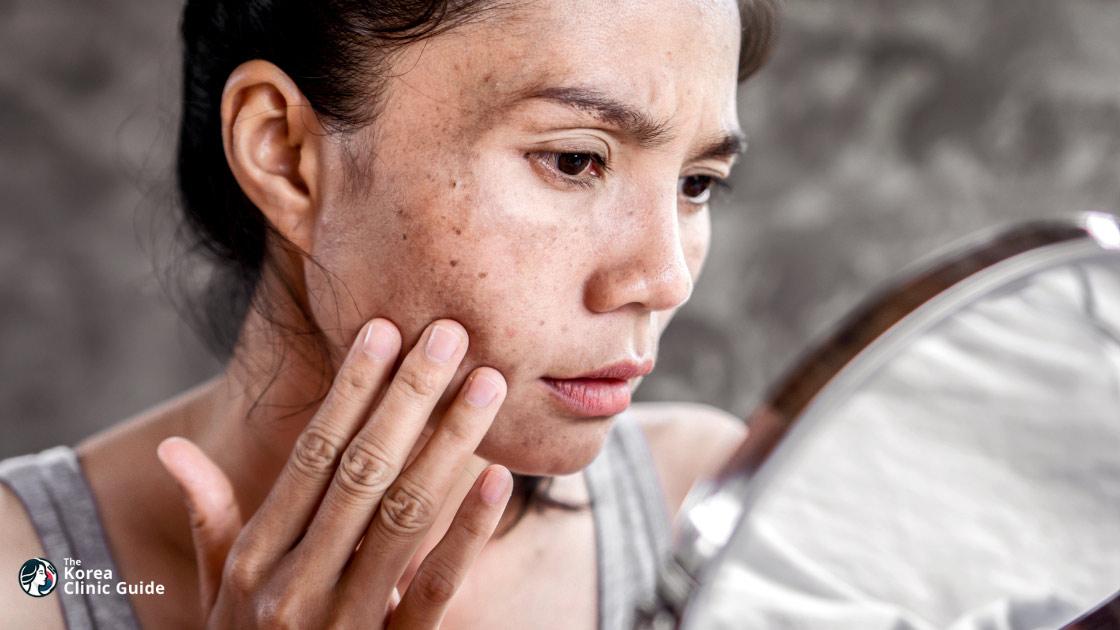
Sun spots, or solar lentigines, are flat, dark skin patches that result from chronic sun exposure. Unlike freckles (ephelides), which often fade without sunlight, solar lentigines persist year-round. They commonly develop where the skin gets the most sun—face, hands, arms, chest, and shoulders—and range from yellowish light brown to deep brown or, occasionally, jet-black. Microscopically, they're defined by an increase in melanocytes and melanin within skin cells.
Common Pseudonyms
Solar lentigines go by many names: "age spots," "liver spots" (despite having nothing to do with the liver), "actinic spot," or "lentigo senilis"—especially as they become more common with age, affecting most Caucasians by age 60.
Causes and Risk Factors for Their Development
The number one cause is UV radiation, whether from sunlight or tanning beds. Years of exposure drive pigment-producing melanocytes to generate excess melanin, which collects as these dark patches. Aging deeply impacts risk, as skin repair diminishes over time. Hormonal changes (such as pregnancy or hormone therapy) and genetics also play a role—solar lentigines are especially frequent in lighter-skinned individuals, though anyone who tans easily is susceptible.
Importance of Professional Diagnosis and Sun Protection for Prevention
While solar lentigines are usually harmless, it’s essential to have any new or changing pigment spots checked by a medical professional—melanoma and other skin cancers can mimic these marks. Conditions like actinic keratosis, seborrhoeic keratosis, and melasma can appear similar, so a skilled dermatologist's evaluation or even a biopsy may be needed for accurate diagnosis.
Prevention is just as critical as treatment. Regular sun protection—using sunscreen, seeking shade, and wearing protective clothing—dramatically limits the formation of new spots and preserves IPL results. Even after IPL, continued sun protection is crucial to preventing new pigmentation.
Intense Pulsed Light (IPL): A Detailed Look at the Procedure
How IPL Works: The Science Behind the Light Energy
Intense Pulsed Light (IPL) therapy is a popular, non-invasive treatment that targets pigmented skin lesions and more. Unlike laser therapy, IPL emits a broad range of light wavelengths. The key principle is "selective photothermolysis": specific wavelengths are absorbed by melanin in sun spots, turning light energy into heat and destroying the pigmented cells, which are then naturally shed.
Besides reducing pigmentation, IPL encourages collagen production, which can decrease redness, smooth texture, and rejuvenate the skin. Its broad effects tackle multiple signs of aging in one go.
To ensure results and safety, the following technical concepts are crucial:
- Wavelength: IPL uses filters to select light that best targets pigment at different depths. Shorter wavelengths target lighter skin and surface spots, while longer wavelengths penetrate deeper, ideal for darker skin.
- Pulse Duration: This determines how long energy is delivered. Matching the pulse to the pigment’s cooling time protects healthy tissue. Modern IPL breaks one pulse into smaller ones, further reducing risk.
- Fluence: The energy level (measured in J/cm²) must be high enough for effect but low enough to avoid damage. Cooling devices are used to protect the skin’s outer layer during treatments, and practitioners adjust settings for each patient’s needs.
What IPL Can Treat: Beyond Just Sun Spots
IPL isn’t just for sun spots. It also treats freckles, vascular lesions (like spider veins and rosacea), removes unwanted hair, improves acne and scarring, evens out skin tone, and minimizes pores and fine lines—making it a comprehensive skin rejuvenation tool.
Best Clinics in Korea for Sun Spots
Listed below are the best clinics in Korea for sun spots:
| Clinic Name | Key Features | Special Techniques |
|---|---|---|
| Modelo Clinic | Modelo Clinic is considered one of the best choices in Korea for addressing sun spots because it prioritizes long-term skin value over short-lived trends, focusing on “your beautiful individuality” rather than copying someone else’s look. Sun spots often appear alongside uneven tone, freckles, and melasma, and Modelo’s Whitening approach directly targets these concerns with carefully selected laser and combination treatments designed to improve clarity and create a brighter, more even complexion. Because pigmentation can be influenced by skin texture, laxity, and overall facial balance, patients can also benefit from complementary, individualized options such as Lifting, Comfort Thermage, or Thread Lifting to support firmer, healthier-looking skin and more natural results over time. For those who want additional refinement beyond spot treatment, Modelo offers Asian-optimized Wrinkle Botox and Contour Botox for natural facial expression and balance, as well as Fullface Filler and Baby Filler to restore volume and under-eye freshness—creating an overall harmonious appearance that enhances, rather than masks, what makes each patient unique. | - Whitening approach using carefully selected laser and combination treatments to target sun spots, uneven tone, freckles, and melasma. - Lifting - Comfort Thermage - Thread Lifting - Wrinkle Botox - Contour Botox - Fullface Filler - Baby Filler |
| Cheongdam Oracle Dermatology & Plastic Surgery Clinic Website | Cheongdam Oracle Dermatology & Plastic Surgery Clinic in Seolleung offers advanced aesthetic and dermatologic care with a strong focus on personalized treatment plans. For patients concerned about sun spots and other pigmentation issues, the clinic provides multiple skin-focused options designed to improve overall tone and clarity while supporting healthy skin renewal. | - Laser resurfacing to refine texture and reduce blemishes. - Chemical peels to exfoliate sun-damaged skin and help lighten pigmentation. - Microneedling to stimulate collagen and improve skin quality. - HydraFacial for cleansing, exfoliating, and hydrating as part of a tailored plan. |
| seye clinic Website | Seye Clinic, located at Gangnam Station, is a leading destination in Korea for sun spot care because it combines advanced, non-surgical technology with personalized treatment planning to match your skin type, pigmentation pattern, and goals. Rather than relying on a one-size-fits-all approach, the clinic offers targeted laser options to break up unwanted pigment, supportive rejuvenation treatments to improve overall tone and texture, and calming aftercare to help skin recover smoothly—making it an excellent choice for patients who want clearer, brighter skin with minimal downtime. - Specialized pigmentation laser options for sun spots: PicoSure Laser Toning uses picosecond pulses to shatter unwanted pigment and brighten uneven tone, with series treatments designed for gradual, natural-looking improvement. - Smart combination therapy for mixed concerns: Combination Laser Toning stacks picosecond and Genesis/Nd:YAG toning to address sun spots alongside diffuse discoloration and redness, balancing pigment breakup with gentle dermal heating. - Redness control for a clearer overall complexion: Excel V Vascular Laser targets facial redness, visible vessels, and rosacea—important for patients whose sun damage includes both brown spots and background redness. - Texture and radiance boosters to enhance results: Chemical peels and RF microneedling help smooth roughness, refine pores, and support collagen remodeling, improving how evenly light reflects off the skin. - Recovery-focused support to reduce irritation: LED Light Therapy helps calm redness and supports healing after procedures, making the treatment journey more comfortable. - Customized, goal-based treatment planning: As a clinic centered on tailored, non-surgical face and body treatments, Seye Clinic can adjust intensity, treatment combinations, and intervals to suit different skin conditions and desired downtime. | - PicoSure Laser Toning - Combination Laser Toning - Excel V Vascular Laser - Chemical peels - RF microneedling - LED Light Therapy |
Modelo clinic
Modelo Clinic is considered one of the best choices in Korea for addressing sun spots because it prioritizes long-term skin value over short-lived trends, focusing on “your beautiful individuality” rather than copying someone else’s look. Sun spots often appear alongside uneven tone, freckles, and melasma, and Modelo’s Whitening approach directly targets these concerns with carefully selected laser and combination treatments designed to improve clarity and create a brighter, more even complexion. Because pigmentation can be influenced by skin texture, laxity, and overall facial balance, patients can also benefit from complementary, individualized options such as Lifting, Comfort Thermage, or Thread Lifting to support firmer, healthier-looking skin and more natural results over time. For those who want additional refinement beyond spot treatment, Modelo offers Asian-optimized Wrinkle Botox and Contour Botox for natural facial expression and balance, as well as Fullface Filler and Baby Filler to restore volume and under-eye freshness—creating an overall harmonious appearance that enhances, rather than masks, what makes each patient unique.
Find more about this clinic here: Modelo clinic Website
Cheongdam Oracle Dermatology & Plastic Surgery Clinic
Cheongdam Oracle Dermatology & Plastic Surgery Clinic in Seolleung offers advanced aesthetic and dermatologic care with a strong focus on personalized treatment plans. For patients concerned about sun spots and other pigmentation issues, the clinic provides multiple skin-focused options designed to improve overall tone and clarity while supporting healthy skin renewal.
Key treatments that may be used to address sun damage and uneven pigmentation include laser resurfacing to refine texture and reduce blemishes, chemical peels to exfoliate sun-damaged skin and help lighten pigmentation, and microneedling to stimulate collagen and improve skin quality. Complementary treatments such as HydraFacial can further cleanse, exfoliate, and hydrate the skin, supporting a brighter, healthier-looking complexion as part of a tailored plan.
Find more about this clinic here: Cheongdam Oracle Dermatology & Plastic Surgery Clinic Website
seye clinic
Seye Clinic, located at Gangnam Station, is a leading destination in Korea for sun spot care because it combines advanced, non-surgical technology with personalized treatment planning to match your skin type, pigmentation pattern, and goals. Rather than relying on a one-size-fits-all approach, the clinic offers targeted laser options to break up unwanted pigment, supportive rejuvenation treatments to improve overall tone and texture, and calming aftercare to help skin recover smoothly—making it an excellent choice for patients who want clearer, brighter skin with minimal downtime.
- Specialized pigmentation laser options for sun spots: PicoSure Laser Toning uses picosecond pulses to shatter unwanted pigment and brighten uneven tone, with series treatments designed for gradual, natural-looking improvement.
- Smart combination therapy for mixed concerns: Combination Laser Toning stacks picosecond and Genesis/Nd:YAG toning to address sun spots alongside diffuse discoloration and redness, balancing pigment breakup with gentle dermal heating.
- Redness control for a clearer overall complexion: Excel V Vascular Laser targets facial redness, visible vessels, and rosacea—important for patients whose sun damage includes both brown spots and background redness.
- Texture and radiance boosters to enhance results: Chemical peels and RF microneedling help smooth roughness, refine pores, and support collagen remodeling, improving how evenly light reflects off the skin.
- Recovery-focused support to reduce irritation: LED Light Therapy helps calm redness and supports healing after procedures, making the treatment journey more comfortable.
- Customized, goal-based treatment planning: As a clinic centered on tailored, non-surgical face and body treatments, Seye Clinic can adjust intensity, treatment combinations, and intervals to suit different skin conditions and desired downtime.
Find more about this clinic here: seye clinic Website
Your IPL Journey in South Korea: A Step-by-Step Guide for Medical Tourists
Why South Korea is a Leading Destination for IPL Treatments
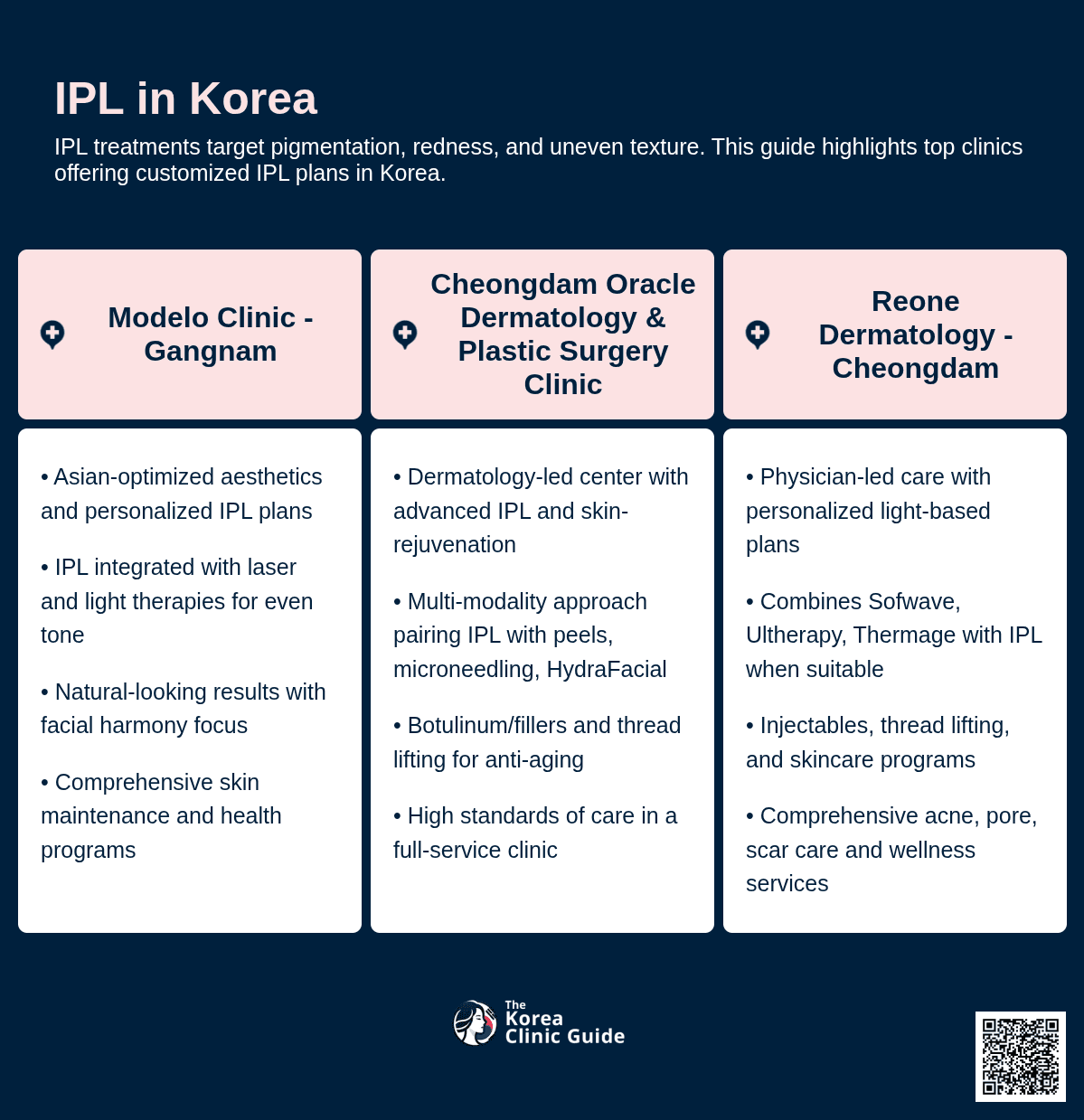
South Korea is a top pick for IPL thanks to:
- Technological Advancements: Clinics use the latest FDA/KFDA-approved IPL devices for precise, comfortable, and effective treatments.
- Skilled Practitioners: Dermatologists expertly tailor IPL parameters to skin type and condition, optimizing results and ensuring safety, especially for diverse skin tones.
- Patient-Friendly Environment: Many clinics cater to foreigners, offering English-speaking staff and services tailored to medical tourists.
- Holistic Skincare Experience: IPL is often bundled with other treatments—like chemical peels, Hydrafacials, or vitamin infusions—offering a fully integrated skincare upgrade.
The IPL Procedure: What to Expect from Consultation to Aftercare
The Korean IPL experience is systematic and efficient:
- Consultation and Skin Assessment: A thorough evaluation is conducted, sometimes including a patch test to personalize settings and check skin sensitivity.
- Preparation: On the treatment day, the area is cleansed and a cooling gel applied for comfort and effectiveness.
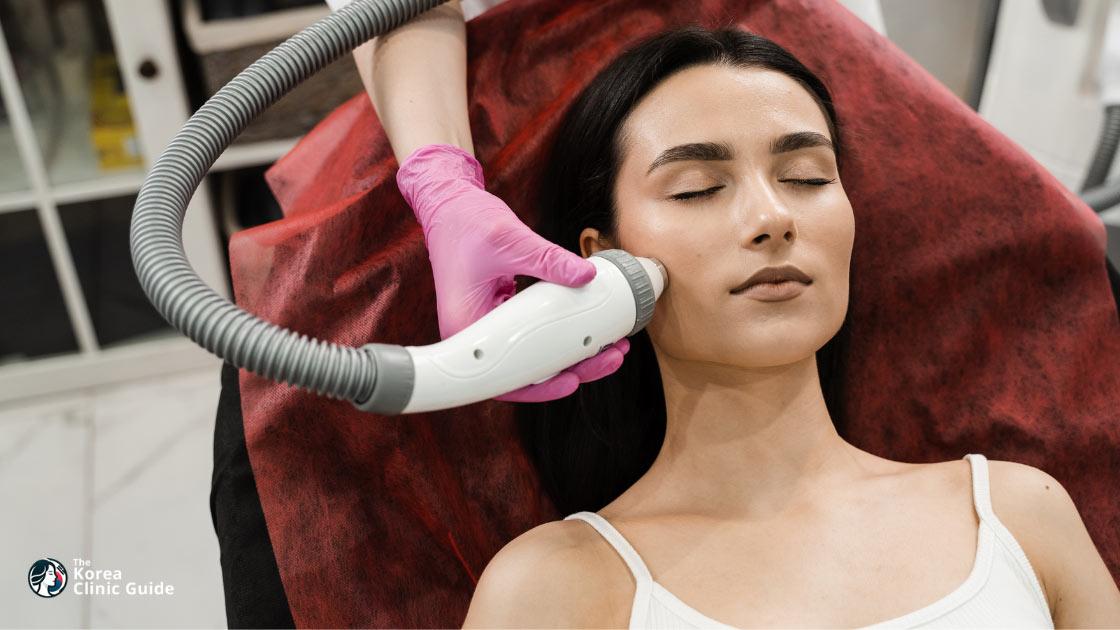
- During Treatment: The handpiece delivers light pulses, typically described as similar to a rubber band snap. Built-in cooling minimizes discomfort. Sessions last about 20-30 minutes, depending on the areas treated.
- Post-Treatment Care: Right after IPL, expect mild redness or swelling, like a sunburn, fading within hours. Treated spots darken and flake off over several days—let them fall off naturally to avoid scarring. Clinics provide detailed aftercare, emphasizing strict sun protection and gentle skincare. Most patients resume normal activities right away, making IPL ideal for travelers.
Typical Number of Sessions and Overall Treatment Duration
Some improvement is visible after one session, but full results require 3-5 treatments spaced about four weeks apart.
Cost Analysis: IPL Treatment in South Korea vs. Global Medical Tourism Destinations
Cost is a big consideration for medical travelers. South Korea is very competitive, combining advanced technology and provider expertise.
Average Costs of IPL in South Korea (Single Sessions and Package Deals)
A single IPL session in a top Seoul clinic (e.g., Gangnam) ranges from ₩100,000 to ₩250,000 (roughly $73–$183 USD). Packages of 3–5 sessions lower the per-session price, often falling between ₩450,000 and ₩800,000. Combined treatments—such as IPL with facial masks or vitamin infusions—are also available, typically from ₩200,000 to ₩300,000 per session.
Comparative Costs in Other Popular Medical Tourism Countries
- Thailand: $50–$115 USD per facial session, but can be higher for extensive packages.
- Mexico: ~$200 USD for one photofacial, $150 USD for hands, and $500 USD for a facial package (three sessions).
- India: ₹1,500–₹6,000 per session ($18–$72 USD), representing one of the lowest IPL costs globally.
- Czech Republic: $525 USD for a "Standard IPL Skin Treatment" package, including consultation.
- USA: IPL costs are higher—no specific numbers, but indicated to be substantially above those in Asia and Europe.
Approximate IPL Treatment Costs: South Korea vs. Other Medical Tourism Destinations (Per Session)
| Country | Estimated Cost Range (USD) | Notes |
|---|---|---|
| South Korea | $73 - $183 | ₩100,000 - ₩250,000. Discounts for packages, combined treatments. |
| Thailand | $50 - $115 | Facial session; higher for large packages. |
| Mexico | $150 - $250 | Per facial/hand session; facial package (3 sessions): $500. |
| India | $18 - $72 | Lowest-cost destination. |
| Czech Republic | $525 (package) | Includes consultation. |
| USA | Higher | General procedures far more expensive. |
Note: Costs are approximate and depend on location, clinic, and included services.
Value Proposition for Medical Tourists Choosing South Korea
While India leads in base price, South Korea stands out for top technology, skilled providers, and a holistic patient experience—combining quality, innovation, and integrated care. Package deals and bundled services enhance value, especially for those seeking complete skin rejuvenation.
Patient Experiences and Outcomes
Patients undergoing IPL for sun spots report very positive improvements, and clinical studies back up these experiences.
Efficacy for Sun Spots
IPL is highly effective: 96% of patients in some studies show pigment reduction, and an average clearance rate of 74.2% is achieved after just one session. Most sun spots fade with multiple treatments, though some lighter or stubborn spots require more.
Expected Progression and Overall Skin Improvement
Right after treatment, dark spots may get darker, then flake off in one to two weeks. Skin tone and texture improve with each session, typically becoming visibly clearer and more even after two or three sessions.
Collagen stimulation provides further bonuses: finer lines, smaller pores, reduced redness, and overall rejuvenation.
Patient Testimonials and Potential Side Effects
Patients celebrate dramatic improvement—even removal of decades-old sun damage—after a series of IPL sessions. Reviews praise clinic professionalism, outcome satisfaction, and minimal discomfort or downtime.
IPL is generally safe. Mild side effects—pricking sensations, swelling, redness, or crusting—are temporary, resolving within days or weeks. Serious side effects like ulceration or scarring are rare and transient, especially with proper aftercare and sun avoidance.
Conclusions
Sun spots, or solar lentigines, are a common concern driven by sun exposure and aging, but can be effectively managed with Intense Pulsed Light (IPL) therapy. South Korea distinguishes itself by marrying advanced IPL technology, expert dermatologists, and patient-centered care—all at competitive prices. Most patients see significant skin brightening and rejuvenation after a course of IPL, provided they follow post-treatment and sun protection instructions. For those considering medical tourism, South Korea offers a safe, effective, and valued pathway to clearer, younger-looking skin.
References
1, 2, 3, 4, 5, 6, 7, 8, 9, 10, 11, 12, 13, 14, 15, 16, 17, 18, 19, 20, 21, 22, 23, 24