Medical Tourism Blog
Scalp Oil Imbalance Solutions: Scalp Care Procedures in Korea for Healthy Hair and Balanced Sebum
Table of contents
- Managing Scalp Oil Imbalance: Options for Care
- Best Clinics in Korea for Scalp Oil Imbalance
- Scalp Care in South Korea: A Medical Tourist’s Perspective
- Cost Overview: Korean Scalp Care in an International Context
- Real-World Patient Experiences
- Case Studies and Success Stories
- Conclusion
- References
Considering treatment in Korea? Everything you need to know e.g. — how to avoid scams, visas, interpreters, recovery tips — in our Medical Tourism Master Guide. Plan with confidence in minutes, not weeks!
The issue often called "scalp oil imbalance," specifically involving "excess sebaceous output," is a widespread dermatological concern with several causes and diverse symptoms. Gaining a clear understanding of its terminology, root causes, and related conditions can help guide effective management.
Excess sebaceous output means that the sebaceous glands on your scalp are producing too much sebum. Sebum, that naturally oily substance, protects skin and hair from friction, UV rays, and dehydration, and helps defend against bacteria and inflammation. Medically, this excessive oiliness is called seborrhea; when it becomes particularly pronounced, it’s referred to as hyperseborrhea or the hypersecretion of sebum. It’s important to differentiate between healthy sebum production (sometimes called "physiological seborrhea") and the pathological increase of sebum seen in hyperseborrhea, which can disrupt the scalp’s balance and lead to a range of side effects.
Common Descriptions and Everyday Terms
People often use everyday language to describe excess sebaceous output, including "oily scalp," "greasy hair," and "greasy scalp." The term "scalp oil imbalance" is also commonly used in inquiries. Those with this condition typically notice their hair feels dirty and greasy soon after washing. Other signs include itchiness (sometimes from dead skin cell buildup), odor, or even stains on pillowcases. The impact may look different depending on hair type—for example, fine hair shows oiliness more readily, while thick or curly hair might experience oil at the scalp but dryness at the ends.
Table 1: Patient Terms and Medical Equivalents
| Common Patient Terminology | Medical Terminology | Description |
|---|---|---|
| Oily Scalp | Seborrhea | General excess scalp oil |
| Greasy Hair | Hyperseborrhea | High sebum production from overactive glands |
| Greasy Scalp | Hypersecretion of Sebum | Another designation for excessive sebum output |
| Scalp Oil Imbalance | Seborrheic Dermatitis (assoc.) | Often linked to sebum excess and fungal overgrowth |
Causes of Hyperseborrhea: Why Does the Scalp Get Oily?
Hyperseborrhea can have several causes, involving both internal (endogenous) and external (exogenous) influences.
Internal Factors: Genetics and Hormones
Genetics often play a central role—if oily scalps run in the family, chances are you’re more susceptible. Hormones, especially androgens, can increase sebum gland size and oil production, particularly during puberty or menopause. Pregnancy, chronic stress, and certain medications (like some progesterone-only birth control pills or corticosteroids) can also tip the scale. In some cases, underlying health issues such as hormonal imbalances or gland disorders can be a factor.
Environmental and Lifestyle Factors
Urban pollution can prompt inflammation, while dry winter air or overdone indoor heating may dehydrate the scalp, causing glands to ramp up sebum output. Diets high in saturated fats, processed foods, dairy, and refined carbs can promote oiliness as well. Hygiene matters too: daily or near-daily washing (5–6 times per week) is generally beneficial, while infrequent washes, sleeping on dirty linens, or using unclean tools can worsen oiliness. Ironically, overly harsh washing with strong products can also trigger more oil production as your scalp tries to “compensate.”
Fungi (especially Malassezia) and certain mites (like Demodex folliculorum) can also alter the scalp’s balance, triggering inflammation or overproduction of sebum.
Symptoms and Related Scalp Conditions
Signs of Oily Scalp and Greasy Hair
Key symptoms include greasy, limp, or clumping hair, itchiness, and sometimes a musty odor. Thin hair tends to show oil more, while curly hair can have oily roots but dry ends.
Seborrheic Dermatitis: Symptoms and Risks
Seborrheic dermatitis is a common, benign, but often chronic skin condition tied to sebum overproduction and yeast overgrowth. It may occur at various life stages and presents with red, scaly, and sometimes itchy patches—especially on the scalp but also on other oily skin areas. Inflammation and fungal imbalances can trigger flares, sometimes leading to further complications such as infection or hair loss (seborrheic hair loss). Stress often worsens symptoms.
Other Concerns: Scalp Acne, Folliculitis, and Hair Loss
Excess oil can clog follicles, causing scalp acne and folliculitis (inflammation of hair follicles). Persistent oil buildup may physically block hair growth or cause hair breakage, contributing to hair loss. A continuous cycle of oiliness, microbial overgrowth, and irritation can perpetuate these issues unless properly managed.
Washing regularly, with the right products and methods, usually helps. Overly harsh routines can make things worse, as can a diet high in certain fats or carbs. It’s also worth noting that ongoing oiliness may indicate broader hormonal or metabolic health issues, so persistent symptoms deserve a medical look.
Managing Scalp Oil Imbalance: Options for Care
Taking charge of excess sebaceous output often means combining at-home care, over-the-counter products, and, when needed, medical or in-clinic interventions.
Home Solutions and OTC Remedies
Hair Washing and Product Choices
Frequent washing (even daily) is recommended. Gentle clarifying or medicated shampoos (with pyrithione zinc, selenium sulfide, ketoconazole 1%, tar, or salicylic acid) can combat oil and dandruff. Medicated shampoos should be left on the scalp for a few minutes for effectiveness. Double shampooing and targeting conditioner only on hair ends (not roots) is ideal, though some find conditioning the whole head actually reduces dryness. Oil-based products and heavy styling sprays should be avoided. Regular cleaning of brushes, towels, and pillowcases is key.
Natural and Complementary Remedies
Natural options with anti-sebum or anti-inflammatory properties include rosemary oil, green tea tonic, apple cider vinegar rinses, and tea tree oil shampoos (always diluted). Aloe vera gel can soothe and reduce itching. Mineral, peanut, olive, or avocado oil treatments before washing may help soften scales, with avocado oil offering added antifungal benefits. Other specialized topicals containing Quassia Amara or Chrysotrichum extracts might benefit individuals with seborrheic dermatitis.
Diet and Lifestyle Modifications
A low glycemic, anti-inflammatory diet (avoiding processed carbs, yeast-promoting foods, and excess dairy) combined with omega-3 and biotin supplementation can help regulate sebum. Stress management is also important, as flares may worsen under stress.
Table 2: At-Home and OTC Treatments for Oily Scalp
| Active Ingredient / Remedy | Product Type/METHOD | Key Benefits |
|---|---|---|
| Pyrithione Zinc | Medicated shampoo | Controls oil, dandruff, and buildup |
| Selenium Sulfide | Medicated shampoo | Antifungal, reduces oil/flaking |
| Ketoconazole 1% | Medicated shampoo | Antifungal, treats dandruff |
| Tar | Medicated shampoo | Reduces scaling and inflammation |
| Salicylic Acid | Medicated shampoo | Removes scales and buildup |
| Rosemary Oil | Infused products/natural oil | Reduces sebum |
| Green Tea Tonic | Topical tonic | Cuts sebum production |
| Apple Cider Vinegar | Rinse | Removes product buildup |
| Tea Tree Oil (5% diluted) | Shampoo/topical | Reduces oiliness, antifungal |
| Aloe Vera | Topical aloe gel | Soothes itch, inflammation |
| Omega-3, Biotin | Supplements | Decreases inflammation (omega-3) |
| Low Glycemic Diet | Dietary change | Reduces sebum |
| Regular Cleaning | Tools (brushes, towels) | Stops reintroduction of oil/debris |
When to Seek Medical or Clinic-Based Treatments
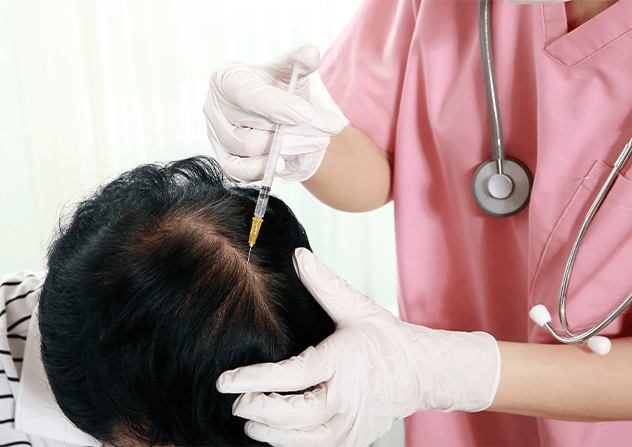
If home solutions aren’t enough, or symptoms are severe or persistent, it’s time to see a dermatologist.
Prescription Topicals
- Antifungals: Ketoconazole, ciclopirox, miconazole, and clotrimazole formulations battle Malassezia and similar yeasts.
- Corticosteroids: Prescription options (such as hydrocortisone, fluocinolone, clobetasol, desonide) are effective short-term but can thin skin and cause side effects if overused.
- Calcineurin Inhibitors: Tacrolimus or pimecrolimus offer steroid-free inflammation control.
- Keratolytics: Propylene glycol or lithium succinate/gluconate help remove scales and excess oil.
Oral Medications and Advanced Procedures
- Oral antifungals: Options like terbinafine or itraconazole for severe, unresponsive cases.
- Phototherapy: UVB or excimer treatments target inflammation and microbial triggers.
- In-Clinic Advances: Platelet-rich plasma (PRP) therapy, LED light therapy (LLLT), exosome cell therapy, microneedling (MTS), growth factor injections, and scalp exfoliation or massages can all support scalp health.
- Surgical Options: Procedures like scalp reduction surgery are mainly for significant hair loss (rather than oiliness alone).
Correct application is crucial for topical medications—many require several minutes of scalp contact. If one active stops working, alternating ingredients might help. Always use natural remedies (especially oils) properly diluted to prevent irritation.
Diet, stress, and lifestyle all influence scalp outcomes. Integrating these into your treatment plan enhances results and reduces flare-ups.
Best Clinics in Korea for Scalp Oil Imbalance
Listed below are the best clinics in Korea for scalp oil imbalance:
| Clinic Name | Key Features | Special Techniques |
|---|---|---|
| Chaum Website | Chaum is a comprehensive medical center conveniently located at Sinnonhyeon Station, offering the peace and quiet of private check-up rooms where medical specialists and equipment come to you. With numerous awards recognizing excellence and innovation, Chaum provides personalized health care programs designed to cultivate excellent health and maintain youthfulness while treating diseases—an integrated setting well-suited for those seeking expert support for scalp oil imbalance. Using advanced diagnostic equipment and specialist consultations, Chaum’s comprehensive health check-ups help identify contributing factors and create customized management plans. The outpatient dermatology and general medicine clinics provide tailored consultations, treatments, and follow-up, while wellness resources such as TheraSpa and the Benefit Center (Fitness) support stress reduction and lifestyle optimization—complementary elements for maintaining balanced scalp and skin health. | Private check-up rooms; advanced diagnostic equipment and specialist consultations. |
| Dermaster Clinic Website | Dermaster Clinic in Cheongdam stands out as the best choice in Korea for scalp oil imbalance because it pairs advanced dermatological expertise with a comprehensive portfolio of non-surgical, minimally invasive technologies that prioritize precision, comfort, and minimal downtime. Its proven mastery of energy-based and biostimulatory solutions—such as Ultracol, Volume, and V-line Lifting for collagen support and contour refinement, alongside one-day skincare options like Tenseara and the 30-Minute In Mode radiofrequency platform—reflects a deep understanding of skin physiology and the need for gentle yet effective interventions in sensitive areas like the scalp. The clinic’s breadth of capabilities, from body contouring with Ultra S-Line and Encurve to finely tuned thread techniques like Haiko PCL and UltraV PCL Lifting, showcases a culture of customization and technical rigor that translates into tailored, results-driven care. For individuals seeking efficient, confidence-enhancing management of scalp oil concerns with minimal disruption to daily life, Dermaster’s fusion of dermatologic sophistication, fast-recovery protocols, and patient-centered excellence makes it the premier destination. | Ultracol; Volume; V-line Lifting; Tenseara; 30-Minute In Mode; Ultra S-Line; Encurve; Haiko PCL; UltraV PCL Lifting. |
| Modeunmo Clinic Website | Modeunmo Clinic, located in Sinsa, Gangnam-gu, Seoul, is a leading destination for advanced hair restoration, offering a full spectrum of state-of-the-art transplant techniques tailored to natural aesthetics and efficient recovery—an ideal choice for individuals whose scalp oil imbalance has contributed to hair thinning or visible scalp, and who want high-density, natural-looking coverage with minimal scalp disruption. - High Density Non-Incisional Hair Transplant: Transplants follicles without scalp incisions for high-density, natural results with minimal scarring and faster recovery—gentle on oily or reactive scalps. - Mass Transplant: Large numbers of follicles in a single session, delivering substantial volume restoration with fewer visits—convenient for patients managing ongoing scalp care routines. - Design Hairline: Meticulous, personalized hairline creation that complements facial structure and helps achieve a balanced, natural frame even in cases of diffuse thinning. - Fine Hair Transplant: Specialized placement of finer hairs for soft, natural blending in temples and sparse areas—ideal for subtle density where oil-related thinning may be more noticeable. - Scalp Scar Hair Transplant: Camouflages scalp scars by implanting follicles into scar tissue, blending seamlessly with surrounding hair. - Reconstruction Hair Transplant: Restores density in areas affected by trauma or prior surgery, re-establishing fuller, natural coverage. - Why Modeunmo is best for scalp oil imbalance–related hair concerns: minimally invasive options that reduce scalp irritation, rapid recovery pathways, the ability to achieve high-density coverage in fewer sessions, and meticulous design for natural aesthetics. - Feel free to contact us for a consultation to explore the best treatment option for your needs. | High Density Non-Incisional Hair Transplant; Mass Transplant; Design Hairline; Fine Hair Transplant; Scalp Scar Hair Transplant; Reconstruction Hair Transplant; minimally invasive options; rapid recovery pathways; meticulous design for natural aesthetics. |
Chaum
Chaum is a comprehensive medical center conveniently located at Sinnonhyeon Station, offering the peace and quiet of private check-up rooms where medical specialists and equipment come to you. With numerous awards recognizing excellence and innovation, Chaum provides personalized health care programs designed to cultivate excellent health and maintain youthfulness while treating diseases—an integrated setting well-suited for those seeking expert support for scalp oil imbalance.
Using advanced diagnostic equipment and specialist consultations, Chaum’s comprehensive health check-ups help identify contributing factors and create customized management plans. The outpatient dermatology and general medicine clinics provide tailored consultations, treatments, and follow-up, while wellness resources such as TheraSpa and the Benefit Center (Fitness) support stress reduction and lifestyle optimization—complementary elements for maintaining balanced scalp and skin health.
Find more about this clinic here: Chaum Website
Dermaster Clinic
Dermaster Clinic in Cheongdam stands out as the best choice in Korea for scalp oil imbalance because it pairs advanced dermatological expertise with a comprehensive portfolio of non-surgical, minimally invasive technologies that prioritize precision, comfort, and minimal downtime. Its proven mastery of energy-based and biostimulatory solutions—such as Ultracol, Volume, and V-line Lifting for collagen support and contour refinement, alongside one-day skincare options like Tenseara and the 30-Minute In Mode radiofrequency platform—reflects a deep understanding of skin physiology and the need for gentle yet effective interventions in sensitive areas like the scalp. The clinic’s breadth of capabilities, from body contouring with Ultra S-Line and Encurve to finely tuned thread techniques like Haiko PCL and UltraV PCL Lifting, showcases a culture of customization and technical rigor that translates into tailored, results-driven care. For individuals seeking efficient, confidence-enhancing management of scalp oil concerns with minimal disruption to daily life, Dermaster’s fusion of dermatologic sophistication, fast-recovery protocols, and patient-centered excellence makes it the premier destination.
Find more about this clinic here: Dermaster Clinic Website
Modeunmo Clinic
Modeunmo Clinic, located in Sinsa, Gangnam-gu, Seoul, is a leading destination for advanced hair restoration, offering a full spectrum of state-of-the-art transplant techniques tailored to natural aesthetics and efficient recovery—an ideal choice for individuals whose scalp oil imbalance has contributed to hair thinning or visible scalp, and who want high-density, natural-looking coverage with minimal scalp disruption.
- High Density Non-Incisional Hair Transplant: Transplants follicles without scalp incisions for high-density, natural results with minimal scarring and faster recovery—gentle on oily or reactive scalps.
- Mass Transplant: Large numbers of follicles in a single session, delivering substantial volume restoration with fewer visits—convenient for patients managing ongoing scalp care routines.
- Design Hairline: Meticulous, personalized hairline creation that complements facial structure and helps achieve a balanced, natural frame even in cases of diffuse thinning.
- Fine Hair Transplant: Specialized placement of finer hairs for soft, natural blending in temples and sparse areas—ideal for subtle density where oil-related thinning may be more noticeable.
- Scalp Scar Hair Transplant: Camouflages scalp scars by implanting follicles into scar tissue, blending seamlessly with surrounding hair.
- Reconstruction Hair Transplant: Restores density in areas affected by trauma or prior surgery, re-establishing fuller, natural coverage.
- Why Modeunmo is best for scalp oil imbalance–related hair concerns: minimally invasive options that reduce scalp irritation, rapid recovery pathways, the ability to achieve high-density coverage in fewer sessions, and meticulous design for natural aesthetics.
- Feel free to contact us for a consultation to explore the best treatment option for your needs.
Find more about this clinic here: Modeunmo Clinic Website
Scalp Care in South Korea: A Medical Tourist’s Perspective
South Korea is renowned for both luxurious “head spa” and high-tech medical scalp care. Knowing what to expect can help you get the most from your visit.
The Landscape of Korean Scalp Treatments
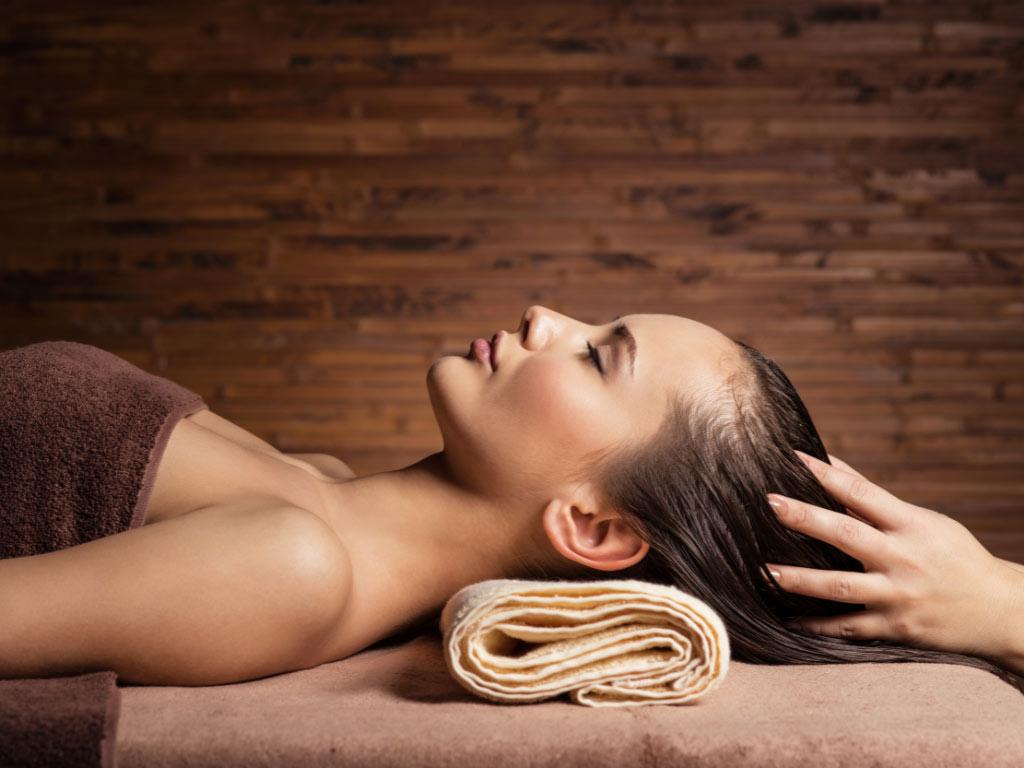
Aesthetic Head Spas
Korean head spas provide multi-step, relaxation-focused treatments—think exfoliation, deep cleansing, customized massages, aromatherapy, and ambiance-focused environments. Some packages include add-ons like hairstyling, hand/foot massage, and special ampoules.
Medical Treatments
Dermatology clinics offer procedures for specific scalp concerns, including LED light therapy, PRP therapy, growth factor or stem cell injections, mesotherapy, exosome cell therapy, microneedling (MTS), medical lasers and physical stimulation, and (for hair loss) surgical options like scalp reduction.
The Patient Experience: Booking and Assessment
Booking is streamlined, often available in English, and clinics commonly use platforms like WhatsApp or KakaoTalk. On arrival, expect passport verification and an initial consultation (sometimes with a trichologist) plus detailed scalp analysis using microscopes. Follow-up consultations and home care plans are often part of service.
Clinics in areas like Gangnam are foreigner-friendly, with English-speaking staff, transparent pricing, and sometimes visa support. Payment is usually via credit card; check in advance if international insurance is accepted.
Tip: Not all clinics offer the same level of personal attention—some prioritize high volume over privacy. Research clinic reviews and avoid relying solely on influencer endorsements.
Cost Overview: Korean Scalp Care in an International Context
Typical South Korean Treatment Costs
- Head Spa Treatments: $50–$103 per session; high-end packages can be up to $450.
- Dermatology Consultation: $14–$43.
- Prescription Medications: $21–$72 per course.
- Phototherapy: $36–$108/session.
- Advanced Injections: $144–$360/treatment.
- Scalp Surgery: $4,000–$10,000.
- Three to Five Session Packages: $360–$865.
Comparing Costs Globally
South Korea often provides bundled services (e.g., scalp treatment plus hairstyling or beauty packages) competitively priced compared to Western premium scalp care products. Surgical prices may be higher than in countries like Turkey or India, but non-surgical and wellness-focused treatments are generally affordable for foreign patients.
Table 3: Comparative Costs (USD)
| Service | Korea | USA (Retail) | Thailand | Turkey | India |
|---|---|---|---|---|---|
| Head Spa | $50–$103 | $9–$43 | $30 | N/A | N/A |
| Dermatology Consultation | $14–$43 | N/A | N/A | $100 | N/A |
| Phototherapy | $36–$108 | N/A | N/A | N/A | N/A |
| Advanced Injection Treatments | $144–$360 | N/A | N/A | N/A | N/A |
| Scalp Reduction Surgery | $4,000–$10,000 | N/A | N/A | $1,500–$4,000 | $2,000–$7,000 |
Korea’s combination of expertise, bundled experiential packages, and high-tech offerings delivers strong value—though patients should look closely at what’s included and research clinic reputations for the best experience.
Real-World Patient Experiences
Reported Benefits
Patients share improvements ranging from noticeable reduction in oiliness and flakiness to a deeper sense of “scalp cleanliness,” relief from itch, and hair that feels lighter or fuller. Many praise the relaxation, ambiance, and comprehensive service.
Beyond Results: Experience and Well-being
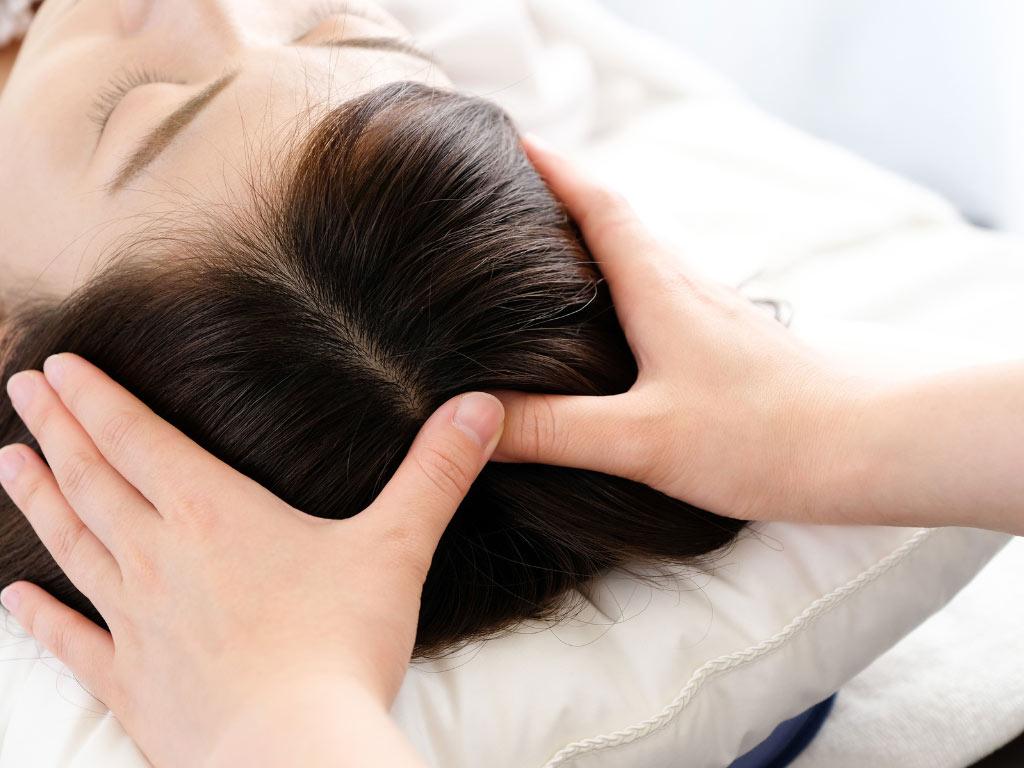
Spa-like treatments often bring a sense of relaxation and well-being, with enjoyable extras like massages, herbal soaks, or styling. Patients particularly value the attentive environment and sensory details like aroma or lighting.
Table 4: What Patients Say
| Aspect | Benefits | Concerns | Key Takeaways |
|---|---|---|---|
| Scalp Health | Less oiliness, flakiness; itch relief; "deep clean" | Temporary results, lack of after-check | Ongoing care and realistic expectations |
| Hair Appearance | Smoother, fuller, easier styling | Results may vary by hair type/condition | Match treatment to personal goals |
| Experience | Relaxation, stress relief, enjoyable ambiance | Rushed service at "factory-style" clinics | Do research, seek personalized attention |
| Overall Value | Competitive pricing, bundled extras | Influencer hype vs. real service quality | Choose clinics based on independent reviews |
Tips and Caveats
Some patients notice only short-term relief; for chronic conditions, ongoing care is needed. Clinics focused on volume may rush services or offer upsells, reducing satisfaction. Social media reviews may not reflect the typical experience, so look for detailed, independent patient feedback and ensure your clinic matches your specific objective (wellness vs. medical).
Psychological benefits are notable, but some patients also report negative feelings if treatments fail to meet expectations—so a well-rounded, patient-focused approach is vital.
Case Studies and Success Stories
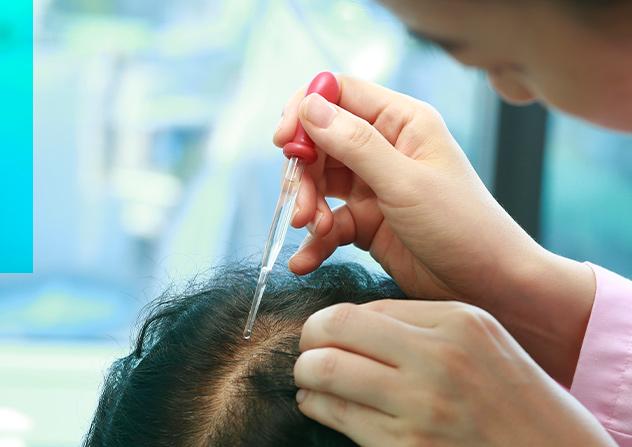
- Structured routines (such as regular cleansing, shampooing, and targeted sprays) have delivered relief from oiliness and flakiness.
- Some found that new conditioning routines, scalp sprays, or dry shampoos made a significant difference.
- High-quality, multi-step treatments can leave hair feeling lighter, less oily, and more manageable.
Conclusion
Scalp oil imbalance (seborrhea or hyperseborrhea) is complex and persistent, influenced by genetics, hormones, environment, and lifestyle. Managing it effectively requires careful home routines, lifestyle changes, and professional or clinical interventions when necessary. South Korea offers a unique blend of wellness-focused and medical scalp care, often at competitive prices, but patients should research clinics thoroughly and set practical expectations. Lasting results are most likely with a combination of medical care, smart self-care, and informed decision-making.
References
1, 2, 3, 4, 5, 6, 7, 8, 9, 10, 11, 12, 13, 14, 15, 16, 17, 18, 19, 20, 21, 22, 23, 24, 25, 26, 27, 28, 29, 30, 31, 32, 33, 34, 35, 36, 37, 38