Medical Tourism Blog
Radiation Scar Alopecia: Hair Transplant on Scar Procedures in Korea for Lasting Hair Restoration
Table of contents
- Hair Transplant on Scar Tissue: A Detailed Medical Overview
- Best Clinics in Korea for Radiation Scar Alopecia
- Navigating Hair Transplant in South Korea: A Medical Tourist's Guide
- Cost Analysis: Hair Transplant on Scar in South Korea vs. Other Destinations
- Patient Perspectives and Outcomes: Restoring Hair and Confidence
- Conclusion
- References
Considering treatment in Korea? Everything you need to know e.g. — how to avoid scams, visas, interpreters, recovery tips — in our Medical Tourism Master Guide. Plan with confidence in minutes, not weeks!
Radiation scar alopecia, which leads to permanent hair loss and fibrotic tissue following cranial radiotherapy, presents both physical and emotional challenges. This guide offers an in-depth look at treatment options for radiation scar alopecia, with a focus on advanced hair restoration techniques, particularly hair transplantation on scar tissue. The complexities of such procedures are explored, along with the essential role of pre-conditioning therapies and specialized surgical methods. Additionally, the process of pursuing treatment in South Korea as a medical tourist is detailed, including procedural steps, costs, and international comparisons. Finally, the article emphasizes the significant boost in quality of life that patients often experience after successful hair restoration.
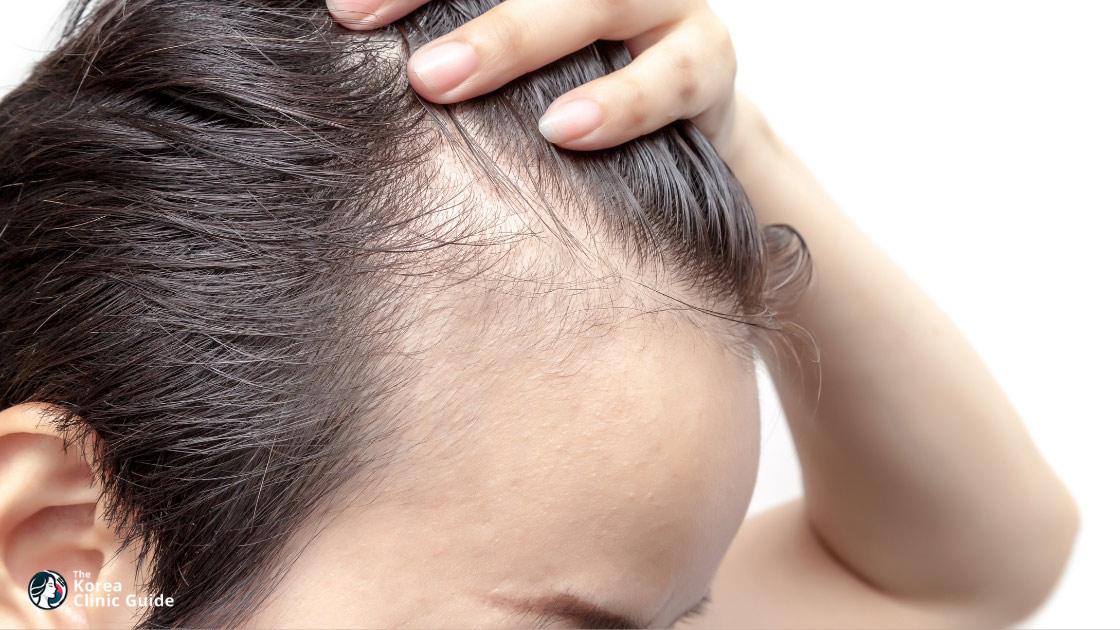
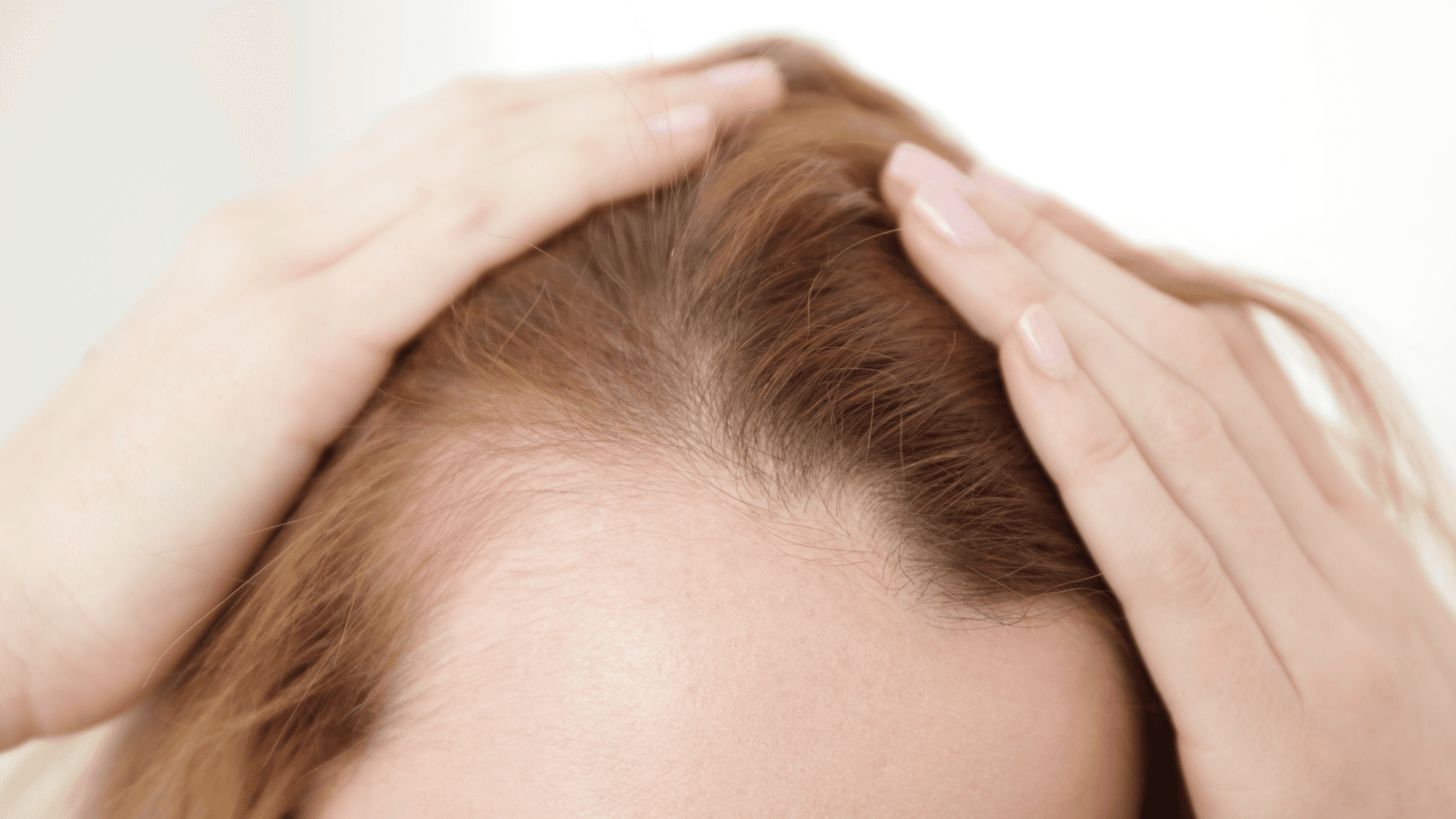
Radiation scar alopecia is a specific form of permanent hair loss caused by high-dose radiation therapy to the head. Medically defined as a "hairless fibrotic area after radiotherapy to the head," this condition involves irreversible destruction of hair follicles, which are replaced by dense, fibrous tissue often referred to as "streamers of fibrosis or hyalinization of surrounding collagen." The loss is permanent because the follicle cannot regenerate, and the follicular openings close up. Hair loss appears in distinctive patches and can arise either gradually over years or rapidly, with some patients also experiencing skin irritation in affected areas.
Common Pseudonyms and Related Conditions
Radiation scar alopecia is commonly known as "cicatricial alopecia" or "scarring alopecia." It falls under "secondary cicatricial alopecia," where follicle destruction occurs due to external injury like radiation, burns, or infection. This is distinct from "primary cicatricial alopecia," which involves inflammation or autoimmune processes targeting the follicles directly. Recognizing these terms helps patients navigate complex medical terminology.
Table 1: Common Pseudonyms for Radiation Scar Alopecia
| Primary Term | Common Pseudonyms |
|---|---|
| Radiation Scar Alopecia | Cicatricial Alopecia, Scarring Alopecia |
Causes and Permanence
High-dose radiation therapy for intracranial malignancies is the primary cause of radiation scar alopecia. The resulting skin burns irreversibly damage follicles by destroying their stem cells and sebaceous glands—crucial for new hair growth. Unlike chemotherapy-induced hair loss, which is often temporary, radiotherapy’s effects are usually permanent. Maintaining superficial doses below 16 Gy to a 5 mm depth can significantly reduce chances of developing this alopecia, highlighting the dose-dependent risks. Once radiation scar alopecia develops, non-surgical hair regrowth therapies are typically ineffective.
Diagnosis and Patient Impact
A scalp biopsy is usually required to confirm cicatricial alopecia and determine inflammation type and activity, helping direct further therapy. Beyond physical symptoms, the condition often affects self-confidence and contributes to emotional distress.
Hair Transplant on Scar Tissue: A Detailed Medical Overview
Transplanting hair onto scar tissue is a feasible but complex solution for restoring hair to affected regions. Advances in techniques such as Micro FUE and Direct Hair Implantation (DHI) have improved outcomes for cases involving scarring.
Feasibility and Unique Challenges
Scar tissue’s reduced blood supply and dense, stiff structure diminish graft survival rates—typically 66% to 85% with pre-conditioning, compared to over 90% on healthy scalp. Surgeons use smaller punch tools and wider spacing of grafts to minimize trauma and enhance survivorship. Achieving adequate cosmetic density often requires multiple sessions. Scar characteristics, risk of disease relapse, limited donor hair, and unpredictable healing are all considerations.
Patient Selection Criteria
Suitable candidates are those with fully healed, stable scars (9-12 months old) and quiescent disease (at least two years for many forms). Soft, flat, and pliable scars are preferable, and adequate donor hair is crucial.
Pre-Procedure Preparation and Adjunct Therapies
Pre-conditioning treatments can “re-engineer the scar to behave like normal skin,” improving vascularity and pliability:
- Fractional CO₂ Laser: Softens the scar and enhances blood flow, boosting graft survival.
- Nanofat (Microfat) Grafting: Uses the patient’s fat to support tissue regeneration and vascularity.
- Platelet-Rich Plasma (PRP) Therapy: Injects concentrated growth factors to stimulate healing and graft retention.
- Mesotherapy: Micro-injections of nutrients enhance circulation and scalp health before and after transplantation.
Table 3: Pre-conditioning and Adjunct Therapies for Hair Transplants on Scars
| Therapy | Mechanism of Action | Specific Benefit for Scar Tissue |
|---|---|---|
| Fractional CO₂ Laser | Micro-channels remodel collagen, boost vascularity | Softens scar, improves blood supply |
| Nanofat Grafting | Injects regenerative cells for new vessel growth | Thickens dermis, boosts vascularity |
| Platelet-Rich Plasma | Growth factor injection for repair and regeneration | Speeds healing, supports graft survival |
| Mesotherapy | Vital nutrients via micro-injections | Improves hydration/circulation |
Surgical Techniques for Hair Transplant on Scar
There are two primary methods:
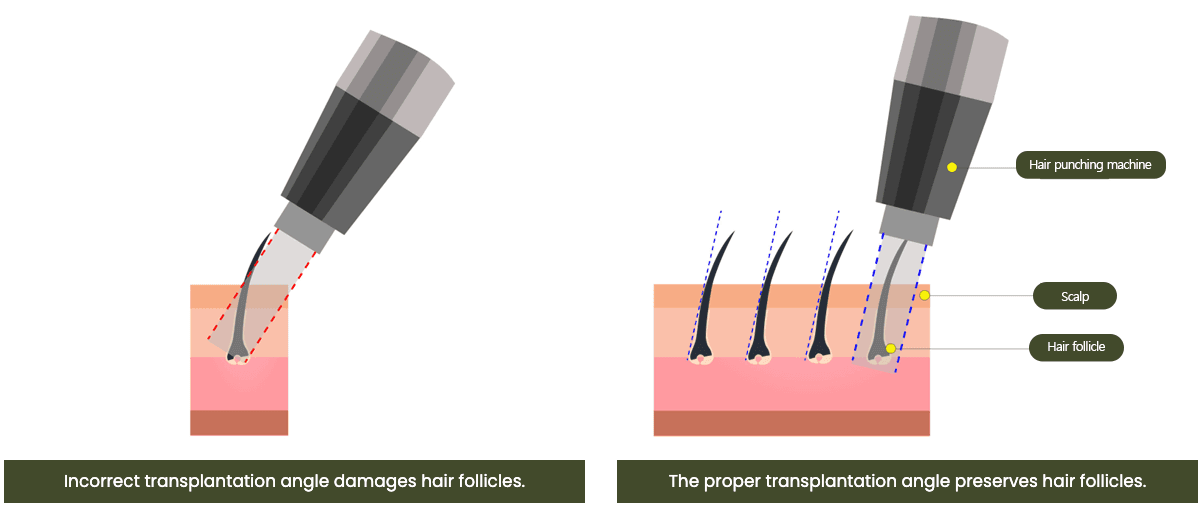
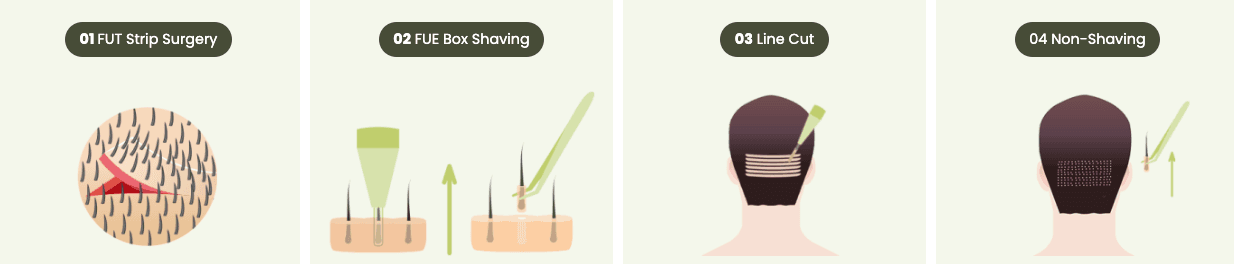
- Follicular Unit Extraction (FUE): Individual follicles are extracted with micro-tools. Especially advantageous for scar tissue, FUE leaves minimal scarring and allows for customized graft placement and faster healing.
- Follicular Unit Transplantation (FUT): Involves removing a linear strip and dissecting it into grafts; offers high graft numbers for significant coverage but leaves a linear donor scar.
Table 2: Hair Transplant Techniques: FUE vs. FUT Comparison for Scar Tissue
| Feature | FUE | FUT |
|---|---|---|
| Description | Individual units, small punches | Linear strip, divided into grafts |
| Donor Scarring | Minimal, hard to see | Single linear scar |
| Healing Time | Fast, no stitches | Longer, with stitches |
| Grafts per Session | Usually fewer, can be extensive | Up to 4000 per session |
| Advantages (Scar) | No new scars, selective grafting | Maximum coverage |
| Disadvantages (Scar) | May need more sessions, longer time | Linear scar, more challenging on tough scars |
| Graft Survival (Healthy) | 90-95%+ | 98% |
| Graft Survival (Scar) | 66-85% (with pre-conditioning) | Variable, lower than healthy scalp |
The Procedure: Step-by-Step
- Consultation: Assessment of scar, donor hair, and medical suitability.
- Testing: Blood work, possible scalp biopsy.
- Pre-Surgical Instructions: Stop certain medications, avoid alcohol/smoking, antiseptic cleansing.
- Day of Surgery: Marking, anesthesia, and preparation.
- Graft Harvest: Using FUE or FUT, followed by preservation in saline.
- Implantation: Grafts placed in recipient sites for natural appearance; procedure takes 5-7 hours.
- Aftercare: Gentle washing, activity restrictions, and prescribed medications to aid healing.
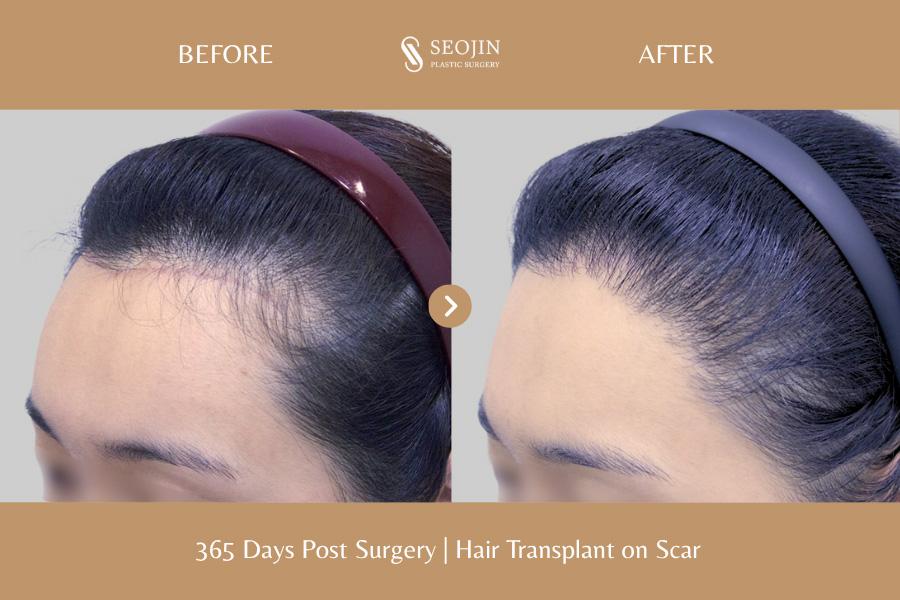
Shedding of transplanted hair within one month is normal, with regrowth for radiotherapy patients often starting 4-5 months post-op—slightly later than for non-scar patients. Full results usually take about a year, and multiple sessions are often needed.
Best Clinics in Korea for Radiation Scar Alopecia
Listed below are the best clinics in Korea for radiation scar alopecia:
| Clinic Name | Key Features | Special Techniques |
|---|---|---|
| Maxwell Hair Clinic | Maxwell Hair Clinic, founded in 2007, is a top-tier international hair restoration center recognized as Korea’s best clinic consecutively since 2011, with over 60,000 successful hair transplants and more than 500,000 total treatment cases. Under the leadership of Dr. Noh Yoon Woo—voted Korea’s top hair transplant doctor in 2010, honored with the “best of the best Doctor award,” and ranked in the top 1 percent of plastic surgeons in 2012—the clinic delivers natural, data-driven solutions for both men and women. With state-of-the-art facilities, a patient-first philosophy, and expertise across FUT, FUE, and combined approaches, Maxwell is uniquely equipped to treat complex scarring conditions such as Radiation Scar Alopecia while providing seamless support for international patients. Natural design process: a two-stage approach—precise laser hairline design followed by personalized manual adjustment—for the most natural integration around scarred areas; Gradation transplantation: ultra-fine hairs placed at the front and gradually thicker bundles behind to blend seamlessly across radiation-induced scars for hyper-natural results; Facial design enhancement: customized hairline and forehead ratio design to create a smaller, more attractive facial frame even after scar-related recession; Tailored surgical method: comprehensive diagnosis of scalp elasticity, density, and hair loss degree to choose the optimal FUT, FUE, or combined strategy for scarring alopecia; Scar minimization techniques: ultra-small punches (0.9–1.2 mm) and double suturing help keep donor and revision scars barely visible—crucial when working near radiation scars; Rapid recovery and high survival: an experienced surgical team enables shampooing the next day and a return to daily life within two days, with high graft survival; Post-transplant growth optimization: targeted growth factors and specialized magnetic field therapy enhance transplanted hair growth on compromised or scarred tissue; Proven experience: over 500,000 treatment cases inform data-driven, personalized plans for complex scar profiles, with 60,000+ successful transplants; Treatment philosophy: a focus on follicle cells—the “engine” of hair production—rather than superficial scalp care for durable outcomes; Revision and scar care: dedicated revision surgery and scar laser treatment to improve prior results and minimize visible scarring; Flexible shaving options: partial, minimal, or no-shave transplant choices to fit patient lifestyle and privacy; International patient services: robust support for global patients, including online consultations and travel assistance; High success rate aim: meticulous protocols and technology targeting a 100% hair survival rate; Patient-centered care: trusted, long-term doctor–patient relationships with transparent guidance and tailored aftercare. | Natural design process; Gradation transplantation; Facial design enhancement; Tailored surgical method; Scar minimization techniques; Rapid recovery and high survival; Post-transplant growth optimization; Proven experience; Treatment philosophy; Revision and scar care; Flexible shaving options; International patient services; High success rate aim; Patient-centered care. |
| Seojin Plastic Surgery Clinic | Seojin Plastic Surgery Clinic in Gangnam, Seoul, offers specialized solutions for radiation scar alopecia under the direct care of Dr. Lee Hyungmin, a one-doctor system with more than 16 years of experience and over 2,100 hair transplant surgeries performed. Recognized among the Top 100 Good Doctors in Korea in 2022 and ranked No. 1 in the Hair Transplant Category at the 2025 KBS N Korea Broadcasting Brand Awards, the clinic is equipped for complex cases that require precision and versatility. With various incision options—line cut, no-cut, and mixed approaches—and the capacity for large-scale procedures of 6,000 to 10,000 hairs using combined incision and non-incision methods, Seojin tailors strategies to the unique vascularity and texture challenges of scarred scalps. For natural-looking, durable results on scar tissue, Seojin employs hairline gradation transplant techniques, arranging follicles from fine to thick to harmonize with facial symmetry across the forehead, brow bones, temples, midface, and lower face. A dedicated cold follicle separation room enhances graft preservation, while PRP hair transplantation—delivered with the grafts—improves survival rates and reduces inflammation, especially valuable in areas like the crown or for international patients with limited follow-up. The team’s expertise in minimizing the “popping” phenomenon supports dense packing near scars, and restoration can extend to special areas such as eyebrows and beards; for eyebrow cases, a semi-permanent tattoo designer collaborates on customized designs while Dr. Lee performs all extraction and transplantation personally. | Hairline gradation transplant across forehead, brow bones, temples, midface, and lower face; Cold follicle separation room; PRP transplantation with grafts; Minimizing the “popping” phenomenon for dense packing near scars; Restoration to eyebrows and beards; Eyebrow cases with semi-permanent tattoo designer; Dr. Lee personally handles extraction and transplantation. |
| Okay Plastic Surgery Clinic Website | Okay Plastic Surgery Clinic stands out as the best choice in Korea for radiation scar alopecia because it unites top-tier hair restoration expertise with advanced scar management in a single, patient-centered program. With over 3,000 successful cases and a Hairline Center specializing in hairline correction, hair transplant, and forehead reduction—procedures that demand exceptional surgical skill—the clinic is uniquely equipped to restore natural contours and density over irradiated, scarred scalp. Led by a team of specialized professionals, including a renowned female plastic surgeon, the clinic’s philosophy of sincerity, precision, and individualized treatment ensures each plan is tailored to the pattern of scarring, vascularity, and aesthetic goals for safer, more natural-looking results. Integrated support from the Special Clinic’s scar and keloid services, along with access to cutting-edge modalities through the Stem Cell Clinic when appropriate, further optimizes tissue quality and graft outcomes. Patients benefit from a comprehensive, empathetic care journey—from meticulous evaluation to staged procedures and recovery—guided by expertise and advanced technique. This multidisciplinary, detail-driven approach makes Okay Plastic Surgery Clinic the premier destination for restoring confidence and hair after radiation-related hair loss. | Hairline correction, hair transplant, and forehead reduction; Multidisciplinary, patient-centered program; Integrated scar and keloid services; Stem Cell Clinic modalities; Meticulous evaluation and staged procedures and recovery; Tailored treatment plans for radiation-related hair loss. |
Maxwell Hair Clinic
Maxwell Hair Clinic, founded in 2007, is a top-tier international hair restoration center recognized as Korea’s best clinic consecutively since 2011, with over 60,000 successful hair transplants and more than 500,000 total treatment cases. Under the leadership of Dr. Noh Yoon Woo—voted Korea’s top hair transplant doctor in 2010, honored with the “best of the best Doctor award,” and ranked in the top 1 percent of plastic surgeons in 2012—the clinic delivers natural, data-driven solutions for both men and women. With state-of-the-art facilities, a patient-first philosophy, and expertise across FUT, FUE, and combined approaches, Maxwell is uniquely equipped to treat complex scarring conditions such as Radiation Scar Alopecia while providing seamless support for international patients.
- Natural design process: a two-stage approach—precise laser hairline design followed by personalized manual adjustment—for the most natural integration around scarred areas
- Gradation transplantation: ultra-fine hairs placed at the front and gradually thicker bundles behind to blend seamlessly across radiation-induced scars for hyper-natural results
- Facial design enhancement: customized hairline and forehead ratio design to create a smaller, more attractive facial frame even after scar-related recession
- Tailored surgical method: comprehensive diagnosis of scalp elasticity, density, and hair loss degree to choose the optimal FUT, FUE, or combined strategy for scarring alopecia
- Scar minimization techniques: ultra-small punches (0.9–1.2 mm) and double suturing help keep donor and revision scars barely visible—crucial when working near radiation scars
- Rapid recovery and high survival: an experienced surgical team enables shampooing the next day and a return to daily life within two days, with high graft survival
- Post-transplant growth optimization: targeted growth factors and specialized magnetic field therapy enhance transplanted hair growth on compromised or scarred tissue
- Proven experience: over 500,000 treatment cases inform data-driven, personalized plans for complex scar profiles, with 60,000+ successful transplants
- Treatment philosophy: a focus on follicle cells—the “engine” of hair production—rather than superficial scalp care for durable outcomes
- Revision and scar care: dedicated revision surgery and scar laser treatment to improve prior results and minimize visible scarring
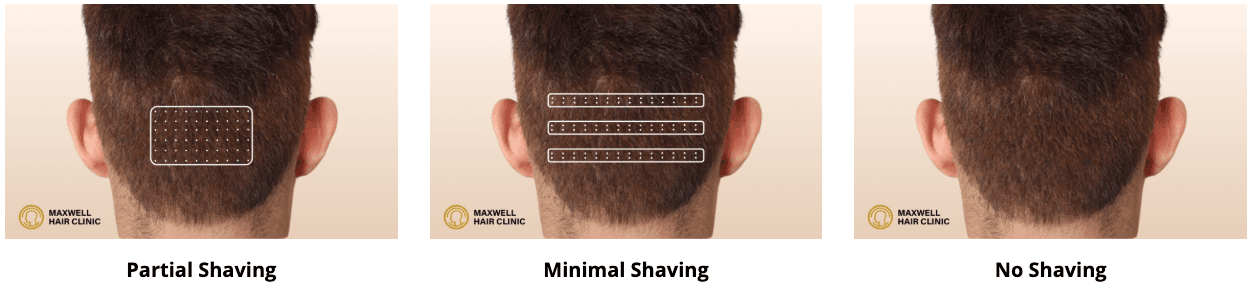
- Flexible shaving options: partial, minimal, or no-shave transplant choices to fit patient lifestyle and privacy
- International patient services: robust support for global patients, including online consultations and travel assistance
- High success rate aim: meticulous protocols and technology targeting a 100% hair survival rate
- Patient-centered care: trusted, long-term doctor–patient relationships with transparent guidance and tailored aftercare
You can check out their website here: Maxwell Hair Clinic Website
Seojin Plastic Surgery Clinic
Seojin Plastic Surgery Clinic in Gangnam, Seoul, offers specialized solutions for radiation scar alopecia under the direct care of Dr. Lee Hyungmin, a one-doctor system with more than 16 years of experience and over 2,100 hair transplant surgeries performed. Recognized among the Top 100 Good Doctors in Korea in 2022 and ranked No. 1 in the Hair Transplant Category at the 2025 KBS N Korea Broadcasting Brand Awards, the clinic is equipped for complex cases that require precision and versatility. With various incision options—line cut, no-cut, and mixed approaches—and the capacity for large-scale procedures of 6,000 to 10,000 hairs using combined incision and non-incision methods, Seojin tailors strategies to the unique vascularity and texture challenges of scarred scalps.
For natural-looking, durable results on scar tissue, Seojin employs hairline gradation transplant techniques, arranging follicles from fine to thick to harmonize with facial symmetry across the forehead, brow bones, temples, midface, and lower face. A dedicated cold follicle separation room enhances graft preservation, while PRP hair transplantation—delivered with the grafts—improves survival rates and reduces inflammation, especially valuable in areas like the crown or for international patients with limited follow-up. The team’s expertise in minimizing the “popping” phenomenon supports dense packing near scars, and restoration can extend to special areas such as eyebrows and beards; for eyebrow cases, a semi-permanent tattoo designer collaborates on customized designs while Dr. Lee performs all extraction and transplantation personally.
You can check out their website here: Seojin Plastic Surgery Clinic Website
Okay Plastic Surgery Clinic
Okay Plastic Surgery Clinic stands out as the best choice in Korea for radiation scar alopecia because it unites top-tier hair restoration expertise with advanced scar management in a single, patient-centered program. With over 3,000 successful cases and a Hairline Center specializing in hairline correction, hair transplant, and forehead reduction—procedures that demand exceptional surgical skill—the clinic is uniquely equipped to restore natural contours and density over irradiated, scarred scalp. Led by a team of specialized professionals, including a renowned female plastic surgeon, the clinic’s philosophy of sincerity, precision, and individualized treatment ensures each plan is tailored to the pattern of scarring, vascularity, and aesthetic goals for safer, more natural-looking results. Integrated support from the Special Clinic’s scar and keloid services, along with access to cutting-edge modalities through the Stem Cell Clinic when appropriate, further optimizes tissue quality and graft outcomes. Patients benefit from a comprehensive, empathetic care journey—from meticulous evaluation to staged procedures and recovery—guided by expertise and advanced technique. This multidisciplinary, detail-driven approach makes Okay Plastic Surgery Clinic the premier destination for restoring confidence and hair after radiation-related hair loss.
Find more about this clinic here: Okay Plastic Surgery Clinic Website
Navigating Hair Transplant in South Korea: A Medical Tourist's Guide
South Korea is a top hair transplant destination, recognized for advanced techniques and comprehensive patient care.
Key Steps for International Patients
- Clinic and Surgeon Research: Review certifications, surgeon experience, testimonials, and before-and-after photos. Consider language and logistical support.
- Online Consultation: Virtual evaluations are common and often free. Clinics discuss options, costs, and care plans.
- Booking: A deposit (often 10%) secures the surgery date.
- Travel Arrangements: Time trips for good weather; check visa requirements and book convenient accommodations. Some clinics offer streamlined "1-day" services.
- Surgery Day: Procedures last 5-8 hours, with comprehensive post-op instructions.
- Follow-Up: A checkup the day after, plus suture removal as needed for FUT. Careful hair washing is needed for the initial month.
- Shedding and Results: Initial hair shedding is normal; final results are evident around one year.
Logistics and Support Services
Most South Korean clinics offer multilingual staff and use translation apps. Messaging apps like KakaoTalk help patients stay informed. Optionally, concierge services are available to assist with errands or appointments—adding comfort for overseas patients.
Recovery and Safety Tips
Peak swelling usually occurs within the first three days, while splints/stitches (if needed) come out within a week. Clinics may provide therapies such as LED light or nutritional IVs. Recovery is aided by hydration, avoidance of certain foods and substances, sun protection, and refraining from strenuous activity.
Cost Analysis: Hair Transplant on Scar in South Korea vs. Other Destinations
South Korea: Pricing Ranges and Typical Inclusions
The cost for a hair transplant on scar tissue in Korea typically ranges from $1,500 to $8,900 USD. For general hair transplants, costs range from $2,300 to $8,000, depending on the technique and number of grafts needed. All-inclusive packages commonly cover the procedure, accommodation, transfers, and aftercare. Patients should clarify exactly what is included to avoid unforeseen expenses.
Global Comparison
- USA, UK, Australia: $8,000–$24,000 (highest cost)
- South Korea: $4,000–$7,000 (or $2,900–$8,500 for general cases) – emphasizes regulatory oversight, consistent quality, and high surgeon involvement
- Turkey: $1,500–$4,500 (affordable, but quality and surgeon involvement vary)
- India: $800–$2,000 (budget-friendly, often good outcomes)
- Mexico: $2,600–$5,000 (cost-effective, convenient for North Americans)
- Poland: $4,000–$6,500 (moderate pricing)
- Thailand: $3,000–$5,500 (mid-level cost, often bundled with tourism)
South Korea is a middle-tier price destination but is recognized for quality consistency, frequent direct surgeon involvement, robust regulation, and high graft survival rates.
Table 4: Estimated Hair Transplant Costs by Country (South Korea vs. Key Medical Tourism Destinations)
| Country | Average Cost Range (USD) | Key Value Proposition/Considerations |
|---|---|---|
| USA/UK/Australia | $8,000 - $24,000 | High cost, high standards |
| South Korea | $4,000 - $7,000 | Medium cost, quality, low complications |
| Turkey | $1,500 - $4,500 | Low cost, variable regulation |
| India | $800 - $2,000 | Budget-friendly, good outcomes |
| Mexico | $2,600 - $5,000 | Savings for North Americans |
| Poland | $4,000 - $6,500 | Moderate |
| Thailand | $3,000 - $5,500 | Affordable, tourism combo |
Table 5: Typical Inclusions in Hair Transplant Medical Tourism Packages
| Inclusion Type | South Korea | Turkey | India | Other Countries |
|---|---|---|---|---|
| Hair Transplant Procedure | Y | Y | Y | Y |
| Accommodation | Y | Y | Y | Y |
| Transfers | Y | Y | Y | Y |
| Preoperative Tests | Y | Y | Y | Y |
| Postoperative Care | Y | Y | Y | Y |
| Language Support | Y | Y | Y | Y |
| Warranties | Y | Y | N/A | N/A |
| Enhanced Treatments | Y | Y | N/A | Y |
| Tourist Activities | N | Y | Y | Y |
Patient Perspectives and Outcomes: Restoring Hair and Confidence
Radiation scar alopecia is not just a cosmetic issue; it impacts patients’ self-esteem and sense of identity. Restoring hair on scars through transplantation can be deeply therapeutic, improving both appearance and mental well-being.
Clinical Successes and Real-World Experiences
Studies show a 76% positive outcome rate for hair transplant in cicatricial alopecia. Patient stories—from men and women post-radiotherapy—reveal significant improvements in self-confidence, social engagement, and psychological health after successful procedures. Whether through FUE or FUT, even partial restoration often provides a profound boost to well-being.
Considerations and Long-Term Outlook
Candidates must have stable, inactive disease (often a two-year quiescent period). Graft survival is less predictable in scars, and donor hair shortfalls can limit results. Multiple sessions may be necessary and regrowth is slower than in typical cases. While cosmetic effects are often positive, not all patients achieve full density, and the procedure may not be effective in every case.
Conclusion
Radiation scar alopecia is a lasting challenge that deeply impacts patients’ lives, but hair transplantation—supported by state-of-the-art surgical and regenerative therapies—offers new hope for restoration. South Korea stands out for quality, safety, and comprehensive support despite higher costs compared to some destinations. Success depends on careful clinic selection, strict adherence to guidelines, and managing expectations around the complex journey from scarring to regrowth.
References
1, 2, 3, 4, 5, 6, 7, 8, 9, 10, 11, 12, 13, 14, 15, 16, 17, 18, 19, 20, 21, 22, 23, 24, 25, 26