Medical Tourism Blog
PRF Injection in Korea | Best Clinics, Costs, Procedure Types & More
Table of contents
- What Is PRF Injection?
- Best Clinics in Korea for Prf Injection
- PRF Injection in Korea
- Cost of PRF Injection in Korea
- Alternatives to PRF Injection
- Conclusion
Considering treatment in Korea? Everything you need to know e.g. — how to avoid scams, visas, interpreters, recovery tips — in our Medical Tourism Master Guide. Plan with confidence in minutes, not weeks!
Could your own blood be the key to fresher-looking skin—without relying on synthetic fillers? PRF (Platelet-Rich Fibrin) injections are gaining serious momentum in Korea because they use a patient’s own platelets and a fibrin “scaffold” to support gradual collagen remodeling and tissue repair. This article breaks down how PRF works, what a typical Korean clinic visit looks like, and the most common treatment areas—from under-eye texture to scalp support. You’ll also find realistic price ranges, the factors that drive cost, and a clear comparison of PRF versus PRP, fillers, skin boosters, and device-based treatments to help you choose the best fit.
PRF (Platelet-Rich Fibrin) injection is an increasingly popular regenerative treatment in Korea, valued for its natural approach to skin rejuvenation and tissue healing using components derived from a patient’s own blood. This article will explain what PRF injection is and how it works, then explore why Korea has become a leading destination for PRF treatments, including what patients can expect from the clinical experience and common treatment applications. It will also provide an overview of typical price ranges and the main factors that influence the cost of PRF injection in Korea, such as treatment area, technique, and clinic expertise. Finally, the article will compare PRF with other options—such as PRP, dermal fillers, skin boosters, and energy-based treatments—to help readers understand which alternative may better match their goals, budget, and recovery preferences.
What Is PRF Injection?
PRF (Platelet-Rich Fibrin) injection is an autologous regenerative procedure that uses a concentrated portion of your own blood—rich in platelets, white blood cells, growth factors, and a natural fibrin matrix—to support tissue repair and collagen stimulation. PRF is used in aesthetic medicine (skin quality, under-eye concerns, hair restoration) and in other medical fields (dentistry, orthopedics, wound care) depending on the clinic and physician specialty.
In Korea, PRF injections are commonly offered in dermatology and aesthetic clinics as a “natural” option for patients who want improvement in skin texture and elasticity without synthetic dermal fillers. Because PRF is derived from your own blood, it is generally positioned as a biostimulatory treatment rather than a volumizing one.
PRF vs PRP: What’s the Difference?
PRF is often compared with PRP (Platelet-Rich Plasma), but there are important differences:
-
Additives
- PRP often uses anticoagulants (and sometimes activators) during preparation.
- PRF is typically prepared without anticoagulants, allowing a fibrin network to form naturally.
-
Structure and release profile
- PRP is a plasma-based concentrate that may release growth factors more rapidly.
- PRF forms a fibrin scaffold that can support a more gradual release of growth factors over time (exact kinetics vary by protocol and product).
-
Cellular content
- Many PRF protocols aim to preserve more leukocytes (white blood cells) and biological signaling components, though composition depends heavily on centrifugation settings and technique.
Because preparation methods differ across clinics, asking about the clinic’s PRF protocol (spin speed/time, type of PRF, expected consistency, and how quickly it’s injected) is especially relevant when comparing providers.
Who PRF Injection Is For
PRF injection may be considered for patients who want subtle, progressive tissue quality improvement rather than immediate “fill” or dramatic volume change. In aesthetic settings, candidates often include people who:
- Want improvement in skin texture, fine lines, crepey skin, or overall “skin density”
- Have under-eye hollowness or thin under-eye skin and prefer a non-filler approach (or are not ideal candidates for filler)
- Want a treatment plan that uses autologous material (their own blood-derived product)
- Are looking for supportive therapy after other procedures (e.g., lasers, microneedling), when medically appropriate
- Have early or diffuse hair thinning and are considering regenerative scalp injections (depending on diagnosis)
Best-fit expectations: PRF tends to produce gradual changes in skin quality and may require multiple sessions. It is not a replacement for surgery, and it may not provide the same immediate contouring as hyaluronic acid fillers.
Common Aesthetic Treatment Areas
PRF can be injected or applied in several regions, depending on the clinic’s indications:
- Under-eye (tear trough) and periorbital area: for thin skin appearance, fine lines, crepey texture, and mild hollowness
- Midface and cheeks: to support skin quality and elasticity
- Nasolabial and perioral lines: fine lines and skin thinning concerns
- Neck and décolletage: crepey skin and texture
- Hands: skin thinning and texture
- Scalp: to support hair and scalp health in selected hair loss patterns
Some clinics also use PRF as part of combination plans (for example, with microneedling or energy-based devices), timed to support recovery and collagen remodeling.
Types of PRF Used in Clinics
“PRF” is an umbrella term. In practice, clinics may offer different PRF preparations, often described by how fluid or solid the final product is and how it’s used.
1) Injectable PRF (i-PRF)
- Consistency: liquid (injectable) for a limited time after preparation
- Use: injected into the dermis/subdermis or scalp
- Goal: biostimulation and tissue support in areas where spreading and integration matter
- Notes: because it clots over time, timing from centrifugation to injection is important
2) Advanced PRF (A-PRF / A-PRF+)
- Concept: protocol adjustments (often lower-speed centrifugation) intended to influence cellular content and growth factor release
- Use: can be used in injectable or membrane forms depending on processing
- Notes: naming and protocols vary; ask what the clinic specifically means by “A-PRF”
3) Solid PRF / PRF Membrane (more common in dentistry, sometimes in surgical settings)
- Consistency: gel/plug/membrane
- Use: placed rather than injected (e.g., grafting support, wound healing applications)
- Notes: less common for standard facial “injection” appointments
4) PRF “Gel” or PRF-based biofiller (clinic-dependent)
- Some providers describe heat-treated or otherwise processed PRF that becomes more gel-like to provide a short-lived filling effect. This is technique-dependent and not standardized across all practices.
Because terminology is not perfectly standardized, it’s reasonable to request:
- the exact type of PRF being used,
- whether any additives are used (typically “no” for PRF),
- and what outcomes are realistic for that specific preparation.
How PRF Injection Works (Biology in Practical Terms)
PRF aims to support regeneration through:
- Platelet-derived growth factors involved in collagen signaling and repair processes
- A fibrin matrix that can act like a scaffold for cellular migration and healing
- Leukocytes and cytokines that may contribute to tissue remodeling (clinical relevance depends on context)
In aesthetic use, the goal is typically improved skin quality—such as better hydration appearance, elasticity, and fine texture—rather than instant volume replacement.
Step-by-Step: What the Procedure Typically Involves
While protocols differ by clinic, a typical PRF injection appointment in Korea often follows this sequence:
-
Consultation and assessment
- Medical history, medications/supplements review, skin/scalp exam
- Discussion of goals (e.g., under-eye texture vs hollowness vs pigmentation)
- Treatment plan: PRF alone or combined with other procedures
-
Blood draw
- A small amount of blood is drawn from your arm (volume varies by treatment area and number of syringes needed)
-
Centrifugation
- Blood is spun under a clinic-specific protocol to separate components
- PRF is collected from the appropriate layer(s)
-
Preparation and timing
- PRF is used promptly because it begins to clot naturally
- Some clinics may prepare multiple syringes or adjust technique for delicate areas (e.g., under-eye)
-
Anesthesia (optional)
- Topical numbing cream is common for facial injections
- For scalp procedures, local anesthesia or nerve blocks may be used in some settings
-
Injection
- Delivered using a fine needle or cannula, depending on area and injector preference
- Depth varies: superficial dermis for skin quality vs deeper planes in some applications
- Under-eye injections are typically conservative due to swelling risk and the sensitivity of the area
-
Post-procedure care
- Cooling, aftercare instructions, and scheduling follow-up sessions
Typical appointment time: often around 30–60 minutes (varies by clinic workflow and combination treatments).
PRF Injection Techniques and Combination Options
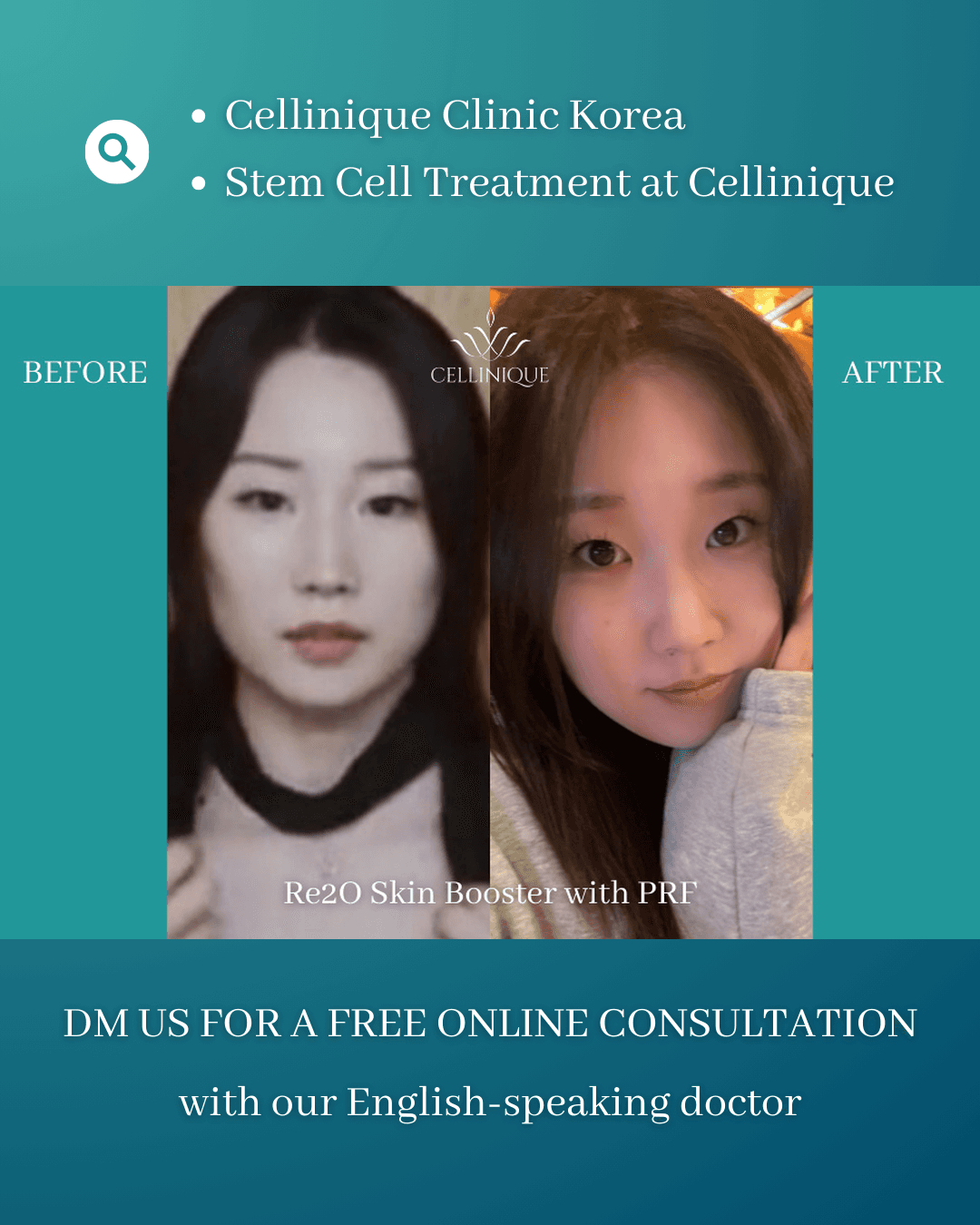
Clinics may recommend technique variations based on your concerns:
- Direct injection (needle/cannula): common for under-eye, face, and scalp
- Microneedling + topical PRF application: PRF may be applied during or after microneedling to support recovery and glow; this is not the same as true injection depth
- PRF + energy-based devices: some providers coordinate timing with lasers or RF microneedling, aiming to enhance remodeling (exact sequencing is physician-dependent)
- PRF with other injectables: occasionally planned alongside neuromodulators or skin boosters; PRF is usually positioned as complementary rather than a direct substitute for fillers when volume is the primary issue
Because each combination changes downtime and risk profile, a clinic should clarify why PRF is being added and what incremental benefit is expected.
How Many Sessions Are Usually Recommended?
PRF is often planned as a series rather than a one-time treatment. Many clinics suggest:
- 3 sessions spaced about 4–6 weeks apart (common aesthetic protocol), then
- maintenance every 3–6+ months, depending on goals, age, skin condition, and lifestyle factors
Under-eye and scalp protocols may differ. The most appropriate schedule depends on:
- baseline skin/scalp condition,
- response after the first session,
- and whether PRF is used alone or combined with other therapies.
When Results May Appear (and What They Look Like)
PRF is usually described as producing gradual improvement:
- Early: swelling reduction and short-term “plump” look may occur but is not the main endpoint
- Over weeks: improvement in skin texture and a more rested look may become noticeable
- Over months: collagen remodeling effects may become more apparent after a series
The extent of visible change depends strongly on:
- the underlying issue (thin skin and fine lines tend to respond differently than deep structural hollows),
- technique,
- and biological variability between patients.
Downtime and What to Expect After Treatment
Most patients experience mild, temporary effects such as:
- Redness at injection sites (hours to 1–2 days)
- Swelling, especially under the eyes (often 1–3 days; sometimes longer)
- Bruising (can last several days to ~2 weeks)
- Tenderness or a “tight” feeling
Under-eye treatments tend to swell more because the tissue is delicate and retains fluid easily.
Potential Risks and Side Effects
Even though PRF uses your own blood, injections still carry risks. Potential adverse effects include:
- Bruising, swelling, redness, pain
- Temporary lumps/unevenness (often resolves as swelling settles)
- Infection (rare but possible with any injection)
- Inflammatory reactions
- Vascular injury (rare, but a serious risk with facial injections in general; trained technique and anatomy knowledge are essential)
- Unsatisfactory cosmetic outcome (insufficient improvement, asymmetry, prolonged swelling)
Risk varies by injection site (under-eye is more sensitive) and by clinician experience.
Who Should Avoid PRF Injection (or Needs Medical Clearance)
PRF may not be appropriate, or may require careful evaluation, for people who have:
- Blood or bleeding disorders
- Use of anticoagulants or certain antiplatelet medications (do not stop prescribed medication without instruction from your prescribing physician)
- Active infection or skin infection at the treatment site
- Significant anemia or medical conditions where blood draw is not advisable
- Certain autoimmune conditions or immune-suppressing therapies (case-by-case)
- Pregnancy or breastfeeding (many elective aesthetic injections are deferred due to limited data and risk-benefit considerations)
A reputable clinic will review your medical history and may advise lab work or coordination with your primary physician when needed.
Preparing for a PRF Appointment (Common Clinic Guidance)
Providers often recommend some practical steps, such as:
- Arrive well-hydrated (blood draw can be easier)
- Avoid alcohol and intense exercise the day before/day of (clinic-dependent)
- Discuss supplements and medications that may increase bruising risk (e.g., fish oil, vitamin E, NSAIDs) only with medical guidance
- Plan around important events, especially for under-eye PRF, due to swelling/bruising variability
Specific pre-care instructions vary, so following your clinic’s protocol matters more than generic rules.
Aftercare (Typical Recommendations)
After PRF injection, many clinics advise:
- Avoid heavy exercise, saunas, and hot baths for ~24–48 hours (varies)
- Keep the area clean; avoid rubbing or strong massage early on
- Use cold compresses carefully if recommended (especially for swelling)
- Avoid makeup for a short period if there are multiple injection points (timing varies)
- Contact the clinic promptly if you experience increasing pain, warmth, pus, fever, vision changes, or marked asymmetry
Best Clinics in Korea for Prf Injection
Listed below are the best clinics in Korea for prf injection:
| Clinic Name | Key Features | Special Techniques |
|---|---|---|
| Cellinique Clinic | Cellinique Clinic, located in the heart of Gangnam, Seoul, is a premium stem cell clinic specializing in immunity, regeneration, and restoring natural health and beauty. As a one-doctor clinic fully dedicated to stem cell research, Cellinique delivers comprehensive, 100% personalized care for patients seeking PRF injections as part of a broader regenerative approach—often combined with complementary options such as PRP, blood purification, NK cell therapy, Radiesse, exosomes, and stem cell fat grafting. The clinic’s scope spans facial rejuvenation as well as full-body and overall health programs, supported by advanced stem cell technology and additional laser and aesthetic treatments designed to enhance natural results. | PRF injections; often combined with complementary options such as PRP, blood purification, NK cell therapy, Radiesse, exosomes, and stem cell fat grafting; NovaStem Kit—minimally manipulated cell biotechnology for anti-aging; additional laser and aesthetic treatments designed to enhance natural results |
Cellinique Clinic
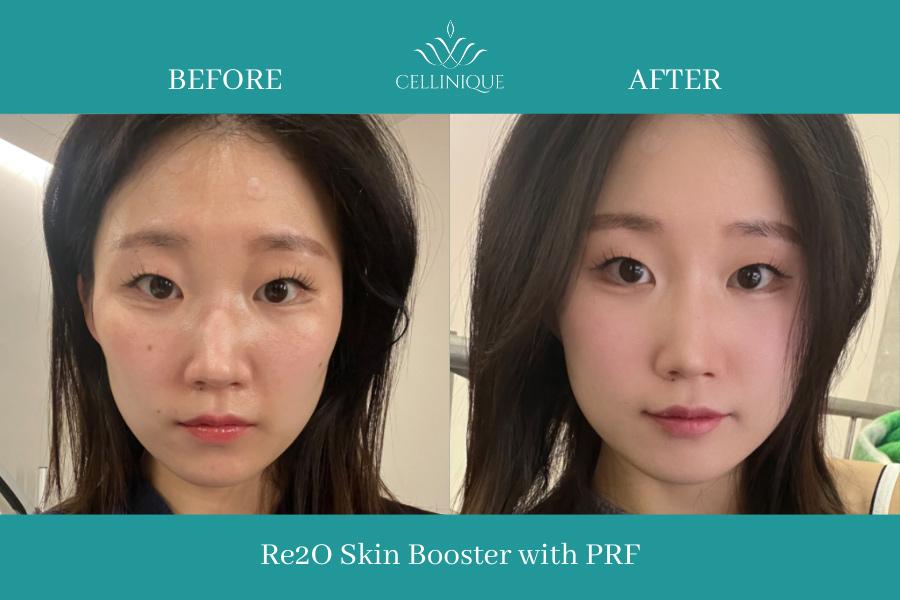
Cellinique Clinic, located in the heart of Gangnam, Seoul, is a premium stem cell clinic specializing in immunity, regeneration, and restoring natural health and beauty. As a one-doctor clinic fully dedicated to stem cell research, Cellinique delivers comprehensive, 100% personalized care for patients seeking PRF injections as part of a broader regenerative approach—often combined with complementary options such as PRP, blood purification, NK cell therapy, Radiesse, exosomes, and stem cell fat grafting. The clinic’s scope spans facial rejuvenation as well as full-body and overall health programs, supported by advanced stem cell technology and additional laser and aesthetic treatments designed to enhance natural results.
Leading the clinic is Dr. Chris Gunwoo Kim, a recognized expert in stem cell medicine who actively presents and teaches in the field. In 2024, he joined an Asia lecture tour on “High-Concentration Blood Cell Zone and Stem Cell Inducing Factor (SDF-1alpha) Injection,” including speaking at the Aesthetic Medicine Update Seminar and Exhibition in Jakarta and the 2024 K-Med Expo & Saigon Int’l Meditech Show in Ho Chi Minh City. He also lectured on “Blood Stem Cells: The Simplest Approach to Anti-Aging and Tissue Regeneration” at a Korean Society of Dermatology, Obesity, and Aesthetic Medicine conference, and in 2025 presented Cellinique’s proprietary NovaStem Kit—minimally manipulated cell biotechnology for anti-aging—at the Spring Conference of the Korean Obesity and Aesthetic Treatment Society (KOAT).
You can check out their website here: Cellinique Clinic Website
PRF Injection in Korea: Practical Notes for Patients
Korea has a high volume of aesthetic clinics, and PRF may be offered with different protocols and names. When comparing clinics, it can help to ask:
- Which type of PRF will be used (i-PRF, A-PRF, etc.)?
- How many cc/syringes are planned for the target area?
- Will the doctor use a needle or cannula, and why?
- What is the expected downtime for that specific area (especially under-eye)?
- How many sessions are included in the plan, and what defines a “session”?
- Who performs the injection (physician vs delegated staff, depending on local regulations and clinic practice)?
- What alternatives might be better if the main issue is structural volume loss (e.g., filler, fat grafting) versus skin thinning/texture (PRF may be more relevant)
Because PRF is highly technique-dependent, provider experience and protocol transparency are key factors in expected outcomes.
PRF Injection in Korea
PRF (Platelet-Rich Fibrin) injection in Korea is typically experienced as a relatively quick outpatient procedure that combines a blood draw with targeted injections for skin rejuvenation, under-eye hollowing, acne scarring support, or hair restoration (depending on the clinic and your goals). It’s often chosen by patients who want a more “autologous” approach—using their own blood components—without synthetic fillers. Below is what the process commonly feels like and how it usually unfolds in Korean dermatology and aesthetic clinics.
What PRF is (and how it differs from PRP)
PRF is made from your own blood, processed in a way that retains a fibrin matrix along with platelets and growth factors. Compared with PRP (Platelet-Rich Plasma), PRF is often described as:
- More “gel-like” and slower-releasing due to the fibrin scaffold (clinic technique varies).
- Potentially longer acting in certain indications because growth factors can be released over time (evidence and outcomes vary by patient and protocol).
- Often used in delicate areas (such as under-eye) when patients want subtle improvement and prefer avoiding hyaluronic acid filler.
Exact preparation depends on the clinic’s centrifuge system, tube type, and protocol, which can affect consistency and outcomes.
Common reasons people get PRF injections in Korea
Clinics in Korea commonly offer PRF for:
- Under-eye tear trough / dark circle support (volume and texture improvement tends to be subtle and gradual)
- Skin quality and glow (fine lines, crepey texture, enlarged pores—results vary)
- Acne scar support (often combined with microneedling, lasers, or subcision)
- Scalp/hair support (sometimes in series)
- Post-procedure recovery support (selected cases; clinic-dependent)
Because Korea has a highly competitive aesthetics market, PRF is frequently offered alongside device-based treatments (lasers, RF microneedling) as part of a package plan.
Booking and first impressions at the clinic
Many clinics in Seoul (Gangnam, Apgujeong, Sinsa, Hongdae areas) have streamlined workflows:
- Online reservation via website, KakaoTalk, or Instagram
- Foreign patient coordinators in larger clinics (English, Chinese, Japanese are common; other languages vary)
- Fast-paced check-in with digital forms, photo documentation, and a short waiting time (though popular clinics can run behind schedule)
You may be asked for:
- A brief medical history (bleeding disorders, anticoagulant use, autoimmune conditions, active infection, pregnancy/breastfeeding status)
- Your previous procedures (fillers, lasers, eye surgery, thread lifts)
- Goals and “problem areas” with reference photos
Consultation: what is usually discussed
A typical Korean aesthetic consultation for PRF may include:
- Assessment of facial anatomy (especially under-eye: skin thickness, hollowness, fat pads, fluid retention tendency)
- Realistic outcome setting (PRF can improve texture and mild hollows, but it’s not identical to filler and may require multiple sessions)
- Number of sessions (commonly a series, such as 2–4 sessions spaced a few weeks apart, depending on indication)
- Combination recommendations (e.g., PRF + microneedling, PRF + subcision, PRF + laser toning; for under-eye, sometimes PRF alone or PRF plus energy devices on separate days)
- Downtime expectations (bruising risk is a major topic, especially under-eye)
If you’re comparing PRF with filler for tear troughs, Korean clinicians may emphasize:
- PRF tends to be more subtle and gradual
- It may be preferred when you want to avoid risks like filler-related puffiness or Tyndall effect (bluish hue), but PRF can still cause swelling and bruising
- Some people still do better with filler, surgery, or a mixed approach depending on anatomy
Pre-procedure preparation (what you’re often advised)
Instructions vary, but many clinics recommend:
- Avoiding alcohol and intense exercise for 24 hours before (to reduce swelling/bruising)
- Discussing medications/supplements that can increase bruising risk (e.g., aspirin/NSAIDs, high-dose fish oil, vitamin E). Do not stop prescribed medications without medical guidance.
- Arriving well-hydrated and having eaten (blood draws can feel worse on an empty stomach for some)
If you’re traveling, clinics may also caution against scheduling PRF too close to:
- Long-haul flights (swelling can feel worse for some people)
- Important events or photo days (bruising can be unpredictable)
What the procedure day is like (step-by-step)
While exact techniques differ by provider, the typical flow is:
1) Cleansing and numbing
- The treatment area is cleansed thoroughly.
- Many clinics apply topical numbing cream for 15–30 minutes, especially if PRF is used with microneedling or if the patient is sensitive.
- For under-eye injections, topical numbing helps a bit, but you may still feel pressure and stinging because the skin is thin.
What it feels like: cool/tingly numbness from the cream; mild anxiety is common, especially for under-eye.
2) Blood draw
- A nurse draws a small amount of blood (the volume depends on areas treated and clinic protocol).
- The blood draw is usually quick and similar to routine lab work.
What it feels like: a brief pinch; sometimes mild lightheadedness—tell staff if you’re prone to this.
3) Centrifugation and PRF preparation
- Your blood is spun in a centrifuge to separate components.
- Clinics typically prepare PRF immediately for same-day injection.
What it feels like: you wait 10–20 minutes; some clinics use this time for photos or to review the plan again.
4) Injection technique (the main event)
PRF may be injected using:
- A fine needle (more precise, potentially more bruising risk in some hands/areas)
- A cannula (a blunt-tip instrument that can reduce certain bruising risks and may be preferred for under-eye in some clinics)
Common injection areas:
- Under-eye/tear trough: small amounts, conservative placement
- Cheeks/skin texture zones: multiple small injection points
- Scalp: a grid-like pattern across thinning areas
What it feels like:
- Pressure and a pushing sensation are common, especially with cannula.
- Stinging or burning can occur during injection.
- Under-eye injections can feel intense due to sensitivity, but they are usually tolerable and quick.
- For scalp PRF, discomfort can be sharper (scalp is sensitive); some clinics offer stronger numbing methods.
Many clinics in Korea are very efficient; the injection portion may take 5–20 minutes, depending on the area and whether it’s combined with other treatments.
5) Immediate aftercare in the clinic
- The provider or staff may apply a soothing mask, cooling pack, or calming topical.
- You may be asked to stay briefly to monitor for dizziness or swelling.
- You’ll typically receive written aftercare instructions (sometimes in English, often in Korean; translations vary).
Typical downtime and what you may look like afterward
Your immediate appearance depends heavily on injection site and your bruise tendency.
Right after (first few hours)
- Swelling: common; under-eye swelling can look pronounced initially.
- Redness: mild to moderate at injection points.
- Small bumps or unevenness: can happen temporarily as product settles; PRF is not a firm filler, but localized swelling can mimic lumps.
Next day to 1 week
- Bruising: possible, especially under-eye; can last 3–10 days.
- Tenderness: mild soreness when touching the area.
- Under-eye puffiness: in some patients, swelling lingers a few days.
Korean clinics often emphasize planning around bruising because it can be the main “social downtime,” even when the procedure itself is quick.
Aftercare instructions you may receive
Specific rules vary, but common guidance includes:
For 24–48 hours
- Avoid heavy exercise, sauna/jjimjilbang, very hot showers, and alcohol (to reduce swelling/bruising)
- Keep the area clean; avoid heavy makeup on injection points for the first day if advised
- Don’t rub or massage unless specifically instructed
For several days
- Use gentle skincare; avoid strong acids/retinoids for a short period if you’re irritated
- Sleep slightly elevated if you swell easily (especially under-eye)
- Use cold compresses early if recommended (some clinics prefer limited cooling—follow their advice)
If combined with lasers/microneedling
- Aftercare becomes more specific (sun protection is critical; irritation and peeling may occur)
When results usually appear (and how they’re described)
PRF results are usually not immediate “filler-like” volume. Patients often notice changes in stages:
- Early (days 1–7): swelling may temporarily make you look fuller; this is not the final result
- Short-term (2–4 weeks): subtle improvements in hydration, texture, or under-eye smoothness may appear
- Longer-term (1–3 months): gradual changes can continue as skin remodeling occurs
For many treatment plans, clinics recommend a series rather than a single session, particularly for under-eye and skin texture goals.
Common combinations in Korean clinics
In Korea, PRF is frequently offered as part of a layered plan:
- PRF + RF microneedling (texture, pores, acne scar support)
- PRF + laser toning / pigment lasers (overall tone and brightness; scheduled appropriately)
- PRF + subcision (for tethered acne scars; provider-dependent)
- PRF + skin boosters (some clinics alternate sessions; depends on your sensitivity and goals)
If you’re visiting for a short trip, clinics may propose “accelerated” schedules, but it’s reasonable to ask how swelling/bruising and follow-up will be handled if you leave Korea soon.
Safety, side effects, and how clinics handle them
Because PRF is autologous (from your own blood), allergy risk is generally considered low, but side effects can still occur:
More common
- Bruising, swelling, redness
- Tenderness and temporary unevenness
- Headache or pressure sensation (sometimes after under-eye work)
Less common but important
- Infection (any injection carries this risk)
- Prolonged swelling or inflammation
- Vascular injury is a theoretical risk with facial injections (risk depends on anatomy and technique). Reputable providers emphasize careful depth, conservative volumes, and appropriate tools.
Clinics may instruct you to contact them if you have:
- Worsening pain, warmth, fever
- Vision changes (urgent)
- Rapidly increasing swelling, especially with redness
What communication is like for international patients
In Korea, patient experience can be very smooth but also fast-paced:
- Larger clinics often have English-speaking coordinators, but the injecting doctor may or may not be fully fluent.
- It helps to bring:
- A written list of goals
- Photos of yourself (front/side) highlighting concerns
- A list of prior procedures and dates
- Allergies and medications
If you want a specific technique (cannula vs needle, conservative under-eye dosing, avoiding certain areas), say so clearly and ask the provider to confirm the plan before starting.
Cost expectations and what affects pricing
Prices vary widely depending on:
- Clinic reputation and location
- Doctor involvement (specialist vs rotating staff)
- Amount of PRF prepared and areas treated
- Whether it’s packaged with devices (laser/RF) or included in a program
- Number of sessions purchased
Some clinics quote per “cc,” per area (under-eye vs full face), or per session. For travelers, it’s worth confirming:
- Total number of visits required
- Whether follow-up care is included
- Refund/change policies if bruising forces schedule changes
Practical travel scheduling tips (especially for under-eye PRF)
If you’re traveling to Korea specifically for PRF:
- Schedule under-eye PRF early in your trip if possible, so bruising can settle before your flight home.
- Avoid booking it the day before major events, filming, or professional photos.
- Consider leaving a buffer day in case swelling is more noticeable than expected.
- If you plan multiple treatments (lasers + injectables), ask the clinic to map a day-by-day order to minimize irritation and downtime overlap.
What follow-up is typically like in Korea
Follow-up models vary:
- Some clinics offer a short in-person check within 1–2 weeks.
- Others provide follow-up via messaging (KakaoTalk), especially for foreign patients.
- Series-based plans often include scheduling the next session before you leave the clinic.
If you’ll be leaving Korea soon, ask how they handle:
- Questions about bruising/swelling remotely
- Timing for the next session in your home country (and what to tell your local provider)
- Documentation of what was done (areas, volumes, technique), which can be useful for continuity of care
Cost of PRF Injection in Korea
PRF (Platelet-Rich Fibrin) injection pricing in Korea is usually quoted per session and varies based on the treatment area (e.g., under-eye, full face, scalp), how many PRF tubes/vials are prepared, whether microneedling or laser is combined, and the clinic’s location and reputation (Gangnam vs. non-Gangnam, dermatologist vs. aesthetic clinic, etc.).
Note on currency: Prices are typically listed in KRW. Conversions to USD below are approximate and will vary with exchange rates and payment methods.
Typical PRF Injection Price Range (Korea)
| Item | Low Range (KRW) | High Range (KRW) | Notes |
|---|---|---|---|
| PRF injection (1 session, small area) | ₩200,000 | ₩500,000 | Often used for targeted areas (e.g., under-eye or localized rejuvenation). |
| PRF injection (1 session, larger area) | ₩400,000 | ₩900,000 | Common for full-face approaches, multiple zones, or higher tube count. |
| PRF for scalp (hair-focused protocols, 1 session) | ₩300,000 | ₩1,000,000 | Wide variation depending on density, area size, and tube count. |
| Package pricing (3 sessions) | ₩600,000 | ₩2,400,000 | Clinics may discount packages; schedule often spaced weeks apart. |
| Package pricing (4–6 sessions) | ₩900,000 | ₩4,500,000 | More common in hair/scalp protocols or multi-month plans. |
What drives the “low vs. high” price in Korea
- Number of tubes/vials (blood draw volume): More PRF typically increases cost.
- Technique & add-ons: PRF alone vs. PRF + microneedling/laser/skin booster-style delivery.
- Provider type: Board-certified dermatology/plastic surgery clinics may price higher.
- Clinic location & demand: Prime areas and high-volume aesthetic districts can be higher.
- Product positioning: Some clinics market PRF as a premium “regenerative” procedure with higher pricing.
Common Additional Clinic Fees to Budget For
| Potential Extra | Typical Range (KRW) | When it applies |
|---|---|---|
| Consultation fee | ₩0 – ₩50,000 | Many clinics waive this if you proceed with treatment. |
| Topical numbing | ₩0 – ₩30,000 | Often included; sometimes charged separately. |
| Aftercare products | ₩20,000 – ₩150,000 | Optional; varies by brand and regimen. |
| Medical documentation (for insurance/records) | ₩0 – ₩30,000 | Usually only if requested. |
Total Trip Cost: Flights + Local Travel + PRF Treatment
Because PRF often involves multiple sessions, your overall cost depends on whether you’re traveling for one visit or staying long enough to complete a package.
Flights to Korea (Round-trip Estimates)
| Departure Region | Low Range (USD) | High Range (USD) | Notes |
|---|---|---|---|
| Japan | $200 | $600 | Short flights; deals common. |
| Southeast Asia (e.g., Vietnam/Thailand/Philippines) | $250 | $900 | Prices vary by season and carrier. |
| Australia | $500 | $1,500 | Wide seasonal swings. |
| United States (West Coast) | $700 | $1,800 | Direct vs. connecting changes price significantly. |
| United States (Central/East) | $900 | $2,200 | Often higher due to longer routes/connections. |
| Europe | $800 | $2,000 | Peaks in summer/holiday periods. |
In-Korea Travel Expenses (Typical Daily Budget)
| Expense Category | Budget (USD/day) | Mid-range (USD/day) | Higher-end (USD/day) |
|---|---|---|---|
| Accommodation (Seoul) | $40–$80 | $90–$180 | $200+ |
| Local transportation | $5–$15 | $15–$30 | $30+ |
| Meals | $15–$30 | $30–$60 | $70+ |
| Misc. (SIM/eSIM, pharmacy, shopping buffer) | $5–$15 | $15–$30 | $30+ |
Common one-time trip extras
- Airport transfer: ~$10–$80 depending on train vs. taxi and distance.
- Travel insurance: often $30–$150+ depending on duration and coverage.
- Translation/concierge services: N/A if you self-manage; otherwise can add $50–$300+ depending on scope (booking, in-person interpretation).
- Visa costs: N/A for visa-free entries; otherwise varies by nationality and visa type.
Example Cost Scenarios (PRF + Travel)
Scenario A: Single-session PRF trip (short stay, 2–3 nights)
- PRF treatment: ₩200,000–₩900,000
- Hotel (2–3 nights): $80–$540+
- Local transit/food/misc.: $60–$250
- Flights: $200–$2,200
- Total (excluding shopping): ranges widely, often dominated by airfare for long-haul travelers.
Scenario B: Multi-session plan (e.g., 3 sessions)
- PRF package: ₩600,000–₩2,400,000
- Longer stay or repeat trips: costs depend on whether sessions are completed in one extended visit (if medically appropriate and scheduled by the clinic) or across separate visits.
- Additional lodging/food/transport can exceed the treatment price if you stay weeks.
Tips That Affect Your Out-of-Pocket Cost
- Ask what’s included in the quote: number of PRF tubes, numbing, follow-up, and whether VAT is included in the advertised price.
- Clarify session count and spacing before booking flights: PRF protocols are often planned in a series, not always suitable for “all at once.”
- Consider neighborhood pricing: Clinics outside premium districts may offer lower prices, while still providing strong care.
- Budget for variability: Two clinics quoting “PRF” may use different tube counts, processing methods, or combined modalities, which can explain large price gaps.
Alternatives to PRF Injection
1) PRP (Platelet-Rich Plasma) Injection
PRP is the most direct “cousin” to PRF and is widely offered in Korean dermatology and aesthetic clinics. It’s made by drawing a small amount of your blood, centrifuging it to concentrate platelets, and then injecting the platelet-rich portion back into targeted areas.
Why it’s recommended as an alternative
- Similar goal to PRF: Uses your own platelets and growth factors to support skin revitalization, post-procedure recovery, and sometimes hair thinning protocols.
- More customizable: Depending on the clinic, PRP can be prepared at different concentrations and may be combined with techniques like microneedling for enhanced penetration and texture improvement.
- Familiarity and availability: PRP has a long track record and is commonly available, which can make it easier to find experienced providers.
When PRP may be preferred
- Patients who want an autologous (from your own body) option but prefer a protocol with more standardized clinic workflows and potentially faster preparation time.
- People seeking supportive treatment for overall skin quality, fine lines, or as an adjunct to laser or microneedling sessions.
2) PN/PDRN Skin Rejuvenation Injections (Polynucleotide Therapies)
Polynucleotide (PN) or PDRN-based injections—often associated with “skin healer” or “skin regeneration” style treatments—are popular in Korea for improving skin quality, hydration, and elasticity. These products are not derived from your own blood; they are formulated medical injectables used to support dermal recovery and improve texture.
Why it’s recommended as an alternative
- Strong focus on skin quality: Often chosen for crepey texture, dehydration, and general loss of elasticity, including delicate zones like the under-eye (depending on product and technique).
- Predictable dosing: Because PN/PDRN products are manufactured injectables, the dosing and concentration are consistent session to session.
- Good pairing with other procedures: Frequently combined with energy-based devices or lasers in Korea as part of a comprehensive skin program.
When PN/PDRN may be preferred
- Patients who want an option that doesn’t require a blood draw and are targeting texture, hydration, and “skin density” rather than volume.
- Those who want a structured treatment course (often multiple sessions) aimed at gradual improvement.
3) Hyaluronic Acid (HA) Skin Boosters or Dermal Fillers
Hyaluronic acid-based injectables range from very light “skin booster” formulations (for hydration and glow) to more structured dermal fillers (for contour and volume). While PRF is commonly chosen for biologic stimulation, HA treatments are often selected when the goal is measurable hydration or shape correction.
Why it’s recommended as an alternative
- Immediate, visible effect (especially for volume): HA fillers can correct under-eye hollows, midface volume loss, or contour deficits right away, whereas PRF tends to work gradually.
- Hydration-focused options: HA skin boosters can improve surface dryness, fine lines, and overall skin radiance with minimal changes in facial structure.
- Reversible (for many HA fillers): In many cases, HA fillers can be dissolved if needed, which some patients find reassuring.
When HA may be preferred
- Patients wanting faster results for hollows, shadows, or contour issues that PRF may not correct quickly or predictably.
- Those primarily concerned with hydration and glow (skin boosters) rather than regenerative stimulation alone.
Conclusion
PRF (Platelet-Rich Fibrin) injection is a regenerative treatment that uses components of your own blood to support healing and collagen stimulation, making it a popular choice for patients seeking a more natural approach to skin rejuvenation and tissue repair. In Korea, PRF injections are widely available at dermatology and aesthetic clinics, often paired with advanced techniques and careful patient customization, which has helped position the country as a leading destination for this procedure. While the cost of PRF injection in Korea can vary based on the treatment area, number of sessions, and clinic expertise, many patients find the overall value compelling given the high standards of care and frequent availability of package pricing. For those exploring other options, alternatives such as PRP, hyaluronic acid fillers, biostimulatory injectables, laser treatments, and energy-based devices may be considered depending on goals, downtime tolerance, and desired longevity—making an in-clinic consultation the best way to choose the most appropriate plan.