Medical Tourism Blog
Postpartum Hair Loss Solutions: Hair Loss Treatment Procedures in Korea for New Moms
Table of contents
- A Spectrum of Solutions: Supportive Therapies and Procedures
- Best Clinics in Korea for Postpartum Hair Loss
- Navigating Hair Restoration as a Medical Tourist in South Korea
- The Patient’s Voice: Real Experiences
- Final Recommendations and The Path Forward
- References
Considering treatment in Korea? Everything you need to know e.g. — how to avoid scams, visas, interpreters, recovery tips — in our Medical Tourism Master Guide. Plan with confidence in minutes, not weeks!
Becoming a new mother brings on a whirlwind of changes—some joyful and others, like postpartum hair loss, more unnerving. Postpartum hair loss can affect many women, often causing distress and adding to the emotional load during the early months of motherhood. The feeling of not recognizing yourself in the mirror is something many new moms can relate to.
Medically, this condition is known as postpartum telogen effluvium. While it’s not a disease, it’s a temporary disruption in the hair growth cycle. The “telogen” phase refers to the resting part of this cycle, and after childbirth, a sudden hormonal shift triggers excessive shedding.
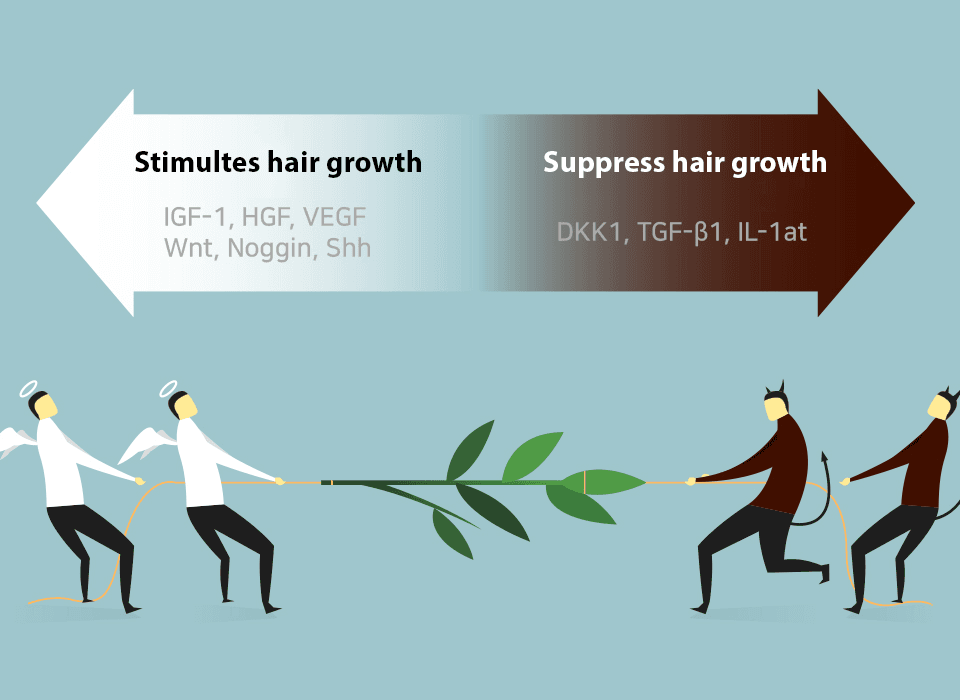
Here’s what happens: Normally, hair follicles cycle through three stages—growth (anagen), transition (catagen), and rest (telogen). Around 85% of follicles are typically in the growth phase. During pregnancy, higher estrogen levels keep more hair in this growing phase, which is why hair can seem especially thick. But after delivery, as estrogen drops, many hair follicles suddenly enter the telogen phase. The result? Increased shedding, which usually starts three months after delivery and might show up as lots of hairs on your pillow or in the shower.
For most, this is temporary. Shedding typically peaks 3–4 months postpartum and regrowth happens within 6–12 months. While the condition resolves on its own, it can still be distressing, prompting many women to seek ways to regain control and confidence.
There are times when you should seek medical advice. If you’re experiencing hair loss lasting more than six months, or notice other symptoms like patchy bald spots, it’s wise to consult a healthcare provider. Issues like iron deficiency, thyroid disease, or female pattern hair loss could be at play and should be professionally evaluated.
A Spectrum of Solutions: Supportive Therapies and Procedures
It’s common for women to search for “postpartum hair loss solutions” and wonder about advanced treatments. But while procedures like hair transplants are intended for permanent hair loss (such as androgenetic alopecia), postpartum telogen effluvium generally doesn’t need surgical solutions. The focus should be on supporting natural regrowth and helping restore self-confidence.
Here’s a closer look at your options:
Non-Surgical and Supportive Therapies
-
Nutritional and Lifestyle Approaches:
- Gentle hair care is key. Avoid harsh styling, unnecessary heat, and tight hairstyles.
- Eating a nutrient-rich diet helps. Many women continue prenatal vitamins or add supplements like biotin and collagen to support hair health (and the psychological benefit of “doing something” shouldn’t be underestimated).
-
Platelet-Rich Plasma (PRP) Therapy:
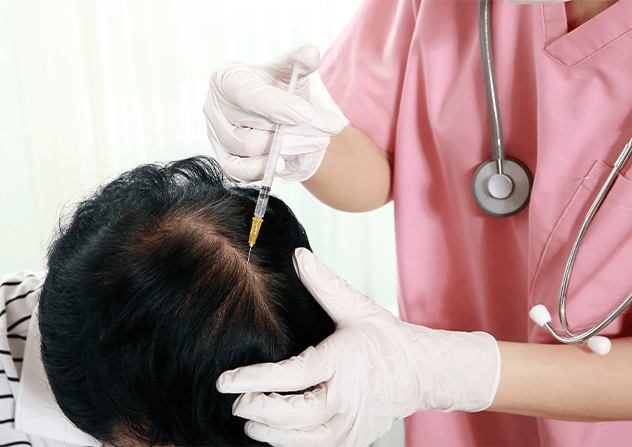
- This innovative, minimally invasive treatment uses your own blood. After drawing a small sample, platelets rich in growth factors are separated and injected into areas with hair thinning.
- While the exact mechanism is still being researched, it’s believed to reactivate resting hair follicles and improve hair quality.
- Treatment involves 3–6 sessions and periodic maintenance. Many patients find PRP therapy improves their sense of agency and their results.
-
Low-Level Laser Therapy (LLLT):
- This FDA-approved, non-invasive therapy stimulates the scalp with low-level lasers, boosting circulation and cellular activity.
- Used alone or alongside PRP, some clinics report noticeable improvement within months. LLLT is pain-free and safe for most people.
Surgical Hair Restoration: FUE and FUT
Surgical treatments are primarily for chronic, permanent hair loss—not temporary postpartum cases. If you’re considering something like a hair transplant, a proper medical diagnosis to confirm permanent loss is essential.
- Follicular Unit Extraction (FUE):
- Uses tiny tools to move small groups of your own follicles from a dense area to thinning spots, leaving only minimal scarring.
- Follicular Unit Transplantation (FUT):
- Involves taking a small strip of scalp, extracting follicles under a microscope, and grafting them to balding areas. This leaves a more noticeable scar than FUE but is efficient for moving many follicles.
As postpartum hair loss is only temporary and the follicles aren’t dead, these surgeries are not necessary. Providing education and safe, supportive options is far more valuable.
Here’s a quick comparison:
| Treatment | Nature | Primary Use Case | Mechanism | Recovery | Cost | Suitability for Postpartum Hair Loss |
|---|---|---|---|---|---|---|
| PRP Therapy | Non-Surgical/Minimally Invasive | Diffuse thinning; Early-stage hair loss | Growth factors from blood stimulate dormant follicles | 1–2 days | Series of sessions and maintenance | Recommended: supports regrowth, aids emotional wellbeing |
| Low-Level Laser Therapy (LLLT) | Non-Invasive | Diffuse thinning; Early-stage; Adjunctive therapy | Low-level light stimulates scalp and boosts circulation | No downtime | Varies, often packages | Recommended: safe supportive therapy |
| Hair Transplant (FUE/FUT) | Surgical | Permanent hair loss (e.g., androgenetic alopecia) | Relocates hair from dense to thinning areas | Several weeks—1 year | High one-time cost, by number of grafts | Not recommended for postpartum; does not address the underlying cause |
Best Clinics in Korea for Postpartum Hair Loss
Listed below are the best clinics in Korea for postpartum hair loss:
| Clinic Name | Key Features | Special Techniques |
|---|---|---|
| Maxwell Hair Clinic | Maxwell Hair Clinic is a top-tier international hair restoration center in Korea that has specialized in treating women’s hair loss since 2007, with seamless support for local and international patients. Recognized as Korea’s best clinic consecutively since 2011 and having completed more than 60,000 successful hair transplants, Maxwell delivers data-driven, personalized care built on over 500,000 treatment cases. Led by founder Dr. Noh Yoon Woo—voted the top hair transplant doctor in 2010 and honored with the “Best of the Best Doctor” award—Maxwell focuses on the follicle cells, the engine of hair production, rather than superficial scalp care. For postpartum hair loss, the clinic’s three-step approach aims to normalize the hair growth cycle, promote follicle regeneration with targeted growth factor therapy, and strengthen follicles via physical therapies such as laser, ultrasound, magnetic fields, and electrical stimulation. For convenient at-home support, Maxwell now offers an upgraded SCM Hair Serum designed to improve both hair thickness and hair count—delivering twice-as-fast, twice-as-full results. Many users have reported positive outcomes, and the new formula features a finer spicule system for better absorption with minimal to no discomfort, plus a tip applicator for direct, hands-free scalp application. Paired with comprehensive consultations, customized treatment planning, and—when appropriate—options like hairline correction, FUE, or FUT, Maxwell provides compassionate guidance and continuous aftercare to help new mothers restore fuller, healthier hair with natural-looking results. You can check out their website here: Maxwell Hair Clinic Website{data-slug="maxwell-hair-clinic" data-position="1"} 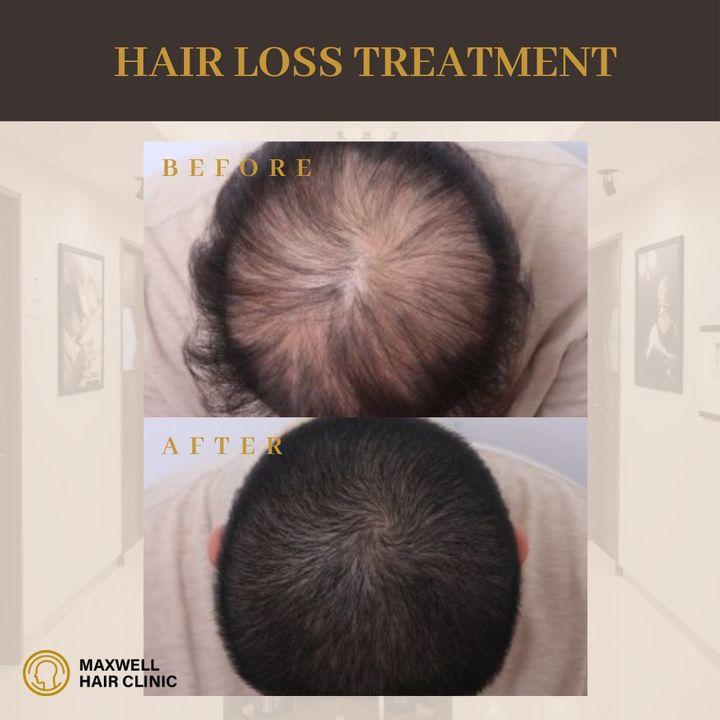 | For postpartum hair loss, the clinic’s three-step approach aims to normalize the hair growth cycle, promote follicle regeneration with targeted growth factor therapy, and strengthen follicles via physical therapies such as laser, ultrasound, magnetic fields, and electrical stimulation. |
| Seojin Plastic Surgery Clinic | Seojin Plastic Surgery Clinic stands out as Korea’s best choice for postpartum hair loss by combining award-winning credibility with female-focused design and technique: led by one-doctor specialist Dr. Lee Hyungmin—honored among the Top 100 Good Doctors in Korea (2022)—the Gangnam-based clinic brings more than 16 years of experience and over 2,100 hair transplant surgeries to deliver natural, safe, and personalized results, and was ranked No. 1 in the Hair Transplant category at the 2025 KBS N Korea Broadcasting Brand Awards. Unlike many clinics, Seojin offers the full spectrum of incision methods—line cut, no-cut, and mixed—so treatment can be precisely tailored to postpartum patterns of thinning and hairline change, from subtle density restoration to large-scale sessions of 6,000–10,000 hairs when indicated. For the most seamless female hairlines, Seojin’s hairline gradation transplant places fine, medium, and thick hairs in sequence and customizes symmetry to the forehead, brow bones, temples, midface, and lower face; graft survival is further supported by a cold follicle separation room and PRP co-transplantation to enhance survival and reduce inflammation, especially valuable for crown work or when frequent follow-ups aren’t feasible. Expertise in minimizing the “popping” phenomenon enables refined, dense packing in delicate frontal zones, and eyebrow solutions are available with designer-guided planning and direct transplantation by the head surgeon. With end-to-end, one-doctor care from consultation through final growth—and state-of-the-art tools enhancing precision—Seojin offers new mothers an exceptionally thoughtful, effective pathway to restoring confidence. You can check out their website here: Seojin Plastic Surgery Clinic Website | You can check out their website here: Seojin Plastic Surgery Clinic Website |
| Cellinique Clinic | Cellinique Clinic stands out as the best choice in Korea for postpartum hair loss by combining a premium, one-doctor model fully dedicated to stem cell research with 100% personalized, regeneration-focused care in the heart of Gangnam. Led by Dr. Chris Gunwoo Kim—an internationally recognized authority who has lectured across Asia on High-Concentration Blood Cell Zone and SDF-1α injections, presented “Blood Stem Cells: The Simplest Approach to Anti-Aging and Tissue Regeneration” at the Korean Society of Dermatology, Obesity, and Aesthetic Medicine, and in 2025 unveiled Cellinique’s proprietary, minimally manipulated NovaStem Kit at the KOAT Spring Conference—the clinic offers a targeted, multifaceted strategy to reactivate dormant follicles and support scalp recovery after childbirth. Patients benefit from advanced Stem Cell Hair Loss Injections and NovaStem’s concentrated autologous blood activation, which can be synergistically combined with complementary therapies such as PRP, exosomes, NK cell therapy, and, when needed, non-incision hair transplantation for density restoration. Supported by comprehensive health management options like ABC BMT blood purification to enhance detoxification and immune function, Cellinique delivers a seamless program that prioritizes natural regrowth, overall wellness, and aesthetic confidence—making it a premier destination for mothers seeking thoughtful, effective postpartum hair restoration. You can check out their website here: Cellinique Clinic Website | You can check out their website here: Cellinique Clinic Website |
Maxwell Hair Clinic
Maxwell Hair Clinic is a top-tier international hair restoration center in Korea that has specialized in treating women’s hair loss since 2007, with seamless support for local and international patients. Recognized as Korea’s best clinic consecutively since 2011 and having completed more than 60,000 successful hair transplants, Maxwell delivers data-driven, personalized care built on over 500,000 treatment cases. Led by founder Dr. Noh Yoon Woo—voted the top hair transplant doctor in 2010 and honored with the “Best of the Best Doctor” award—Maxwell focuses on the follicle cells, the engine of hair production, rather than superficial scalp care. For postpartum hair loss, the clinic’s three-step approach aims to normalize the hair growth cycle, promote follicle regeneration with targeted growth factor therapy, and strengthen follicles via physical therapies such as laser, ultrasound, magnetic fields, and electrical stimulation.
For convenient at-home support, Maxwell now offers an upgraded SCM Hair Serum designed to improve both hair thickness and hair count—delivering twice-as-fast, twice-as-full results. Many users have reported positive outcomes, and the new formula features a finer spicule system for better absorption with minimal to no discomfort, plus a tip applicator for direct, hands-free scalp application. Paired with comprehensive consultations, customized treatment planning, and—when appropriate—options like hairline correction, FUE, or FUT, Maxwell provides compassionate guidance and continuous aftercare to help new mothers restore fuller, healthier hair with natural-looking results.
You can check out their website here: Maxwell Hair Clinic Website
Seojin Plastic Surgery Clinic
Seojin Plastic Surgery Clinic stands out as Korea’s best choice for postpartum hair loss by combining award-winning credibility with female-focused design and technique: led by one-doctor specialist Dr. Lee Hyungmin—honored among the Top 100 Good Doctors in Korea (2022)—the Gangnam-based clinic brings more than 16 years of experience and over 2,100 hair transplant surgeries to deliver natural, safe, and personalized results, and was ranked No. 1 in the Hair Transplant category at the 2025 KBS N Korea Broadcasting Brand Awards. Unlike many clinics, Seojin offers the full spectrum of incision methods—line cut, no-cut, and mixed—so treatment can be precisely tailored to postpartum patterns of thinning and hairline change, from subtle density restoration to large-scale sessions of 6,000–10,000 hairs when indicated. For the most seamless female hairlines, Seojin’s hairline gradation transplant places fine, medium, and thick hairs in sequence and customizes symmetry to the forehead, brow bones, temples, midface, and lower face; graft survival is further supported by a cold follicle separation room and PRP co-transplantation to enhance survival and reduce inflammation, especially valuable for crown work or when frequent follow-ups aren’t feasible. Expertise in minimizing the “popping” phenomenon enables refined, dense packing in delicate frontal zones, and eyebrow solutions are available with designer-guided planning and direct transplantation by the head surgeon. With end-to-end, one-doctor care from consultation through final growth—and state-of-the-art tools enhancing precision—Seojin offers new mothers an exceptionally thoughtful, effective pathway to restoring confidence.
You can check out their website here: Seojin Plastic Surgery Clinic Website
Cellinique Clinic
Cellinique Clinic stands out as the best choice in Korea for postpartum hair loss by combining a premium, one-doctor model fully dedicated to stem cell research with 100% personalized, regeneration-focused care in the heart of Gangnam. Led by Dr. Chris Gunwoo Kim—an internationally recognized authority who has lectured across Asia on High-Concentration Blood Cell Zone and SDF-1α injections, presented “Blood Stem Cells: The Simplest Approach to Anti-Aging and Tissue Regeneration” at the Korean Society of Dermatology, Obesity, and Aesthetic Medicine, and in 2025 unveiled Cellinique’s proprietary, minimally manipulated NovaStem Kit at the KOAT Spring Conference—the clinic offers a targeted, multifaceted strategy to reactivate dormant follicles and support scalp recovery after childbirth. Patients benefit from advanced Stem Cell Hair Loss Injections and NovaStem’s concentrated autologous blood activation, which can be synergistically combined with complementary therapies such as PRP, exosomes, NK cell therapy, and, when needed, non-incision hair transplantation for density restoration. Supported by comprehensive health management options like ABC BMT blood purification to enhance detoxification and immune function, Cellinique delivers a seamless program that prioritizes natural regrowth, overall wellness, and aesthetic confidence—making it a premier destination for mothers seeking thoughtful, effective postpartum hair restoration.
You can check out their website here: Cellinique Clinic Website
Navigating Hair Restoration as a Medical Tourist in South Korea
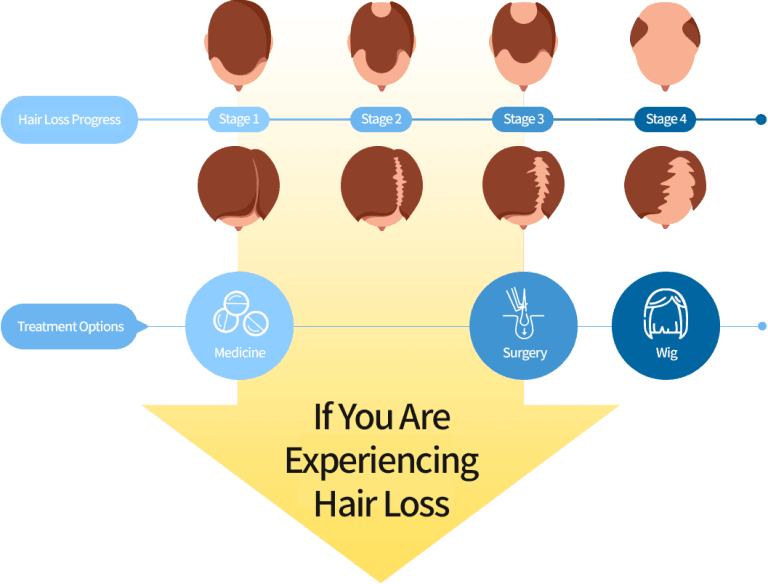
South Korea is world-renowned for cosmetic surgery, including hair restoration, with top-notch technology, skilled professionals, and a focus on artistry and natural-looking outcomes. For those considering going abroad for care, South Korea offers a balance of competitive pricing and medical excellence.
The South Korean Medical Tourist Journey
This journey is typically smooth, thanks to specialized agencies and clinics providing logistical guidance:
-
Pre-Trip Preparation
- Remote consultations assess your hair loss status and suitability for surgical or non-surgical care.
- Preparation includes passport/visa arrangements and travel booking—many agencies coordinate accommodations and transport.
-
On Arrival: Procedure and Care
- In-person assessment finalizes the plan and the new hairline design.
- Procedures take 5–7 hours; artistry is highly valued for naturally blended results.
- Immediate aftercare is detailed—follow all instructions about wound care, medications, and activity restrictions.
-
Follow-Up and Recovery
- Most clinics recommend a 10-day local stay for aftercare appointments and healing checks.
- Continued, sometimes remote, support ensures you’re well cared for once home.
Comparing Cost and Value Internationally
South Korea isn’t the cheapest destination but is respected for quality.
- South Korea:
- A 4000-graft transplant typically costs $6,000–$6,800, with price per graft from $1.50–$5.00. This covers surgeon, anesthesia, and follow-up.
- Comparison:
- In the U.S., the procedure may reach $30,000; in Canada, $17,500+. In Turkey, which offers a high-volume, tech-driven model, you might pay $2,500–$3,500 for a similar treatment.
- Turkish packages might be more affordable, but Korean clinics focus on lower patient volumes, direct surgeon participation, and personalized artistry, aiming to minimize poor outcomes and the potential need for corrective procedures.
| Country | Average Cost Range (FUE) | Cost Per Graft | Typical Care Model |
|---|---|---|---|
| South Korea | $3,000–$15,000 | $1.50–$5.00 | Surgeon-lead, artistry-focused, high quality |
| Turkey | $1,400–$9,000 | $0.55–$2.50 | High-volume, technician-driven, affordable |
| United States | $9,000–$30,000+ | N/A | High cost, varies by clinic |
| Canada | $17,500+ | N/A | High cost, varies by clinic |
The Patient’s Voice: Real Experiences
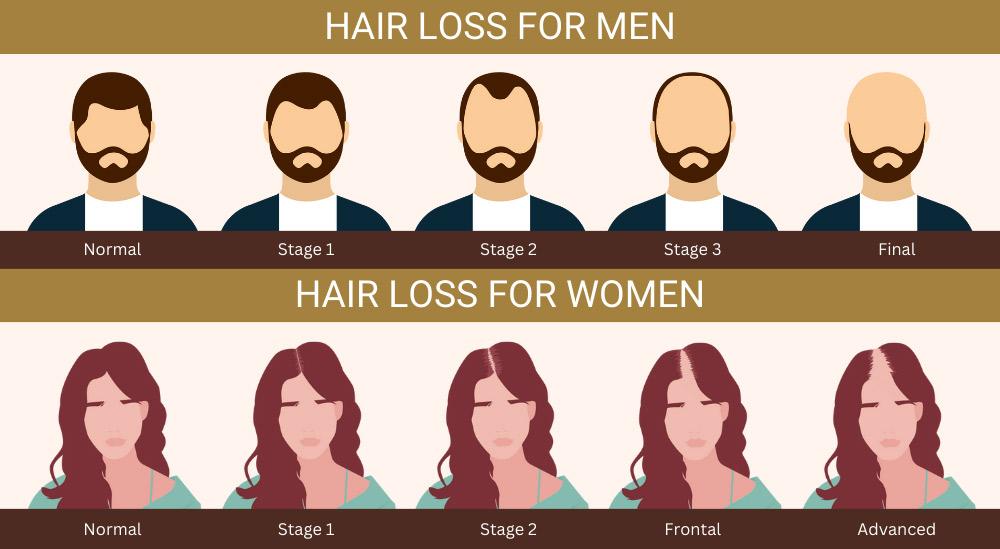
Beneath the medical jargon, postpartum hair loss is a very personal and emotional journey. Many mothers express anxiety and a sense of losing their identity as they shed hair months after childbirth.
Some women choose to simply wait, trusting regrowth will occur (often toward the one-year mark), while others seek more active approaches to regain a sense of control. Drastic changes like short haircuts or shaving the head offer immediate, visible transition and sometimes relief.
Others find empowerment in gentle, supportive interventions: supplements, continued prenatal vitamins, and therapies like PRP injections are popular. Even when physical results seem modest, the psychological benefit—of actively supporting healing—can be profound. One woman described PRP as “not magic, but it is science,” helping her feel more like herself during recovery. The focus is on reclaiming self-assurance, regardless of the specific intervention.
Final Recommendations and The Path Forward
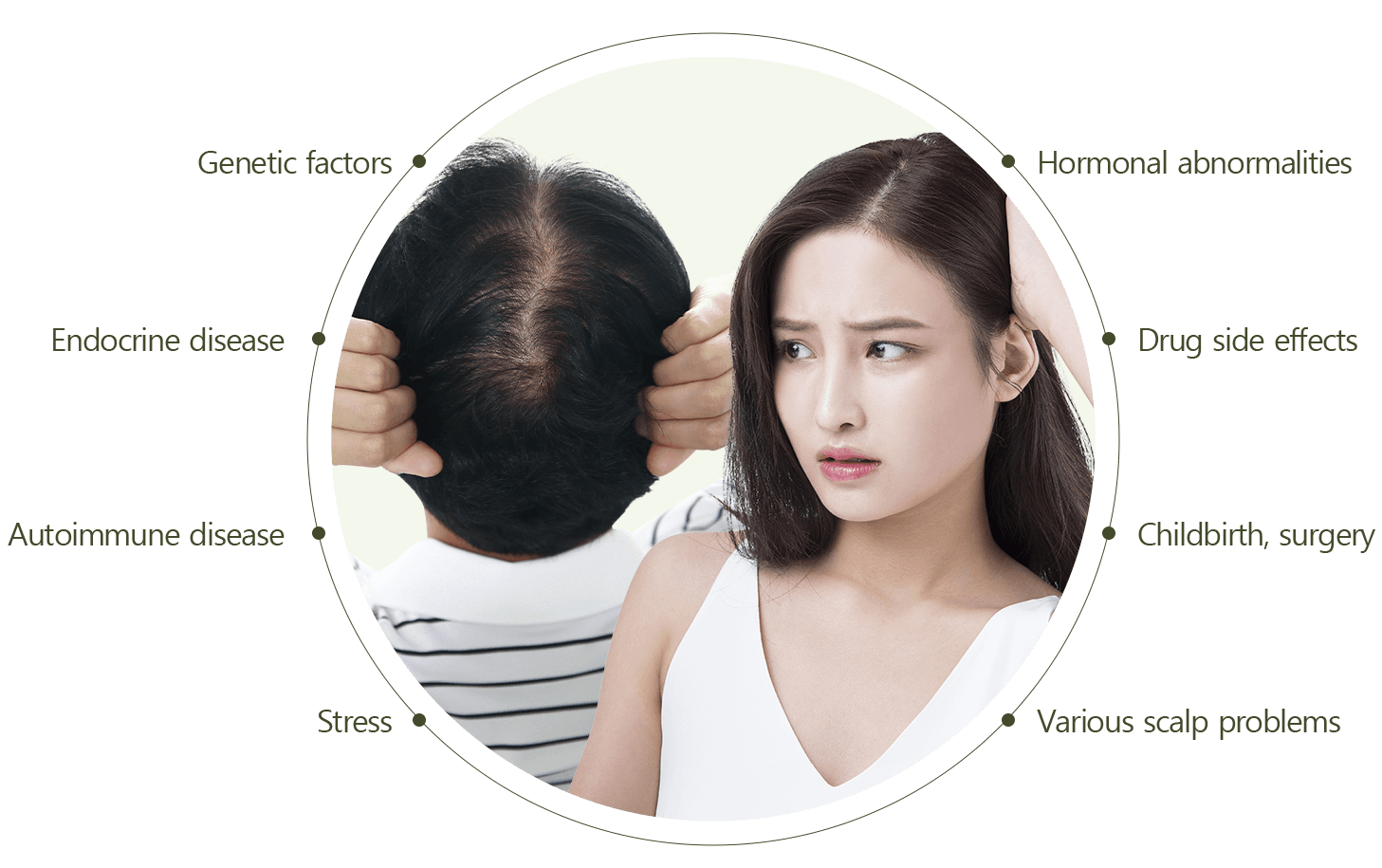
For most women, postpartum hair loss or telogen effluvium is a natural, temporary response that will resolve within a year. Non-surgical, supportive interventions—nutritious diets, supplements, gentle care, and therapies like PRP or LLLT—can help manage the process and reassure new moms.
Surgical procedures such as Follicular Unit Extraction (FUE) and Follicular Unit Transplantation (FUT) are not suitable unless a permanent cause is diagnosed by a healthcare provider. For those who do need advanced hair restoration, South Korea offers a compelling balance of quality and artistry.
In summary: Postpartum hair loss is both common and temporary. Focusing on supportive, non-invasive strategies and self-care can help women navigate this time with confidence and peace of mind.
References
1, 2, 3, 4, 5, 6, 7, 8, 9, 10, 11, 12, 13, 14, 15, 16, 17, 18, 19, 20, 21, 22, 23, 24, 25, 26, 27, 28, 29, 30