
Medical Tourism Blog
Pico Toning in Korea: Treatment Methods, Melasma Risks, Recovery, and Travel Planning
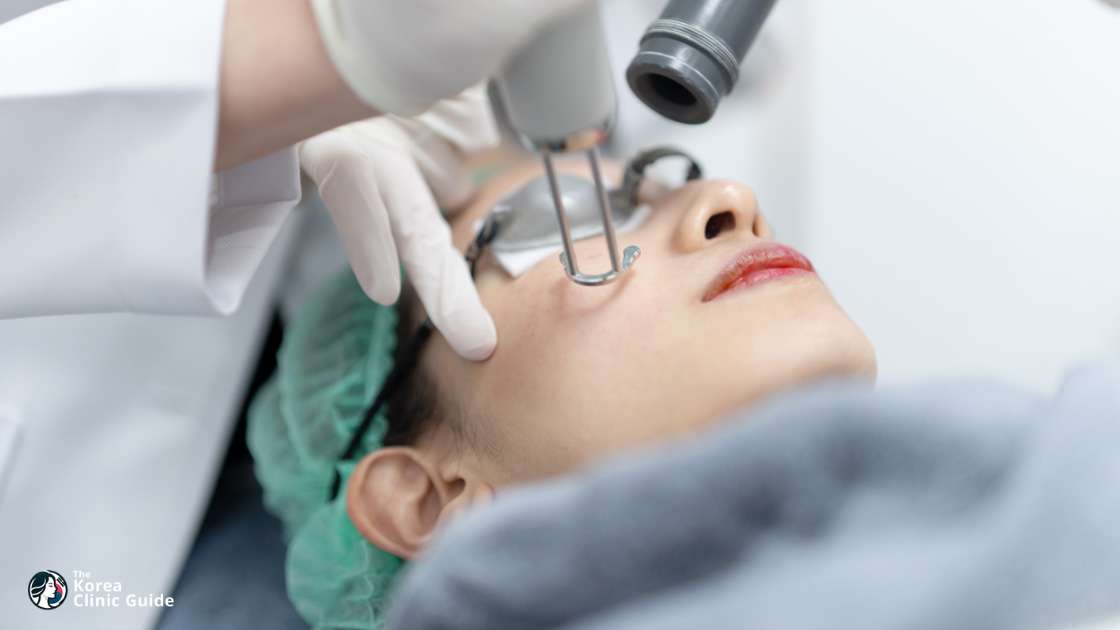
Table of contents
- Pico Toning at a Glance
- What Is Pico Toning?
- Who Is a Good Candidate for Pico Toning?
- How Is Pico Toning Performed?
- Why Visit Korea for Pico Toning?
- Key Information for International Patients
- Which Are the Best Clinics in Korea for Pico Toning?
- Pico Toning From Start to Finish
- Alternatives to Pico Toning
- How Can I Prepare for Pico Toning?
- Aftercare Advice
Considering treatment in Korea? Everything you need to know e.g. — how to avoid scams, visas, interpreters, recovery tips — in our Medical Tourism Master Guide. Plan with confidence in minutes, not weeks!
Last updated: September 2026
Pico Toning at a Glance
- What it is — Pico toning uses broad, repeated low-fluence passes of a picosecond laser, often 1,064-nm Nd:YAG, to address diagnosed diffuse pigmentation; it is different from fractional pico resurfacing or high-fluence spot treatment.
- Best candidates — It may suit adults with stable, clinician-diagnosed melasma, PIH, or uneven benign pigmentation who can follow strict UV and visible-light protection and complete a spaced treatment plan.
- Treatment course — Results for melasma are gradual, not immediate; published protocols commonly use about five sessions spaced 2–4 weeks apart, with maintenance often needed because recurrence is common.
- Recovery — Warmth, mild redness, and slight swelling usually resolve within hours to 1–2 days, and makeup is often possible the next day if skin is intact and calm.
- Key risk — Pico technology does not eliminate rebound darkening or post-inflammatory hyperpigmentation, particularly with melasma, darker skin types, prior PIH, or more inflammatory fractional and focal protocols.
- Korea travel — Allow 1–2 days for consultation and a possible same-day treatment, but do not compress a multi-session melasma course into one trip; arrange follow-up with a qualified dermatologist at home.
- Korea-specific distinction — “Pico toning” is not a standardized protocol, so obtain the exact device, wavelength, handpiece, settings, and whether treatment is plain toning, lens-array, fractional, or focal before paying or traveling.
What Is Pico Toning?
Pico toning is a low-energy picosecond laser treatment applied in broad passes to reduce diagnosed diffuse pigmentation. It aims to gradually improve melasma, post-inflammatory darkening, or uneven skin tone while supporting an ongoing pigment-management plan. It is a non-surgical, non-ablative laser procedure.
Who Is a Good Candidate for Pico Toning?
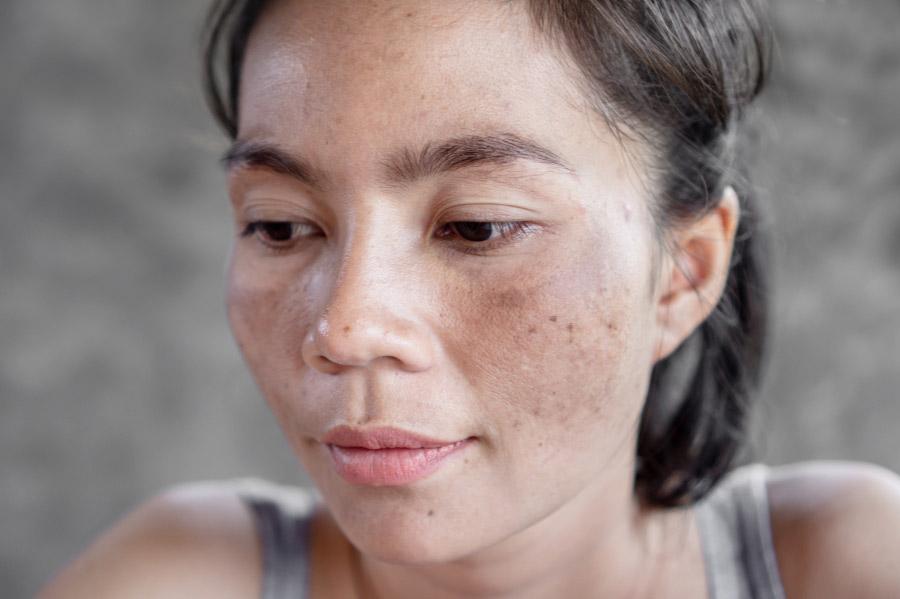
- Diagnosed facial melasma — Adults with stable, clinician-diagnosed melasma who understand that treatment is gradual and requires rigorous UV and visible-light protection.
- Defined benign pigmentation — People with carefully assessed post-inflammatory hyperpigmentation (PIH), uneven tone, or other benign pigment conditions when a dermatologist has identified the cause and depth of pigment.
- Adjunct-treatment candidates — People whose pigment has not responded adequately to, or who cannot tolerate, topical treatment; pico toning is generally considered alongside medical pigment treatment rather than as a standalone cure.
- Realistic treatment-course plans — Those able to complete spaced sessions and arrange maintenance or local dermatology follow-up. Published protocols commonly use about five sessions at 2- or 4-week intervals.
Do not laser an undiagnosed, changing, irregular, bleeding, or suspicious pigmented lesion. Delay elective treatment during pregnancy, sunburn or recent tanning, an active cold sore, skin infection, open wound, dermatitis flare, or substantial inflammatory acne in the target area. Fitzpatrick IV–VI skin types, prior PIH, vitiligo, mottled hypopigmentation, keloid tendency, herpes simplex near the area, immune suppression, poor healing, photosensitivity, and light-triggered seizures require a careful medical assessment and often a test area. Low-fluence settings reduce bulk heat but do not remove the risk of rebound darkening, especially in melasma.
How Is Pico Toning Performed?
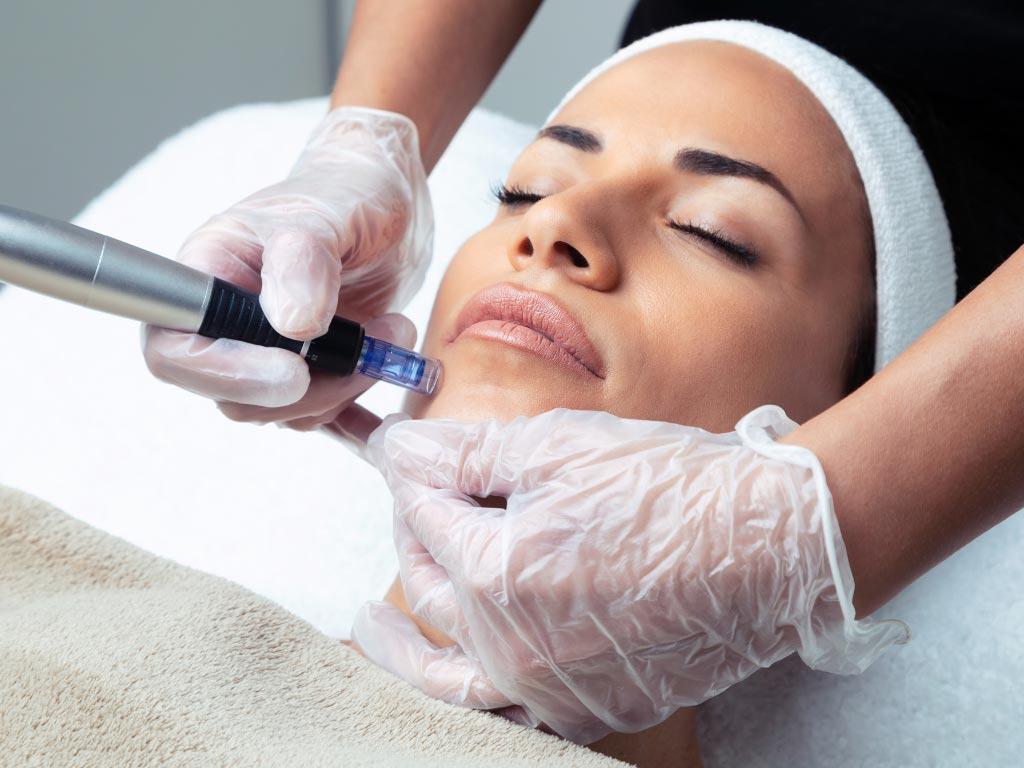
“Pico toning” is not a standardized device setting or one uniform procedure. Ask for the device name, wavelength, handpiece, treatment area, planned endpoint, and whether the clinic is proposing non-fractional toning, fractional treatment, or focal pigment removal.
- Non-fractional low-fluence pico toning — Broad, repeated low-energy passes, often using a 1,064-nm picosecond Nd:YAG laser. The intended endpoint is usually mild, temporary redness—not frosting, blistering, pinpoint bleeding, or a wound. This is the approach commonly marketed for diffuse facial pigmentation and melasma.
- Microlens or diffractive-lens-array pico treatment — A lens array redistributes laser energy into higher- and lower-intensity zones, creating a fractional-like effect. It is not identical to plain toning. A one-year observational Asian melasma cohort found ongoing MASI improvement, but some photoaging measures relapsed and the study cannot establish superiority or prevent recurrence.^
- Fractional picosecond laser (pico-fraxel) — Microscopic treatment zones target texture, acne scars, and fine lines, with more redness and downtime than non-fractional toning. See Pico Fraxel.
- Focal pigment treatment — Higher-fluence treatment for a defined freckle or lentigo has a different endpoint and a higher inflammation and PIH concern. It should follow a firm diagnosis rather than be substituted for broad-area toning.
Why Visit Korea for Pico Toning?
Korea offers access to picosecond laser treatment within a large aesthetic-dermatology market, but Korea-specific outcome data do not prove that pico toning is safer or more effective than treatment elsewhere. The central issue is not the destination: it is accurate pigment diagnosis, conservative protocol selection, and reliable follow-up. For melasma, a clinic should present laser treatment as an adjunct to photoprotection and medical management, not a permanent cure.
- Relevant Asian-population evidence — The strongest clinical pico-laser evidence is concentrated in Asian patients with facial melasma, which is relevant to many local practice settings but does not establish a Korean-provider advantage.
- Korean clinical literature, with major limits — A Korean report described improvement in three Fitzpatrick IV patients with difficult melasma or PIH after 755-nm picosecond alexandrite treatment, without observed PIH over eight weeks. Its very small sample and short follow-up cannot establish safety across devices, protocols, or skin types.^
- Demand a precise protocol — Because “pico toning” can describe different wavelengths, lens arrays, fluences, and treatment goals, obtain written treatment details before paying or traveling. This distinction is particularly important when comparing plain toning with laser toning, dual toning, or fractional pico treatment.
- Evidence limitation — A 2026 review found very low-certainty evidence and no significant advantage for the picosecond-laser subgroup over controls in laser-based melasma trials.^ Korea’s foreign-patient utilization figures cannot establish pico-toning-specific complication rates, device authenticity, or superior results.
Key Information for International Patients
- Minimum stay — Allow 1–2 days for consultation, skin assessment, and treatment. Same-day treatment is often feasible, but an overnight stay gives time to observe unexpected swelling or inflammation.
- Course versus holiday visit — Do not try to compress a melasma course into consecutive days. Published picosecond protocols commonly space sessions 2–4 weeks apart; arrange continuation with a qualified dermatologist at home before travel.
- Flying — No procedure-specific evidence sets a mandatory delay before commercial flying after uncomplicated non-ablative pico toning. Same-day or next-day travel is generally practical because there is no surgical wound or routine sedation.
- Itinerary restrictions — Avoid direct sun, heat, hot baths, saunas, strenuous exercise, and outdoor sightseeing until redness and sensitivity settle. Airport transfers and long walking days can increase heat and sun exposure.
- Remote follow-up — Leave with the device and wavelength details, settings if the clinic provides them, standardized photographs, aftercare instructions, and a direct complication contact. Arrange overseas review promptly for worsening pigment, blistering, infection, or persistent swelling.
- Companion and transport — A companion is not normally required. Driving is usually possible when vision is normal and no sedating medicine was given; bring support for anxiety, mobility, communication, or transport needs.
Travel note: Pack a wide-brimmed hat and broad-spectrum SPF 50 sunscreen. For melasma, ask whether a tinted sunscreen with iron oxides is appropriate, as visible light can aggravate pigmentation.
Which Are the Best Clinics in Korea for Pico Toning?
Listed below are some of the best clinics in Korea for pico toning.
1. Three Wishes Clinic - Myeongdong
You may consider Three Wishes Clinic - Myeongdong if you want to discuss Pico Toning within a broader skin-care menu that includes laser-based treatment, peels, acne care, and regenerative injections. Pico Toning is not specifically listed in the available clinic information, so you should confirm device availability and whether it suits your pigmentation or texture concerns before scheduling.
- URL: Three Wishes Clinic - Myeongdong Website
- Location: Jung-gu, Seoul
- Skin treatment options:
- CO2 laser resurfacing is listed for wrinkles, acne scars, and overall skin texture.
- Facial peels are offered for uneven tone, sun damage, fine lines, and mild scars.
- PDT acne treatment and customized cleansing, hydration, and maintenance skin care are listed.
- Rejuran Healer polynucleotide injections are offered to support skin regeneration, texture, elasticity, and fine lines.
2. id Hospital Korea
You may consider id Hospital Korea for a Pico Toning consultation if you value a clinic that lists a skin clinic alongside facial aesthetic and lifting services, with an emphasis on customized treatment, safety-oriented care, and systematic post-care. The available information does not specifically confirm Pico Toning, so you should verify that the treatment is offered and ask how it would be planned for your skin concerns.
- URL: id Hospital Korea Website
- Location: Gangnam-gu, Seoul
- Care approach: The clinic describes its treatment approach as customized, safety-oriented, and supported by systematic post-care.
- Related services: Listed services include a skin clinic, lifting, facial contouring, eye and nose surgery, breast surgery, petit plastic surgery, dentistry, and orthognathic surgery.
3. Modelo clinic
You may consider Modelo clinic for Pico Toning if your priority is addressing freckles, blemishes, melasma, or uneven-looking tone through an individualized whitening plan that may use laser and combination treatments. Pico Toning itself is not named in the available information, so you should confirm the specific laser platform, treatment plan, and expected course for your skin before proceeding.
- URL: Modelo clinic Website
- Location: Gangnam-gu, Seoul
- Pigmentation and tone focus:
- The clinic’s whitening treatment is described as targeting freckles, blemishes, and melasma.
- Whitening care may use laser and combination treatments to support a brighter, more even skin tone.
- Complementary skin options:
- Lifting treatments are tailored to individual skin characteristics and aging concerns.
- Comfort Thermage, a non-invasive radiofrequency treatment, is listed for gradual skin tightening and smoothing.
- Thread lifting is offered as a minimally invasive option intended to lift and tighten sagging skin.
Pico Toning From Start to Finish
- Remote inquiry and consultation — Send clear, unfiltered photographs, pigment history, previous laser records, skin-care products, medication and supplement list, prior PIH or cold-sore history, and travel dates. Confirm whether English consultation or virtual pre-assessment is available.
- In-person diagnosis — The clinician examines the pigmentation and distinguishes melasma, PIH, freckles, lentigines, inflammatory change, vascular redness, or a lesion requiring diagnostic assessment. They assess skin type, hormonal triggers, sun exposure, prior laser response, and pigmentary risk.
- Plan and test area — Discuss whether non-fractional pico toning is appropriate or whether topical therapy, another laser, or no laser is safer. A test spot is prudent for reactive skin, previous PIH, or darker skin types. Confirm the exact device, wavelength, handpiece, endpoint, and session interval.
- Skin preparation — Makeup and sunscreen are removed, photographs may be taken, and wavelength-specific protective eyewear is fitted. Non-fractional low-fluence treatment generally does not require numbing cream or sedation.
- Laser treatment — The operator makes broad, repeated passes over the planned area. Expect snapping sensations, warmth, and mild transient pinkness. A standard facial session is commonly brief, but duration depends on the treatment area and whether another procedure is combined.
- Immediate assessment and discharge — The clinician checks the skin response and reviews cooling, cleanser, moisturizer, sunscreen, product restrictions, warning signs, and travel precautions. Obtain written documentation before leaving.
- Recovery and review — Warmth, pinkness, and mild swelling usually settle within hours to 1–2 days. Reassess response only after the skin has recovered; published courses commonly use 2–4-week intervals rather than consecutive sessions.
- Overseas follow-up — Send photographs through the clinic’s agreed channel and seek local dermatology care for a concerning reaction. Continue long-term melasma management and photoprotection at home rather than relying on a single travel visit.
Alternatives to Pico Toning
For melasma and diffuse hyperpigmentation, non-laser treatment is often the safer first step because inflammation can worsen pigment. Laser and other energy devices can be useful for selected, well-diagnosed cases, but their tradeoff is a greater risk of PIH, patchy lightening, or relapse. A 2026 meta-analysis of five randomized trials totaling 139 participants found triple-combination cream produced greater MASI improvement than 755-nm picosecond alexandrite laser, while PIH occurred more often with laser; certainty was low because trials were small and heterogeneous.^
Medical Melasma Management
- Core approach — Dermatologist-directed topical treatment can include hydroquinone-based regimens, triple-combination cream where appropriate, azelaic acid, and other pigment-directed agents alongside strict photoprotection.
- Tradeoff — Requires consistent daily use and medical supervision, but avoids laser-induced inflammation. It remains central treatment rather than an optional add-on for melasma.
Oral Tranexamic Acid
- Best suited to — Selected patients with refractory melasma after clinician review.
- Tradeoff — This is off-label and requires assessment of thrombotic history, contraindications, and medicine interactions; it is not appropriate for everyone.
Q-Switched Nd:YAG Laser Toning
- Best suited to — Patients considering a conventional low-fluence laser approach for diagnosed pigmentation. See Laser Toning and Dual Toning.
- Tradeoff — It is more established than many pico-toning protocols, but recurrence, rebound darkening, mottled hypopigmentation, and PIH remain relevant risks.
IPL or Chemical Peels
- Best suited to — Selected freckles, superficial sun damage, or diagnoses other than active melasma. See IPL and chemical peels.
- Tradeoff — These can worsen melasma or PIH when skin type, pigment diagnosis, timing, or intensity is poorly selected.
No Laser Now
- Best suited to — Pregnancy, active skin inflammation, recent tanning, uncertain diagnosis, inability to maintain photoprotection, or lack of reliable follow-up.
- Tradeoff — Delaying treatment protects against avoidable pigmentary complications while diagnosis, skin-barrier recovery, and medical management are addressed.
How Can I Prepare for Pico Toning?
- Medical disclosure — Provide every medicine, supplement, allergy, medical condition, prior laser treatment, prior PIH reaction, cold-sore history, and current skincare product. Include doxycycline, thiazide diuretics, amiodarone, isotretinoin, tretinoin, warfarin, apixaban, aspirin, ibuprofen, fish oil, vitamin E, and ginkgo where relevant.
- Prescription medicines — Do not stop anticoagulants, hormonal medicines, or any prescribed medicine independently. The treating clinician and prescribing doctor must decide whether a change is appropriate.
- Retinoids and irritants — Unless the treating clinician gives different instructions, stop irritating leave-on products for several days before treatment: retinoids, benzoyl peroxide, exfoliating acids, scrubs, and home peels. Use a bland cleanser and moisturizer.
- Sun and tanning — Avoid intentional tanning, tanning beds, sunburn, and substantial UV or visible-light exposure in the weeks before treatment. Postpone if the skin is tanned, burned, or actively inflamed.
- Treatment-area preparation — Arrive with a clean face where possible. Do not wax, use depilatories, or perform aggressive exfoliation over the treatment area shortly before the appointment.
- Smoking and alcohol — Avoid alcohol and activities that cause facial flushing the day before and on treatment day. Avoid smoking where possible because it can impair skin recovery.
- Travel planning — Schedule major outdoor activities before—not immediately after—the appointment, book flexible flights where possible, and bring a hat, SPF 50 sunscreen, prior records, and product photographs.
Travel note: No fasting is usually needed because pico toning is generally performed without sedation. Confirm this in advance if the clinic plans numbing cream, oral anti-anxiety medication, or combination treatment.
Confirm the treating doctor’s clinic-specific requirements, which take precedence over this general guidance.
Aftercare Advice
Protect treated skin from heat, friction, and light exposure while inflammation settles; preventing post-treatment inflammation is essential to reducing pigment complications.
- Cooling and cleansing — Use cool compresses only if approved; do not place ice directly on skin. Cleanse gently with lukewarm water and a mild cleanser, then use a bland moisturizer.
- Sun and visible-light protection — Apply broad-spectrum SPF 50 sunscreen daily and reapply during outdoor exposure. Wear a hat and seek shade. For melasma, ask the clinician whether a tinted iron-oxide sunscreen suits the treatment plan.
- Activity and heat — Avoid strenuous exercise, saunas, steam rooms, hot yoga, very hot showers, and prolonged direct sun until warmth, redness, and sensitivity have resolved.
- Skin contact and active products — Do not pick, scrub, wax, exfoliate, or use retinoids, benzoyl peroxide, exfoliating acids, or home peels until the skin is calm. Makeup is often reasonable the next day when the skin is intact and not irritated.
- Expected and concerning changes — Brief warmth, pinkness, mild swelling, dryness, and temporary pigment darkening can occur. Contact the clinic promptly for blistering, increasing pain, pus, crusting, spreading rash, fever, eye symptoms, a cold-sore outbreak, sharply defined pale spots, or pigment darkening that persists or progresses.
- Results and maintenance — Expect gradual—not immediate—melasma improvement. Recurrence is common, so reassess after the planned course and maintain pigment-directed treatment and photoprotection. A study in phototypes III–IV specifically evaluated PIH after microlens-array picosecond laser, underscoring that picosecond technology does not eliminate this risk.^
Follow the treating doctor’s individualized aftercare instructions and contact the clinic when anything appears wrong.
Frequently Asked Questions
Related Blogs
Nipple Whitening Treatment in Korea: Methods, Safety, Recovery, and Travel Planning
Nipple whitening involves clinician assessment, possible topical therapy, test-spot laser/light treatment, superficial peels, resurfacing, or camouflage micropigmentation, with limited direct evidence for nipple–areola lightening. International patients should plan 2–3 days for examination and possible treatment, arrange follow-up, and defer cosmetic care for suspicious skin changes, pregnancy, br
Updated: Sep 22, 2026
Juvelook Volume Filler in Korea: Results, Safety, Recovery, and Travel Planning
Juvelook Volume uses staged deep-plane PDLLA/HA injections for gradual correction of nasolabial folds and localized facial volume loss. International patients can review candidacy, three-session scheduling, recovery, travel planning, aftercare, and urgent warning signs.
Updated: Sep 22, 2026
EmSculpt Fat Dissolving Laser in Korea: EMSCULPT NEO Treatment, Recovery, Results and Travel Planning
EMSCULPT NEO combines electromagnetic muscle contractions with radiofrequency heating in a commonly studied course of three or four 30-minute sessions over 2–4 weeks. International patients can find screening criteria, Korea travel planning, device verification, aftercare, warning signs, and alternatives to noninvasive body contouring.
Updated: Sep 22, 2026
TruSculpt Fat Dissolving Laser in Korea: RF Body Contouring, Results, Recovery and Travel Planning
TruSculpt RF uses external radiofrequency applicators to heat localized, pinchable fat for gradual contour refinement, with results typically assessed at 8–12 weeks. The article covers candidacy, contraindications, Korea travel planning, device verification, treatment steps, recovery, aftercare, and alternatives.
Updated: Sep 22, 2026
Clinics offering Pico Toning

Three Wishes Clinic - Myeongdong, Korea: Advanced Botox, Fillers, Laser, and Skin Treatments for Confidence and Care
Myeongdong
ID Hospital - Main Branch in Korea: Specializing in Safe & Customized Facial Plastic Surgery and Post-Care Services
Sinsa

Cheongdam Oracle Dermatology & Plastic Surgery Clinic in Korea: Offering Advanced Skin, Anti-Aging, Body Contouring Treatments and More
Seolleung

Modelo Clinic Korea: Achieving Timeless Beauty with Personalized Botox, Filler, Skincare Treatments & More
Apgujeong